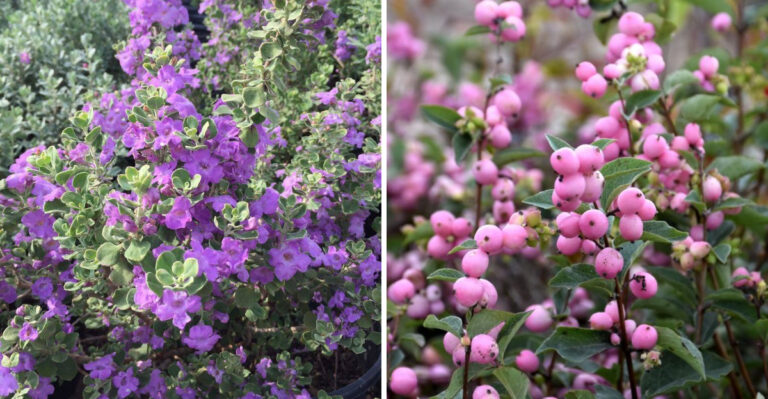
The Low-Water Shrub Texas Homeowners Can Use Instead Of Oleander
Oleander has been a Texas landscaping staple for generations. It’s tough, it’s drought tolerant, it blooms prolifically through the summer heat, and it grows fast enough to create real privacy and structure in a landscape relatively quickly.
For a long time, it seemed like the obvious choice for Texas homeowners who wanted a low water shrub that actually delivered results. But oleander comes with a profile that more Texas homeowners are reconsidering.
The toxicity is significant and extends to every part of the plant, making it a genuine concern in yards with children, pets, and wildlife. Some Texas municipalities and neighborhoods have begun discouraging or restricting its use.
And as awareness of its risks has grown, the search for a better alternative has become a real priority for a lot of homeowners who still need everything oleander promised.
That alternative exists. It’s drought tolerant, just as heat resilient, beautiful through the Texas growing season, and none of the safety concerns come with it.
Here’s the low water shrub Texas homeowners are choosing instead of oleander and why it’s worth knowing about.
Texas Sage Is A Tough Native Alternative To Oleander
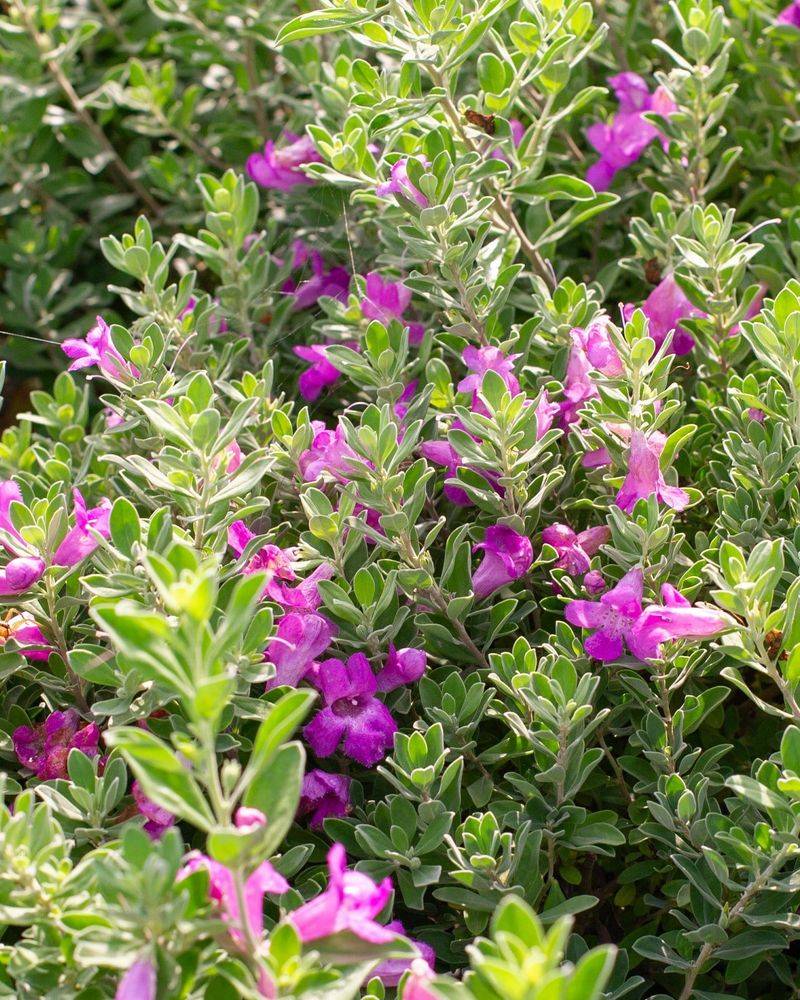
Forget fussy plants that need constant care. Texas sage, known scientifically as Leucophyllum frutescens, is one of the toughest shrubs you can grow in the Lone Star State.
Native to the Chihuahuan Desert and the rocky hills of West Texas, this plant was practically built for the brutal Texas summer.
Unlike oleander, which can be toxic to people and pets, Texas sage is a much safer choice for families.
You get the same bold, bushy look without worrying about accidental contact or curious kids and animals getting into something harmful. That alone makes the switch worth considering.
Once established in your yard, Texas sage needs very little supplemental water. Most homeowners find that natural rainfall is enough to keep it healthy during the growing season.
It is a true survivor, capable of handling long stretches of dry weather without showing much stress.
The plant grows naturally in rocky, alkaline soils where other shrubs would struggle. That resilience is exactly why it has become a favorite among Texas landscapers and water-conscious homeowners.
You are not fighting the climate when you plant Texas sage. You are working with it. Nurseries across Texas carry several cultivars, including Green Cloud and White Cloud, giving you options for flower color and mature size.
Most varieties reach between four and eight feet tall when fully grown. Starting with a healthy, container-grown plant from a local native plant nursery gives you the best chance of quick establishment and long-term success in your landscape.
It Delivers Color Without Constant Watering
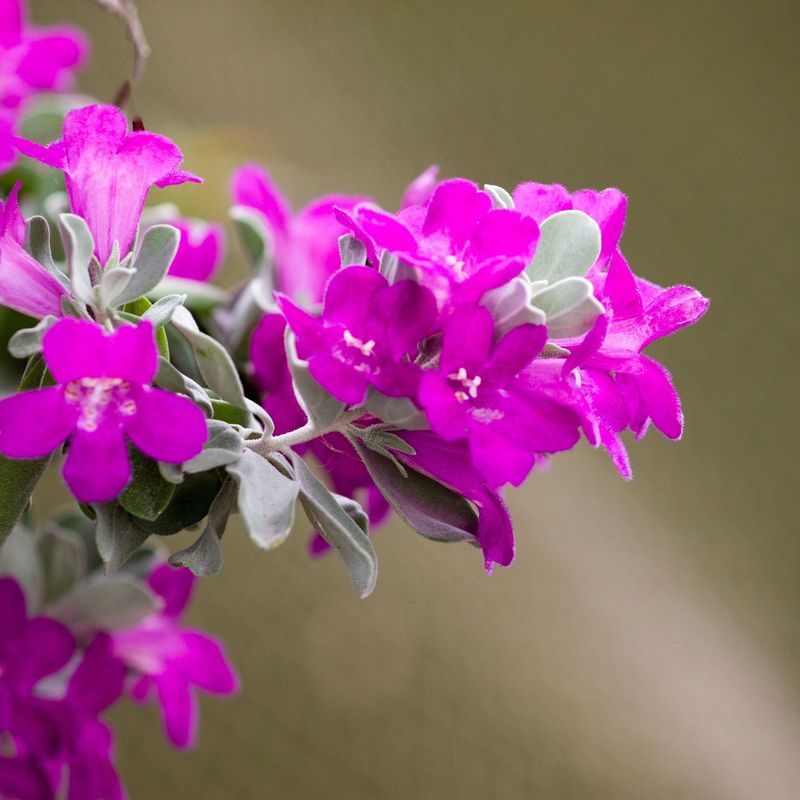
One of the most exciting things about Texas sage is how it blooms. After a good summer rain, the entire shrub can practically explode with color almost overnight.
Gardeners in Texas often call this the “barometer bush” because the flowering seems tied to rising humidity and moisture in the air.
Your Texas Garden Changes Every Week. Your Plan Should Too.
Gardening in Texas changes quickly throughout the season. Every Friday you’ll receive a simple weekly plan showing exactly what to plant, prune, fertilize, harvest, and protect so you never miss the right timing.
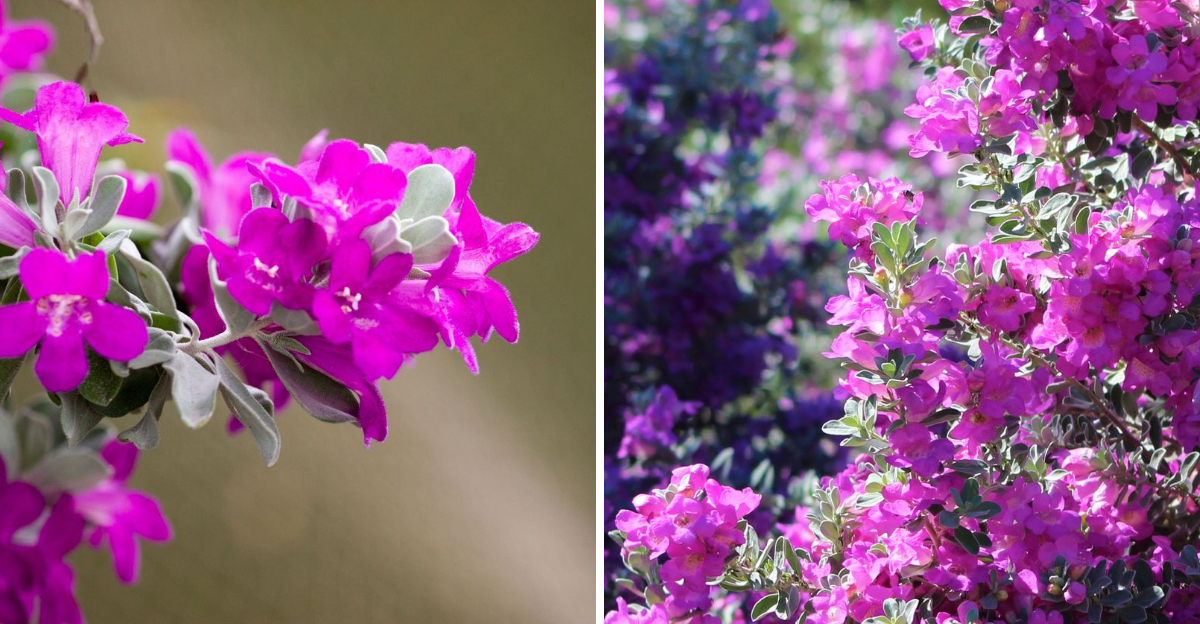
Depending on the variety you choose, flowers can be purple, lavender, pink, or white. The blooms are small but they appear in such large numbers that the whole plant looks like it is glowing.
For a shrub that gets almost no extra water, that kind of show is pretty remarkable. Between bloom cycles, the silvery-gray foliage keeps the plant looking attractive.
That soft, fuzzy texture on the leaves actually helps the plant reflect sunlight and reduce water loss, which is a smart natural adaptation for hot climates. So even when it is not flowering, your yard still benefits from its presence.
Compare that to a plant that only looks good when it is blooming and becomes a dull green wall the rest of the year. Texas sage stays visually interesting through every season, even in winter when most other plants have gone quiet.
If you want consistent color in your yard without running up your water bill, Texas sage is a strong candidate. You do not need to set up a complicated irrigation schedule or babysit it through the summer heat.
Just plant it in the right spot, give it a little time to settle in, and let the Texas weather do the rest of the work for you.
Full Sun Brings Out Its Best Growth
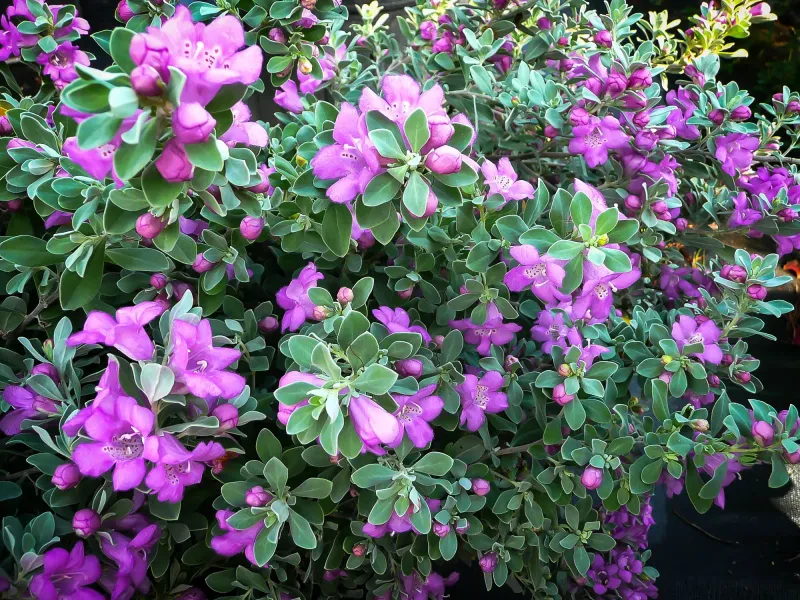
Sunlight is not optional for Texas sage. It is essential.
Plant this shrub in a bright, open location where it gets at least six to eight hours of direct sun every day, and it will reward you with strong, dense growth and plenty of flowers. Partial shade is tolerable in small doses, but too much shade changes everything.
When Texas sage does not get enough light, the branches can become long and leggy as the plant stretches toward the sun. The overall shape gets loose and uneven, and flower production drops significantly.
A shaded Texas sage is a struggling Texas sage, plain and simple. Luckily, most Texas yards have no shortage of sunshine. South-facing and west-facing spots are usually ideal.
These locations catch the most intense afternoon sun, which most plants avoid but Texas sage absolutely loves. Placing it near a wall or fence that reflects heat can actually boost its performance even further.
Full sun also helps the soil dry out faster between waterings or rain events, which is exactly the kind of growing condition this plant prefers.
Wet feet are one of the few things that can seriously set back a Texas sage, so pairing it with a sunny, well-drained spot keeps it in great shape.
If you are replacing oleander along a sunny driveway or open fence line, Texas sage fits right into those same spots without skipping a beat.
It fills the space with purpose and color while thriving in the exact conditions that would exhaust most other ornamental shrubs. Sun is this plant’s best friend, and in Texas, that is rarely in short supply.
Good Drainage Matters More Than Rich Soil
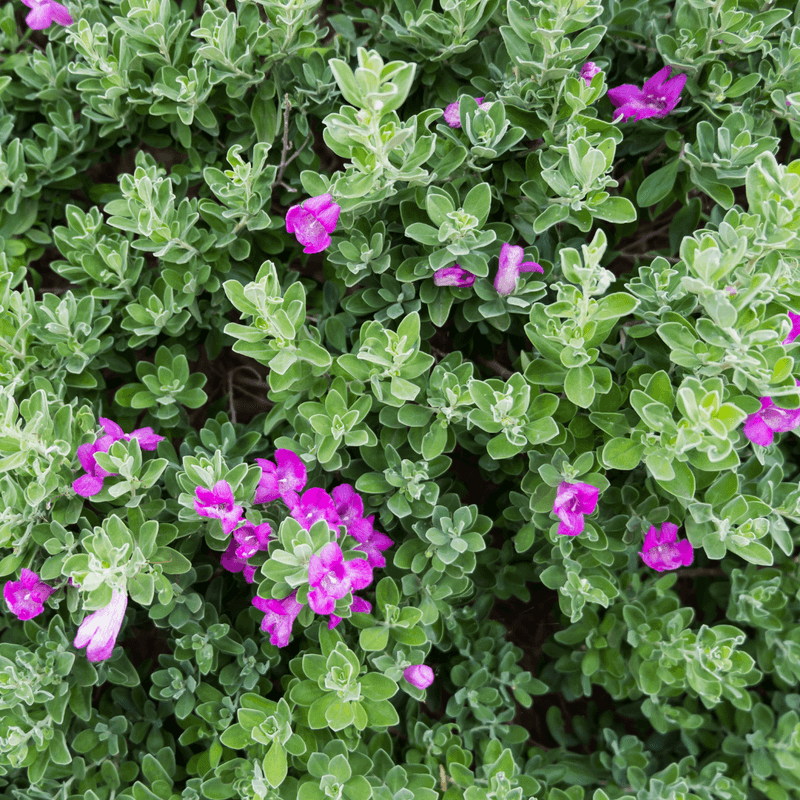
Here is something that surprises a lot of new gardeners: Texas sage does not need good soil to thrive. In fact, it often performs better in poor, lean soil than in rich, amended garden beds. The key factor is not fertility. It is drainage.
Roots sitting in waterlogged soil for extended periods will cause serious problems for this plant. The roots need air as much as they need moisture, and compacted or clay-heavy soils that hold water can quickly lead to root rot.
If your yard has low spots where puddles form after rain, avoid planting Texas sage there. Rocky, alkaline, and even caliche-heavy soils are all fine for this shrub. Those are the kinds of challenging conditions it evolved to handle over thousands of years in the wild.
Adding heavy compost or fertilizer to the soil before planting can actually backfire by making the plant grow too fast and reducing its natural toughness.
Raised beds and sloped areas work especially well. Any spot where rainwater flows away from the root zone rather than pooling around it is a good candidate.
If your yard is mostly flat, you can create a slight mound of native soil and plant Texas sage at the top to improve drainage naturally.
Amending the soil lightly with decomposed granite or coarse sand can also help in areas where drainage is borderline. The goal is to mimic the plant’s natural habitat as closely as possible.
When you match the right plant to the right conditions, you spend less time troubleshooting and more time enjoying a beautiful, low-effort landscape.
It Works Well As A Hedge Or Screen
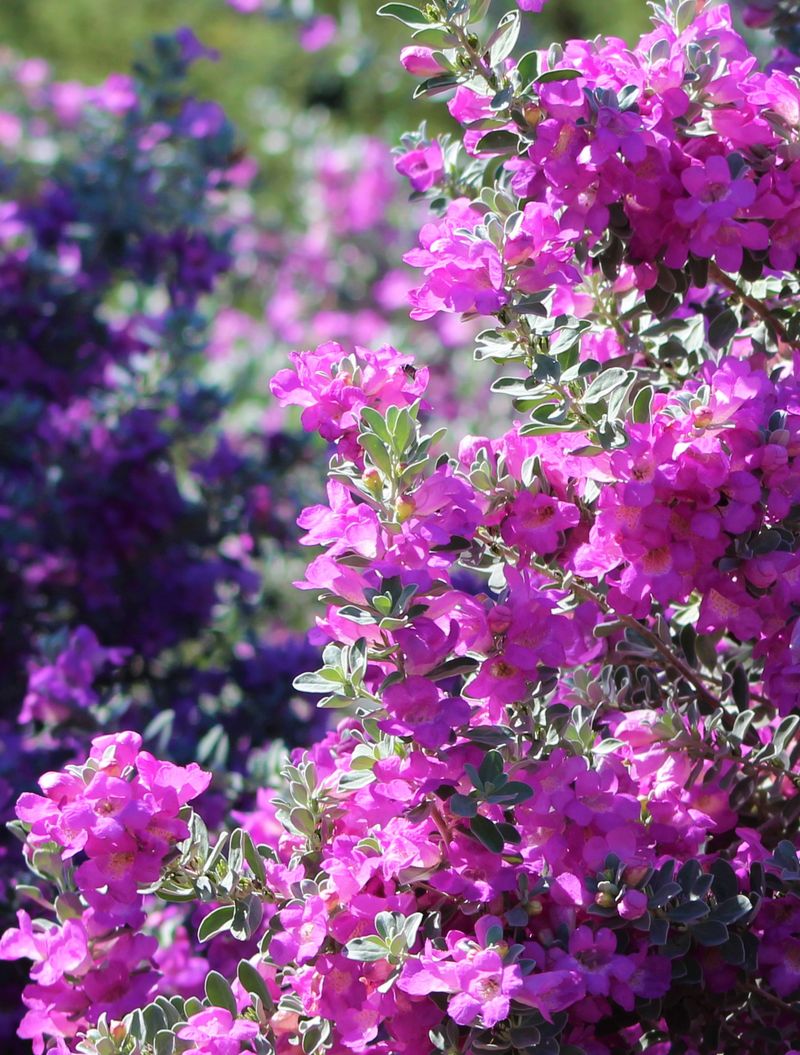
Oleander has long been a go-to choice for creating privacy hedges and visual screens in Texas yards. Texas sage can fill that same role beautifully, and it does so without the toxicity concerns that come with oleander.
For homeowners who want a lush, full barrier along a property line or driveway, this shrub delivers real results.
Mature Texas sage plants can reach six to eight feet tall and spread four to six feet wide, depending on the variety. Planted three to four feet apart, they fill in over a couple of growing seasons to create a dense, continuous screen.
The silvery foliage stays full enough year-round to provide consistent coverage even when the plant is not in bloom.
Along sunny foundation beds, Texas sage adds structure and softens the hard lines of a home’s exterior.
It pairs well with native grasses, agave, and other drought-tolerant plants to create a layered, textured look that feels intentional and polished without requiring a lot of upkeep.
Driveways lined with Texas sage are a common sight in Central and West Texas neighborhoods. The combination of heat-reflecting pavement and full sun creates ideal growing conditions right where you want curb appeal the most.
Visitors will notice the color and texture long before they reach your front door. For corner lots or open yards that need definition without fencing, a row of Texas sage creates a natural boundary that feels organic rather than rigid.
It is a flexible plant that adapts to many design goals while staying true to its low-water, low-maintenance roots. That kind of versatility is hard to beat in a Texas landscape.
Keep Maintenance Simple
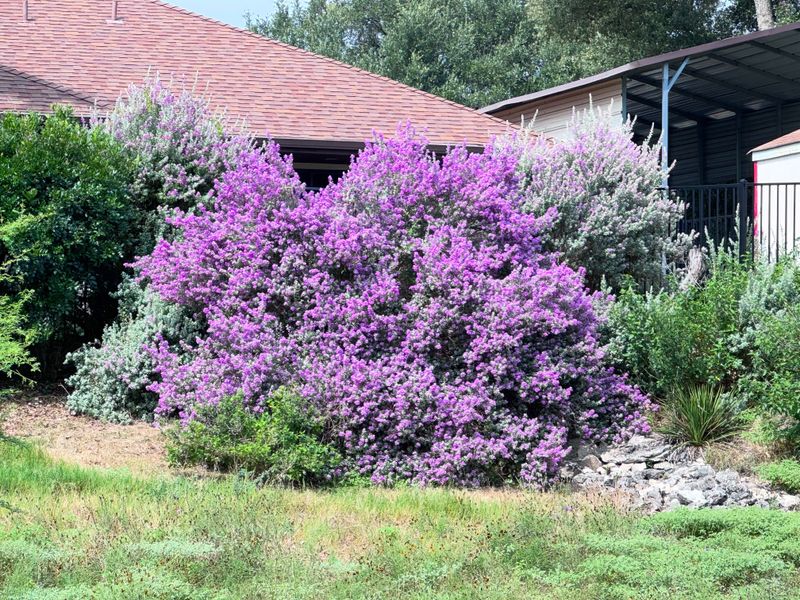
One of the best things about Texas sage is how little it asks of you once it is settled in. Many homeowners are tempted to over-manage it, especially if they are used to more demanding landscape plants. Resist that urge. Less is genuinely more with this shrub.
Heavy shearing into tight, boxy shapes is one of the most common mistakes people make with Texas sage. When you shear it repeatedly into a formal ball or cube, you remove the tips where the flowers form.
The result is a plant that looks tidy but rarely blooms. That defeats the whole purpose of growing it.
Light pruning, done once or twice a year, is usually all you need. The best time to prune is in late winter before new growth starts, or lightly after a major bloom cycle in late summer.
Focus on removing dry wood, crossing branches, or any growth that is spoiling the natural rounded shape.
Fertilizing is rarely necessary and sometimes counterproductive. Too much nitrogen pushes fast, soft growth that is less heat-tolerant and more prone to problems.
If your soil is reasonably healthy and well-drained, the plant will feed itself just fine through its natural root system.
Watering deeply but infrequently during the first year helps the roots go deep and wide. After that, most established Texas sage plants in average Texas conditions need little to no supplemental irrigation.
You can spend your weekends enjoying your yard instead of working in it. That is the real promise of planting the right shrub in the right place, and Texas sage delivers on that promise every single season.