What Makes Late August The Perfect Time To Rewild Your Illinois Yard
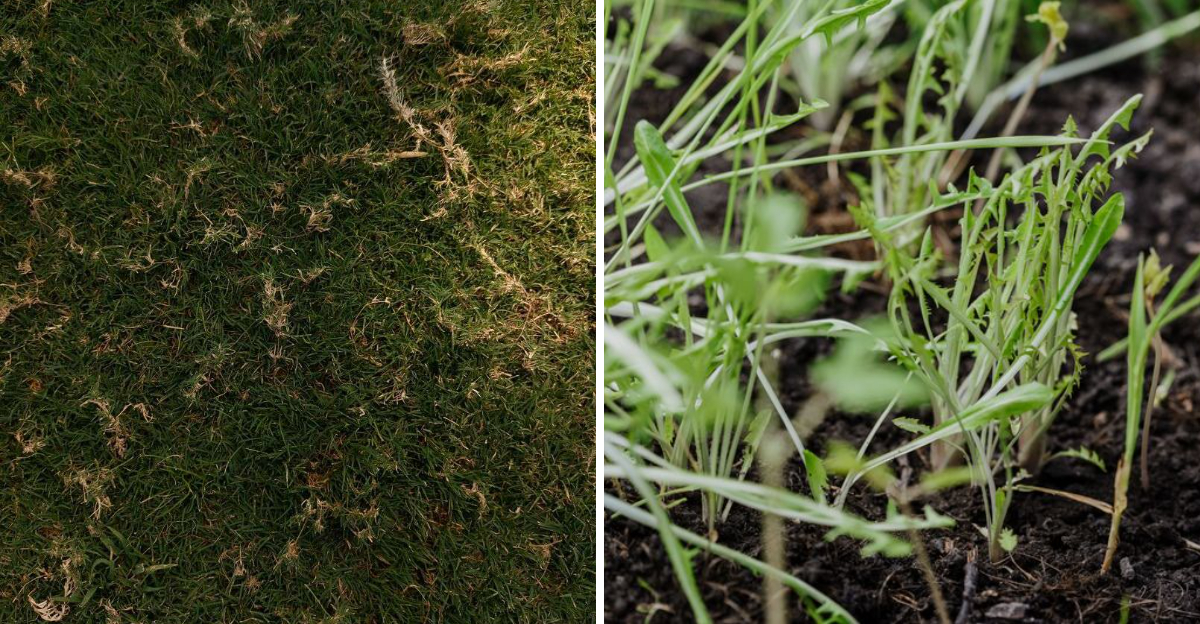
Beneath faded grass, roots are already plotting a comeback. Late summer merely looks quiet, but it hides motion. Illinois soil holds warmth long after the air turns crisp.
Roots stretch, seeds settle, and dormant life stirs quietly beneath thin patches and worn lawn. Nobody tells you this window matters more than spring. Timing beats effort here, and most homeowners miss it entirely anyway.
Native seed needs cold nights to break dormancy, not perfect weather. Waiting until spring means missing an entire season of root development. Winters in Illinois actually work in your favor if you act now.
Every patch of tired lawn holds real potential, not disappointment. Birds, pollinators, and microbes are already responding to subtle changes you cannot yet notice.
Overlooking this moment quietly costs you many months of growth you could otherwise gain. Your yard is not fading right now. It is waiting for you to move first.
Warm Soil Speeds Germination
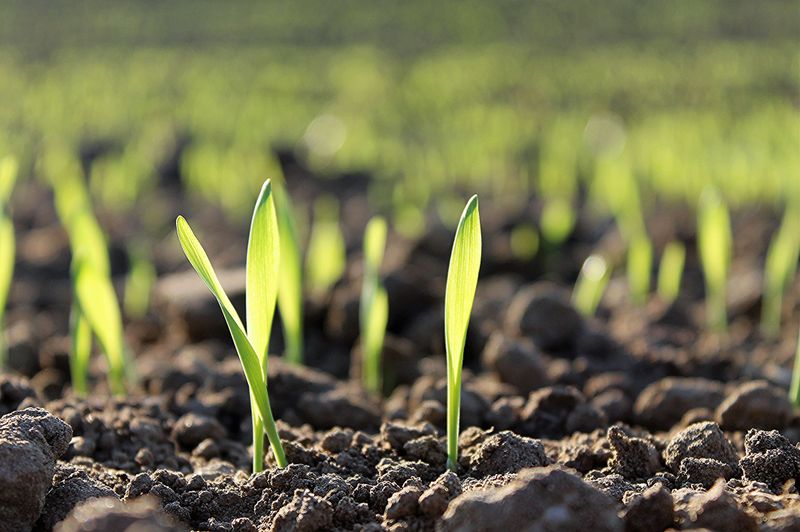
Forget what you think you know about planting seasons. Late August soil in Illinois holds onto summer heat like a cast iron pan, and that warmth is pure gold for seeds.
Soil temperature in late August typically stays warm, often in the 70s Fahrenheit. That range is the sweet spot for native prairie seeds to wake up fast and push roots downward.
Warm-season natives like prairie dropseed, along with adaptable species like wild ginger, respond quickly to warm soil. They crack open within days rather than weeks, giving your rewilded yard a serious head start.
Warm soil also encourages beneficial soil microbes to stay active. Those tiny organisms break down organic matter and feed young roots, making germination even more reliable.
Compare that to spring, when thick, healthy grass holds on tight and makes removal far more difficult. Seeds planted in cold ground tend to rot or stay dormant for frustratingly long stretches.
Late summer soil drains better too, since summer evaporation has reduced excess moisture. That means seeds sit in ideal conditions rather than waterlogged ones.
Rewilding your Illinois yard in late August takes advantage of this natural warmth window. Your seeds get a running start before winter signals them to pause and rest.
Think of warm soil as a free incubator that costs you nothing. Plant now, and you will notice how quickly your yard begins to transform.
Cooler Air Reduces Plant Stress
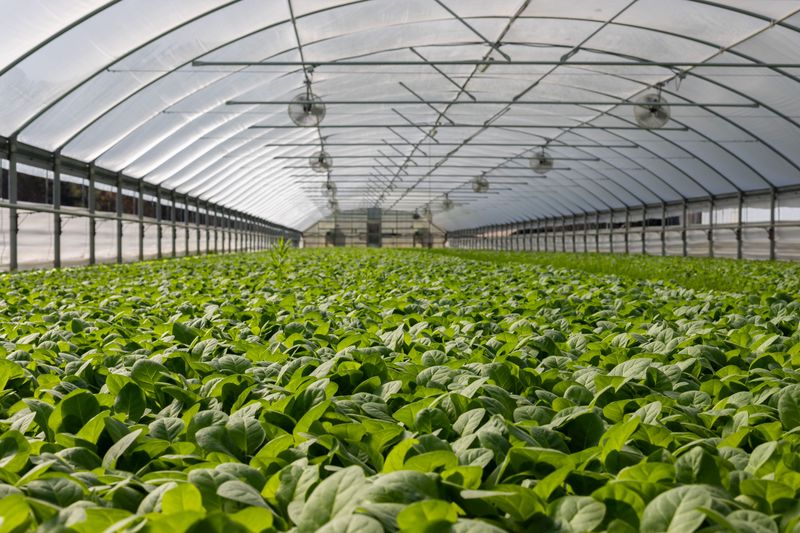
August heat can feel intense, but something shifts in the final weeks of the month. Temperatures drop just enough to make a real difference for newly planted natives.
Young plants are incredibly vulnerable to heat stress right after transplanting. High temperatures cause them to lose water faster than roots can absorb it, leading to wilting and shock.
Late August brings average highs noticeably cooler than peak summer across most of Illinois. That drop from peak July heat gives transplants a fighting chance to establish without drama.
Cooler air also slows the rate of evaporation from leaves. Plants spend less energy trying to stay hydrated and more energy pushing roots into your yard’s soil.
Your Illinois Garden Changes Every Week. Your Plan Should Too.
Gardening in Illinois changes quickly throughout the season. Every Friday you’ll receive a simple weekly plan showing exactly what to plant, prune, fertilize, harvest, and protect so you never miss the right timing.
Native plants like purple coneflower and black-eyed Susan actually thrive when planted in this transitional window. They evolved alongside Illinois seasons and respond beautifully to the late-summer shift.
Even nighttime temperatures become more plant-friendly in late August. Cooler nights allow plants to recover from daytime activity and store energy for root development.
Gardeners who rewild during peak summer often deal with frequent wilting and plant loss. Waiting just a few weeks for that cooler air makes the whole process far less stressful for you too.
Rewilding your Illinois yard feels almost effortless when nature is cooperating with your goals. Cooler air is not just comfortable for you, it is genuinely beneficial for your new plants.
Autumn Moisture Builds Strong Roots
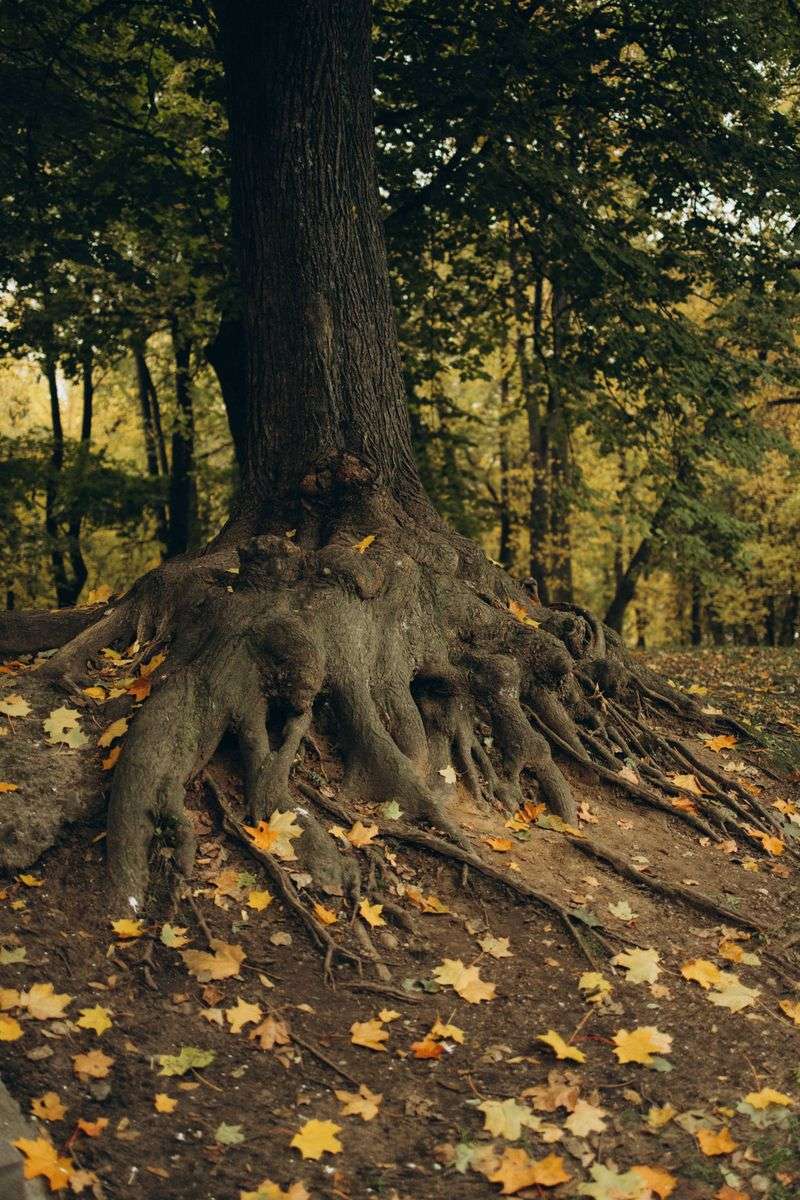
Rain in late August has a different quality than summer downpours. It soaks in slowly and stays longer, giving plant roots exactly what they crave most.
Illinois typically receives meaningful rainfall in late summer and early fall. That moisture arrives just as newly planted natives need consistent hydration to anchor themselves.
Strong root systems are the foundation of any successful rewilded yard. Without deep roots, plants cannot survive winter, drought, or the competition from surrounding vegetation.
Autumn moisture encourages roots to chase water downward rather than staying near the surface. Deep roots mean more resilient plants that bounce back season after season without much help from you.
Native prairie plants like compass plant are famous for sending roots up to 16 feet deep, while rattlesnake master develops a deep, fibrous root system reaching several feet down. That feat becomes possible when consistent fall moisture guides them in the right direction.
Surface watering during dry summer months trains roots to stay shallow and lazy. Fall rain does the opposite, pulling roots deep into the earth where moisture and nutrients are abundant.
Rewilding your Illinois yard in late August means letting nature do the heavy lifting. You plant, and autumn moisture handles the root development that would otherwise take extra effort and irrigation.
Healthy roots built in fall become the engine for vigorous spring growth. Your yard will look completely different by May, all thanks to what happens underground in September.
Weed Pressure Drops Significantly
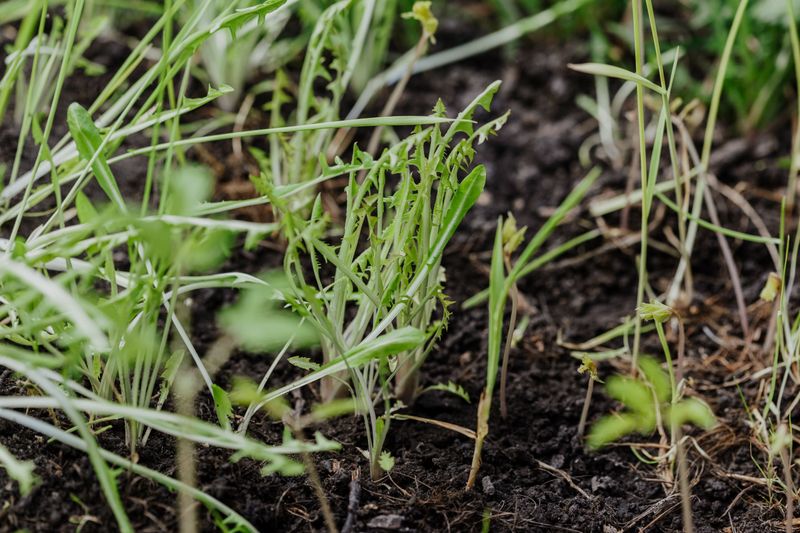
Weeds are relentless in spring and early summer, sprouting faster than you can pull them. By late August, many of the most aggressive species have already peaked and faded.
Annual weeds like crabgrass and purslane hit their stride in warm, long summer days. As day length shortens in late August, their germination rate slows dramatically and naturally.
That seasonal slowdown gives your newly planted natives a window of reduced competition. Less competition means more water, nutrients, and light available for the plants you actually want.
Perennial weeds like thistle and bindweed also begin pulling energy back into their roots as fall approaches. They become less aggressive above ground, making your job significantly easier.
Rewilding in late August means you are not managing two challenges at once. You can focus on establishing natives without simultaneously managing a wave of fast-growing summer weeds.
Fewer weeds also means less mulching, less hand-pulling, and less frustration overall. Your rewilding project gets off to a cleaner start when the weed calendar works in your favor.
Gardeners who start in May often feel overwhelmed by competing vegetation before natives even get established. Timing your rewilding project for late August sidesteps that frustrating problem entirely.
Think of dropping weed pressure as a gift from the season itself. Your Illinois yard becomes a much friendlier place for native plants when their rowdy competitors are finally taking a break.
Frost Is Still Weeks Away
One of the best things about late August is what it is not. It is not frost season yet, and that matters enormously for newly planted natives finding their footing.
Illinois typically sees its first frost sometime in October, though northern areas can see frost earlier and southern areas later. Check your local frost date for precision.
That gives late August plantings a solid six to ten weeks of frost-free growing time.
Six weeks is plenty of time for native plants to develop enough root mass to survive their first winter. Roots do not need to be massive, just established enough to anchor and store energy.
Frost-free weeks also allow foliage to photosynthesize actively and send sugars down to the root zone. That stored energy becomes the fuel that powers spring emergence months later.
Planting too close to frost is a common mistake that leads to disappointing results. Late August avoids that risk entirely, giving your yard’s new residents time to breathe and grow.
Even plants that look small above ground can build impressive root systems in six weeks. What you see is just a fraction of the progress happening beneath the soil surface.
Rewilding your Illinois yard now means your plants have a real buffer before cold arrives. They are not rushed or shocked, just quietly growing stronger with each passing day.
Frost will come eventually, but by then your natives will be ready. Late August gives them the runway they need to land safely before winter closes in.
Fall Avoids Summer Heat Stress
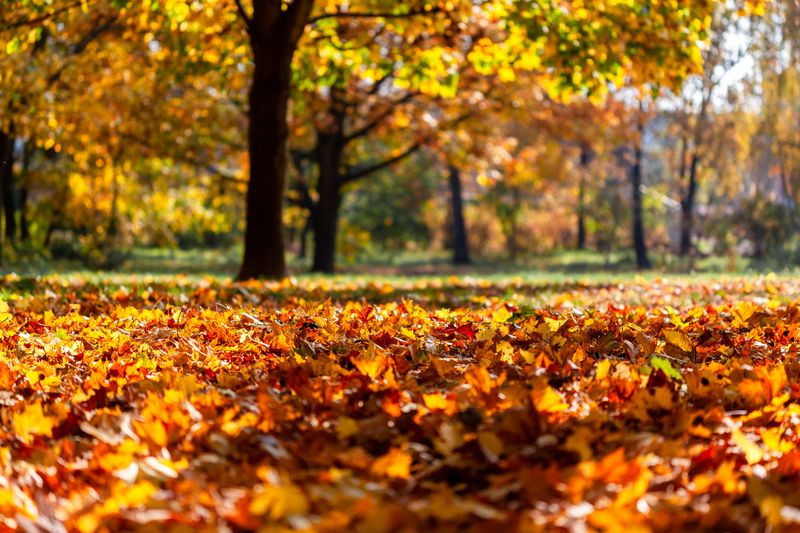
Planting in the middle of an Illinois summer puts young plants under serious strain. The heat is intense, and they show the effects almost immediately.
July temperatures in Illinois regularly top 90 degrees Fahrenheit for days at a stretch. Newly transplanted natives have almost no defense against that kind of sustained heat.
Heat stress shows up fast in young plants as brown leaf edges, drooping stems, and slow growth. Recovering from that kind of damage can take weeks, stealing precious establishment time.
Fall planting sidesteps the whole problem by placing plants into a more forgiving environment. Temperatures are declining, sun angles are lower, and the intensity of midday heat fades noticeably.
Native plants evolved to handle Illinois seasons, but they still appreciate a gentle introduction. Starting them in late August respects their biology and sets them up for long-term success.
Less heat stress also means less supplemental watering on your part. You will not be dragging a hose around every other day trying to rescue struggling transplants from scorched soil.
Rewilding your Illinois yard in late August is essentially choosing the path of least resistance. Nature is winding down its most extreme conditions, and your plants benefit from that timing.
A yard full of thriving natives is the reward for planting at the right moment. Skip the summer struggle and let the cooling season do the hard work for you instead.
Weak Turf Pulls Out Easier
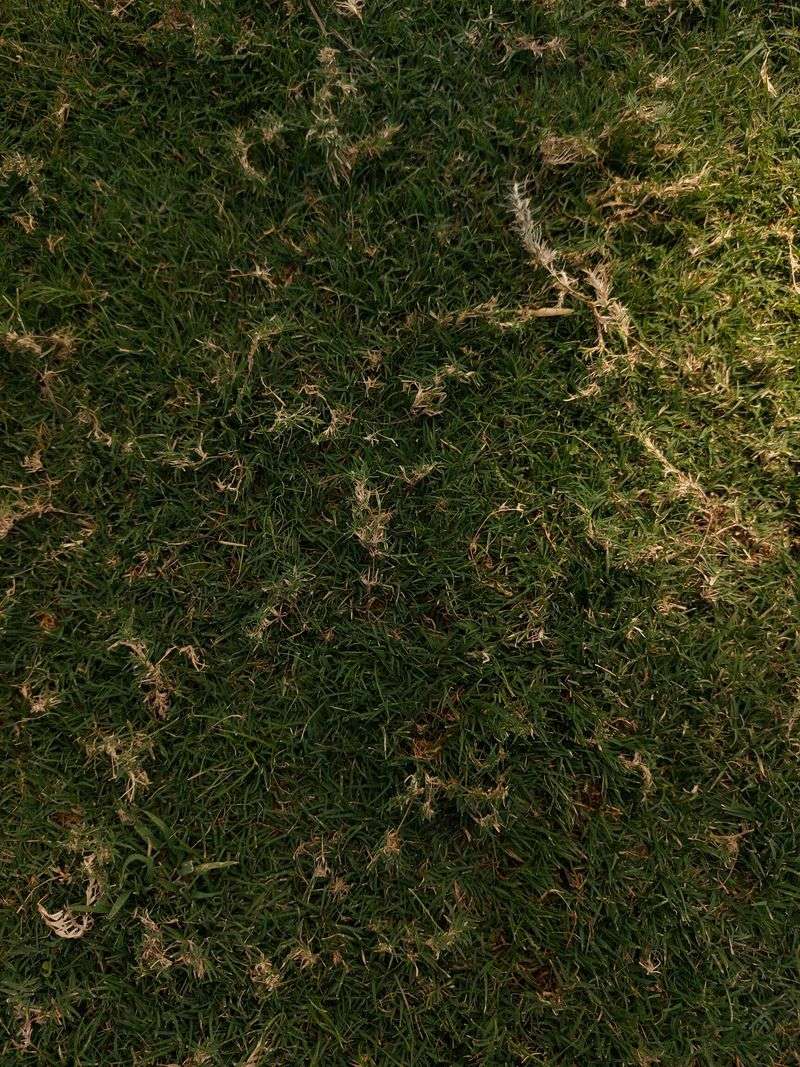
Lawn grass in late August is not exactly at its peak. After months of heat, drought cycles, and heavy foot traffic, turf weakens and loosens its grip on the soil.
Cool-season grasses like Kentucky bluegrass go semi-dormant during hot Illinois summers. By late August, they are stressed enough that removing them takes far less effort than in spring.
Weak turf means easier sheet mulching, simpler sod removal, and faster bed preparation overall. You spend less time struggling with stubborn grass and more time actually planting natives.
A flat spade slides under stressed turf almost effortlessly in late August. Compare that to spring, when thick, healthy grass holds on tight and makes removal genuinely exhausting work.
Sheet mulching with cardboard is also more effective when grass is already struggling. The cardboard smothers weakened turf quickly, and decomposition begins before the first hard frost arrives.
Rewilding your Illinois yard starts with clearing the existing lawn, and late August makes that step much easier. Less resistance from the turf means your project gets rolling faster with less physical effort.
Some gardeners use this window to smother large sections of lawn at once. A layer of cardboard plus wood chip mulch placed now will create ready-to-plant beds by next spring.
Tired grass is your unexpected ally in this rewilding journey. Take advantage of its late-summer weakness and use that space for the native plants that truly belong there.
Roots Settle Before Winter Dormancy
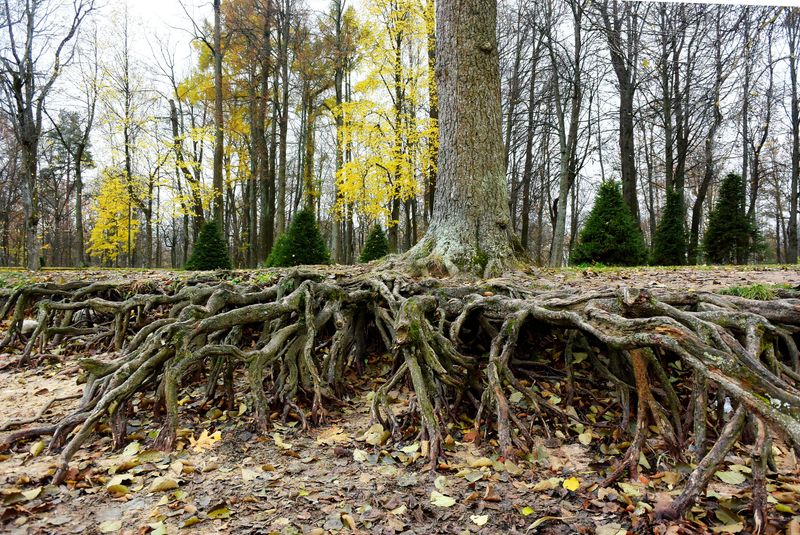
Winter dormancy is not the end of the story for native plants. It is actually a critical rest period, and arriving at it with strong roots makes all the difference.
Plants planted in late August have roughly six to ten weeks to establish roots before cold triggers dormancy. That window is short but surprisingly productive for species adapted to Illinois conditions.
During those weeks, roots spread outward and downward, anchoring the plant and building nutrient storage. By the time frost arrives, even young natives can hold their ground through months of cold.
Dormancy is not stressful for established plants, it is restorative. Roots continue minimal activity underground even when the plant looks completely dormant above the soil surface.
Native species like wild bergamot and little bluestem grass have evolved for exactly this cycle. They settle in during fall, rest through winter, and emerge in spring stronger than ever before.
Plants that skip proper fall establishment often heave out of the ground during freeze-thaw cycles. Roots that had time to anchor deep are far less vulnerable to that destructive winter process.
Rewilding your Illinois yard in late August gives each plant the gift of time before dormancy hits. That head start translates directly into better survival rates and more vigorous spring growth.
By next April, your rewilded yard will reward your late August effort with bold, confident plants. Roots settled before winter dormancy are a key factor behind every thriving native garden.