The One Yard Change That Brought Indigo Buntings Back To A Florida Garden
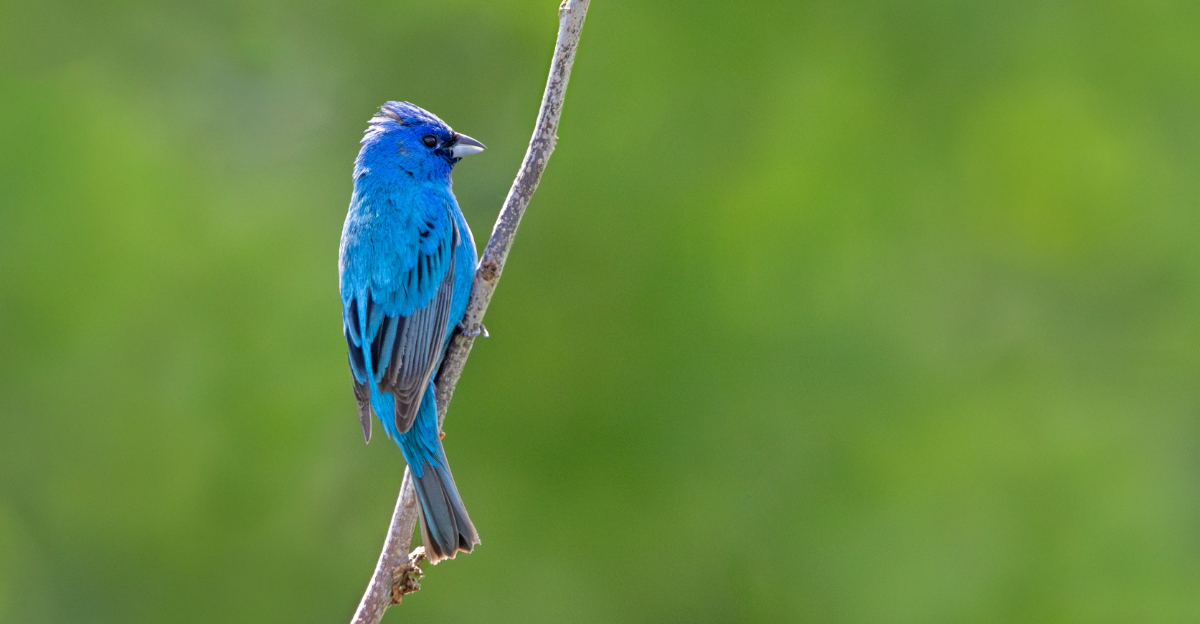
Indigo buntings fly over thousands of Florida yards every migration season. Almost none of them land.
That electric blue flash people wait years to spot from their porch isn’t rare because the bird itself is rare. It’s rare because most yards give a bunting nothing worth stopping for, no matter how many feeders or fountains sit out front.
What actually catches this bird’s attention has nothing to do with anything sold at a garden center, and everything to do with a part of the yard most people handle exactly backward.
Your yard might already be one overlooked habit away from hosting a bird most Floridians only ever see in photos.
1. Stop Mowing One Sunny Edge So Short
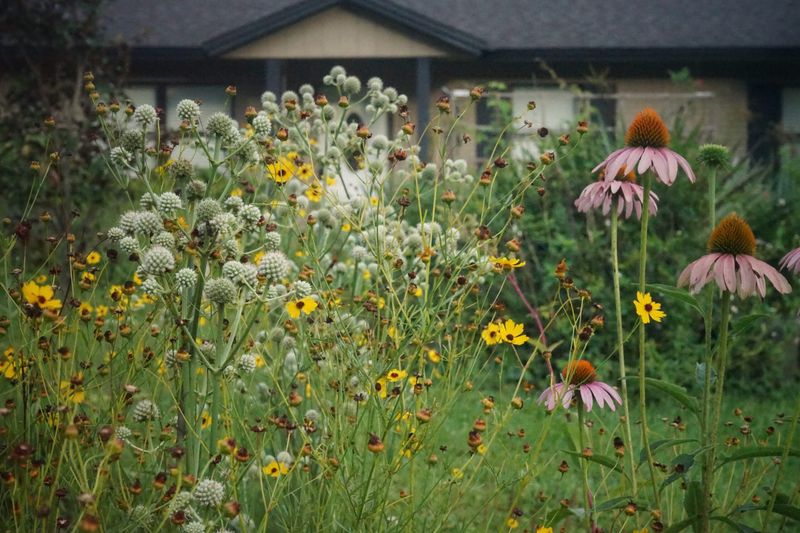
Pull the mower back just a few feet from one sunny fence line or property edge, and something changes quickly. A closely clipped lawn edge offers almost no cover and very few seed-producing plants.
Grasses and low vegetation need time to mature before they can flower, set seed, and become genuinely useful to wildlife.
Allowing one intentional strip to grow taller is not the same as ignoring the yard. The goal is a deliberate habitat edge, not an overgrown mess.
Gardeners can shape the border, remove invasive plants, and encourage native grasses and low flowering plants to fill the space in an organized way.
University of Florida IFAS Extension research supports layered vegetation edges in residential wildlife habitat. They add structural variety that a uniform lawn cannot provide.
A taller edge next to open lawn creates the kind of transitional zone that many birds use for foraging and brief resting.
Letting grasses reach their natural height along one strip allows seed heads to form. Low plants that would normally get cut off before flowering now have room to complete their cycle.
That single change shifts the edge from a bare transition zone into something with actual food and shelter value for birds moving through the area.
2. Seed Heads Give Indigo Buntings A Reason To Drop In
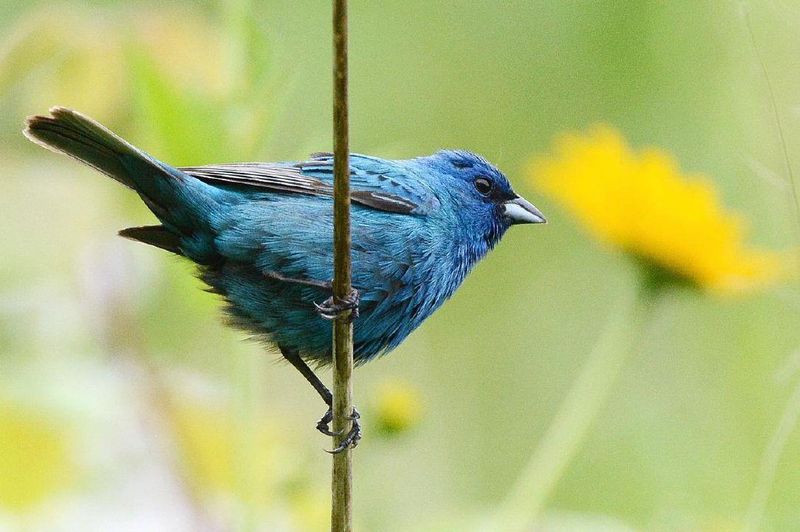
Ripening seed heads along a brushy edge are not just decorative. According to the Cornell Lab of Ornithology, Indigo Buntings eat small seeds from grasses, weeds, and low vegetation as a regular part of their diet.
Mowing every flowering stem before it sets seed removes that food source entirely.
Panic grass, crabgrass, and native sedges are among the types of plants documented in foraging studies. Allowing even a modest strip of mixed low vegetation to mature can produce a surprising variety of small seeds by late summer.
No single plant guarantees a visit, but a diverse mix improves the odds of offering something useful.
Letting plants complete their natural growth cycle along one border is the practical change here. A stem that gets cut at six inches never becomes a seed head.
A stem allowed to reach full height can produce dozens of seeds that small birds can access directly from the plant or from the ground below.
Your Florida Garden Changes Every Week. Your Plan Should Too.
Gardening in Florida changes quickly throughout the season. Every Friday you’ll receive a simple weekly plan showing exactly what to plant, prune, fertilize, harvest, and protect so you never miss the right timing.
That is why the mowing change and the food change are really the same change. Stopping the mower along one edge automatically allows more plants to flower and set seed.
The result is a strip that holds food value through the late summer and fall months when migrating birds are actively searching for fuel along their route.
3. Brushy Cover Makes An Open Yard More Useful
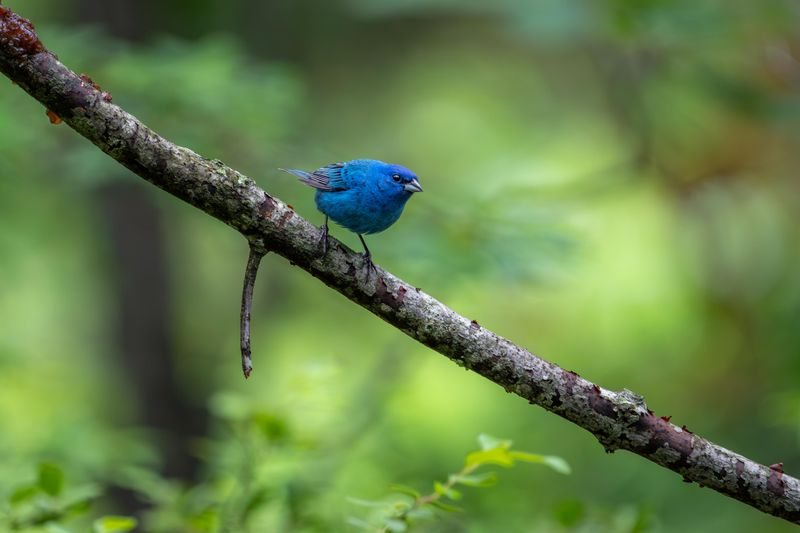
An open lawn with no shelter nearby puts small birds in a difficult position. Cornell Lab of Ornithology habitat descriptions show that Indigo Buntings commonly use brushy edges and shrubby openings.
They also use hedgerows and other transitional zones where open space meets low cover. A flat expanse of turf with no structure nearby does not match that profile.
Low shrubs and taller plants placed beside open lawn create something more useful. A bird can move from cover to open ground to feed, then retreat quickly if needed.
Perches at varying heights also matter. Woody stems, shrub branches, and tall grass stalks all serve as resting and lookout points that a bare lawn cannot offer.
The combination of open space and nearby cover is more functional than either element alone. Dense brush with no open foraging area limits movement.
Open turf with no cover nearby offers no sense of safety. The brushy edge beside the lawn creates both options within a short distance.
Keeping this distinct from the food section is straightforward. Cover is about structure, not calories.
A shrub with no berries still provides shelter. A cluster of tall stems with spent seed heads still provides a perch.
Adding low, layered cover along one edge addresses a habitat need that seed production alone does not fully meet.
4. Late Summer Is When That Change Can Start Paying Off
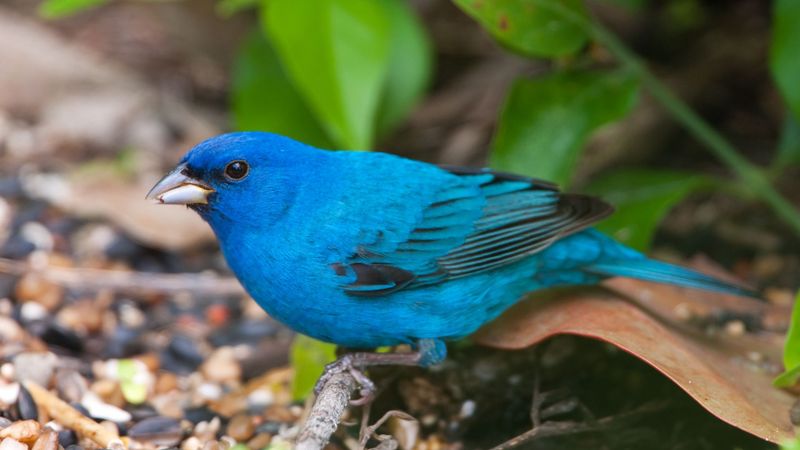
Timing matters more than most gardeners expect. eBird data and Cornell Lab of Ornithology migration resources show that Indigo Buntings move through the southeastern United States during both spring and fall migration. Post-breeding southward movement can begin as early as late July and continues through October across much of the region.
Florida sits along a well-traveled path for birds moving toward wintering grounds in Central America and the Caribbean. That means yards across the state can receive brief visits from birds that are simply passing through.
A migrating bird is not looking for a permanent home. It is looking for a safe spot to rest and find food before continuing its journey.
A habitat edge that is allowed to grow through the summer will have mature seed heads and established cover in place right when that movement peaks. A strip mowed short in August offers nothing to a bird arriving in September.
Timing the habitat change to align with natural plant growth cycles means the edge is ready when it counts.
No specific date guarantees a sighting. Migration timing varies by individual bird, weather patterns, and regional conditions.
Letting one edge mature through summer gives the yard its best chance to become useful. It will be ready during the period when migratory birds are actively moving through the area.
5. Insects Make The Same Patch Worth A Second Look
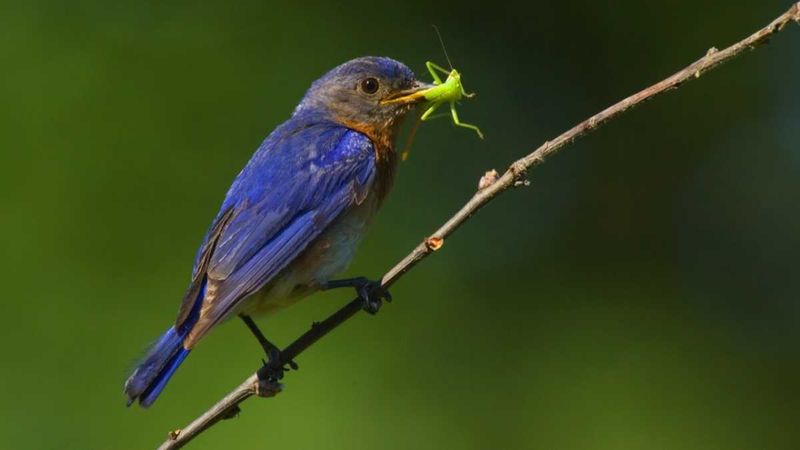
Seeds are not the whole story. Cornell Lab of Ornithology notes that Indigo Buntings also eat insects and other small invertebrates, especially during the breeding season and migration.
A foraging bird moving through a yard is likely looking for both food types at once.
A tightly clipped lawn supports very little insect activity. Grass kept short has minimal leaf surface, reduced shelter for ground insects, and few flowering plants to attract pollinators or support insect life cycles.
A taller, more varied planted edge changes that equation noticeably.
Taller grasses provide habitat for grasshoppers, beetles, and caterpillars. Low flowering plants attract small flies and native bees.
Leaf litter that accumulates beneath a brushy edge shelters ground-level invertebrates. None of this requires a full wildlife garden.
A single strip of varied vegetation can support meaningfully more insect activity than the mowed turf beside it.
Adding insect availability to the same strip that already holds seed heads means the edge is doing double work. A bird that arrives looking for seeds may also find insects in the same area.
That combination makes the patch worth a longer visit and possibly a return stop. The goal is not pest control or a specific insect population.
The goal is a more complete foraging environment packed into one deliberate border.
6. A Feeder Works Better When The Yard Offers Cover Too
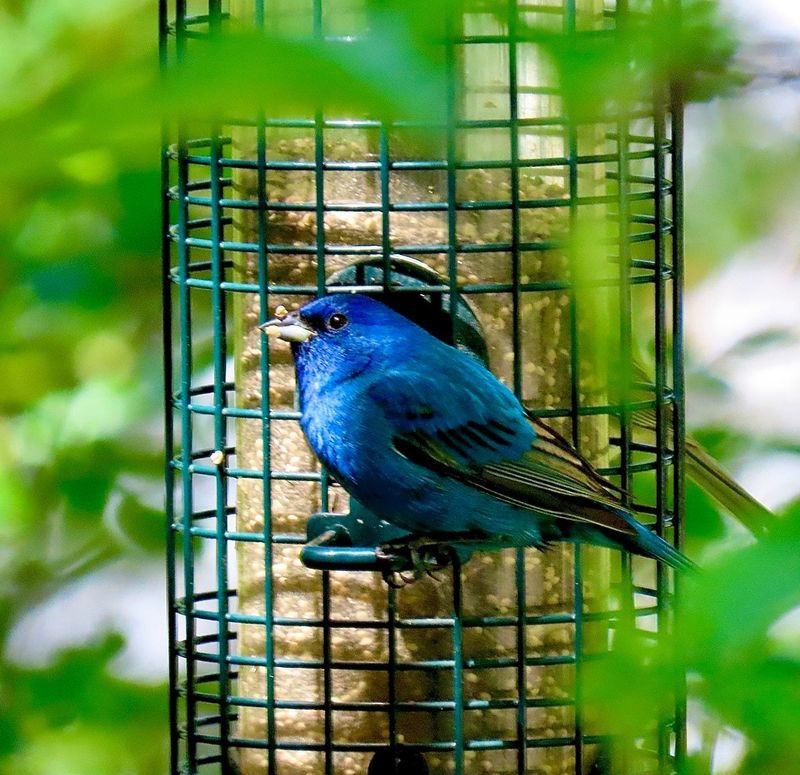
Feeders can play a supporting role, but they work best when the surrounding yard offers something more than open space. Cornell Lab of Ornithology notes that Indigo Buntings may visit feeders stocked with small seeds, particularly white millet.
A tube feeder or platform feeder with millet is a reasonable option for a yard already working to improve its habitat structure.
A feeder placed in the middle of an open lawn, far from any cover, asks a small bird to spend time in an exposed location. Birds that rely on quick cover access are less likely to linger in that setup.
Placing a feeder near the brushy edge, where birds can move between shelter and the food source easily, makes the feeding area more practical.
A feeder alone does not recreate the layered habitat that brushy edges naturally provide. Millet in a tube does not replace seed heads on living plants, insect activity in taller vegetation, or the shelter value of low shrubs.
Feeders are an addition to a better yard, not a substitute for one.
Skipping the feeder entirely is a reasonable choice. The habitat edge can function without one.
Gardeners who add a feeder should pair it with the brushy border rather than treat it as a standalone feature. That creates a more useful setting for visiting birds.
7. One Visit Does Not Mean The Birds Have Moved In
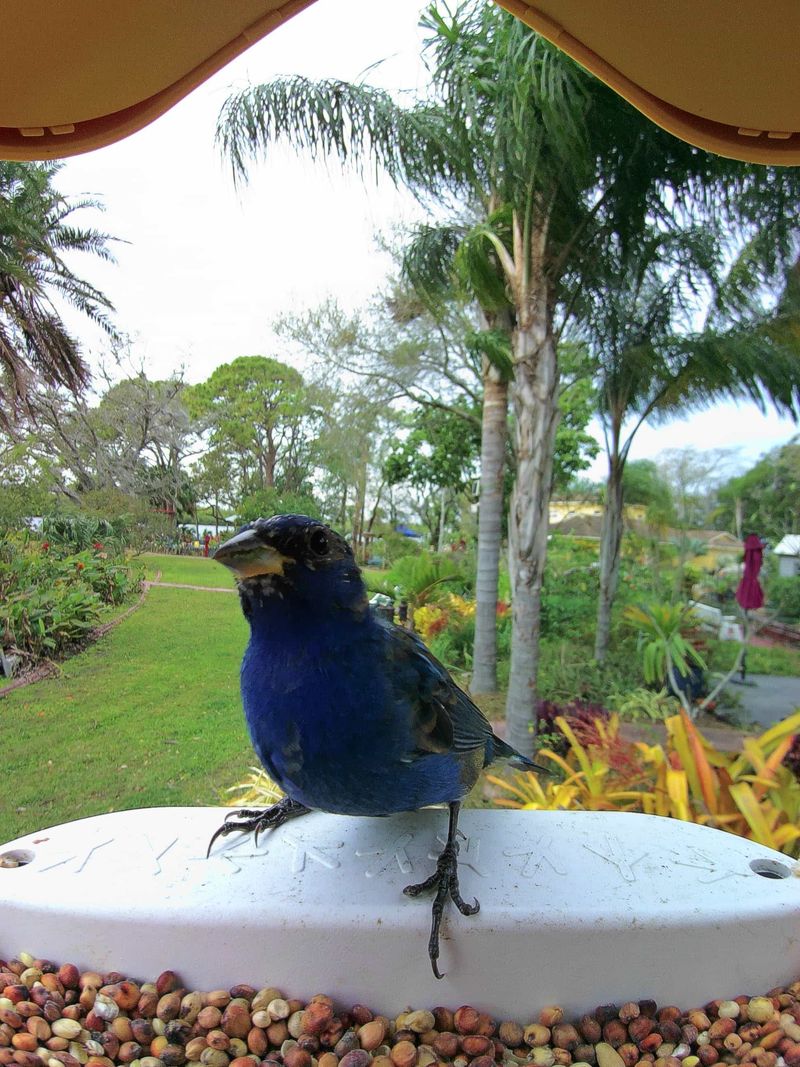
Seeing a brilliantly blue bird for thirty seconds is exciting, but it carries a specific meaning. A migratory bird stopping briefly in a yard is using that space as a temporary stopover, not selecting it as a nesting site or a permanent home range.
Those are very different things, and the distinction matters for understanding what the yard change actually accomplished.
Fish and Wildlife Service and Cornell Lab resources describe residential landscapes as stopover habitat for migratory birds. Birds can use these yards for short-term refueling and rest during long seasonal movements.
A yard does not need to be a nature reserve to serve that function. It just needs to offer enough food and cover to make a brief stop worthwhile.
A single sighting is not proof of nesting, a new local population, or a permanent change in bird use of the property.
Indigo Buntings nest in brushy areas across much of the eastern United States, but Florida yards are far more likely to see them as migrants than as breeding residents.
Treating one visit as the beginning of a resident flock sets unrealistic expectations.
What the visit does suggest is that the yard offered something useful during a period of active movement. That is exactly what the habitat edge was designed to do.
A brief stop by a migrating bird is a meaningful signal that the changes are working as intended, even if the bird does not return.
8. One Wild Edge Can Turn A Lawn Into A Better Stopover
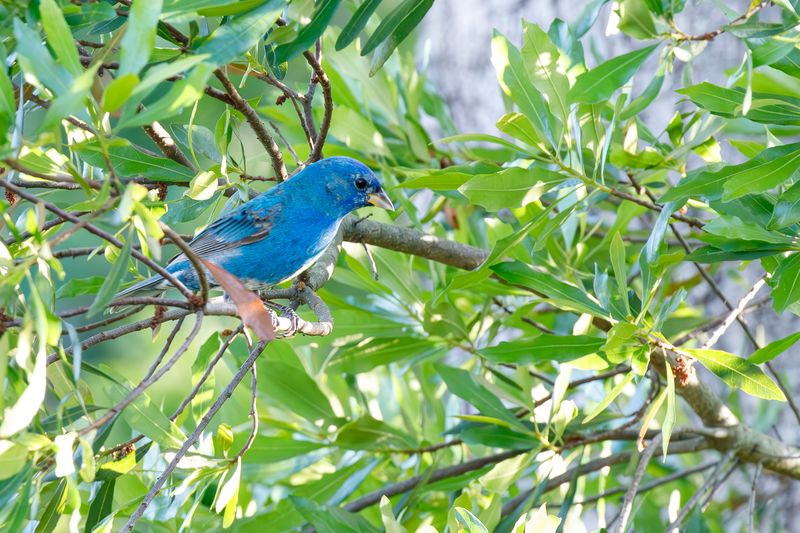
Everything in this article comes back to one simple action: mowing less along one deliberate edge and letting seed-bearing plants and low cover develop in that strip.
That single change can provide seeds, insects, cover, perches, and more varied vegetation in a space that previously offered none of those things.
The rest of the lawn does not need to change. A family can still use the yard, run a mower over the main turf area, and keep the property looking maintained.
The habitat value lives in one strip, not the entire lot. That is what makes this approach practical for most homeowners who are not ready to convert a full yard to native plantings.
University of Florida IFAS Extension materials identify edge habitat as a valuable addition to residential wildlife landscapes. It can add meaningful habitat value to an otherwise standard yard.
A single well-managed border can add meaningful stopover value without requiring a complete redesign of the property.
The title of this article uses the phrase “brought back” as an editorial hook, and that framing deserves a clear note at the close. No yard change summons Indigo Buntings on demand.
Migration routes, weather, population patterns, and individual bird behavior all shape where any given bird lands. But a seed-rich, brushy border along one sunny edge can make a yard genuinely more useful when a migrating bird passes through.
That is a real outcome, and for most gardeners, it is more than enough reason to put the mower away a little earlier.