What Florida Plumeria Owners Should Do Before Nights Start Cooling Down
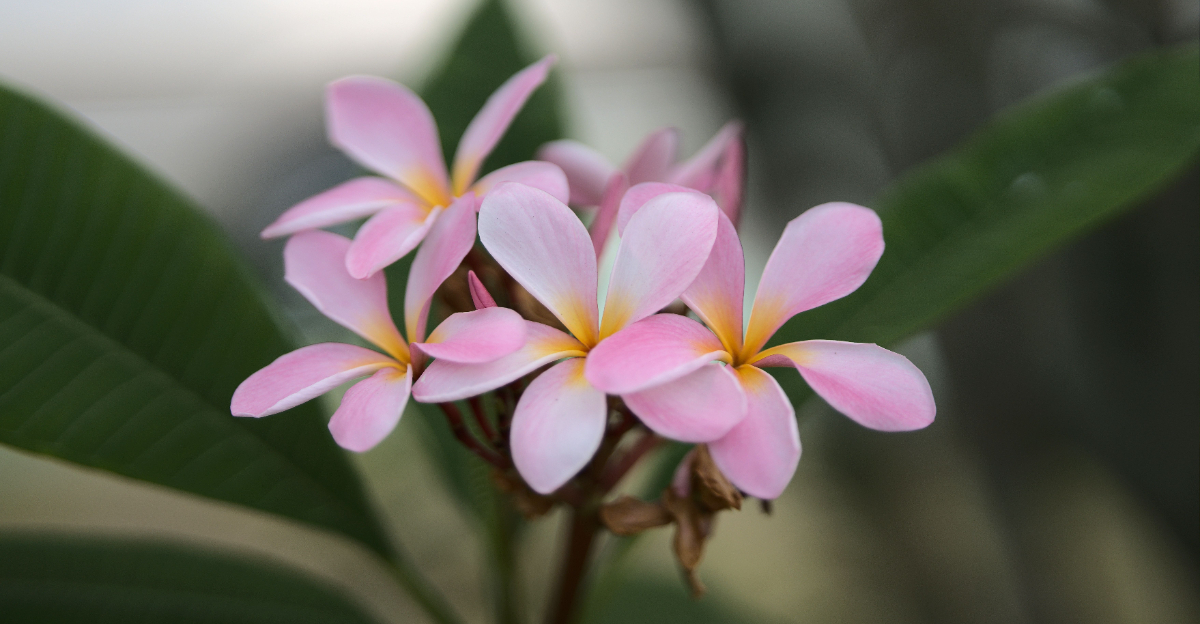
Florida nights are about to start cooling down, and plumeria owners who wait too long to react will watch it show up in the plant itself. This tropical favorite thrives in heat and struggles fast once temperatures dip, even briefly.
A plant that looked completely fine all summer can react badly to the first cool night if certain steps never happened beforehand. Timing works against procrastination here.
Certain preparations only work if they happen before the temperature actually drops, not after the damage already shows. A short list of moves protects a plumeria through the transition into Florida’s cooler months.
Skip them, and next spring’s growth might tell the story of a fall nobody prepared for.
1. Check Your Cold Risk Before You Make A Winter Plan
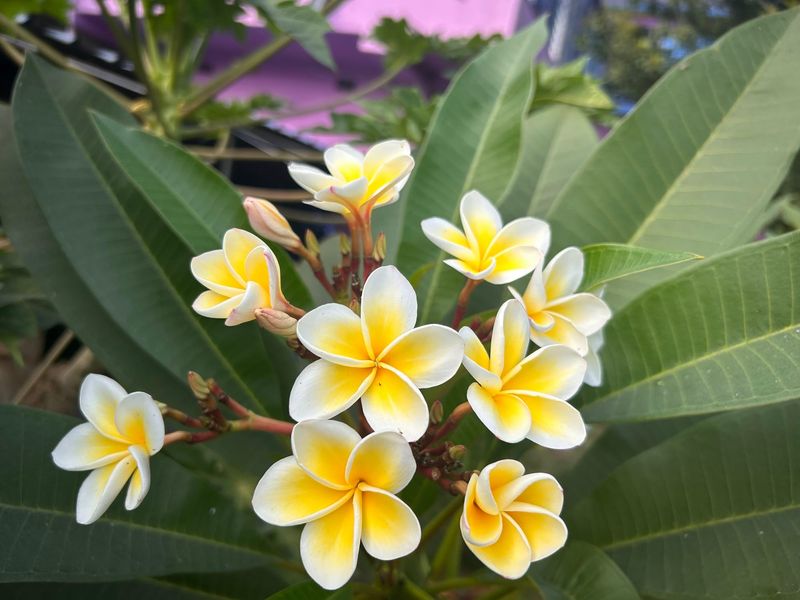
Not every plumeria in the state faces the same winter. A plant growing in Miami-Dade County lives in a very different climate than one planted in a backyard near Gainesville or Ocala.
Knowing your region is the starting point for any sensible cool-season plan.
Plumeria performs best in warm, frost-free zones. According to UF/IFAS, plumeria is considered cold-sensitive and grows most reliably in the warmest parts of Florida, generally in USDA Hardiness Zones 10 and 11.
Central Florida sits in Zone 9, where occasional freezes are possible. North Florida can see harder freezes that push plumeria past its comfort range.
Coastal locations often stay warmer overnight than inland spots just a few miles away. Urban heat, nearby buildings, and protected corners of a yard can all raise your local minimum temperature slightly.
Low-lying areas, open fields, and spots with poor wind protection tend to collect cold air and drop lower than nearby sites.
Look up your specific zip code in the USDA Plant Hardiness Zone Map and cross-reference it with local weather history. Your county extension office can also offer region-specific guidance.
Knowing your actual cold risk helps you decide whether your plant can likely stay outside or needs a real protection plan before winter arrives.
2. Move Potted Plumerias Before Frost Gets Close
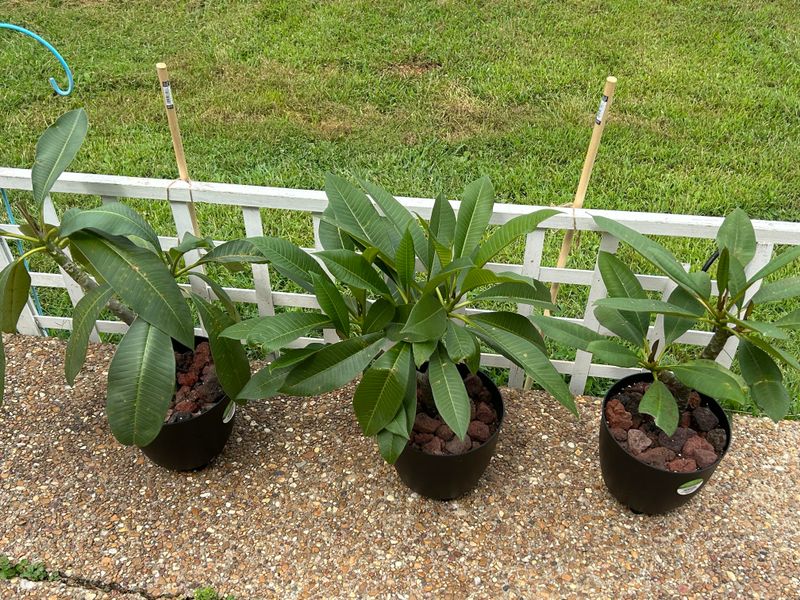
A container on your patio gives you an advantage that in-ground gardeners simply do not have. You can pick it up and move it before cold weather ever reaches your yard.
That flexibility is one of the best reasons to grow plumeria in pots, especially in Central Florida or anywhere north of the frost-free zone.
The key is deciding where the plant will go before any cold forecast arrives. A garage, a covered lanai, or an enclosed shed can all provide shelter from frost.
Unheated garages are generally adequate for brief cold snaps, since the goal is blocking frost and wind rather than keeping the plant warm all season.
Not every potted plumeria needs to spend the entire winter indoors. In South Florida, a covered patio may be all the protection needed during the few cooler nights that occur.
Farther north, you may need to bring the pot inside more than once before spring arrives.
Check your pot size before moving day. Heavy containers in large pots can be very difficult to lift safely.
Your Florida Garden Changes Every Week. Your Plan Should Too.
Gardening in Florida changes quickly throughout the season. Every Friday you’ll receive a simple weekly plan showing exactly what to plant, prune, fertilize, harvest, and protect so you never miss the right timing.
A wheeled plant caddy placed under the pot before the season starts makes moving much easier when the forecast changes quickly. Having your plan ready now saves a lot of rushed effort on a cold evening.
3. Skip Late Pruning That Pushes Tender Growth
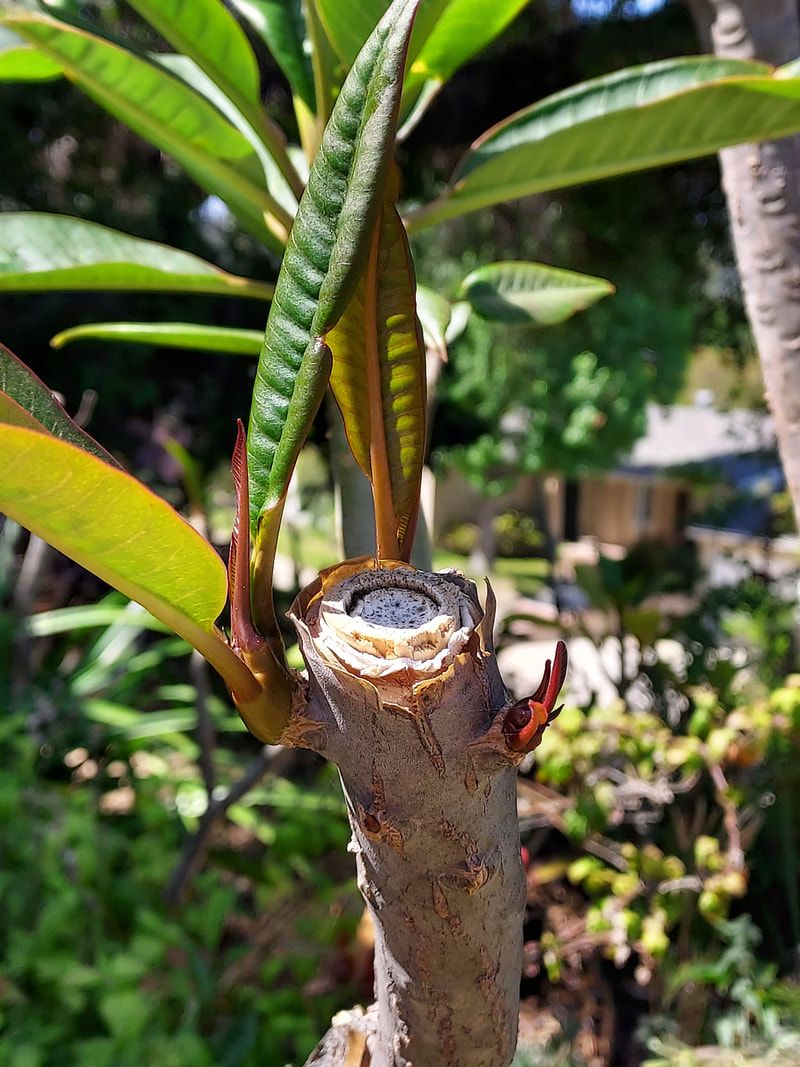
Reaching for the pruning shears in late summer or early fall can seem productive, but heavy cuts at the wrong time often do more harm than good.
Hard pruning stimulates the plant to push out new growth, and that fresh, soft tissue is far more sensitive to cold than older, hardened stems.
UF/IFAS guidance on tropical and subtropical plants generally cautions against heavy pruning late in the growing season for this reason.
New growth that emerges in September or October may not have enough time to harden off before cooler nights arrive, leaving it more exposed to cold injury.
Routine cleanup is a different matter. Removing a branch that is clearly damaged, crossing awkwardly, or showing signs of disease is reasonable at almost any time.
The concern is unnecessary heavy cutbacks done mainly for convenience, such as cutting a plant down to make it easier to move indoors.
If your plumeria needs shaping, consider waiting until late winter or very early spring, just before new growth would naturally begin. That timing lets you prune without stimulating growth that could be caught by cold.
Letting the plant slow down naturally through the fall is a lower-risk approach that supports a healthy transition into dormancy without added stress.
4. Let The Leaves Fall Without Calling It A Problem
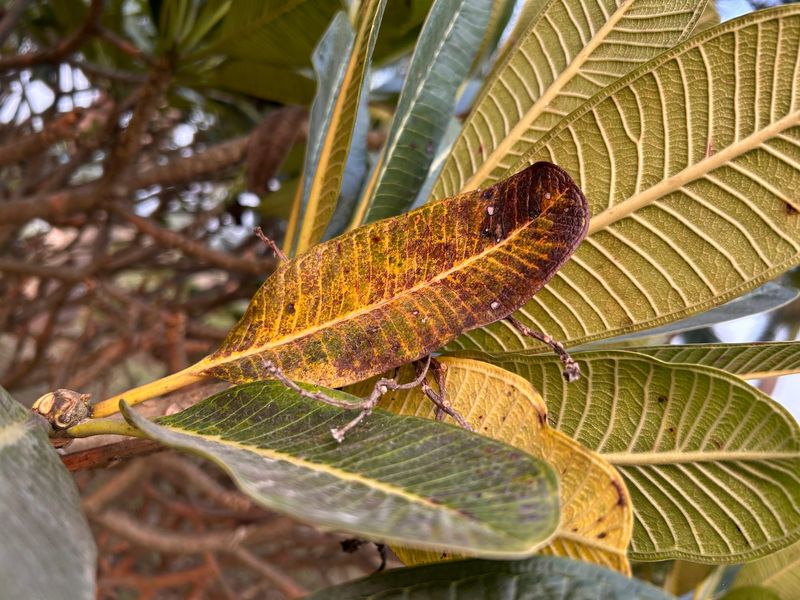
Watching a tropical plant drop its leaves can feel alarming, especially for newer plumeria owners who expect lush foliage year-round. Bare stems standing in the yard in November can look like something went seriously wrong.
Most of the time, nothing did.
Plumeria is naturally deciduous in climates where temperatures cool down seasonally. As days shorten and nights grow cooler, the plant responds by slowing its growth and shedding leaves.
This is a normal part of its annual cycle, not a sign of poor care or a struggling plant.
Dormant stems may look dry and lifeless, but the plant is conserving energy rather than actively growing. Squeezing or scratching a stem lightly can confirm it is still firm and green beneath the surface.
Mushy or shriveled stems tell a different story and may indicate a real problem worth investigating.
Resist the urge to push the plant back into active growth by adding fertilizer or increasing water during this period. Extra nutrients applied to a slowing plant are not used efficiently and can cause more harm than benefit.
Letting the plant rest through its natural dormancy period gives it a stronger foundation for the flush of new growth that comes with warmer weather in spring.
5. Scale Water Back As Growth Slows Down
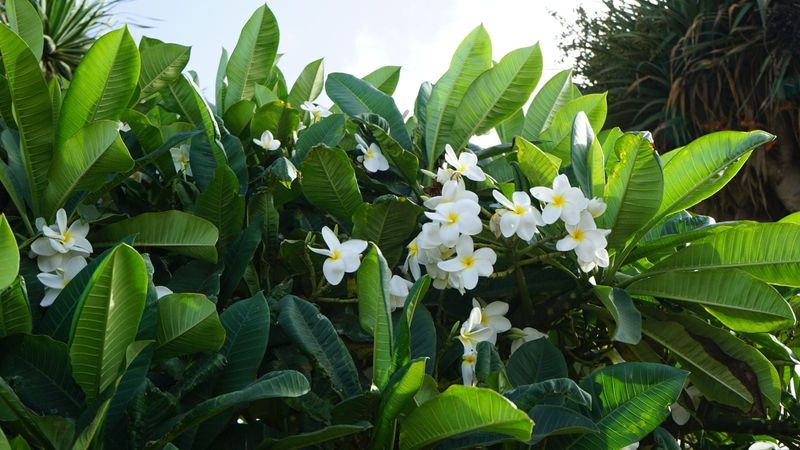
Damp soil around a plant that has stopped actively growing is one of the more common mistakes made during the cooler months. A plumeria in full summer growth drinks water steadily, but a slowing or dormant plant uses a fraction of that amount.
Watering on the same schedule year-round creates conditions that roots do not need.
Good drainage matters more during this period than at almost any other time. Roots sitting in wet soil during cool weather are more likely to develop rot than roots in a fast-draining mix that dries out between waterings.
Checking soil moisture before adding water is a simple habit that prevents a lot of unnecessary problems.
Container plants generally need less frequent watering than in-ground plants during dormancy because the soil volume is smaller and dries faster.
In-ground plants in well-draining soil may need very little supplemental water at all once rainfall and cooler temperatures reduce evaporation.
Sandy Florida soils drain quickly, which is actually an advantage during the cool season.
No single watering schedule fits every pot size, soil type, or location across the state. Check the soil rather than the calendar.
If the top few inches feel dry, a modest amount of water is appropriate. If the soil still feels moist, wait a few more days before checking again.
6. Clean Up Rusty Leaves Before Winter Settles In
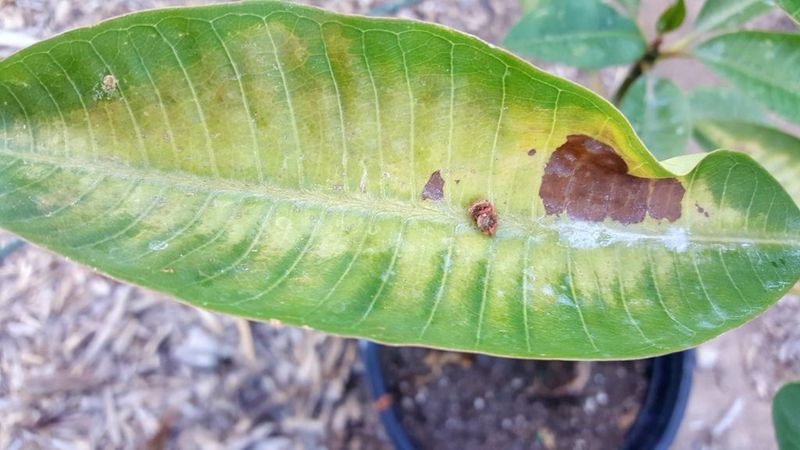
Orange, powdery spots on plumeria foliage are a familiar sight to many Florida growers. Plumeria rust, caused by the fungus Coleosporium plumeriae, spreads through spores that can move from leaf to leaf and from plant to plant.
The late growing season often brings the heaviest visible symptoms, just as leaves are preparing to fall anyway.
Removing heavily affected leaves and clearing fallen foliage from around the base of the plant is a sensible sanitation step. UF/IFAS plant pathology resources note that removing infected plant material can help reduce the amount of inoculum left near the plant.
Fewer spores resting near the base means less pressure when new growth emerges in spring.
Cleanup alone does not guarantee that rust will not return. The spores travel easily and can arrive from neighboring plants or other sources.
Still, leaving piles of infected leaves sitting around the plant through winter is a missed opportunity to reduce the problem before the next growing season begins.
Focus cleanup on leaves that are already heavily spotted or have fallen on their own. Stripping healthy green foliage unnecessarily removes the photosynthetic capacity the plant still has before dormancy.
Bag and discard affected material rather than composting it, since composting may not reliably break down active fungal spores.
7. Protect In Ground Plants Where Cold Air Collects
Cold air behaves a lot like water. On still, clear nights it flows downhill and settles in low spots, pooling in open areas and collecting against barriers.
A plumeria at the bottom of a slope or in an exposed corner may experience lower overnight temperatures. One tucked near a south-facing wall just a short distance away may stay warmer.
In Central Florida, where plumeria sits near the edge of its reliable hardiness range, microclimate choices can make a meaningful difference. A spot near a masonry wall, a fence, or the south or southeast side of a building absorbs heat during the day and releases it slowly at night.
That stored warmth can keep the immediate area a few degrees warmer than an open site.
Wind exposure also matters. Cold wind accelerates heat loss from plant tissue, making a breezy exposed location feel harsher than a calm, sheltered one even at the same air temperature.
A windbreak created by a hedge, fence, or structure can reduce that effect noticeably.
No sheltered corner makes a plumeria frost-proof. A protected site simply improves the odds on marginal nights.
Owners in North Florida should not rely on microclimate positioning alone as a cold strategy. Combined with other preparations, though, choosing a better location at planting time is one of the simplest long-term investments a gardener can make.
8. Have Cold Protection Ready Before The Forecast Changes
A sudden cold forecast has a way of arriving faster than expected. Scrambling to find frost cloth, stakes, and containers at the last minute adds stress and often leads to rushed decisions.
Having your supplies and your plan organized before genuinely cold weather is in the forecast puts you in a much calmer position.
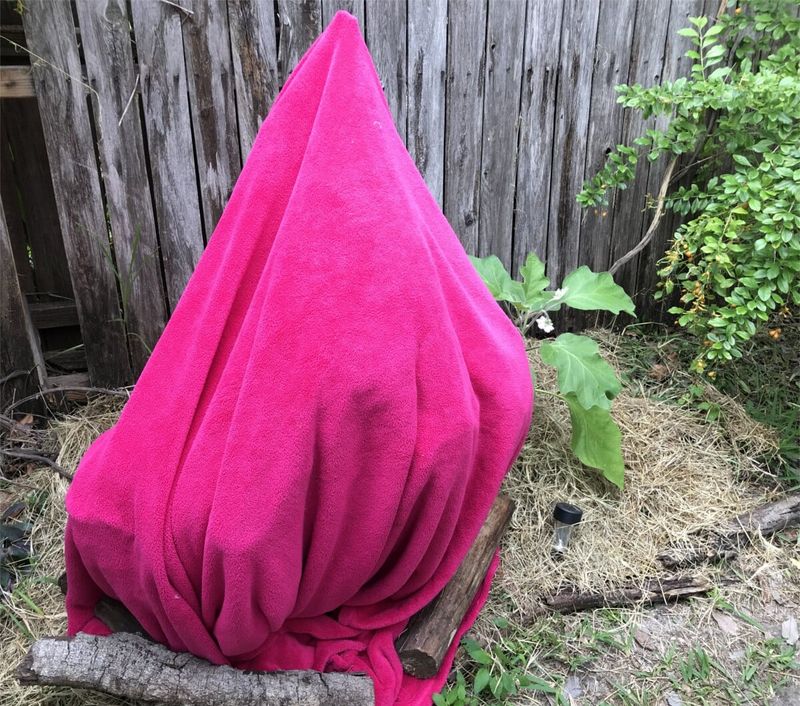
UF/IFAS guidance recommends using fabric covers for cold-sensitive plants. Frost cloth or old bedsheets are preferable to plastic sheeting placed directly against foliage.
Fabric traps some warmth from the soil while still allowing a degree of air exchange. Stakes or frames that hold the cover away from branches help prevent the material from transmitting cold directly to the plant tissue.
Covers are most useful when a genuine frost or freeze is forecast, not simply because a night feels cool. Ordinary cool nights in the 50s are a signal to check your supplies and confirm your plan, not necessarily a reason to cover the plant.
Covering too often on mild nights creates unnecessary work and can disrupt airflow around the plant.
For container growers, the plan should already include where the pot will go and how it will get there. For in-ground plants, stakes and frost cloth stored nearby are ready when needed.
Starting your preparation well before the coldest night of the season is the most reliable approach available to any plumeria grower.