Why California Crape Myrtles Keep Sending Up Shoots From The Base In Late Summer
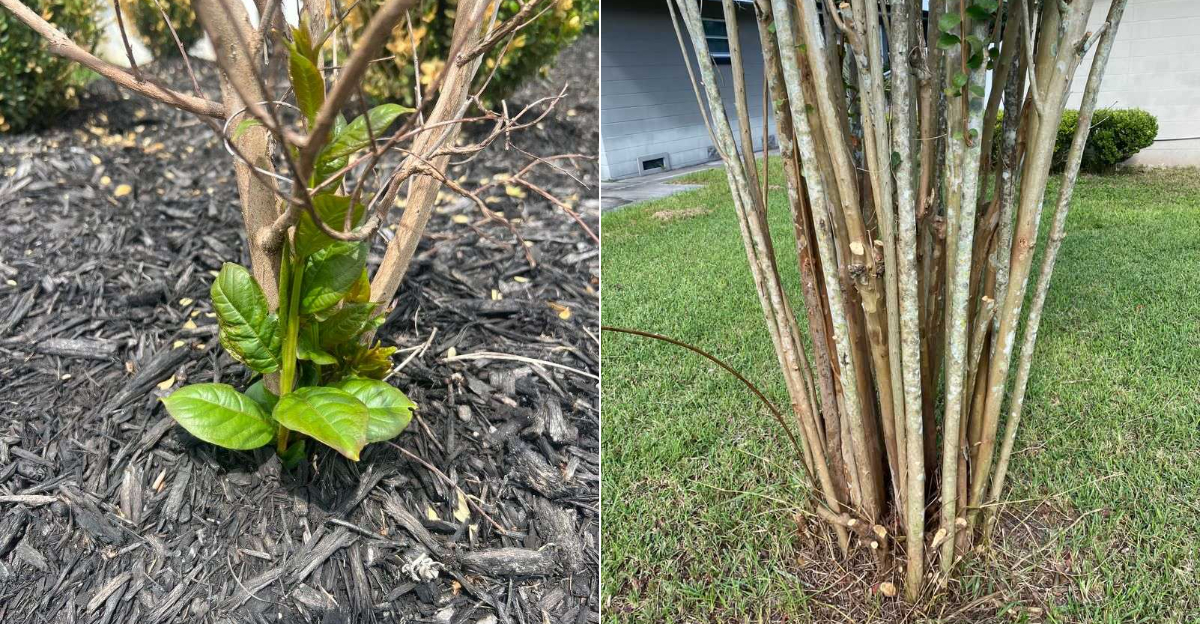
A crape myrtle can spend months behaving beautifully, then suddenly start sprouting fresh shoots around its base like it is trying to grow a second tree underneath itself.
For California gardeners, that burst of low growth can be hard to ignore once it starts crowding the trunk.
At first, those shoots may look harmless enough. They are green, vigorous, and technically part of the plant, so cutting them back can feel like little more than routine cleanup. The surprise comes when they keep returning with impressive determination.
Seasonal timing can make this growth especially noticeable. As summer winds down, a crape myrtle may respond to conditions in ways that are not obvious higher up in the canopy.
What happens near the base can offer useful clues about how the tree is reacting. Repeated shoots are not something to judge by appearance alone. Their location, timing, and pattern all matter.
If your crape myrtle keeps producing a leafy ring around the trunk, the tree is telling you something. The real question is what that message means.
Those New Shoots Are Basal Suckers
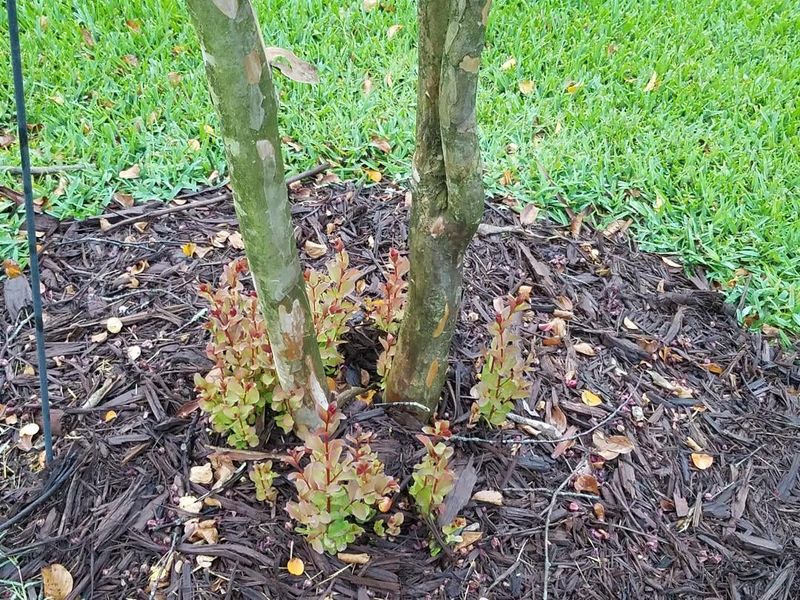
You might look at those little green sprouts at the bottom of your crape myrtle and wonder where they even came from. Those shoots have a name: basal suckers.
They grow right from the roots or the very base of the trunk, and they are not the same as regular new branches.
Basal suckers are the tree’s way of sending out extra growth. The plant pushes energy into these shoots, which can pull nutrients away from the main trunk and branches.
Over time, that can slow down the tree’s overall growth and make it look messy.
What makes suckers tricky is that they grow fast. One week you barely notice them, and the next week they are a foot tall.
They tend to look a little different from the main tree, with softer stems and lighter green leaves. That difference can help you spot them early.
Suckers are not a sign that something is seriously wrong, but they do need attention. Left alone, they can crowd the base of the tree and make it harder for air and light to reach the lower trunk.
Removing them regularly keeps the tree tidy and helps it put energy where it matters most, which is in the main canopy above.
Late-Summer Stress Can Trigger More Suckering
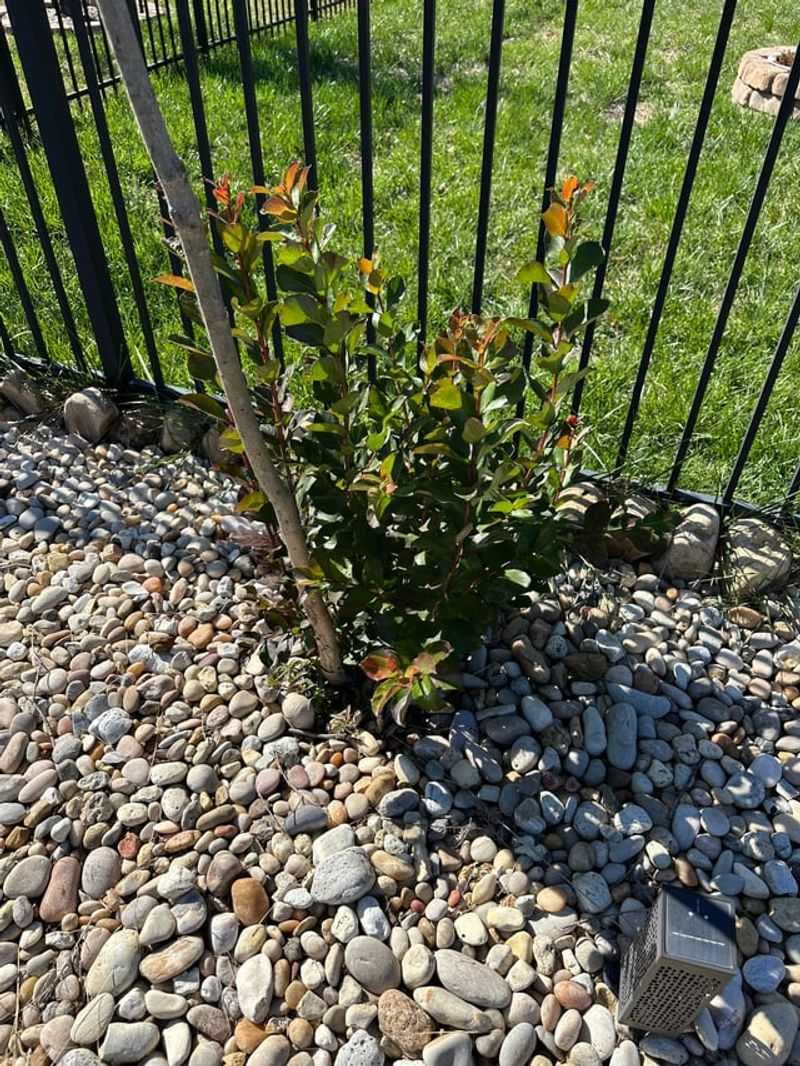
Late summer in California can be a tough time for trees. The heat is intense, the soil can dry out fast, and rain is often scarce.
When a crape myrtle feels stressed, it reacts by sending up suckers from the base. It is almost like the tree is trying to protect itself.
Stress from heat and drought tells the tree that conditions are rough. The plant responds by pushing out extra growth low to the ground, where moisture may still be present.
This is a survival response that has been built into the tree over thousands of years of evolution.
Watering habits play a big role here. If the tree gets watered too little or too much, stress levels go up.
Your California Garden Changes Every Week. Your Plan Should Too.
Gardening in California changes quickly throughout the season. Every Friday you’ll receive a simple weekly plan showing exactly what to plant, prune, fertilize, harvest, and protect so you never miss the right timing.
Inconsistent watering is one of the most common reasons homeowners see a sudden burst of suckering in August or September. Keeping a steady watering schedule can make a real difference.
Fertilizer timing also matters. Applying too much nitrogen in mid to late summer can push the tree into a growth frenzy, which sometimes triggers more suckers.
Sticking to a spring fertilizing schedule and holding off in late summer gives the tree a chance to slow down naturally and prepare for cooler weather ahead.
Heavy Pruning Can Make The Problem Worse
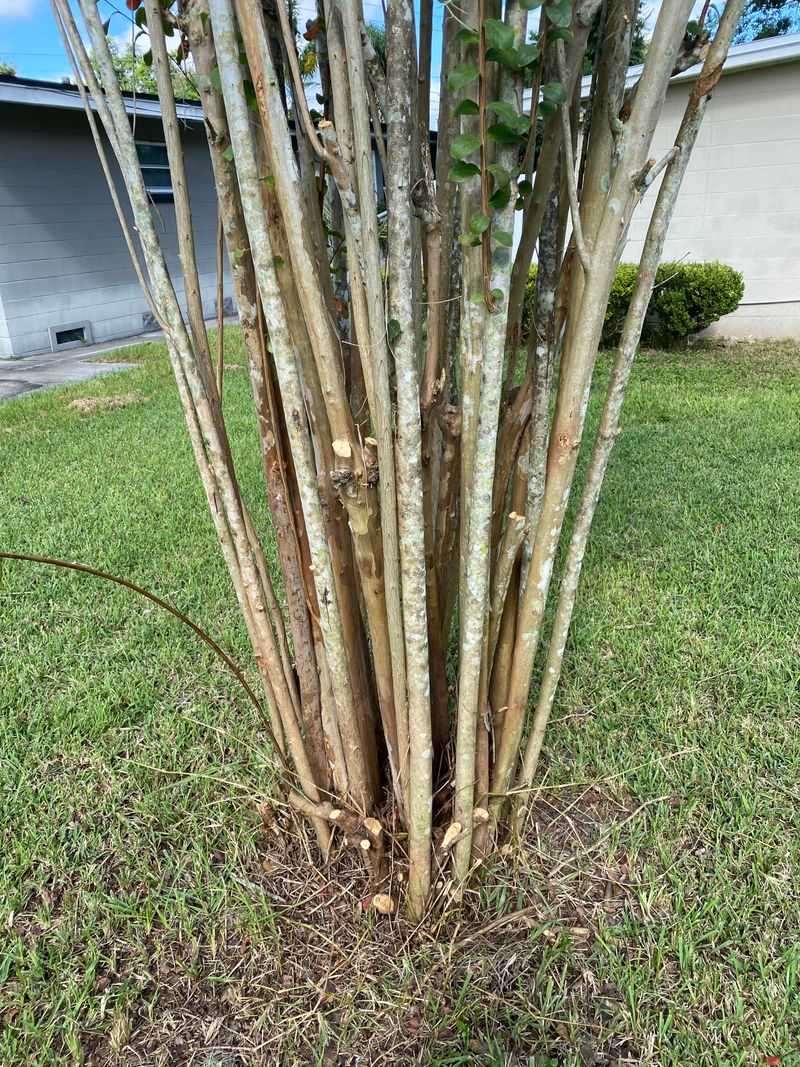
A lot of people prune their crape myrtles way too hard. This practice is sometimes called “crape topping,” and it does real damage to the tree.
When you cut off large portions of the canopy, the tree panics a little and tries to regrow as fast as possible.
One way it does that is by sending up suckers from the base. The more aggressively the top is cut back, the more energy the tree redirects downward.
That energy has to go somewhere, and it often shows up as a cluster of shoots around the trunk.
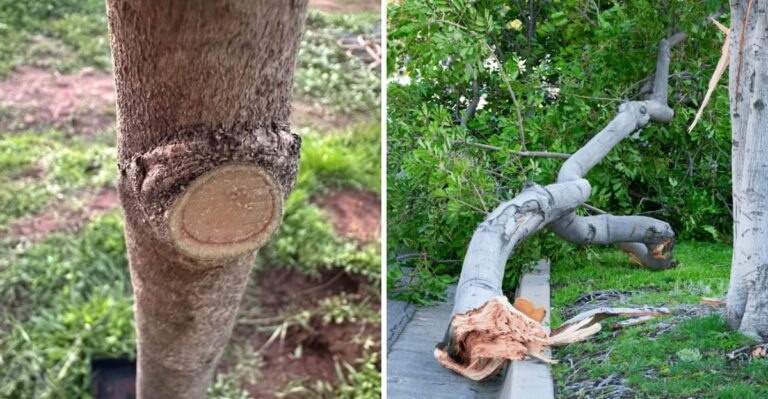
Hard pruning also leaves big wounds on the tree that take a long time to heal. While the tree is focused on healing those wounds, it also pushes out suckers as a backup plan.
The result is a tree that looks worse than before, with stubby tops and a messy, overgrown base.
A better approach is to prune lightly and only when needed. Trim just the tips of branches to keep the shape neat.
Avoid cutting back to thick stubs. When you respect the tree’s natural structure, it does not feel the need to send up as many suckers.
Less is truly more when it comes to pruning crape myrtles, and your tree will thank you for it.
Root Damage Can Push New Growth From The Base
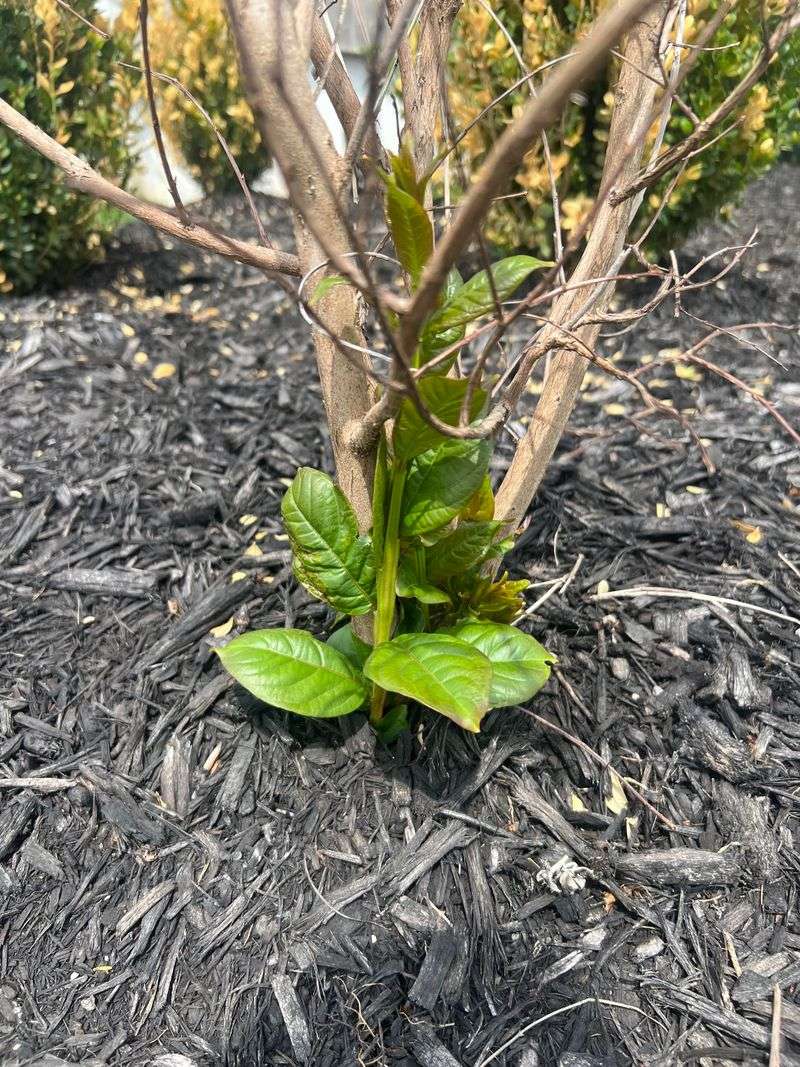
Roots are the hidden engine of any tree. When those roots get damaged, the tree does not just sit quietly and wait.
It responds, often by sending up new shoots from the base or from spots near the damaged roots. This is a protective reaction.
Root damage can happen in several ways. Lawn mowers and string trimmers are common culprits.
Running equipment too close to the base of the tree can nick or tear the shallow roots. Even a small wound can trigger a round of suckering as the tree tries to compensate.
Digging near the tree is another cause. Planting flowers, installing edging, or laying irrigation lines can all cut through roots that are closer to the surface than you might expect.
Crape myrtle roots tend to spread wide and shallow, so they are easy to hit by accident.
Construction work nearby can also disturb roots. Soil compaction from heavy equipment squeezes air out of the ground and stresses the root system.
When roots cannot breathe properly, the tree reacts with extra growth from the base. Creating a mulched buffer zone around the base of the tree helps protect roots from mower damage and keeps the soil loose and healthy for better root function.
Some Crape Myrtles Naturally Sucker More Than Others
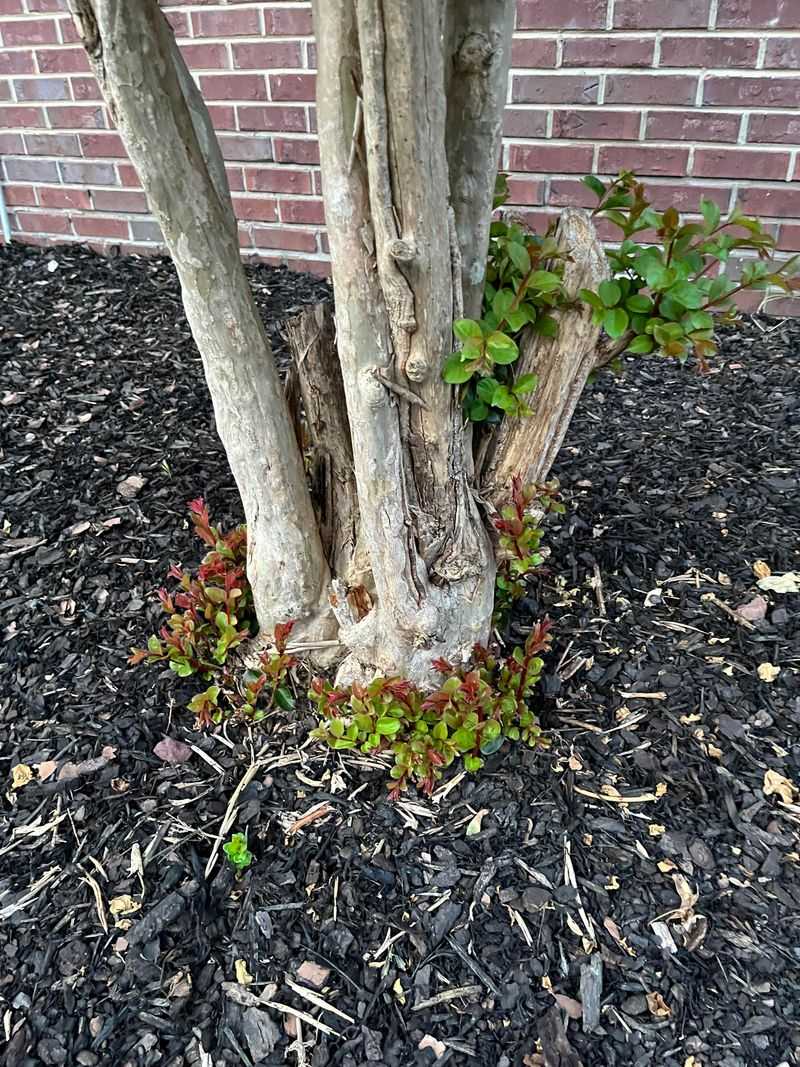
Not all crape myrtles behave the same way. Some varieties are naturally more prone to sending up suckers than others.
This comes down to genetics, and it is something worth knowing before you plant. Older varieties and certain species tend to sucker more heavily. Some of the larger, older types that were planted decades ago were not bred with low-suckering habits in mind.
Newer varieties, on the other hand, have been developed to grow cleaner and require less maintenance overall.
If your tree suckers constantly no matter what you do, the variety might just be the reason. Some homeowners in California find that their older crape myrtles need much more base maintenance than newer cultivars planted nearby.
Talking to a local nursery about low-suckering varieties can save you a lot of work down the road.
Grafted trees can also sucker differently than trees grown on their own roots. If your crape myrtle was grafted, the suckers coming from below the graft point may actually belong to a different variety than the top of the tree.
Those suckers should always be removed quickly, because if left to grow, they can overtake the desirable upper portion of the tree and change its character completely.
Remove Shoots While They Are Still Small
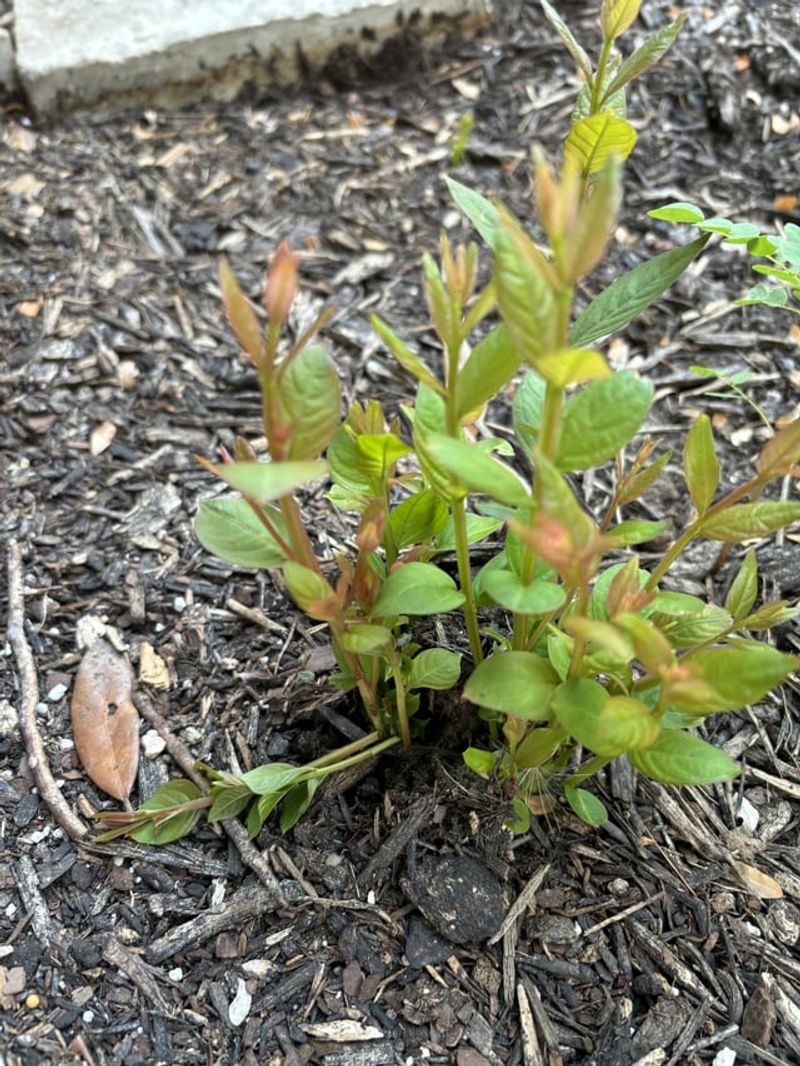
Timing is everything when it comes to managing suckers. Catching them early makes the whole job much easier and less damaging to the tree. Small shoots are soft and easy to snap or pull off without leaving a large wound.
When suckers get big, removing them becomes harder. Thick, woody shoots need tools to cut, and cutting larger growth leaves bigger wounds that take longer to heal.
Big wounds also create more entry points for pests and disease. So the earlier you act, the better off your tree will be.
Make it a habit to walk around your crape myrtle every week or two during late summer. That is when suckering tends to be most active.
A quick check only takes a minute, and catching a sucker when it is just a few inches tall saves a lot of effort later.
Young suckers can often be removed by hand. Grip the shoot as close to the base as possible and give it a firm tug or twist.
If it snaps off cleanly, great. If it resists, use sharp pruning shears to cut it.
The goal is to get it off before it has time to grow a woody stem, because soft growth comes off clean and heals faster than tough, established shoots that have been growing for weeks.
Cut Them Off Close To Where They Start
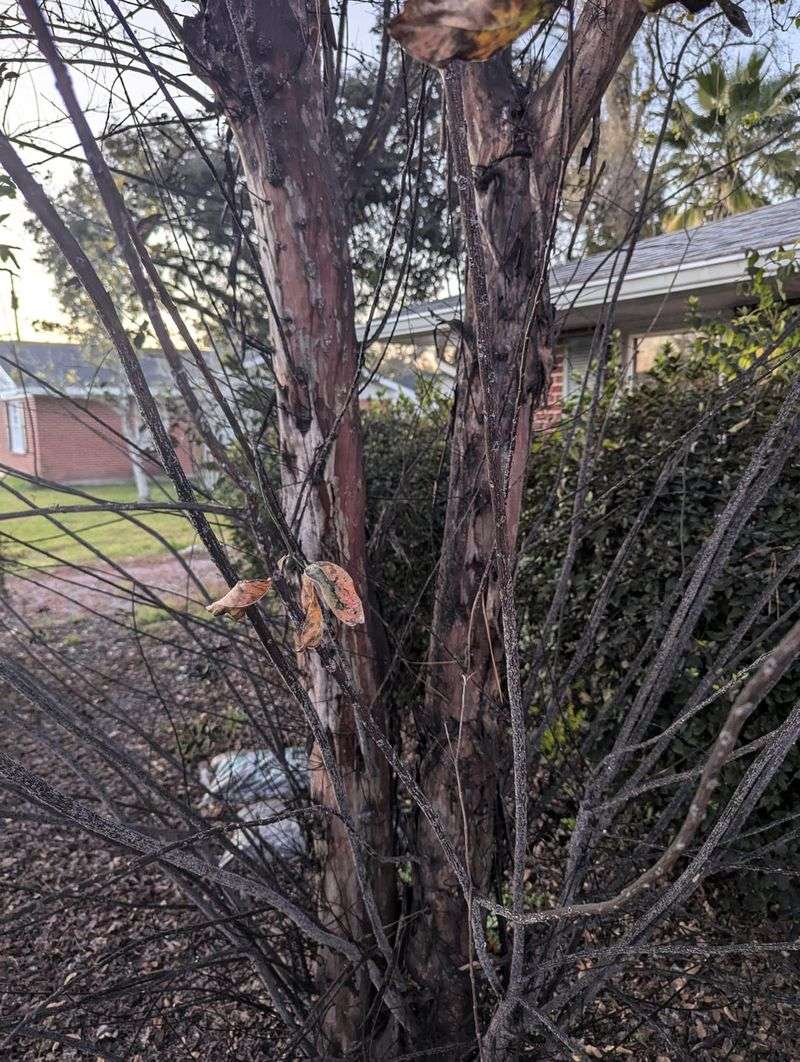
Where you make your cut matters just as much as when you make it. Cutting a sucker too high up leaves a little stub behind, and that stub almost always sprouts again.
Getting the cut as close to the origin point as possible gives you the best chance of stopping regrowth.
For suckers coming from the trunk, cut them flush with the bark. For suckers coming from roots, you may need to scrape away a little soil to find the exact spot where the shoot connects to the root.
Then cut it clean right at that junction. Sharp tools make a big difference. A dull blade tears the tissue instead of cutting it cleanly.
Torn tissue heals more slowly and is more likely to send up new growth. Keep your pruning shears clean and sharp, and wipe the blades with a disinfectant between uses to avoid spreading any potential issues between cuts.
After making the cut, do not cover the area with pruning sealant. Research shows that sealants can actually slow healing on most trees.
Let the cut air out naturally. The tree will form a callus over the wound on its own.
Keeping the area clear of mulch piled against the trunk also helps the base stay dry and healthy after pruning.
Do Not Leave Short Stubs Behind
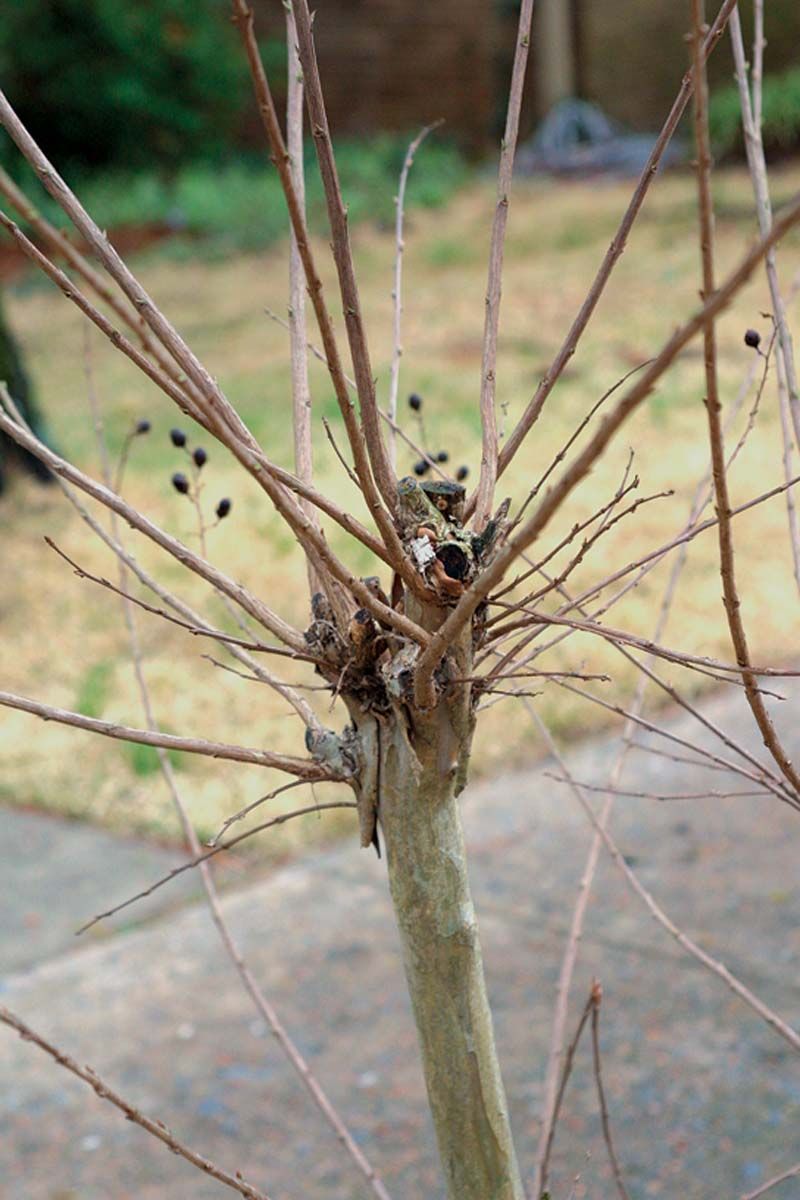
One of the most common mistakes Californians make when removing suckers is leaving a short stub.
It seems like a small thing, but that little nub of leftover wood becomes a launching pad for new growth. Stubs almost always resprout, and they often send up more shoots than before.
The reason stubs cause more suckering is simple. The growth tissue at the base of the shoot is still alive and active.
If you do not remove it completely, the plant just picks up where it left off and pushes out new sprouts from that same spot. You end up in a cycle of cutting and regrowing that never really ends.
Flush cuts, made right at the point where the sucker meets the trunk or root, remove that active tissue. Without it, regrowth is much less likely.
The tree can seal over a flush cut cleanly, which is healthier and more effective than dealing with a stubby wound that stays open.
A good pair of bypass pruners works best for this job. Anvil-style pruners can crush soft tissue, which leaves a messier wound.
Position the blade as close to the origin as you can before squeezing. Taking an extra few seconds to get the angle right makes a noticeable difference in how well the cut heals and how quickly the suckering slows down over time.