This Is Why Arizona Gardeners Amend Beds Before Fall Planting
Fall planting can struggle before the first seed or transplant even reaches the ground. The condition of your garden bed can shape what happens next.
Arizona gardeners often work with soil that presents challenges for new plants. Preparing it beforehand gives roots a better environment as the growing season changes.
Do not wait until planting day to think about what is happening below the surface. Compacted ground and poor drainage can make establishment harder than expected.
Good bed preparation is not about adding every product you find at the garden center. Your soil should determine what actually needs attention.
Take time to understand the bed before filling it with fall vegetables or flowers. That preparation can make the next few months easier.
Getting the ground ready now gives your fall garden a stronger place to start growing.
1. Fall Planting Starts With Better Bed Preparation
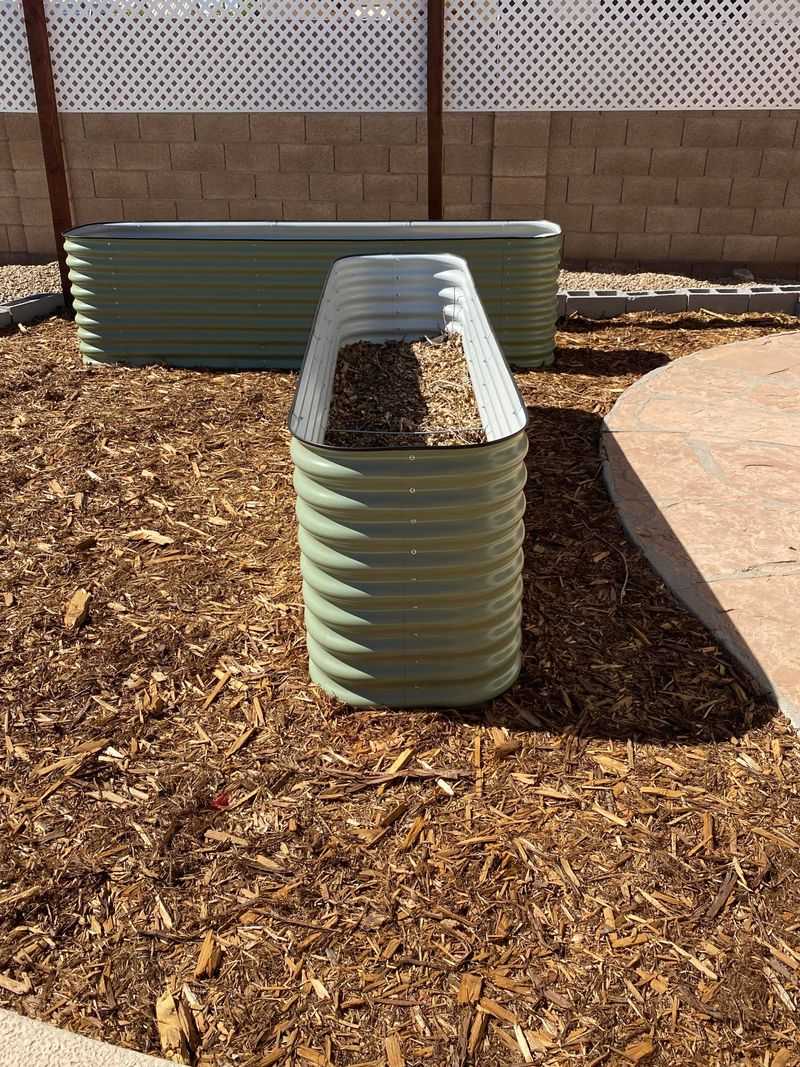
Skipping bed prep before fall planting is a gamble most desert gardeners eventually regret. Healthy harvests rarely come from soil that has not been touched since spring.
Preparing beds properly before the season starts sets the tone for everything that follows.
Desert soil tends to be hard, dry, and low in the organic matter that plants depend on. Without amendment, roots struggle to push through compacted ground.
Water runs off instead of soaking in, and nutrients stay locked up where roots cannot reach them.
Good bed prep starts with loosening the top 8 to 12 inches of soil. A garden fork or tiller works well for breaking up compacted layers.
Once the soil is loose, it is much easier to mix in compost and other organic materials evenly.
Timing matters here. Preparing beds a few weeks before planting gives amendments time to blend into the soil.
Rushing the process and planting immediately after amending can sometimes stress young roots.
Fall is actually one of the best growing seasons in the desert Southwest, but only when the soil is ready. Crops like lettuce, kale, carrots, and broccoli perform well when they have loose, nutrient-rich soil beneath them.
Bed preparation is not just a helpful extra step. It is the foundation that makes fall gardening worth the effort.
2. Arizona Garden Soil Is Often Low In Organic Matter
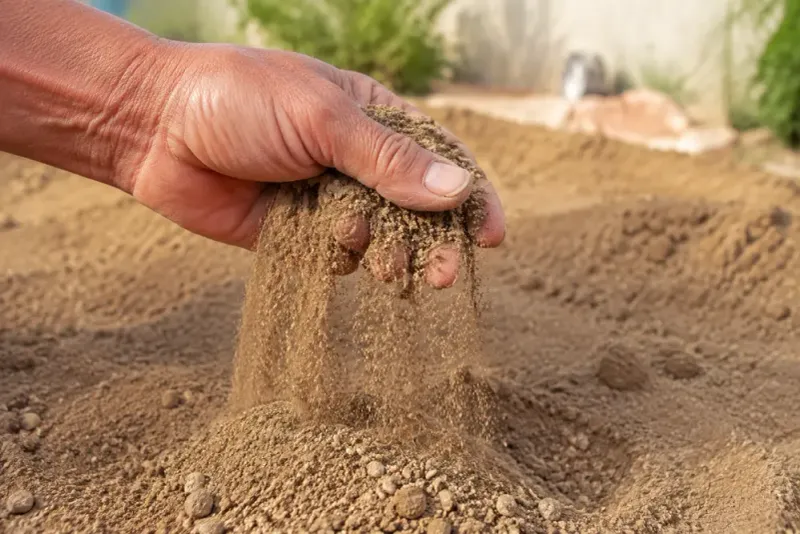
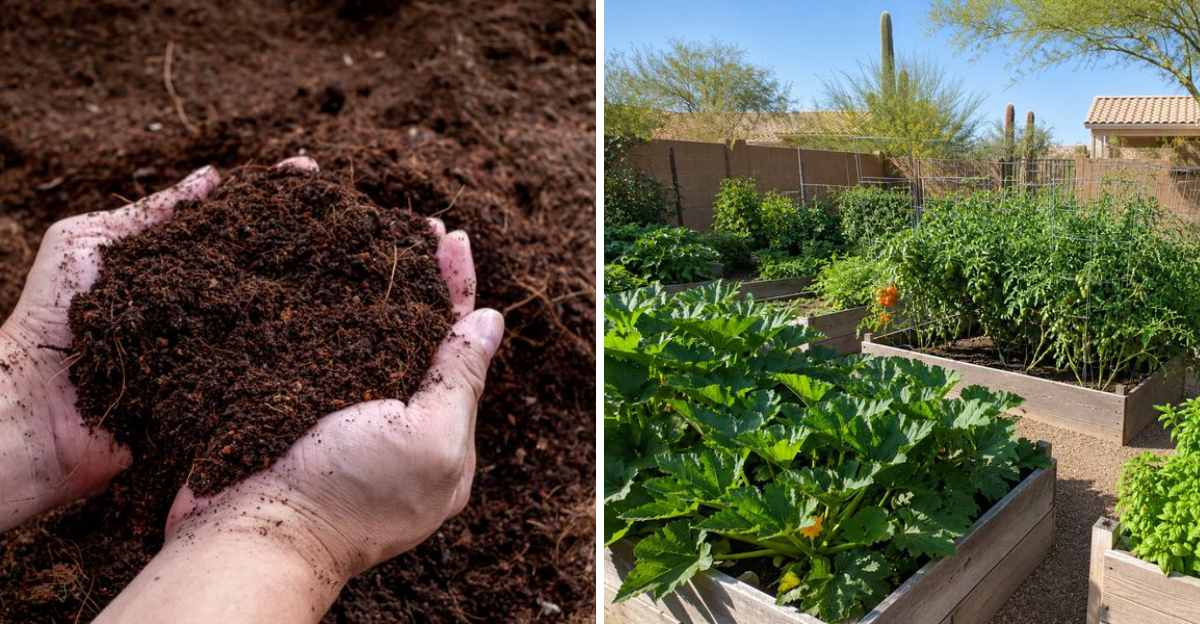
Pick up a handful of untreated desert soil and you will notice something right away. It feels gritty, dry, and almost powdery.
That sandy, pale texture is a sign of very low organic matter content.
Organic matter is the decomposed plant and animal material that makes soil rich and dark. It feeds soil microbes, holds moisture, and releases nutrients slowly over time.
Most native desert soils have very little of it naturally.
Without organic matter, soil cannot hold water long enough for roots to absorb it. Nutrients wash away quickly or stay locked in mineral form that plants cannot use.
Fertilizer alone does not fix this problem.
Hot summers make the issue worse. High temperatures speed up the breakdown of whatever organic matter does exist.
By the time fall arrives, summer heat has often stripped the soil even further.
Your Arizona Garden Changes Every Week. Your Plan Should Too.
Gardening in Arizona changes quickly throughout the season. Every Friday you’ll receive a simple weekly plan showing exactly what to plant, prune, fertilize, harvest, and protect so you never miss the right timing.
Gardeners in the region sometimes assume their plants are struggling because of the heat alone. Often, the real problem is soil that simply cannot support strong root development.
Adding compost, aged manure, or other organic materials directly addresses this gap.
Building organic matter takes time, but even one good amendment before fall planting makes a noticeable difference. Darker, richer-looking soil after mixing in compost is a reliable sign that the bed is heading in the right direction.
3. Compost Helps The Soil Hold Water And Nutrients
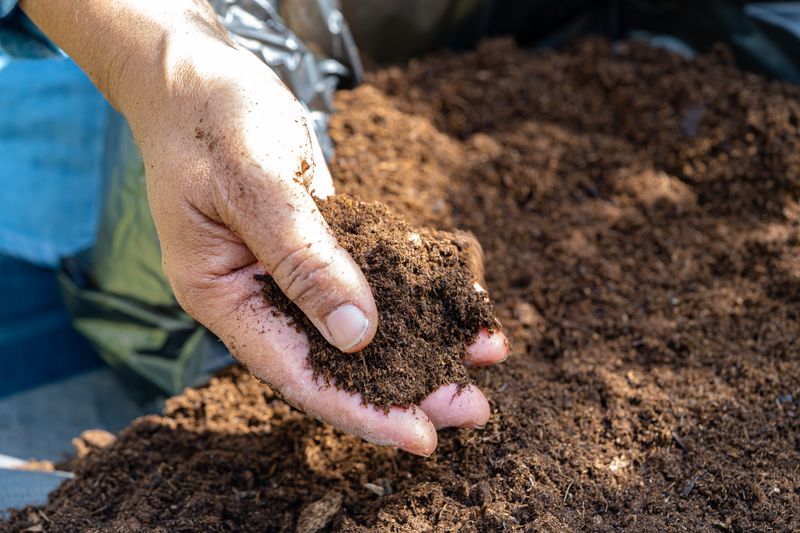
Water disappears fast in desert soil. Pour it on and within minutes it drains straight through, leaving roots barely touched.
Compost changes how soil handles water in a significant way.
Finished compost acts like a sponge inside the soil. It absorbs moisture and holds it close to where roots are actively growing.
Plants can then draw on that stored water over time instead of depending on constant irrigation.
Nutrients behave differently in amended soil too. Sandy soil lets nutrients leach out quickly with each watering.
Compost slows that process by binding nutrients to its organic particles, keeping them available longer.
A 2 to 3 inch layer of compost worked into the top 10 inches of soil is a solid starting point for most beds. More is not always better, but consistent application each season builds soil quality over time.
Worm castings, leaf mold, and well-aged manure also improve water retention when used alongside or instead of compost. Each brings slightly different benefits, so mixing sources can strengthen the overall soil profile.
Gardeners who amend with compost regularly often find they water less frequently over time. That is a real advantage in a region where water conservation matters.
Healthy soil that holds moisture efficiently makes fall crops easier to manage and less dependent on heavy irrigation schedules.
4. Organic Matter Also Improves Drainage And Airflow
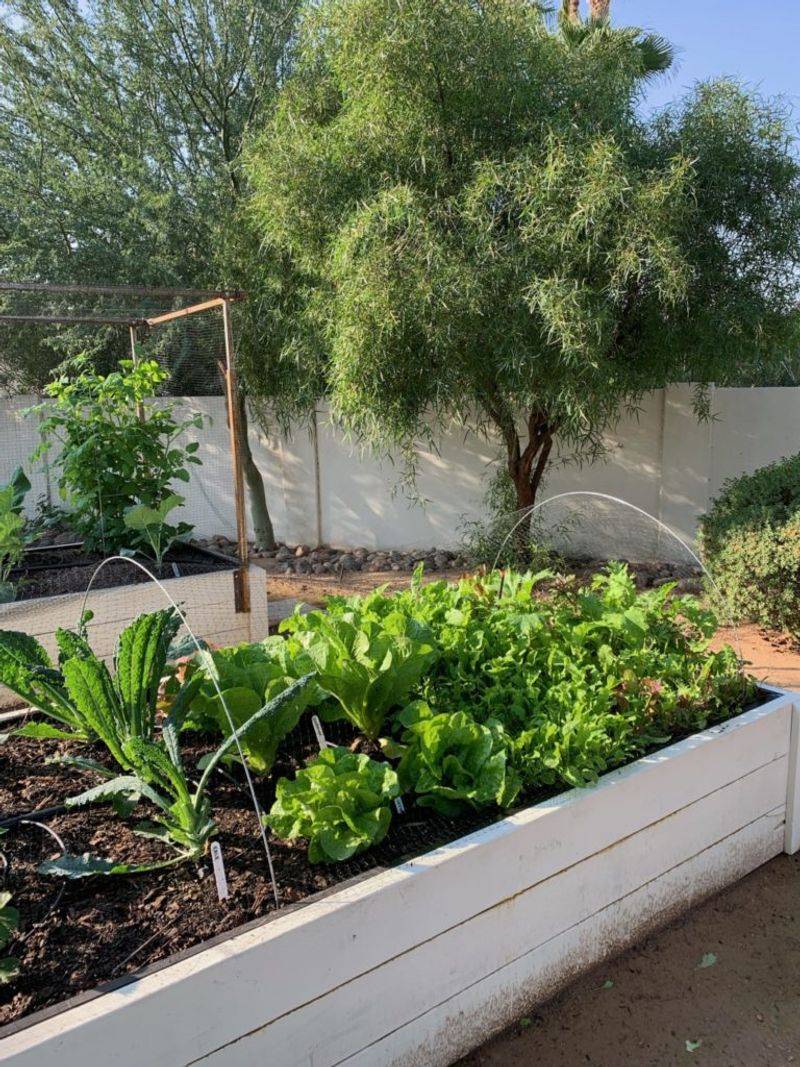
Compacted soil does not just struggle with moisture. It also blocks the airflow that roots and soil microbes need to function well.
Organic matter fixes both problems at the same time.
When compost is mixed into dense or clay-heavy soil, it breaks up tight clumps. Air pockets form between soil particles.
Roots can push through more easily, and oxygen reaches deeper into the bed.
Good drainage is just as important as moisture retention. Soil that drains poorly after rain or irrigation stays waterlogged, which stresses plant roots.
Organic matter opens up the soil structure so excess water moves through at a healthy pace.
Desert soils can swing between two extremes. Sandy soil drains too fast and dries out quickly.
Caliche-heavy soil can become nearly waterproof. Compost helps moderate both conditions by improving overall soil structure.
Earthworms respond well to organic matter too. As they move through amended soil, they create tiny channels that improve both drainage and aeration naturally.
Worm activity is a good sign that the soil ecosystem is functioning.
Roots need oxygen just as much as they need water and nutrients. Soil that breathes well supports stronger, more active root systems.
Better roots mean better nutrient uptake, stronger stems, and more productive plants throughout the fall growing season. Improving airflow is one of the quieter benefits of amending, but it is genuinely important.
5. Loose Soil Gives New Roots Better Growing Conditions
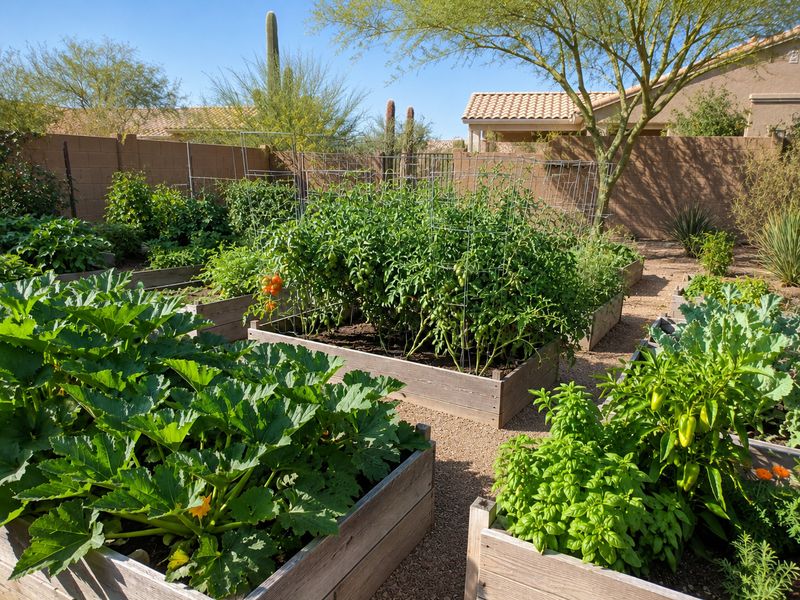
Roots do not push through hard soil easily. When the ground is compacted, young roots hit resistance almost immediately and start to curl or stall.
That slows the whole plant down from the start.
Loose soil lets roots spread out in all directions. A broader root system means the plant can pull water and nutrients from a larger area of soil.
That kind of reach matters a lot during fall establishment.
Transplants are especially sensitive to soil texture at planting time. A seedling dropped into hard ground may survive, but it will not thrive the way it would in a soft, well-amended bed.
The difference shows up within the first few weeks.
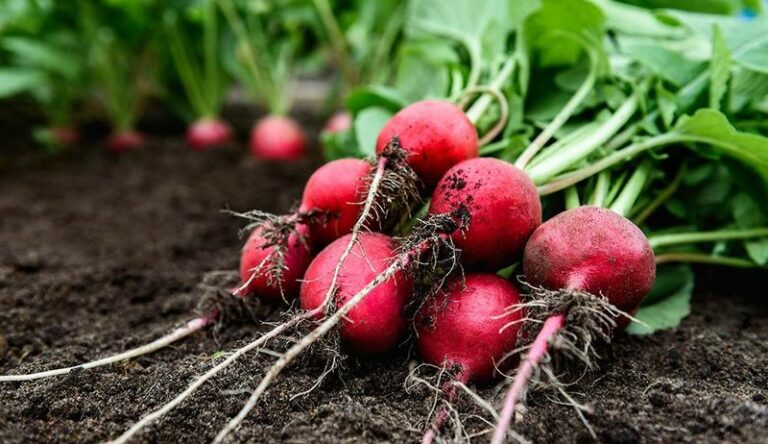
Direct-seeded crops like carrots and radishes need loose soil even more urgently. Carrot roots will fork, twist, or stay short if they hit compaction.
Soft soil lets them grow straight and reach their full size.
Breaking up the top foot of soil before planting gives roots a head start. Adding compost while tilling improves texture throughout the entire amended zone.
The goal is soil that crumbles easily and holds its shape without being clumped or sticky.
Loosening soil is not difficult, but it does take a little effort before each season. Most experienced desert gardeners treat it as a non-negotiable part of fall bed prep.
The payoff in root health and plant performance makes the work worthwhile.
6. Adding Compost Early Gives It Time To Break Down
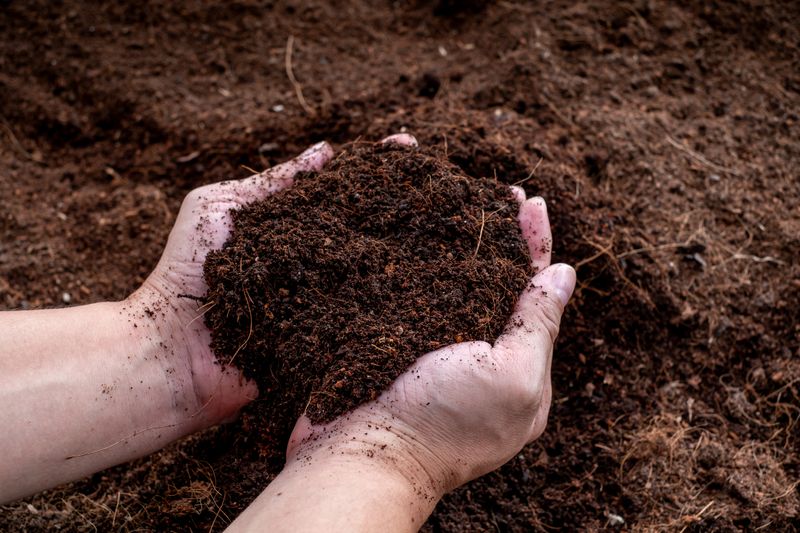
Fresh or partially finished compost does not immediately act like finished compost. It needs time to continue breaking down inside the soil before it becomes fully available to plants.
Timing the application matters more than many gardeners expect.
Adding compost two to four weeks before planting gives soil microbes time to process the material. As microbes break down organic particles, they release nutrients in forms that plant roots can actually absorb.
Skipping that window means plants may not benefit as much right away.
Compost that goes in too close to planting can sometimes tie up nitrogen temporarily. Microbes working on fresh organic matter pull nitrogen from the surrounding soil as part of their process.
That brief shortage can slow early plant growth if planting happens too soon.
Early application also gives compost time to blend evenly into the soil structure. A few weeks of watering and settling helps integrate the amendment rather than leaving it in distinct layers.
Uniform mixing produces more consistent results across the whole bed.
Gardeners in the Southwest often aim to prep beds by early September for October planting. That window gives the soil enough time to adjust before cool-season crops go in.
It also allows time to check moisture levels and make additional adjustments if needed.
Patience during this prep phase pays off. Beds that have had time to settle and integrate amendments tend to support stronger, more even plant growth than beds amended right before planting.
7. Prepared Beds Give Fall Crops A Stronger Start
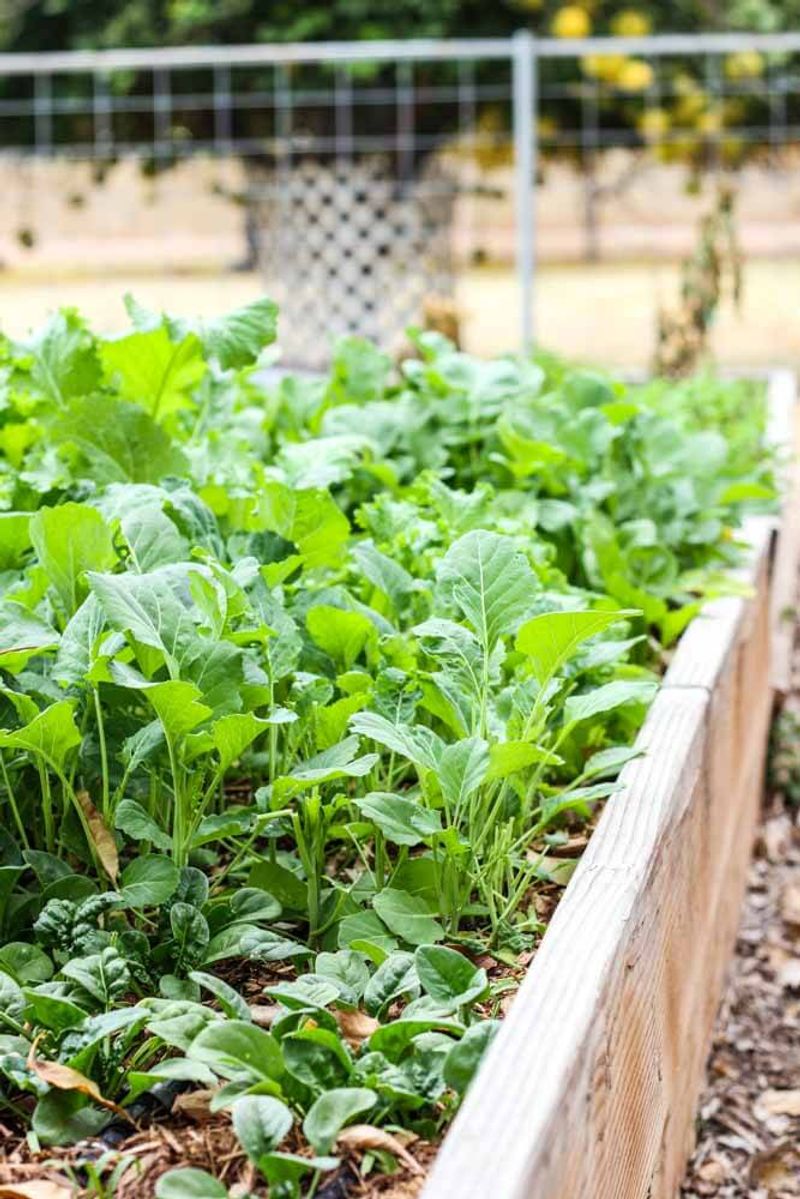
A well-prepared bed does not just support plants. It actively helps them grow faster, stronger, and more consistently from the first week in the ground.
Crops notice the difference almost immediately.
Lettuce, spinach, broccoli, and carrots are among the most popular fall crops in the desert Southwest. Each one performs noticeably better in amended soil.
Root development is faster, leaf growth is more vigorous, and plants are less likely to stall during early establishment.
Pest and disease pressure can also be lower in healthy, well-structured soil. Strong plants with robust root systems are better equipped to handle stress.
Weakened plants growing in poor soil tend to struggle more when conditions get challenging.
Amended beds also make watering more efficient. When soil holds moisture well and drains at the right pace, gardeners can water less often without stressing plants.
That consistency supports steady, even growth rather than cycles of stress and recovery.
Experienced gardeners often say that fall is the most rewarding season in the desert. Cooler temperatures, manageable pests, and fast-growing cool-season crops make it genuinely enjoyable.
But that experience depends heavily on having beds that are ready before the first seeds or transplants go in.
Soil preparation is not glamorous work. It does not get the same attention as choosing seed varieties or planning layouts.
But it is the step that determines whether a fall garden struggles or succeeds. Starting with prepared beds is the most reliable way to set the season up right.