The One Thing North Carolina Collards Need After A Heavy September Rain
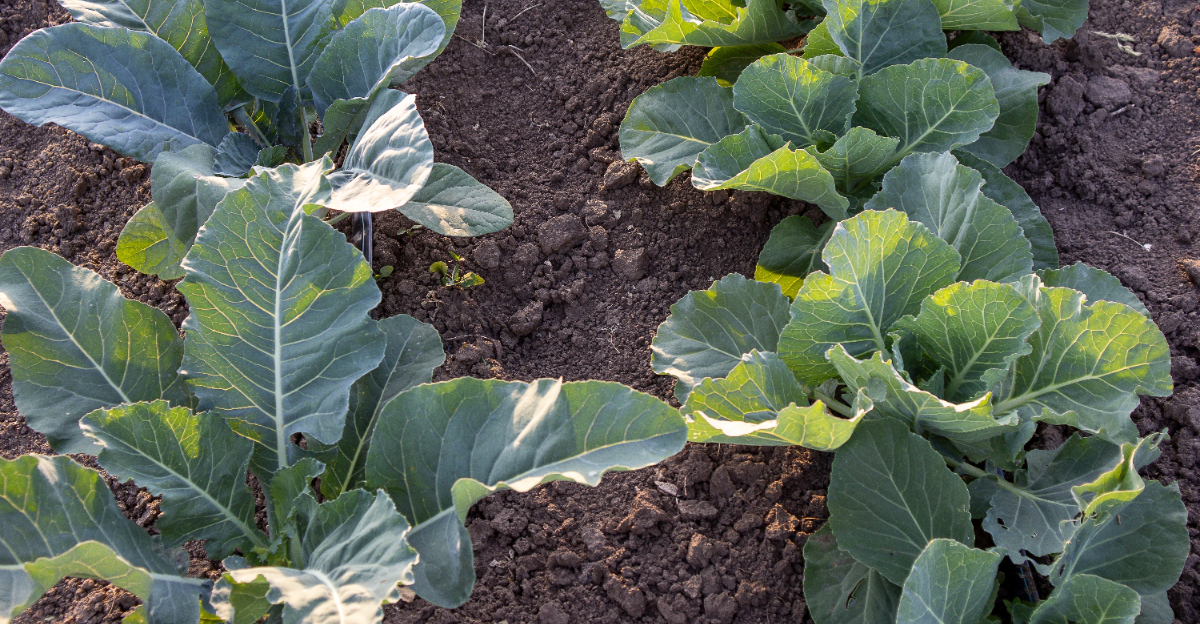
Collard greens usually handle rain well, but a heavy September downpour creates one specific condition that needs quick attention before bigger problems set in.
Most gardeners assume their plants are fine simply because the leaves still look green and healthy on the surface.
But there’s a particular step that matters most right after this kind of rain, and skipping it is exactly how issues quietly develop over the following days.
It has nothing to do with fertilizing or extra care routines, and everything to do with something most people never think to check.
Understanding what collards actually need in this exact moment could prevent a problem that becomes much harder to fix once it takes hold. Many gardeners only realize something went wrong once yellowing or disease already shows up on the leaves.
A few minutes of attention right now could protect your collard harvest through the rest of fall.
1. Let The Soil Drain
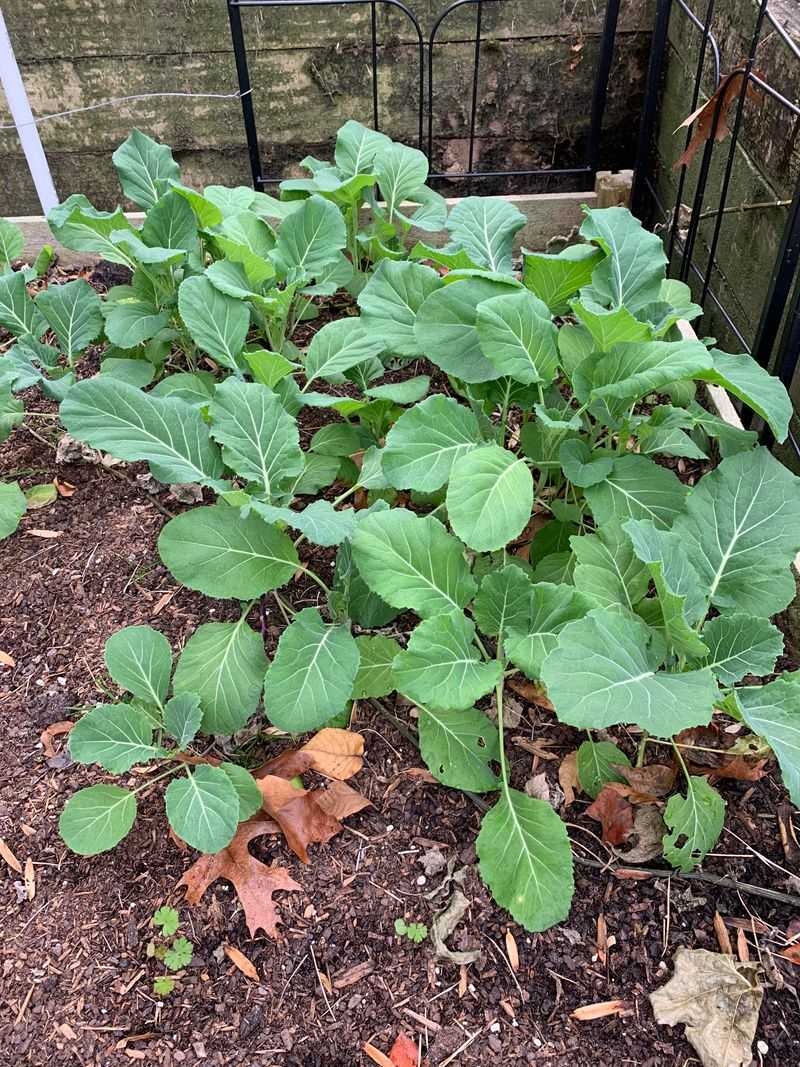
Right after a big storm rolls through, the smartest move is often to do nothing at all. Your collards need the extra rainwater to soak down and drain away before you touch a single tool.
When water fills every tiny space in the soil, the roots sit in a soggy pool. Waiting a day or two gives gravity time to pull that water deeper and out of the root zone.
Rushing in too soon usually makes things worse. Poking, digging, or adding more water while the ground is soaked keeps your plants stuck in wet conditions longer than they should be.
Good drainage is what your collards want most after heavy September rain. Once the top few inches feel firm instead of muddy, you know the soil has started to clear out the excess.
Sandy soils in eastern North Carolina drain faster, while clay-heavy spots in the Piedmont hold water longer. Knowing your soil type helps you guess how much patience you will need.
You can check progress by pressing a finger into the bed near the plants. If water pools around your fingertip, the soil is still too full and needs more time.
Letting nature take the lead here protects the roots and sets up healthy growth. Collards are tough greens, and they handle a soaking far better when you let the water leave on its own schedule.
Patience truly pays off in these first hours. Give the ground room to drain, and your fall crop will thank you with strong, leafy growth.
2. Give The Roots Oxygen
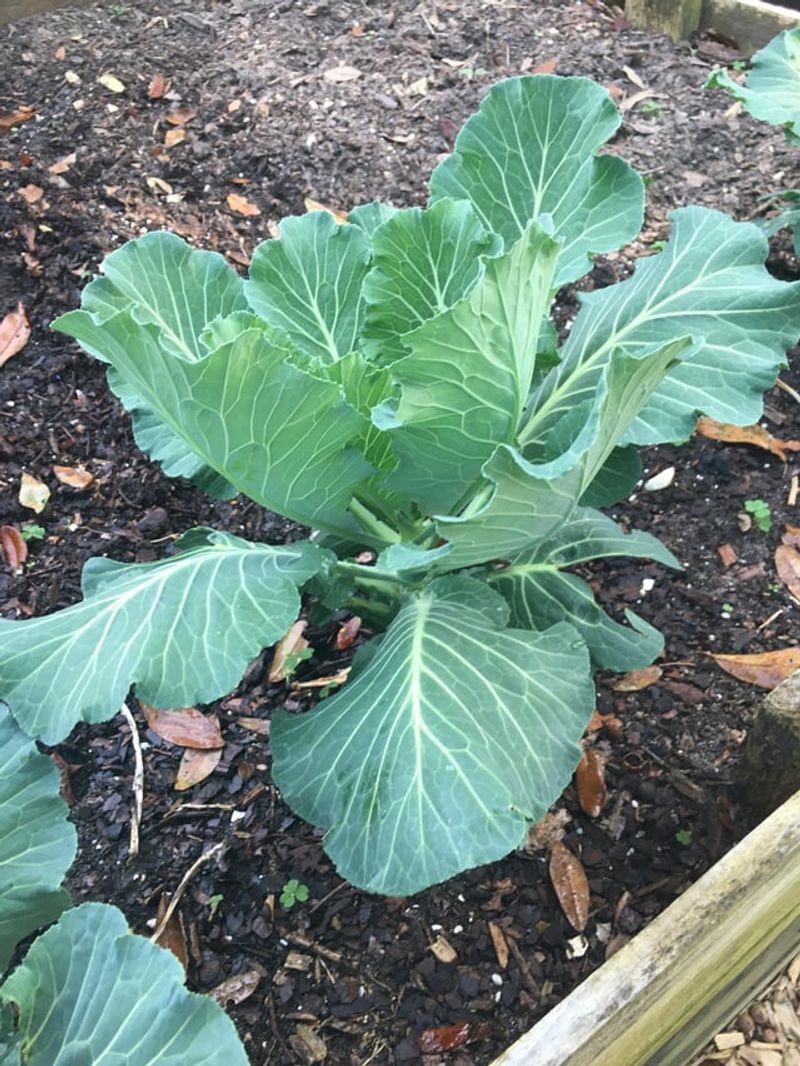
Roots may live underground, but they still need air to work well. Collard roots pull in oxygen from the tiny pockets between soil particles, and heavy rain fills those pockets with water instead.
When the soil stays flooded, those air spaces stay closed. Without enough oxygen, the roots cannot take up water and food the way they normally do, and growth slows to a crawl.
Think of it like trying to breathe with a wet towel over your face. The plant is still alive, but it struggles until the air comes back.
Your North Carolina Garden Changes Every Week. Your Plan Should Too.
Gardening in North Carolina changes quickly throughout the season. Every Friday you’ll receive a simple weekly plan showing exactly what to plant, prune, fertilize, harvest, and protect so you never miss the right timing.
As the water drains, air rushes back into the soil and reaches the roots again. That fresh oxygen wakes the plant up and lets it start feeding and growing at full speed.
Healthy, loose soil holds more air, so beds with lots of organic matter recover faster. Compost and aged leaves create crumbly ground that lets both water and air move freely.
Tight, packed soil is the opposite. It squeezes out the air pockets and keeps roots gasping long after the rain has stopped.
You can help by avoiding anything that seals the surface, like stepping on the bed or piling on heavy layers. Keeping the soil open lets air flow back naturally.
Collards are resilient greens, and they usually perk up once the roots get oxygen again. Give them well-drained, airy soil, and they will reward you with thick, tender leaves all through the cool fall season ahead.
3. Skip The Extra Water
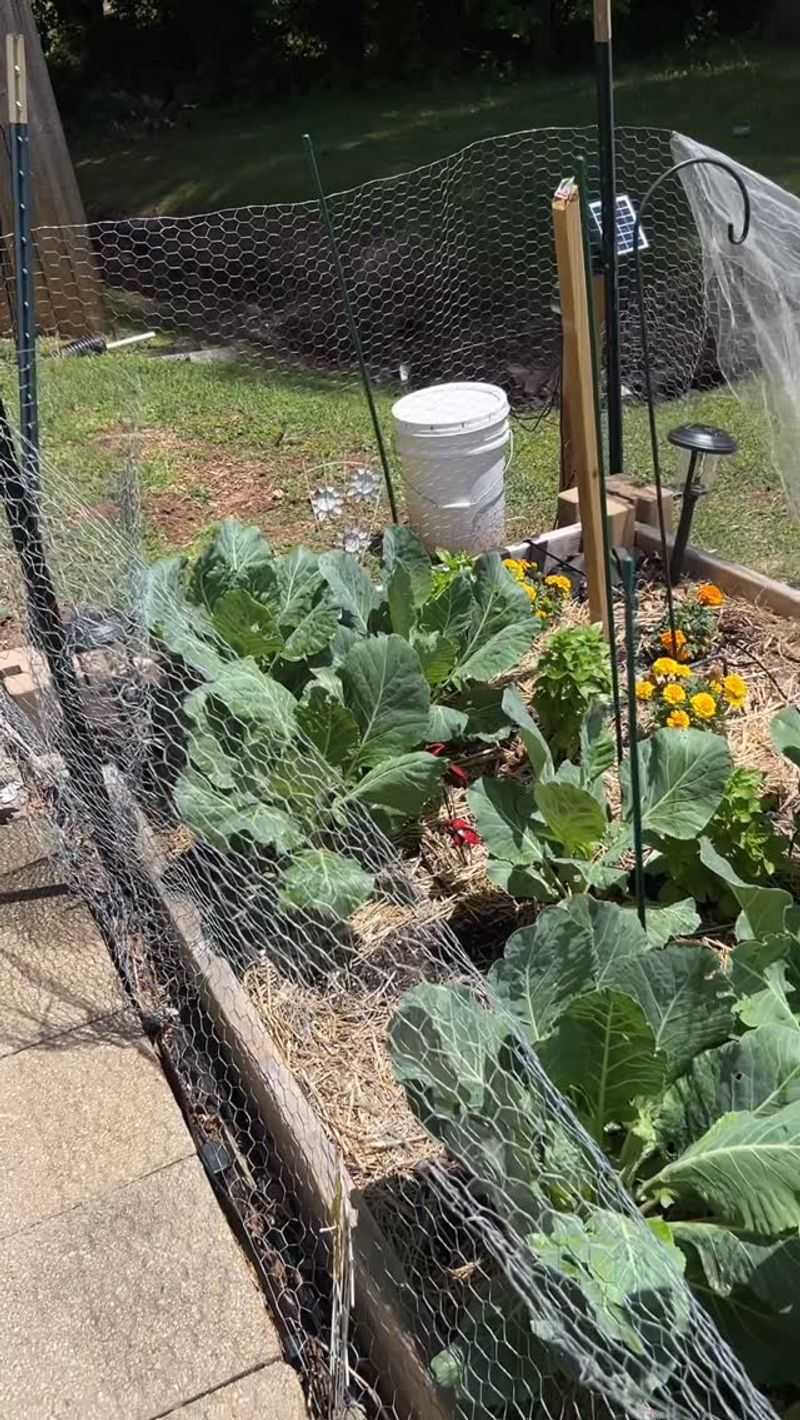
It feels natural to grab the hose and care for your plants, but after a storm that is the last thing collards need. The ground is already holding plenty of moisture deep down.
Adding more water to soaked soil just keeps the roots swimming. Your greens want the chance to dry out a little, not another drink they cannot use.
The simple rule is to wait until the soil actually starts to dry before watering again. Check by pushing a finger about two inches into the bed.
If the soil feels cool and damp at that depth, hold off. Only when the top layer turns dry and slightly crumbly should you think about watering.
Overwatering right after rain can cause the same trouble as the storm itself. Roots that stay wet too long grow weak and struggle to feed the plant.
North Carolina falls can swing between heavy rain and dry spells, so your watering plan should follow the weather. Watch the sky and the soil instead of sticking to a fixed schedule.
A rain gauge helps you know how much fell during the storm. An inch or more usually means your collards have enough moisture for several days.
Letting the bed dry between waterings builds stronger roots that reach deeper for what they need. Deep roots handle both floods and droughts far better.
Trust the soil to tell you when it is thirsty. Your collards grow healthiest when watering matches their real needs, not your worries after a big rain.
4. Stay Out Of Muddy Beds
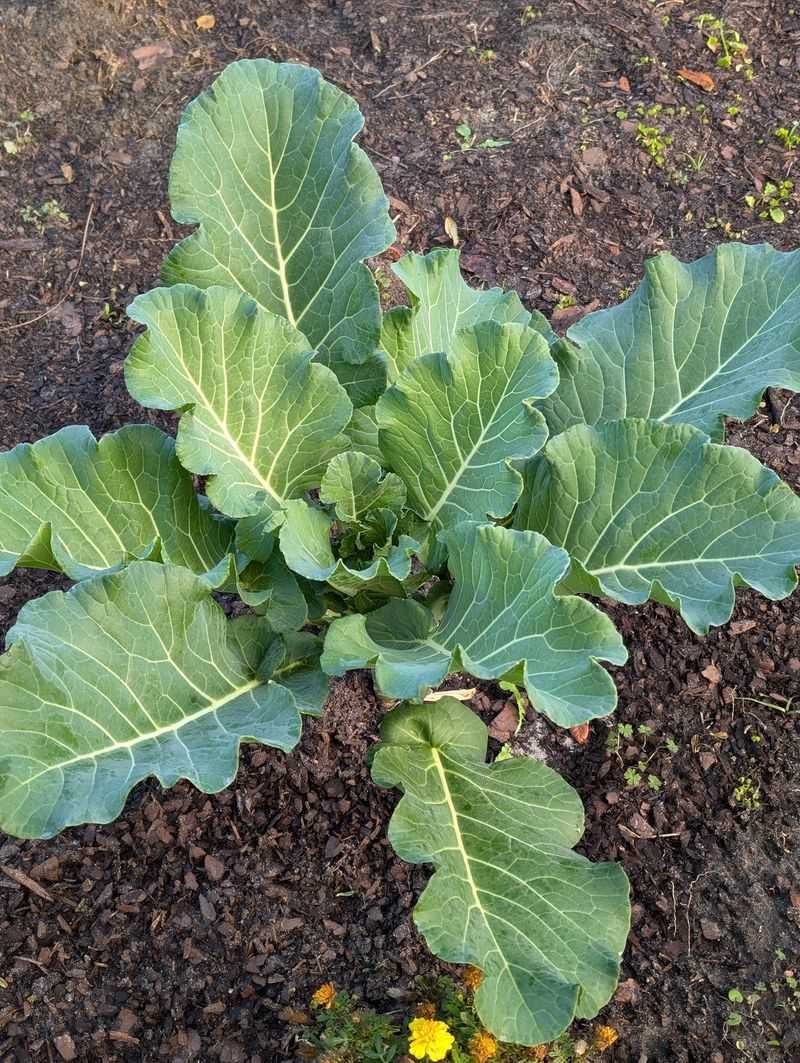
As tempting as it is to check on your plants, walking through a soaked bed causes real harm. Wet soil squishes under your weight and packs down tight.
That squeezing action is called compaction, and it flattens the air pockets your collards depend on. Once the ground packs down, water and oxygen have a much harder time moving through it.
Digging in muddy soil makes the same mistake. The tools smear the wet particles together and seal the surface instead of loosening it.
Compacted soil drains slowly, which means the next rain sits even longer around your roots. What starts as one soggy day can turn into a lasting drainage problem.
The best plan is to stay off the bed until the ground firms up. Give it a day or two so the soil can hold your weight without turning to paste.
If you must reach a plant, lay down a wide board to spread out your weight. That trick keeps the pressure from focusing on one small, squishy spot.
Raised beds and paths between rows also help a lot. When you walk on paths instead of growing areas, the collard roots stay protected no matter how wet things get.
Clay soils in central North Carolina compact the easiest, so extra care matters there. Sandy coastal soils bounce back faster but still deserve a gentle touch.
Waiting for firm ground is a small act of patience with a big payoff. Loose, airy soil keeps your collards growing strong through every storm the season brings.
5. Check Where Water Collects
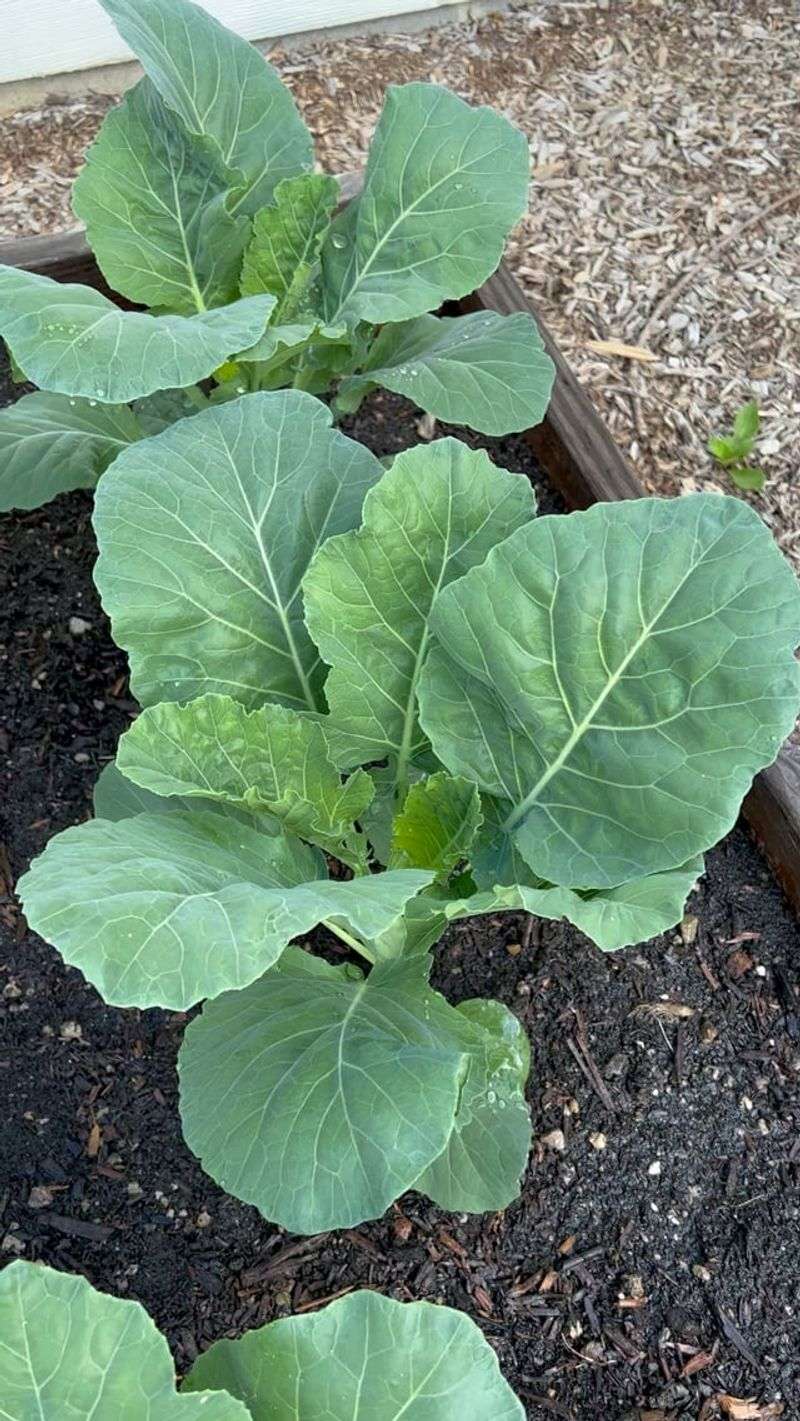
After the rain stops, take a slow walk around your collard patch and look for puddles. Spots where water sits for hours are telling you something important.
Standing water means that area drains poorly, and your plants there are the most likely to struggle. Those low spots trap moisture long after the rest of the bed has cleared.
Marking these puddles helps you plan smarter. You might notice the same corner floods every single time a storm rolls through.
Water that lingers around the base of your collards keeps the roots soaked and short on oxygen. The longer it stays, the more stress those plants feel.
Sometimes the problem is a dip in the ground, and sometimes it is packed soil underneath. Either way, spotting the pattern is the first step toward fixing it.
Grab your phone and snap a few photos of the wet areas. Later, when the bed dries, those pictures remind you exactly where to make changes.
You can test drainage by digging a small hole and filling it with water. If it takes more than a few hours to empty, that spot needs help.
North Carolina gardens often have mixed soil across a single yard, so drainage can vary from row to row. Knowing your trouble spots saves your future crops.
Paying attention now means fewer soggy surprises later. Once you understand where water collects, you can move plants, raise beds, or improve the soil so every collard gets the well-drained home it loves.
6. Keep Mulch From The Crown
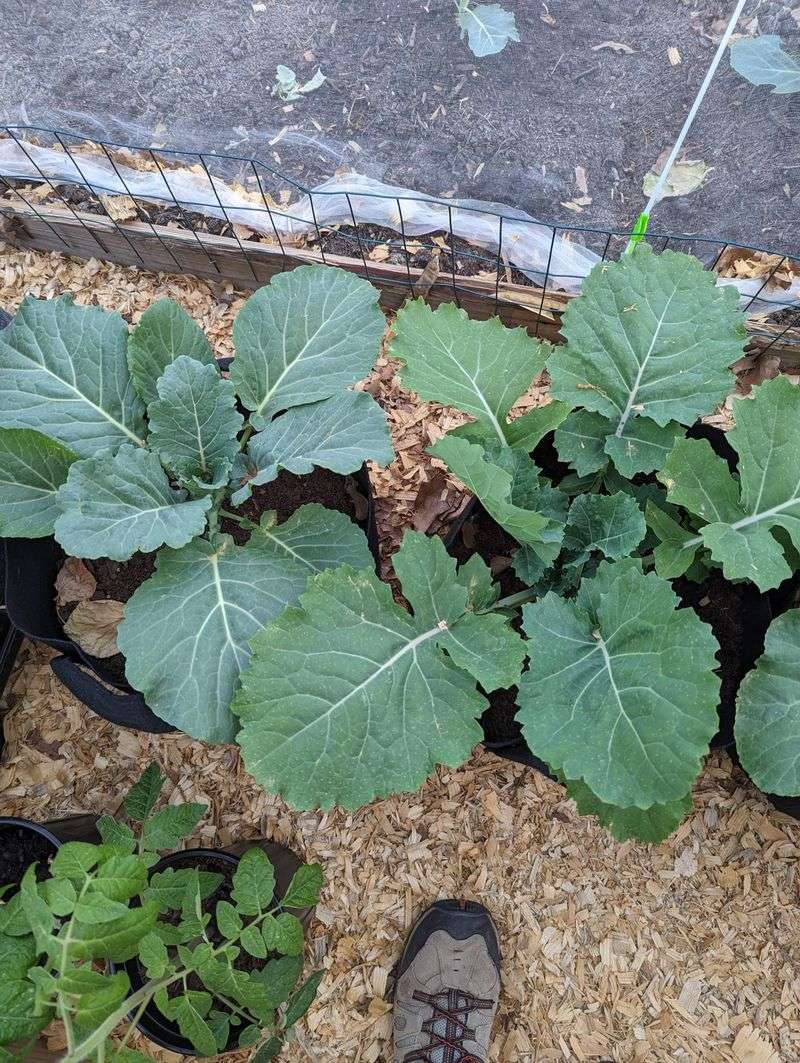
Mulch is a wonderful helper in the garden, but placement makes all the difference. A layer of straw or leaves keeps soil cool, holds steady moisture, and blocks weeds.
The one spot to keep clear is right around the stem, called the crown. Piling mulch against that base traps water where the plant is most tender.
Leaving a small ring of bare soil around each collard stem lets air reach that sensitive area. Good airflow there keeps things from staying too wet and soggy.
After a heavy September rain, wet mulch pressed against the crown holds moisture like a damp sponge. That constant dampness can weaken the stem over time.
Pulling the mulch back a couple of inches solves the problem in seconds. The rest of the bed still gets all the benefits while the crown stays healthy.
Think of it as giving your plant a little breathing room at its neck. The roots want moisture, but the stem prefers to stay drier.
Straw, shredded leaves, and pine needles all work well in North Carolina gardens. Whatever you choose, keep the depth around two to three inches and away from the base.
Fresh mulch also breaks down slowly and feeds the soil, which improves drainage down the road. It really is one of the best tools for a fall garden.
A quick check after each storm keeps your mulch working for you, not against you. With a clear crown and a well-covered bed, your collards stay comfortable through wet weather and beyond.
7. Watch For Stress
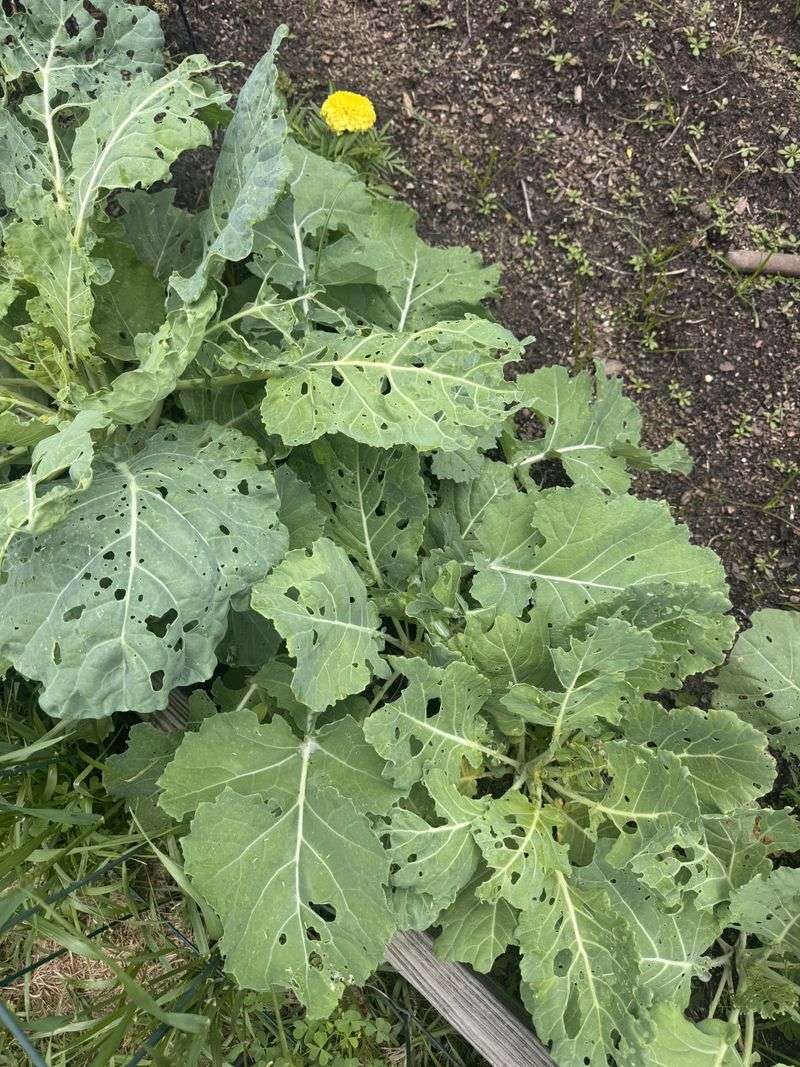
Plants cannot talk, but they show how they feel through their leaves. After a soggy stretch, your collards may send clear signals that the roots are struggling.
Yellowing leaves are one of the most common signs. When roots sit in water too long, they cannot pull in nutrients, and the color starts to fade.
Slowed growth is another clue. If your collards seem stuck and stop putting out new leaves, waterlogged soil could be the reason behind the pause.
Wilting that hangs on even when the soil is wet is a big red flag. It seems backward, but flooded roots cannot move water up to the leaves.
Spotting these signs early lets you act before the trouble grows. The sooner you notice, the sooner you can improve the drainage around the plant.
Check your collards every day or two after a storm. A quick look at leaf color and shape tells you a lot about what is happening underground.
Most of the time, plants recover once the soil drains and air returns to the roots. Fresh green growth is your sign that the stress has passed.
If the yellowing keeps spreading, the roots may need more help. Loosening the soil nearby or improving drainage often turns things around.
North Carolina falls bring plenty of moisture, so learning to read these signals really matters. Your collards are talking to you through their leaves.
Watching closely turns you into a better gardener. Catch the stress early, fix the drainage, and your greens will get back to thriving in no time.
8. Fix Repeated Wet Spots
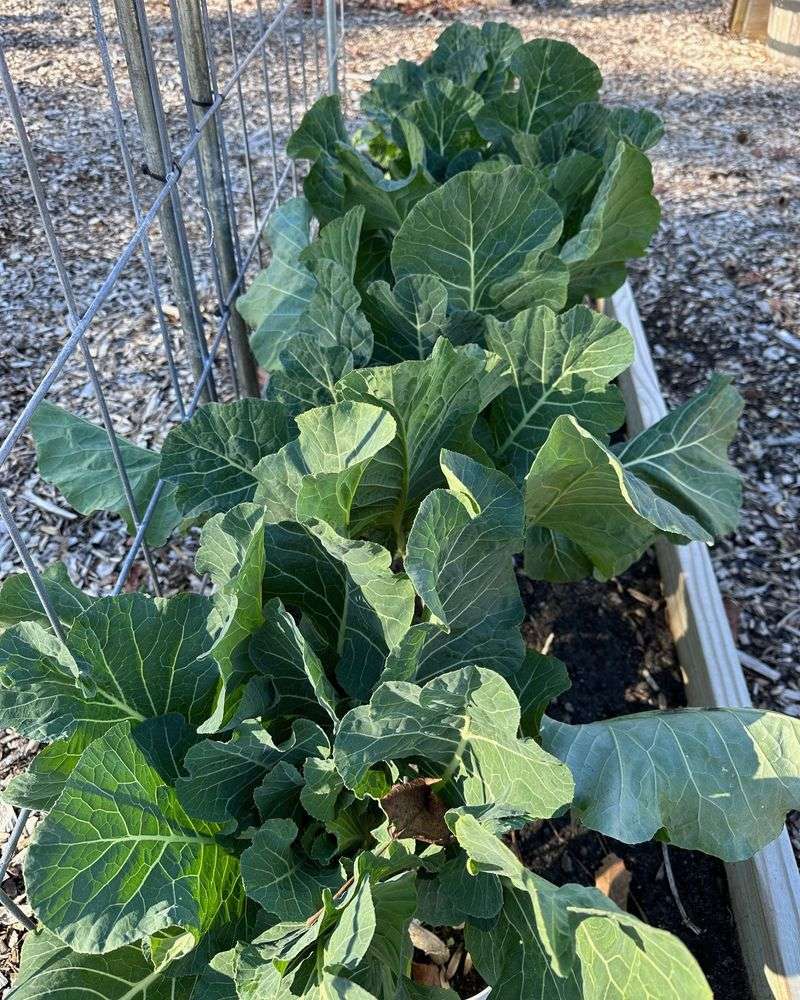
Some garden spots flood again and again, no matter how much you wait. When a bed stays soaked after every storm, it is time to fix the root cause for good.
The most reliable answer is better drainage. Adding organic matter like compost or aged leaves loosens tight soil and creates paths for water to move through.
Rich, crumbly soil soaks up rain and then lets the extra flow away. Over time, mixing in compost changes even stubborn clay into a friendlier home for collards.
Raised growing areas offer another great fix. Building beds even six to twelve inches higher lifts the roots above the soggy ground below.
In a raised bed, water drains down and out instead of pooling around the plants. That simple height difference solves many wet-soil headaches.
Reshaping the land can help too. Gently sloping a bed or adding a small channel guides storm water away from your greens.
North Carolina clay is famous for holding water, so many gardeners in the Piedmont swear by raised beds. Coastal gardeners with sandy soil often need less lifting but still benefit from added compost.
Plan these changes for a dry stretch when the soil is easy to work. Trying to build during a wet spell only packs the ground tighter.
Fixing repeated wet spots now sets up healthier crops for years to come. With good drainage, loose soil, and a little height, your collards will shrug off heavy September rain and keep growing lush green leaves all season.