What It Means When Hummingbirds Swarm Your California Yard In September
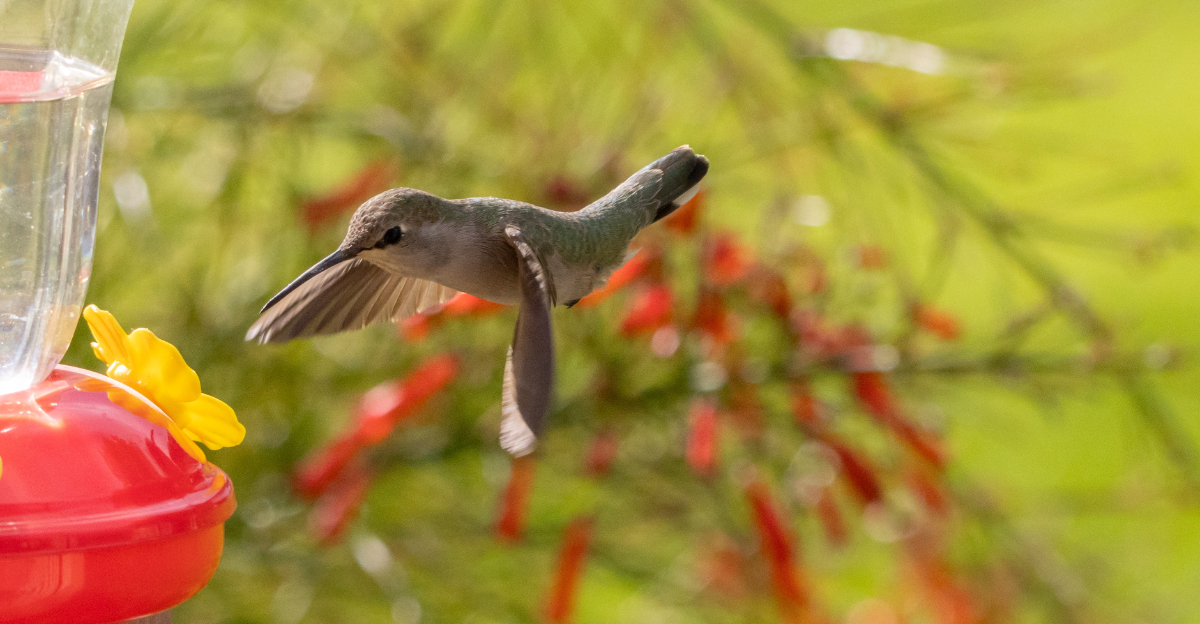
One hummingbird is charming. A dozen whipping around the yard like tiny fighter jets is a whole different experience.
Suddenly, the feeder is busy, flower beds feel crowded, and every perch seems to come with its own miniature argument.
That kind of activity can be especially noticeable in California as summer begins to loosen its grip.
Birds that seemed scattered earlier may start showing up in greater numbers, sometimes turning a peaceful backyard into a nonstop blur of wings and chirps.
The behavior can look chaotic, but the timing is worth paying attention to. Hummingbirds respond quickly to changes in food, weather, daylight, and movement through the landscape, which can make one yard far busier than another.
Homeowners may also notice that these visitors are not simply stopping by for a quick sip. They may linger, chase rivals, revisit the same flowers, or guard favorite spots with surprising intensity.
All that September commotion can seem random at first, but those crowded feeders and frantic flights are usually part of a much bigger seasonal pattern.
1. September Can Bring A Burst Of Hummingbird Activity
Every year around late summer, something almost magical happens in many backyards. Hummingbird numbers seem to jump overnight, and suddenly the yard feels alive with wings and tiny chirps.
September is a peak month for hummingbird activity in many parts of the country, and if you are seeing more birds than usual, that is actually a good sign.
The reason behind this surge is a mix of things happening at once. Local birds that spent the summer nesting are now free to roam more widely.
At the same time, birds from farther north begin moving through the area on their way to warmer climates. These two groups overlap in September, which is why the numbers feel so high.
You might notice the birds acting more frantic or aggressive than they did earlier in the year. That behavior is completely normal.
Every hummingbird is trying to eat as much as possible before conditions change. They burn a huge amount of energy just hovering in place, so feeding is always a top priority for them.
Keeping your feeder full and your flowers blooming during this time gives them exactly what they need.
It also gives you a front-row seat to one of nature’s more entertaining little shows. Enjoy every moment of it because the rush does not last forever.
2. Migrating Birds May Be Passing Through Your Yard
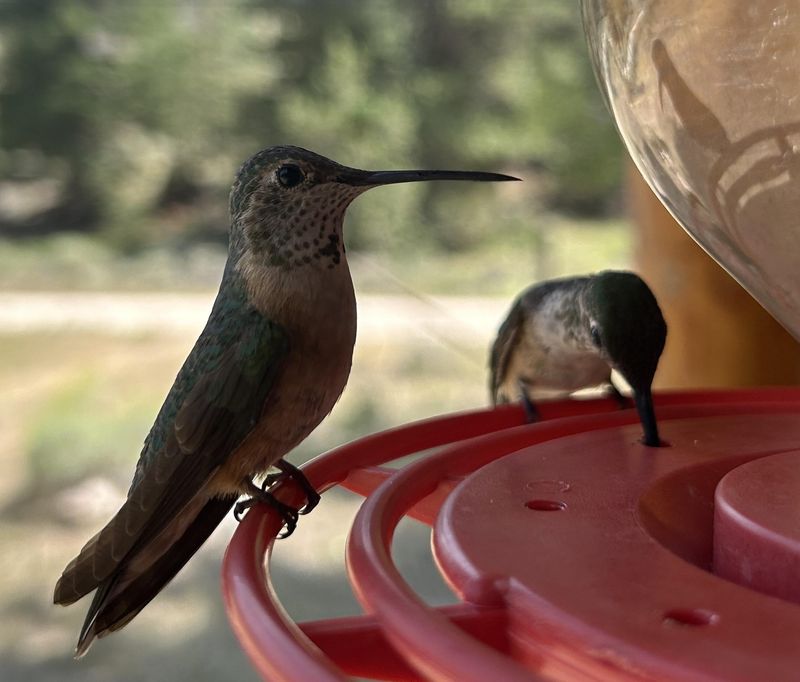
Not every hummingbird you see in September lives in your neighborhood year-round. Many of them are just passing through, using your yard as a quick rest stop on a much longer journey.
Hummingbirds that breed in the Pacific Northwest and other northern regions begin heading south in late summer. Your yard might sit right along one of their travel routes.
Migration is a big deal for such a small bird. Hummingbirds travel hundreds of miles to reach their wintering grounds, and they need reliable food sources along the way.
A well-stocked feeder or a patch of bright flowers can make your yard a regular pit stop for these traveling birds. Some may only stay for a day or two before moving on.
Your California Garden Changes Every Week. Your Plan Should Too.
Gardening in California changes quickly throughout the season. Every Friday you’ll receive a simple weekly plan showing exactly what to plant, prune, fertilize, harvest, and protect so you never miss the right timing.
Rufous hummingbirds are one of the most common migrating species you might spot during this time. They are known for being feisty and bold, often chasing away other birds from feeders.
Seeing a bird you do not recognize is a good clue that a migrant has dropped in for a visit. Paying attention to small differences in color and size can help you figure out which species are stopping by.
Keeping a simple bird journal or snapping a few photos is a fun way to track who is visiting your yard each September.
3. Late-Blooming Flowers Can Pull In Bigger Crowds
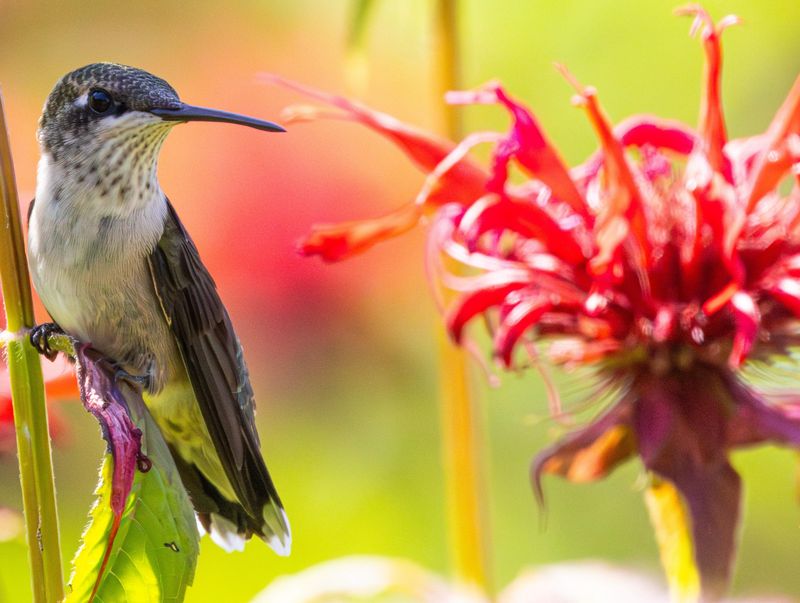
Flowers play a huge role in where hummingbirds choose to spend their time. In September, many spring and early summer blooms have already faded.
But certain plants keep flowering well into fall, and those late bloomers become incredibly valuable to hungry hummingbirds. Gardens with these plants can attract noticeably larger numbers of birds.
Salvia is one of the best fall-blooming plants for hummingbirds. Its long, tubular flowers are perfectly shaped for a hummingbird’s bill.
Other great choices include penstemon, fuchsia, and native honeysuckle. These plants provide natural nectar that gives birds a nutritious energy boost.
Planting even a few of them can make a big difference in how many hummingbirds visit your space.
If your yard already has some of these flowers, you might have noticed that the hummingbirds seem to prefer them over the feeder at times. That is because fresh nectar from a flower is often more appealing than sugar water.
The birds know the difference, and they will go where the best food is. Mixing natural plantings with a clean feeder is the smartest strategy for attracting the most birds.
You do not need a big yard to make this work. Even a few pots of the right flowers on a patio or balcony can bring in a surprising number of tiny, buzzing visitors during the busy September season.
4. Feeders Become Busier As Natural Blooms Fade
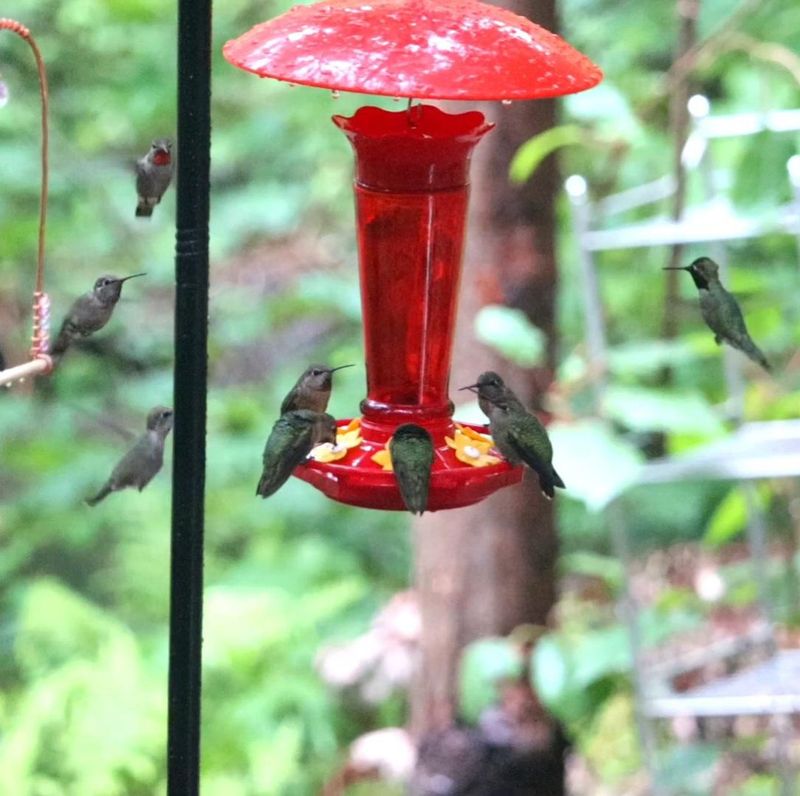
As September moves along, the number of natural flowers in most yards starts to drop. Blooms that were everywhere in June and July are gone or fading.
When that happens, hummingbirds shift their attention more heavily toward feeders. A feeder that had a few visitors a day in spring might suddenly see dozens of stops each hour in September.
Keeping your feeder clean and full during this time is one of the best things you can do. Hummingbirds have sharp memories and will return to reliable food sources again and again.
If the feeder runs dry or the nectar goes bad, they will move on and may not come back. Changing the sugar water every two to three days is especially important in warm weather, since nectar can ferment quickly in the heat.
The right mix for homemade nectar is simple: one part white sugar to four parts water. There is no need to add red dye or honey.
Plain sugar water is safe and effective. Boiling the water first helps the sugar dissolve better and keeps the mixture fresh a little longer.
Using a feeder with multiple ports gives more birds a chance to feed at the same time, which helps reduce fighting.
Watching the feeder during peak morning and evening hours is when you will see the most action. September feeder traffic can be truly impressive if conditions are right.
5. Territorial Chasing Can Make The Yard Look Even More Crowded
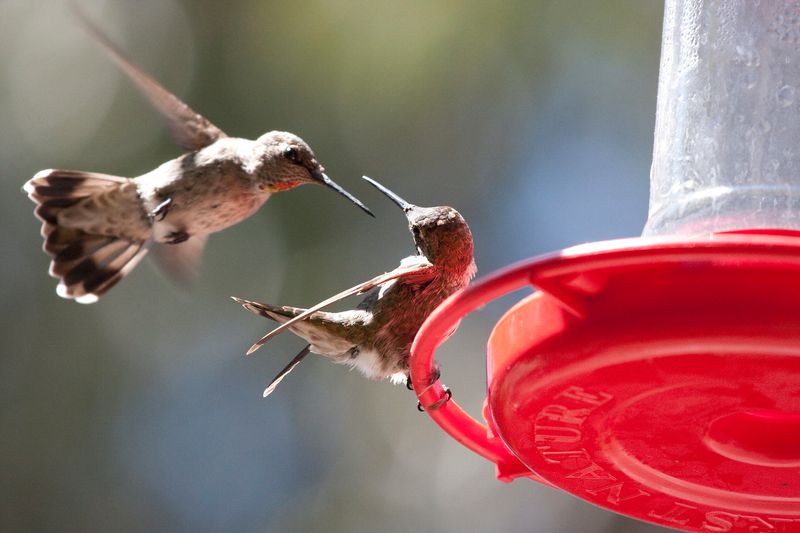
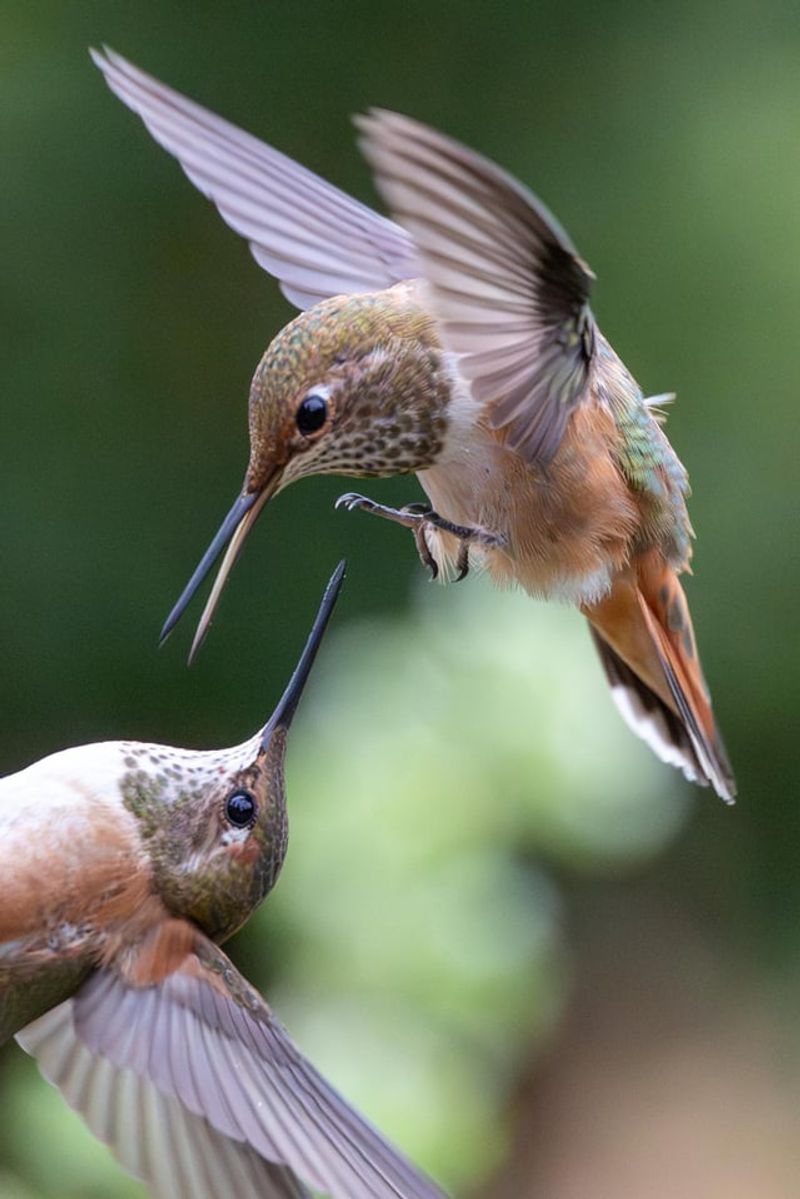
One of the most entertaining things to watch in September is the constant chasing. Hummingbirds are not exactly known for sharing.
They are fiercely territorial, especially around food sources. One bird might spend more time chasing others away than actually eating.
All that zooming around can make your yard feel like a tiny air show. Male hummingbirds are usually the most aggressive defenders. They will pick a feeder or a patch of flowers and treat it like their personal property.
Any other bird that gets too close gets chased off immediately. The speed and agility they show during these chases is genuinely impressive. They can fly in almost any direction and change course in an instant.
Here is something interesting though: having multiple feeders placed out of sight from each other can actually reduce the fighting. When one bird cannot see the other feeders, it cannot guard all of them at once.
Spreading feeders around different parts of the yard allows more birds to feed peacefully. Planting dense shrubs between feeding areas also helps by blocking sightlines.
More birds getting to eat means the whole yard benefits. The chasing behavior tends to peak in the morning when birds are hungriest.
If you sit outside with a coffee in hand around sunrise, you are likely to catch the most exciting territorial battles of the day.
6. Some Birds Are Fueling Up Before Moving On
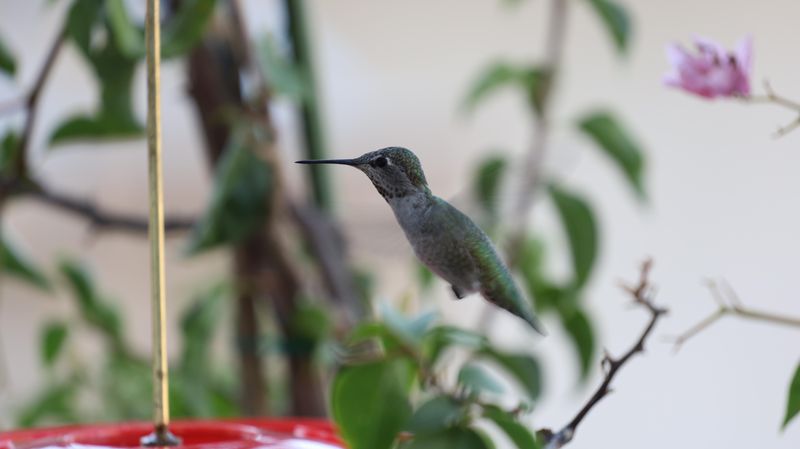
Long-distance travel takes a serious amount of energy for any animal, but for a bird as small as a hummingbird, it is especially demanding.
Before setting off on a long migration flight, hummingbirds go through a process called hyperphagia.
During this phase, they eat far more than usual to build up fat reserves they will use as fuel during travel.
A hummingbird in hyperphagia might double its body weight in just a few weeks. That extra fat becomes its energy source when crossing long stretches with no food available.
Watching a bird feed almost constantly at your feeder in September might mean it is getting ready to leave soon. It is fueling up for the journey ahead.
You can support this process by keeping your feeder stocked right through October, even after the crowds thin out.
Some birds linger longer than others, and a reliable food source can make a real difference for a bird that needs a few more days of feeding before it feels ready to go.
Do not take feeders down too early out of fear of keeping birds from migrating. Research has shown that hummingbirds migrate based on day length, not food availability.
Leaving your feeder up simply helps late travelers get the energy boost they need. It is one of the easiest ways to support wildlife without much effort at all.
7. Warm California Weather Can Keep Hummingbirds Around Longer
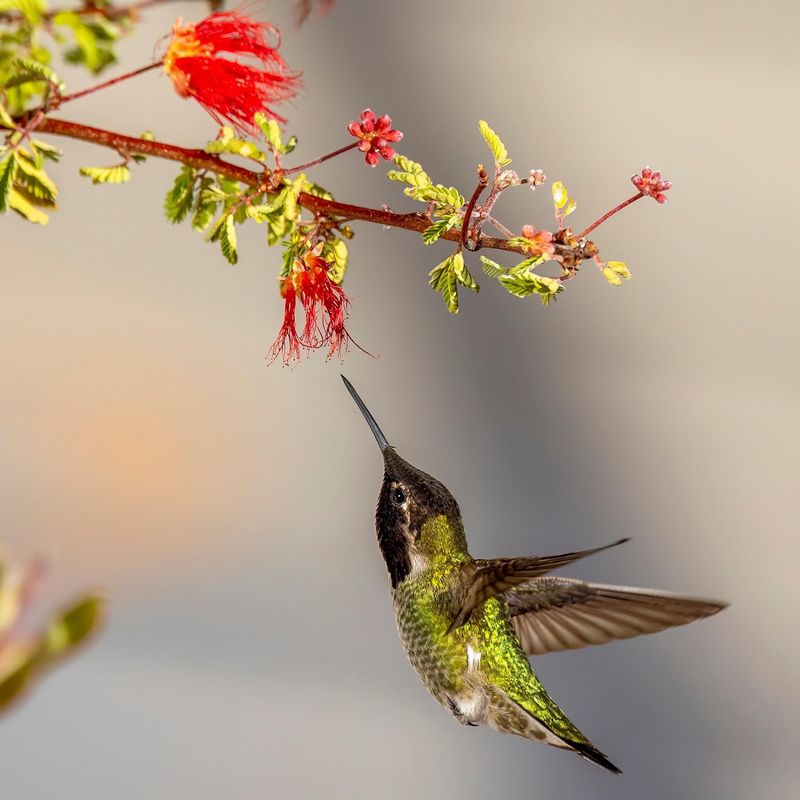
One reason September hummingbird activity stays strong here is the weather. While other parts of the country start cooling down quickly in fall, many areas in California hold onto warmth well into autumn.
That warmth means flowers keep blooming longer, insects stay active, and hummingbirds have less pressure to leave right away.
Anna’s hummingbird is a great example of a species that takes full advantage of the mild climate. Unlike most hummingbirds, Anna’s do not migrate at all.
They live here year-round and are actually one of the few hummingbirds that can handle cooler temperatures. In September, they are still very active and may even start their early courtship displays.
The warm and extended growing season also means more flowers stay in bloom compared to other regions. That gives all hummingbirds, both resident and migrating, more natural food options for a longer period of time.
This is part of why California yards can feel like hummingbird hotspots in the fall. If you want to take advantage of this, adding a few native plants to your yard can extend that natural food supply even further.
Plants like native sage, toyon, and monkeyflower are excellent choices. They are well-suited to the local climate and provide nectar and shelter that hummingbirds genuinely love.
A thoughtfully planted yard can become a go-to stop for these birds season after season.
8. Several Species May Visit The Same Yard
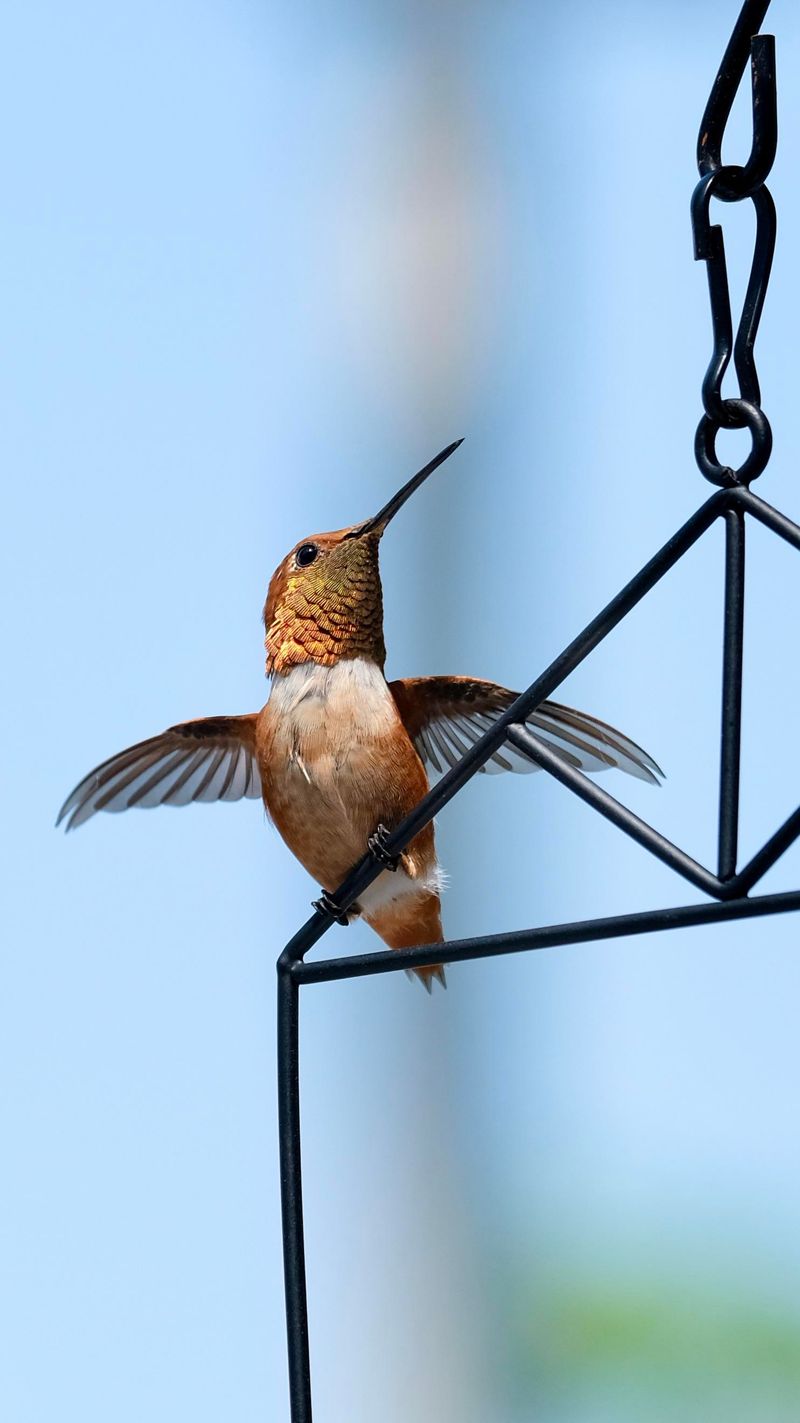
Most people think of hummingbirds as one type of bird, but there are actually several species that can show up in the same yard, especially during September.
Migration season brings a wider variety of birds through any given area than you would see at other times of year. Knowing a little about each species makes the watching experience so much richer.
Anna’s hummingbird is the most common year-round resident in many western yards. It has a rosy-pink throat and a stocky build.
The Allen’s hummingbird is another species found along the coast, with a bright orange-red throat and a more slender shape.
Rufous hummingbirds, which are migrating through from the north, tend to be feistier and more orange-brown in color.
Black-chinned hummingbirds also pass through during fall migration. They have a dark throat with a thin purple band that can be hard to see unless the light hits it just right.
Spotting multiple species at once is one of the real treats of September birdwatching. A simple field guide or a free app like Merlin Bird ID can help you sort out who is who.
Taking photos and comparing them to reference images is another fun approach. Once you start noticing the differences, you will find yourself looking forward to September every year just to see which new visitors show up in your yard.