10 Native Michigan Wildflowers Worth Direct Sowing This Fall
Fall might seem like an unusual time to think about wildflowers, especially with most blooms already fading as the season winds down. But several native Michigan wildflowers actually depend on this exact window for the strongest possible start next spring.
Gardeners who wait until spring to sow these particular seeds often end up with weaker, less reliable results compared to a fall planting.
Understanding which wildflowers benefit from this timing could completely change how you plan the rest of your fall garden tasks.
Many people are surprised to learn just how much of next year’s wildflower display depends on decisions made months in advance. This list could be the difference between a scattered handful of blooms and a truly full, vibrant display.
A little effort now sets the stage for a spring and summer worth looking forward to.
1. Butterfly Weed Needs Winter Cold
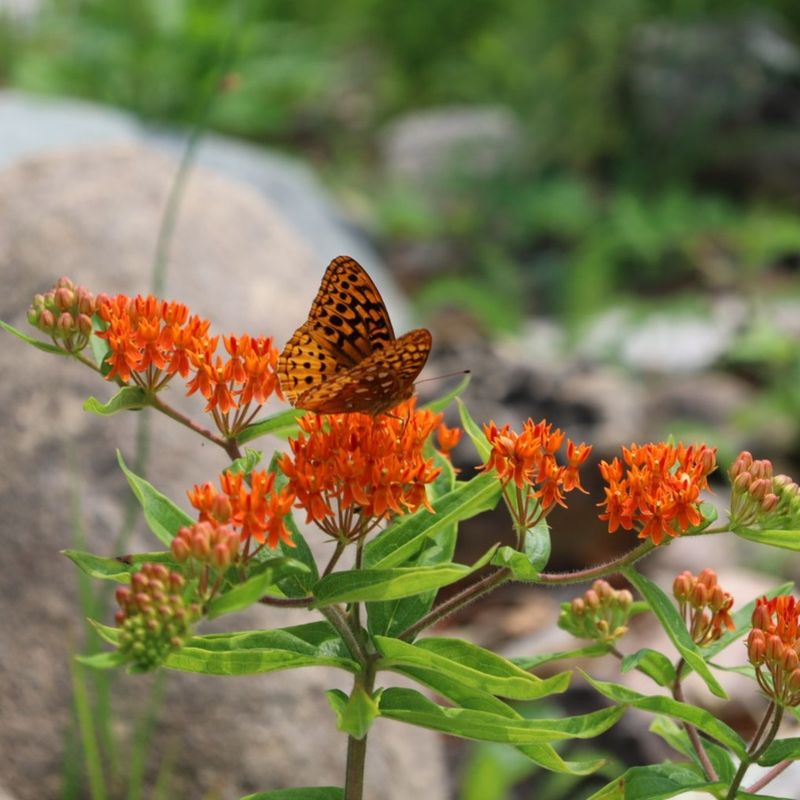
Bright orange clusters make butterfly weed one of the showiest natives you can grow, and monarch butterflies adore it. What many folks miss is that its seeds need a chilly rest before they will sprout.
When you sow in fall, the seed sits through the cold and damp of a Michigan winter. That natural chill breaks the seed’s dormancy, so spring warmth triggers strong, even germination.
Trying to fake this indoors is fussy, which is why letting winter handle it saves you real effort. Butterfly weed loves full sun and dry, sandy, or gravelly ground that drains fast. Soggy spots are not its friend, since the deep taproot rots in wet clay.
Pick the sunniest, driest corner of your yard and you will be rewarded. Scatter seeds on cleared soil in late fall and press them down gently so they make good contact. You do not need to bury them deep. Rain and snow will settle them in place naturally.
Patience matters here. The plant spends its first year building that long root, so blooms often show up in year two. Once settled, it comes back stronger each season and rarely needs watering.
A fun bit of history: pioneers once used this plant for its tough fibers and roots. Today its real value is feeding pollinators.
Give butterfly weed the hot, bright, well drained spot other plants dislike, and it will thrive where fussier flowers struggle.
2. Swamp Milkweed Is Made For Moist Ground
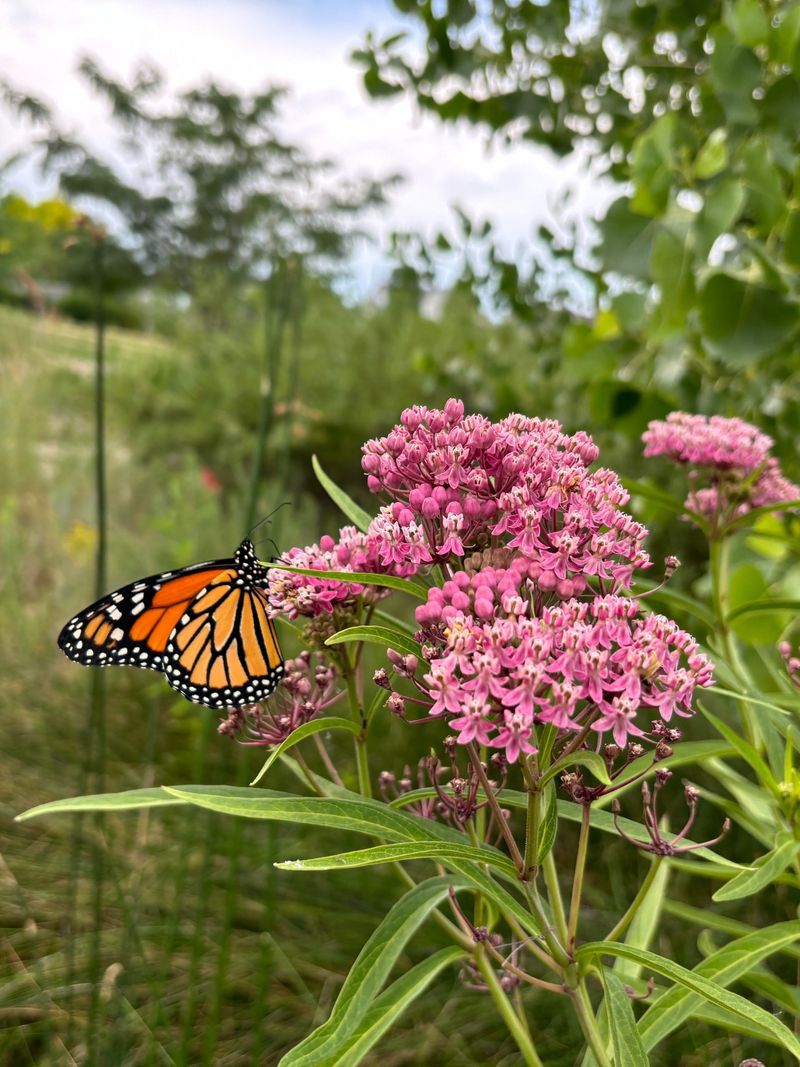
Got a low spot in your yard that stays damp after every rain? Swamp milkweed will feel right at home there. Its soft pink flower clusters smell faintly sweet and buzz with visiting bees.
Unlike its dry-loving cousin, this milkweed craves steady moisture and full sun. Pond edges, rain gardens, and clay areas that hold water are exactly where it shines. Instead of fighting a wet spot, you can turn it into a pollinator hangout.
Fall sowing works beautifully because the seeds need a stretch of cold to break their sleep. Winter’s freeze and thaw softens the seed coat, so by spring they are ready to pop up. Skipping that cold usually means weak or spotty sprouting.
Your Michigan Garden Changes Every Week. Your Plan Should Too.
Gardening in Michigan changes quickly throughout the season. Every Friday you’ll receive a simple weekly plan showing exactly what to plant, prune, fertilize, harvest, and protect so you never miss the right timing.
Clear a small patch, sprinkle the seeds on top, and press them lightly into the soil surface. Leave them uncovered or barely dusted, since a little light helps them along. Snow will tuck them in for the season.
Monarch caterpillars munch its leaves, and countless butterflies sip its nectar, so you are feeding wildlife at every stage. The plant also stands tall and tidy, reaching about four feet.
Once it settles in, swamp milkweed returns faithfully each year and slowly forms a lovely stand. It rarely spreads aggressively, so it stays polite in a mixed bed.
Pair it with blue vervain or Culver’s root for a wet meadow that looks planned yet natural. Your damp corner will never look sad again.
3. Wild Lupine Belongs In Sandy Soil
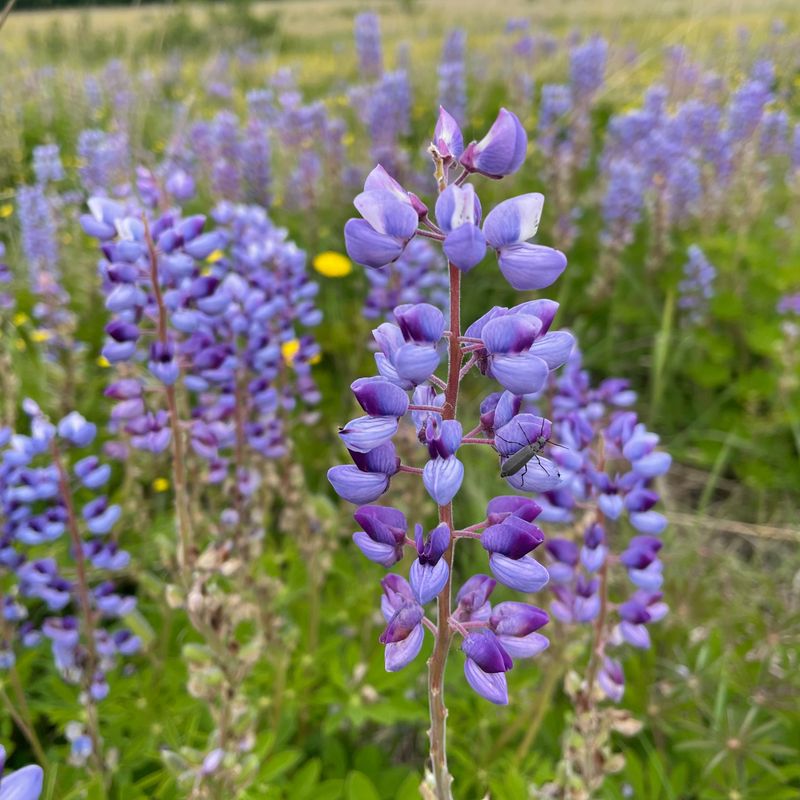
Few sights beat a hillside of purple-blue lupine spikes swaying in early summer. Wild lupine, the true Michigan native, thrives where many plants give up: dry, sandy, sun-baked ground.
This flower evolved for our sandy savannas and open woods, so poor soil is a feature, not a problem. Its roots pull nitrogen from the air and enrich the earth around it. That means it feeds the soil while feeding pollinators.
Here is a key tip. Choose real Lupinus perennis, not the flashy garden lupines sold at big stores. Those hybrids are not native and will not support the same wildlife, including the rare Karner blue butterfly that depends on wild lupine.
Fall sowing gives the tough seeds the winter chill and moisture they need to crack open. Some gardeners nick the seed coat, but nature’s freeze and thaw usually does the job on its own. Plant in a sunny, sandy spot and press seeds into the surface.
Do not overwater or add rich compost, since pampering actually weakens this plant. It prefers lean living and hates wet feet.
Give it time. Lupine may spend its first year small and quiet while its taproot digs deep, then reward you with tall blooms afterward.
Once established, it drops seed and forms cheerful colonies that return each spring. Plant it where sprinklers do not reach and let the sandy soil work its magic. You will have a low-care patch of pure Michigan charm.
4. Rough Blazing Star Rewards A Fall Start
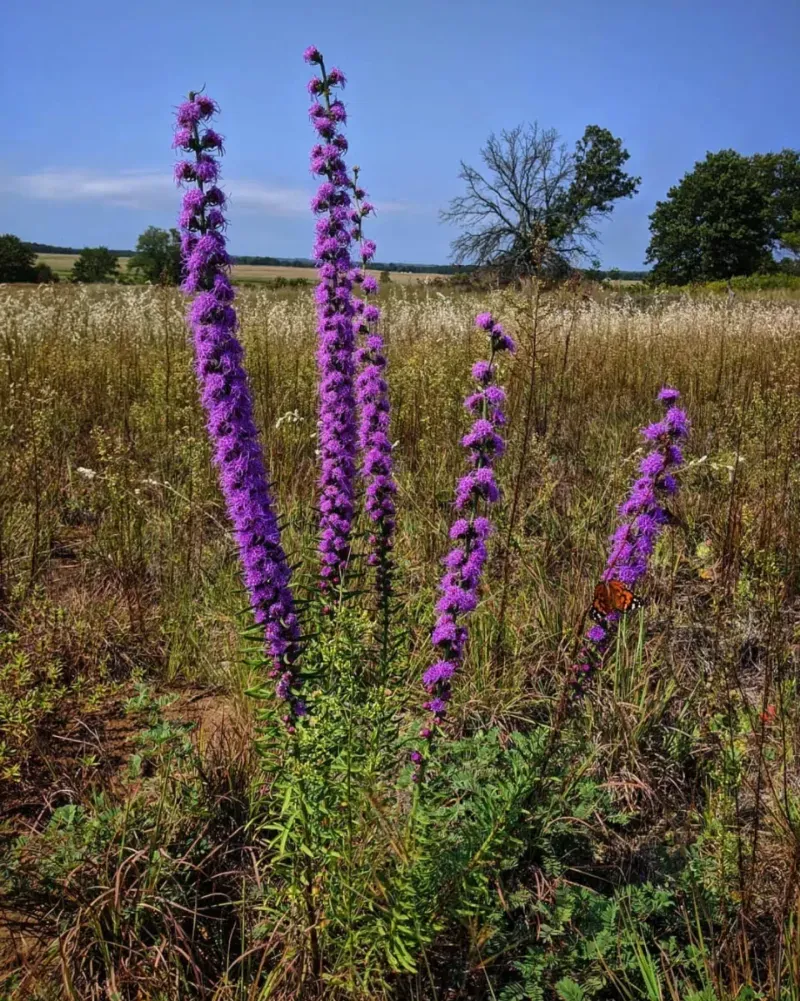
Picture fuzzy purple spikes standing tall in late summer, covered in butterflies from top to bottom. Rough blazing star delivers exactly that drama, and it loves the hot, dry spots other flowers avoid.
Its seeds carry a built-in need for cold, so tossing them out in fall makes perfect sense. Winter temperatures and moisture soak into the seed and signal it to sprout when spring arrives. Without that chilly pause, germination drops off sharply.
This native grows from a small underground corm and sends up strong, upright stems. It handles poor, gravelly, or sandy soil with ease and asks for very little once rooted. Full sun brings out the best flowering.
To plant, rake a bare patch, scatter the seeds, and press them into the soil so they stay put through wind and snow. A light covering is fine, but do not bury them deep.
Bees, butterflies, and even hummingbirds flock to the nectar-rich blooms. Later, songbirds like finches feast on the seeds, so the show keeps giving into fall.
One neat detail: blazing star opens its flowers from the top down, which is backward from most spike-shaped blooms. That quirk makes it fun to watch unfold.
Give it a sunny, dry border or a spot in a prairie mix, and it will return larger every year. Rough blazing star proves that tough conditions can still produce stunning, wildlife-packed color with almost no effort on your part.
5. Wild Bergamot Is Easy To Work Into A Meadow
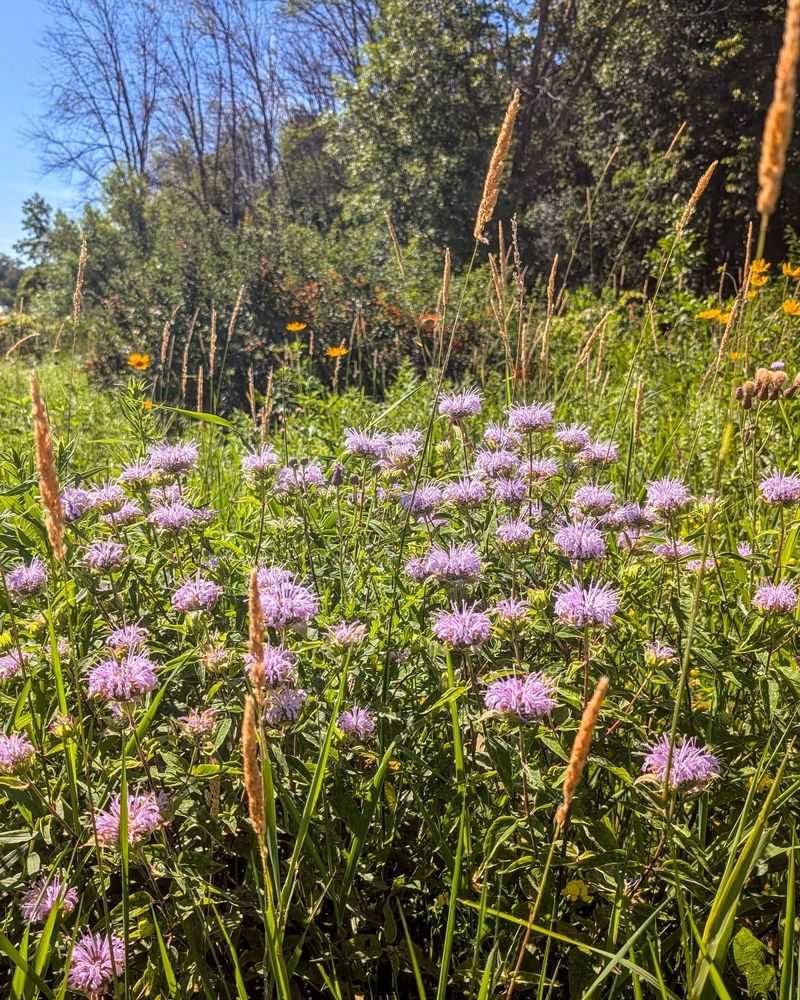
Crush a leaf of wild bergamot and you will catch a scent close to mint or oregano. This cheerful native, also called bee balm, brings shaggy lavender flowers and a whole crowd of pollinators to any sunny meadow.
It ranks among the easiest natives to grow from seed, which makes late fall sowing a smart move. The seeds want a cold, moist spell before sprouting, and winter provides that for free. Come spring, they wake up and settle in fast.
Prepare the ground by clearing weeds and loosening the surface. Sprinkle seeds on top and press them lightly, since they need contact with the soil and a touch of light. Snow cover will protect them until warmer days.
Once growing, wild bergamot spreads by roots to form gentle patches, filling gaps in a meadow without taking over completely. It tolerates average to dry soil and shrugs off summer heat.
The summer flowers are pollinator magnets. Bees, butterflies, and hummingbird moths all visit, and hummingbirds sometimes stop by too. Few plants pack in so many guests at once.
Native people and early settlers brewed the leaves into a soothing tea, and the plant still smells wonderful in a fresh bouquet.
Give it room to mingle with black eyed Susan and blazing star for a meadow that hums with life. Wild bergamot is forgiving, fragrant, and endlessly busy with wings, making it a joyful pick for any beginner building a native patch.
6. Blue Vervain Fits The Wetter Parts Of The Yard
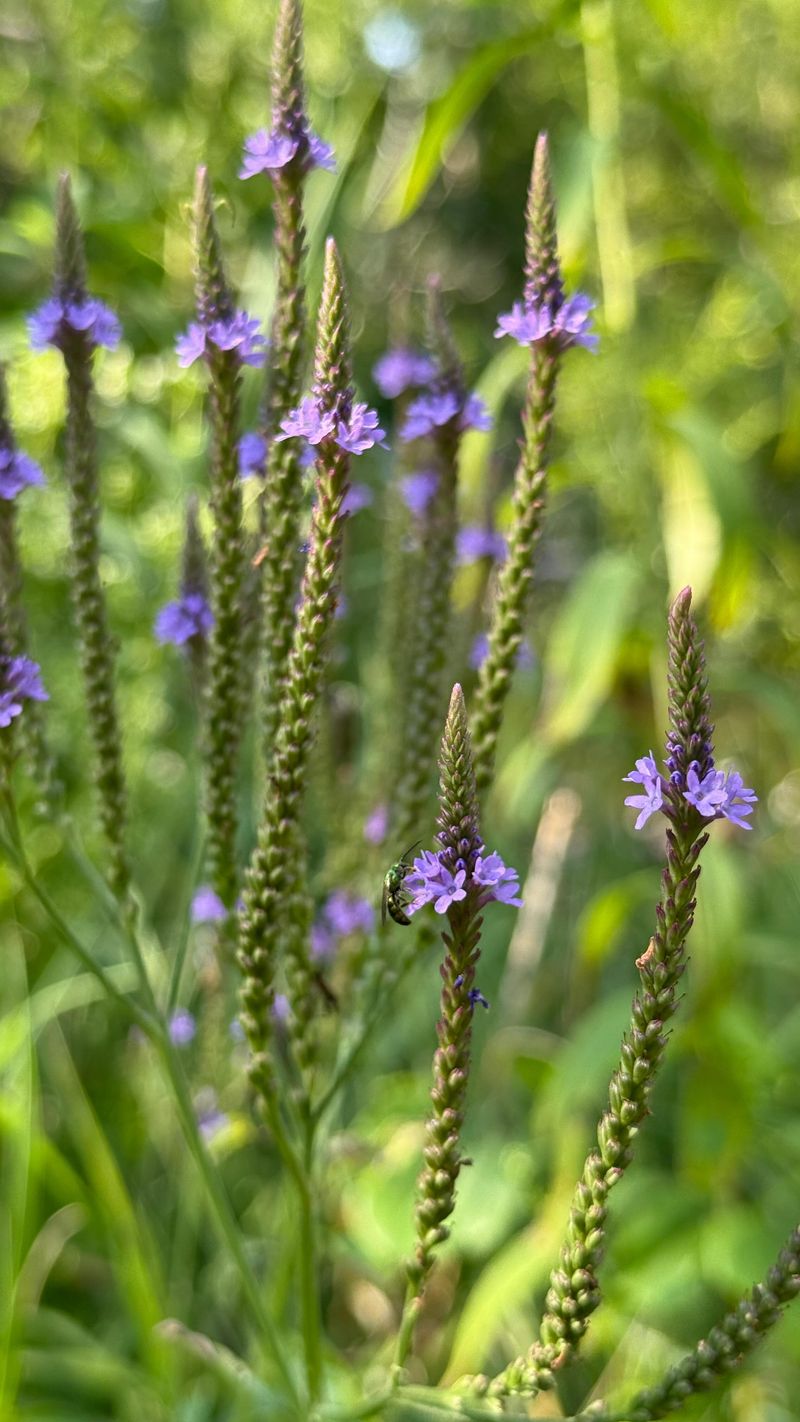
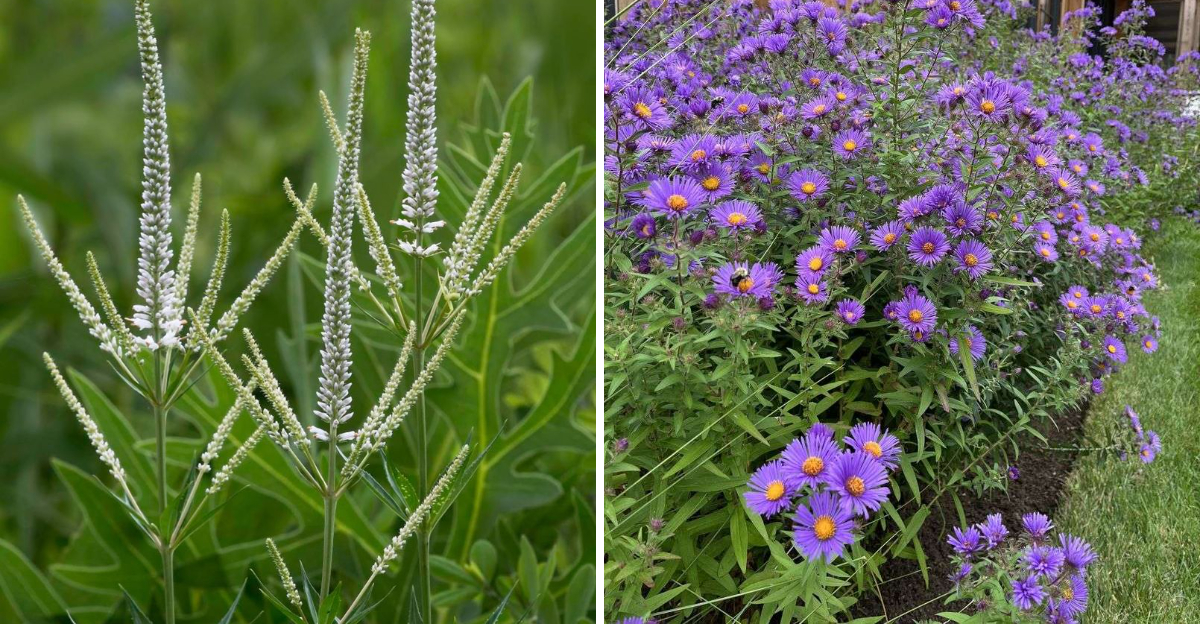
Slim candelabra spikes tipped with tiny purple-blue flowers give blue vervain an elegant, airy look. It thrives in the soggy corners where many garden favorites sulk, making it a clever fix for wet ground.
Sunny spots with steady moisture suit it best, so rain gardens, ditch edges, and low areas are ideal. Rather than draining that damp patch, you can plant something that actually enjoys it.
The seeds of blue vervain rely on a cold, moist rest to break dormancy, which is exactly what a Michigan winter offers.
Sowing while the ground is chilly, sometimes called dormant sowing, lets the seed absorb that natural chill. By spring, sprouting comes easily and evenly.
To get started, clear a small area, scatter the tiny seeds, and press them gently onto the surface. They are small, so avoid burying them under thick soil. Let winter tuck them in with rain and snow.
Once it takes hold, blue vervain grows into a tall, slender plant that adds vertical lines to a planting. Bees and small butterflies work the flowers all summer, and birds nibble the seeds later on.
It plays well with swamp milkweed and Culver’s root, forming a wet meadow that looks intentional and neat.
Because it self-seeds modestly, you may spot new plants nearby each year, which is easy to manage. Blue vervain proves that a damp, awkward spot can become one of the prettiest and busiest parts of your whole yard.
7. Culver’s Root Is Worth The Patience
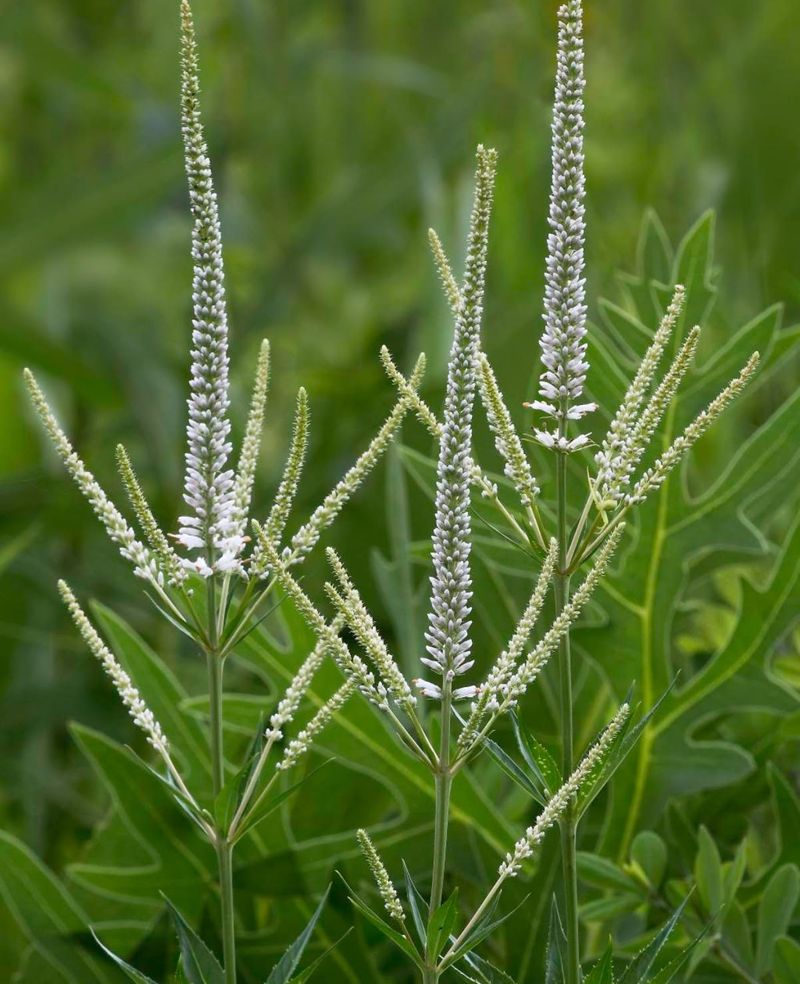
Tall white spires branching like a candelabra make Culver’s root a true showstopper at the back of a border. It brings height and elegant structure that few native plants can match.
Good things take time with this one, and fall sowing sets you up for success. The tiny seeds need a long, cold, moist stretch to break their sleep, and a Michigan winter delivers that perfectly. Skipping the cold usually leaves you with bare soil.
Because the seeds are so small, scatter them on a cleared patch and press them onto the surface without covering them. Light actually helps them sprout. Winter moisture will settle them into place.
Culver’s root prefers full sun to light shade and soil that stays evenly moist. It handles average garden beds too, as long as things do not dry out completely for long stretches.
The reward comes in midsummer, when those elegant white spikes rise several feet high and draw bees, butterflies, and other helpful insects. The blooms last for weeks and stand up well even after storms.
Do not expect flowers the first year. The plant spends early time building roots, then hits its stride and returns bigger each season with more spikes.
Its strong, upright shape adds a designed feel to wild plantings, balancing softer meadow flowers around it.
Plant Culver’s root once, wait a little, and you gain a graceful, long-lived anchor that makes your native garden look thoughtfully arranged instead of accidental.
8. New England Aster Starts With Winter
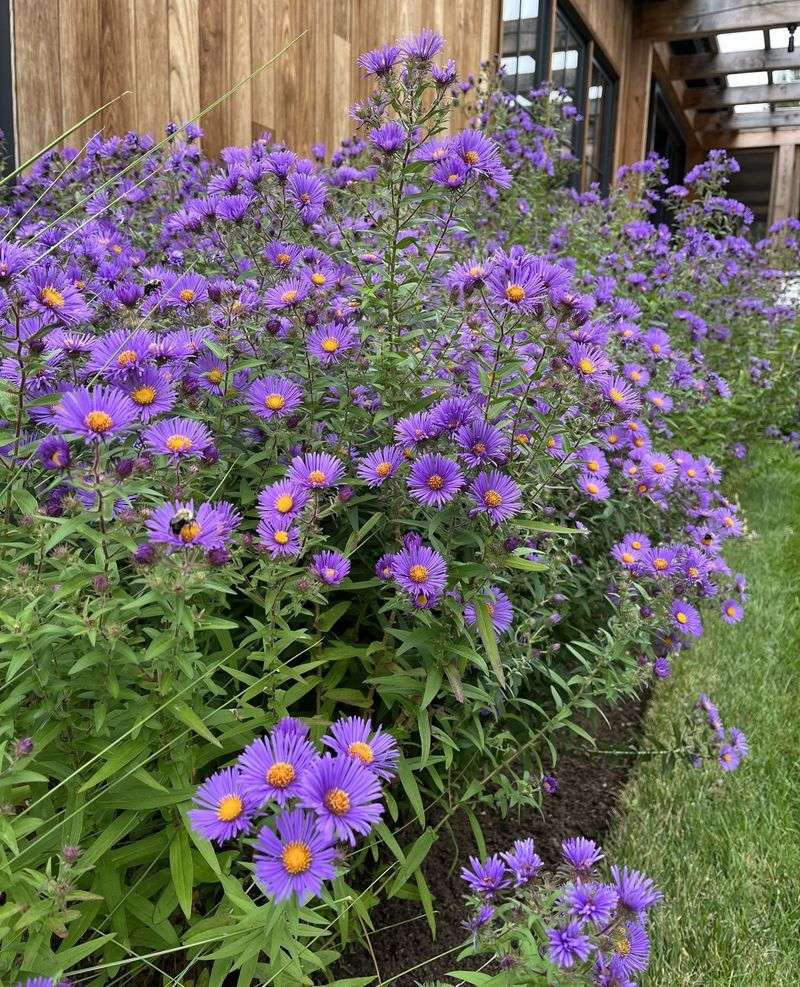
Just when most flowers wind down, New England aster bursts into rich purple blooms with sunny yellow centers. Its late-season show keeps gardens lively well into fall.
Direct sowing in late fall matches this plant’s natural rhythm beautifully. Out in the wild, aster seeds drop in autumn, sit through winter’s cold, and sprout when spring returns. Copying that timing gives you strong, reliable seedlings.
Clear a sunny patch, scatter the fluffy seeds, and press them onto the soil surface. They are light and airy, so avoid heavy covering. Snow and rain will anchor them for you.
This aster loves full sun and average to moist soil, and it grows into a bushy plant several feet tall. A quick pinch of the stems in early summer keeps it fuller and less floppy, though it does fine on its own too.
The real gift comes when it flowers in September and October. At that point, food is scarce, yet asters offer heaps of nectar for bees and butterflies fueling up for the season ahead. Migrating monarchs especially depend on late blooms like these.
Because it flowers so late, it pairs perfectly with goldenrod for a bold purple-and-gold finale.
New England aster reseeds gently and returns each year, spreading into cheerful clumps that get better with age.
Tuck it toward the middle or back of a bed, and you gain color and vital pollinator food right when the rest of the garden begins to fade.
9. Golden Alexanders Bring Early Color
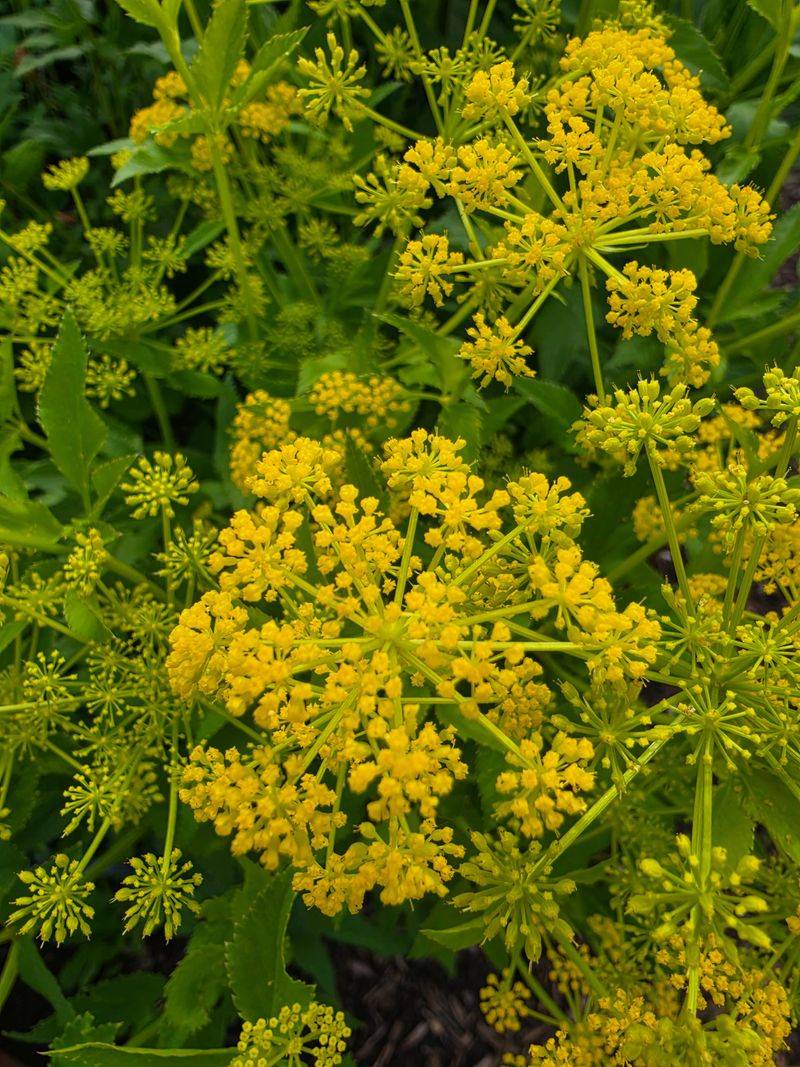
Flat clusters of tiny yellow flowers make golden alexanders look like sunshine scattered across the garden. Best of all, they bloom early, filling the gap between spring bulbs and summer flowers.
Sowing before winter is the way to go, because these seeds need a cold, moist period to sprout. Fall planting lets the freeze-and-thaw cycle do all the prep work. By spring, seedlings emerge without any fuss from you.
Prepare a small cleared area, sprinkle the seeds, and press them lightly into the soil. A very thin dusting of soil is fine. Winter weather handles the rest.
Golden alexanders adapt to full sun or part shade and enjoy average to moist soil. That flexibility makes them easy to slip into many spots, from meadow edges to a mixed flower bed.
Their early blooms matter more than you might think. When they open in late spring, they offer some of the first nectar and pollen for newly active bees and small beneficial insects. Feeding pollinators early helps them thrive all season.
This plant is also a host for the black swallowtail butterfly, so its caterpillars may feast on the leaves. That is a good sign, not a worry.
After flowering, tidy green foliage stays attractive, and the plant returns dependably each year while self-seeding gently.
Plant golden alexanders to stretch your bloom season earlier and give pollinators a head start. Their bright, cheerful color is a welcome sight after a long Michigan winter fades away.
10. Black Eyed Susan Is A Beginner Friendly Choice
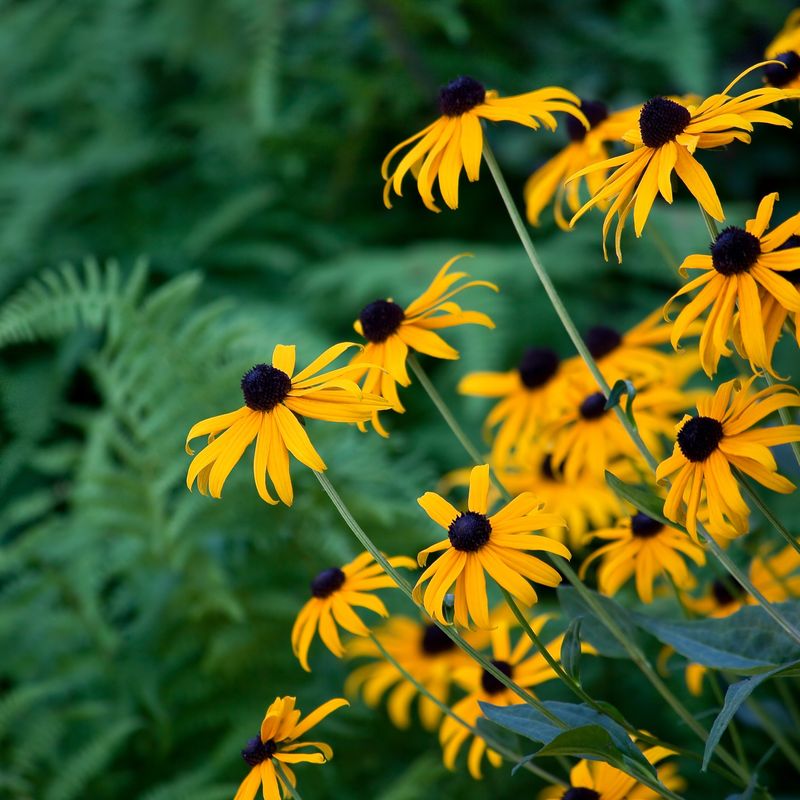
Golden petals circling a dark chocolate center make black eyed Susan instantly recognizable and endlessly cheerful. If you are new to native gardening, this is the perfect flower to build your confidence.
Few natives are as forgiving to start from seed. Sowing in fall gives the seeds a light cold rest, and while they do not demand a long chill, that natural pause still helps them sprout strongly in spring.
Scatter the seeds on cleared, sunny ground and press them into the surface. They like a bit of light, so keep the covering minimal. Rain and snow will settle them in nicely.
This plant thrives in full sun and average, well drained soil, and it shrugs off heat and dry spells once rooted. Open, sunny areas suit it best, where it fills space fast.
One big reason beginners love it: black eyed Susan often blooms in its very first year, so you do not wait long for results. Cheerful flowers appear all summer and keep coming for weeks.
Bees and butterflies visit constantly, and when the flowers fade, finches and other birds pick at the seed heads through fall and winter.
Because it self-seeds so freely, a small patch soon becomes a bright, spreading display that fills gaps in a new garden.
Plant black eyed Susan for quick, dependable color and easy success. It rewards even the most first-time gardener with a sunny, buzzing patch that looks great and helps wildlife thrive.