These Florida Yard Mistakes Can Attract More Mice To Your Home
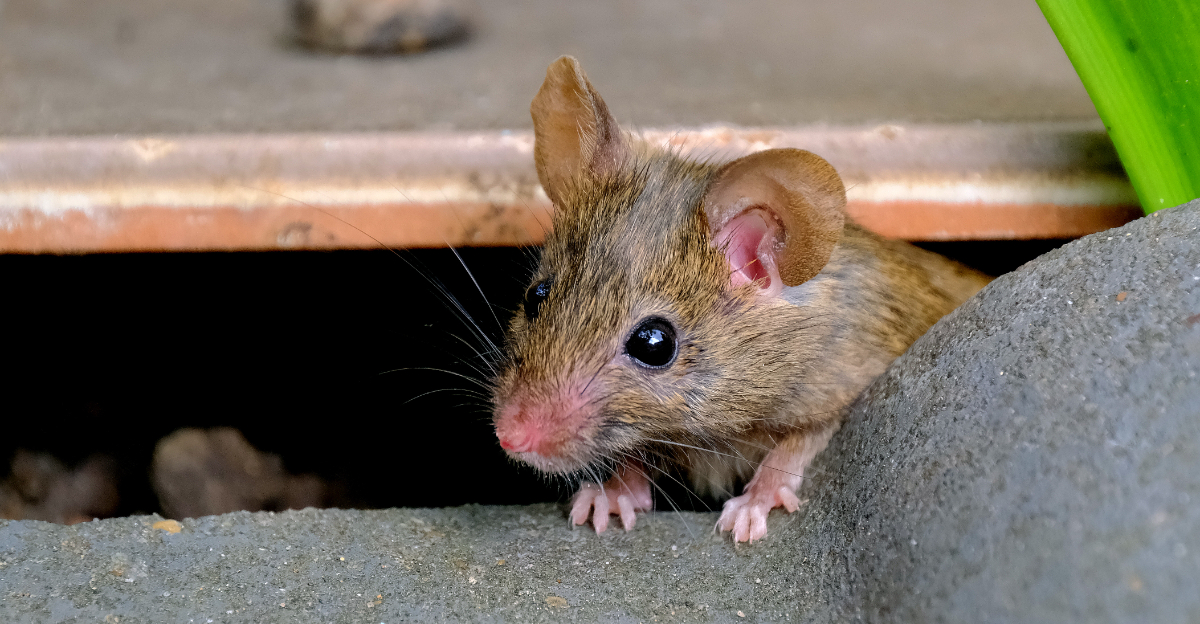
A few crumbs on the patio are easy to ignore. So is a stack of firewood near the wall, a bird feeder that drops seed, or a gap beneath the garage door.
To a mouse, though, those details can turn your Florida yard into prime real estate. The problem is that many habits that invite mice look harmless to you.
You may tidy the lawn, care for the plants, and still leave behind exactly what these rodents want most. Florida’s warm climate can make the threat easier to miss, since mice stay active around homes for much of the year.
Once your yard offers food, shelter, and easy access, the distance between the garden and your kitchen gets very small.
Some of the biggest invitations may already be in plain sight, disguised as ordinary parts of a neat yard that you walk past each day without a second thought.
1. Messy Bird Feeders Can Feed More Than Birds
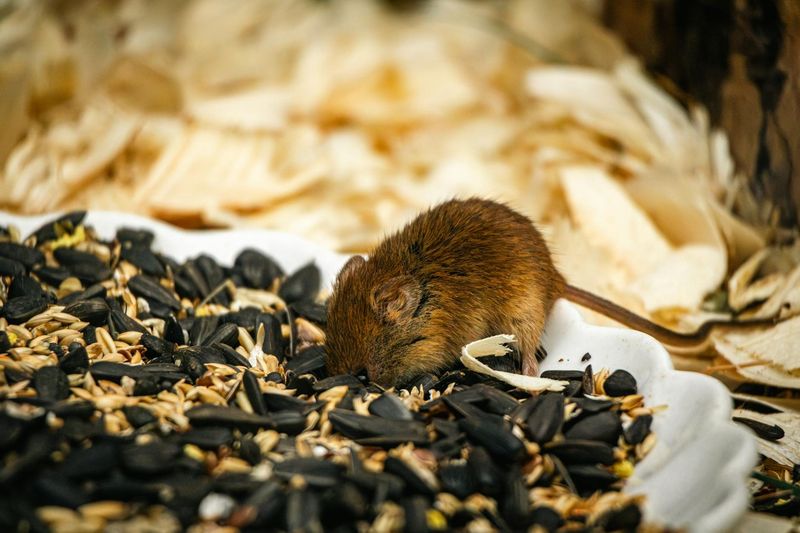
Scattered seed beneath a feeder might look harmless at first glance. A handful of spilled sunflower seeds or millet seems like no big deal after the birds fly off.
But that seed does not disappear on its own, and it sits at ground level where foraging rodents can reach it easily.
According to University of Florida IFAS Extension guidance, spilled birdseed is a recognized food attractant for rodents and other wildlife. The problem is not an occasional scatter of seeds.
The real concern is repeated buildup that creates a reliable, ground-level food supply day after day.
Mice are creatures of habit. Once they find a consistent food source in a specific spot, they return to it regularly.
A feeder location that never gets cleaned beneath it essentially becomes a scheduled meal stop.
You do not have to remove your bird feeders to address this. Switching to feeders with catch trays can reduce how much seed hits the ground.
Raking or sweeping beneath the feeder every few days removes the accumulation before it becomes a draw. Placing feeders farther from the house also adds useful distance between that food source and your foundation.
The birds still benefit, and you remove one easy resource that could otherwise make your yard more useful to mice.
2. Outdoor Pet Bowls Turn Into Easy Night Meals
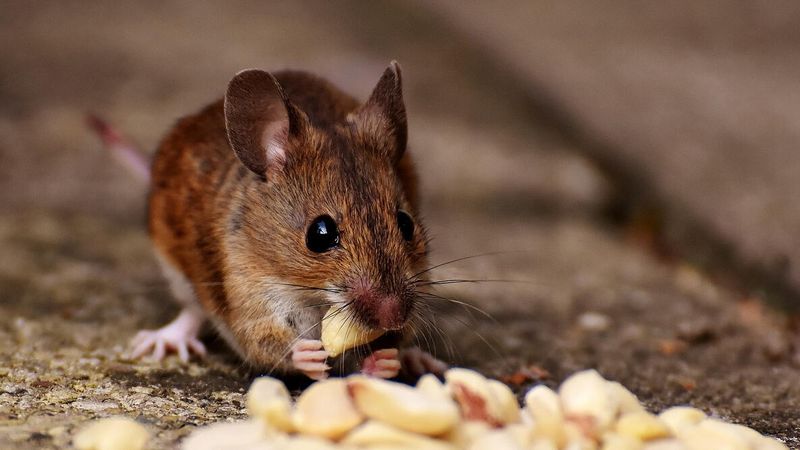
After the dog comes inside for the night, that bowl on the porch does not come with it. Kibble sitting in an outdoor bowl after dark is exactly the kind of steady, predictable food source that makes a location useful to mice over time.
Mice are primarily nocturnal. They move, forage, and explore mostly after people and pets have settled in for the evening.
A bowl of dry pet food left on a patio, deck, or beside a garage door offers a quiet, undisturbed meal during exactly those hours.
The distinction worth making here is between occasional feeding and regular overnight availability. One forgotten bowl is not a crisis.
But leaving food accessible outside every night creates a pattern. Mice learn locations where food is reliably present, and they adjust their movement to include those spots.
Your Florida Garden Changes Every Week. Your Plan Should Too.
Gardening in Florida changes quickly throughout the season. Every Friday you’ll receive a simple weekly plan showing exactly what to plant, prune, fertilize, harvest, and protect so you never miss the right timing.
Bringing pet bowls inside before dark is a simple habit that removes this food source. If feeding outdoors is necessary, picking up any uneaten food promptly reduces the window of availability.
Storing pet food in sealed containers rather than open bags also matters, since the smell of dry food can draw attention even before the bowl is set out.
Small routine changes in how you handle pet feeding outdoors can make a real difference in what resources your yard offers at night.
3. Fallen Fruit Keeps The Buffet Going
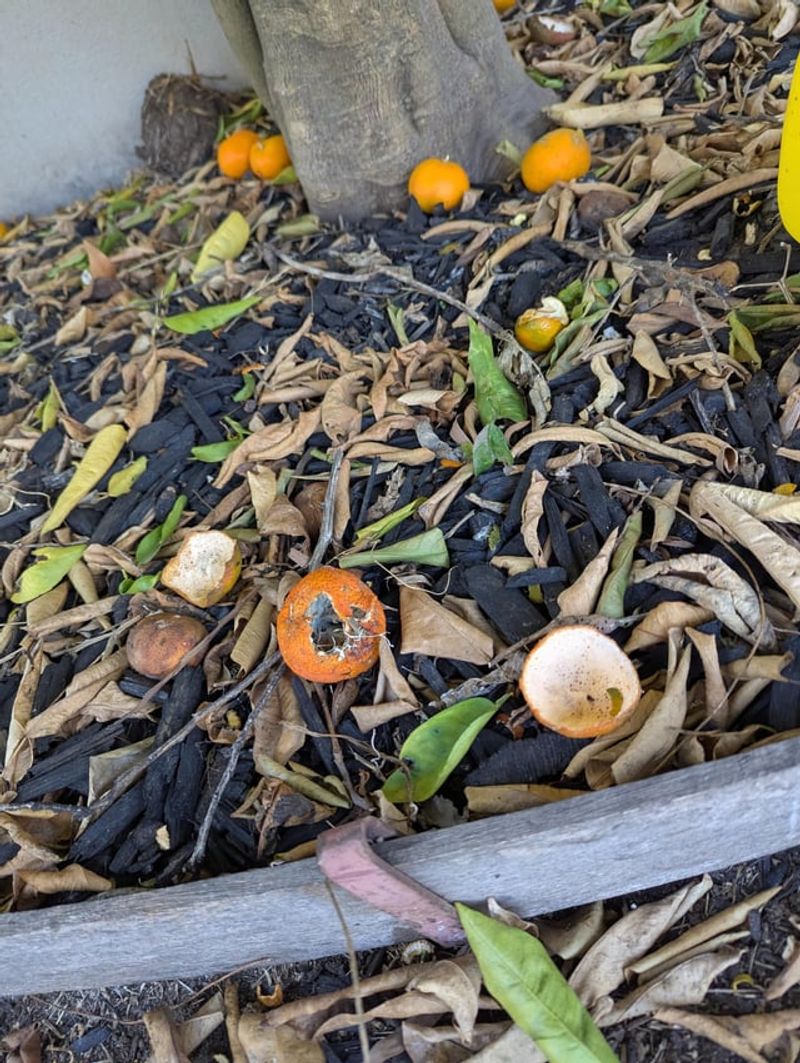
Fruit trees are a genuine asset in a Florida yard. Citrus, avocado, loquat, and other productive trees offer fresh food for the household and attract beneficial wildlife.
The trees themselves are not the problem. What happens beneath them can be.
Ripe fruit that drops and sits on the ground for days becomes soft, fragrant, and easy to access. That combination makes it appealing to a range of foraging animals, including mice.
UF/IFAS Gardening Solutions notes that fallen fruit is one of the outdoor conditions that can attract rodents to a property.
The mistake is not growing fruit trees. The mistake is letting fallen fruit accumulate without regular cleanup.
A few pieces of fruit rotting beneath a tree over several days provide a consistent, ground-level food source that requires no effort to reach.
Picking up fallen fruit every couple of days reduces this resource significantly. During peak fruiting seasons, daily checks beneath productive trees make sense.
Fruit that cannot be used or composted properly should be disposed of in a sealed container rather than left in an open pile. Keeping the ground beneath fruit trees clear does not require removing the trees or stopping production.
It just requires staying on top of what falls so that your yard does not quietly offer an easy and ongoing food stop for wildlife you would rather keep at a distance.
4. Tall Grass And Brush Give Mice Somewhere To Hide
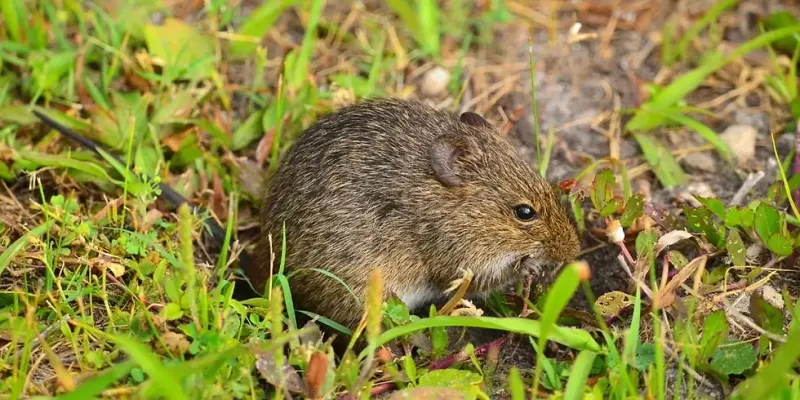
An overgrown fence line or a patch of dense weeds pressed up against the side of a garage is more than an eyesore. At ground level, that kind of thick, tangled vegetation creates a protected corridor where small animals can move without being seen.
Mice rely heavily on cover when they travel. They prefer to move along edges and through vegetation rather than crossing open ground.
Dense grass, brush, and overgrown weeds growing directly against a building give them exactly that kind of concealed path. UF/IFAS Extension has noted that reducing harborage near structures is a key part of rodent management around homes.
The concern is not every shrub or garden bed in the yard. The specific issue is dense, ground-level cover that runs directly against the house, garage, shed, or other structure.
That close contact makes it easier for mice to explore the exterior of the building while staying hidden.
Trimming grass and vegetation back from the base of structures creates a clear zone that removes that concealed travel route. It does not mean stripping the entire yard of plants.
Keep a foot or two of open ground between dense plantings and the foundation. This removes cover that could otherwise let mice linger beside your home without being noticed.
That buffer matters more than most people realize.
5. Wood Piles Beside The House Create Easy Cover
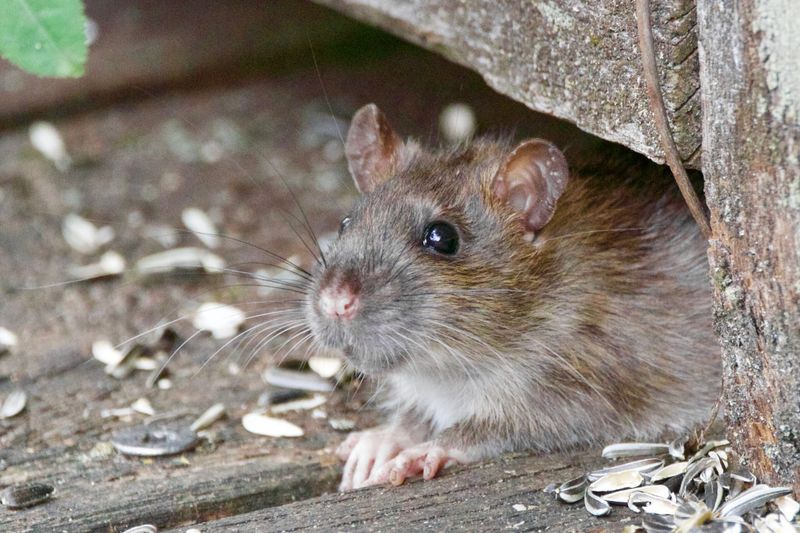
A woodpile leaning against the side of a house looks practical. You want the firewood close for easy access.
But that stack of logs pressed against the exterior wall creates a layered, sheltered space with gaps and cavities at ground level. That kind of structure is exactly what mice look for when they need a place to rest or nest near a building.
Stacked firewood, unused lumber, old boards, and similar materials create protected zones that stay dry, dark, and undisturbed. According to USDA wildlife management guidance, stored materials close to structures can provide harborage for rodents.
The material itself is not the issue. Placement and proximity are what change the situation.
A woodpile organized and stored away from the house presents a very different risk profile than one pressed against the garage wall. Distance matters because it puts shelter farther from the entry points of the building.
Mice sheltering in a woodpile twenty feet from the house have more open ground to cross before they reach the foundation.
Storing firewood on a rack, off the ground, and at least a few feet away from the exterior wall reduces its usefulness as nearby cover. Keeping the area around stored materials clear also helps.
Firewood is not the enemy here. Long-term, protected harborage directly beside your home is the condition worth changing.
6. Leaky Hoses And Overwatering Leave Water Behind
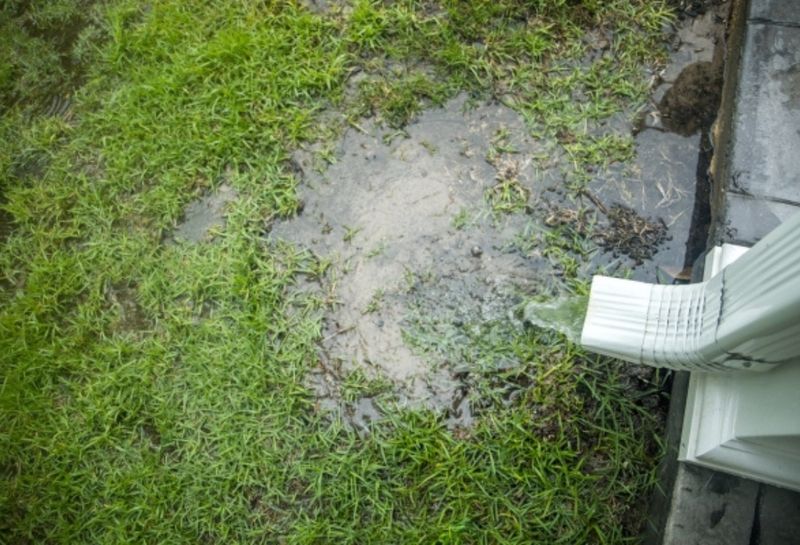
A dripping hose connection or a slow irrigation leak might seem too minor to worry about. But water that pools consistently in the same spot does not go unnoticed by wildlife.
Rodents need moisture, and a reliable water source is part of what makes a location useful to them over time.
Food and shelter get most of the attention in rodent discussions, but water access matters too.
University of Florida IFAS Extension guidance on rodent management includes moisture sources as part of the conditions that support rodent activity near structures.
The concern is not routine lawn irrigation that dries between cycles. The issue is a persistent, unnecessary water source that stays available.
Several common yard problems can create a reliable moisture source for mice. These include leaking hose bibs, broken irrigation heads, and low spots that stay wet long after rain.
These are fixable conditions that most homeowners overlook because they seem minor.
Checking hoses and irrigation fittings for leaks and repairing them promptly removes one resource from the equation. Improving drainage in areas that stay wet after normal rain also helps.
The goal is not to make the yard bone dry. Routine watering is fine.
Eliminate places where water sits unnecessarily for long periods. This reduces what the yard offers to animals looking for a reason to stay close.
7. Loose Trash And Compost Add Another Food Stop
An outdoor trash bin with a lid that does not seal properly is essentially an open invitation. Food scraps, packaging with residue, and organic waste inside an unsecured container give foraging animals an easy and varied food source.
Mice are opportunistic feeders, and accessible garbage fits that pattern well.
Compost is a different situation. Composting is a valuable practice for Florida gardeners, and nothing here suggests stopping it.
The issue is how compost is managed. An open pile of food scraps, especially items like cooked food, meat, or dairy, provides exposed organic material that can attract wildlife.
UF/IFAS Extension guidance distinguishes between well-managed compost and exposed organic waste.
Secure, enclosed compost systems reduce accessibility. Turning compost regularly speeds decomposition and makes the material less appealing.
Avoiding adding cooked food, meat, and oily scraps to open piles also limits what is available. These are established composting practices that happen to also reduce the chance that your compost becomes a food stop.
For trash, tight-fitting lids and containers that latch securely make a real difference. Keeping bins away from the house rather than directly beside the garage or back door adds useful distance.
Neither composting nor trash storage is inherently a problem. Accessibility is.
A yard that keeps food waste secured gives mice one fewer reason to linger near the property and one fewer routine stop on their nightly movement.
8. Small Exterior Gaps Turn A Yard Problem Into An Indoor One
Everything covered so far describes conditions that bring mice closer to the home. Food, water, and shelter in the yard create reasons for mice to spend time near the building.
But the final step from outside to inside depends on something different: access.
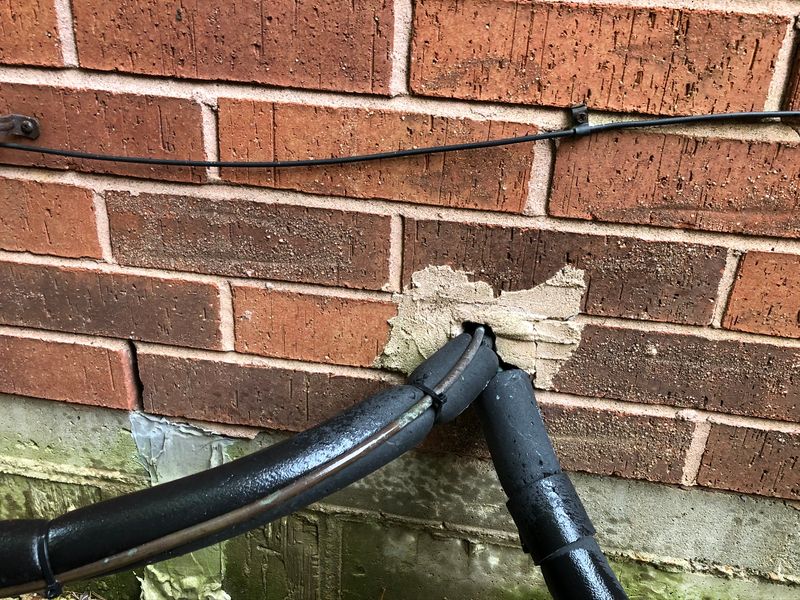
Exterior gaps can give mice a direct route from the yard into the structure. Check doors, garage sweeps, utility pipes, electrical conduits, vents, and damaged areas.
UF/IFAS Extension and other university extension sources consistently list exclusion as a core part of rodent management. Sealing entry points matters because outdoor conditions alone do not create an indoor problem.
Entry points are what connect the two.
Gaps do not have to be large. Mice can squeeze through surprisingly small openings, and any gap around a pipe, vent, or door frame that has not been properly sealed is worth inspecting.
A garage door with a worn or missing sweep, a dryer vent without a proper cover, or a crack where a utility line enters the wall are all worth checking.
Exclusion and outdoor management work best together. Removing food, water, and shelter from the yard reduces the population of mice spending time near the home.
Sealing entry points reduces the chance that any mouse close to the building can get inside. Mouse problems tend to develop when easy resources outside and easy access inside exist at the same time.
Address both, and you change what your property offers.