What Those Small Holes Appearing Across Your Florida Lawn Could Actually Mean
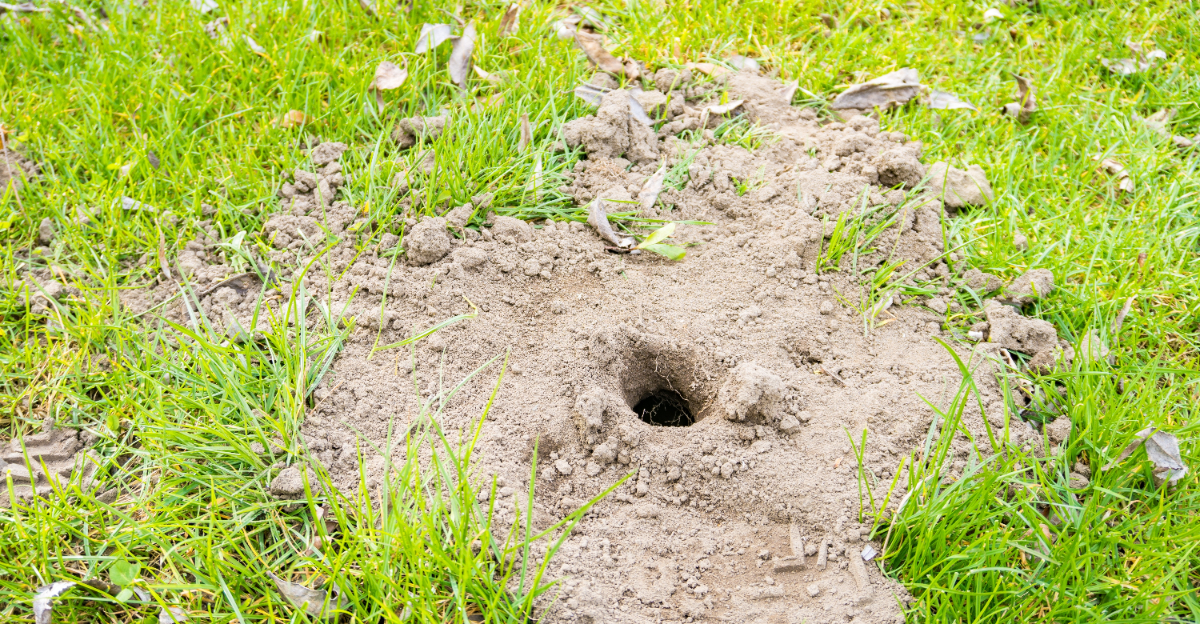
Tiny holes across a Florida lawn can look harmless at first, almost as though the ground picked up a new pattern overnight. Then more appear.
Some sit near roots, others dot open grass, and suddenly your yard feels less ordinary than it did yesterday. Those marks can come from different visitors, and the answer often hides in details people pass over.
Size matters. So does depth, shape, location, and what surrounds each spot.
Florida yards see plenty of activity beneath the surface, which makes a quick guess easy to get wrong. Before you fill the holes or blame the first pest that comes to mind, look at the pattern across the lawn as a whole.
One clue can change the entire explanation. Your grass may look quiet from the patio, but the soil below can tell a much busier story, and those little holes may be its first visible sentence.
1. Start With The Size Before Blaming A Pest
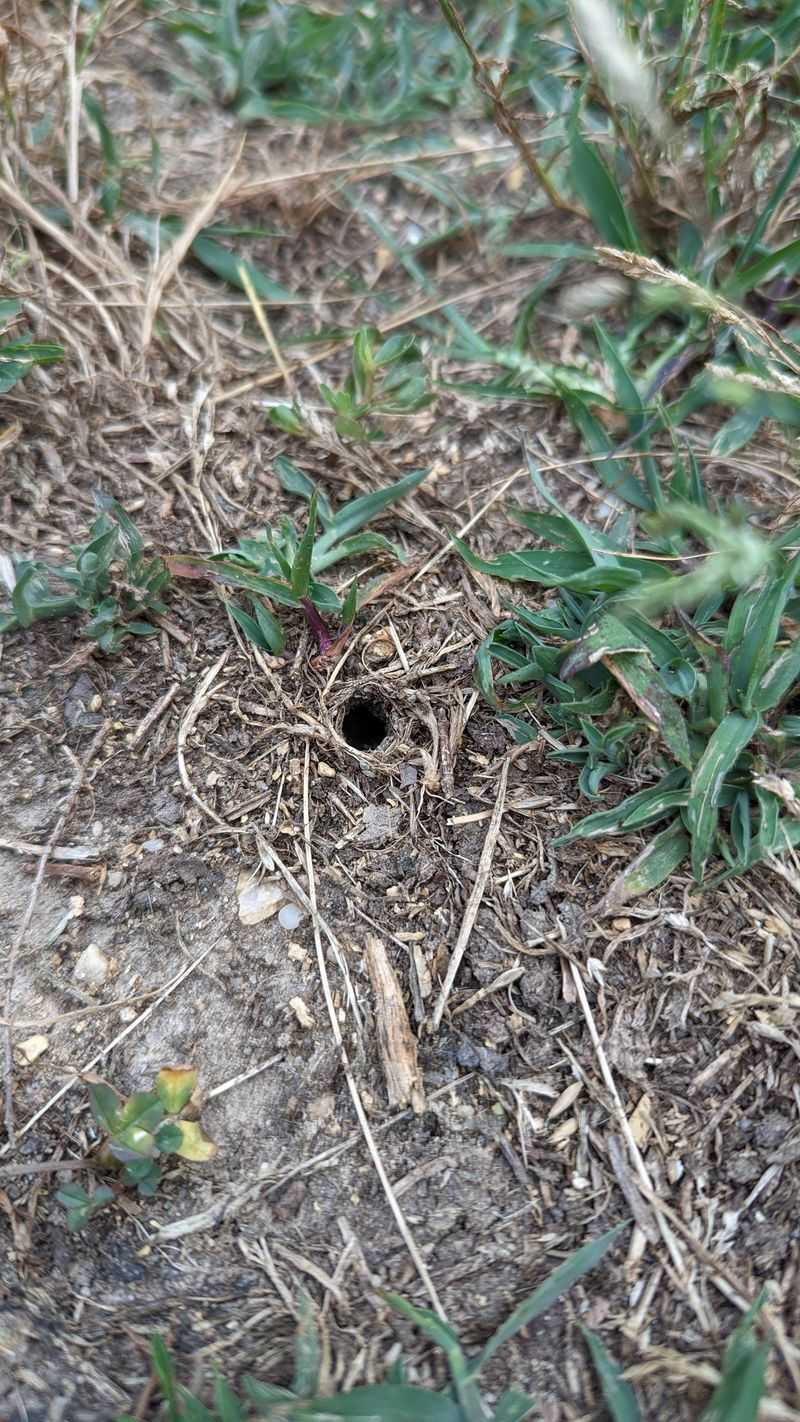
Crouching down beside a fresh opening in your Florida turf and really looking at it carefully can tell you far more than a quick glance ever could. Hole diameter, depth, shape, and the condition of the surrounding soil are all important clues.
A tiny, clean, round opening barely wider than a pencil suggests something very different from a ragged, hand-sized pit surrounded by scattered dirt.
Soil scientists and extension specialists often point out that a true burrow entrance tends to be neat and consistent in shape. A shallow feeding excavation, by contrast, looks more like a scoop or a rough divot.
A raised underground tunnel shows up as a ridge along the surface rather than an open hole at all. Each pattern points toward a different cause.
Hole diameter alone is rarely enough to name the culprit. One animal may leave holes of varying sizes depending on age, season, and soil type.
Depth matters just as much as width. A hole that goes straight down several inches behaves differently from one that angles sideways just below the surface.
Loose soil piled at the entrance, compacted edges, or clean-cut walls each add another piece to the puzzle. Collect every observation before drawing any conclusion, because a single clue read in isolation can easily send you in the wrong direction.
2. Tiny Holes With Loose Soil May Belong To Native Bees
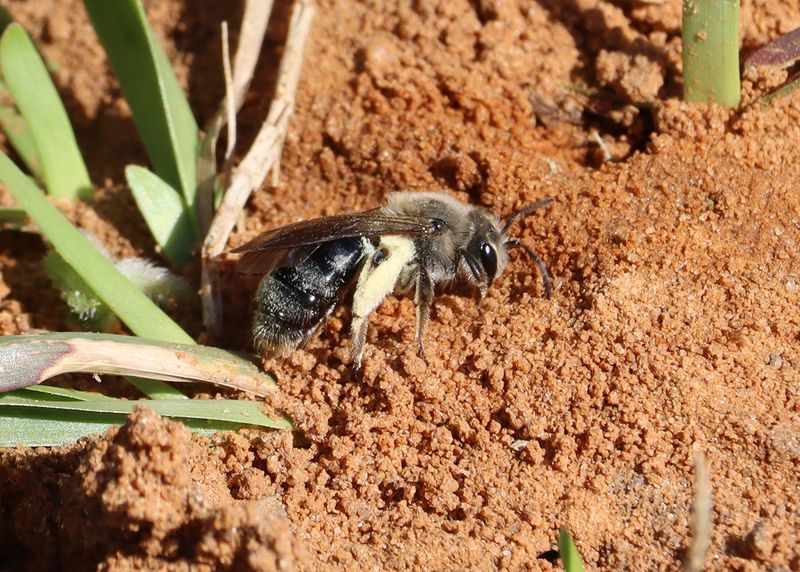
Watch the ground near a cluster of small holes for a few minutes, and you might spot a bee disappearing underground. Several native bee species in North America nest in the soil rather than in hives.
According to UF/IFAS, ground-nesting solitary bees often choose bare or sparsely vegetated patches of soil, sometimes appearing in lawns where turf cover is thin.
Each female digs her own small tunnel and provisions it with pollen before sealing the entrance. The result is a scattering of small openings, each surrounded by a modest pile of loose soil.
From a distance, this can look alarming, especially when dozens of nests appear close together. Up close, though, the disturbance to the actual turf is minimal.
Your Florida Garden Changes Every Week. Your Plan Should Too.
Gardening in Florida changes quickly throughout the season. Every Friday you’ll receive a simple weekly plan showing exactly what to plant, prune, fertilize, harvest, and protect so you never miss the right timing.
Solitary ground-nesting bees are generally not aggressive. They rarely sting unless handled directly, and most species complete their nesting activity within a few weeks.
UF/IFAS extension materials consistently describe native bees as valuable pollinators that support local plant communities.
Treating a cluster of bee nests with pesticide simply because the holes look unusual would eliminate beneficial insects without solving any real lawn problem.
Letting the nesting cycle finish naturally, then improving turf density to reduce bare soil, is usually the most practical response. Correct identification before any action protects both your lawn and the pollinators working in it.
3. Raised Tunnels Can Point To Mole Crickets Below
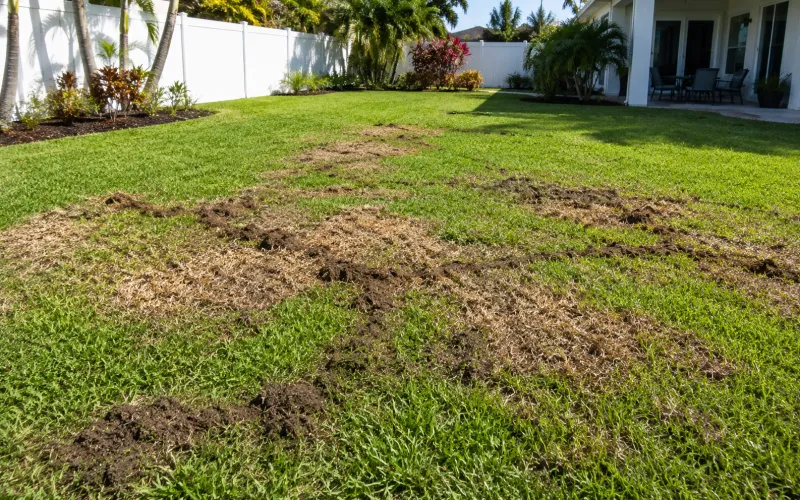
A spongy patch of turf that seems slightly lifted from the soil beneath it, combined with thin or browning grass, is worth investigating more carefully.
Mole crickets tunnel just below the surface as they feed and move, and that activity can disrupt grass roots even though the insects themselves stay underground.
UF/IFAS Extension has extensively documented mole cricket damage across Florida turfgrass systems.
Unlike the clean round openings left by nesting insects, mole cricket activity tends to produce narrow raised ridges along the surface. The soil feels loose underfoot in affected areas.
Turf may begin thinning in irregular patches rather than in clean geometric shapes. These patterns together suggest tunneling activity rather than simple digging from above.
Confirming active mole cricket presence before any treatment is a step that UF/IFAS specialists consistently recommend.
A simple drench test using soapy water poured over a suspected area can bring mole crickets to the surface within minutes, making identification straightforward.
Not every raised ridge or thin patch signals a mole cricket problem. Soil heaving from other causes, including compaction relief and earthworm activity, can produce similar surface effects.
Observe the size of the ridges and check for actual insects. Also note whether turf thinning is progressing over time before deciding on any management step.
4. Dozens Of Shallow Digs Can Point To An Armadillo
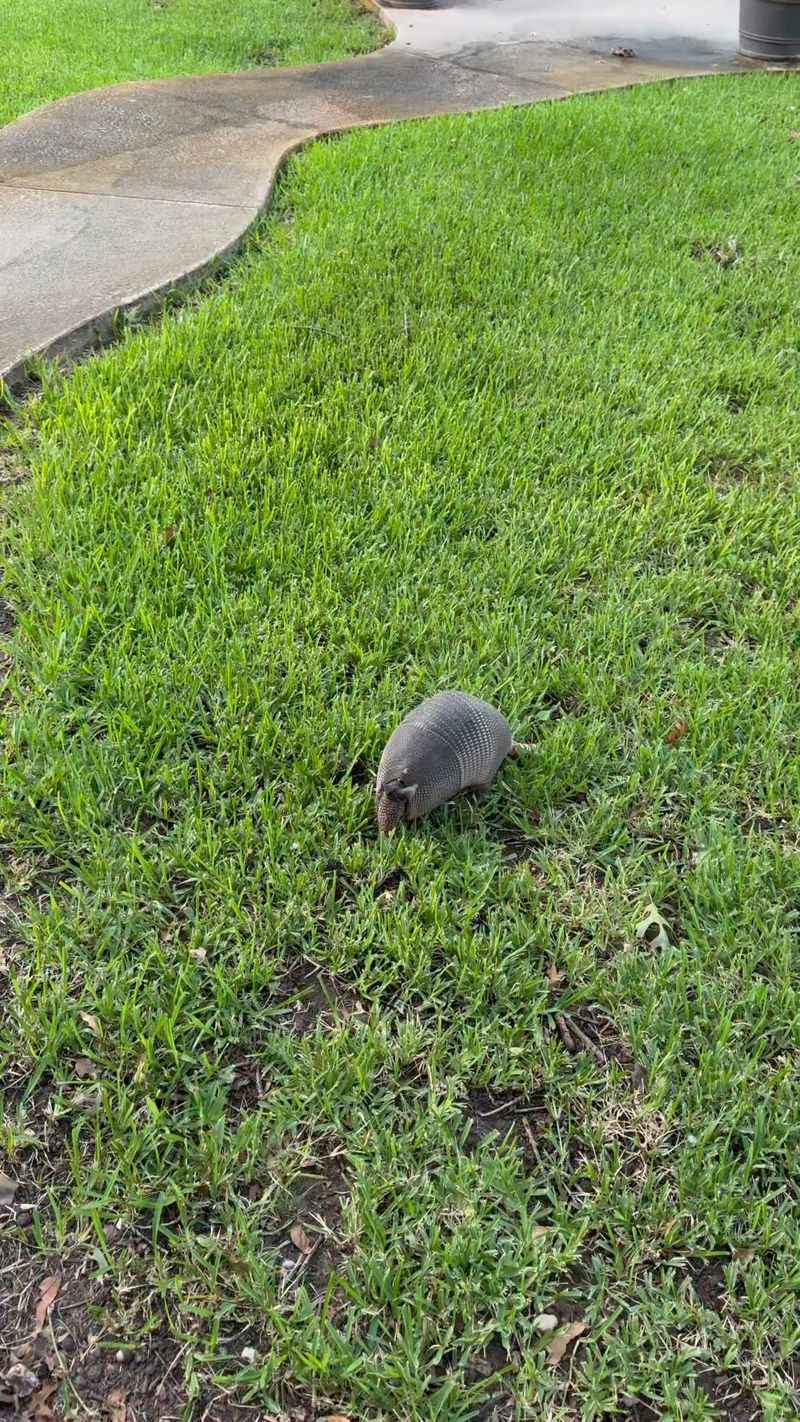
Scattered across a lawn like someone took a small trowel to random spots overnight, armadillo feeding excavations have a distinctive look once you know what to expect.
Nine-banded armadillos forage by pushing their snouts into the soil and digging short, shallow pits as they search for beetles, grubs, and other invertebrates.
Florida Fish and Wildlife Conservation Commission materials describe this feeding behavior as a primary source of lawn disturbance in residential areas.
Each individual excavation is relatively modest in size, typically a few inches across and not very deep. The pattern across the lawn, though, can be striking.
Dozens of small pits appearing overnight, scattered without obvious order, point strongly toward armadillo activity.
Armadillos are most active at night and in the early morning, which explains why homeowners often find fresh digging with no obvious animal in sight.
Armadillo burrow entrances are a separate matter entirely. A true burrow is much larger than a feeding hole and is usually located near a structure, brush pile, or embankment rather than spread randomly across open turf.
Seeing only small scattered pits without a large entrance nearby points toward feeding activity rather than denning. Armadillos follow their nose toward insect concentrations, so lawns with higher grub or beetle populations may attract more frequent visits.
Reducing soil invertebrate populations through appropriate turf management is one approach, but identification of the visitor should always come first.
5. Shallow Little Digs May Be A Squirrel’s Pantry
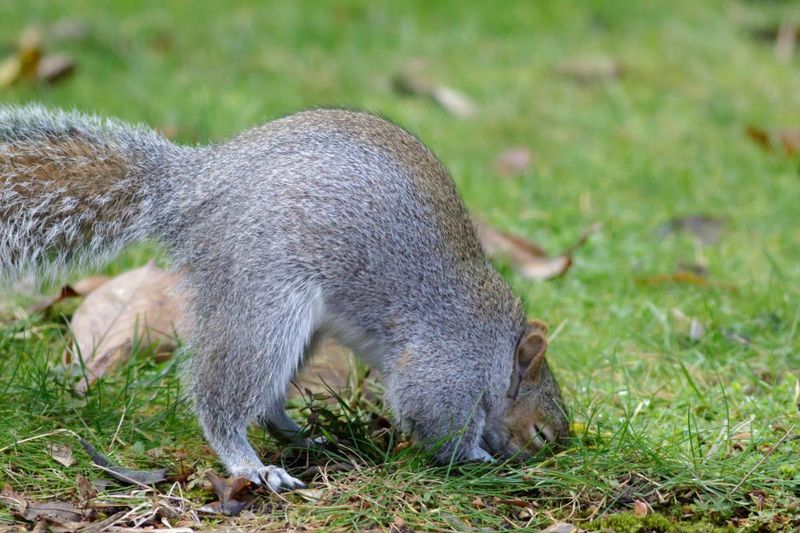
Gray squirrels treat a lawn the way some people treat a junk drawer: useful for storing things they plan to retrieve later.
Squirrels bury nuts, seeds, and other food items in shallow holes scattered across open ground, then return to dig them up when food is less plentiful.
This caching behavior is well documented in wildlife literature and is a normal part of squirrel activity through much of the year.
Each hole is typically small and shallow, just deep enough to cover the buried item with a thin layer of soil. Squirrels often tamp the soil down and may scatter leaves or debris over the spot, making the disturbance easy to overlook.
When a squirrel retrieves cached food, the resulting hole can look fresh and unexplained, especially if the original burial happened weeks earlier.
Squirrel digging rarely causes lasting turf damage. Individual holes close up quickly with rain and normal grass growth.
The activity tends to be seasonal, peaking when nuts and seeds are abundant and again when squirrels retrieve stored food. Patches of repeated digging in one area may suggest a favorite caching spot, but even concentrated activity seldom threatens overall turf health.
Recognize squirrel digging as ordinary Florida wildlife behavior that usually needs no management. This helps prevent overreacting to a harmless and temporary yard disturbance.
6. Quarter-Sized Holes And Dirt Mounds May Come From Beetles
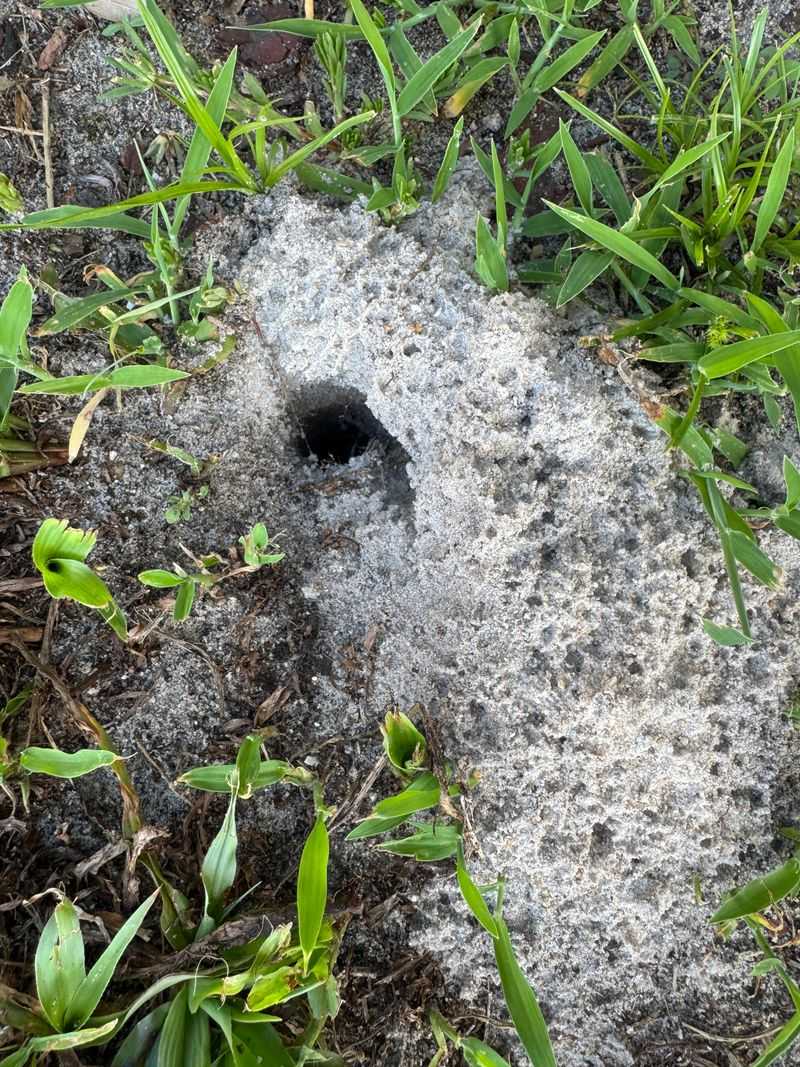
Soil mounds that look almost architectural, small and neatly rounded beside a clean circular opening, can catch a homeowner off guard. Certain beetles, including some large scarab species like the ox beetle, create noticeable holes while burrowing into the soil.
UF/IFAS extension resources document several beetle species in Florida that use soil burrows during parts of their life cycle.
The holes these beetles leave tend to be roughly round and relatively consistent in diameter. A small pile of excavated soil beside the entrance is a common feature.
Beetle burrow holes are usually isolated or appear in small numbers. That differs from the widespread shallow disturbance often left by a foraging armadillo.
Jumping to a pest conclusion because a beetle hole looks tidy and obvious would be a mistake. Some soil-burrowing beetles feed on decaying organic material rather than living plant roots, making them more beneficial than harmful in many situations.
The larvae of certain species help break down organic matter in the soil. Before treating any beetle-related hole, identifying the specific species involved is an important step.
Not every beetle associated with soil is a turf pest, and managing a beneficial or neutral species unnecessarily can disrupt the soil biology that supports healthy grass.
Observation, and if needed a sample for identification, should come well before any management decision is made.
7. Raised Ridges And Volcano Mounds Point More Toward Moles
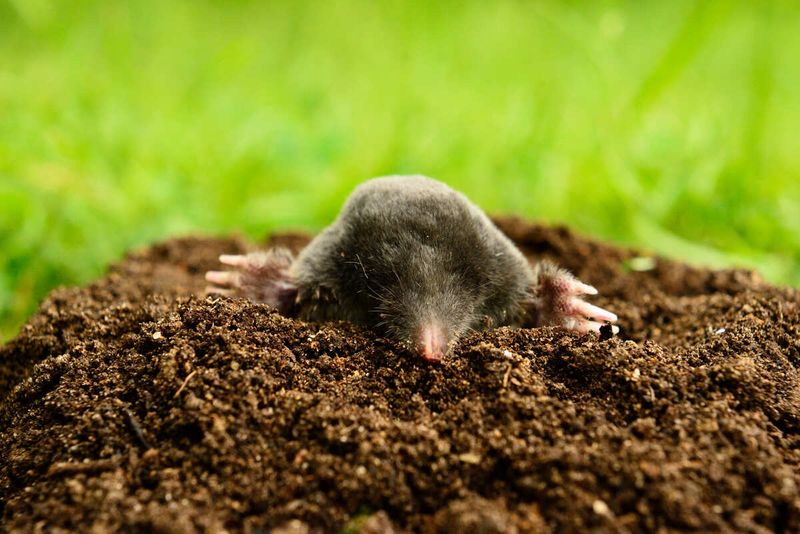
A volcano-shaped mound of fresh soil sitting on the lawn surface, with no obvious open hole at the center, is one of the more recognizable signs of eastern mole activity.
Moles push excavated soil upward as they tunnel, creating these distinctive mounds rather than leaving clean open entrances.
UF/IFAS wildlife resources describe the eastern mole as a common subterranean mammal found across much of the southeastern United States.
Moles feed primarily on earthworms, soil insects, and other invertebrates they encounter while tunneling. Their diet is not focused on plant roots, but the tunneling itself can lift turf and sever roots indirectly, causing grass to thin or brown along the tunnel path.
Surface tunnels appear as raised ridges that meander across the lawn in irregular patterns.
Moles and mole crickets are two completely different animals despite sharing part of a name. Mole crickets are insects that tunnel near the surface and feed on plant material.
Moles are small mammals that tunnel deeper and feed on soil animals. Confusing the two leads to misidentification and ineffective responses.
Raised volcano mounds combined with winding surface ridges point toward moles. Narrow surface ridges without mounds, combined with thinning turf, point more toward mole crickets.
Recognizing which pattern is present across the lawn determines what, if anything, should happen next. No raised ridge alone is enough to confirm a mole without additional supporting signs.
8. The Pattern Around The Holes Tells You What To Do Next
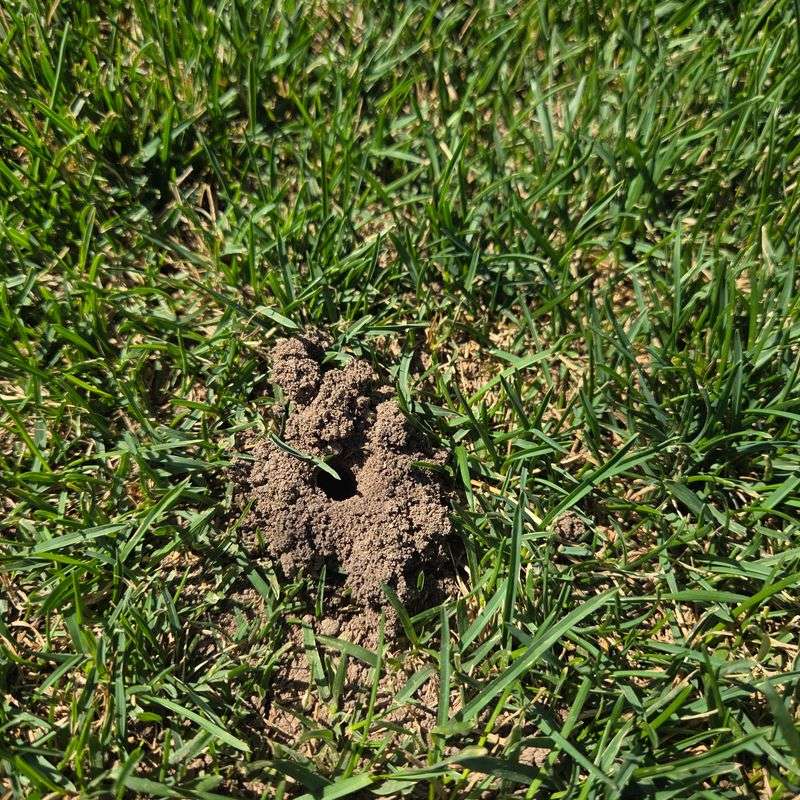
Standing back and looking at the whole lawn rather than staring at one hole changes everything. A single opening tells you very little.
Look at the full pattern before drawing a conclusion. Hole size, depth, soil condition, mound shape, ridges, turf health, and timing all provide useful clues.
Check whether holes are clustered in one area or scattered randomly across the yard. Look for tracks near fresh soil.
Notice whether grass is thinning along a line or just in isolated spots. Observe whether any insects are entering or leaving the holes.
Each detail either supports or rules out a possible cause.
Loose soil piled in a ring around a small hole points differently than a volcano mound with no open center. Dozens of shallow overnight pits read differently than a single deep burrow near a fence line.
Raised ridges that meander point differently than a spongy patch of lifting turf. Collecting several of these observations together produces a much more reliable picture than any single clue alone.
Small lawn holes can come from beneficial insects, ordinary wildlife passing through, or genuine turf pests that need attention. Some causes resolve on their own.
Others respond well to targeted management once the source is confirmed. Applying any product, trap, or repellent before knowing what made the holes risks harming beneficial species and wasting effort on the wrong problem.
Correct identification always comes first.