The Real Reason A Mockingbird Keeps Tracking You Around Your Tennessee Property
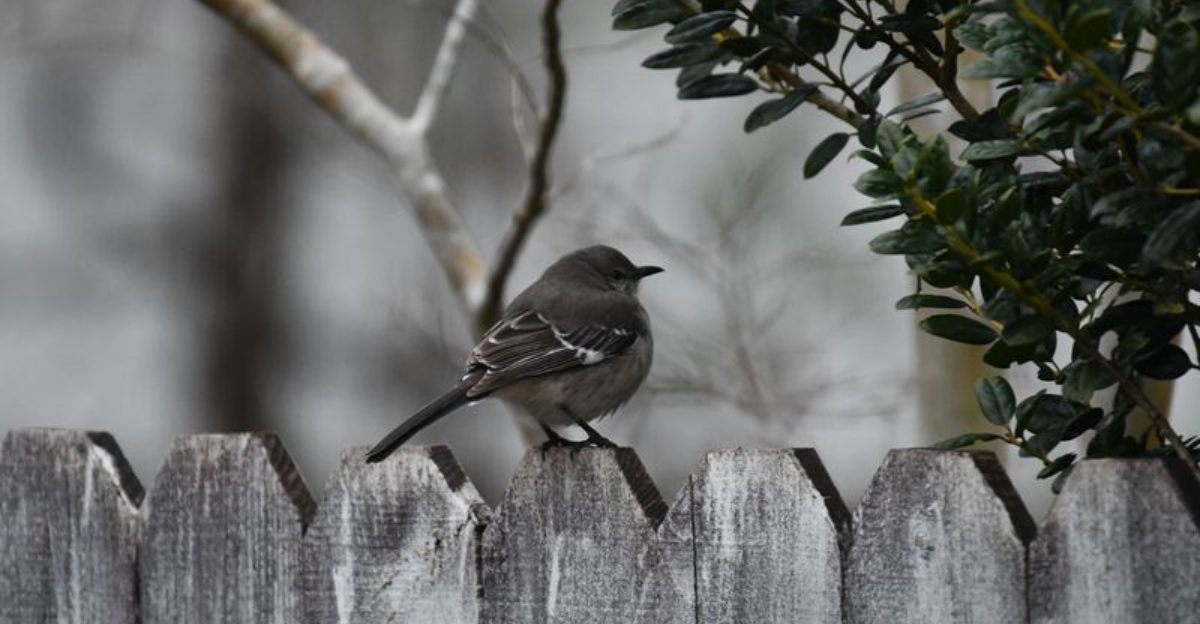
That mockingbird already knows your face. It memorized your walk, your gait, your door. Something shifted suddenly the moment you stepped outside. Mockingbirds across Tennessee guard territory with real purpose.
Defense isn’t random here; it’s calculated protection. Nesting season turns gentle backyard visitors into determined guards.
Your presence near a hidden nest triggers pure instinct. Every parent bird protects a fixed radius carefully.
Tennessee summers push these encounters onto porches and driveways. Dive-bombing isn’t personal, though it feels intensely personal. Understanding territorial triggers changes how you move through space.
Timing matters far more than most homeowners ever realize. Certain routes, certain hours, certain distances shift outcomes noticeably. Science explains behavior that instinct alone cannot fully justify.
Confidence replaces confusion once you understand what’s happening overhead. Patterns emerge once you start paying much closer attention outside. Nothing about this bird’s behavior is random, and you’re about to see exactly why.
Why Mockingbirds Fixate On Certain People
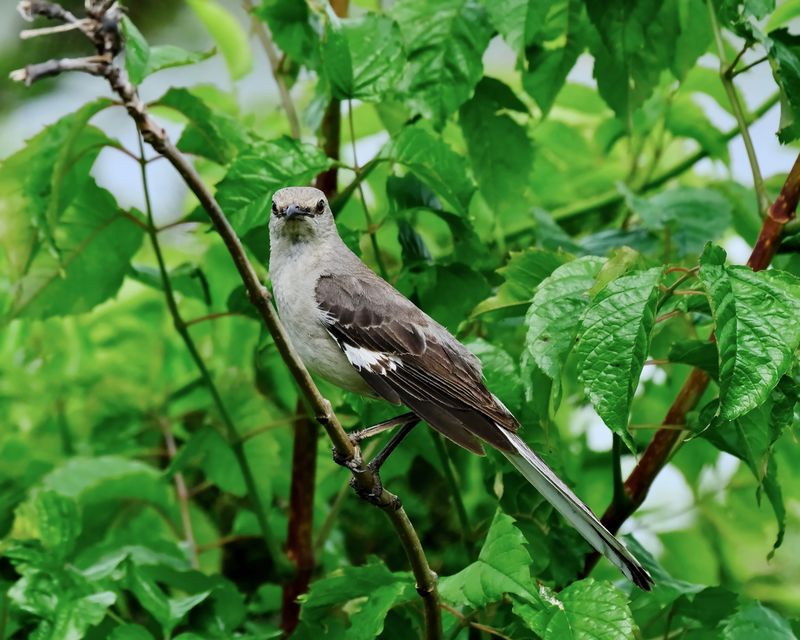
You are not imagining it. A mockingbird keeps following you around your Tennessee property for very specific reasons tied to bird behavior.
Mockingbirds are sharp observers of human patterns. They notice who walks the same path every day and who gets close to their territory most often.
If you spend time near their favorite tree or shrub, they start to associate you with potential danger. That fixation is not personal, but it sure feels that way.
These birds have remarkable memory, and they build mental maps of their surroundings. A person who shows up repeatedly near a nest site becomes a recognized figure in that mental map.
Male mockingbirds are especially alert during certain seasons. They are wired to watch for anything that could threaten their space, and you might just fit that profile.
Gardeners who work near hedges or low shrubs are common targets. The bird sees repeated movement close to its home base and responds accordingly.
Your size, your clothing color, and even your walking speed can influence how a mockingbird reacts to you. Slow, deliberate movement near their zone triggers more attention than a quick pass.
Understanding this fixation is the first step toward adjusting your behavior. Small changes in your routine can actually reduce how often the bird targets you.
This Behavior Usually Signals Territorial Defense
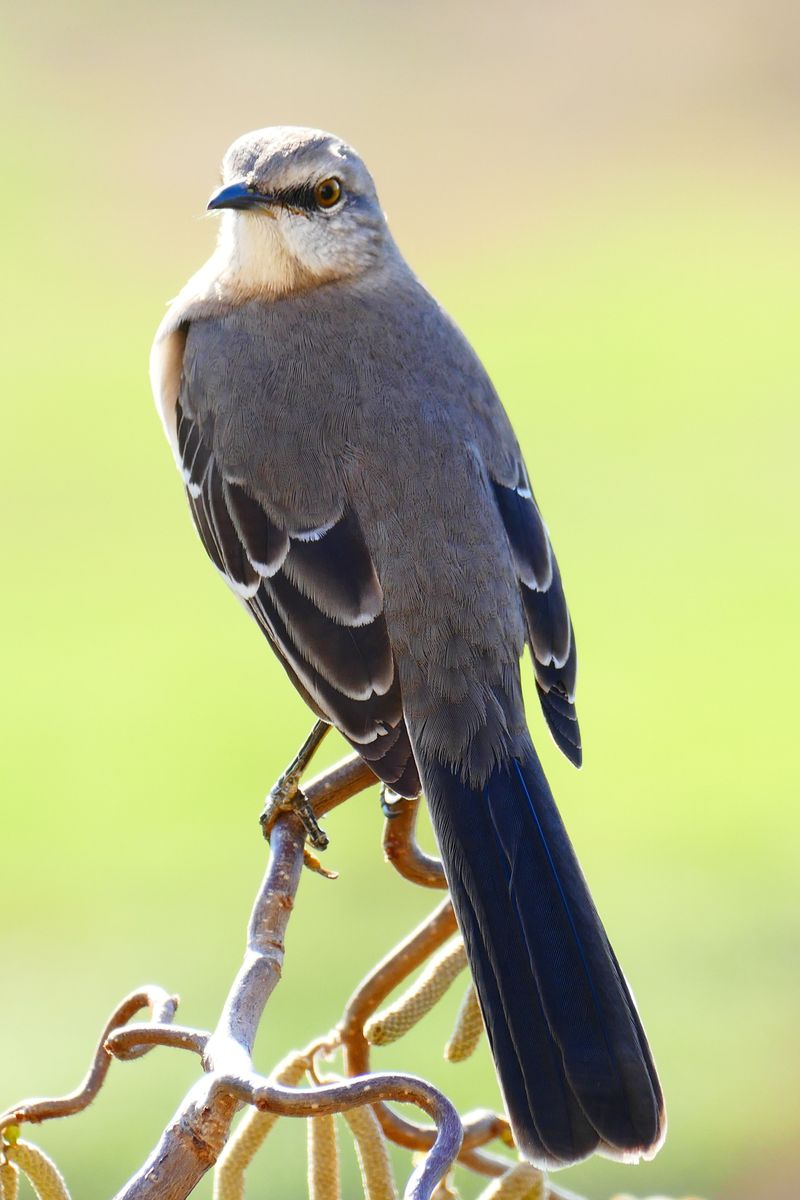
Territorial defense is the number one reason a mockingbird keeps following you around your Tennessee property. These birds are not playing games.
Mockingbirds claim a patch of land and guard it fiercely. That patch might overlap perfectly with your driveway, garden path, or back porch.
When they feel their space is being invaded, they use a range of tactics. Loud alarm calls, swooping flights, and persistent following are all part of their defense strategy.
Male mockingbirds are the primary defenders, though females will also step up when a nest is involved. Their goal is to make you feel unwelcome enough to leave.
Territorial behavior peaks when resources are limited. Food, nesting spots, and safe perches are all worth fighting for in the bird world.
Your Tennessee Garden Changes Every Week. Your Plan Should Too.
Gardening in Tennessee changes quickly throughout the season. Every Friday you’ll receive a simple weekly plan showing exactly what to plant, prune, fertilize, harvest, and protect so you never miss the right timing.
A yard with dense shrubs, berry-producing plants, and open singing perches is prime mockingbird real estate. If your property fits that description, expect a bold tenant.
The good news is that territorial behavior follows predictable patterns. Once you understand the bird’s boundaries, you can often navigate around them without conflict.
Mockingbirds rarely make physical contact with humans during these displays. The swooping and following are mostly bluff tactics designed to intimidate rather than injure.
Recognizing this behavior for what it is takes away some of the stress. You are not being singled out. You are being asked to keep your distance from their territory.
Nesting Season Explains Most Aggressive Encounters
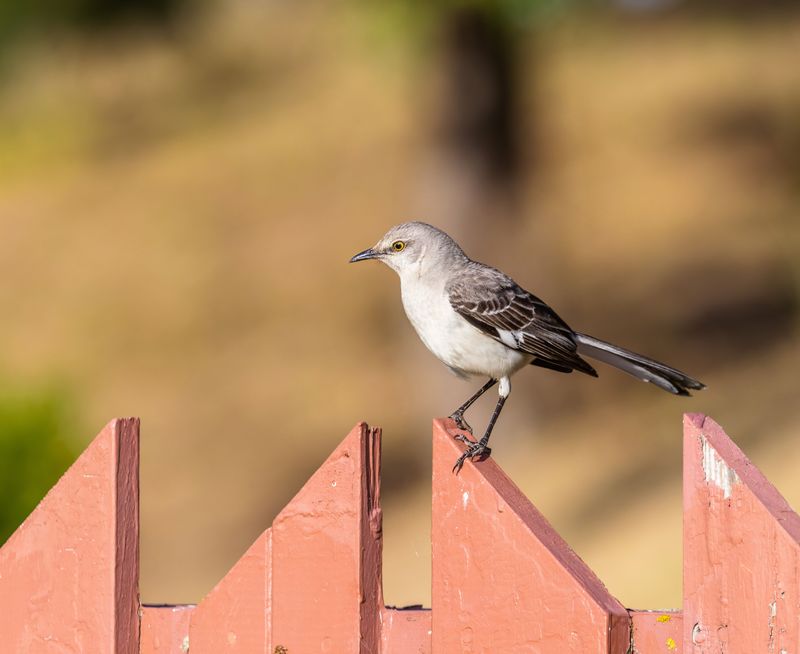
Spring arrives in Tennessee, and suddenly your morning walk requires careful navigation. Nesting season is the peak time for intense mockingbird encounters.
Mockingbirds typically nest between April and August in this region. During that window, both parents shift into full protection mode.
A nest with eggs or chicks turns a normally bold bird into a highly protective parent. Any creature that wanders too close becomes a target, including you.
The nests are often hidden in low shrubs, thick hedges, or small ornamental trees. You might not even know a nest is there until the bird starts following you.
Hatchlings are vulnerable for about two weeks before they fledge. During that stretch, the parents are at their most aggressive and most persistent.
Even after chicks leave the nest, young fledglings often stay on the ground for a few days. Parents continue defending the area during this awkward phase.
If you notice a mockingbird shadowing your every move, look around for low shrubs or hedges nearby. There is a good chance a nest is tucked inside within a few feet of where the bird reacts most strongly.
Giving that area a wide berth for a few weeks usually resolves the tension. Nesting season does not last forever, and the bird will calm down once the chicks are independent.
Patience is your most effective tool during this period. The bird is just doing its job as a parent.
Common Myths About Mockingbirds And Bad Omens
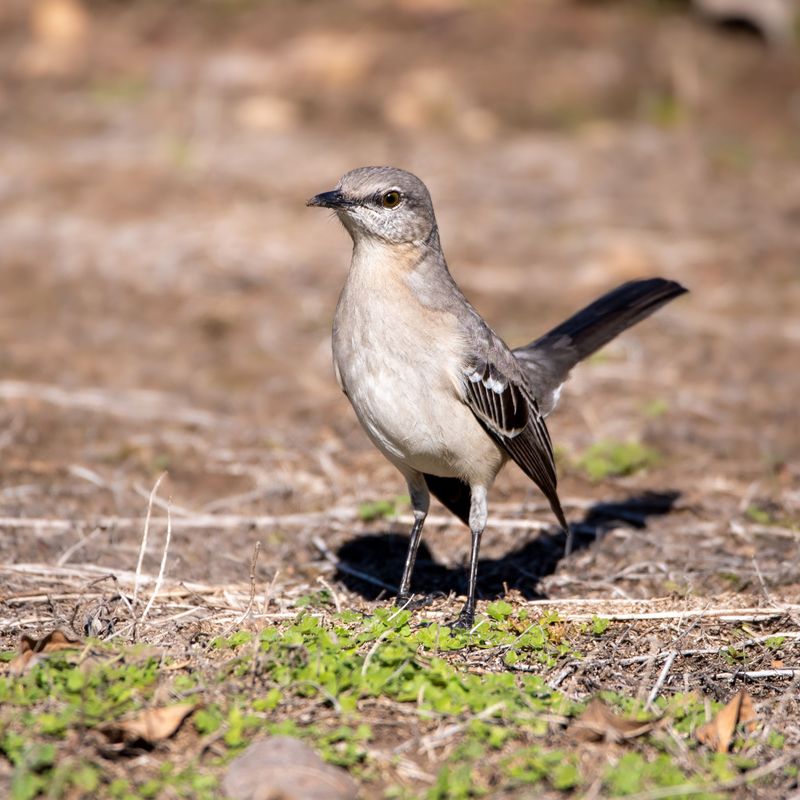
Some people get spooked when a mockingbird keeps following them around. Old folklore can make a persistent bird feel like a warning sign.
In certain Southern traditions, a mockingbird near the house was thought to signal incoming news, both good and bad. That belief has roots in how observant and vocal these birds naturally are.
The truth is far less dramatic. Mockingbirds follow people because of biology, not because of fate or supernatural messages.
One popular myth claims that a mockingbird singing at night near your window means trouble ahead. In reality, male birds sing at night during mating season to attract a partner.
Another old tale suggests that harming a mockingbird brings bad luck. While that is not literally true, it is worth noting that these birds are protected under federal law.
The Migratory Bird Treaty Act makes it illegal to harm, capture, or disturb mockingbirds or their nests. So the old superstition accidentally aligns with good legal advice.
Mockingbirds have long been symbols of creativity and voice in American culture. Harper Lee used the mockingbird as a symbol of innocence in her famous novel for good reason.
Treating a following mockingbird as a bad omen adds unnecessary stress to a natural situation.
Reframing it as a sign of a healthy, active ecosystem on your property is a much better perspective. A bold bird can be a sign of a healthy yard ecosystem worth noticing.
How These Birds Recognize And Remember Faces
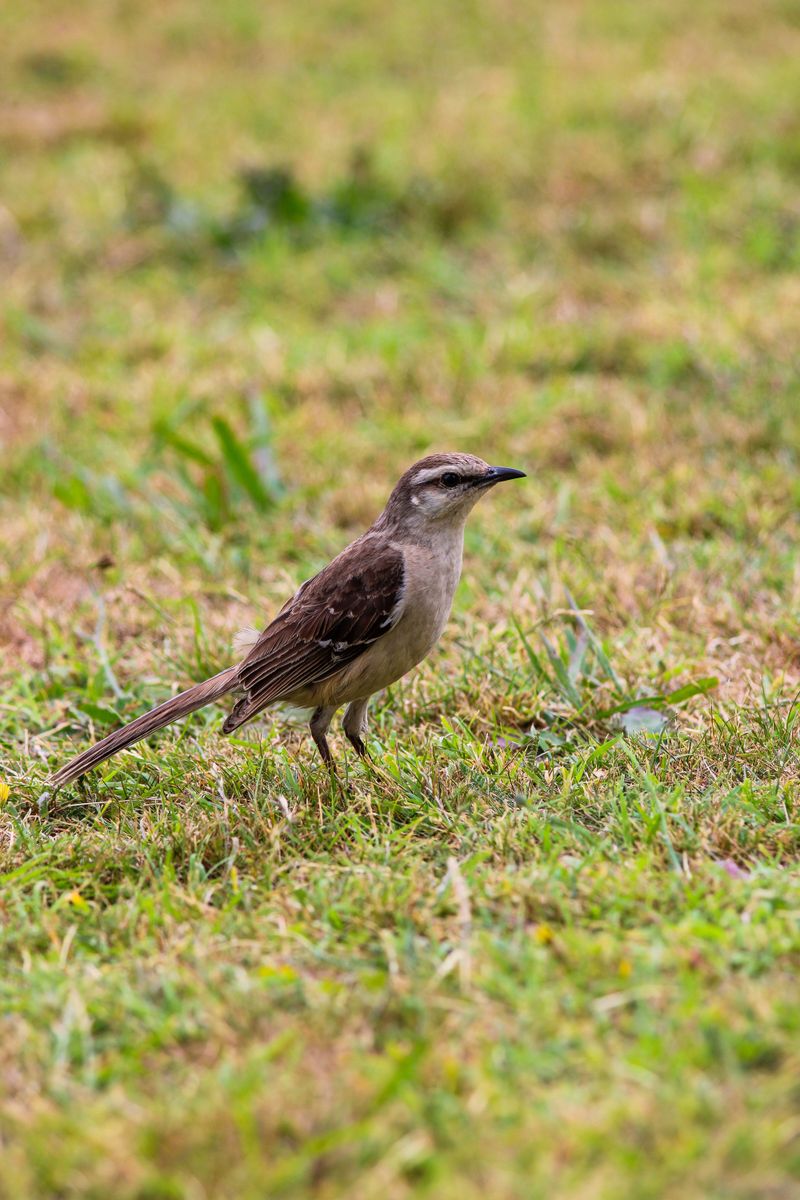
Science has confirmed something that many Tennessee homeowners already suspected. Mockingbirds can actually recognize individual human faces.
A landmark study from the University of Florida found that mockingbirds identified and responded more aggressively to people who had previously approached their nests. They ignored strangers who had not come close before.
This means the bird following you has made a mental note of your specific appearance. Your face, your posture, and possibly even your gait are all stored in that small but powerful brain.
Researchers tested this by having different people approach the same nests on different days. The birds reacted intensely to familiar faces but stayed calm around new ones.
This face recognition ability is not unique to mockingbirds, but they are among the best-documented examples in wild birds. Crows share a similar talent, and both species are known for long memories.
Once a mockingbird has flagged you as a threat, that association can last for years. The bird will remember you season after season if you continue living on or near its territory.
Interestingly, you can sometimes reset this association by changing your appearance. Wearing a hat when you previously did not, or switching your jacket color, can confuse the bird temporarily.
That cognitive ability is notably impressive for an animal so small. Knowing a mockingbird has memorized your face makes those encounters feel a little more personal, and a little more fascinating.
Simple Ways To Coexist With A Territorial Mockingbird
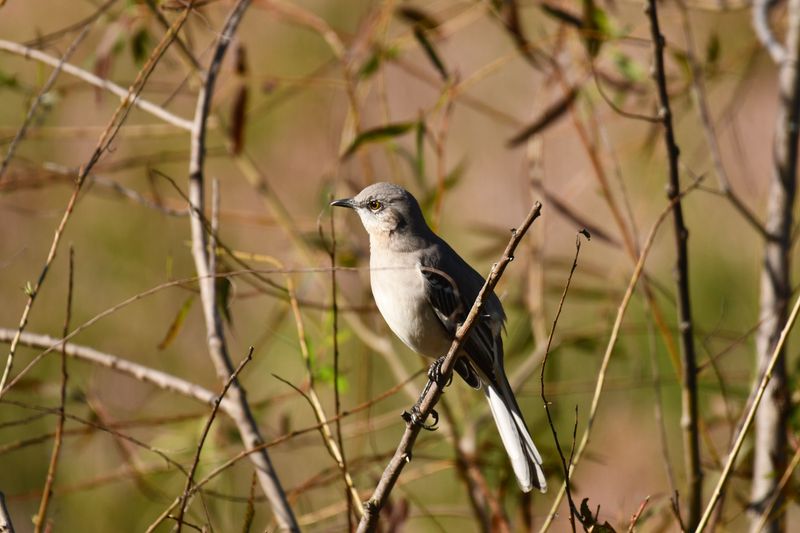
Living alongside a bold mockingbird does not have to feel stressful. A few simple adjustments can make your daily routine much smoother.
The easiest fix is to change your path slightly during nesting season. Giving the bird’s favorite shrub or tree a wider berth reduces the number of confrontations significantly.
Carrying an open umbrella while walking through a contested area can deter swooping. The bird sees the umbrella as a large, unpredictable shape and tends to back off.
Wearing a wide-brimmed hat also provides a physical buffer between your head and a swooping bird. It sounds simple, but it works surprisingly well in practice.
Avoid making sudden movements or loud noises near the bird’s territory. Calm, predictable behavior signals that you are not a threat, and the mockingbird will gradually lower its guard.
Do not attempt to remove a nest yourself. Federal law protects active nests, and tampering with one creates more stress for both you and the bird.
Planting berry-producing shrubs away from your main walking paths can redirect the bird’s attention. Giving it a rich food source in a less trafficked spot encourages it to focus there instead.
If the behavior feels overwhelming, contact your local county extension office (e.g., University of Tennessee Extension) for region-specific guidance. Most encounters resolve naturally within a few weeks once the nesting cycle wraps up.
A mockingbird keeps following you around your Tennessee property because it cares deeply about its home. Respecting that instinct makes the whole situation easier for everyone.