A Painful Sting Is Hiding In Plain Sight On Tennessee Vegetable Plants
Your fingers brush a leaf and pain spreads up your arm quickly. No wasp buzzed near your hand, no snake slid through mulch. Yet a fuzzy speck disguised as fur waits near your hand.
Tennessee gardeners meet this creature each harvest season without warning. Its coat looks soft, almost playful, hiding needle-sharp venom spines. Touching it quickly triggers a sharp sting that spreads far past your palm.
Swelling follows fast, then numbness, then a throb that lingers. Doctors in Tennessee do see a steady number of these stings each summer. Tomato leaves offer perfect cover, shaded, dense, and rarely disturbed.
Picking fruit puts your hand exactly where this insect rests. Recognizing it early spares you an hour of sudden stinging regret. Reacting wrong only worsens the sting and prolongs the ache.
Knowing its hiding spots changes how you approach each vine. You will not see that leaf the same way again.
Meet The Tiny Green Saddle With Bristles
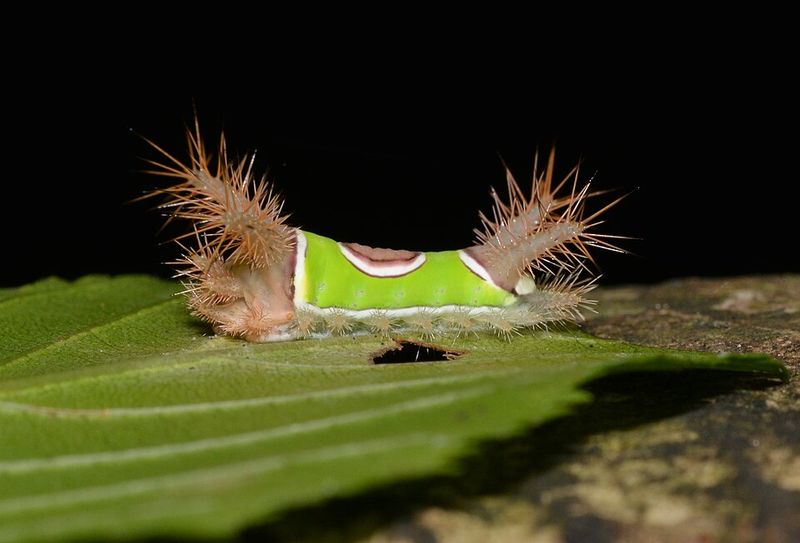
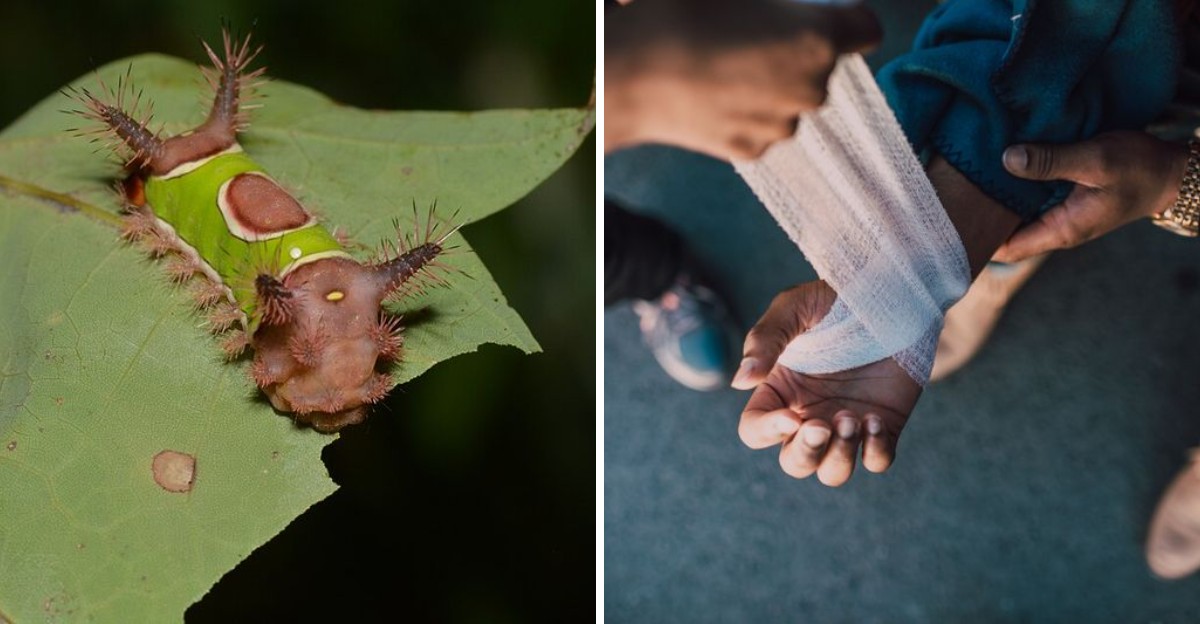
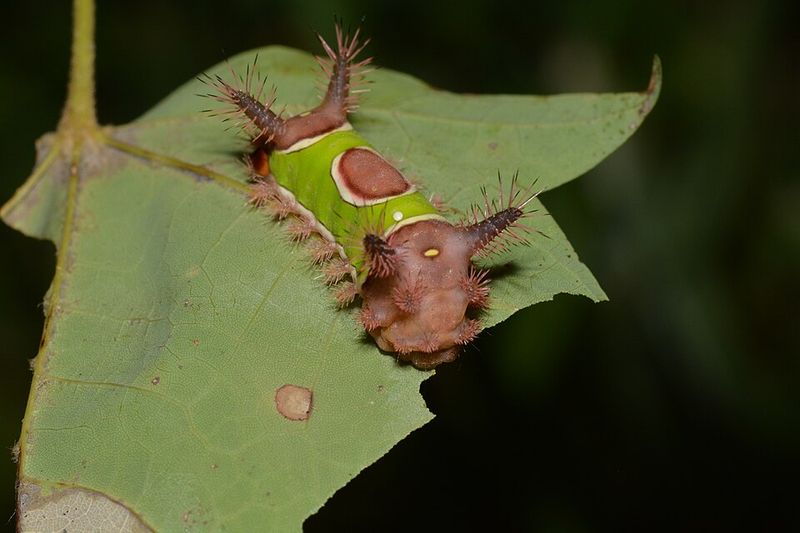
Picture a lime-green blanket thrown over a brown pony, shrunk down to the size of a paperclip. That is the saddleback caterpillar, and once you spot one, you will recognize the pattern forever.
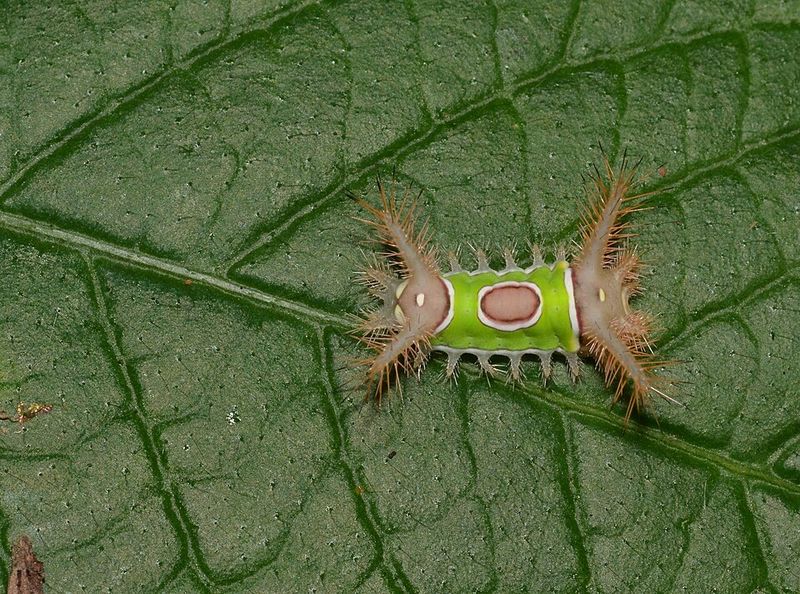
Its body is usually under an inch long, stout and slug-like rather than long and worm-shaped. The middle section glows bright green with a purplish-brown oval in the center, ringed in white, which gives the insect its saddle nickname.
Both ends carry thick, fleshy horns covered in stiff bristles. Smaller clusters of spines run along the sides, and each one connects to a venom gland tucked under the skin.
Scientists call it Acharia stimulea, and it belongs to the slug moth family. Adults are plain brown moths that few gardeners ever notice, which is part of why the caterpillar surprises people.
In Tennessee, a second generation often shows up from August into October, around the time peppers, okra, and late tomatoes are producing heavily. Warm, humid weather across much of Tennessee tends to suit them well.
The bold coloring is a warning sign, similar to a yellow jacket’s stripes. Birds learn quickly to leave it alone, and gardeners benefit from doing the same.
Because the caterpillar sits flat against a leaf and rarely moves fast, it looks harmless. That stillness is exactly what makes it easy to grab by mistake while harvesting in a hurry. Learning the shape now saves you a rough afternoon later this month.
Why The Sting Lingers Long After You Let Go
Gardeners often describe the feeling as a wasp jab followed by an irritation that continues for a while. The comparison is fair, though the delivery system is entirely different.
Saddleback spines are hollow, like tiny glass needles. When your skin presses against them, the tips snap off and release venom directly into the surface layers.
Those broken tips can stay lodged in your skin, which is why the discomfort lingers even after you back away from the plant. Rubbing the area pushes them deeper and spreads the irritation.
Your Tennessee Garden Changes Every Week. Your Plan Should Too.
Gardening in Tennessee changes quickly throughout the season. Every Friday you’ll receive a simple weekly plan showing exactly what to plant, prune, fertilize, harvest, and protect so you never miss the right timing.
Typical symptoms include intense stinging, redness, swelling, and a raised rash shaped like the spot you touched. Some people get a headache, nausea, or swollen lymph nodes for a short while.
For a healthy adult, discomfort usually fades within a few hours, though the red mark may hang around for a day or two. Children and folks with sensitive skin often react more strongly.
Anyone with a history of severe insect allergies should treat a sting seriously and watch for trouble breathing, widespread hives, or dizziness. Those signs call for immediate medical help.
Interestingly, the caterpillar is not going after you. The spines are purely defensive, and the insect would rather sit still than fight.
Contact happens because hands and forearms move through dense foliage without looking. Ripping out spent squash vines in September is a classic setup.
Knowing what causes the sting helps you respond calmly instead of panicking and making the irritation worse.
Favorite Hiding Spots Around The Tennessee Garden
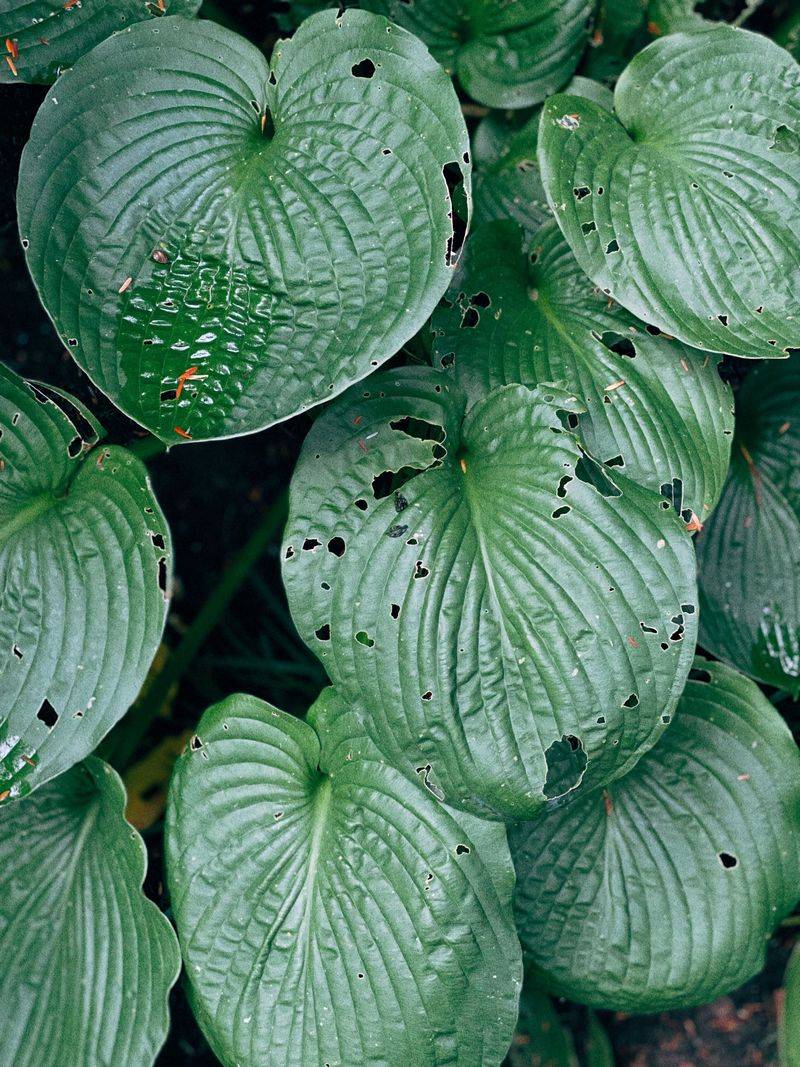
Flip a leaf over. Flipping leaves is one of the most effective habits for avoiding stings. Saddlebacks feed on the undersides of foliage, where shade keeps them cool and predators struggle to see them. Their green backs match the leaf perfectly from above.
In Tennessee vegetable beds, they turn up most often on peppers, okra, sweet corn, tomatoes, beans, and sweet potato vines. Squash and pumpkin leaves make comfortable perches too.
They are not picky eaters. The same caterpillar happily browses dogwood, maple, oak, elm, blueberry, and even ornamental hibiscus near the garden fence.
Feeding damage looks like windowpane patches on young caterpillars’ leaves, where only the thin tissue remains. Older ones chew ragged holes straight through.
Because they rarely appear in large numbers, the plant damage is minor. The real concern is where your hands land.
Watch the leaves at forearm height along pepper rows and the broad canopy of okra plants, since those are exactly where you reach while picking pods. Grape arbors and fig bushes deserve a scan as well.
Eggs are laid in clusters on leaf undersides, so young ones sometimes feed side by side before spreading out. Finding several on one plant is normal.
A quick lift of a few leaves before you start harvesting takes about ten seconds. Do it in good light, ideally mid-morning when shadows are shallow. Your fingers will thank you around the second week of September.
First Aid That Actually Helps After Contact

Step one is simple and a little odd: reach for tape, not water. Press a strip of adhesive tape, packing tape, or duct tape gently onto the stung area and peel it away. Repeat with fresh strips several times to lift out broken spine tips.
Washing with soap and cool water comes next, using a light touch instead of scrubbing. Scrubbing grinds leftover spines into the skin.
An ice pack wrapped in a thin cloth calms the irritation noticeably. Ten to fifteen minutes on, then a break, works better than one long session.
A paste of baking soda and water often eases the sting, and so does a dab of hydrocortisone cream. Oral antihistamines help with itching and swelling for people who tolerate them.
Keep the spot clean over the next couple of days, since scratching can open the skin to infection. Trim fingernails if the itch tempts you.
Old-time Tennessee advice includes meat tenderizer paste and a smear of mud. The science behind this is unproven, though the cool moisture may offer some relief.
Call a doctor if swelling spreads well beyond the contact point, if breathing feels tight, or if a child reacts strongly. Anyone with known allergy issues should not wait it out.
Keeping tape and an ice pack in the garden shed sounds silly until the afternoon you need both. Preparation turns a miserable hour into a manageable ten minutes.
Smart Harvest Habits That Keep Hands Safe
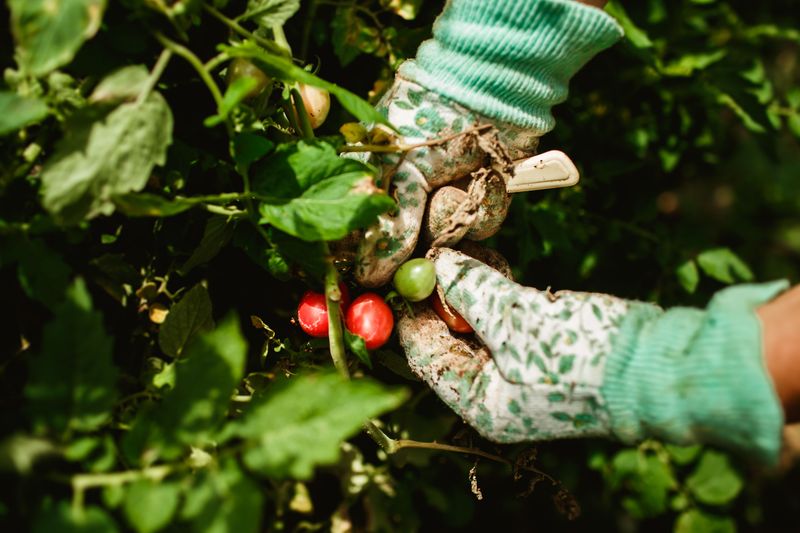
Ask any longtime Tennessee gardener about their worst September surprise and you will hear a story about bare forearms in an okra patch.
Long sleeves are the easiest fix. A lightweight cotton shirt breathes fine in late-summer heat and blocks casual brushes against foliage.
Gloves matter more than people expect. Thin knit garden gloves let spines through, while leather or coated nitrile pairs give real protection.
Harvest with your eyes ahead of your hands. Look at the leaf, then reach, instead of feeling blindly through the canopy for a hidden pod.
Morning light works better than dusk for spotting anything unusual. Late-evening picking hides the shapes you most want to notice.
Pulling out finished squash or bean vines deserves extra care, since caterpillars ride along on the leaves you are grabbing by the armful. Rake the pile instead of hugging it.
Teach kids the pattern early. Turning identification into a spotting game keeps young helpers curious rather than frightened.
Hand tools help too. Snips on a short handle keep your fingers a few inches away from leaf surfaces.
If you find one, you do not have to remove it at all. Simply mark the plant with a ribbon and give that spot room for a week or two.
Should relocation feel necessary, use a stick or a plastic spoon to nudge it into a container. Fingers stay out of the equation entirely. Small habits, repeated, quietly protect the whole harvest season.
Living Alongside Them Without Wrecking The Garden
Here is the twist most people do not expect: saddlebacks aren’t a significant threat to your garden.
Populations stay low in Tennessee, and you are far more likely to find two or three across an entire growing season than a swarm. Leaf damage stays cosmetic.
Braconid and ichneumonid wasps parasitize them naturally, laying eggs that keep numbers in check without any help from you. Birds and predatory stink bugs pitch in as well.
Broad-spectrum sprays knock out those helpers along with the target, which often creates bigger pest headaches with aphids and hornworms later. Restraint pays off.
If a plant truly has several and you need to work there daily, handpicking with tongs into soapy water solves it quietly. Bt products labeled for caterpillars offer another low-impact option.
Come autumn, the caterpillar spins a tough brown cocoon in leaf litter or bark crevices and overwinters there. A plain brown moth with white dots emerges the following summer.
Leaving a corner of unraked leaves supports plenty of beneficial insects, so a light touch in fall cleanup makes sense overall.
Think of the saddleback as a reminder that gardens are shared spaces. The sting is a defense, not a personal grudge.
Respect the spines, wear your sleeves, check your leaves, and the two of you can share September peacefully. Your peppers ripen, the caterpillar moves along, and everyone keeps their comfort intact.