The September Task That Decides If Your Ohio Peonies Bloom Next Spring
Your peonies can look perfectly fine in September and still be headed for a disappointing spring. That is what makes this month so important for Ohio gardeners.
The plants may seem finished for the year, but one seasonal job can influence how well they return once winter finally loosens its grip. Miss the right moment, and you may not notice the consequences until months later, when flower buds should be taking center stage.
Peonies are tough plants, but they follow a surprisingly strict annual rhythm, especially in a climate with cold winters and unpredictable fall weather.
September gives you a narrow chance to work with that rhythm instead of against it.
Before autumn cleanup takes over your weekend, give those peonies another look. The difference between a plant packed with spring flowers and one that barely performs can trace back to a choice made while summer still feels close.
1. Keep Peony Eyes Just Two Inches Deep
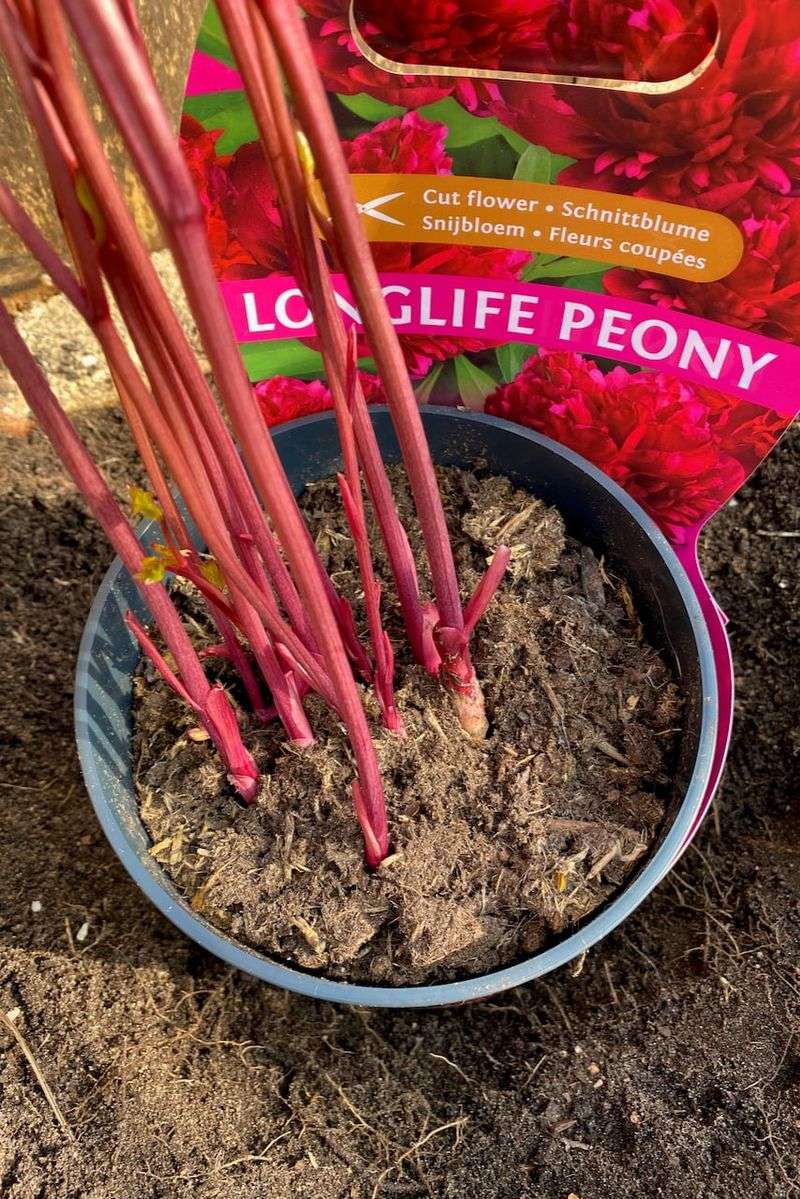
Measuring twice before you plant a peony crown is not just cautious gardening. According to Ohio State University Extension, the crown buds are commonly called eyes.
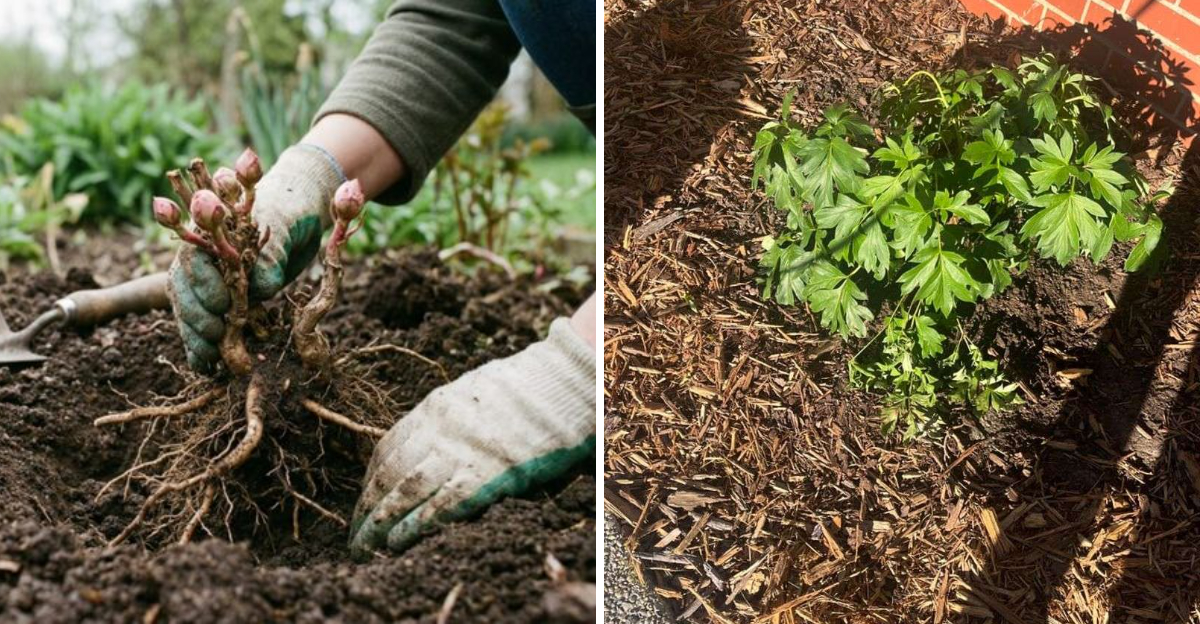
They should sit roughly one and a half to two inches below the soil surface. Those eyes are the small, reddish or pink nubs you can spot along the top of the root mass.
Each one has the potential to grow into a new shoot the following spring.
Measuring from the soil surface down to the top of the eye cluster is the most reliable method. Some other perennials do fine when planted deeply, but herbaceous garden peonies are different.
Bury the eyes too far down and the plant can spend its energy producing a full canopy of green leaves with little left over for flowering. Shallow planting does not mean leaving roots exposed to air or frost.
The roots still need full soil coverage and firm contact with the ground. The goal is simply to keep those eyes close to the surface where they respond best.
Soil settling after planting can also lower effective depth over time, so planting at the shallower end of the recommended range makes sense.
Check your measurement before backfilling, and tamp the soil gently to reduce air pockets without burying the crown any deeper than needed.
2. September Is Prime Time To Reset Crowns
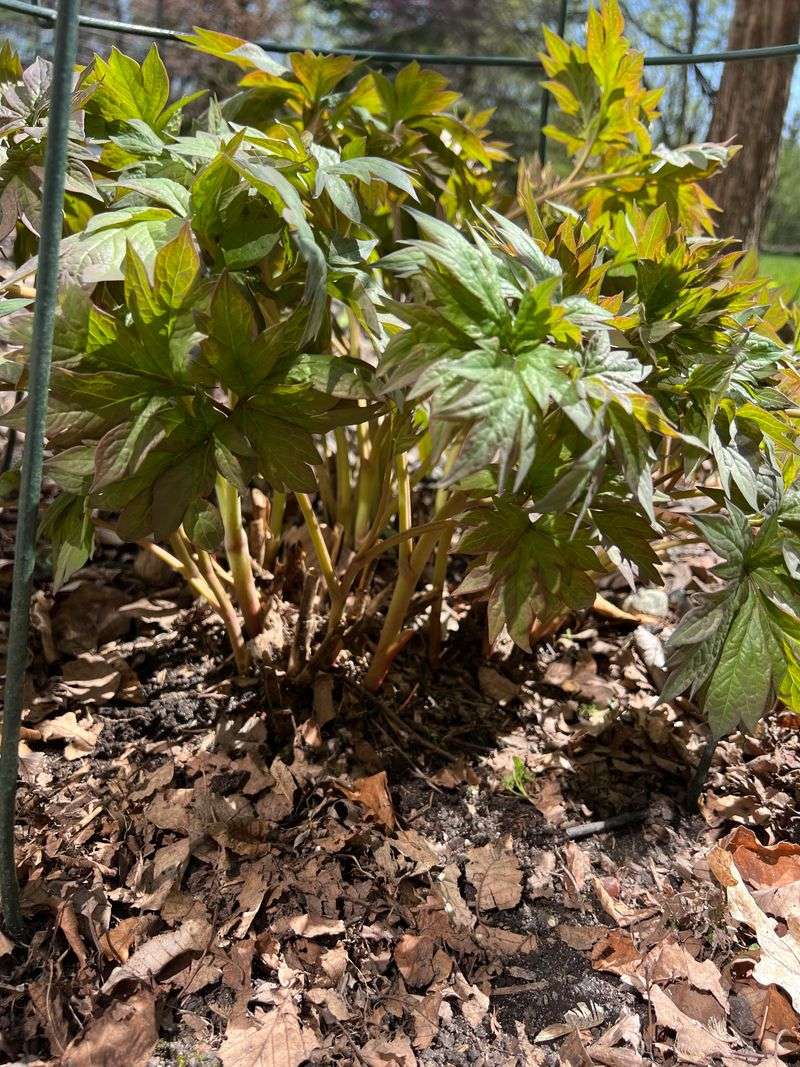
A peony planted in the wrong spot or at the wrong depth can stay stuck in that situation for years unless someone decides to fix it.
Ohio State Extension guidance points to late summer and early autumn as the preferred window for planting, moving, or dividing herbaceous garden peonies.
Cooler temperatures and increased moisture during this period create conditions that can support new root growth before the ground hardens for winter.
Most healthy, well-placed peonies do not need to be moved at all. Mature plants that bloom reliably and have enough sun and space are best left alone.
Moving becomes worthwhile when a plant has been placed too deeply, is crowded by other plants, or sits in a spot that no longer gets enough sunlight. September gives you a practical reset opportunity before the growing season closes.
Your Ohio Garden Changes Every Week. Your Plan Should Too.
Gardening in Ohio changes quickly throughout the season. Every Friday you’ll receive a simple weekly plan showing exactly what to plant, prune, fertilize, harvest, and protect so you never miss the right timing.
Resetting a crown during this window gives the roots several weeks to begin settling into new soil before cold weather arrives. Waiting until late October or November in most parts of the state shortens that window considerably.
Early September plantings generally have more time to anchor before the ground begins to freeze. Correcting crown placement now, rather than waiting until spring, lines the plant up for the best possible chance at healthy growth in the seasons ahead.
3. Deep Planting Can Mean Leaves Without Flowers
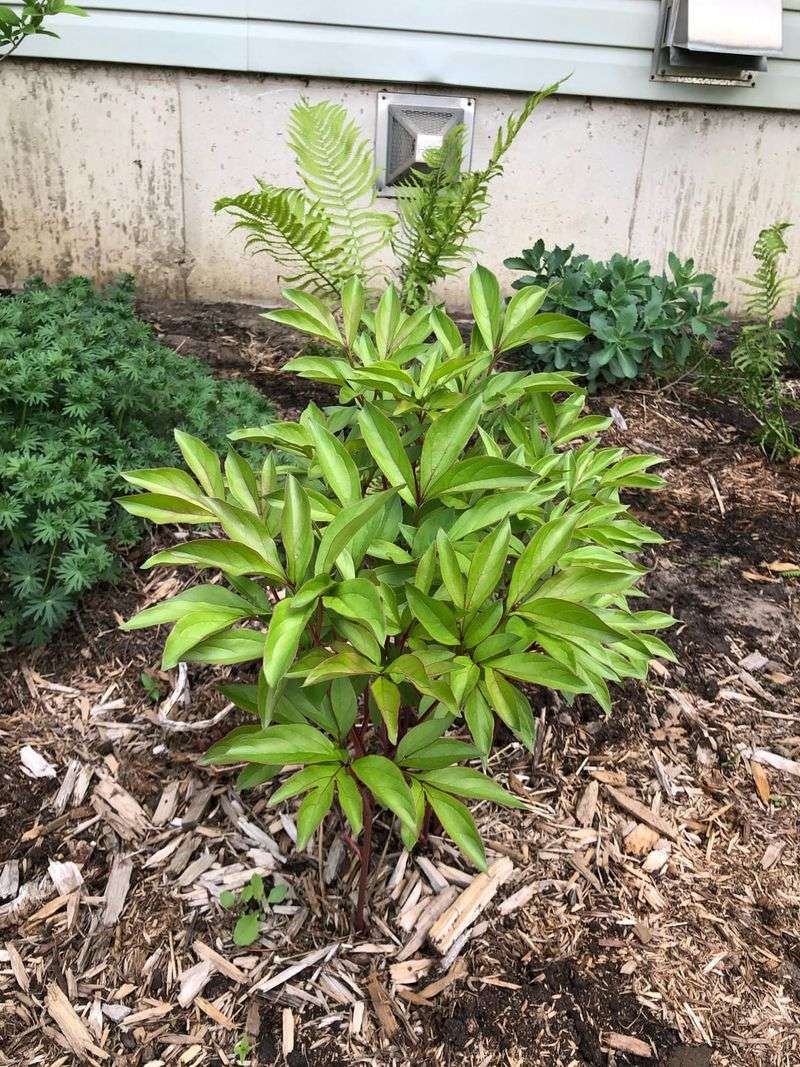
Picture a peony plant that looks absolutely full and healthy every spring. The stems are thick, the leaves are a deep, glossy green, and the clump gets bigger every year.
But spring comes and goes without a single bloom. That scenario is frustrating, and Ohio State Extension guidance identifies planting depth as one of the key reasons an otherwise vigorous peony may fail to flower.
Eyes buried significantly below the recommended depth can still push up plenty of foliage. The plant is not struggling in the way a diseased or nutrient-starved plant would struggle.
The roots and leaves are functioning, but the flowering response is suppressed. Adding thick layers of soil or heavy mulch directly over an established crown can have the same effect by increasing the effective depth of the eyes over time.
Depth is not the only explanation for a non-blooming peony. Shade, recent division, or other disturbances can also reduce flowering in a given season.
Still, depth deserves the first look, especially when the plant looks healthy in every other way. Digging carefully to check where the eyes actually sit relative to the soil surface can answer the question quickly.
If they are sitting well below two inches, September is the right time to lift the crown and replant it at the correct level.
4. Give Each Division Three To Five Strong Eyes
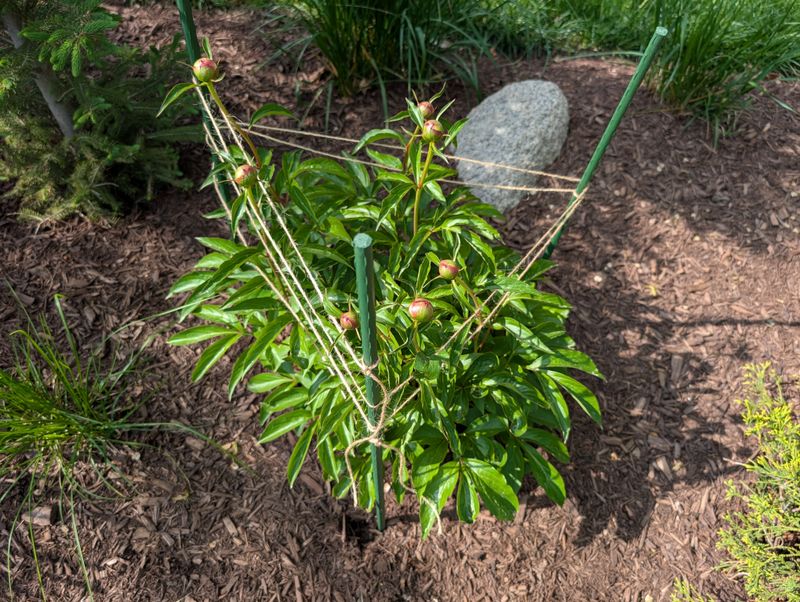
Lifting an old peony clump out of the ground can be a satisfying moment. Once the soil is washed or shaken away, you can see the crown clearly, with its bumpy surface covered in reddish or pink buds waiting to become next season’s shoots.
Ohio State Extension recommends giving each replanted division about three to five healthy eyes. It should also retain a good portion of the attached root system.
Chopping a clump into too many pieces, or leaving each piece with only one or two eyes, can slow recovery significantly. A division with three to five eyes has enough stored energy and enough potential shoots to re-establish more efficiently.
More eyes on a single division is not automatically better either. Very large divisions can be harder to handle and may not establish more quickly than a moderately sized piece.
Each piece also needs healthy root tissue, not just the crown buds. Roots that look mushy, hollow, or badly damaged should be trimmed away with a clean, sharp tool before replanting.
Dividing a peony is a temporary disruption, and the plant will need time to recover. Do not expect a freshly divided plant to perform the same way a settled, established clump does.
Recovery can take more than one growing season, and that is a normal part of the process rather than a sign that something went wrong.
5. Leave Healthy Green Foliage Working
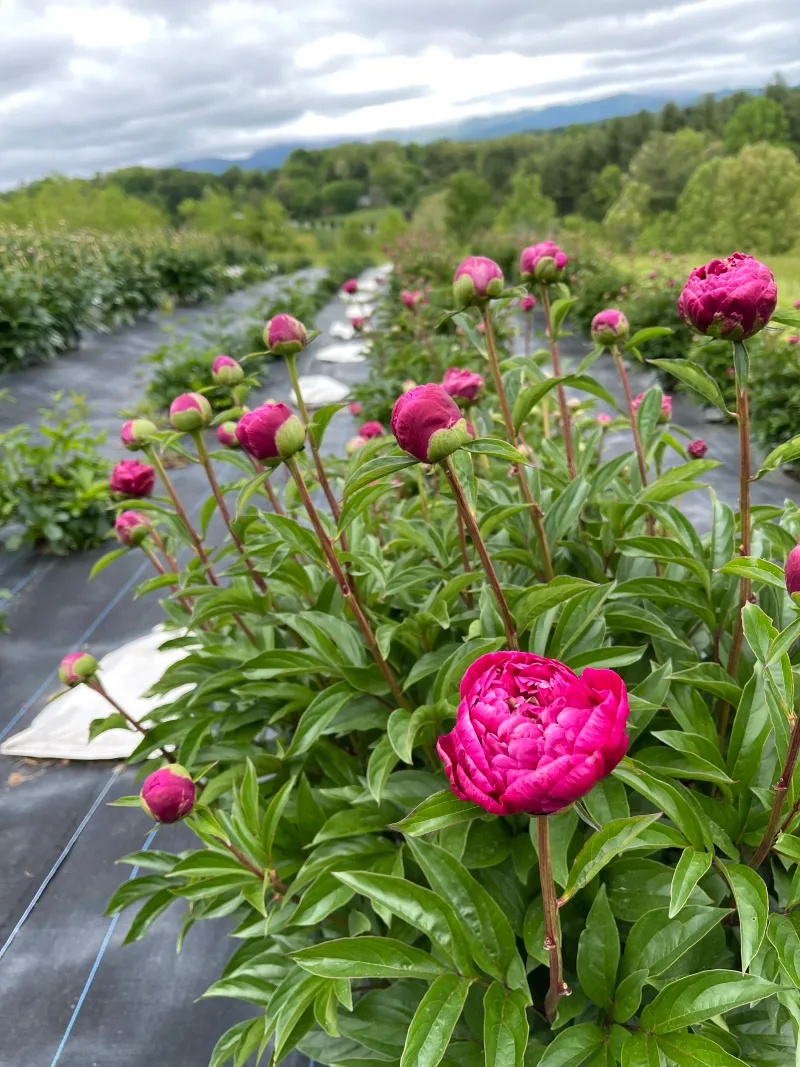
Fall cleanup has a way of making a gardener feel productive, and a tired-looking perennial bed can be tempting to cut back all at once. With peonies, though, the timing of that cleanup matters more than it might seem.
As long as the leaves are still green and functioning, they are doing real work for the plant. Extension guidance broadly supports the idea that healthy green foliage continues to support the plant and store resources that support future growth.
Removing those leaves before they have finished their seasonal work cuts that process short. The plant loses the benefit of whatever energy the leaves were still gathering.
Foliage that has turned fully yellow, brown, or papery has already completed its job and can be removed without that concern. The distinction between healthy, still-active leaves and fully declined foliage is what should guide your timing.
No single statewide date applies to every Ohio garden in every year, because weather and plant condition vary too much. A plant in a warmer, sheltered spot may stay green longer than one exposed to early frost.
Watch the plant rather than the calendar. Once the foliage has naturally declined and is clearly no longer active, removing it as part of fall cleanup makes sense.
Cutting back too early for the sake of tidiness, though, can shortchange the plant at the exact moment it is storing up resources for next spring.
6. Clear Diseased Growth Before Winter

Spotting unusual markings on peony foliage during fall cleanup is worth a closer look. Ohio State Extension identifies leaf blotch and Botrytis blight as common peony problems that can show up during the growing season.
Botrytis can affect peony stems, buds, and foliage. Infected tissue left around the crown may harbor the pathogen through winter.
Not every spotted or browning leaf is a sign of disease. Natural fall decline, insect feeding, or sun scorch can all cause discoloration without any infectious cause.
Darkened, water-soaked, or blighted foliage may indicate Botrytis or fungal leaf blotch. Ohio State guidance supports removing and disposing of that material rather than leaving it in the bed.
Diseased stems and leaves should not be left lying around the base of the plant over winter. Removing them reduces the amount of infected material that can carry problems into next season.
Do not compost infected debris unless you are confident your compost process reaches temperatures high enough to address pathogens. Bagging it for disposal is a safer choice with confirmed disease material.
Keeping the area around the crown clean going into winter is a straightforward sanitation step that supports the plant’s health in the seasons that follow.
7. Give New Roots Time Before The Ground Freezes
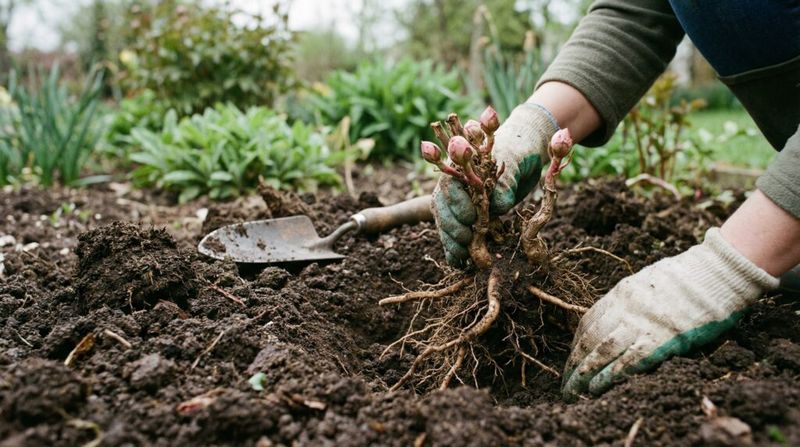
Fall planting works best when there is still enough time left in the season for roots to begin settling before the ground hardens.
Ohio State Extension guidance supports completing peony planting or dividing early enough to allow an establishment window before winter conditions set in.
Waiting until very late in the fall season compresses that window and can leave a freshly planted crown with little time to anchor before the soil freezes.
Ground freeze timing varies across the state and from year to year. Northern parts of the state generally see harder freezes earlier than southern areas, and any given autumn can run warmer or colder than average.
No single date works as a firm endline everywhere. What matters practically is getting the plant in the ground while the soil is still workable and temperatures are still mild enough to support some root activity.
Early September planting generally gives the most comfortable lead time. Mid-September is still reasonable in most parts of the region.
Pushing into October is possible but leaves less margin. A newly planted crown sitting in loose, recently worked soil with limited root contact is more vulnerable than one that has had several weeks to begin settling.
Plant sooner rather than later, firm the soil well around the roots, and water the planting in thoroughly to help close any air gaps around the root mass.
8. Let Freshly Moved Peonies Settle Before Spring
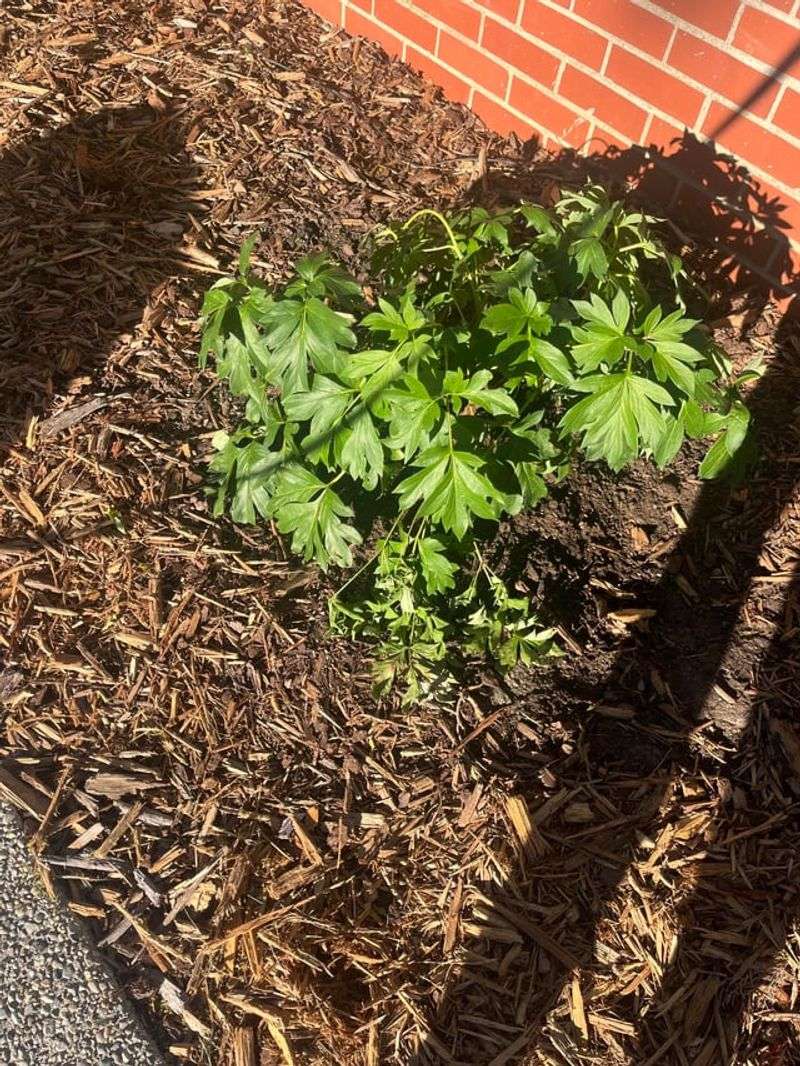
Correct September planting gives a moved or divided peony the best possible foundation, but it does not guarantee a full bloom display the very next spring.
Ohio State Extension guidance makes clear that disturbed peonies may need additional growing seasons before they flower normally again.
A plant that was recently lifted, divided, or relocated is essentially starting over in terms of its root system and energy reserves.
The first season or two after a move may bring only modest foliage and no flowers at all. That can feel discouraging after all the careful work of measuring depth and timing the planting correctly.
However, a plant producing healthy leaves without blooms is not necessarily a failed planting. Rebuilding a root system takes priority before the plant redirects energy into flowering.
If spring arrives without blooms, check the basics before drawing conclusions. Confirm that the eyes are still sitting at the right depth, since soil settling can shift things slightly.
Verify that the plant is getting at least six hours of direct sun each day. Look at the overall health of the foliage as a general indicator.
Patience is part of the process with peonies. A crown planted correctly in September, left undisturbed, and given adequate sun and water has a solid foundation.
The flower display may simply need another season or two to fully arrive.