What Late-Summer Wilting Really Means For Missouri Oak Trees
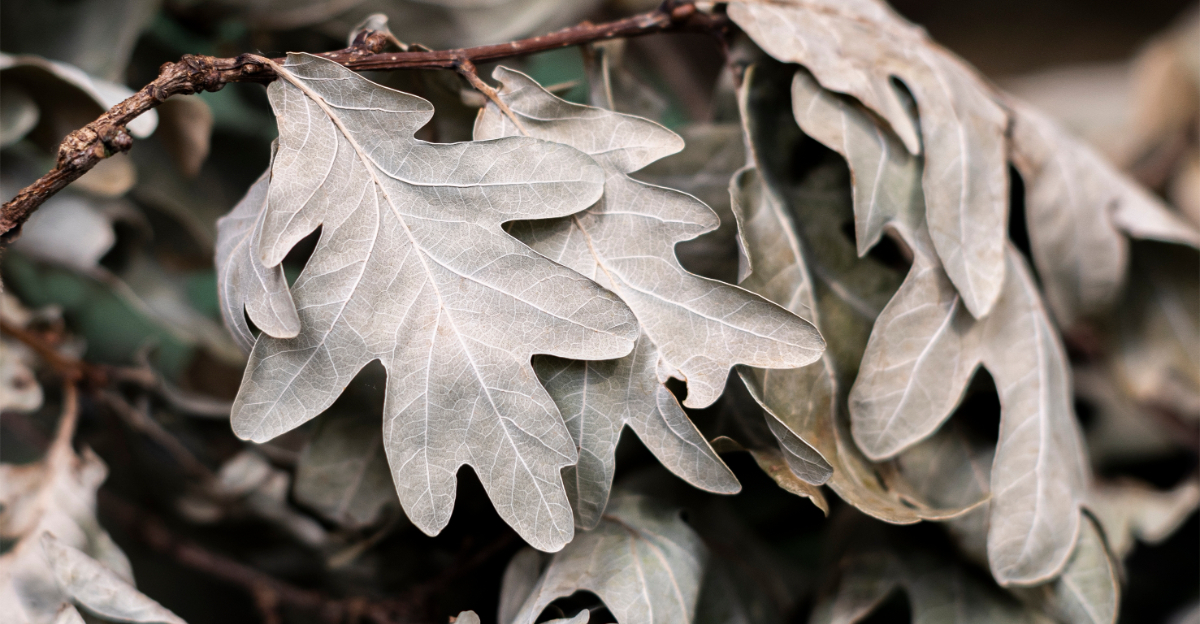
Your oak isn’t wilting from ordinary summer heat alone. Something inside its bark is quietly straining under pressure. Missouri heat this year has pushed roots past their limit. Curling leaves rarely mean simple thirst alone.
Brown edges often signal damage happening underground. Drought stress can weaken bark and invite pests. Insects thrive in stressed bark all summer long. Fungal infections spread through your soil without warning.
Construction near your property may have already cut critical roots. Chemical runoff from nearby lawns seeps deeper than expected. Watering too often can harm roots just as fast.
Age weakens your tree’s natural defenses over time. That clay-heavy soil in Missouri traps moisture where roots struggle. Weeks can pass before real damage becomes fully visible.
Diagnosis now decides whether your oak recovers by autumn. Every stressed oak sends warning signs you might be missing. You need answers before your oak loses another leaf.
Common Causes Of Late-Summer Oak Wilting
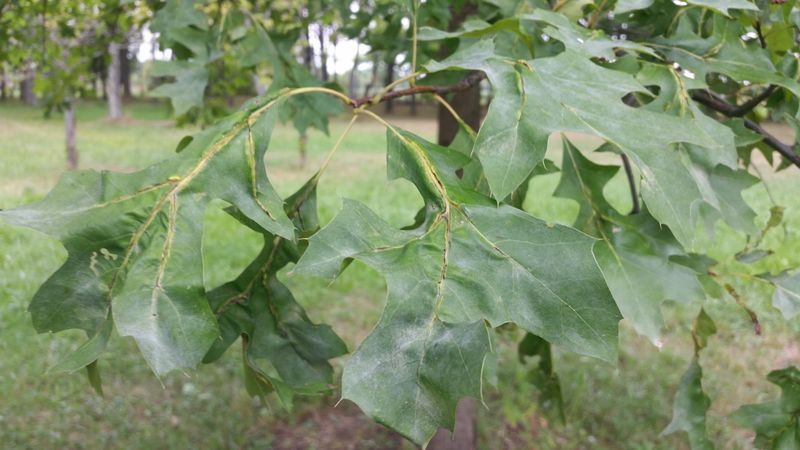
Your oak looked perfectly fine in June, and now it looks exhausted. Late-summer wilting in Missouri oak trees has several possible causes, and heat stress is the most common one.
When temperatures climb into the 90s, oak trees can lose moisture through their leaves faster than roots replace it, though the exact threshold varies by humidity and soil conditions.
The tree responds by letting leaves droop, which reduces the surface area exposed to harsh sunlight.
Soil compaction is another sneaky culprit behind wilting. When soil gets packed too tightly, roots struggle to absorb water even when moisture is present underground.
Fungal infections, root damage from construction, and pest activity can all trigger similar symptoms. A wilting oak does not always mean the tree is in crisis, but it is usually signaling that something needs attention.
Poor drainage is often overlooked as a cause of leaf droop. Waterlogged roots cannot take up oxygen, which shuts down the tree’s ability to move water upward through its trunk.
Identifying the right cause early gives you a much better shot at helping your tree recover quickly. Missouri summers can turn severe quickly, and drought affects oak trees in ways that are not always obvious from the outside.
How Oak Wilt Disease Differs From Heat Stress
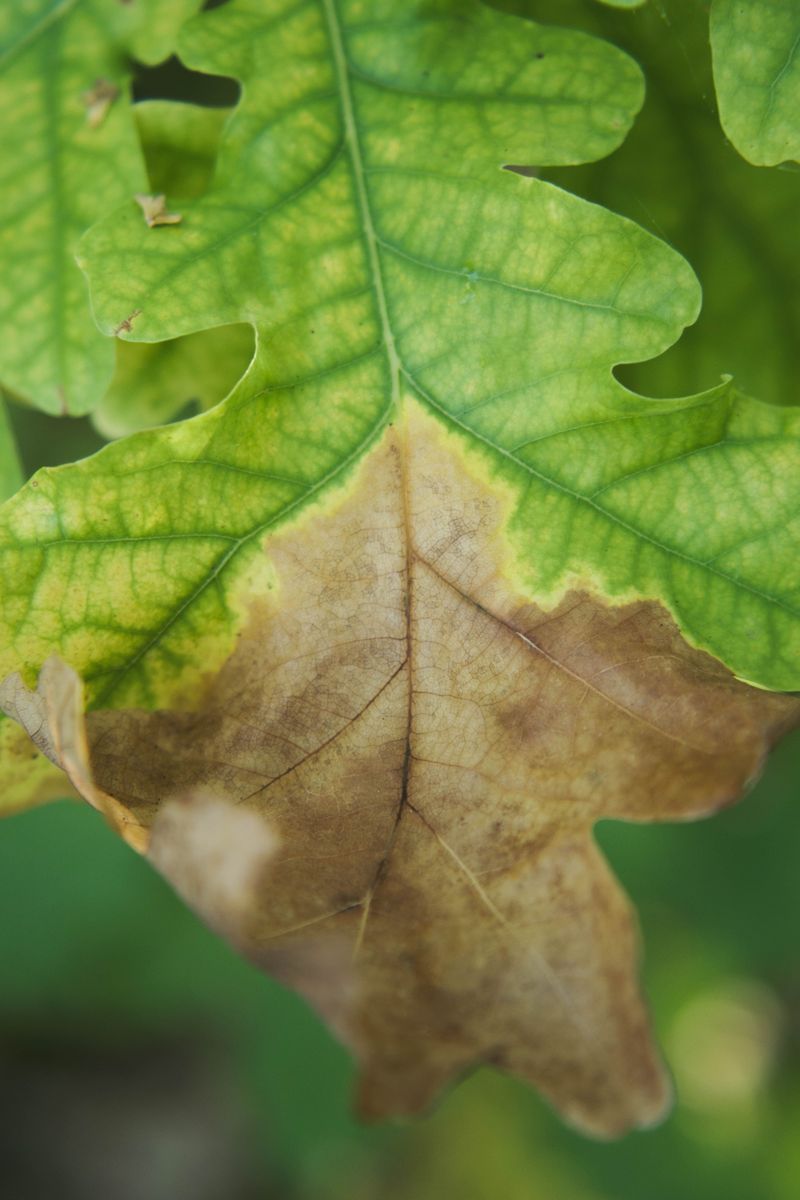
Not all wilting looks the same, and that difference matters enormously. Oak wilt is a serious fungal disease caused by Bretziella fagacearum, and it spreads through a tree quickly.
With heat stress, leaves wilt but often stay green for a while before browning at the tips. Oak wilt, by contrast, causes leaves to bronze or turn brown starting from the outer edges and moving inward quickly.
Red oaks are hit hardest by oak wilt and can decline within weeks of infection. White oaks tend to resist the disease better, though they are not completely immune to it.
Heat stress usually affects the whole tree somewhat evenly. Oak wilt often starts on one branch or one side of the canopy before spreading outward, which is a telltale sign to watch for.
Your Missouri Garden Changes Every Week. Your Plan Should Too.
Gardening in Missouri changes quickly throughout the season. Every Friday you’ll receive a simple weekly plan showing exactly what to plant, prune, fertilize, harvest, and protect so you never miss the right timing.
The fungus spreads underground through connected root systems between nearby trees. It also travels above ground when sap beetles carry fungal spores from infected wood to fresh wounds.
Pruning during spring and early summer creates open wounds that attract those beetles. Late-summer wilting caused by oak wilt is a signal that the infection likely started earlier in the season.
Catching the difference between disease and heat stress early changes your entire response plan. Treating a diseased tree the same way you treat a heat-stressed one will not help and may cost you precious time.
Signs Your Oak Tree Needs Attention
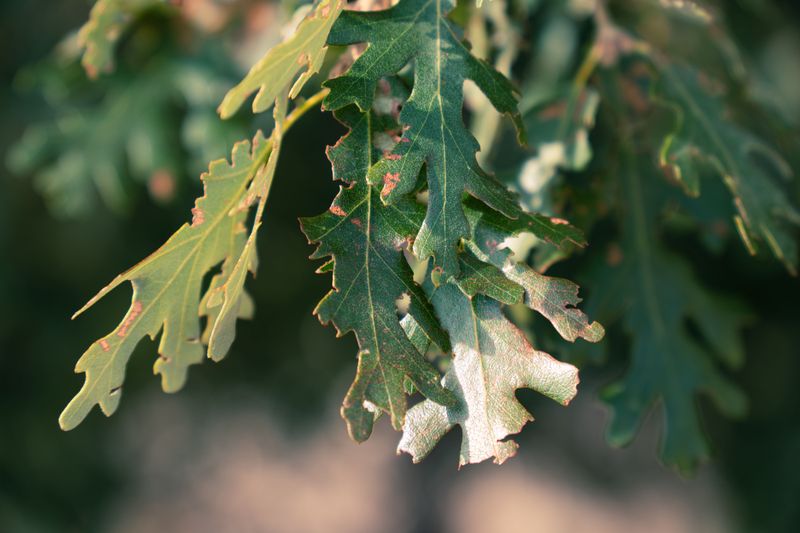
Leaves curling at the edges on a hot day might seem normal, but some signs go beyond typical summer stress. Knowing which signals to take seriously can help you act before small problems grow bigger.
Premature leaf drop is one of the clearest warning signs an oak sends out. When leaves fall in August instead of October, the tree is dropping leaves prematurely due to stress.
Dark streaking under the bark, visible when you peel back a small section, points toward a vascular problem. Healthy oak wood is cream or light tan, so any dark discoloration deserves a closer look.
Wilting that does not improve after cooler nights is a red flag worth noting. Heat-stressed trees usually perk back up once temperatures drop, but diseased or root-damaged trees stay droopy regardless of weather.
Fungal mats or fruity-smelling growths near the base of the trunk are serious indicators. These structures appear with oak wilt and signal that the infection has reached an advanced stage.
Thinning canopy from the top down suggests something is blocking water movement through the trunk. Crown thinning combined with late-summer wilting is a combination that warrants a professional assessment soon.
Catching these warning signs early gives your tree a real fighting chance. An oak that gets attention in August generally has a better chance of recovery than one left untreated until spring.
Why Drought Conditions Intensify The Problem
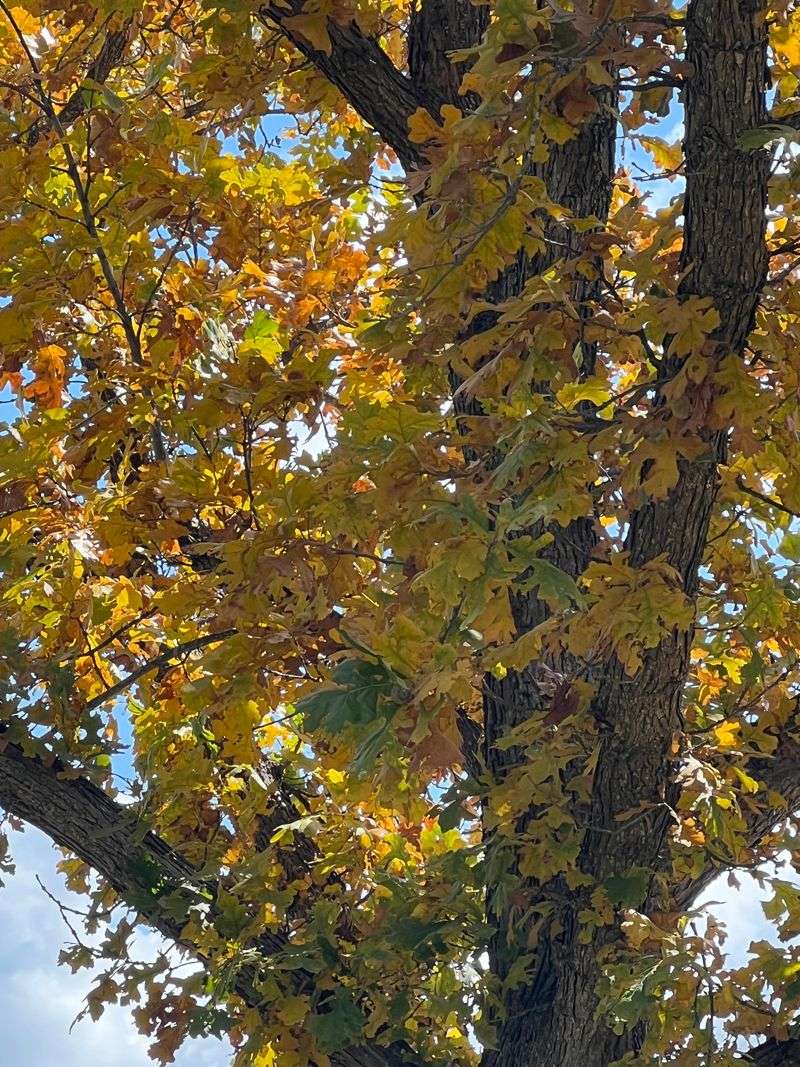
Missouri summers are demanding, and oak trees respond to every degree of that heat. A tree that looks okay in July can decline sharply by late August when soil moisture runs out completely.
Oak roots are deep, but they still depend on consistent moisture reaching the root zone. When the top layers of soil dry out for weeks, even deep roots start struggling to find enough water.
Drought weakens a tree’s natural defenses against insects and disease. A well-watered oak produces resin that pushes back against bark beetles, but a drought-stressed tree cannot keep up that production.
Late-summer wilting caused by drought often shows up as leaf scorch first. The edges of leaves turn crispy and brown while the center stays green, which is a classic drought response pattern.
Repeated drought years compound the damage more than a single dry season does. Each summer without adequate rainfall chips away at the tree’s stored energy reserves and root health.
Missouri’s clay-heavy soils hold heat and crack when dry, which physically damages shallow feeder roots. Those small roots are responsible for absorbing most of the water a tree uses each day.
Understanding the drought connection helps you prioritize watering at the right time of year. Giving your oak a deep soak in late summer can ease stress and help it store enough energy for winter.
Helping A Stressed Oak Tree Recover
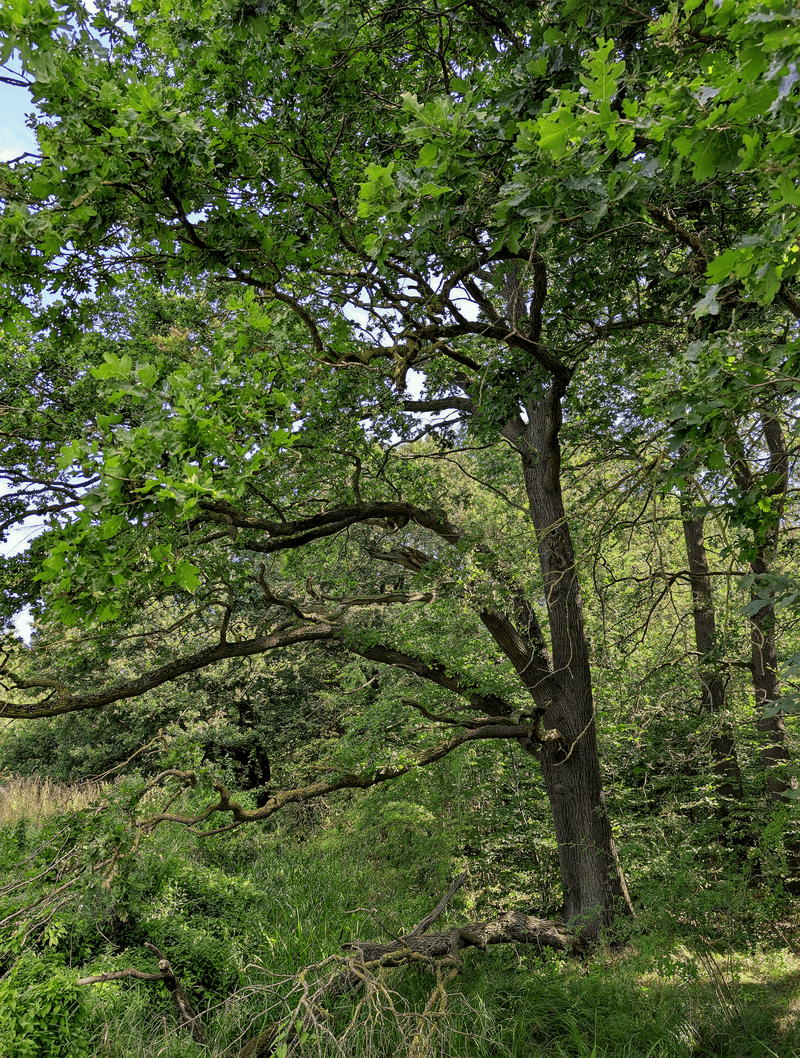
A stressed oak tree is not a lost cause, and there is plenty you can do to support its recovery. The right steps taken at the right time can make a meaningful difference in how the tree handles the rest of the season.
Deep watering is the single most helpful thing you can do for a drought-stressed oak. Slow, deep watering once or twice a week encourages roots to grow downward and reach cooler, moister soil layers.
Apply a few inches of organic mulch around the base of the tree. Mulch holds moisture in the soil, moderates temperature, and reduces competition from grass and weeds near the roots.
Keep the mulch a few inches away from the actual trunk to prevent rot. A donut-shaped ring of mulch, not a volcano pile against the bark, is the correct way to apply it.
Avoid fertilizing a stressed tree in late summer because it pushes new growth at the wrong time. New growth in August or September is vulnerable to frost damage and puts extra strain on an already tired tree.
Skip any heavy pruning until the tree is clearly recovering and temperatures have cooled. Fresh cuts in hot weather invite pests and create entry points for fungal spores.
Patience is part of the recovery process for oak trees. A tree that receives consistent care through late summer and fall will be in a much stronger position when spring arrives.
When To Call A Certified Arborist
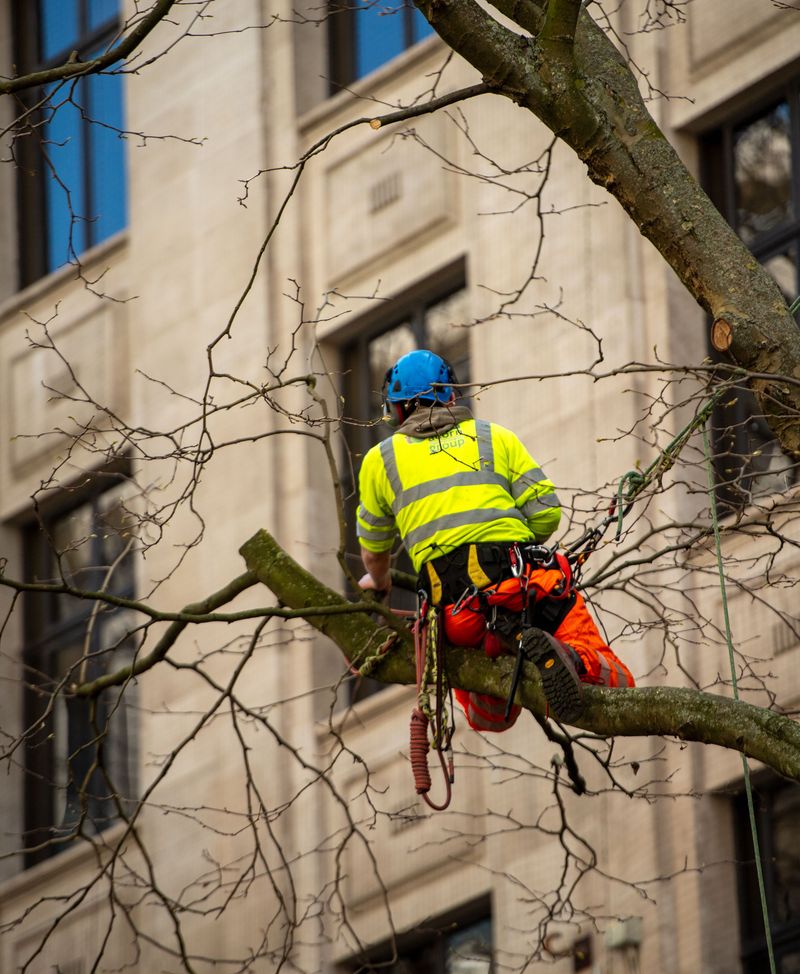
Some oak tree problems are beyond what a garden hose and mulch can fix. Knowing when to bring in a professional can save both your tree and your budget in the long run.
If late-summer wilting is paired with rapid canopy decline, call an arborist right away. A tree losing leaves from the top down within days is showing signs of a serious vascular or root issue.
Oak wilt confirmation requires laboratory testing of wood samples in many cases. A certified arborist can collect samples correctly and get them to a diagnostic lab for accurate results.
Arborists can also assess root zone damage from construction, soil compaction, or underground utility work. These causes of wilting are nearly impossible to diagnose accurately without the right tools and training.
Look for arborists certified by the International Society of Arboriculture, commonly known as the ISA. Certification means the professional has passed rigorous testing and stays current with best practices in tree care.
Treatment options for oak wilt include fungicide trunk injections that slow the disease’s spread. These treatments are most effective when applied early, which is another reason prompt professional evaluation matters.
Missouri oak trees are tough, resilient, and beautiful parts of the landscape worth protecting. When your oak sends distress signals through late-summer wilting, getting expert eyes on the problem is always a smart move.