How To Safely Prune Florida Trees After A Summer Thunderstorm Without Causing More Stress
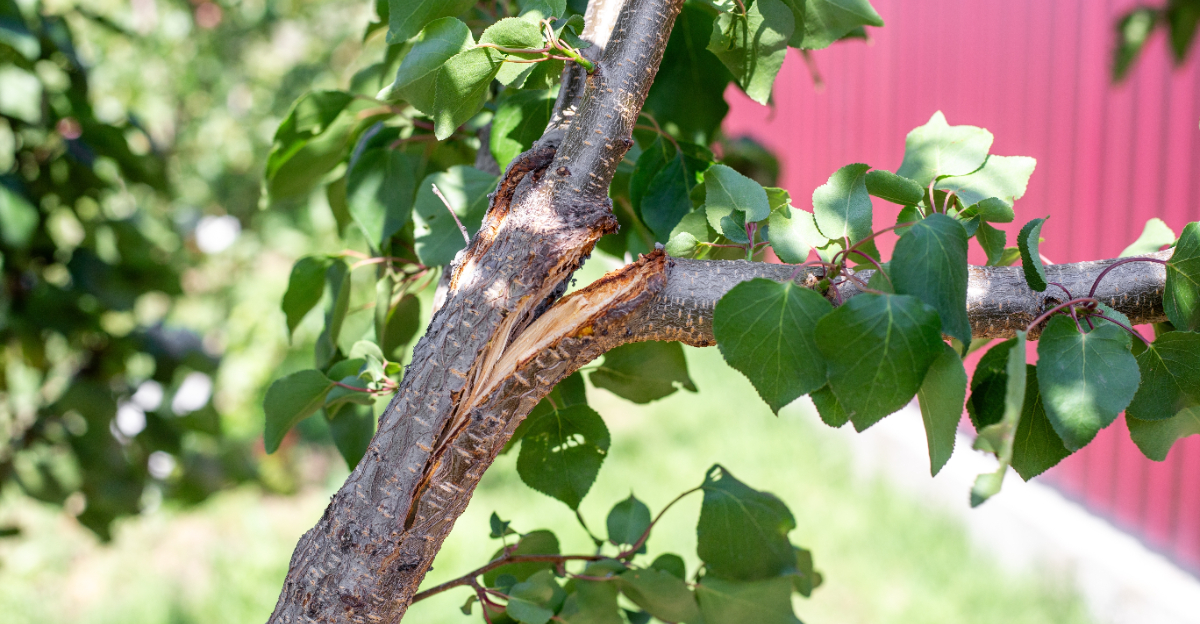
Lightning splits a canopy in seconds, leaving you staring at a mess. Storms across Florida don’t warn homeowners before ripping through decades-old oaks and pines.
Jagged limbs hang overhead like loaded traps, waiting for the next gust to finish what the wind started. Rainwater pools inside torn bark, inviting fungus and rot to move in fast.
Every cut you make now shapes how that tree recovers, or whether it recovers at all. Wrong tools, wrong angles, and bad timing can turn a fixable injury into permanent damage.
Humidity in Florida accelerates decay, so hesitation costs you more here than almost anywhere else. Ladders, chainsaws, and unstable limbs create real danger if you don’t have a plan.
Get this wrong, and you won’t get another chance to save that tree.
1. Wait Until The Storm Fully Passes Before Inspecting
Patience saves lives after a storm. Rushing outside while thunder still rumbles puts you in serious danger from lightning strikes and falling debris.
Even after the rain stops, the risk does not disappear immediately. Saturated soil makes trees unstable, and weakened limbs can drop without any warning at all.
Give it at least 30 minutes after the last lightning flash before stepping outside. Use that waiting time to grab your gloves, boots, and a flashlight if it is getting dark.
Look through your window first and scan for obvious hazards. Power lines tangled in branches are an emergency, and you should call your utility company before touching anything near them.
Storm damage assessment sets the tone for the entire cleanup process that follows. Skipping this wait can turn a tree problem into a personal injury situation fast.
Your safety comes before the tree, in every situation. Once the sky clears and conditions feel stable, then you can walk the yard with fresh eyes and a clear plan.
Downed power lines can stay energized long after a storm ends, even if nothing looks obviously live. Treat every line on the ground as active until your utility company confirms otherwise.
Standing water near the base of a tree can hide sinkholes or exposed roots that weaken your footing. Move carefully and test the ground before committing your full weight.
2. Check For Broken, Hanging, Or Split Limbs First
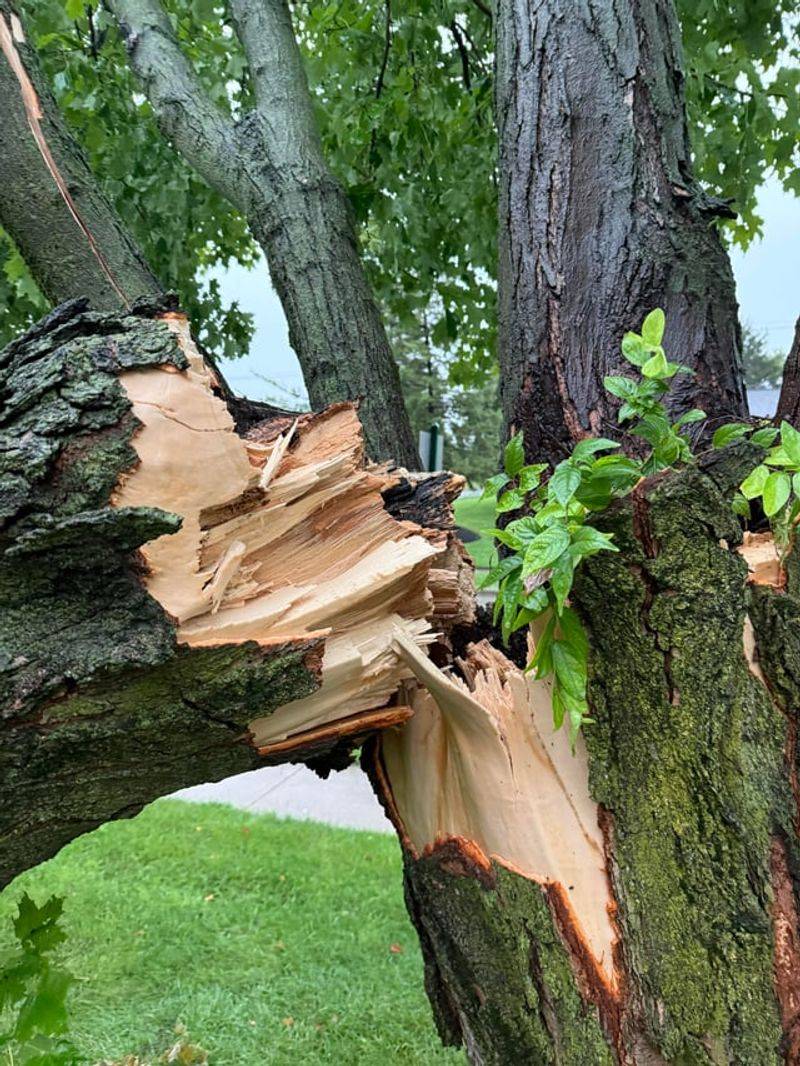
Hanging limbs rank among the most dangerous hazards left behind by a storm. They look stuck, but one gust of wind can send them crashing down without warning.
Walk slowly around each tree and look up at every major branch. Scan for cracks at the base of limbs, bark that has peeled away, or wood that looks freshly split and white.
A broken limb still attached by a strip of bark is one of the most deceptive hazards in storm cleanup. It looks connected, but it has almost no structural strength left holding it in place.
Take photos of everything you find before you touch a single branch. Those images help you track the damage and are useful if you file a homeowner’s insurance claim later.
Your Florida Garden Changes Every Week. Your Plan Should Too.
Gardening in Florida changes quickly throughout the season. Every Friday you’ll receive a simple weekly plan showing exactly what to plant, prune, fertilize, harvest, and protect so you never miss the right timing.
Split limbs near the trunk need special attention because improper cuts there can wound the tree deeply. Knowing where each damaged piece sits will help you plan your pruning cuts with much more accuracy.
Mark problem areas with bright tape or a flag so you do not lose track of them. A thorough inspection now prevents surprises later and keeps your cleanup organized from start to finish.
Binoculars help you spot hairline cracks high in the canopy without walking directly underneath the danger zone. A closer look from a safe distance often reveals damage that’s easy to miss from below.
Neighboring trees can transfer stress through connected root systems, so damage in one yard may signal hidden problems next door. A quick check of nearby trees rounds out your assessment.
3. Disinfect Pruning Tools Before Every Cut
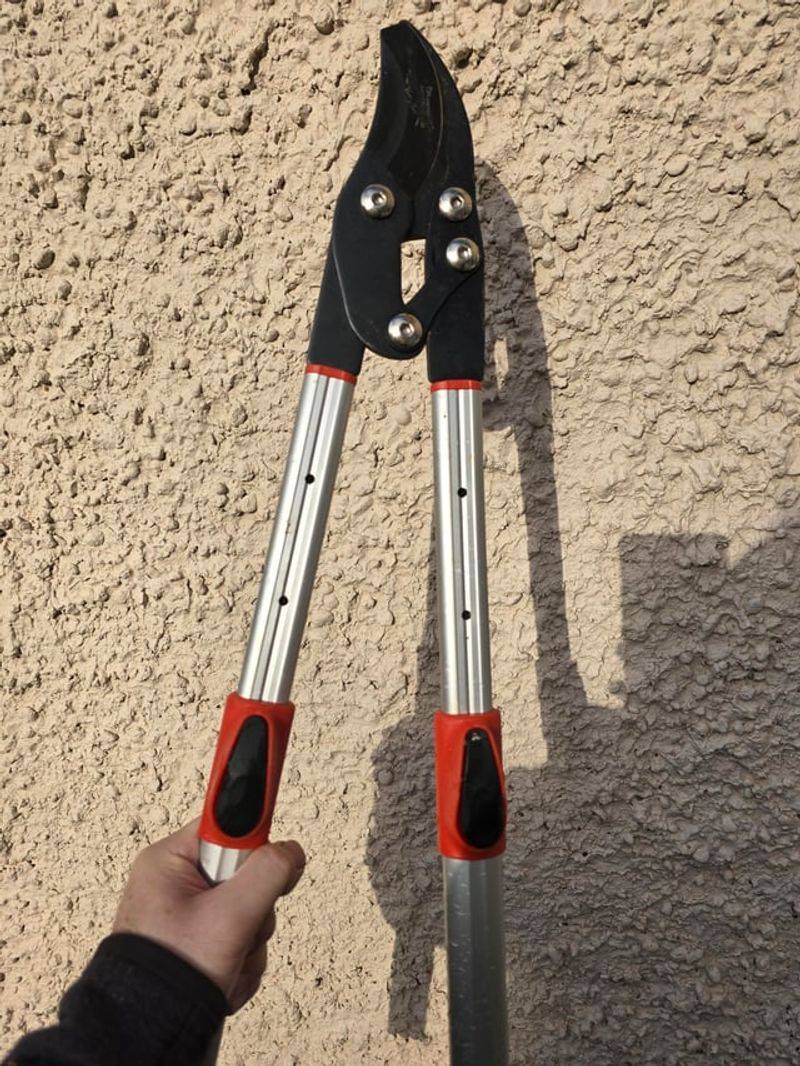
Dirty blades spread disease faster than you might think. One cut with an unclean tool can introduce fungal infections or bacteria directly into an open tree wound.
Mix one part bleach with nine parts water in a small bucket and keep it nearby while you work. Dip your pruning shears, loppers, or saw into the solution between each cut you make.
A 70 percent isopropyl solution works just as well and dries faster than bleach solution. Either option protects the tree from pathogens that love moist, freshly cut wood.
Sharp tools also matter just as much as clean ones. A dull blade crushes wood fibers instead of slicing cleanly, which slows healing and opens the tree to more stress.
Sharpen your blades before the storm season starts, not after you are already standing in a wet yard. A well-maintained pruning kit makes every cut cleaner, faster, and less stressful for the tree.
Wipe the blades dry after each disinfecting dip to prevent rust from forming on the metal. Clean, sharp, and dry tools are your best allies in post-storm tree care done right.
Store your disinfecting solution in a labeled spray bottle so cleaning becomes a quick step between cuts rather than a chore you skip. Consistency matters more than the specific method you choose.
Replace your disinfecting mix every few hours of active use, since both bleach and isopropyl solutions lose potency once exposed to air and sunlight. Fresh solution means real protection for every cut.
4. Cut Just Outside The Branch Collar, Not Flush
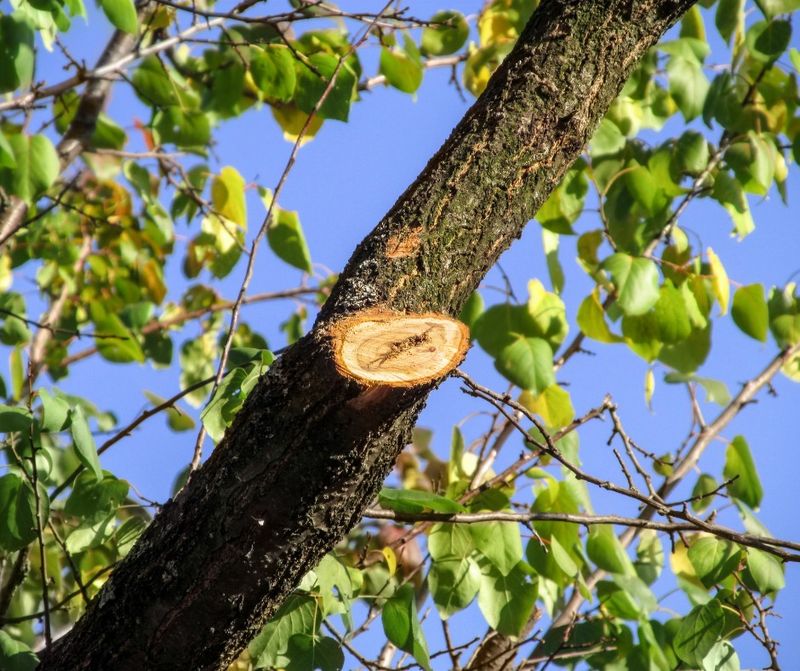
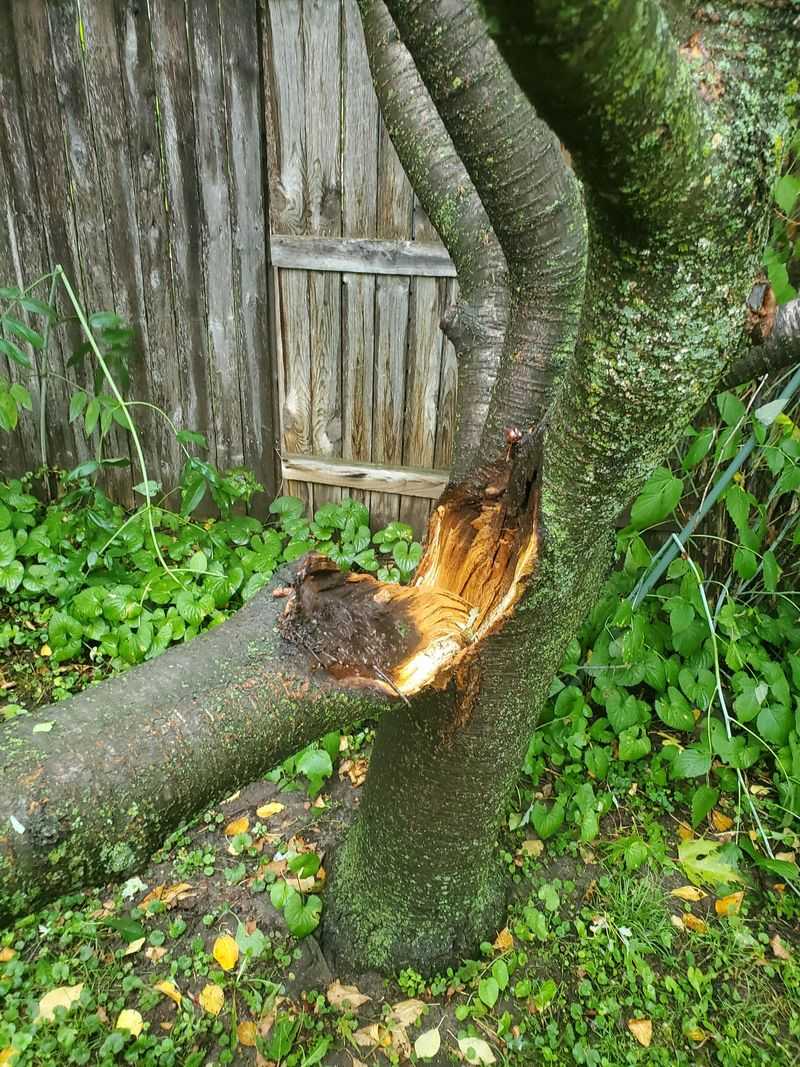
The branch collar is the slightly swollen ring of tissue where a limb meets the trunk. Cutting through it is one of the most common and costly mistakes homeowners make.
That collar contains specialized cells that seal off wounds and protect the tree from rot. Leave it intact and the tree can heal itself naturally over the coming months.
Position your saw blade just beyond the collar, angling slightly away from the trunk. You want the cut surface to be as small as possible while still removing all of the damaged wood.
Flush cuts leave a large, flat wound directly on the trunk with no collar tissue remaining. Those wounds heal slowly, invite decay fungi, and can weaken the entire trunk structure over time.
Stub cuts are the opposite problem and leave too much damaged wood sticking out. Stubs dry out, rot inward, and create a pathway for insects and disease to enter the tree.
Practice finding the collar on a small branch before tackling bigger limbs. Once you can spot it consistently, your cuts will be precise, healing-friendly, and far less stressful for your tree.
Larger limbs need a three-cut method to prevent bark from tearing down the trunk as the branch falls. Start with an undercut, follow with a top cut further out, then finish the final cut at the collar.
A properly placed cut often forms a visible callus ring within a single growing season. That ring is the tree’s own signal that healing is underway.
5. Remove Only Damaged Wood, Not Healthy Growth
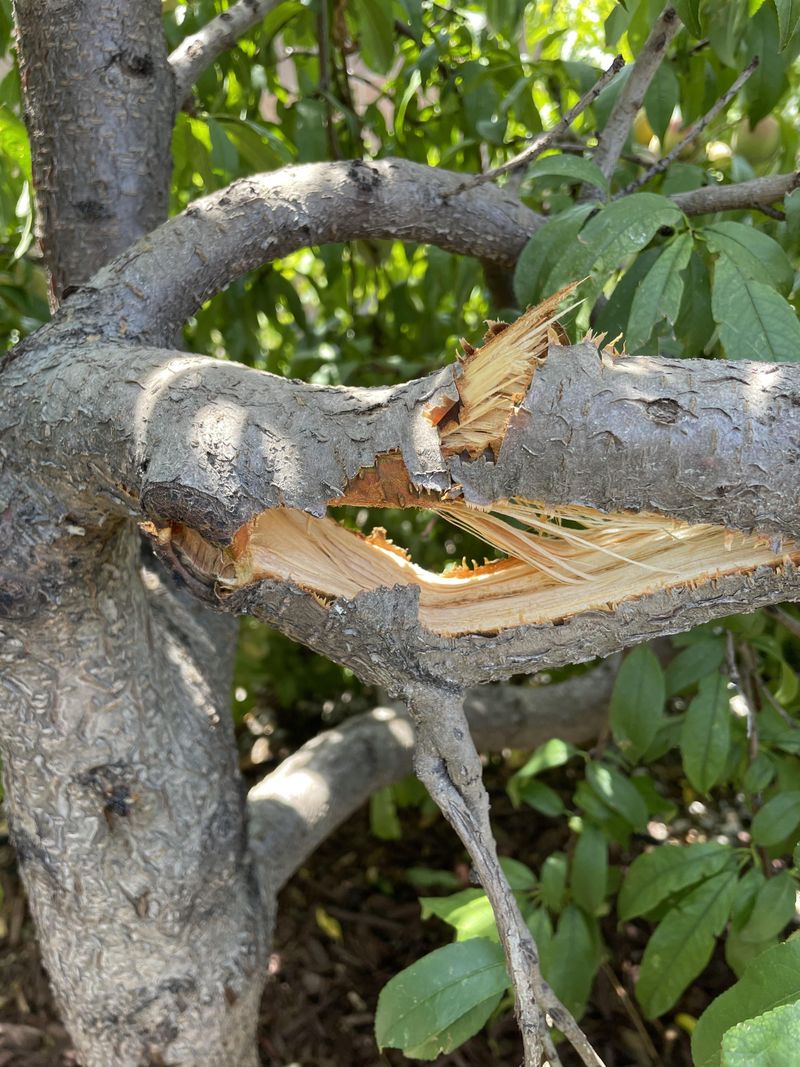
Storm cleanup is not the time to reshape your entire tree. Over-pruning after a stressful event piles stress on top of stress and can set recovery back by months.
Focus only on branches that are cracked, split, hanging loose, or stripped of bark. Healthy green limbs with intact bark should stay exactly where they are right now.
A tree needs its canopy to produce the energy required for healing. Removing too much healthy foliage starves the tree of the sunlight it desperately needs to recover.
Think of the canopy like a solar panel array powering the whole system. The more panels you remove, the less energy the tree has to repair its wounds and grow new tissue.
Aim to remove no more than 25 percent of the total canopy in a single pruning session. Arborists often refer to this as the quarter rule, since it caps removal at about a fourth of the canopy.
If the damage looks extensive and you are unsure what qualifies as healthy, stop and get a professional opinion. Protecting existing growth gives the tree the resources it needs to recover.
Cross-check every limb against its neighbors before cutting, since a branch that looks damaged in isolation might be shading a healthier one nearby. Context matters as much as the individual wound.
Trees under stress sometimes drop unaffected leaves as a survival response, not a sign of new damage. Give the canopy time before assuming every change means more pruning is needed.
6. Skip Pruning Palms Until Fronds Turn Brown
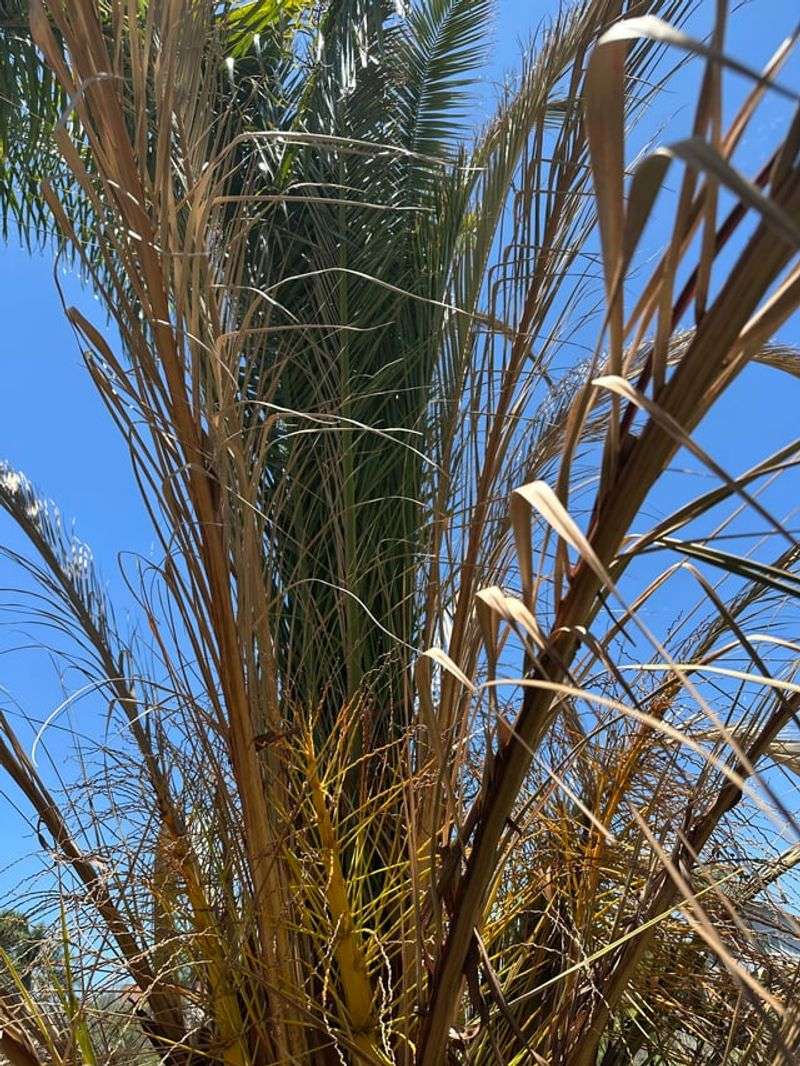
Palm trees play by a different rulebook than oaks or maples. Many homeowners make the mistake of trimming green, storm-bent fronds right away, which actually harms the palm badly.
Green fronds, even drooping or sideways ones, are still feeding the tree with photosynthesis. Removing them too early cuts off nutrients the palm needs to stabilize and push out new growth.
Wait until a frond turns fully brown and dry before cutting it away. At that point the palm has already extracted every bit of nutrition from it and no longer needs it.
After a storm, palms may look rough and scraggly for several weeks. That is normal and does not mean the tree is struggling or needs emergency pruning attention.
Keep every cut below the nine o’clock and three o’clock horizontal line on the crown. Over-trimming the crown, sometimes called hurricane cutting, actually makes palms more vulnerable to future wind damage.
Give your palm time after the storm before making any cuts, waiting until fronds are fully brown rather than working on a set schedule. Patience now protects the long-term health and beauty of one of Florida’s most iconic trees.
Coconut and date palms respond to storm stress differently than sabal palms, so species identification matters before you touch a single frond. When in doubt, photograph the palm and consult a specialist familiar with Florida varieties.
A palm’s central bud, sometimes called the heart, is far more critical to survival than any single frond. Protecting that bud from accidental injury matters more than tidying up the canopy’s appearance.
7. Water And Mulch To Support Root Recovery
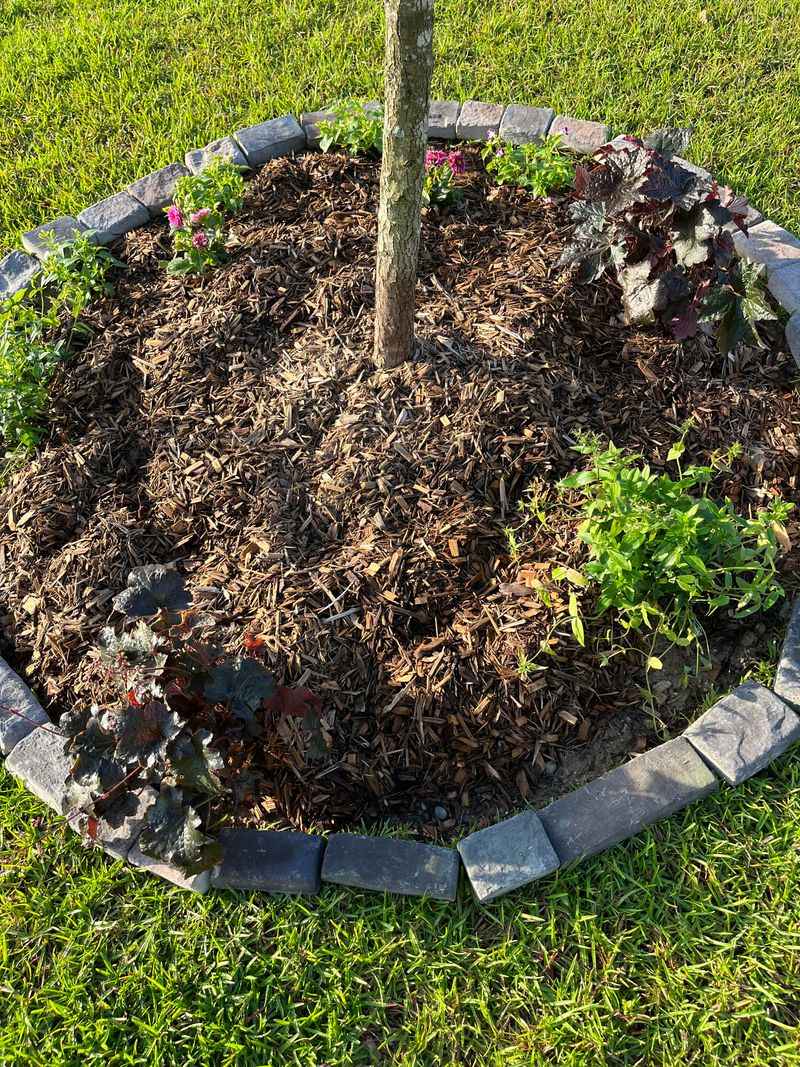
Storm winds put real stress on root systems, not just on branches. The constant swaying during high winds can snap small feeder roots that absorb water and nutrients from the soil.
Deep watering after a storm helps the root zone stabilize and recover from that mechanical stress. Aim for slow, deep watering two to three times per week for the first month after the storm.
Spread a two-to-four inch layer of organic mulch in a wide ring around the tree’s base. Keep the mulch a few inches away from the trunk itself to prevent moisture-related rot at the bark.
Mulch holds soil moisture, regulates temperature, and slowly feeds the roots as it breaks down. Those three benefits together create a supportive environment for a recovering root system.
Avoid fertilizing a stressed tree immediately after a storm. Fertilizer pushes rapid new growth, which demands energy the tree needs to spend on healing wounds and rebuilding root connections first.
Think of mulching and watering as building a recovery room for your tree. The right environment after storm stress speeds healing and gives your tree a strong shot at a full comeback.
A soil moisture meter takes the guesswork out of deciding when to water a recovering tree. Overwatering compacted, storm-soaked soil can suffocate roots just as easily as drought stresses them.
Compost worked lightly into the mulch layer adds slow-release nutrients without the growth spike that fertilizer triggers. This gentler approach supports recovery on the tree’s own timeline.
8. Call A Certified Arborist For Large Or High Limbs
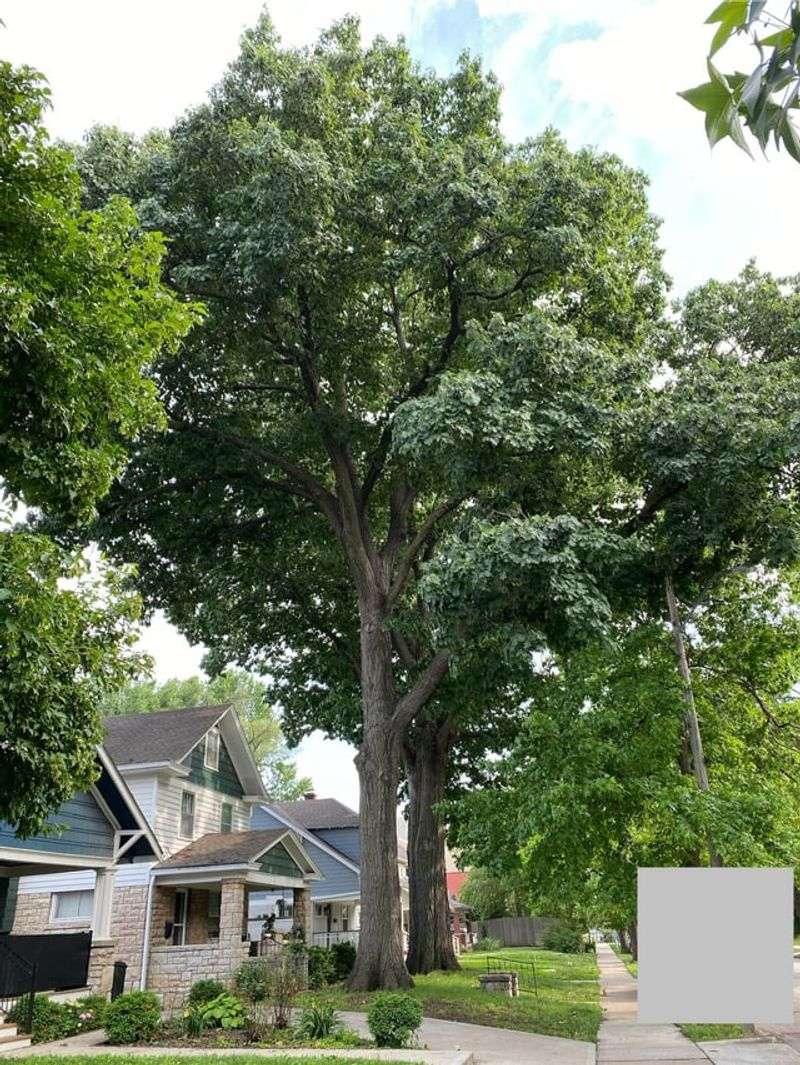
Some jobs simply exceed what a homeowner should attempt alone. Large limbs overhead, branches tangled in power lines, and split trunks are situations that require trained professional hands.
A certified arborist carries the right insurance, equipment, and expertise to handle dangerous storm damage safely. One wrong move with a chainsaw near a power line can cause serious, lasting damage in ways that no online tutorial prepares you for.
The International Society of Arboriculture certifies professionals who pass rigorous exams in tree biology and safe work practices. Look for the ISA credential when hiring anyone to work on your trees after a major storm.
Get at least two written estimates before agreeing to any large-scale tree work. Legitimate arborists will assess the tree in person and explain their approach before asking for payment upfront.
Be cautious of door-to-door crews appearing right after a storm offering quick, cheap removal. Storm chasers often do substandard work, lack insurance, and disappear before you discover the problems they left behind.
Knowing when to call for help protects the tree, your property, and you, all at once. The right professional protects your trees, your property, and your peace of mind.
Ask any arborist for proof of liability insurance and workers’ compensation coverage before work begins. Legitimate companies provide this documentation without hesitation.
Local extension offices often maintain referral lists of vetted, ISA-certified professionals in your area. That resource can save you from vetting unfamiliar companies entirely on your own.