Why Ants Take Over Delaware Gardens Late Summer, And How To Fix What Most People Miss
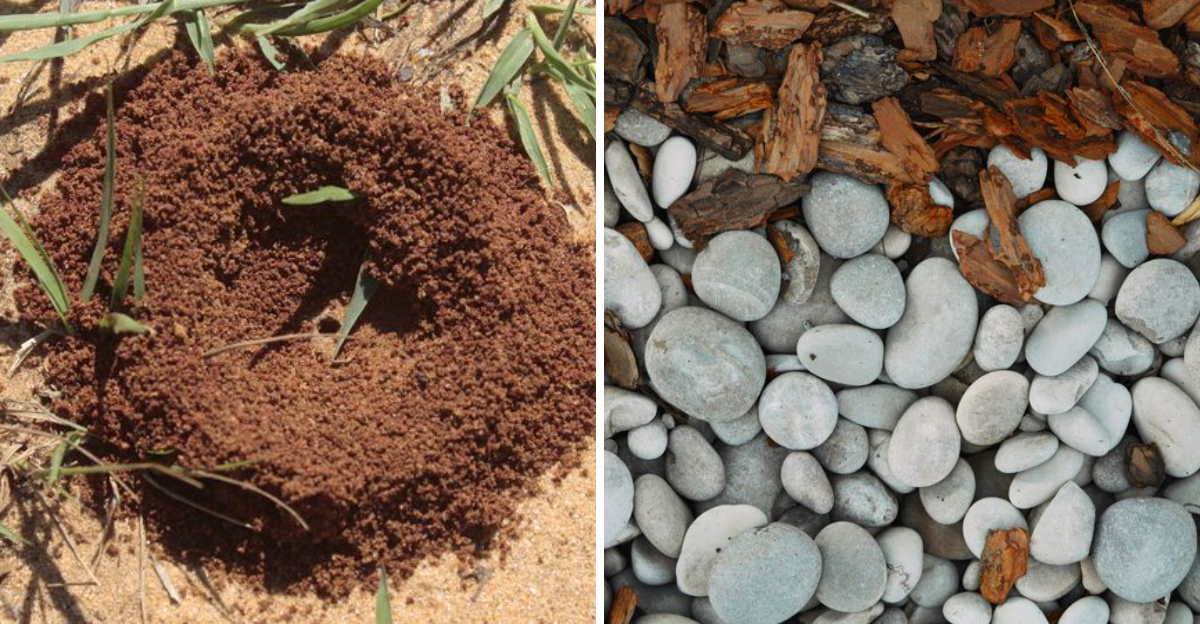
Ants don’t invade your garden randomly; they follow signals you can’t see. Delaware summers trigger a behavioral shift most gardeners never notice. Colonies sense shrinking food sources and adjust their strategy overnight.
Workers suddenly flood mulch beds, seeking sugars, proteins, anything sustaining. Heat stress dries soil, pushing nests toward moisture near your plants.
Rain patterns across Delaware disrupt underground tunnels, forcing ants upward fast. Queens need resources before cooler months arrive, sharpening worker focus.
Spraying trails offers relief, never addressing why colonies chose your beds. Understanding their timing reveals patterns hiding beneath ordinary garden activity.
Nutrient competition among insects peaks precisely when your harvest ripens fastest. Weather shifts, soil chemistry, and human habits create ideal ant conditions.
Your raised beds become unintentional shelters during this seasonal transition. Every trail tells a story most people overlook completely.
What happens next determines whether your garden thrives through this shift or falls behind.
Warm Weather Boosts Ant Colony Activity
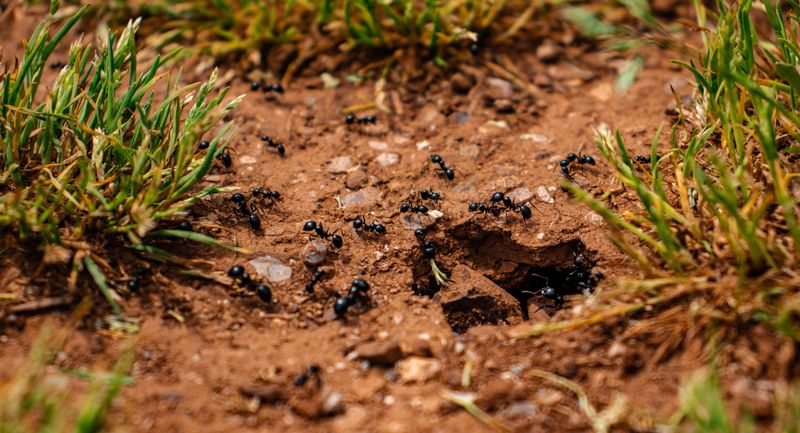
Summer heat significantly increases ant colony activity. Warm temperatures speed up ant metabolism, which means workers move faster, eat more, and expand their territory quickly.
By late July and August, a single colony can grow to tens of thousands of workers, with some invasive species reaching far higher numbers. That massive population needs more food, more space, and more trails connecting it all.
Garden beds become an attractive location during this surge. Soft soil, nearby food sources, and shelter from the sun make your vegetable patch a favorable habitat for ants.
Ant queens also ramp up egg production when temperatures stay consistently warm. More eggs mean more workers, and more workers mean you start noticing trails where you never saw them before.
Delaware’s warm, humid summers tend to support higher ant activity than drier climates. The humid mid-Atlantic climate keeps soil workable and food sources plentiful through early September.
Knowing this cycle helps you stop being surprised. When late summer arrives, expect ants to be at their peak numbers and plan your garden management around that reality.
The good news is that ant activity slows naturally as fall approaches. Cooler nights signal the colony to conserve energy, but by then, damage to your garden may already be done.
Staying one step ahead of this warm-weather surge is the key. Monitoring your garden weekly in July and August gives you time to respond before trails become larger infestations.
Aphids Attract Ants With Sugary Honeydew
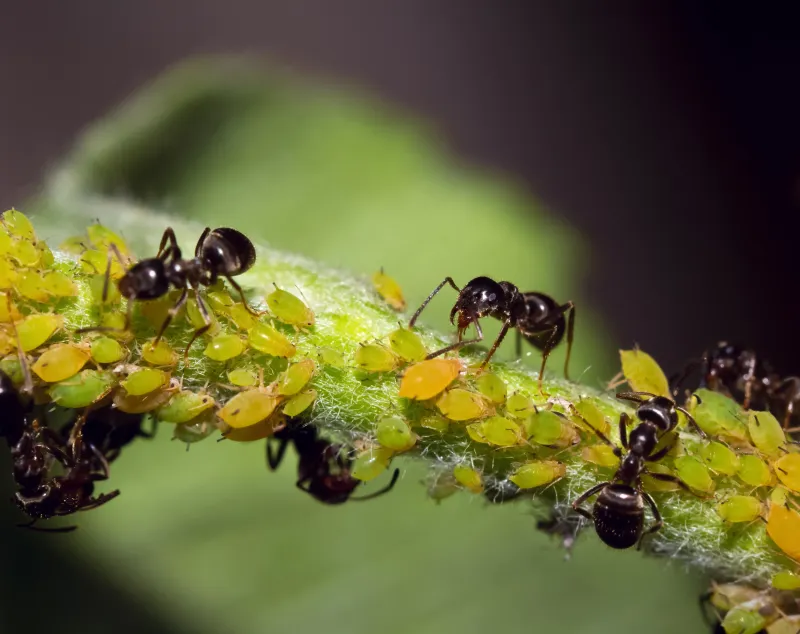
Here is a garden secret that changes everything: ants are not just wandering through your plants by accident. Many species actually farm aphids, protecting them from predators so they can harvest a sweet liquid called honeydew.
Aphids are small, soft-bodied insects that feed on plant sap. As they feed, they excrete honeydew, a sticky, sugary substance that ants find irresistible.
Ants will guard aphid colonies aggressively. They chase off ladybugs, lacewings, and other beneficial insects that would normally keep aphid numbers in check.
This relationship creates a frustrating cycle in summer gardens. More aphids mean more honeydew, which attracts more ants, which protect more aphids. Your plants end up under strain while two pest species help each other thrive.
Your Delaware Garden Changes Every Week. Your Plan Should Too.
Gardening in Delaware changes quickly throughout the season. Every Friday you’ll receive a simple weekly plan showing exactly what to plant, prune, fertilize, harvest, and protect so you never miss the right timing.
Tomatoes, peppers, beans, and flowering plants are all common targets for aphid colonies in Delaware gardens. Check the undersides of leaves if you suspect an infestation.
The connection between ants and aphids is why treating ants alone rarely solves the problem. If you do not address the aphid population, ants will simply return to protect their food supply.
Spraying plants with a strong stream of water knocks aphids off stems and breaks the cycle temporarily. Repeating this every few days prevents re-establishment before natural predators can catch up.
Once you see ants climbing your plant stems, check immediately for aphids. That trail is almost always a clue that something is already feeding up there.
Dry Soil Pushes Ants Toward Moist Garden Beds
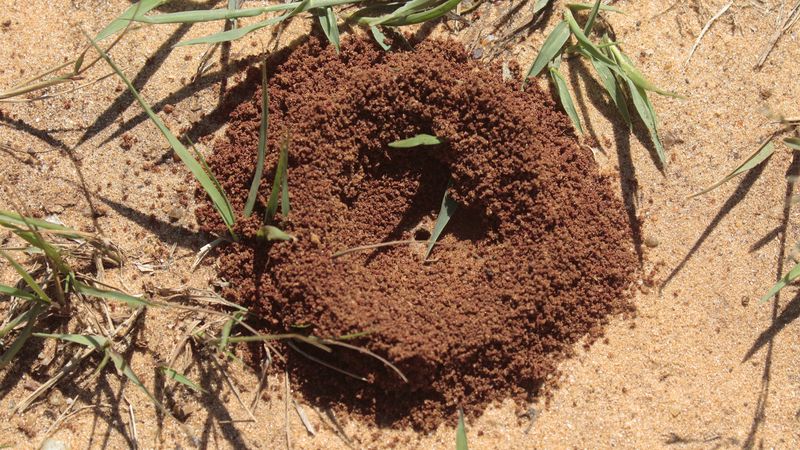
Ants depend on moisture, and a dry summer sends them searching fast. When the surrounding lawn and open ground bake out in August heat, your irrigated garden beds become a highly appealing water source.
Think of it from the ant’s perspective. The colony needs water to care for larvae, maintain tunnels, and regulate temperature underground. A consistently watered garden offers all of that in one tidy location.
This is one of the most overlooked reasons ants take over Delaware gardens in late summer. Homeowners focus on food sources but forget that water is equally attractive to a thirsty colony.
Sandy soils, which are common in many parts of Delaware, drain quickly and dry out faster than clay-heavy ground. That makes the contrast between your watered beds and the surrounding soil even more dramatic.
Ant trails often follow the path of least resistance toward moisture. If you trace a trail backward, it frequently leads from dry turf directly into your mulched or watered garden areas.
Recognizing this behavior helps you think strategically. Instead of just treating where you see ants, you can address the dry zones around your garden that are pushing them inward.
Spreading moisture more evenly across your yard reduces the dramatic contrast ants are drawn to. A drip irrigation system or soaker hose can help balance soil conditions without overwatering specific spots.
Ants are just following their instincts, but you can redirect those instincts with smarter watering habits.
Loose Mulch Offers Easy Nesting Spots
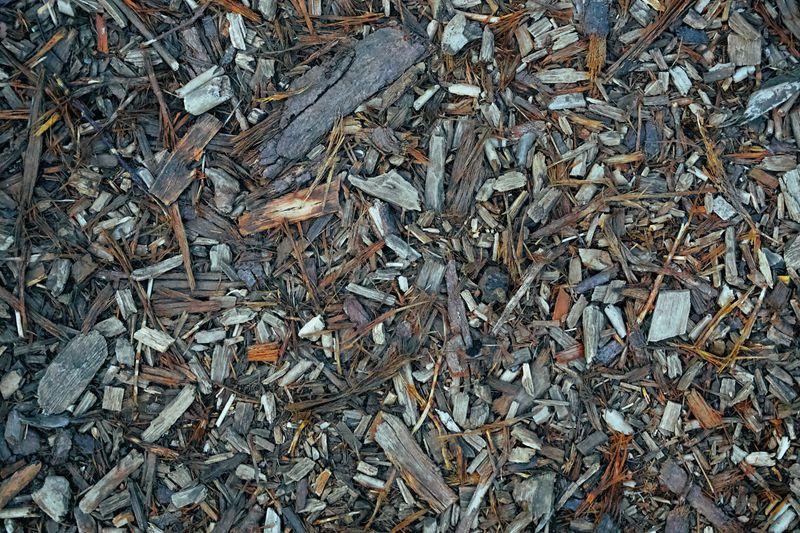
Pull back a layer of loose mulch in August and you might find an entire city underneath. Ants love mulch because it holds heat, retains some moisture, and is easy to tunnel through without much effort.
Wood chip mulch that has started to break down is especially attractive. Partially decomposed organic material creates soft, crumbly layers that ant colonies can excavate quickly and efficiently.
Many Delaware gardeners apply thick layers of mulch in spring and then leave it undisturbed. By late summer, that settled mulch has become a well-insulated habitat.
Straw mulch presents a similar problem. Its loose, airy structure creates natural cavities that ants move into without doing much digging at all.
The warmth trapped beneath dark mulch also accelerates egg development. Ant larvae develop faster in warm environments, which means colonies nesting in mulch can expand more rapidly than those in open soil.
Turning your mulch regularly disrupts nesting activity. Ants prefer undisturbed areas, so even a shallow rake-through every week or two can discourage colony establishment.
Keeping mulch layers no deeper than two to three inches also helps. Thick layers create more insulation and more nesting opportunity, while thinner applications still suppress weeds without rolling out the welcome mat.
Your mulch is doing a great job for your plants, but a little maintenance keeps it from doing an equally great job for ants.
Sprinkle Diatomaceous Earth Around Affected Areas
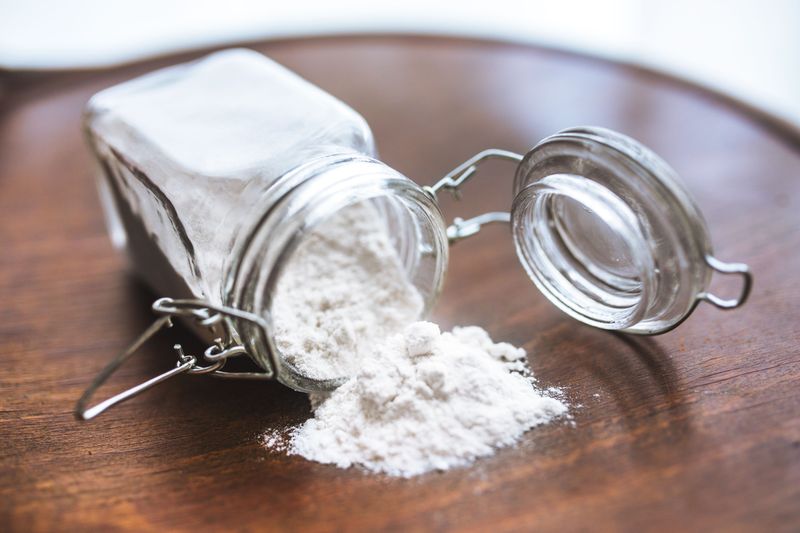
Diatomaceous earth sounds like a science experiment, but it is actually one of the most practical tools in a home gardener’s toolkit. Made from fossilized algae, this fine white powder works by damaging the outer coating of insects that walk through it.
Ants that crawl across diatomaceous earth lose moisture rapidly and cannot survive long. It is a mechanical process, not a chemical one, which makes it safe around edible plants and pets.
Apply it in a thin, even band around the perimeter of your garden bed. Focus on areas where you have spotted active ant trails, especially near mulch edges and plant bases.
One important tip: reapply after rain or heavy watering. Diatomaceous earth loses effectiveness when wet, so timing your application matters, especially during Delaware’s unpredictable late-summer storms.
Food-grade diatomaceous earth is the version to look for at garden centers. It performs the same as pest-control grades but carries fewer risks if accidentally inhaled or contacted by curious hands.
Wear a dust mask when applying it, since the fine particles can irritate your lungs even though the product itself is non-toxic. A simple squeeze bottle or shaker makes spreading it precise and easy.
Diatomaceous earth works best as part of a broader strategy, not as a solo fix. Pair it with the other steps in this article for results that actually last through the season.
Consistency is what separates gardeners who solve this problem from those who stay frustrated all summer long.
Control Aphid Populations To Cut Food Source
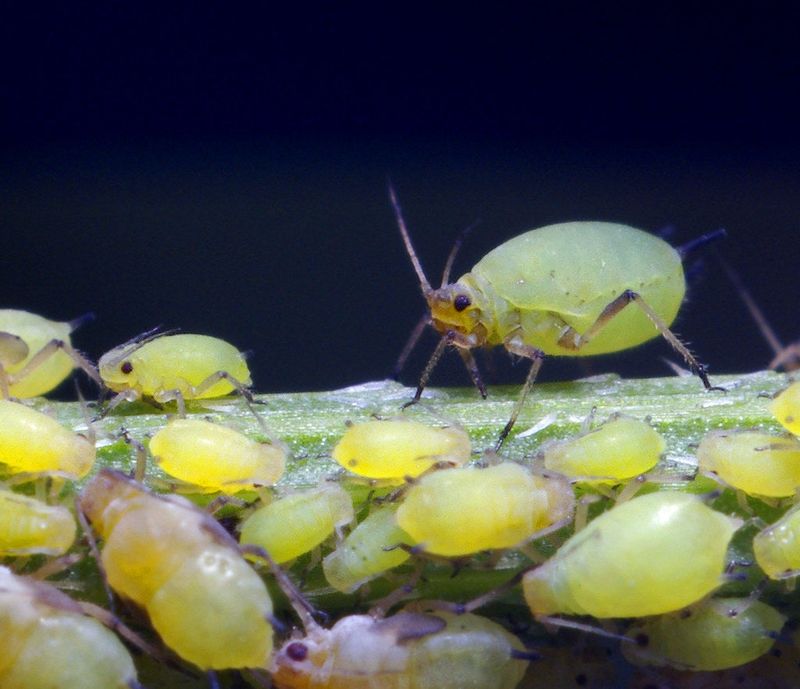
Cutting off the food supply is often smarter than chasing the consumer. When you reduce aphid populations in your garden, ants lose one of their primary reasons for being there in the first place.
Insecticidal soap spray is one of the gentlest and most effective tools for aphid control. Mix a few drops of pure castile soap with water and spray directly on aphid clusters, especially on leaf undersides.
Neem oil is another solid option that disrupts aphid reproduction over time. Apply it in the early morning or evening to avoid harming beneficial insects that are active during the day.
Encouraging natural predators is a longer-term strategy that pays off beautifully. Planting flowers like dill, fennel, and marigolds near your vegetables attracts ladybugs and parasitic wasps that feed on aphids naturally.
Ladybugs can consume dozens of aphids in a single day. A healthy ladybug population can do more for your garden than almost any product you could buy.
Inspect your plants every few days during peak season. Catching a small aphid cluster early is dramatically easier than managing a full-blown infestation three weeks later.
Ants will sometimes move aphids to new plants to start fresh colonies. If you notice ants carrying tiny insects up a stem, that is exactly what is happening, and it needs immediate attention.
Break the ant-aphid partnership, and you remove the invisible engine driving your late-summer ant problem in Delaware gardens.
Water Consistently To Reduce Soil Dryness
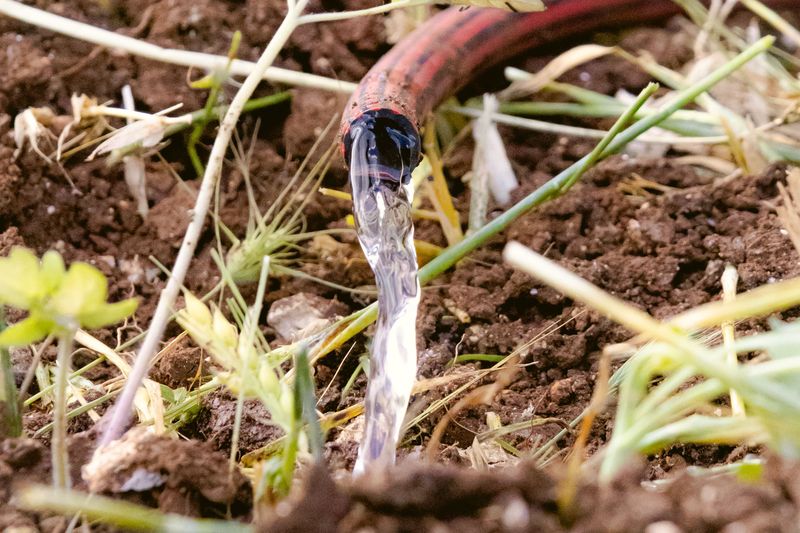
Consistent watering is one of the simplest fixes that most gardeners overlook entirely. When soil moisture stays balanced across your yard, there is less contrast between dry zones and your garden beds, giving ants less reason to migrate toward your plants.
Irregular watering creates dramatic wet-dry cycles that actually make the problem worse. Ants rush toward moisture during dry spells, establish nests, and then stay put even after you water again.
A drip irrigation system delivers water slowly and directly to plant roots. This keeps the surrounding soil from becoming bone dry while also reducing the surface moisture that can attract pests near the top.
Soaker hoses are a budget-friendly alternative that works just as well for most garden layouts. Run them along your rows and connect them to a simple timer for hands-off consistency.
Watering in the early morning is ideal for two reasons. Plants absorb moisture before heat peaks, and the soil surface dries out by afternoon, making it less hospitable for ant movement and nesting.
Avoid evening watering if possible, since wet soil overnight creates the perfect cool, moist environment that ants and other pests gravitate toward after dark.
Check soil moisture by pressing a finger two inches into the ground near your plants. If it feels dry at that depth, it is time to water, regardless of what the calendar says.
Steady soil moisture is quiet, unglamorous garden management, but it tackles one of the root causes of late-summer ant invasions in Delaware gardens.
Replace Loose Mulch With Denser Ground Cover
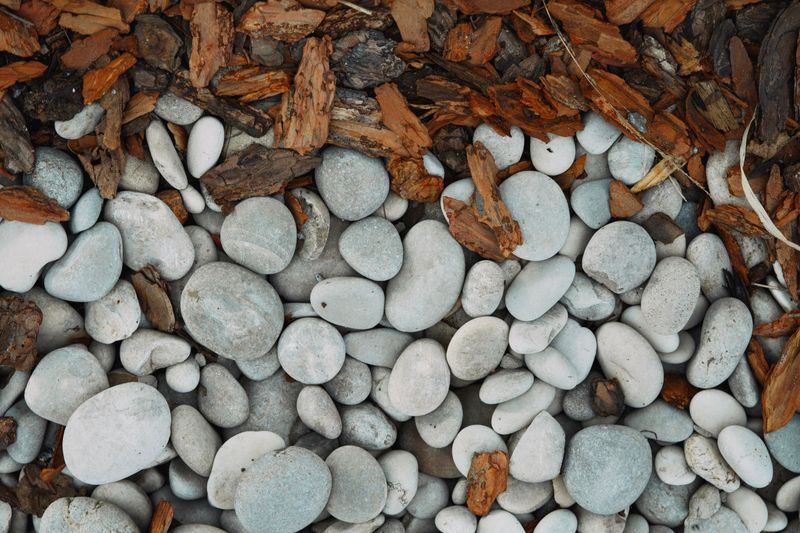
Sometimes the best fix is swapping one material for another. Loose, fluffy mulch might look great in spring, but by late summer it becomes an ideal nesting environment for ant colonies looking to nest in your Delaware garden.
Denser ground covers like shredded rubber mulch, river rock, or tightly packed gravel are far less hospitable to nesting ants. These materials do not break down into soft layers that colonies can tunnel through easily.
Living ground covers are an even better long-term solution. Low-growing plants like creeping thyme, clover, or ajuga fill in soil gaps, suppress weeds, and create a root network that makes underground nesting difficult.
Creeping thyme is believed by many gardeners to release a scent that ants find unappealing, though the effect is not strongly documented. Plant it along garden borders for a natural deterrent that also looks attractive from late spring through fall.
When transitioning from loose mulch, remove the old material completely before replacing it. Leaving decomposed mulch underneath a new layer just buries existing nests rather than removing them.
Cedar mulch is a better organic option if you prefer the look of wood chips. Cedar contains natural oils that repel some insects, though its effect on ants specifically is less established.
Pair any ground cover change with the other strategies covered here for a comprehensive approach.
No single fix works perfectly on its own, but together they create conditions that ants find genuinely unwelcoming. Fix what most people miss, and your Delaware garden stays yours all season long.