Compost Versus Bagged Garden Soil For Faster Results In North Carolina Clay
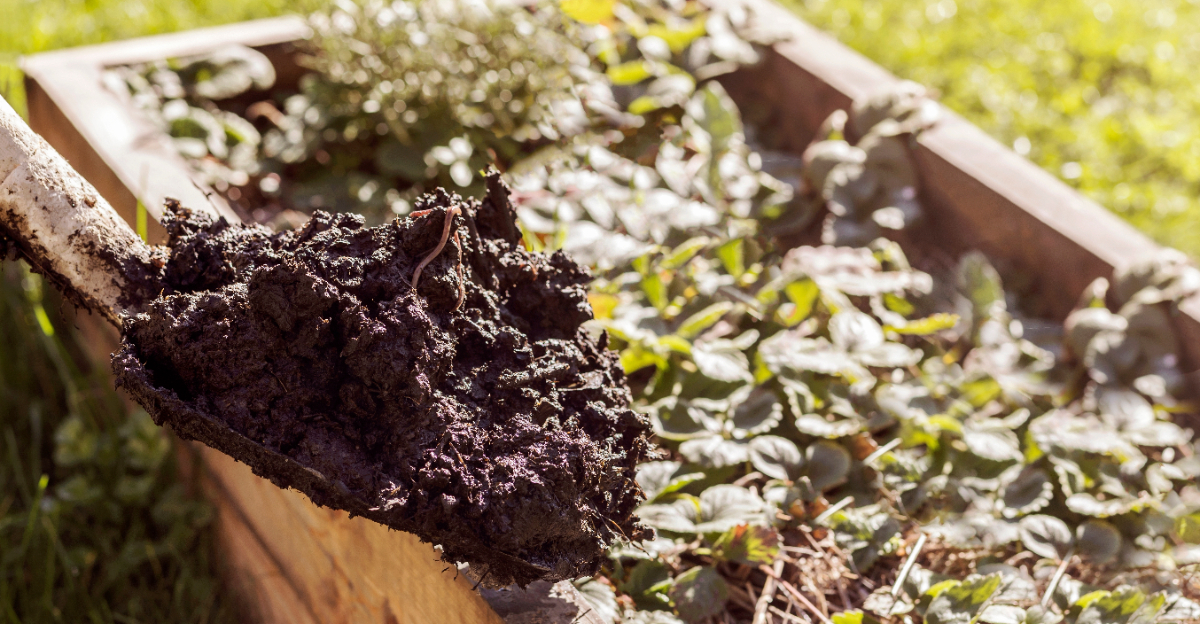
Compost and bagged garden soil both promise relief, yet they work at very different speeds. That gap alone can decide how fast your tomatoes or peppers actually take root.
North Carolina growers like you often watch an entire season slip away chasing drainage problems that never had to happen. Raleigh beds and Asheville plots share this same stubborn struggle.
Texture matters more than fertility when your roots are fighting through clay this heavy. Speed matters too, especially with a planting window that closes faster than expected.
Your next move decides whether this season ends in thriving beds or another frustrating rebuild.
Compost Breaks Down Clay Structure Over Time
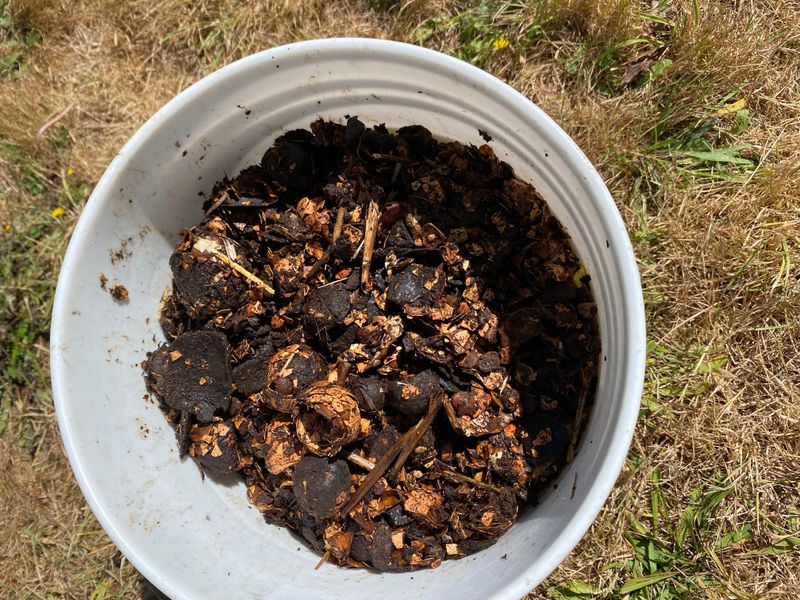
Clay soil is stubborn, and compost is its patient rival. When you work compost into North Carolina clay, a real transformation starts happening beneath the surface.
Compost introduces billions of microorganisms into the soil. Those tiny creatures break apart clay particles and create air pockets that roots desperately need.
Over one to two seasons, compost changes the physical structure of clay in a lasting way. Gardeners who commit to annual compost applications often notice visibly looser soil by year three.
The organic matter in compost also acts like a sponge. It holds moisture during dry spells while still allowing excess water to drain during heavy rain.
This dual ability is rare in any single amendment, making compost a standout choice for clay-heavy yards. Many extension agents across the state recommend at least three inches of compost tilled eight inches deep.
Finished compost from a local facility or your own bin works equally well. Homemade versions are often richer in beneficial bacteria and fungi than store-bought options.
One thing to keep in mind is that compost alone will not fix clay overnight. Patience is part of the process, but the long-term payoff is a garden bed that practically works itself.
Compost pays off slowly, but it never stops paying. The results build year after year, turning even the toughest clay into workable ground.
Bagged Soil Offers An Instant Texture Fix
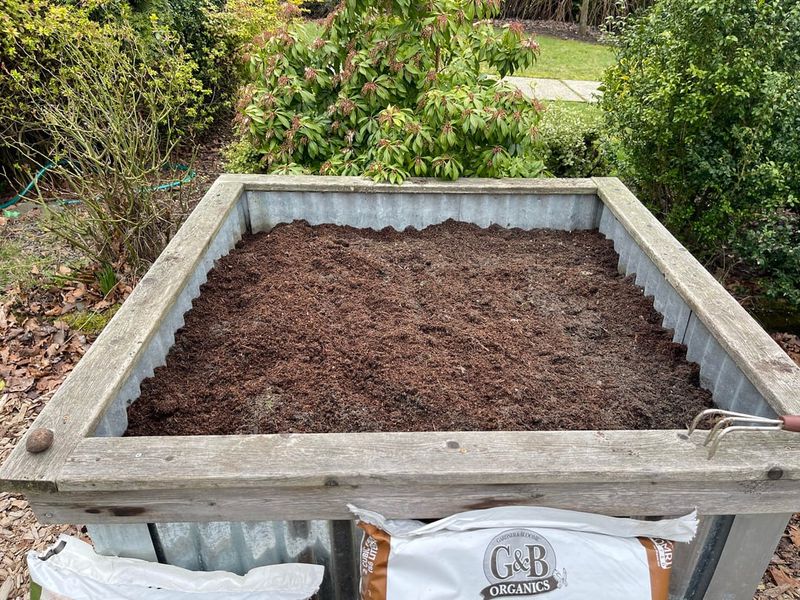
Sometimes you need results before the weekend is over. Bagged garden soil gives you that immediate gratification that compost simply cannot match on day one.
When you pour a quality bagged mix into a planting hole or raised bed, the texture changes instantly. Roots can spread freely from the very first watering.
Most bagged garden soils are blended with peat moss, perlite, or aged bark. These ingredients create a loose, workable texture that clay soil lacks on its own.
For transplants and seedlings, that soft landing matters enormously. A young tomato plant dropped into fluffy bagged soil will take off faster than one struggling through dense clay.
Bagged soil is also a lifesaver when time is short. Planting season does not wait, and sometimes you need your beds ready within days, not months.
The downside is that bagged soil sits on top of or within clay rather than changing it. Over time, clay can creep back in and compact the amended zone again.
Your North Carolina Garden Changes Every Week. Your Plan Should Too.
Gardening in North Carolina changes quickly throughout the season. Every Friday you’ll receive a simple weekly plan showing exactly what to plant, prune, fertilize, harvest, and protect so you never miss the right timing.
Mixing bagged soil with your existing clay is one smart workaround. A fifty-fifty blend helps the new material bond with the native ground instead of sitting in a separate layer.
Bagged soil shines brightest in container gardens and raised beds where clay is not a direct factor. For in-ground planting on clay, treat it as a quick fix while you build a longer plan.
Drainage Improvement Compared Side By Side
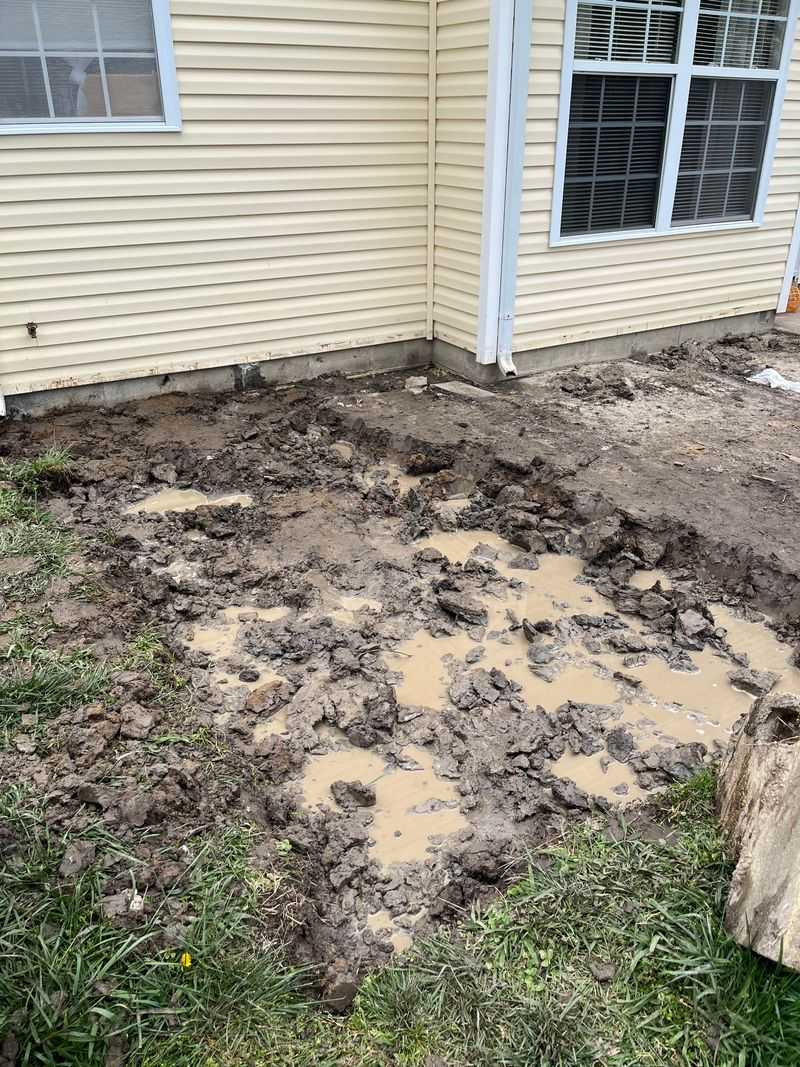
Standing water works directly against healthy roots. Poor drainage in clay soil is one of the most common complaints from gardeners across North Carolina.
Compost improves drainage by feeding the microbes that loosen clay over time. As those organisms work, they create channels that let water move down through the soil profile.
Bagged soil, on the other hand, creates a drainage improvement that is immediate but sometimes short-lived. Water drains through the loose mix quickly, but clay beneath can form a barrier called a perched water table.
That barrier traps water right at the border between the two materials. Roots sitting in that zone can lose oxygen faster than they would in untouched clay.
Compost avoids this problem because it blends gradually with the clay rather than sitting on top. The transition between amended and native soil becomes smoother over each season.
For beds that flood regularly, mixing coarse compost with grit or coarse sand can speed up the drainage fix. Avoid fine sand alone, as it can actually make clay more cement-like.
A simple test helps you check your progress. Dig a hole twelve inches deep, fill it with water, and time how long it takes to drain.
Healthy soil drains about one inch per hour. Compost pulls ahead in long-term drainage performance.
Bagged soil earns points for speed, but without follow-up amendments, drainage gains can fade within a season or two.
Nutrient Value Differences Between The Two
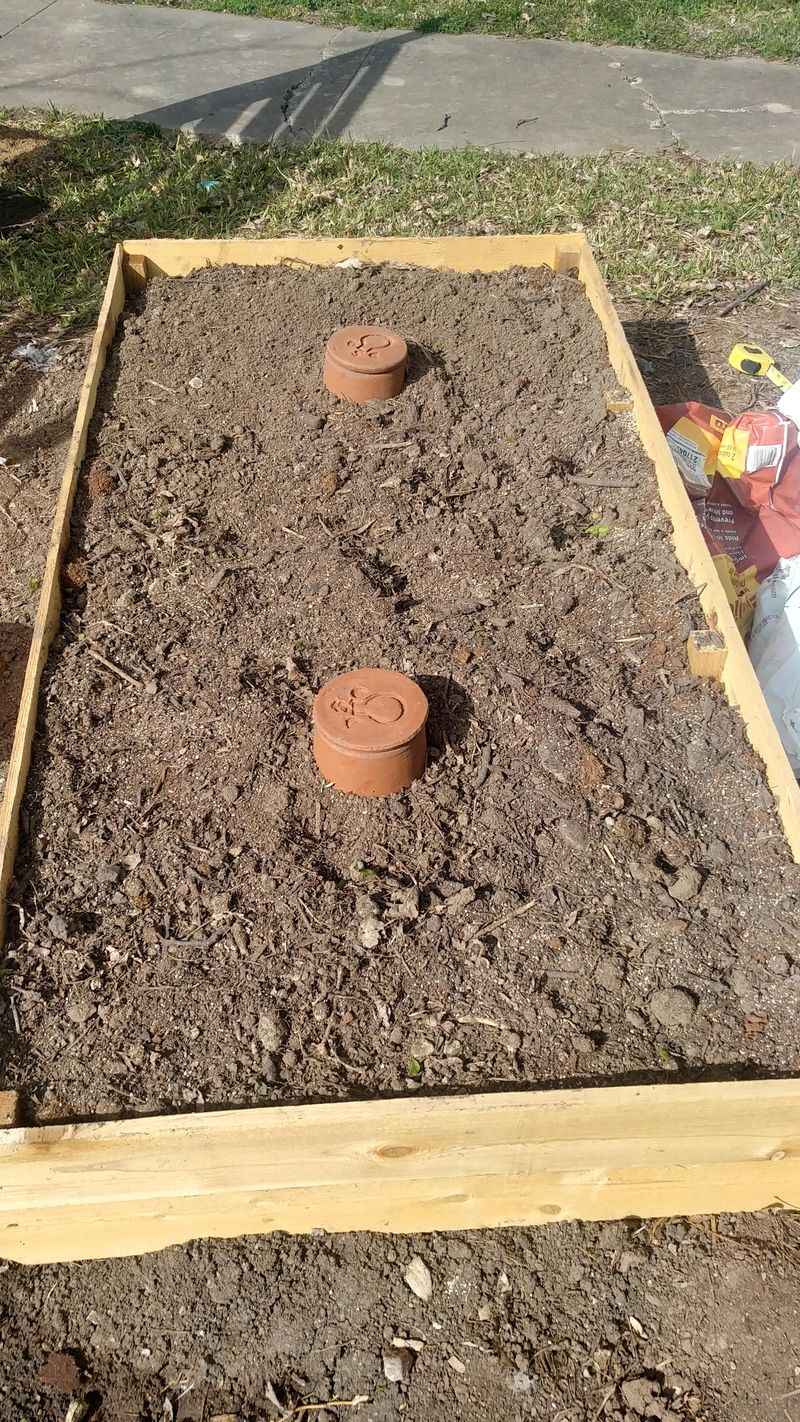
Feeding your plants starts with feeding your soil. The nutrient profiles of compost and bagged garden soil are surprisingly different, and that gap affects how fast your garden grows.
Compost is loaded with slow-release nutrients that become available as microbes break down organic matter. Nitrogen, phosphorus, and potassium are all present in natural, plant-friendly forms.
Bagged garden soil often contains added fertilizers to boost early plant performance. Those synthetic nutrients are fast-acting but can wash away after a few heavy rains.
Clay soil naturally holds nutrients well due to its charged particles. When you add compost to clay, the two work together: clay holds the nutrients and compost keeps delivering new ones.
Bagged soil mixed into clay does not always bond that same way. Nutrients in the bagged mix can leach out before plant roots reach them, especially during wet springs.
Trace minerals are another area where compost pulls ahead. Good compost contains calcium, magnesium, iron, and dozens of other micronutrients that pre-packaged soils often skip entirely.
Worm castings found in aged compost are especially rich in plant-available nutrients. A handful of castings around a seedling can rival a scoop of synthetic fertilizer in nutrient value.
If fast nutrition is the goal, bagged soil with added fertilizer wins short-term. For sustained, season-long feeding without constant reapplication, compost delivers more value per cubic yard in clay conditions.
Cost And Availability Across North Carolina
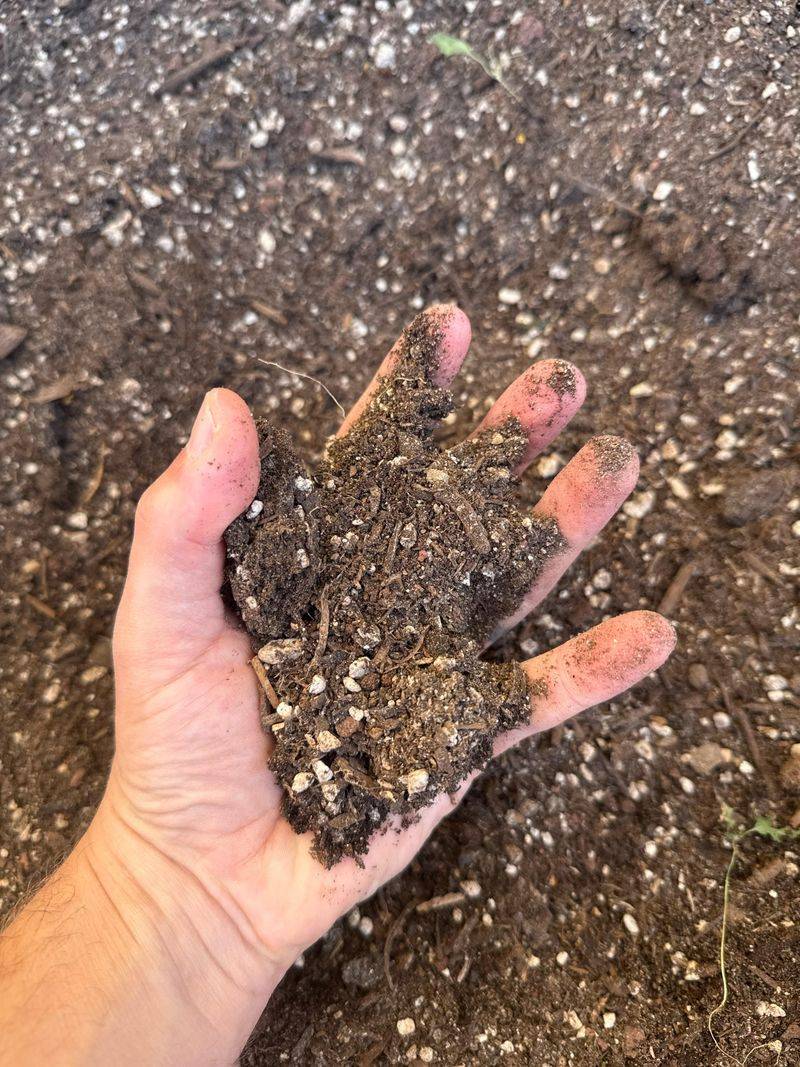
Your wallet matters as much as your North Carolina garden goals. Cost and availability can make the decision between compost and bagged soil for many home gardeners in the state.
Bagged garden soil is easy to find at every hardware store, nursery, and big-box retailer from Murphy to the Outer Banks. A forty-quart bag typically runs between six and twelve dollars depending on brand and blend.
Bulk compost is where the real savings live. Many municipalities across the state, including Charlotte and Durham, offer free or low-cost compost made from collected yard waste.
Mecklenburg County, for example, sells finished compost by the cubic yard through its Queen City Compost program, at rates far below what bagged products cost per equivalent volume. A single cubic yard covers roughly one hundred square feet spread three inches deep.
Homemade compost costs almost nothing once your bin is set up. Kitchen scraps and yard clippings become a free soil amendment with just a little time and turning effort.
Bagged soil costs add up fast when you are amending large areas. A typical in-ground garden bed requires far more bags than most first-time buyers expect at the checkout line.
Delivery of bulk compost is available through many local landscape suppliers for a flat fee. Splitting a delivery with a neighbor cuts the cost even further and makes the whole project more manageable.
For budget-conscious gardeners amending clay in compost versus bagged garden soil decisions, bulk compost almost always wins. The savings scale dramatically with garden size, making it the smarter long-term investment.
The Smartest Choice For Long-Term Beds
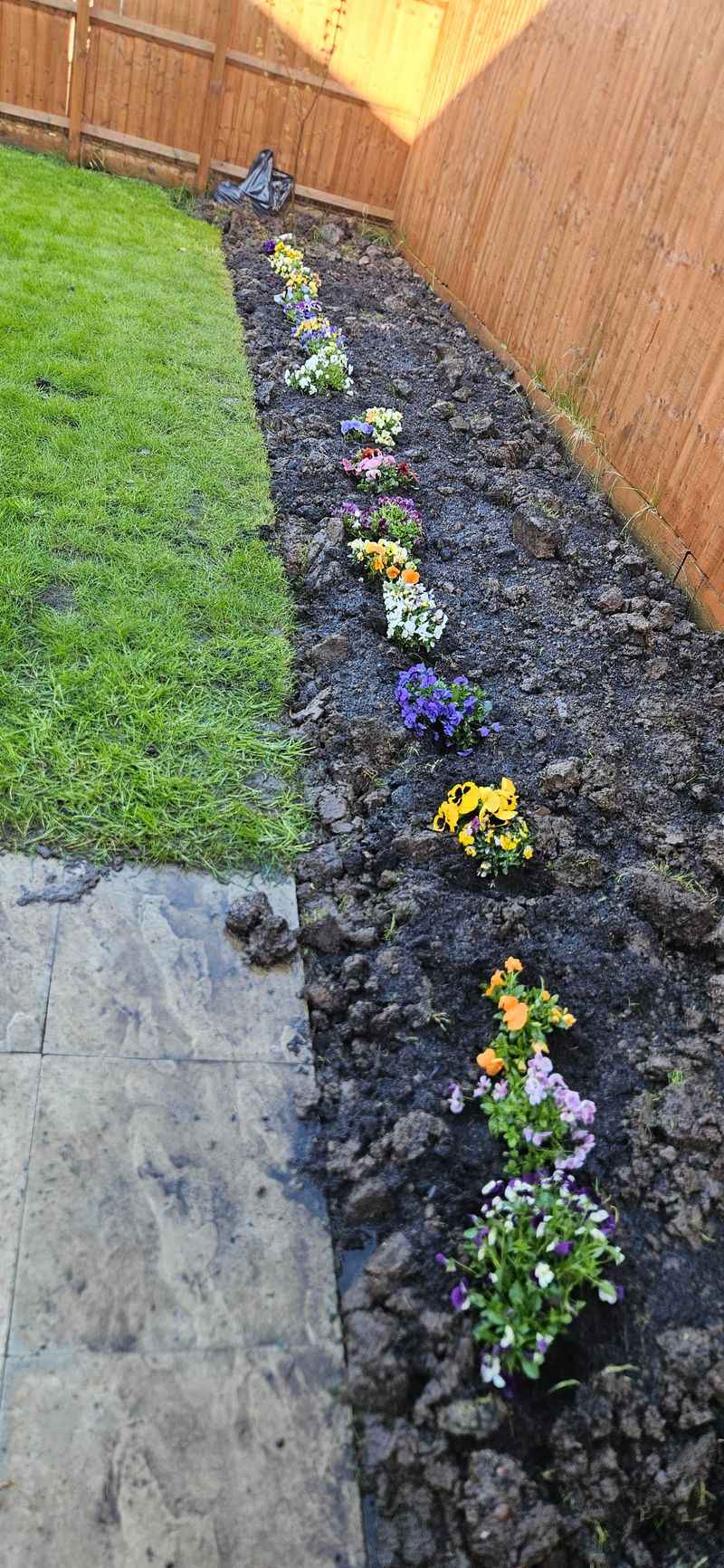
Long-term beds deserve long-term thinking. When you plan a garden that will grow in the same spot for years, your amendment choice shapes every season that follows.
Compost is the clear winner for permanent in-ground beds built on clay. Annual topdressing keeps improving the soil structure without any digging required after the first season.
Bagged soil works beautifully in raised beds where clay is physically separated from the root zone. A quality raised bed mix with compost blended in gives plants an ideal growing environment from day one.
Combining both products is actually the strategy many experienced gardeners swear by. Start with bagged soil for the quick win, then layer compost on top each spring to keep the biology active.
By year two or three, the compost versus bagged garden soil debate becomes less relevant. Your bed will have developed its own living ecosystem that supports plant health naturally.
Cover crops like crimson clover or winter rye also boost long-term bed health. Tilling them in during spring adds organic matter similar to compost without any cost at all.
Mulching over your beds with wood chips or straw slows moisture loss and feeds worms. Those worms do more for clay structure than most products you can buy at a store.
For lasting results in clay-heavy yards, the smartest answer is to start fast with bagged soil and stay consistent with compost. Your future self will thank you every single planting season ahead.