The Texas Native Sunflower That Blooms In September When Every Other Sunflower Has Already Finished
Most sunflowers in Texas have had their moment by the time September arrives. The big summer bloomers that carried the garden through June and July have set seed and wound down, the pollinators that depended on them have moved on to whatever is still flowering, and the sunflower season feels essentially finished.
For a lot of Texas gardeners, that’s where the story ends. But one native Texas sunflower was just getting started.
This species blooms in September with a timing that seems almost deliberate, arriving right when every other sunflower has finished and filling a visual and ecological gap that the garden desperately needs.
It produces flowers with the same bold, warm color that makes sunflowers such a satisfying presence, and it delivers them to bees, butterflies, and birds at a point in the season when reliable late blooming plants are scarce and their value is highest.
It’s native to Texas, which means it handles September conditions without any special care or intervention. It just blooms, right on schedule, right when it’s needed most.
Maximilian Sunflower Peaks In Early Fall
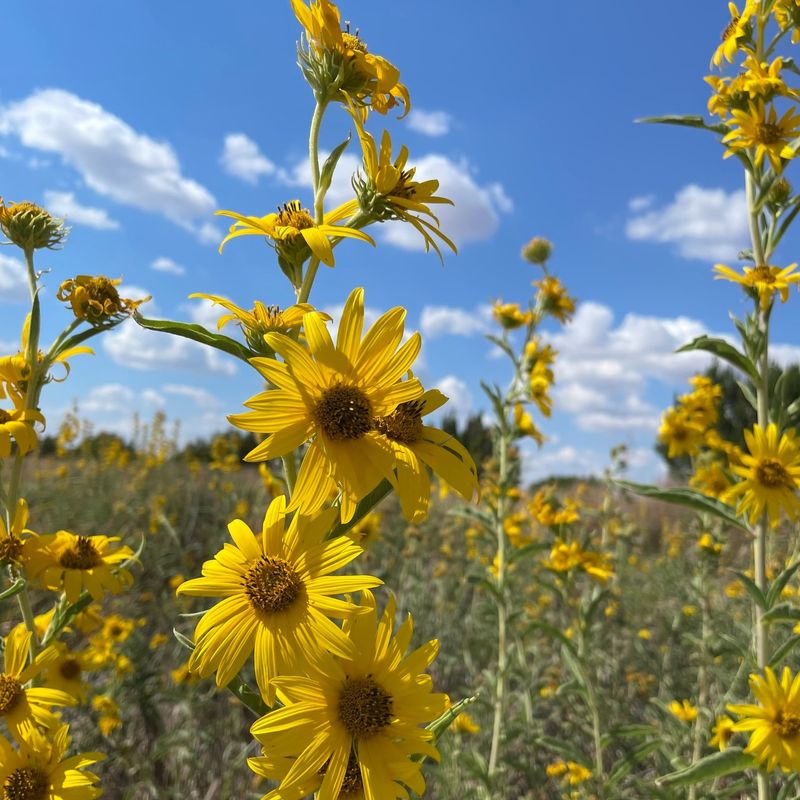
While most sunflowers are winding down by August, Maximilian sunflower is just getting warmed up. Helianthus maximiliani is a native Texas perennial that saves its best performance for late summer and early fall.
September is often the peak of its blooming season, which means your garden gets a burst of golden color right when you need it most.
Named after Prince Maximilian of Wied-Neuwied, a German naturalist who explored North America in the 1830s, this sunflower has a history as rich as its color. He documented the plant during his travels across the Great Plains and Texas, and botanists later honored his work by naming the species after him.
That connection to frontier-era exploration gives this plant a quiet sense of adventure.
In Texas, Maximilian sunflower thrives in prairies, roadsides, and open fields. It starts pushing out flower buds in late August and keeps blooming well into October in many areas.
That extended bloom window is rare among sunflowers, making it a standout choice for anyone wanting late-season color. Unlike annual sunflowers that bloom once and finish, this perennial comes back every year, growing stronger and fuller with each passing season.
You plant it once, and it rewards you for years without much fuss. Gardeners who want reliable fall color without replanting every spring will find this sunflower to be a surprisingly low-maintenance solution that delivers big visual results.
It Brings Height And Bright Color
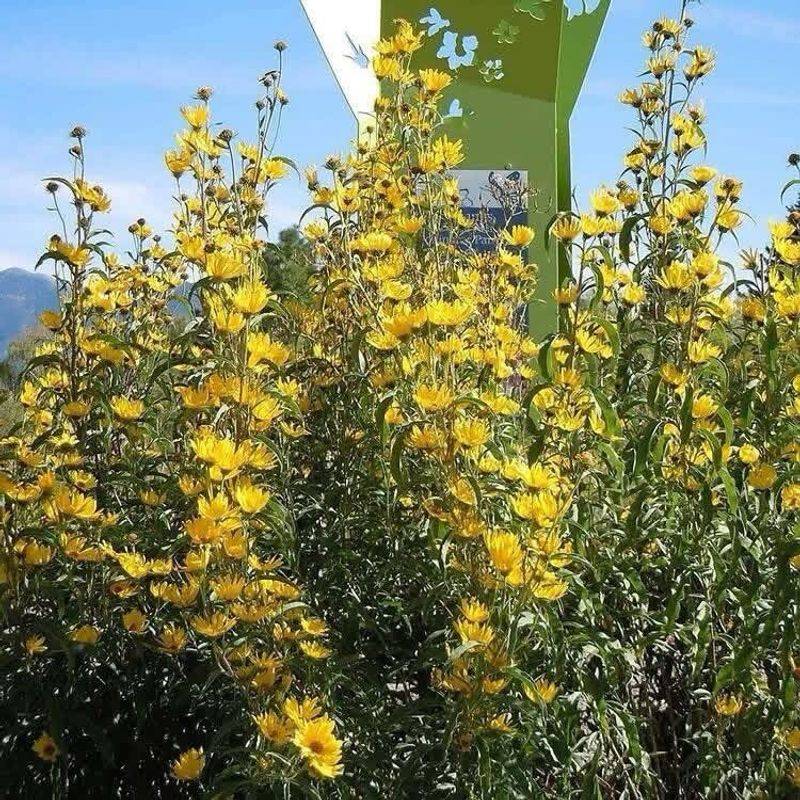
Few plants can match the visual drama of a mature Maximilian sunflower in full bloom. These plants grow anywhere from five to ten feet tall, and sometimes even taller in rich soil with plenty of water.
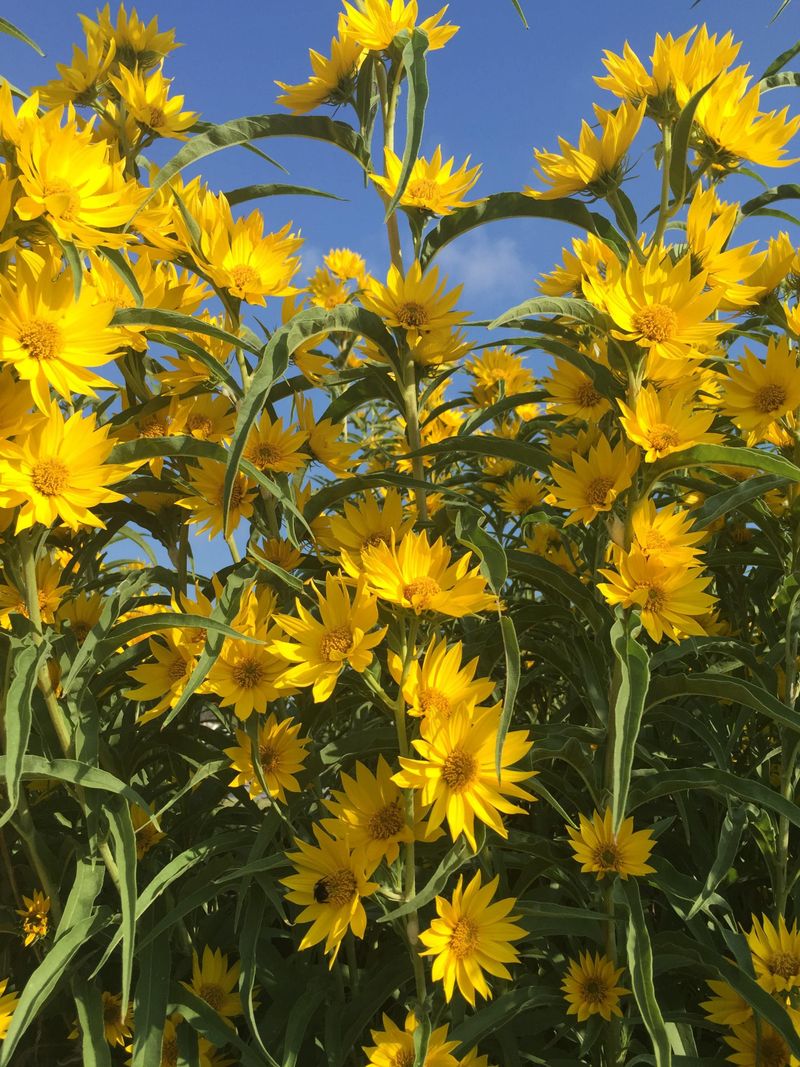
Each long stem is lined with dozens of small, cheerful yellow flowers, creating a layered effect that looks almost like a floral chandelier stretching toward the sky.
Unlike the classic single-headed garden sunflower, Maximilian sunflower carries multiple blooms along each stem. That branching, multi-flower structure means you get far more color per plant.
Your Texas Garden Changes Every Week. Your Plan Should Too.
Gardening in Texas changes quickly throughout the season. Every Friday you’ll receive a simple weekly plan showing exactly what to plant, prune, fertilize, harvest, and protect so you never miss the right timing.
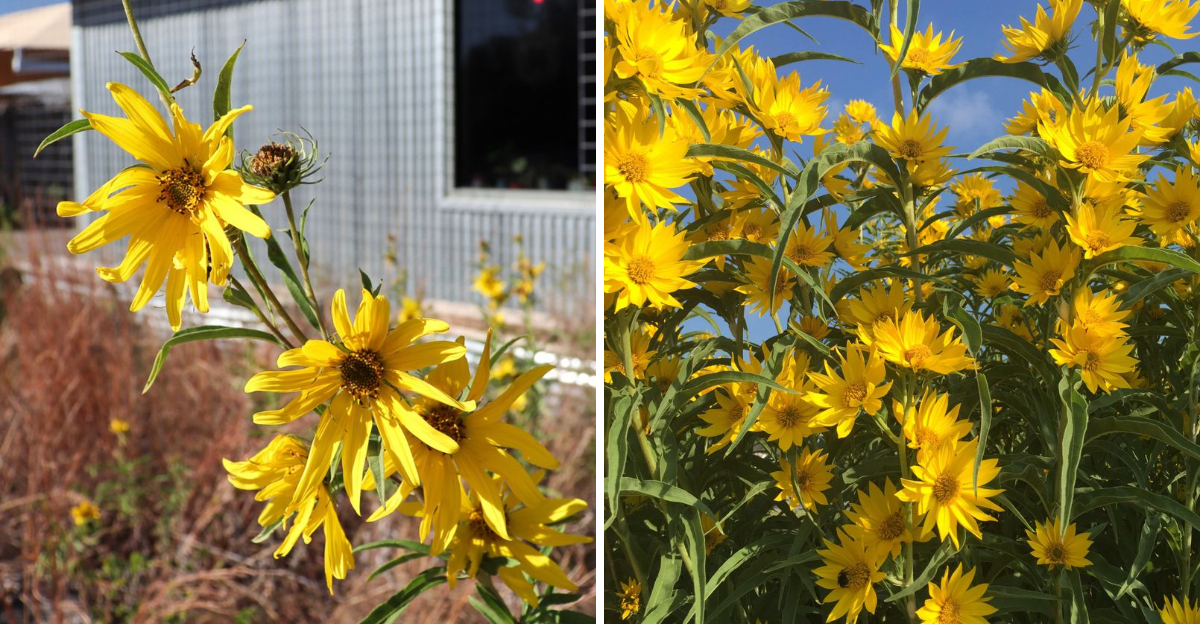
One established clump can put on a display that rivals an entire row of traditional sunflowers. The petals are a warm, bright yellow with a golden-brown center that gives each flower a bold, eye-catching look.
Placed along a fence line, at the back of a border, or in front of a wall or structure, these plants create a striking natural backdrop. They work especially well in native plant gardens and meadow-style landscapes where height and movement are part of the design.
When a breeze moves through a stand of Maximilian sunflowers, the whole group sways gently, adding a sense of life and energy to the space.
For homeowners who want a big, bold seasonal statement without spending hours on upkeep, this plant delivers impressive results.
Pair it with shorter native grasses or wildflowers in front of it to create a layered planting that looks intentional and full from early summer through late fall. The color payoff in September alone makes it worth every square foot of garden space.
Pollinators Still Find Food On The Blooms
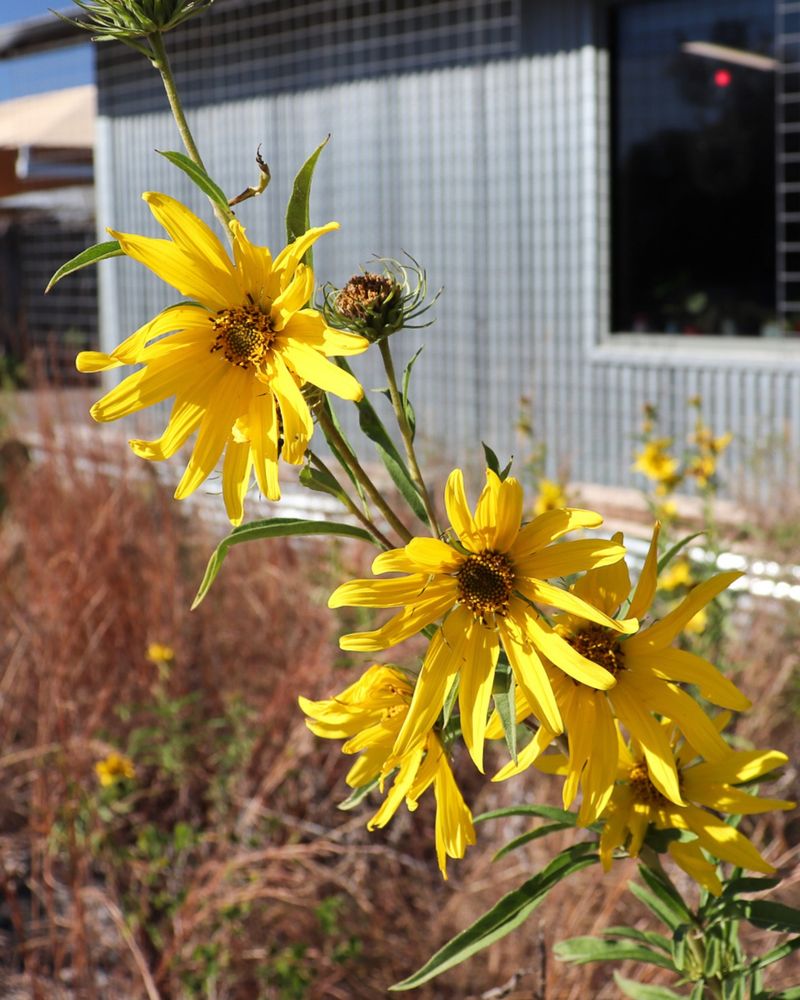
By September, a lot of the summer flowers have already finished, and pollinators are scrambling to find food before temperatures drop. Maximilian sunflower steps in at exactly the right moment.
Its blooms arrive like a late-season feast for bees, butterflies, and other beneficial insects that depend on nectar and pollen to fuel their fall activities.
Monarch butterflies, which migrate through Texas in large numbers each fall, are especially drawn to these flowers.
Watching a cluster of monarchs drift across a stand of Maximilian sunflowers is one of those genuinely magical moments that makes gardening feel completely worthwhile.
Native bees, including bumblebees and sweat bees, also work these flowers heavily, collecting pollen and helping keep local ecosystems functioning.
Honeybees love the blooms too. Beekeepers in Texas have long recognized Maximilian sunflower as a valuable late-season forage plant that helps hives build up food stores before winter.
From a pollinator conservation standpoint, planting this sunflower is one of the most impactful things a Texas gardener can do. It fills a critical gap in the food calendar when other sources are running low.
You do not need a large property to make a difference. Even a small patch of Maximilian sunflowers in a suburban backyard or community garden can support dozens of pollinator species throughout September and October.
If you care about helping bees and butterflies, and you want a plant that does real ecological work without requiring constant attention, this native sunflower belongs in your yard without question.
It Handles Texas Sun And Dry Conditions
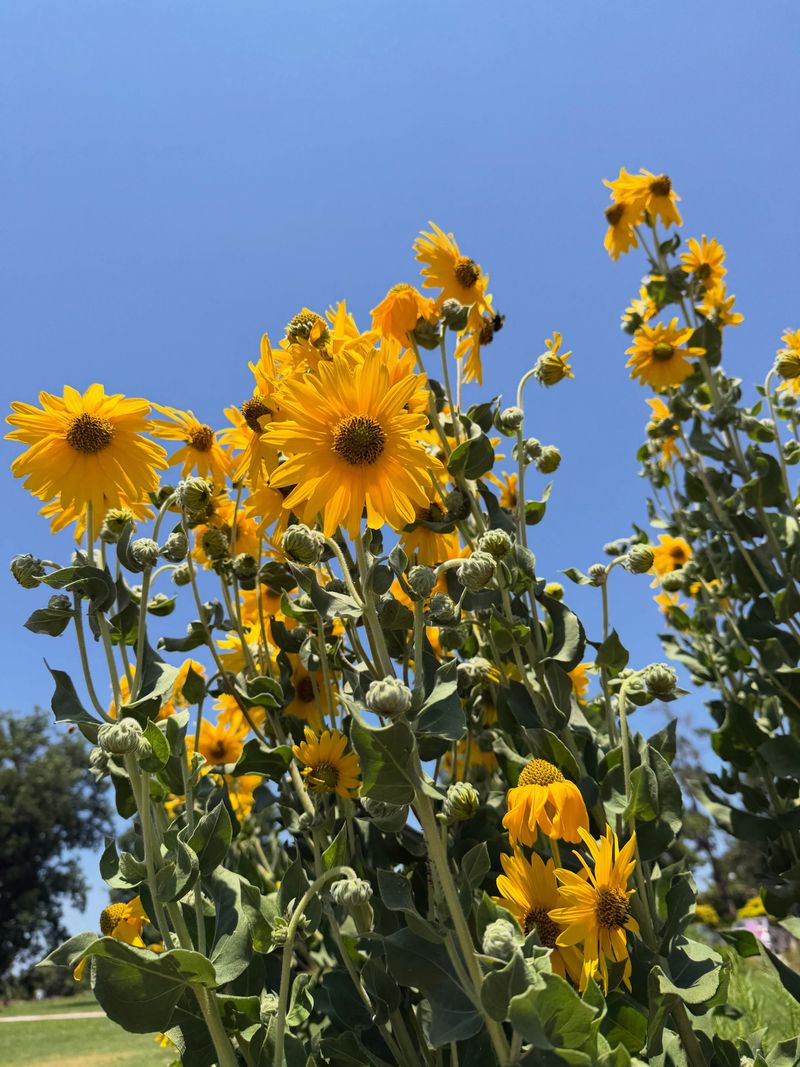
Texas summers are not gentle. Blazing heat, weeks without rain, and hard clay or rocky soil can defeat a lot of plants.
Maximilian sunflower was built for exactly these conditions. It evolved across the hot, dry prairies of the American South and Great Plains, so it genuinely thrives in the kind of weather that sends less-adapted plants into decline.
Once established, usually after its first full growing season, Maximilian sunflower handles drought with impressive ease. Its deep root system reaches far into the soil to find moisture that shallow-rooted plants simply cannot access.
You may need to water it during its first summer while it gets settled, but after that, rainfall alone is often enough to keep it going in most Texas regions. That makes it a smart choice for water-conscious gardeners who want beauty without a high irrigation bill.
Full sun is where this plant truly performs. Give it at least six to eight hours of direct sunlight each day, and it will reward you with maximum flower production.
It tolerates partial shade, but blooming tends to be reduced in shadier spots. Well-drained soil is preferred, though it adapts to a range of soil types, including clay, sand, and rocky ground.
Avoid waterlogged areas where soil stays soggy after rain. Poor soil does not discourage it much, which is actually a bonus in Texas landscapes where soil quality can be inconsistent.
For gardeners who have struggled to find plants that handle brutal summer conditions without constant care, Maximilian sunflower is a genuinely reliable answer that earns its place every single year.
Give It Room To Spread
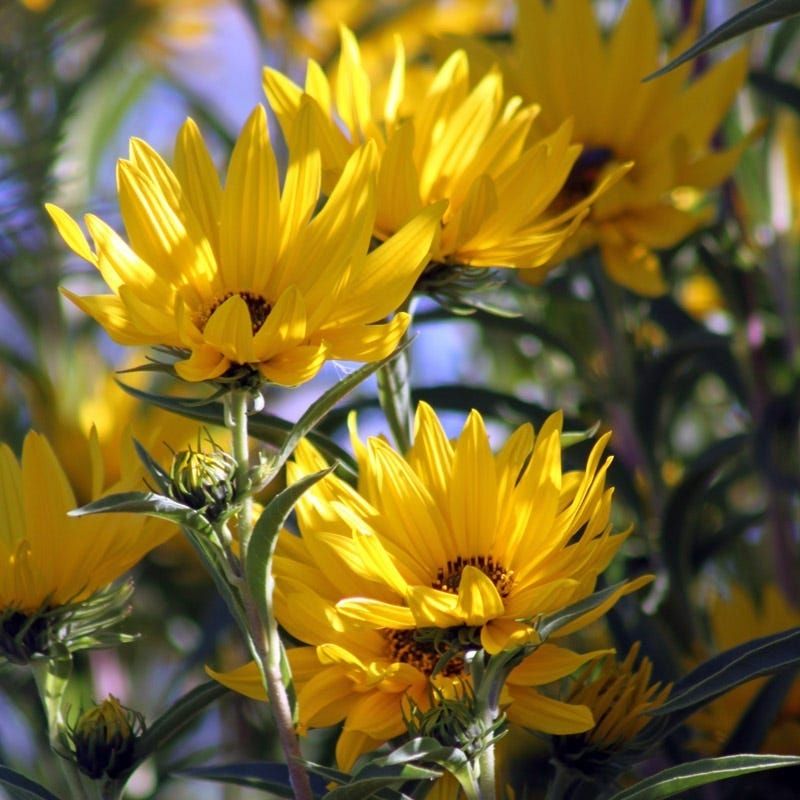
Here is something worth knowing before you plant Maximilian sunflower: it likes to spread. Over time, established plants send out underground rhizomes that slowly expand the colony outward.
What starts as a single plant can become a dense, cheerful clump within a few seasons. That spreading habit is part of what makes it such a great meadow plant, but it is also something to plan around.
In open areas, prairies, or naturalized garden zones, this spreading behavior is a feature, not a problem. A large colony of Maximilian sunflowers in full September bloom is genuinely breathtaking.
Roadsides, fence lines, rain gardens, and the back edges of properties are all excellent spots where the plant can expand freely without crowding out more delicate neighbors.
If you are working with a smaller garden or a more structured planting design, you will want to set some boundaries. Planting it inside a deep root barrier or a large buried container can limit its spread effectively.
You can also manage expansion by dividing clumps every few years in early spring before new growth takes off. Dividing is actually good for the plant too, keeping it vigorous and preventing the center from becoming woody and sparse.
Sharing divisions with neighbors or community gardens is a great way to pass along a tough, beautiful native plant. Just be upfront with people that it will spread, so they can plan accordingly.
Maximilian sunflower rewards gardeners who give it generous space with years of reliable, low-effort beauty that few other native plants can match at this time of year.
Leave The Seedheads For Birds
When the flowers finally fade in October or November, resist the urge to cut everything down right away. The seedheads that form after blooming are packed with small, oil-rich seeds that birds absolutely love.
Goldfinches, chickadees, sparrows, and other seed-eating birds will visit the standing stems throughout late fall and into winter, treating your garden like a natural bird feeder.
Leaving the spent stems in place through fall and winter does more than feed birds. The hollow or pithy stems also provide shelter and nesting material for small native bees and insects that overwinter in plant debris.
Keeping the structure standing creates a layered habitat that supports wildlife in multiple ways long after the blooming season has ended. It also gives your garden a rugged, textured look that many people find appealing in the colder months.
Come late winter or very early spring, that is the right time to cut the old stems back to the ground. New growth will emerge from the base as temperatures warm up, starting the cycle all over again.
If you want to collect seeds for starting new plants or sharing with others, wait until the seedheads are fully dry and brown before harvesting. The seeds come off easily when rubbed between your fingers.
Store them in a paper envelope in a cool, dry place until spring planting time. Letting Maximilian sunflower complete its full natural cycle, from bud to bloom to seedhead, turns your garden into a living resource for local wildlife.
That kind of layered seasonal value is hard to find in any other single plant.