Iowa Homeowners Are Embracing A Trend That Restores What Was Lost
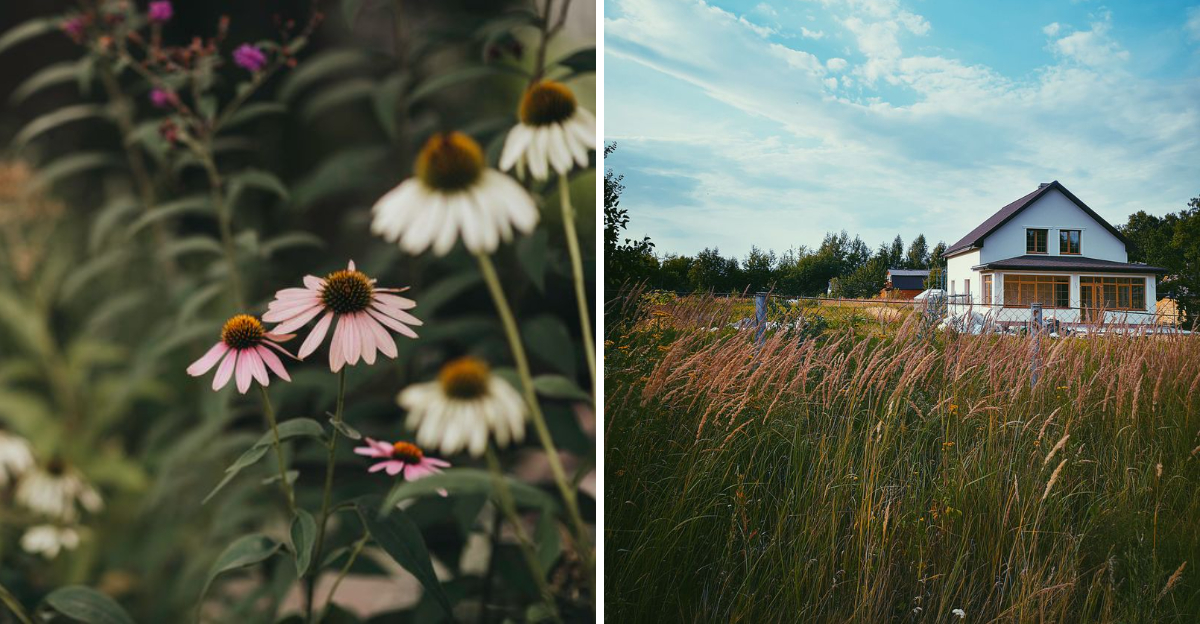
Your lawn is changing without asking your permission. Across Iowa, you are watching grass disappear from ordinary yards. Beneath that removed turf, you are uncovering roots that reach deeper than statehood itself.
Prairie plants are settling into your soil like they belong there. Butterflies are finding their way back to yards you thought empty. Bees are trailing close, chasing blooms your old lawn never offered.
Birdsong is filling mornings you forgot could sound like that. Meanwhile, your water bill is easing as your garden grows wilder. Costs are falling fast as your maintenance list nearly disappears.
These roots do not need you for any constant care. They outlast drought, crowd out weeds, and shrug off heat. Neighbors across Iowa are noticing, and your street is next.
You are standing right at the edge of something bigger than landscaping. Once you see what replaces that grass, you will never look away.
From Bluegrass To Wildflowers, Iowa Yards Are Going Native
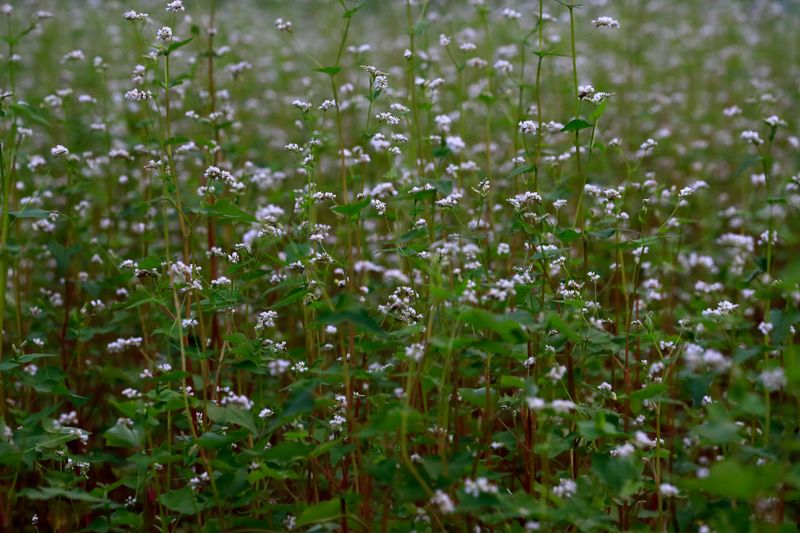
Picture your neighbor’s yard bursting with purple coneflowers and golden grasses swaying in the breeze. That is not a wild field gone out of control. That is a deliberate, beautiful choice.
Iowa homeowners are embracing a trend that restores what was lost long before subdivisions and sod farms took over. Native plants are reclaiming front yards, side strips, and backyard corners across the state.
The movement has quietly grown for years. Now it is loud, colorful, and impossible to ignore. Neighbors are stopping mid-walk to ask questions. Garden centers are struggling to keep native seed mixes in stock.
Local Facebook groups are flooded with before-and-after photos that look like magazine spreads.
What makes this trend so exciting is how personal it feels. Every homeowner has a slightly different reason for making the switch. Some want lower water bills. Others miss the monarchs they saw as kids.
A few just got tired of mowing every single weekend. Whatever the reason, the result is the same: yards that feel alive again.
Native plants are not just pretty faces. They have deep root systems that hold soil, filter rainwater, and survive brutal Iowa winters without much help.
Once established, they are almost self-sufficient. That is a word you rarely hear associated with a lawn.
The trend is real, it is growing, and it is changing how Iowans think about the ground beneath their feet. Your yard could be next.
Why Are Homeowners Ditching Kentucky Bluegrass For Prairie
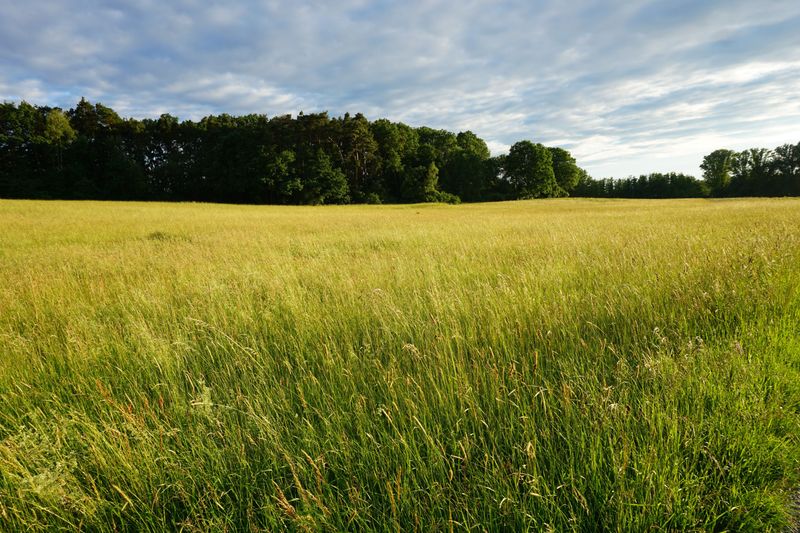
Kentucky bluegrass is often marketed as the standard American lawn, despite not being native to the region. It is not even from Kentucky. It originated in Europe and Asia, and it has no business being the default American lawn.
Iowa homeowners are figuring that out fast. The appeal of a perfectly green carpet is fading as water bills climb and droughts stretch longer each summer.
Bluegrass needs constant irrigation to survive Iowa’s hot July and August stretches. It also needs fertilizer, weed treatments, and a weekly date with a loud, gas-guzzling mower.
Your Iowa Garden Changes Every Week. Your Plan Should Too.
Gardening in Iowa changes quickly throughout the season. Every Friday you’ll receive a simple weekly plan showing exactly what to plant, prune, fertilize, harvest, and protect so you never miss the right timing.
That adds up to serious time, money, and environmental cost. Prairie plants need none of that once they are rooted in.
Many homeowners who make the switch describe a sense of relief, no longer tied to a chore they never truly chose.
The emotional shift is just as real as the financial one. People feel less like landscapers and more like stewards of something meaningful.
There is also a growing awareness of what lawns actually cost the planet. Lawn mowers produce significant air pollution. Fertilizer runoff contaminates rivers and streams.
Choosing native plants is a small act with a surprisingly large ripple effect. Pollinators return, birds follow, and the soil starts to heal.
Iowa homeowners are embracing a trend that restores what was lost, and ditching bluegrass is the first bold step. For many homeowners, a prairie lawn feels less like a compromise and more like an improvement.
What Iowa’s Yards Looked Like Before Turf Grass Took Over
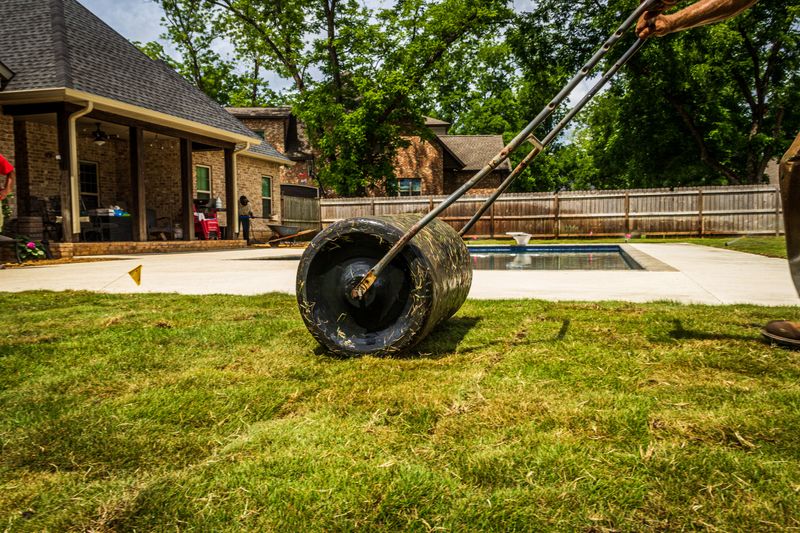
Before the first lawn mower ever touched Iowa soil, the land was covered in something extraordinary. Tallgrass prairie stretched across nearly 30 million acres of the state.
Big bluestem grass grew taller than a person’s head. Roots plunged 15 feet into the earth, holding everything together like a living anchor system.
Wildflowers bloomed in waves from April through October. The landscape was never the same two weeks in a row, shifting color and texture with the seasons.
Bison grazed across these plains. Monarch butterflies migrated through by the millions. Prairie chickens drummed their wings in elaborate courtship dances that shook the ground.
Then settlers arrived and began breaking the sod. Within a few generations, more than 99 percent of Iowa’s native prairie was gone. It became one of the most altered landscapes in North America.
What replaced it was cropland, pavement, and eventually, the suburban lawn. The lawn became a symbol of order, success, and belonging.
But that symbol came at a steep ecological price. The insects disappeared first, then the birds, then the soil health declined quietly beneath the surface.
Many Iowans grew up not knowing what their land once looked like. Learning that history changes how people see their own backyards.
A small patch of native plants cannot replace 30 million acres. But it can honor what existed here and help stitch the landscape back together, one yard at a time.
The Native Plants Leading This Backyard Revival
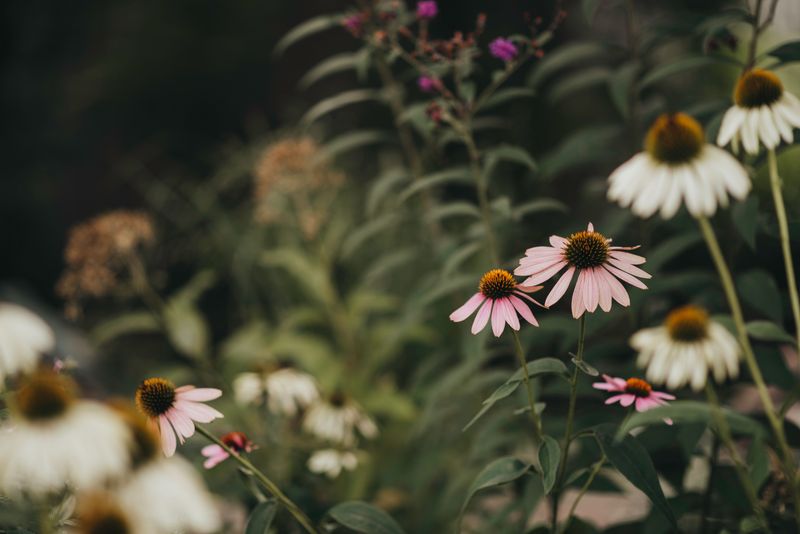
Not all native plants are created equal, and some are absolute superstars for Iowa yards. A few key species are leading this backyard revival and showing up in garden after garden.
Purple coneflower, also called echinacea, is probably the most recognized. It blooms in midsummer with bold pink-purple petals and feeds goldfinches with its seed heads all winter long.
Black-eyed Susans are the cheerful golden workhorses of the native garden. They bloom reliably, spread gradually, and look stunning planted in masses near a fence or walkway.
Little bluestem grass is a sleeper hit. It looks modest in summer but transforms into a coppery-red showstopper by fall, and it holds its shape beautifully through snow.
Prairie blazing star sends up tall purple spikes in late summer that monarchs and bumblebees cannot resist. It is one of the most dramatic native plants you can grow in a standard yard.
Butterfly weed, a type of milkweed, is critical for monarch survival. It has bright orange flowers and grows in dry, sunny spots where other plants struggle.
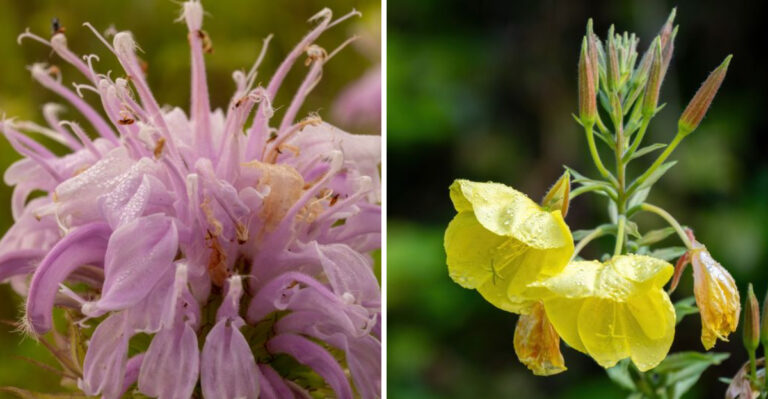
Wild bergamot attracts hummingbirds, native bees, and sphinx moths. It smells faintly of oregano and spreads at a manageable pace without becoming invasive.
Compass plant grows tall and bold, with deeply cut leaves that historically pointed north. Pioneers used it for navigation across the open prairie.
Each of these plants has a role to play. Together, they create a yard that works as hard as it looks good.
How Much Water And Money This Switch Actually Saves
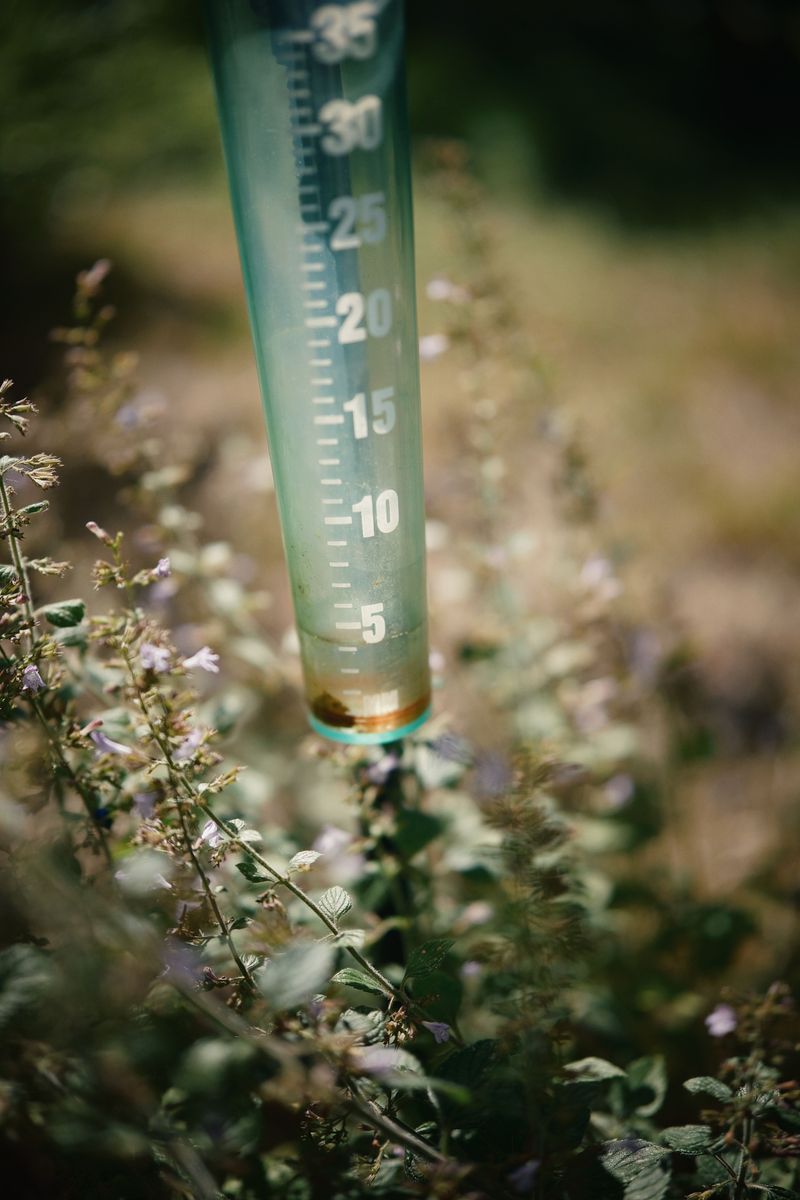
The potential savings are real and worth understanding in detail. A traditional bluegrass lawn in Iowa can require significant supplemental watering throughout the summer, depending on rainfall and soil type.
Native prairie plants, once established after their first two years, need almost no supplemental irrigation. Rainfall alone is usually enough to keep them thriving through a normal Iowa summer.
A typical suburban lawn can add noticeably to water bills during dry summer months, depending on lawn size and local rates. Switching to natives can cut that number down to almost nothing.
Fertilizer costs disappear too. Native plants evolved in Iowa’s soil and do not need synthetic boosters to perform. They actually prefer lean, unamended ground.
Lawn care equipment costs shrink dramatically. Many native garden owners mow just once a year, in early spring, to clear old stems before new growth emerges.
That single annual mow can replace dozens of weekly mowing sessions over a typical growing season. The fuel, the time, and the equipment wear all drop off the budget at once.
Pesticide and herbicide spending also decreases. A healthy native planting crowds out weeds naturally over time. The garden requires significantly less ongoing maintenance once established.
Some municipalities across the U.S. offer rebates for turf removal and native planting; availability varies by location, so homeowners should confirm directly with their local water utility or conservation district.
Is A Prairie Lawn Right For Your Yard
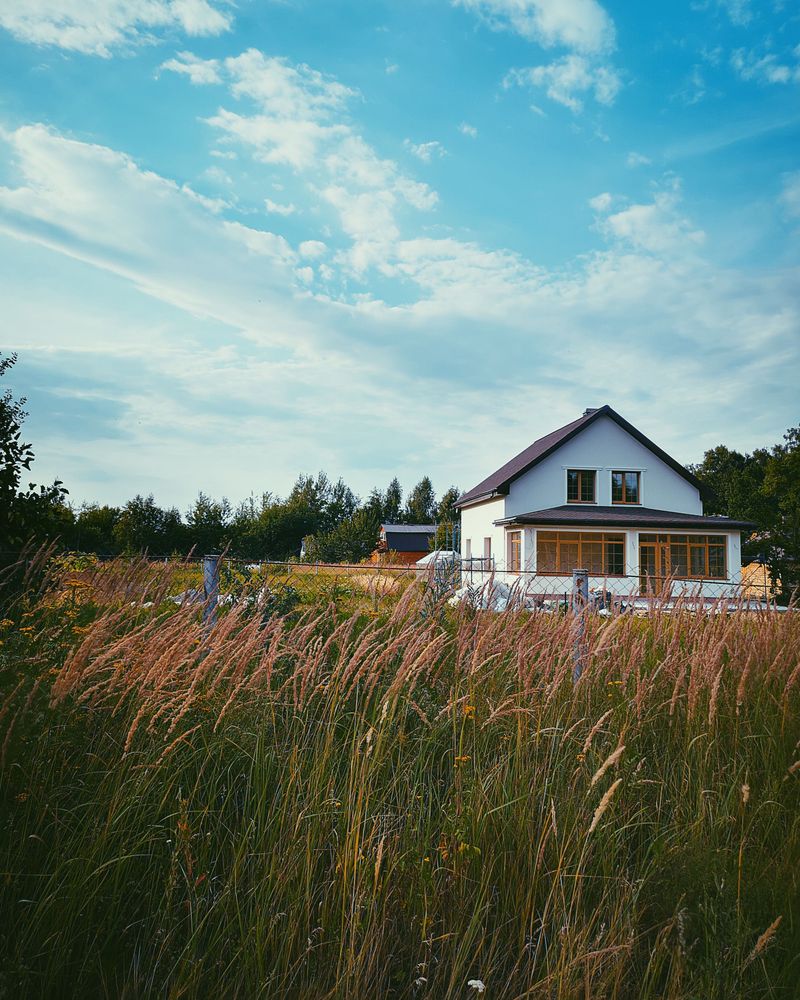
Not every yard is a perfect candidate for a full prairie makeover, and that is perfectly fine. Even a small patch of native plants can make a meaningful difference.
Start by observing your yard throughout the day. Most prairie plants need at least six hours of direct sun, so shady spots may call for native woodland species instead.
Soil type matters less than you might expect. Prairie plants evolved across sandy ridges, clay flats, and everything in between. There is a native species suited for almost every Iowa yard condition.
Check your local ordinances before planting. Some cities have height restrictions or aesthetic requirements for front yard plantings. A quick call to city hall can save you a headache later.
Starting small is a smart strategy. Convert one garden bed or a strip along the driveway first. Watch how it performs before committing your entire yard to the transformation.
Buying plants from a local native nursery gives you the best results. Plants grown from Iowa-sourced seed are already adapted to local rainfall patterns, soil chemistry, and seasonal temperature swings.
Plan for a transition period. The first year, native plantings focus on root development and may look scraggly above ground. By year three, most gardens are genuinely stunning.
Involve your neighbors early. Sharing what you are doing and why often turns skeptics into supporters, and sometimes into participants.
Iowa homeowners are embracing a trend that restores what was lost, and your yard could be the next piece of this growing, living puzzle.