Do This September Lawn Task Before Georgia’s Worst Winter Weeds Start Growing
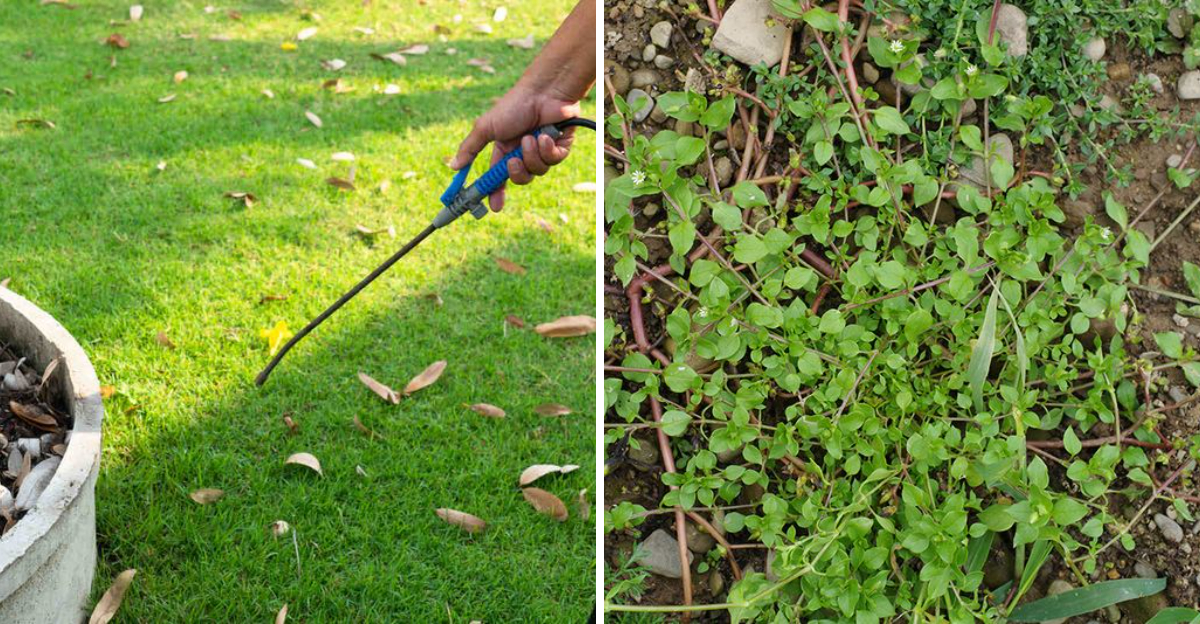
Winter weeds can quietly get their start while your lawn still looks like it belongs to summer. September gives you a chance to act before those unwanted plants become easy to spot.
Timing is what makes this lawn job worth doing now.
Many cool-season weeds begin from seed as soil temperatures fall across Georgia. Once they are already growing, your options can become different from the steps used before germination begins.
Do not wait for green patches to announce that the problem has arrived.
Your lawn may look perfectly normal while important changes are happening near the soil surface. Knowing when to respond can save you from dealing with a much messier yard later.
Use this September window carefully, and you can head into the cooler months with far fewer weed surprises.
1. The Best Time To Fight Winter Weeds Is Before You See Them
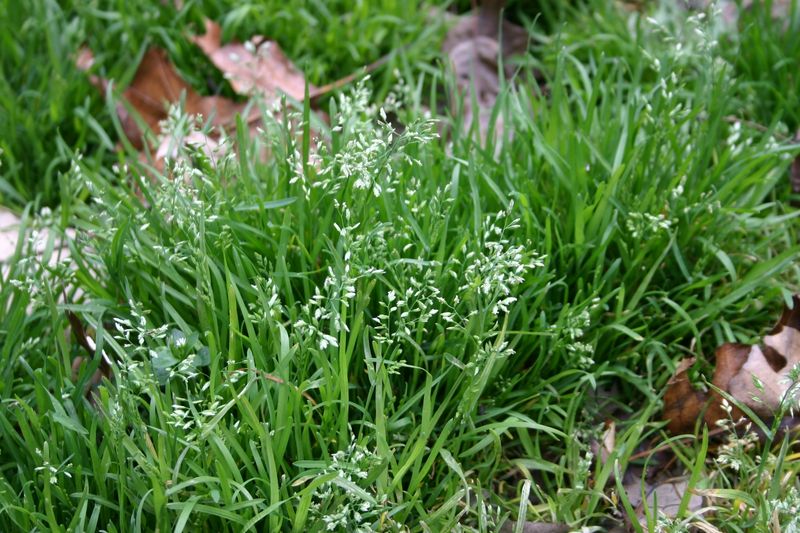
Waiting until weeds appear is already too late. Winter annual weeds sprout from seeds already sitting in your soil, and they move fast once temperatures cool down.
You will not see them coming until they have already settled in.
Fall in the South catches a lot of homeowners off guard. Warm afternoons make the lawn look fine, but underneath, weed seeds are responding to cooler nights and shifting conditions.
Prevention has to start before any of that activity reaches the surface.
Soil temperature is what actually triggers germination. Weed seeds respond to drops in ground temperature, not just air temperature.
Once that threshold is crossed, germination begins whether or not you are ready.
Skipping fall prevention means dealing with a full weed population in winter and early spring. Post-emergent options exist, but they require more effort, more products, and more time.
Stopping weeds before they sprout is far more efficient.
Watching for weeds to appear before acting is a reactive approach that rarely works well in fall. Weed seeds in the soil have a head start.
A proactive strategy focused on prevention, applied before emergence, gives your lawn a realistic shot at staying clean through the cooler months.
2. Pre-Emergent Herbicide Is The September Task That Matters
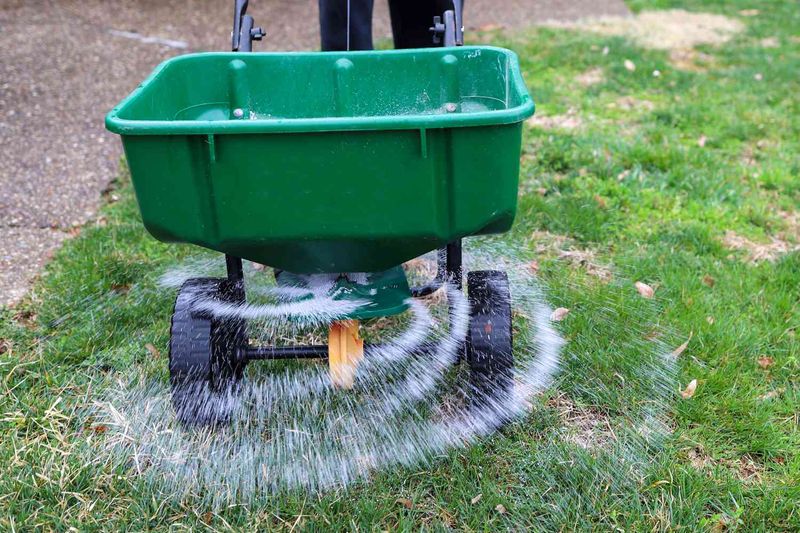
Pre-emergent herbicide is not a weed-removal product. It works by stopping weed seeds from successfully establishing after they germinate.
Seeds may still sprout, but the seedling cannot develop properly and does not survive.
Applied to the soil surface before weed seeds germinate, the product creates a chemical barrier in the upper layer of the ground. Watering it in after application helps activate that barrier and move it into the zone where seeds are active.
Granular formulas spread with a standard lawn spreader. Liquid options are also available and applied with a sprayer.
Both work through the same basic principle, but application method, coverage rate, and product label instructions vary and should be followed carefully.
Pre-emergent products do not move around in the soil much after activation. Disturbing the treated area through digging or heavy raking can break up the barrier and reduce effectiveness.
Light foot traffic is generally fine.
Your Georgia Garden Changes Every Week. Your Plan Should Too.
Gardening in Georgia changes quickly throughout the season. Every Friday you’ll receive a simple weekly plan showing exactly what to plant, prune, fertilize, harvest, and protect so you never miss the right timing.
Choosing the right product matters. Not every pre-emergent is labeled for every weed type, and not all are safe for every grass type.
Reading the label before purchasing is a practical step that prevents wasted product and potential lawn damage. September is when this task carries the most weight for winter weed prevention.
3. Annual Bluegrass Is One Weed Worth Getting Ahead Of
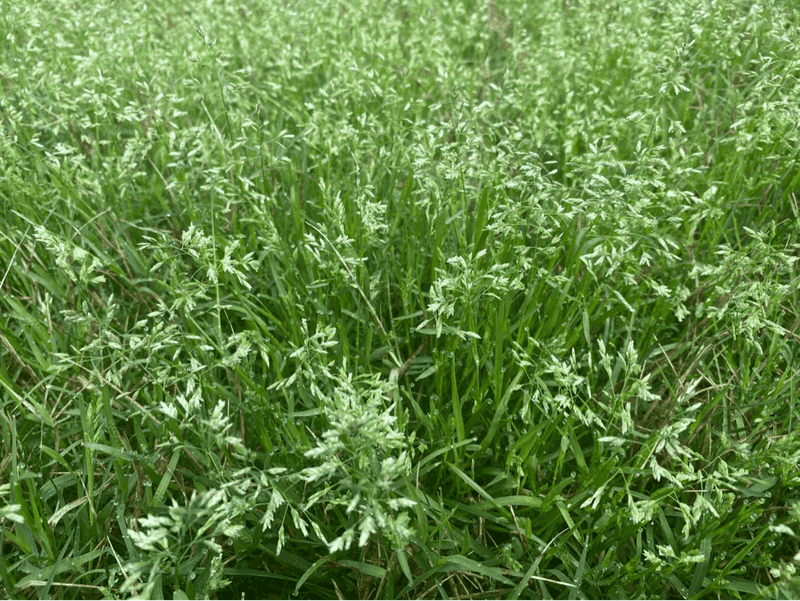
Annual bluegrass, commonly called Poa annua, is one of the most persistent winter lawn problems across the Southeast.
It germinates in fall as soil temperatures drop, spreads quietly through the cooler months, and produces seed heads by late winter or early spring.
Poa annua stands out visually. Its light green color does not match most warm-season turf grasses, which makes infested areas look patchy and uneven.
By the time homeowners notice it, the plant is already well established.
One frustrating trait of annual bluegrass is its seed production. A single plant can produce a large number of seeds before the season ends.
Those seeds drop into the soil and remain viable, ready to germinate again the following fall.
Repeat pressure from this weed builds over multiple seasons if fall prevention is skipped. Populations tend to grow larger each year without intervention.
Getting ahead of it in September interrupts that cycle before it compounds.
Pre-emergent herbicide applied before soil temperatures drop below roughly 70 degrees Fahrenheit is the most practical approach for annual bluegrass control.
Timing varies by location, so checking local soil temperature data or using a soil thermometer can help confirm when to apply. Reacting after the weed appears makes management significantly harder.
4. Henbit And Chickweed Follow The Same Fall Pattern
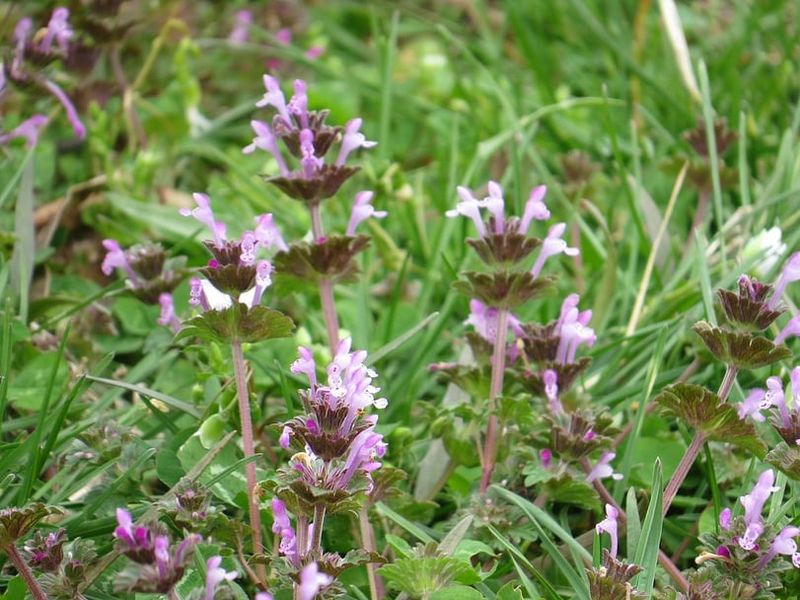
Henbit and chickweed are two different plants, but they share the same seasonal pattern. Both are winter annuals that germinate in fall, grow slowly through cooler months, and become far more visible by late winter and early spring.
Henbit produces small purple flowers and has rounded, scalloped leaves. Chickweed grows in low, spreading mats with tiny white flowers.
Both tend to appear in thin or bare lawn areas where competition from turf is low.
Spotting these weeds in February or March is common, but that timing is misleading. Those plants germinated months earlier.
Visible growth in late winter reflects seeds that sprouted back in fall, not a recent invasion.
Areas with thin turf coverage, compacted soil, or shade are especially vulnerable. Weeds tend to fill in wherever the lawn grass is struggling.
Improving turf density over time reduces opportunity for these plants to establish.
Pre-emergent herbicide applied before fall germination is the most reliable way to reduce henbit and chickweed populations.
Post-emergent options exist once these weeds are growing, but control is less consistent and requires careful product selection.
Catching them before they start, in September and into early October depending on location, is a much more manageable approach than trying to address a full-grown infestation later in the season.
5. Timing Changes As You Move Across The State
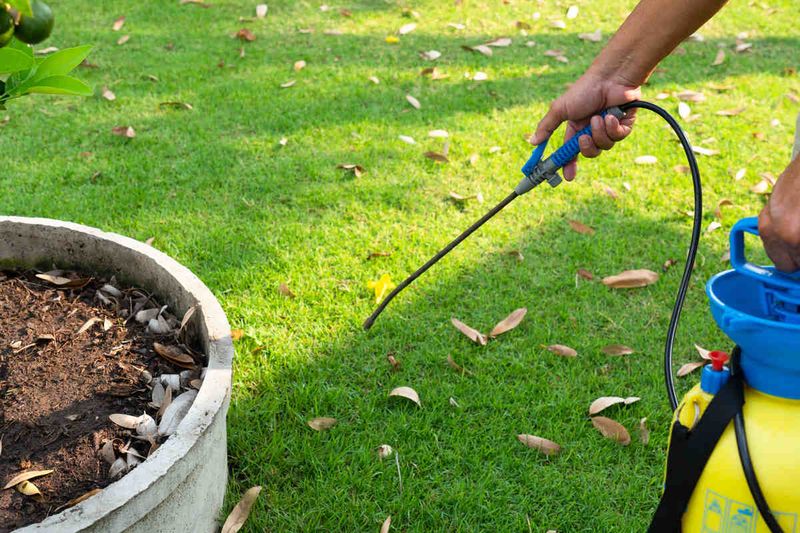
Georgia stretches across multiple climate zones, and that matters for pre-emergent timing. Soil temperatures cool earlier in the northern mountain counties and later in the coastal plain regions farther south.
A single September date does not apply equally across the whole state.
Pre-emergent timing can vary by location, weather conditions, the target weed, and the product being used.
Northern areas may cool sooner, while warmer southern areas may reach suitable soil temperatures later.
Applying too early in warm southern areas may reduce product effectiveness before weed seeds even begin to germinate.
Soil temperature is the most reliable guide, not the calendar date. Target application when soil temperatures are approaching 70 degrees Fahrenheit at a 2-inch depth.
Many county Extension offices and online tools provide local soil temperature data updated regularly.
Weather variation from year to year also shifts timing. A warm fall delays the window.
An early cool stretch moves it forward. Flexible planning, rather than locking in a fixed date, tends to produce better results.
Checking with your local county Extension office is a practical step. They track regional conditions and can confirm whether application timing is appropriate for your specific area.
Applying at the right soil temperature, not just the right month, is what makes pre-emergent herbicide work as intended across different parts of the region.
6. Reseeding Plans Can Change What You Should Do
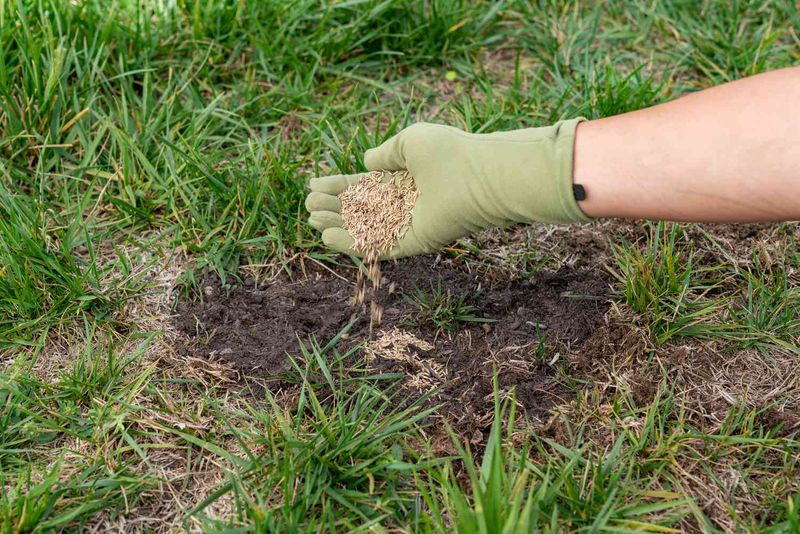
Pre-emergent herbicide does not distinguish between weed seeds and desirable grass seeds. If you plan to seed or overseed your lawn this fall, applying a pre-emergent product at the same time can interfere with the new grass you are trying to establish.
Most pre-emergent labels include restrictions related to seeding. Some products specify a waiting period before seeding after application.
Others advise against application for a set time after seeding. Reading the label for your specific product is the only reliable way to know what applies.
Fescue overseeding in north Georgia typically happens in September and early October. Warm-season grass seeding is less common in fall but does occur in some situations.
Either way, the timing overlap with pre-emergent application creates a conflict that needs to be addressed before you buy or apply anything.
One option for homeowners who want both weed control and new grass is to prioritize seeding first, then apply a pre-emergent after the new grass has established.
The timing of that follow-up application will depend on how fast the turf fills in and what the product label allows.
Skipping pre-emergent entirely is sometimes the right call when seeding is the priority. A lawn care professional or Extension agent can help evaluate the trade-offs based on your specific lawn conditions and goals.
7. Once Weeds Emerge The Strategy Has To Change
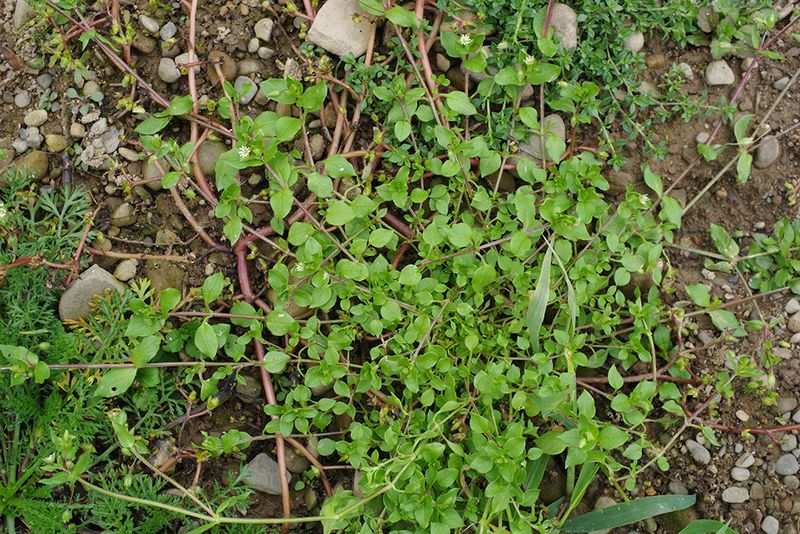
Pre-emergent herbicide has one job: stopping weeds before they establish. Once a weed has already sprouted and started growing, pre-emergent products have no meaningful effect on it.
Applying one to an already-weedy lawn wastes product and does not solve the problem.
Established winter weeds require post-emergent herbicide. These products work on actively growing plants and come in selective and non-selective formulas.
Selective options target specific weed types without harming surrounding turf, but correct identification of the weed is required before choosing a product.
Post-emergent control is possible, but results vary. Younger weeds tend to respond better than mature plants.
Cold temperatures can also slow herbicide absorption and reduce effectiveness. Timing and product selection both influence outcomes.
Controlling weeds after emergence is more complicated than preventing them beforehand. It often takes multiple applications, more careful product selection, and more attention to timing.
Prevention in fall simplifies the entire process considerably.
Fall timing carries real weight for this reason. Missing the pre-emergent window means spending late winter and early spring reacting to weeds that could have been stopped months earlier.
A lawn that goes into fall with a proper pre-emergent application is in a much better position to stay clean through winter and into spring, without the added hassle of chasing established weeds across the yard.