What To Do With Georgia Basil Before The First Cool Nights
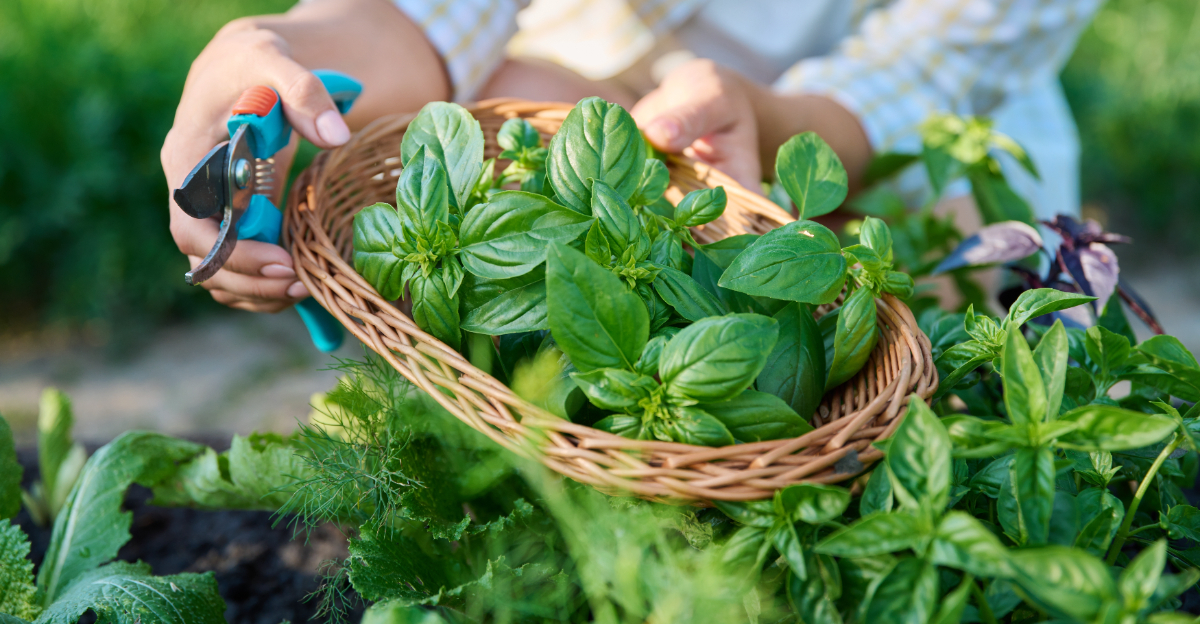
Your basil may still look full and productive, but cooler nights can change that quickly. This warm-season herb does not handle falling temperatures as easily as many fall garden plants.
Use the remaining warm days to decide what you want from those healthy stems.
In Georgia, basil can keep producing into fall while conditions remain mild. Still, waiting until chilly weather arrives can leave you rushing to use what remains.
You have time to get more from the plant before the season turns.
Pay attention to the forecast instead of relying only on the calendar. One cooler stretch can signal that your basil season is starting to wind down.
Handle the plant with a plan now, and you can make better use of its final growth before colder nights bring bigger changes.
1. Cooler Nights Are Your Sign To Start Harvesting
Your basil is basically sending you a message when the forecast dips below 55 degrees Fahrenheit at night. That is your real signal to start picking.
Basil does not handle cold air well. Even before frost shows up, cool nights can slow growth and cause leaves to turn dark or soft.
Waiting too long means you lose usable leaves fast.
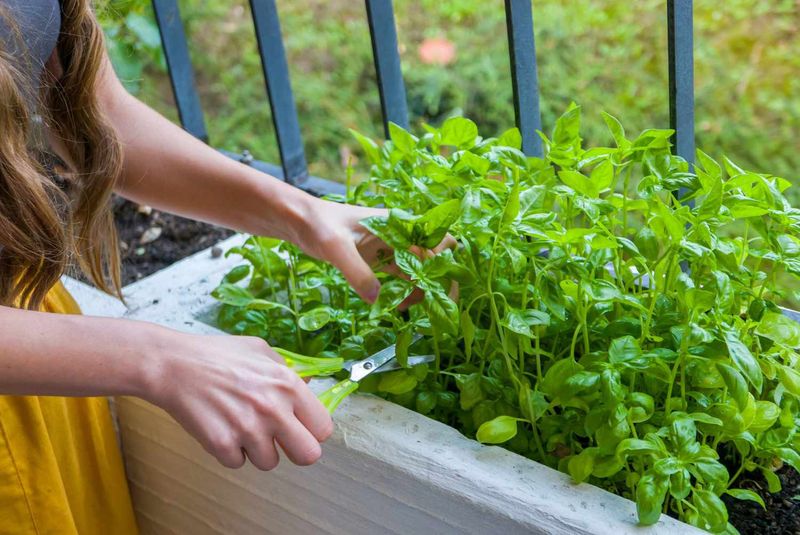
Start by picking the top sets of leaves first. Those tend to be the most tender and flavorful.
Work your way down the stem without stripping the plant bare all at once.
Harvest in the morning after the dew dries but before midday heat sets in. Leaves picked at that time tend to hold their oils better than ones pulled in the afternoon.
You do not need special tools. Clean hands or a small pair of scissors work fine.
Just be gentle so you avoid bruising the leaves during picking.
Even if nights are only slightly cool right now, getting into a daily harvest habit pays off. Consistent picking encourages the plant to push out more leaves before conditions get worse.
Check your plants every day once temperatures start shifting. A few minutes of attention each morning can make a real difference in how much basil you end up with before the season closes out.
2. Pick Plenty Of Leaves While They Still Look Good
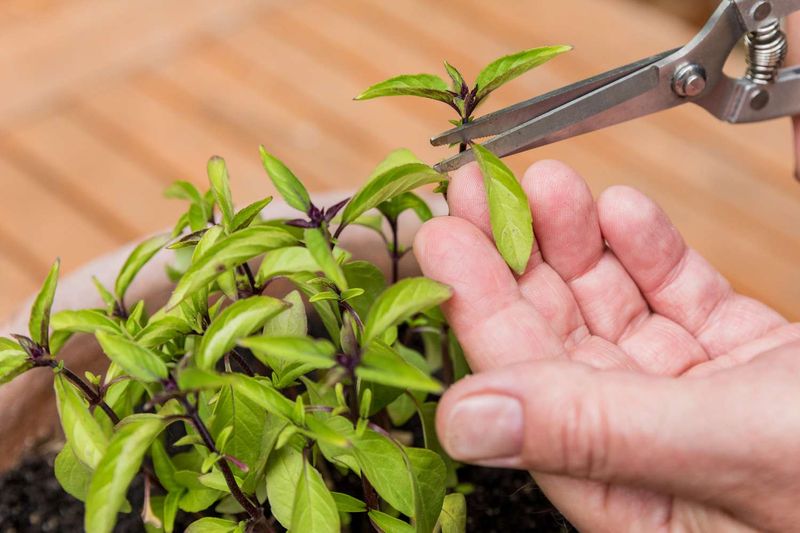
Good-looking leaves do not stay that way once cool air moves in. Pick them now while they are still full, glossy, and free of spots.
Leaves that show any yellowing or soft patches are past their best. Set those aside or compost them.
Focus your energy on the firm, bright green ones that still smell strong when you pinch them.
Do not wait for a big harvest day. Picking a handful each day keeps the plant producing and keeps your kitchen stocked with fresh leaves without overwhelming your storage options.
Bigger leaves from the lower part of the plant work well for pesto or cooking. Smaller, younger leaves near the top are better for salads or garnishes where texture matters.
Rinse leaves gently under cool water and lay them flat on a clean towel to air dry. Avoid rubbing or stacking wet leaves together since that speeds up bruising.
Your Georgia Garden Changes Every Week. Your Plan Should Too.
Gardening in Georgia changes quickly throughout the season. Every Friday you’ll receive a simple weekly plan showing exactly what to plant, prune, fertilize, harvest, and protect so you never miss the right timing.
Once dry, you can store them loosely wrapped in a slightly damp paper towel inside a container in the fridge.
Most fresh basil leaves stay usable for around three to five days that way, though results can vary based on how ripe the leaves were when picked.
3. Turn That Fresh Harvest Into Something That Lasts
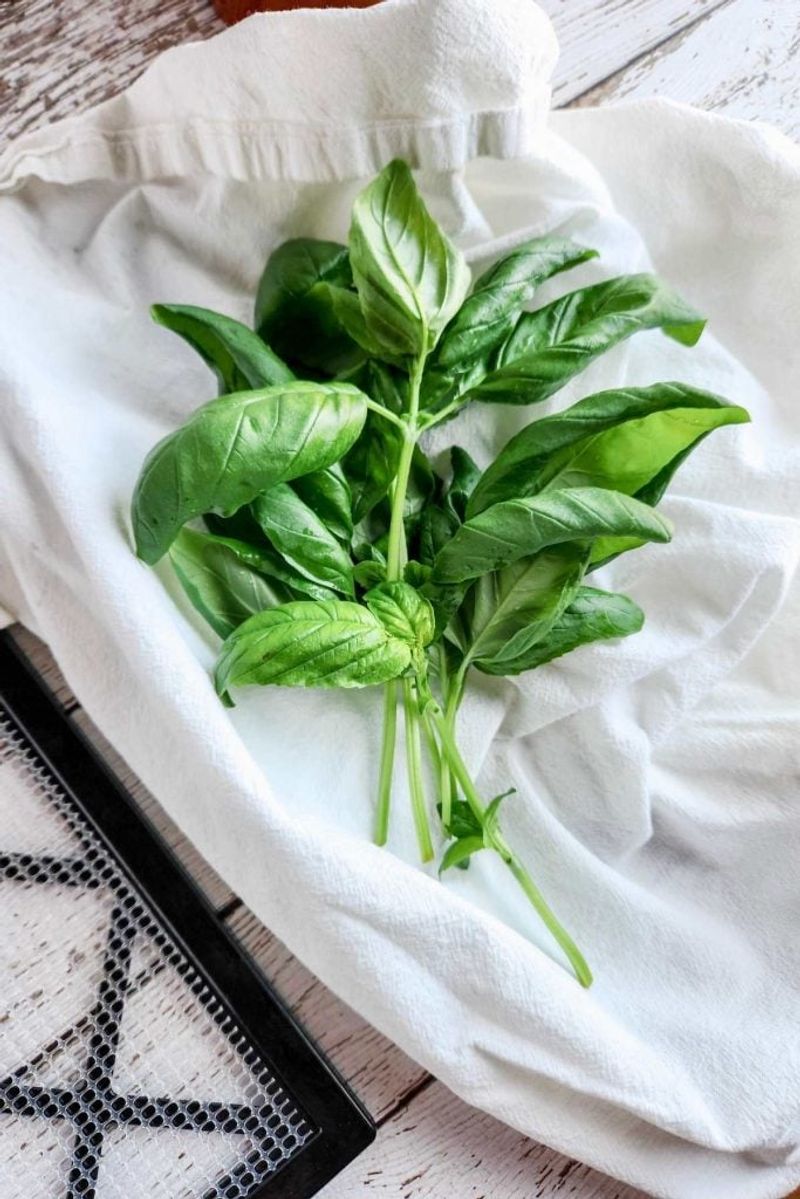
Raw basil has a short shelf life, but processed basil can stretch through fall and into winter without much fuss.
Pesto is one of the most practical options. Blend fresh leaves with olive oil, garlic, and any nuts you have on hand, then freeze the mixture in ice cube trays.
Once frozen solid, transfer the cubes to a sealed bag and pull them out one at a time as needed.
Basil-infused olive oil is another option worth trying. Blend leaves with oil, strain it, and store it in the fridge.
Use it within a week or two for safety since fresh herb oils can spoil if left too long at room temperature.
Drying basil is simple and works well for cooking. Tie small bundles loosely and hang them upside down in a warm, dry spot with good airflow.
Leaves are usually ready in one to two weeks depending on humidity levels in your space.
You can also dry leaves quickly in an oven set to its lowest temperature, usually around 170 degrees Fahrenheit, with the door slightly open. Check them every 30 minutes so they dry without scorching.
Freezing whole leaves flat on a tray before bagging them is another solid method.
4. Pinch Off Flowers To Keep Leaves Coming
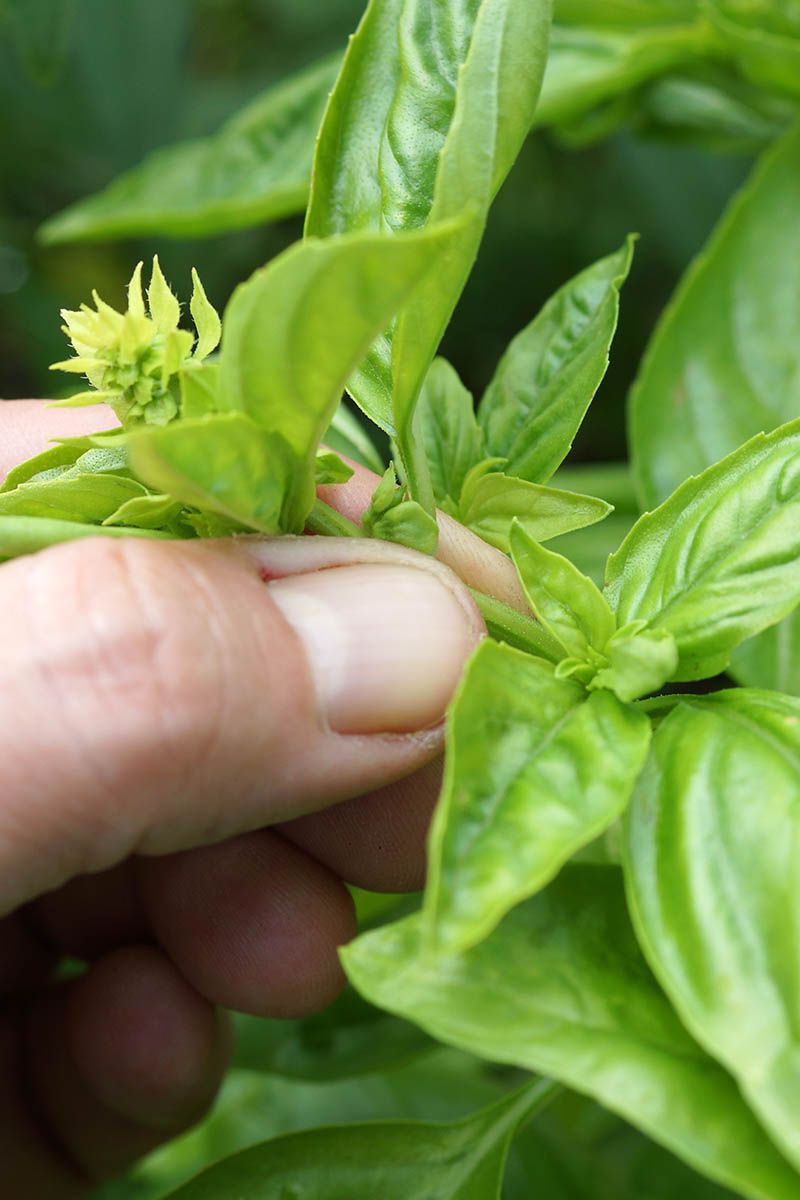
Flowers on a basil plant are not a reward. Once the plant starts putting energy into blooming, leaf production slows down noticeably.
Pinch off any flower buds you see as soon as they appear. You do not need to wait until they fully open.
Catching them early keeps the plant focused on making new leaves instead of seeds.
Check the very top of each stem first. Flower buds usually start there before spreading to lower branches.
Getting them early takes less than a minute per plant.
After you pinch a flower bud off, a new set of leaves often sprouts from just below that point within a few days. Consistent pinching can extend your harvest window by several weeks under the right conditions.
Basil flowers are actually edible and have a mild flavor similar to the leaves. Toss them into salads or use them as a garnish rather than throwing them away.
Some gardeners let one or two plants go to flower on purpose at the end of the season to collect seeds for next year. That is a reasonable strategy if you have enough plants producing leaves elsewhere in the garden.
5. Container Basil Has One More Option
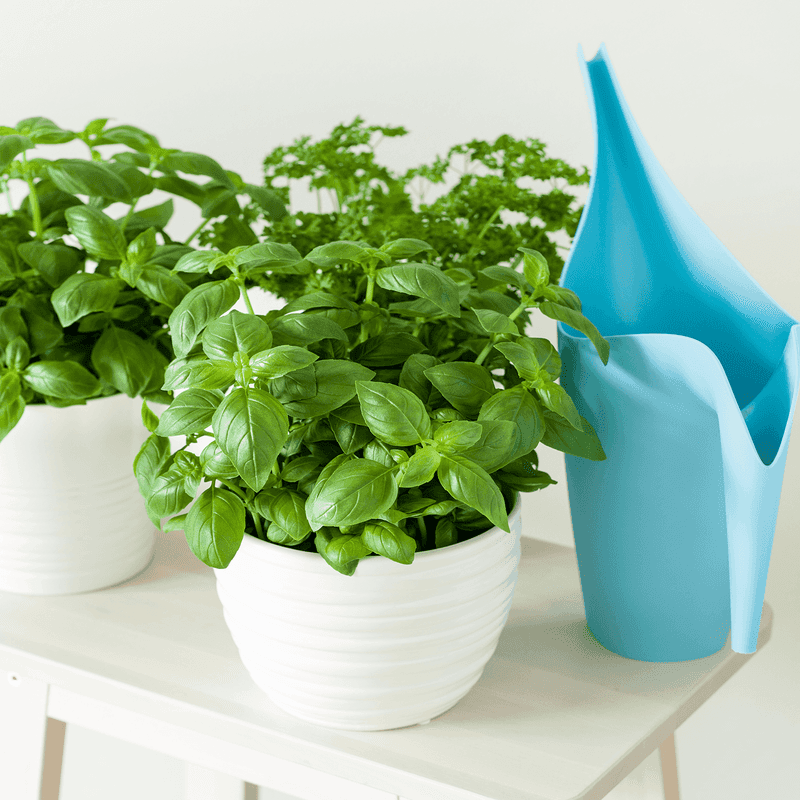
If your basil is growing in a pot, you have a real advantage over in-ground plants as temperatures start dropping.
Potted basil can move indoors before the first cold night arrives. A sunny windowsill facing south or west tends to work best.
Basil needs at least six hours of direct light daily to stay productive inside.
Bring the pot in gradually if you can. Moving a plant from hot outdoor sun straight into lower indoor light sometimes causes leaf drop.
A few days in a shaded outdoor spot first can help the plant adjust more smoothly.
Check for pests before bringing any plant inside. Spider mites and aphids can hitch a ride indoors and spread to other houseplants.
Rinse the leaves and inspect the undersides carefully before making the move.
Indoor basil often grows more slowly than outdoor basil due to lower light and less airflow. Do not overwater it inside.
Let the top inch of soil dry out between waterings to avoid root problems.
A small grow light can supplement natural window light if your indoor space is dim. Even a basic LED grow bulb placed a few inches above the plant can help maintain decent leaf production through fall.
6. Cold Weather Can Quickly Trouble Tender Basil
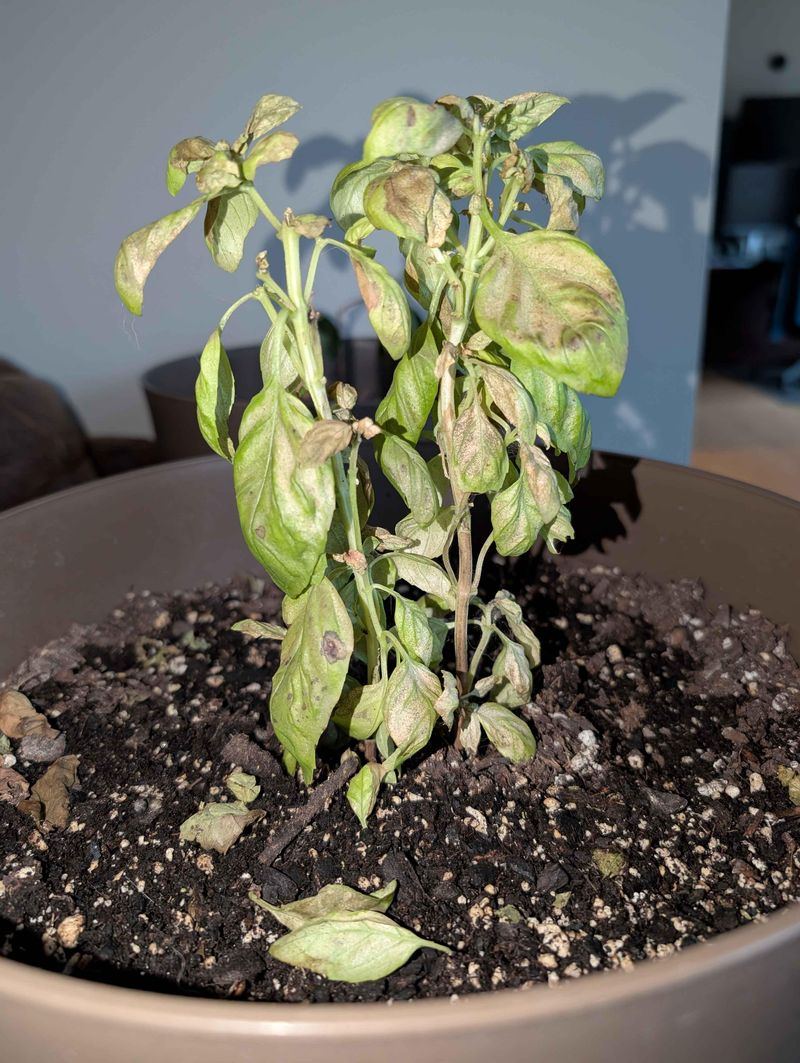
Basil is one of the most temperature-sensitive herbs in a typical home garden. It reacts to cold faster than most people expect.
Temperatures below 50 degrees Fahrenheit at night can cause visible damage within hours. Leaves may turn dark, soft, or start to wilt even without frost touching the plant.
That damage is not reversible once it sets in.
In Georgia, fall temperatures can shift quickly. A warm week can be followed by a sharp overnight drop that catches gardeners off guard.
Watching the forecast closely starting in late September is a practical habit worth building.
Row cover fabric or a lightweight frost cloth draped over plants on cold nights can help buffer temperature swings. It does not eliminate the risk entirely, but it can buy a few extra days of usable growth.
Avoid using plastic sheeting directly on leaves since it can trap moisture and cause additional problems. Breathable fabric is a better option for short-term protection.
If a cold snap is coming and you have not harvested yet, pick as much as you can the evening before. Even slightly imperfect leaves are worth saving if the alternative is losing everything overnight.
Cold damage on basil tends to show up fast and spread through the plant quickly.
7. First Frost Usually Ends The Outdoor Season
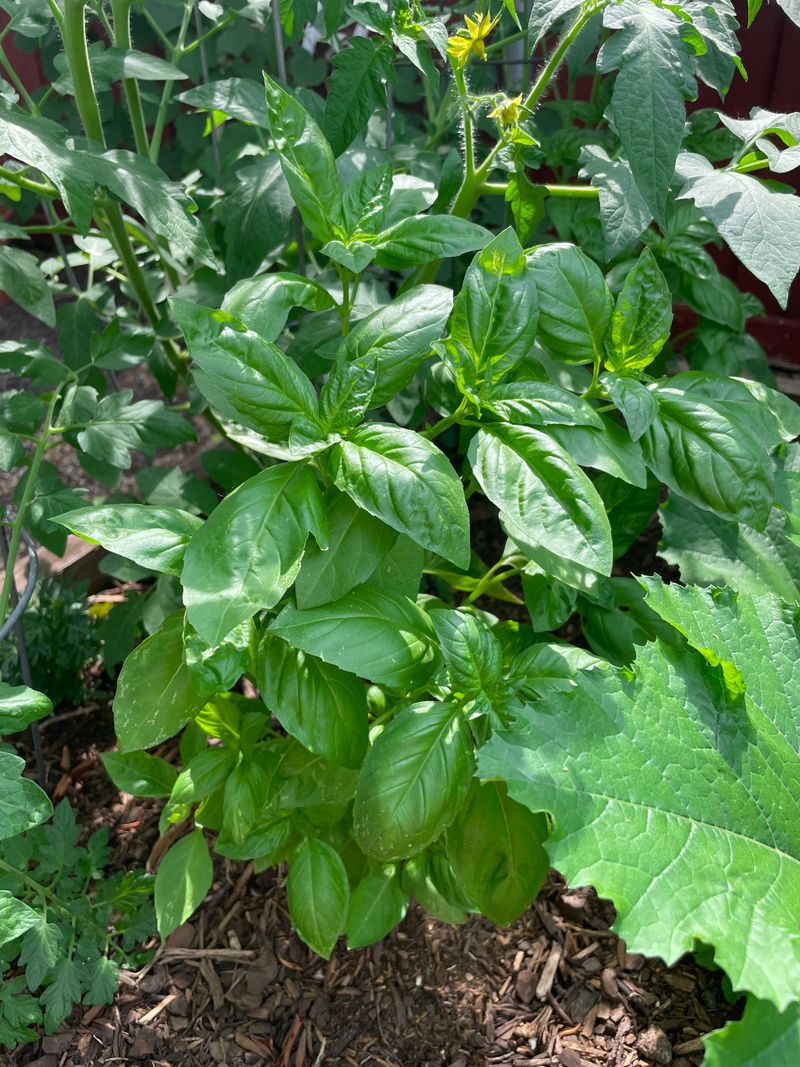
When frost actually arrives, outdoor basil season wraps up fast. A hard frost leaves very little to work with the next morning.
Most of the Southeast, including parts of Georgia, sees its first frost sometime between late October and mid-November depending on the specific area and elevation.
Coastal regions tend to get more time than inland or northern parts of the state.
Check your local frost date as a rough guide, but treat it as an estimate rather than a guarantee. Weather varies year to year, and a frost can arrive earlier or later than average in any given season.
On the night before an expected frost, harvest every leaf you can reach. Even stems with smaller leaves are worth cutting and processing.
Basil that survives a frost rarely bounces back to full productivity.
After a frost event, pull spent plants from the ground and compost them if they were healthy. Leaving them in place can create a habitat for pests or mold heading into winter.
Take note of how your basil performed this season. Did certain spots in your yard protect plants longer?
Did container plants outlast in-ground ones? Small observations like these make planning next year easier and more effective.