6 Michigan Vegetables That Grow Well In Straw Bales
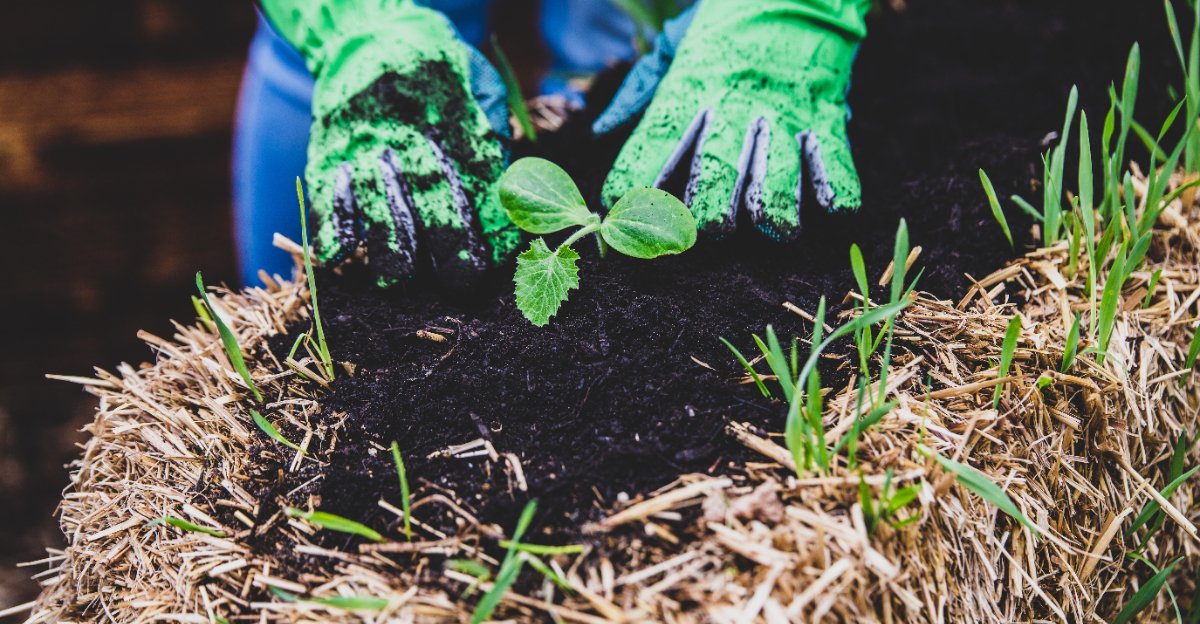
Straw bale gardening sounds like an unusual approach at first, especially compared to the raised beds and traditional rows most Michigan gardeners are used to working with.
But a specific group of vegetables actually thrives in this setup, taking advantage of conditions that straw bales create in ways traditional soil simply cannot match.
Understanding which vegetables perform best in bales could open up an entirely new growing method for gardeners dealing with poor soil or limited space.
Many people are surprised by how productive this unconventional approach turns out to be once they finally give it a try.
This list could completely change how you think about expanding your garden without digging a single new bed.
Once you see how well these vegetables respond, straw bales might become a permanent part of your growing setup. Sometimes the most unexpected methods produce the most rewarding results.
1. Tomatoes
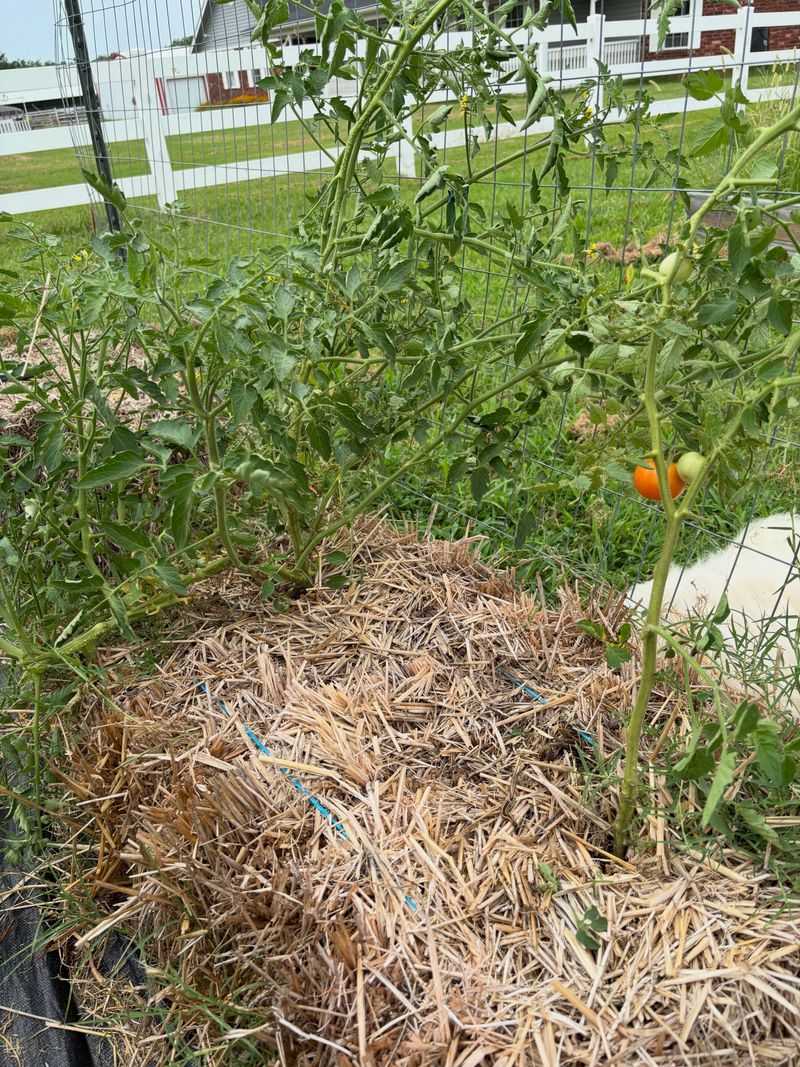
Nothing beats the taste of a homegrown tomato picked warm from the vine, and straw bales make growing them surprisingly easy. When a bale is conditioned with water and fertilizer, the inside starts to break down and heat up.
That warmth is exactly what tomato roots love. Michigan summers can be short, so giving tomatoes a warm start really matters. The rotting straw acts like a slow cooker for the roots, keeping them snug even when spring nights turn chilly.
This extra heat helps plants take off faster than they would in cold garden dirt. As the bale continues to soften, it holds moisture like a sponge while still letting air flow around the roots.
Tomatoes hate soggy feet, so this balance of water and air keeps them healthy and strong. You get fewer root problems and stronger growth.
Plan to add a small cage or stake since tomato plants grow tall and heavy with fruit. Push the support firmly through the bale and into the ground so it stays steady. Then tie the stems gently as they climb.
Feed your tomatoes regularly because the decomposing straw uses up nutrients quickly. A balanced fertilizer every couple of weeks keeps leaves green and fruit forming.
Water deeply in the morning so the bale stays evenly moist through hot afternoons.
By late summer, you will likely have clusters of juicy tomatoes ripening in the Michigan sun. Cherry types, slicers, and paste tomatoes all thrive in bales.
Pick them often to encourage even more fruit, and enjoy your harvest in salads, sauces, and sandwiches all season long.
2. Peppers
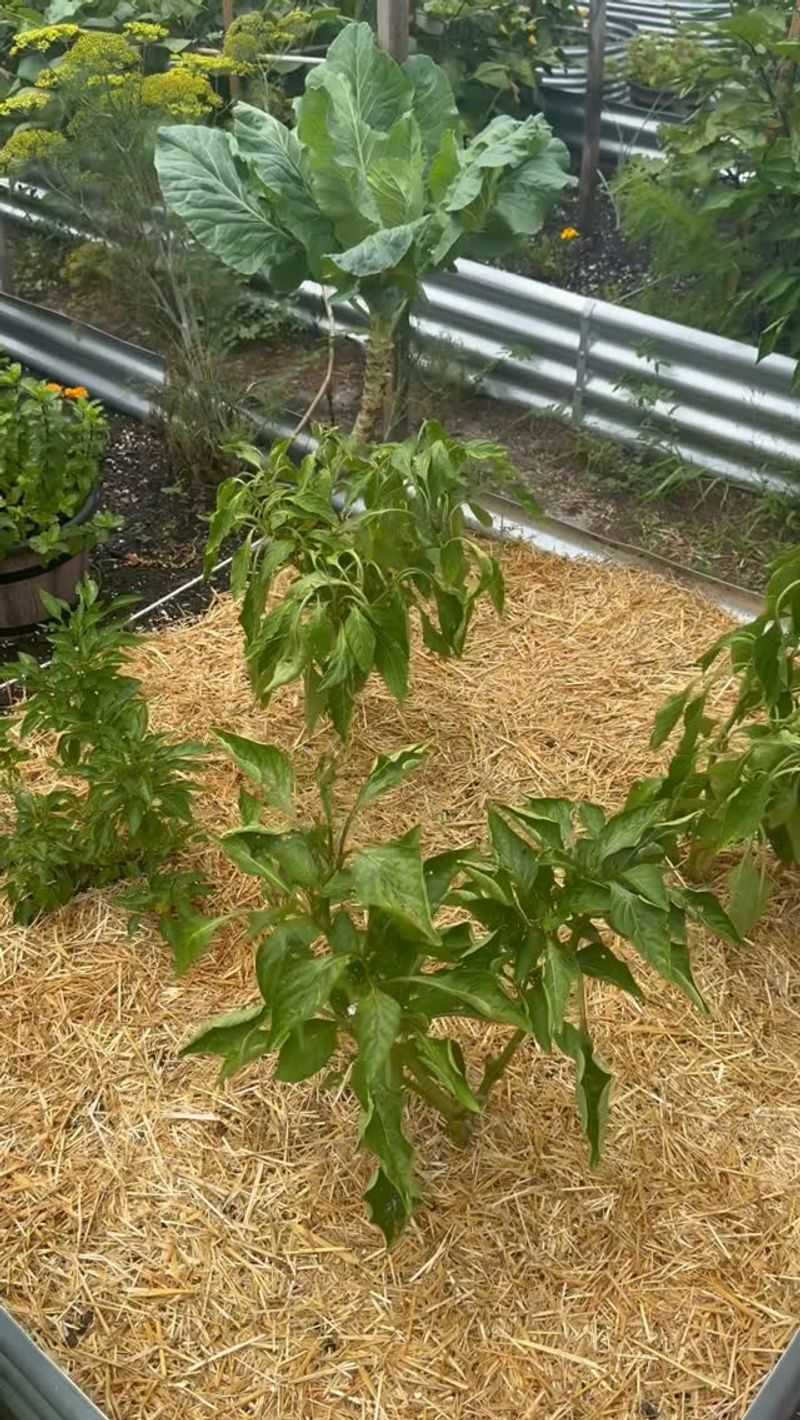
Peppers are little heat lovers, and a straw bale gives them the toasty root zone they crave. As the straw inside breaks down, it releases gentle warmth that keeps pepper plants happy even during cooler Michigan evenings.
That steady warmth encourages faster flowering and more fruit. Both sweet bell peppers and spicy varieties do well in bales. Because the growing space stays loose and warm, roots spread out easily and pull up water and food without a struggle.
Happy roots mean stronger, bushier plants. Consistent moisture is one of the biggest keys to success here. Straw bales can dry out quickly on hot days, and peppers get stressed when water swings up and down.
Your Michigan Garden Changes Every Week. Your Plan Should Too.
Gardening in Michigan changes quickly throughout the season. Every Friday you’ll receive a simple weekly plan showing exactly what to plant, prune, fertilize, harvest, and protect so you never miss the right timing.
Check the bale daily and water enough to keep it damp but never soaking.
Since the decomposing straw eats up nutrients as it breaks down, your peppers will need regular feeding. A liquid fertilizer with balanced nutrients every week or two keeps leaves dark green and blossoms forming.
Watch for pale leaves, which usually signal the plants are hungry. Give each pepper plant a little breathing room so air moves freely around the leaves. Good airflow lowers the chance of fungus and helps fruit ripen evenly.
A short stake can support plants heavy with peppers so branches do not snap. Place your bale where it gets full sun for most of the day, ideally six hours or more. The combination of warm straw and bright sunshine creates the perfect setup for a big harvest.
By midsummer you will be picking crisp, colorful peppers for stir-fries, salads, and snacks straight off the plant.
3. Cucumbers
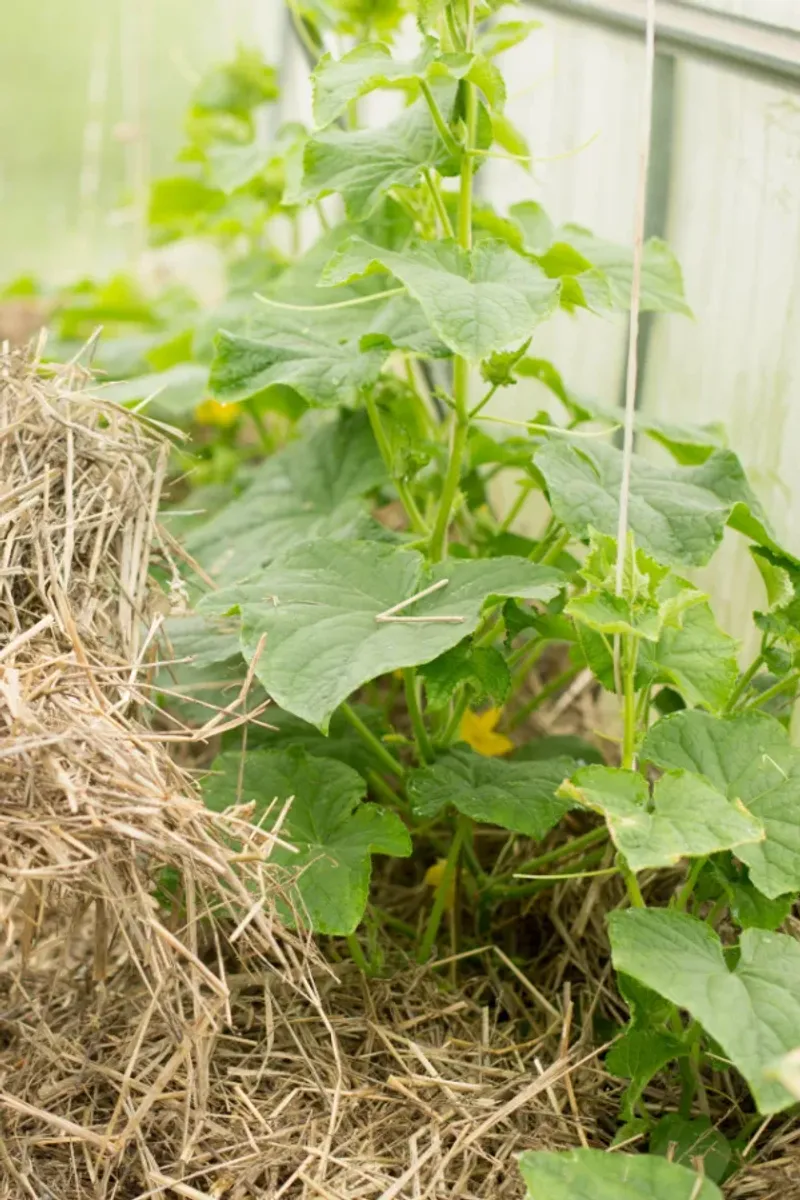
Cucumbers bring cool, crunchy snacks to summer, and they grow beautifully right inside a straw bale. Once the bale is conditioned, cucumber roots dig straight into the softened straw and settle in fast.
The loose, warm material gives roots plenty of space to stretch. What makes bales so handy for cucumbers is how well they drain.
These plants like steady moisture but hate sitting in puddles, and a bale lets extra water flow through while keeping roots comfortably damp. That balance leads to smooth, healthy fruit.
One clever trick is training the vines to climb instead of sprawling across the ground. Push a trellis or netting into the bale and gently guide the vines upward as they grow. Climbing plants take up far less space around your bale.
Growing cucumbers vertically also keeps the fruit off the soil, which means cleaner cucumbers and fewer soft spots. Hanging cucumbers grow straighter too, since they are not resting on hard surfaces.
You will find them easier to spot and pick as well. Keep the bale evenly moist, especially when the weather heats up, because thirsty cucumbers can turn bitter. Morning watering works best so leaves dry before evening.
Feed every couple of weeks to replace the nutrients the breaking-down straw uses up. Pick cucumbers while they are young and firm for the best flavor and texture. Regular picking tells the plant to keep making more, so check your vines often.
In Michigan’s warm summer months, a single healthy plant can produce a steady stream of cucumbers perfect for salads, pickles, and refreshing snacks.
4. Summer Squash
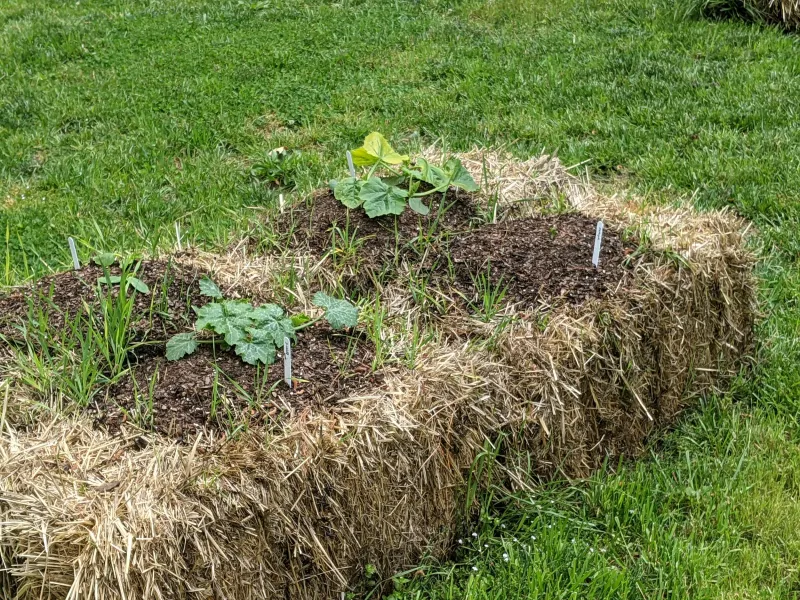
Summer squash is famous for growing fast and producing a lot, which makes it a rewarding choice for straw bale gardens. The loose, warm inside of a conditioned bale gives these big plants the perfect place to spread their roots.
Warm roots mean quick growth and plenty of fruit. Zucchini and yellow squash both thrive in this setup. As the straw breaks down, it stays airy and slightly warm, which keeps roots active and healthy through Michigan’s growing season.
That steady warmth pushes plants to grow larger and stronger. These plants are big, so each one needs plenty of elbow room. Crowding leads to poor airflow and smaller harvests, so plant just one or two per bale.
Giving them space also makes it easier to reach in and pick the fruit. Squash plants drink a lot of water, especially once they start producing. Keep the bale evenly moist and water at the base to keep the large leaves dry.
Wet leaves invite powdery mildew, which slows down growth. Because the decomposing straw uses nutrients quickly, feed your squash regularly with a balanced fertilizer. Well-fed plants pump out blossoms and fruit at an impressive pace.
Pale or yellowing leaves usually mean it is time to feed again. Check your plants daily once the squash starts forming, since they grow shockingly fast. Picking them while they are small and tender gives you the best flavor and keeps the plant producing more.
In just a few weeks, one healthy bale can supply enough squash for grilling, baking, and sharing with neighbors all summer long.
5. Eggplant
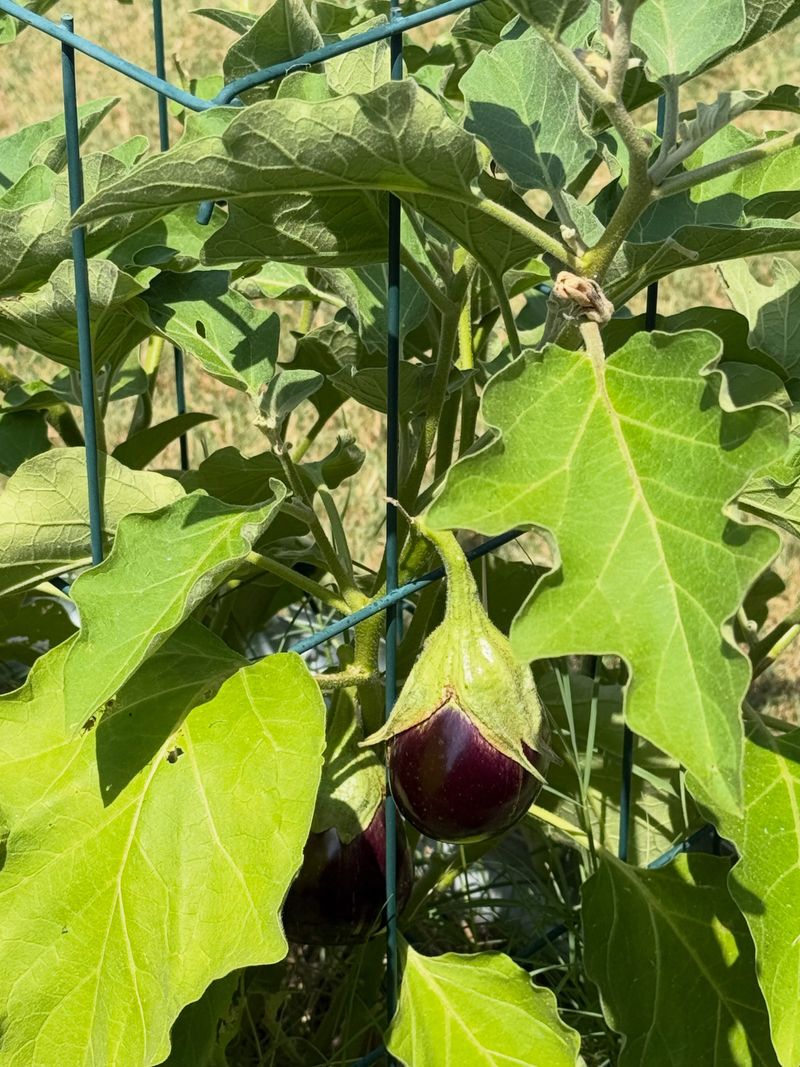
Glossy purple eggplants look almost too pretty to eat, and they truly shine when grown in a warm straw bale. Eggplant is a heat-loving crop that struggles in cold soil, so the gentle warmth from breaking-down straw gives it a big advantage.
That cozy root zone helps the plant grow steadily. Michigan springs can stay chilly longer than eggplant likes, which is why a bale helps so much. The heat trapped inside the conditioned straw keeps roots warm even when the air is cool.
Warm roots lead to earlier blooms and better fruit. Full sun is a must for these plants, so choose the sunniest spot in your yard for the bale. Six to eight hours of direct sunlight each day keeps eggplants strong and productive.
More sun means more of those beautiful fruits. Water the bale consistently since eggplant does not like to dry out between drinks. A steady supply of moisture keeps the fruit smooth and prevents bitterness.
Watering in the morning gives the plant a good start to each day. Feed your eggplant every couple of weeks because the decomposing straw pulls nutrients away as it softens. A balanced fertilizer keeps leaves healthy and encourages more blossoms.
Watch for hungry-looking pale leaves as a sign to feed. Support taller plants with a small stake so heavy fruit does not bend the stems. Harvest eggplants while their skin is shiny and firm for the sweetest flavor.
Picking often encourages the plant to keep making more, giving Michigan gardeners a steady supply for grilling, roasting, and hearty summer meals.
6. Leaf Lettuce
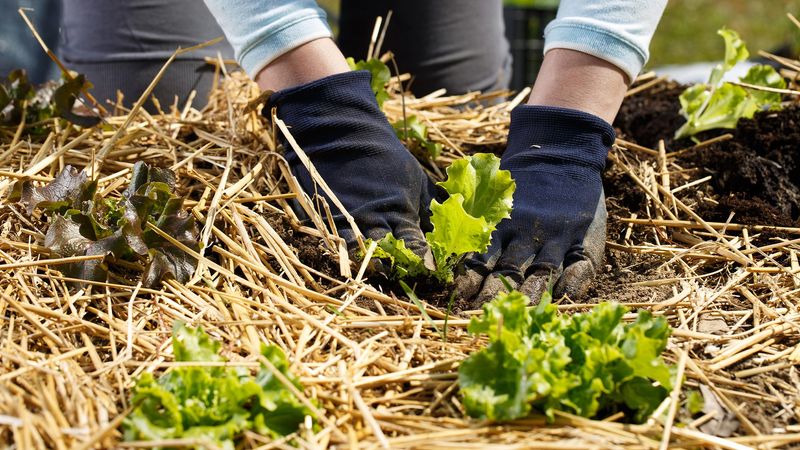
Crisp, tender leaf lettuce is one of the easiest crops to grow, and a straw bale makes it even simpler. Instead of planting deep, you spread a thin layer of potting mix across the top of the conditioned bale.
Lettuce seeds nestle right into that soft blanket and sprout quickly. Lettuce has shallow roots, so it does not need to dig deep into the straw. The thin growing medium holds seeds in place while the moist bale underneath keeps everything nicely damp.
This combo creates a perfect bed for fast, leafy growth. Because lettuce prefers cooler weather, straw bales work well in Michigan’s spring and fall.
The raised bale also drains nicely, which keeps young plants from getting waterlogged during rainy stretches. Good drainage means fewer soggy, wilted leaves.
One of the best parts of growing lettuce this way is the height of the bale. Standing at nearly waist level, the plants are easy to reach without bending or kneeling.
Harvesting becomes a quick and comfortable task. You can pick leaf lettuce again and again by snipping the outer leaves while the center keeps growing. This cut-and-come-again style gives you fresh salads for weeks from the same plants.
The raised bale makes repeated harvesting feel effortless. Keep the top layer evenly moist so seeds sprout and leaves stay tender. Water gently so you do not wash away the thin growing medium.
Sprinkle a little fertilizer now and then to keep the leaves lush and green. With just a little care, one bale can supply crunchy homegrown salads all season long.