September Is The Time To Decide Which Florida Patio Plants Are Coming Inside This Winter
September in Florida has a way of making winter feel completely theoretical. The days are still warm, the afternoons are humid, and the idea of cold weather seems like something that happens to other people in other states.
But here is the thing, for anyone growing tropical or cold-sensitive plants in patio containers, September is actually the perfect time to start thinking ahead rather than scrambling when the first cold front shows up unannounced.
Florida’s climate varies more than most people realize too.
Plants that cruise through winter without a second thought in Miami can need serious protection in Gainesville, and everything in between has its own version of that story.
Taking a honest look at your container plants now, before any cold air arrives, gives you the time and mental space to figure out a plan that actually works.
1. Orchids May Need Protection Earlier Than Other Patio Plants
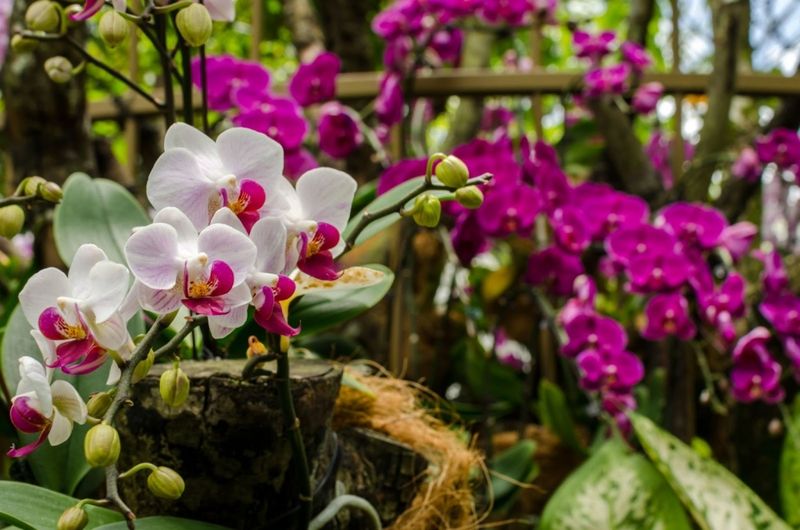
Not all orchids are created equal when it comes to cold tolerance, and that difference matters a lot for Florida patio gardeners.
Some orchid types can begin to suffer at temperatures around 50 degrees Fahrenheit, which means they may need to be moved before any frost or freeze is even on the radar.
September is a practical time to figure out exactly which orchids you have, since their individual cold tolerance can vary considerably depending on the type.
Rather than waiting for a weather alert to make the call, identifying your orchids now gives you a head start. Look at tags, research the variety, or ask at a local nursery if you are unsure of the type.
Some orchids are more forgiving of cool nights, while others are genuinely sensitive to chilling temperatures that stay well above freezing.
Once you know what you have, you can think through where each one could go during a cold event. A bright indoor window, a screened porch that stays warmer than the open patio, or a sheltered corner near a wall can all make a difference.
Not every orchid will need to come inside for the entire winter, but having a plan ready means you are not scrambling when temperatures drop.
In North and Central Florida especially, a little advance thinking can protect orchids that might otherwise suffer from an unexpected cold night.
2. Mandevilla Is A Strong Candidate For Indoor Shelter
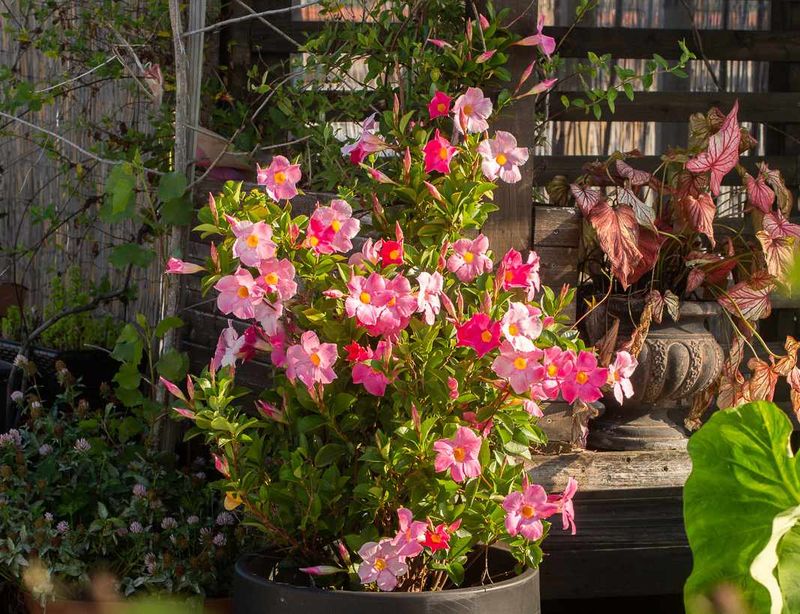
Few flowering vines make a Florida patio look as lively as a mandevilla in full bloom, with its bold pink or red flowers climbing a trellis through the warm months.
Mandevilla is a tropical plant that is sensitive to freezing conditions, and gardeners in cooler parts often grow it in containers specifically so it can be moved to shelter when cold weather threatens.
September is a good time to look at your vine with fresh eyes and think practically about what moving it would actually involve.
Consider the size of the plant, the weight of the container, and whether the trellis or support structure can be moved along with it.
Your Florida Garden Changes Every Week. Your Plan Should Too.
Gardening in Florida changes quickly throughout the season. Every Friday you’ll receive a simple weekly plan showing exactly what to plant, prune, fertilize, harvest, and protect so you never miss the right timing.
A vine that has grown large and sprawling over the summer may need some creative thinking before it can fit through a doorway or into a garage.
Knowing this ahead of time is far more useful than figuring it out during a cold front.
In South Florida, mandevilla may be able to stay outdoors through most or all of winter, since below-freezing temperatures are much less common there. In North and Central Florida, having a sheltered spot identified in advance is a sensible precaution.
The goal is not necessarily to keep the plant indoors all winter, but to have a clear plan for moving it temporarily when temperatures drop to levels that could cause damage. A little preparation in September goes a long way.
3. Tropical Hibiscus Needs A Cold-Weather Plan
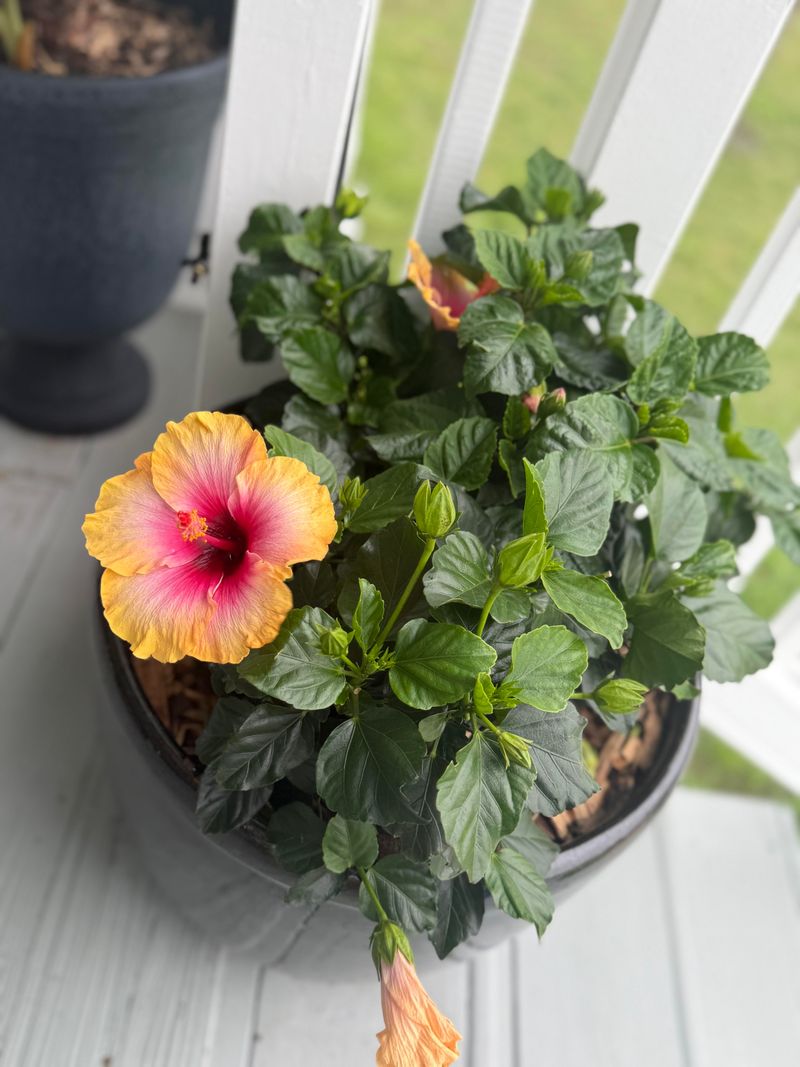
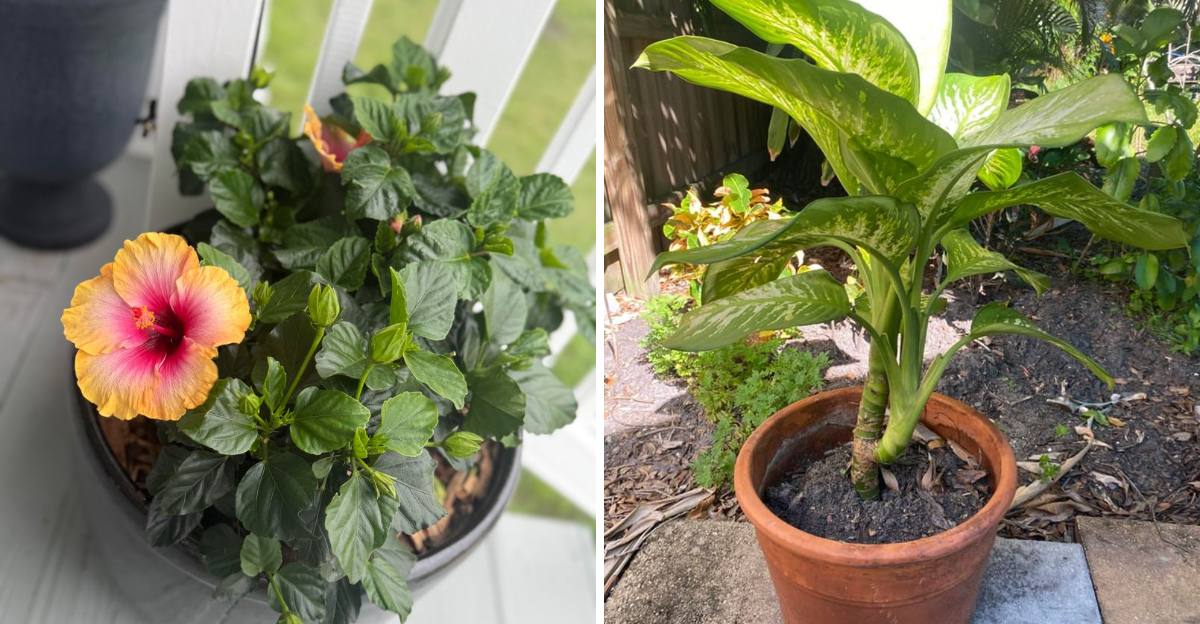
Tropical hibiscus is one of those plants that thrives in Florida’s heat and humidity but can show signs of stress surprisingly quickly when cool weather sets in.
Even relatively mild cold spells can cause lower leaves to yellow and drop, which signals that the plant is not happy with the temperature change.
The good news for container gardeners is that a movable pot gives you options that in-ground plants simply do not have.
Regional differences across Florida are worth keeping in mind here. Tropical hibiscus generally stays green through the year in South and Central Florida, where winters are mild.
In North Florida, winter injury can be more significant, and plants may need more consistent protection during cold snaps. Treating every patio the same way would mean either over-protecting plants in warmer areas or under-protecting them in colder ones.
September is a useful time to identify a sheltered spot where a hibiscus container could go when colder nights arrive. A garage, a covered lanai, or a spot near a south-facing wall can offer meaningful protection during a brief cold event.
The plant does not need to live indoors all winter, but knowing exactly where it could go, and whether the container is light enough to move, makes the whole process much less stressful when a cold front actually shows up in the forecast.
Planning ahead is the practical move.
4. Crotons Need Protection From Frost And Freezes
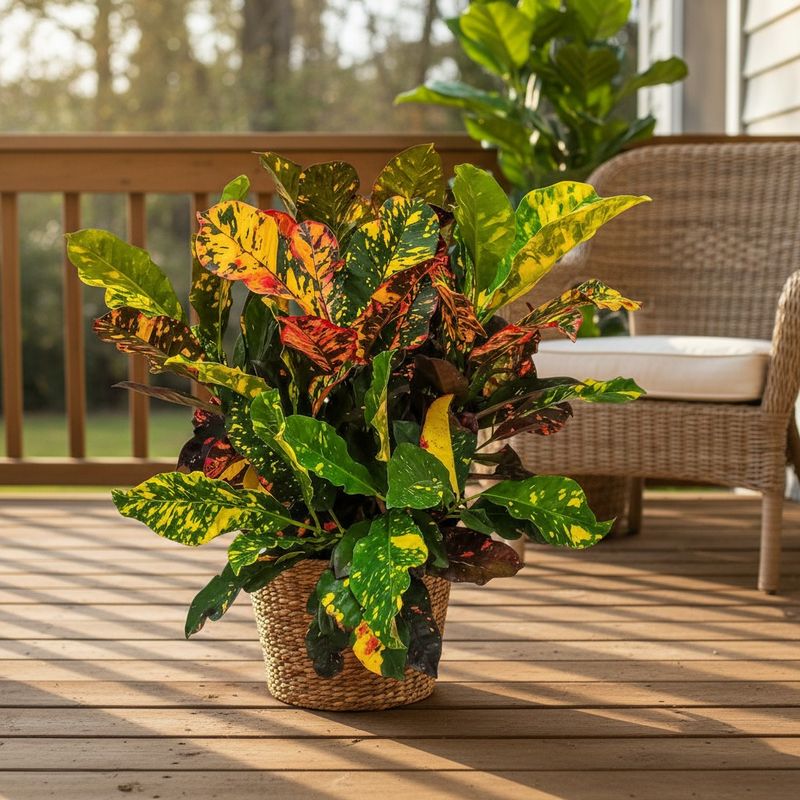
Crotons bring some of the most vivid color available in container gardening, with their bold combinations of red, orange, yellow, and green foliage that practically glow in the sun.
They thrive in Florida’s warm, humid conditions and are especially well suited to subtropical Central and South Florida.
When frost or freezing temperatures arrive, though, crotons can suffer real damage, and that is worth planning around before winter gets close.
One advantage of growing crotons in containers rather than planting them directly in the ground is that a pot can be moved.
If a cold front is forecast for your part of Florida, a container croton can be shifted to a garage, a covered porch, or another protected spot until conditions improve.
An in-ground croton has no such option, which is one reason container growing can be a smart choice in areas where winter temperatures are less predictable.
If you plan to bring crotons indoors for any length of time, light becomes an important consideration. Crotons need reasonably bright light to maintain their colorful foliage, so a dim corner of the house is not an ideal long-term spot.
A window that receives good natural light, or supplemental grow lighting, can help the plant hold its color while sheltered.
Not every cool night will require action, but having a plan ready before temperatures drop makes the whole process much smoother for both the gardener and the plant.
5. Tender Foliage Plants Can Struggle Before Freezing
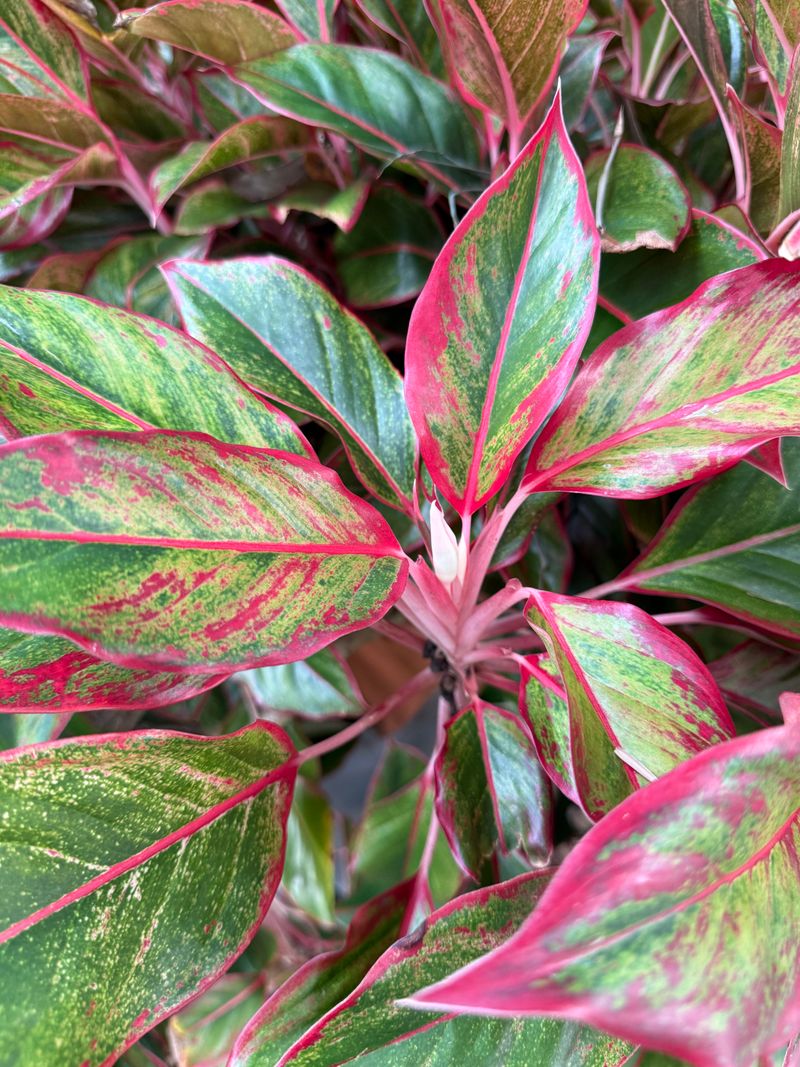
One of the more surprising things Florida gardeners discover is that some tropical foliage plants can show signs of stress before the temperature ever reaches freezing.
Many tropical and subtropical foliage plants are susceptible to chilling injury at temperatures below around 50 degrees Fahrenheit, though sensitivity varies considerably among different genera, cultivars, and even individual plants depending on their condition, size, and how well they have adjusted to outdoor conditions.
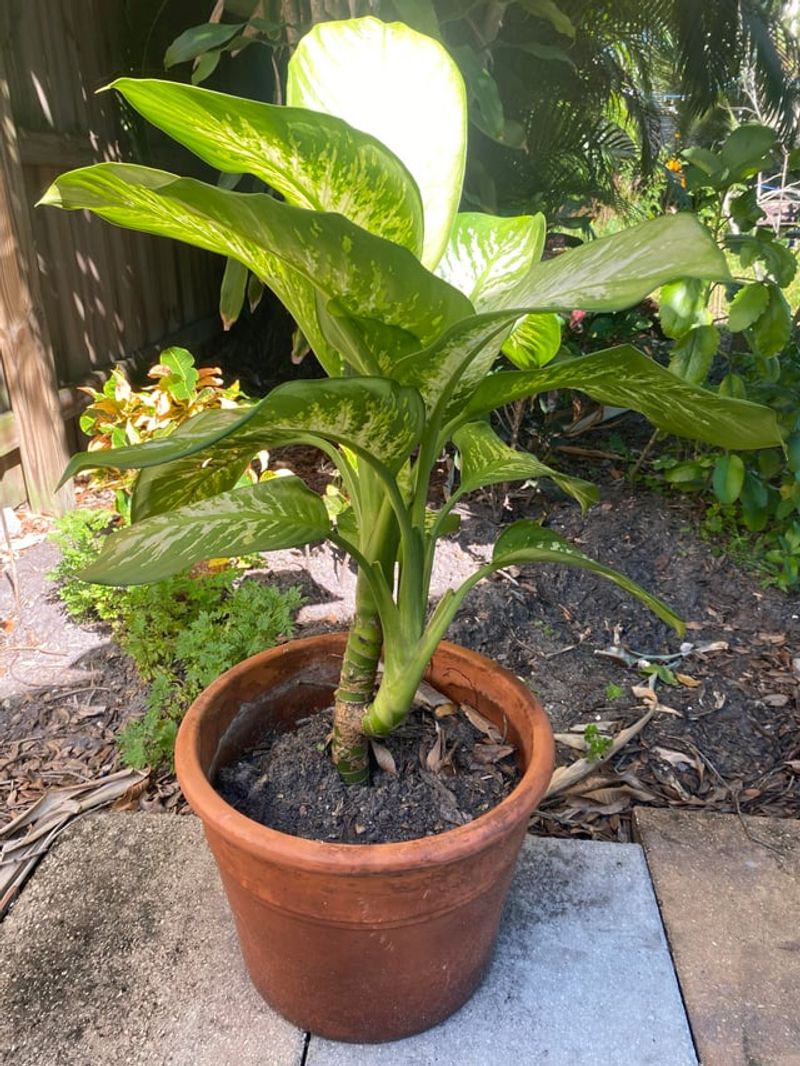
Plants like Aglaonema and Dieffenbachia are examples of tropical foliage that can be sensitive to cool temperatures, though the exact tolerance differs among varieties.
A plant that has been sitting in a warm, sunny spot all summer may react differently to a cool night than one that has gradually experienced some temperature fluctuation.
Pot size can also play a role, since smaller containers tend to lose heat faster than larger ones.
Waiting for a freeze warning before thinking about these plants may mean acting too late for the most sensitive ones.
September gives gardeners a chance to take stock of which tender foliage plants are on the patio, research their individual cold tolerances, and identify where each one could be sheltered if needed.
Moving a plant temporarily during a cold snap and returning it to the patio when warm weather comes back is often all that is needed, especially in Central and South Florida where hard freezes are not an every-winter event.
6. Philodendrons And Other Tropical Foliage Deserve A Closer Look
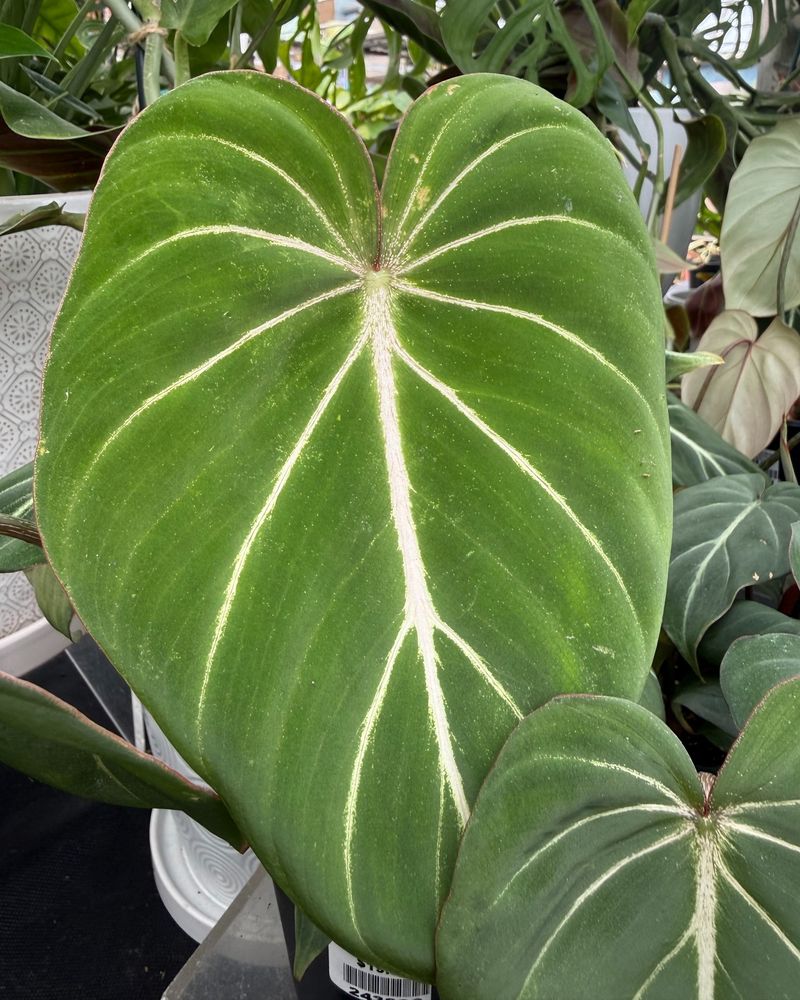
Philodendrons have become some of the most popular patio plants in Florida, and it is easy to see why.
Their lush, dramatic leaves add a tropical feel to any outdoor space, and they generally grow well in the warm, humid conditions that Florida provides for much of the year.
What is easy to overlook, though, is that philodendron is a broad category that includes plants with meaningfully different levels of sensitivity to cool temperatures.
Relying on a single cold threshold for all philodendrons would be an oversimplification.
Research on tropical foliage plants shows substantial variation among types and cultivars, so the philodendron that does fine on a cool night might be a different story from another variety sitting just a few feet away on the same patio.
Knowing the specific plant or cultivar you are growing is a more reliable guide than assuming all philodendrons behave the same way.
September is a practical time to identify what you actually have, check its cold tolerance, and decide whether it might need temporary shelter during the coldest nights of winter.
For many philodendrons in Central and South Florida, full indoor living for the entire winter may not be necessary.
A sheltered spot during cold events may be enough. In North Florida, where freezing conditions are more common, a more consistent protection plan may make sense.
The key is knowing your plant before the weather forces a quick decision.
7. Your Florida Location Changes Which Plants Need To Move
A gardener in Pensacola and a gardener in Naples are both in Florida, but their winter experiences can be remarkably different.
Freezing weather normally occurs in North and Central Florida during winter, while below-freezing temperatures are comparatively rare in South Florida.
That regional difference shapes every decision about which patio plants may need protection and how urgently that protection needs to happen.
Even within a single region, microclimates can shift things noticeably. A plant tucked close to a south-facing wall of a house may stay several degrees warmer than one sitting in the open center of a patio.
Tree canopy overhead can trap warmth and slow temperature drops. Low-lying spots on a property can collect cold air on still, clear nights, making them colder than areas just a few feet higher.
These small differences can determine whether a sensitive plant comes through a cold night unharmed or shows damage the next morning.
Rather than following a single statewide guideline for when tropical patio plants should move indoors, gardeners benefit from thinking about their specific location and yard conditions.
A tender tropical in a sheltered North Florida patio may need protection earlier and more often than the same plant sitting in a warm South Florida microclimate.
September is a good time to walk your space, observe where the warmest and coolest spots are, and factor that knowledge into your winter plant protection plan.
8. Indoor Light And Space Should Be Planned Before The Cold Arrives
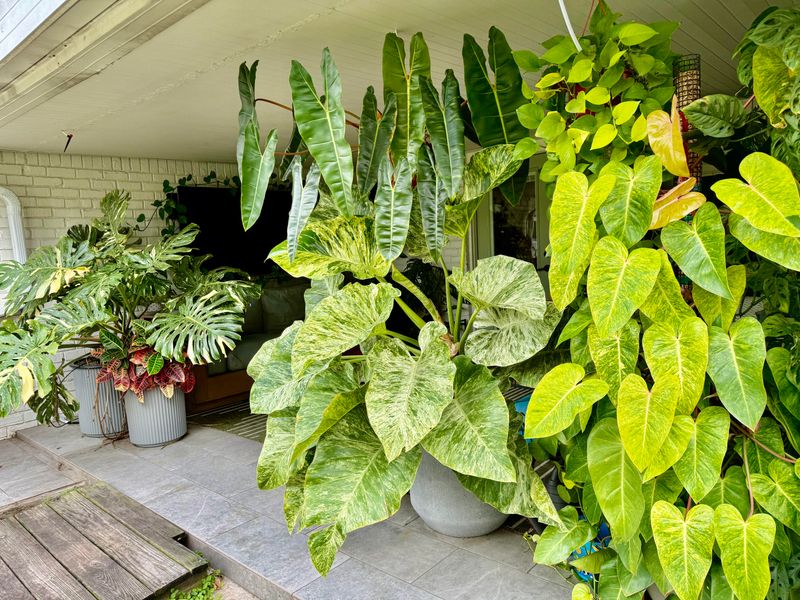
Moving a plant indoors solves the temperature problem but can create a different set of challenges if the indoor environment is not thought through ahead of time.
Florida patios often provide strong light, good air movement, and natural humidity that indoor rooms simply cannot match.
When a tropical plant comes inside, it may need adjusted watering, different positioning, and some patience while it adjusts to a new environment.
Light is one of the most important factors to consider. Flowering plants, colorful foliage plants, and succulents generally need brighter conditions than a typical indoor room provides.
A window with good southern or eastern exposure can help, but it may not fully replace what a plant experienced outdoors. Foliage plants that tolerate lower light levels tend to adjust more easily to indoor life during a cold spell.
Before the first cold front arrives, take a walk through your home and look honestly at the available space. Consider window placement, floor space for larger containers, drainage needs, and whether any spots might get too cold near drafty windows or exterior walls.
Thinking through these details in September, while the weather is still warm and there is no urgency, means you will be ready to act quickly when a cold night is actually forecast.
Having a clear indoor plan is just as important as knowing which plants need protection in the first place.