8 North Carolina Vegetables Worth Succession Planting Every Two Weeks
Most gardeners plant a crop once and wait for a single harvest, missing out on weeks of additional production hiding in plain sight.
But several North Carolina vegetables actually reward a completely different approach, one built around planting small batches every couple of weeks instead of all at once.
Understanding which crops respond best to this method could dramatically extend how long your garden keeps producing throughout the season.
Many gardeners are surprised by how much more they end up harvesting once they switch to this staggered approach.
This list could change how you plan your entire vegetable garden layout going forward. Once you start succession planting these specific crops, a single harvest starts to feel like a missed opportunity.
A small shift in timing could mean weeks of extra harvests you weren’t expecting.
1. Bush Beans
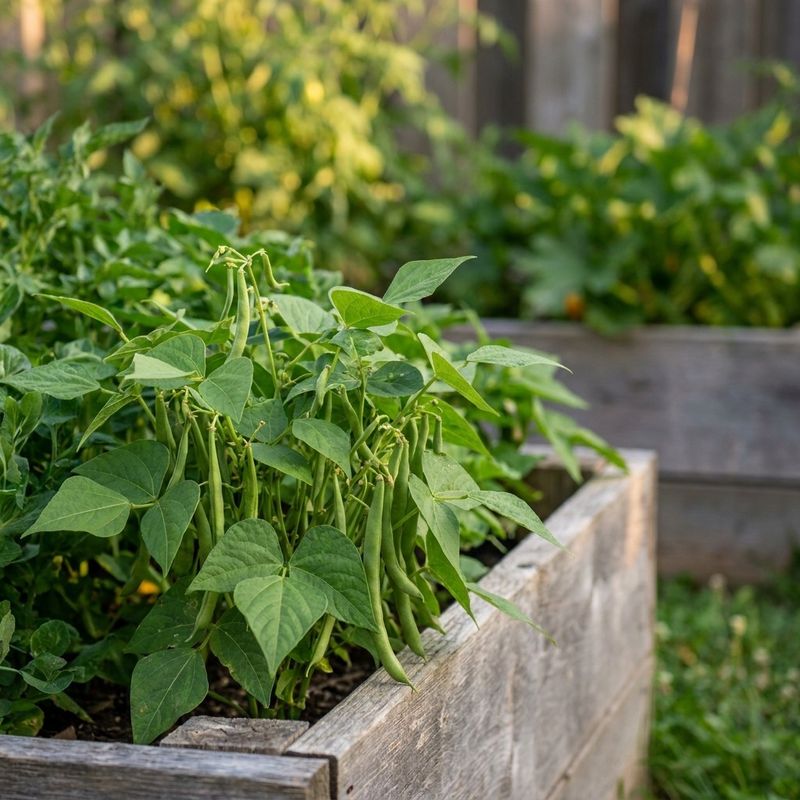
Nothing beats a handful of crisp bush beans picked fresh from your own yard. The catch is that bush beans tend to ripen all at once, dumping pounds of pods on you in just a few days.
Planting a new short row every two weeks fixes that rush. Instead of scrambling to eat, freeze, or give away one massive haul, you get a manageable batch every week or so.
Each planting keeps producing for a while, and the next one takes over as the older plants slow down.
In North Carolina, warm soil makes beans happy. Wait until after the last frost in spring, usually around mid-April in most areas, then keep sowing through early summer. You can start again in late summer for a fall crop before cooler weather arrives.
Bush beans grow fast, often ready to pick in about 50 to 60 days. That quick turnaround makes them perfect for staggered planting because you see results without a long wait.
Pick pods while they are young and tender for the best flavor and texture. Regular picking also encourages the plants to keep making more, stretching your harvest even further.
Give each row full sun and steady water, especially while the pods are forming. Skip heavy nitrogen fertilizer since beans make their own with help from soil bacteria.
With a little planning and a calendar reminder every two weeks, you will trade one overwhelming week of beans for a whole season of fresh, delicious ones.
2. Beets
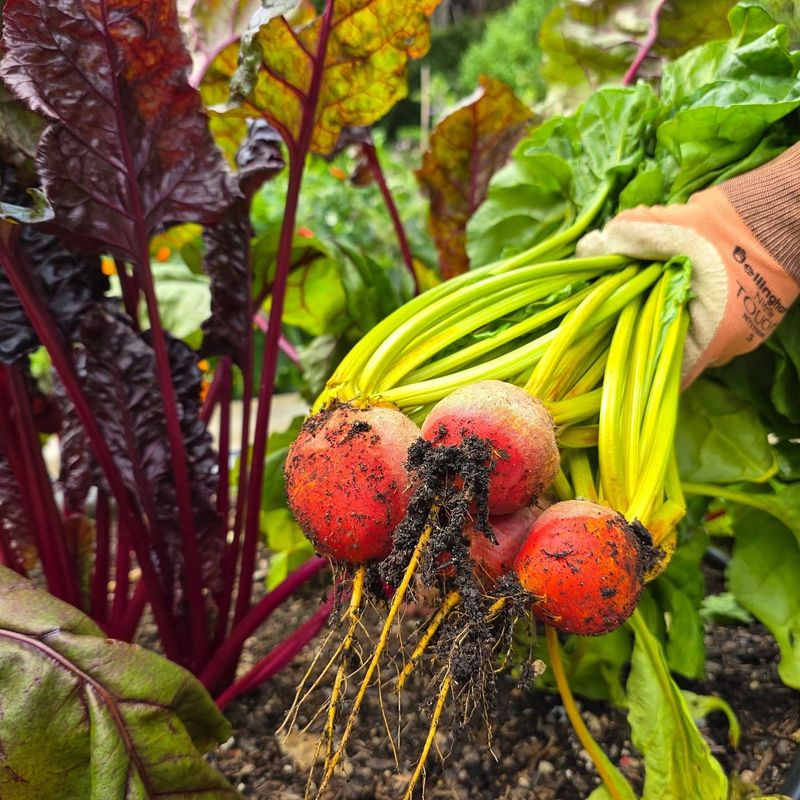
Sweet, earthy, and colorful, beets reward gardeners twice with both tender roots and edible leafy greens. They shine during North Carolina’s cool spring and fall stretches when temperatures stay mild.
Sowing a small batch every two weeks keeps young, tender roots coming instead of leaving you with a crowded bed that all matures together.
Small roots taste sweeter and cook faster, so a steady flow of smaller beets often beats a single big harvest of tough, oversized ones.
Start seeds directly in the garden as soon as the soil can be worked in early spring. Then repeat every couple of weeks until warm summer weather takes over.
Pick up again in late summer for a fall run that often produces some of the sweetest beets of the year.
Your North Carolina Garden Changes Every Week. Your Plan Should Too.
Gardening in North Carolina changes quickly throughout the season. Every Friday you’ll receive a simple weekly plan showing exactly what to plant, prune, fertilize, harvest, and protect so you never miss the right timing.
Each beet seed is actually a cluster, so several seedlings usually sprout from one spot. Thin them out so plants sit about three inches apart, giving roots room to swell. The thinnings make a tasty addition to salads, so nothing goes to waste.
Loose, well-drained soil helps roots grow smooth and round. Rocky or compacted ground can leave you with lumpy, twisted beets, so mix in compost before planting.
Keep the soil evenly moist to avoid woody roots and cracking. A light mulch helps hold moisture and keeps weeds down.
With staggered sowing, you can enjoy roasted beets, pickled slices, and fresh greens for weeks rather than facing one big pile all at once.
3. Broccoli
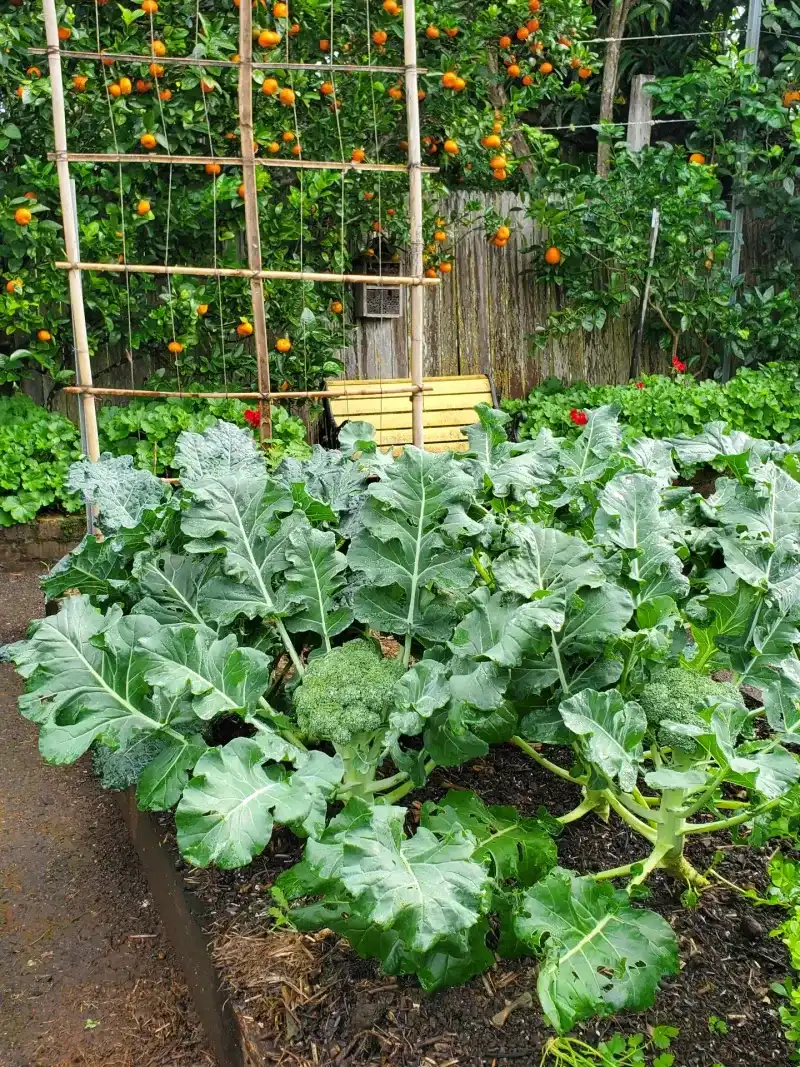
Homegrown broccoli tastes worlds better than anything wrapped in plastic at the store. The only downside is timing, since a whole bed of broccoli tends to form heads all at the same moment.
Setting out transplants at two week intervals spreads that harvest across many weeks. Instead of cutting a dozen heads in a single day, you get a few ready every week, which is far easier to cook and enjoy.
Broccoli loves the cool weather North Carolina offers in spring and fall. Set out transplants in early spring so heads form before summer heat, then plant again in late summer for a fall crop that often turns out even better.
Choose stocky, healthy transplants and space them about 18 inches apart. Crowded plants make smaller heads, so give each one room to spread its leaves.
After you cut the main head, most plants keep producing smaller side shoots for weeks. That bonus harvest stretches your supply even further, so do not pull the plants right away.
Steady moisture and rich soil packed with compost keep heads tight and sweet. A layer of mulch helps hold water and keeps roots cool during warm spells.
Watch for cabbage worms, which love broccoli leaves. A floating row cover or a quick check by hand usually keeps them in line without much fuss.
With a transplant or two going in every couple of weeks, your kitchen stays stocked with fresh, crisp broccoli through the whole cool season.
4. Kale
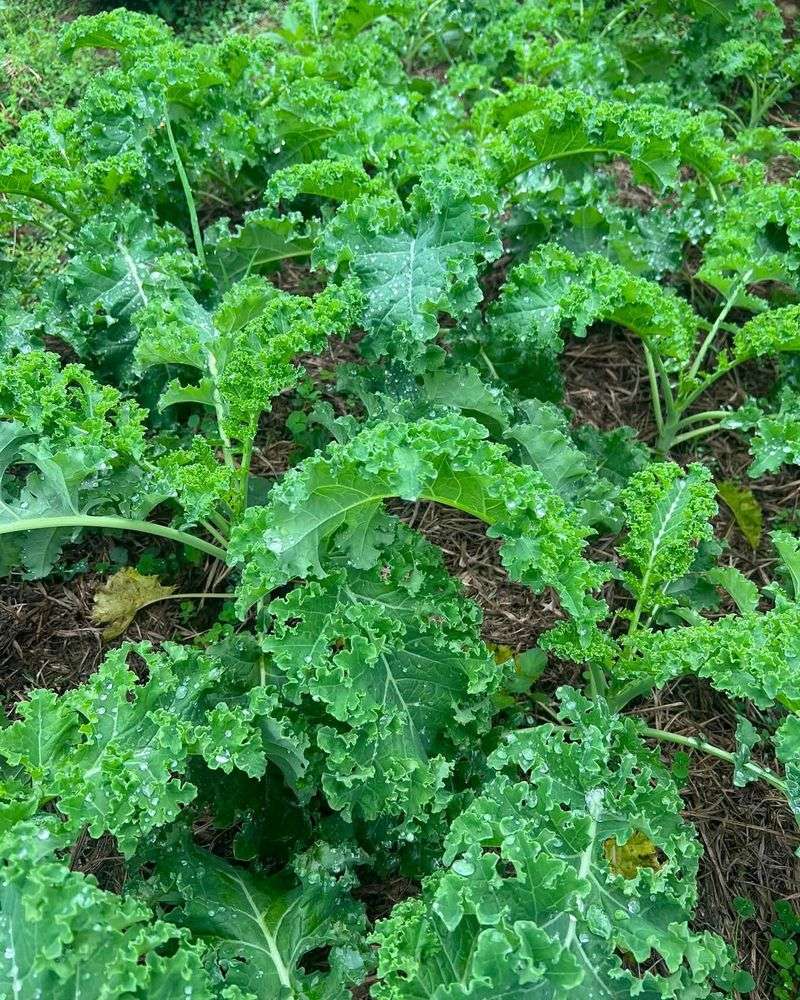
Tough, healthy, and endlessly useful, kale might be the most forgiving green you can grow. It handles cold better than almost any other leafy crop, and a light frost actually makes the leaves taste sweeter.
Planting kale in stages every two weeks gives you a rolling supply of young, tender leaves. Older plants can turn bitter and chewy, so having fresh, smaller plants coming along keeps salads crisp and mild.
North Carolina gardeners get the most from kale in fall and winter. Start seeds or transplants in late summer, and keep adding a few every couple of weeks into early fall.
The cooler it gets, the better kale performs, often lasting right through winter in milder areas.
You can harvest in two easy ways. Snip individual outer leaves and let the center keep growing, or cut whole young plants for baby kale. Staggered planting makes both styles possible at the same time.
Give kale full sun and rich soil with plenty of compost. Steady water keeps leaves tender and helps plants shrug off dry spells.
Pick leaves regularly to keep plants producing and to enjoy them at their best. The more you harvest, the more new growth appears.
Keep an eye out for aphids hiding under leaves, and rinse them off with a strong spray of water when needed.
With small plantings spread across the fall, you can enjoy fresh kale for smoothies, soups, and chips long after most gardens have wound down.
5. Leaf Lettuce
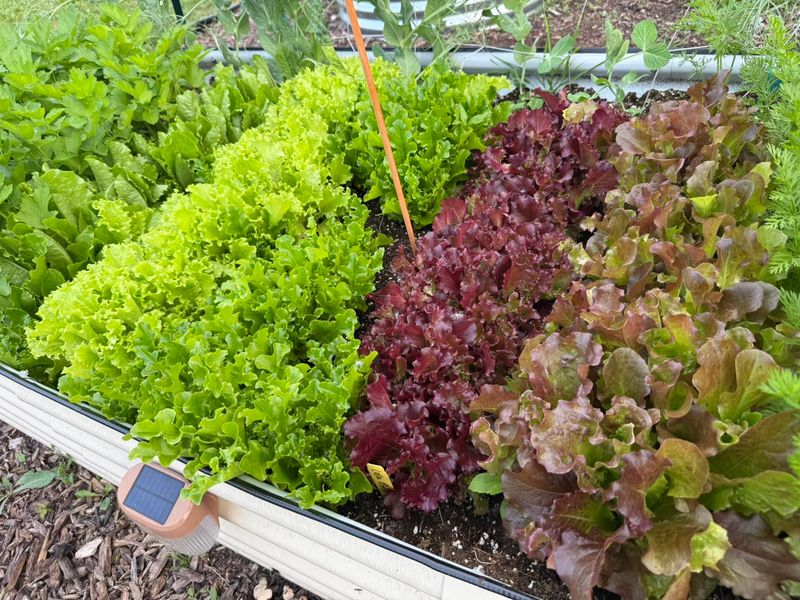
Crisp, cool, and ready in a flash, leaf lettuce is the salad lover’s best friend. It grows quickly and takes up little space, which makes it ideal for planting again and again.
Sowing a short row every two weeks keeps tender leaves on your table without gaps. Lettuce planted all at once tends to mature together and then turn bitter, so small, frequent batches keep the flavor fresh and mild.
Spring and fall are prime lettuce time in North Carolina. Start seeds as soon as the soil warms slightly in early spring, then keep sowing until the weather heats up.
Begin again in late summer for a fall run that often lasts well into cooler months. Summer heat is lettuce’s biggest challenge. When temperatures climb, plants bolt, meaning they shoot up flower stalks and turn bitter.
That is your cue to pause succession sowing until things cool off again. Harvest the outer leaves and let the center keep growing for a cut-and-come-again supply. This trick stretches each planting and gives you more meals per plant.
Loose, moist soil and a little afternoon shade help lettuce stay sweet during warm spells. Regular watering keeps leaves tender rather than tough.
Mix different varieties like green oakleaf, red romaine, and buttery types for a colorful, flavorful salad bowl. Different colors and textures make homegrown salads far more exciting.
With a fresh row started every couple of weeks, you will always have crunchy leaves ready to pick.
6. Radishes
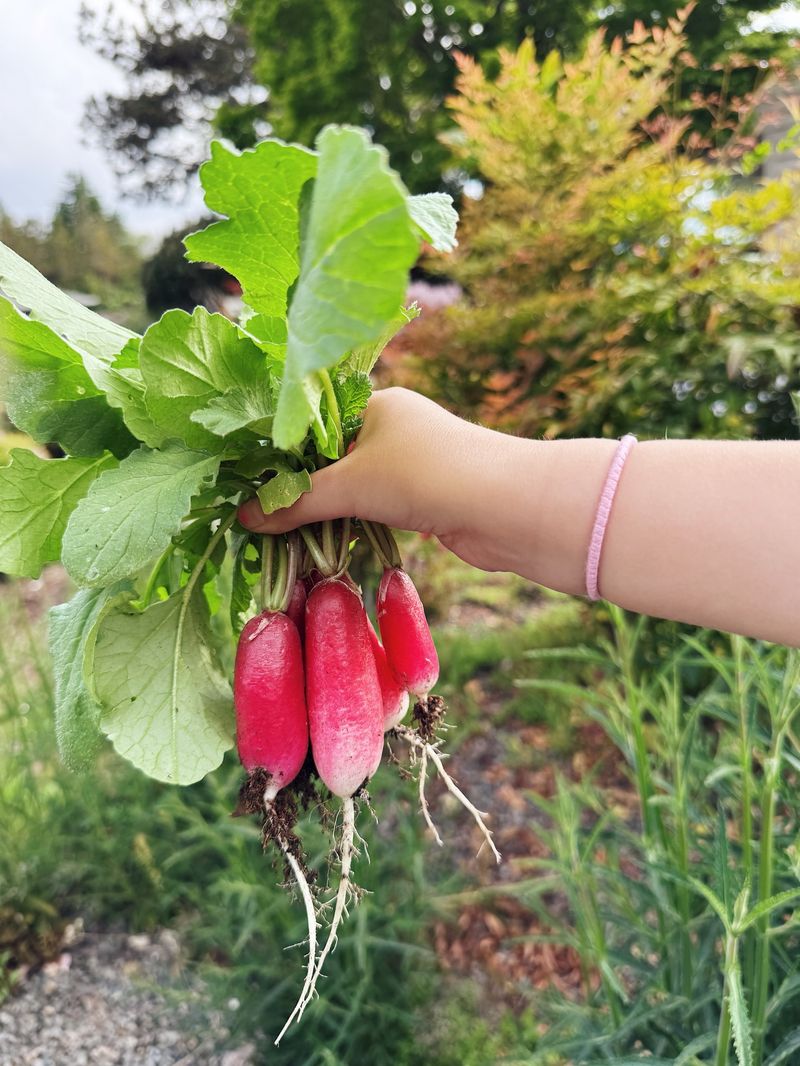
Speedy little radishes are the sprinters of the vegetable garden. Some varieties go from seed to plate in as little as three to four weeks, which makes them perfect for eager gardeners who hate waiting.
That quick growth is exactly why radishes suit two week succession sowing so well. By the time one batch is ready, you can plant the next, keeping crunchy roots coming without a single dull stretch.
North Carolina’s cool spring and fall seasons bring out the best radish flavor. Sow seeds directly in the garden as soon as the soil can be worked, and keep planting every couple of weeks until warm weather sets in.
Start again in early fall for a second wave of harvests. Radishes dislike hot weather, which makes them tough and overly spicy. Save your sowings for the mild months and pause during the peak of summer heat.
Thin seedlings early so each root has room to swell. Crowded radishes stay small and skinny, so a little spacing goes a long way.
Keep the soil evenly moist for smooth, mild roots. Dry spells followed by heavy watering can cause cracking or a harsh, peppery bite.
Pull radishes as soon as they size up, since leaving them too long makes them woody and hollow. Fresh and prompt is always best.
With their lightning pace, radishes make an ideal starter crop for kids and beginners, delivering fast rewards and a steady stream of crisp, colorful roots all season.
7. Spinach
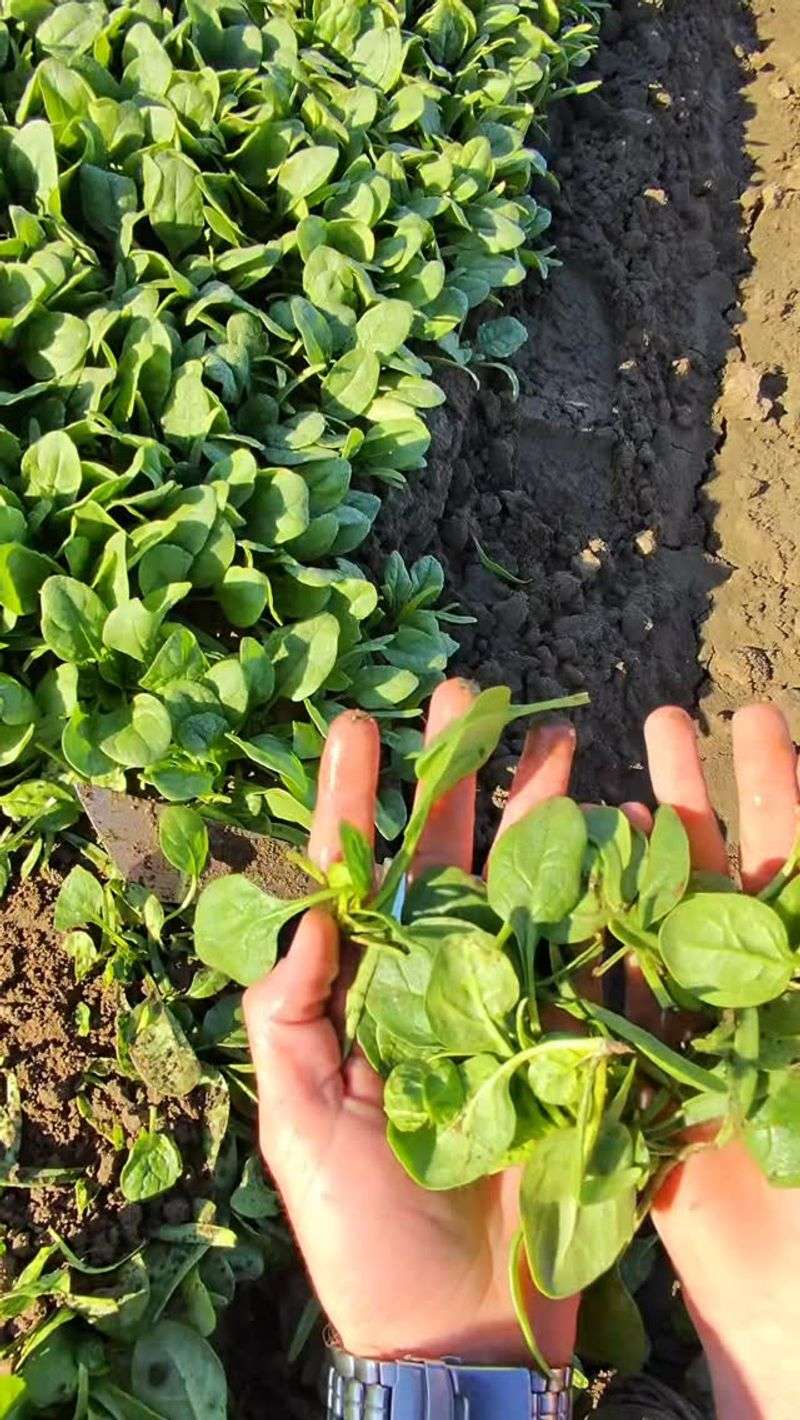
Packed with nutrients and mild enough for almost any dish, spinach is a cool-season champ. It grows fast in gentle weather and gives you tender leaves for salads, sautes, and smoothies.
Planting spinach in small batches every two weeks stretches your harvest across North Carolina’s mild spring and fall. A single big planting tends to bolt and turn bitter all at once, so spreading it out keeps the leaves sweet and steady.
Cool soil is the secret to happy spinach. Sow seeds directly in early spring as soon as the ground can be worked, then repeat every couple of weeks until warm weather arrives.
Fall plantings often perform even better, since cooling temperatures suit spinach perfectly.
When summer heat sets in, spinach quickly sends up flower stalks and stops making good leaves. That is the signal to pause sowing until cooler days return.
Harvest outer leaves first and let the center keep growing, or cut whole young plants for baby spinach. Both methods work well with staggered planting.
Rich soil with plenty of compost and steady moisture keeps leaves lush and tender. A little mulch helps hold water and keeps the roots cool.
Pick leaves often to encourage fresh growth and to enjoy them before they get too large. Younger leaves have the mildest, sweetest taste.
With a new batch tucked in every two weeks during the cool months, you will have plenty of homegrown spinach ready whenever a recipe calls for a handful of greens.
8. Turnips
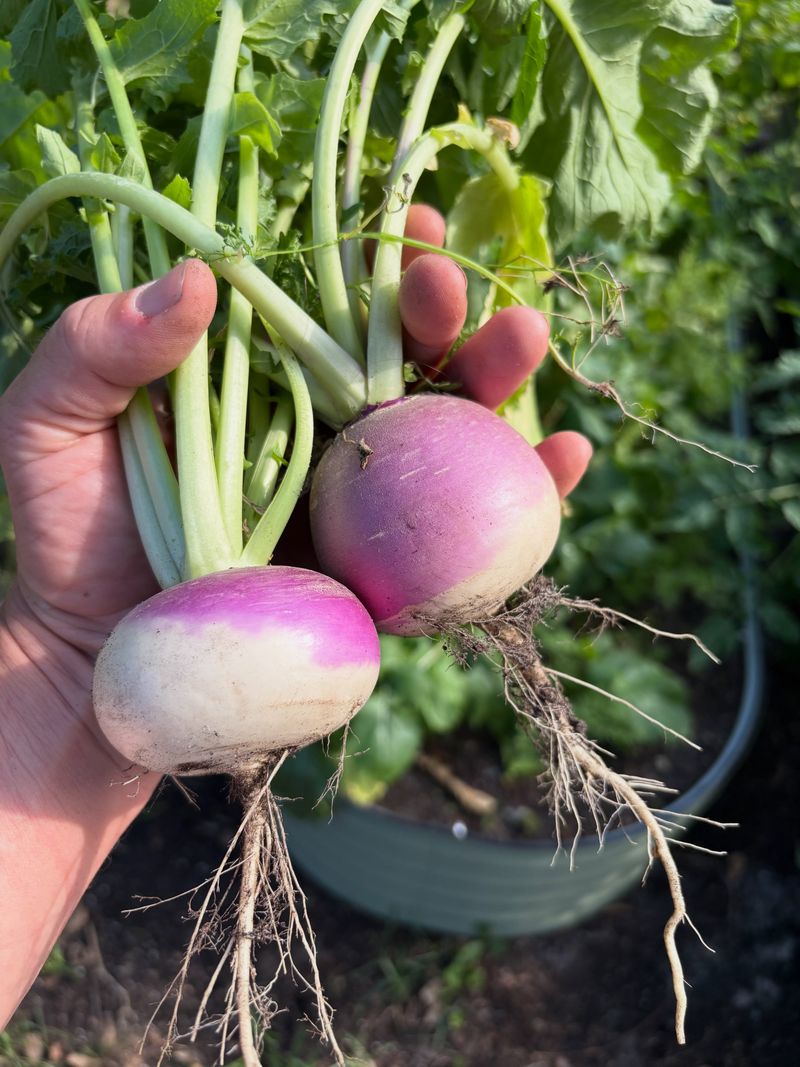
Two harvests from one plant? Turnips deliver exactly that, offering both tender greens and sweet, crisp roots. That double duty makes them a smart pick for any cool-season garden.
Sowing turnips every two weeks keeps a fresh supply of young greens and small roots coming instead of a single overwhelming batch. Smaller turnips are milder and sweeter, so frequent plantings help you catch them at their best.
North Carolina’s spring and fall provide ideal turnip weather. Plant seeds directly in the soil in early spring, then keep sowing every couple of weeks until it warms up.
A late summer start leads to a strong fall harvest, and the roots often taste sweeter after a light frost.
The greens grow fast and can be snipped just a few weeks after planting. Toss them in soups or cook them like other hearty greens for a tasty, thrifty meal.
Thin seedlings so roots have space to round out. Crowded plants make skinny roots, so a little spacing pays off.
Keep the soil loose and evenly moist for smooth, tender roots. Dry stretches can make turnips tough and sharp in flavor.
Pull roots while they are still small and tender, usually around two inches across. Larger turnips can turn woody and lose their sweetness.
With staggered sowing across the cool months, you can enjoy a long run of both flavorful greens and crunchy roots, getting the most from every foot of garden space.