The One Thing Michigan Butterfly Bush Needs In September To Keep Blooming
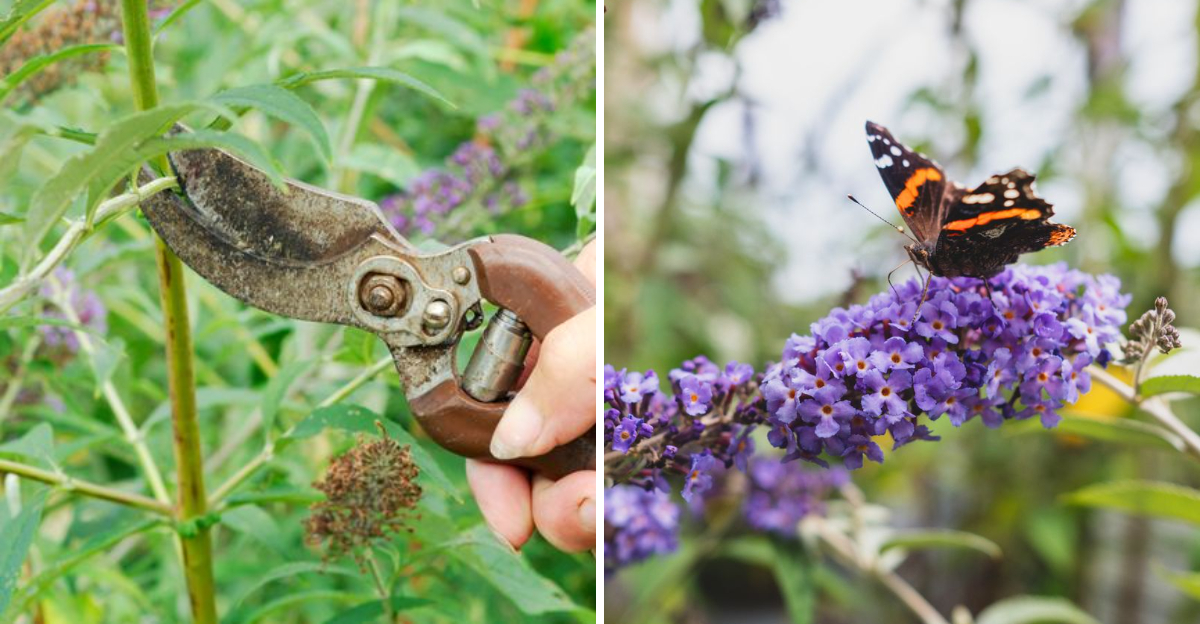
Butterfly bush often starts looking tired by September, its blooms fading just as pollinators are still searching for late season nectar before migration.
Many Michigan gardeners assume this slowdown simply means the plant is reaching the natural end of its yearly cycle. But that’s not necessarily true, and one small habit can completely change how much longer your butterfly bush keeps flowering into fall.
It has nothing to do with fertilizer or extra watering, and everything to do with a task most gardeners skip without realizing its impact.
Once you understand what’s actually happening, keeping those blooms going becomes surprisingly simple.
The difference between a butterfly bush that quits in September and one that blooms into October often comes down to this single overlooked step. Your pollinators will notice the difference too.
1. Deadhead The Faded Flowers
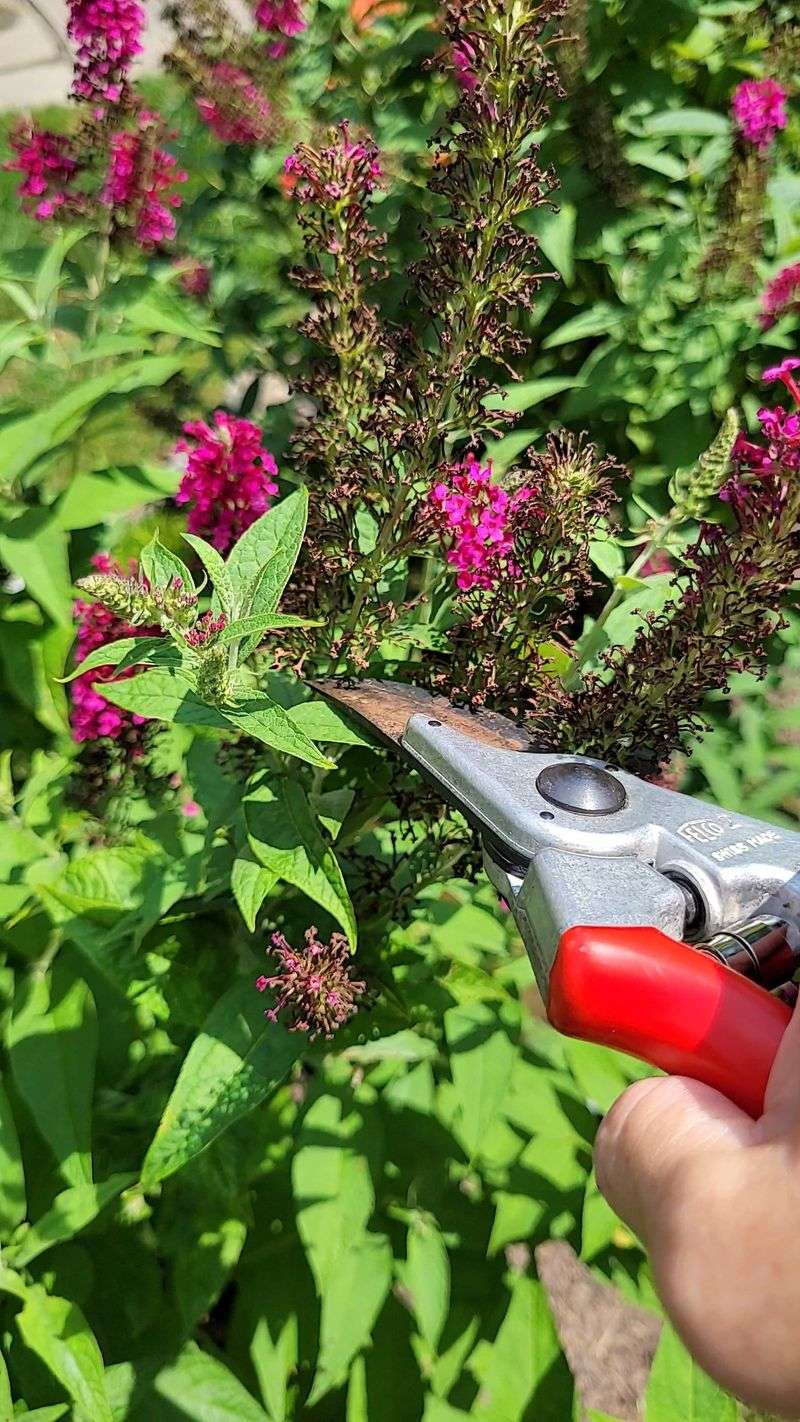
Snipping off those tired, brown flower spikes is the single most powerful move you can make in September. When a butterfly bush finishes blooming, each spent cluster starts working on making seeds, and that quietly slows down new flower production.
By removing the faded blooms, you send the plant a clear message. It stops spending energy on old flowers and starts pushing out fresh ones instead. Gardeners call this deadheading, and it is one of the easiest habits to build.
You do not need anything fancy for the job. A clean pair of pruning shears or even sharp scissors works great for a butterfly bush. Just look for the spikes that have lost their bright color and turned dull or crispy.
The plant responds fast when conditions stay warm. Within a week or two, you often notice new buds forming where you made your cuts. That quick payoff makes the effort feel worth it.
Think of deadheading as gentle encouragement rather than heavy work. You are simply guiding the bush toward more color instead of letting it wind down early. A few minutes here and there adds up to weeks of extra flowers.
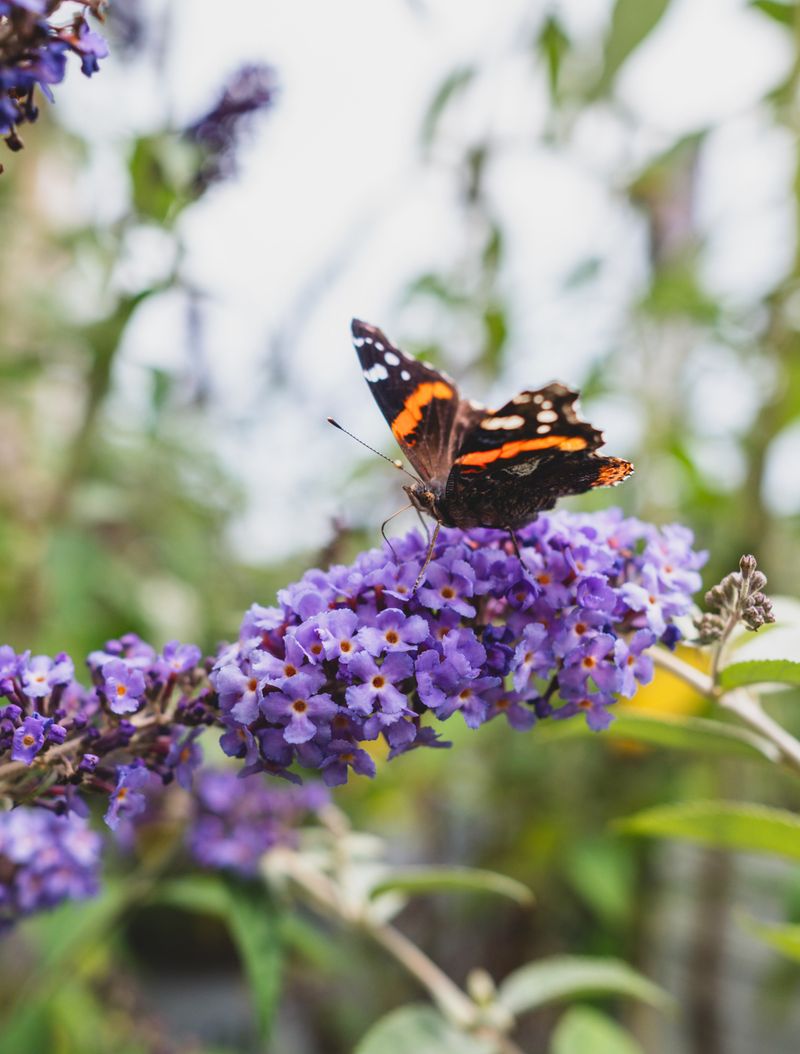
Michigan gardeners get a real bonus from this too. The blooms keep feeding butterflies, bees, and hummingbirds that are still active during warm September afternoons. Everyone wins when you keep those flowers coming.
So grab your shears, walk around the shrub, and clip away anything past its prime. This one small task keeps your butterfly bush looking lively.
2. Cut Before The Seeds Develop
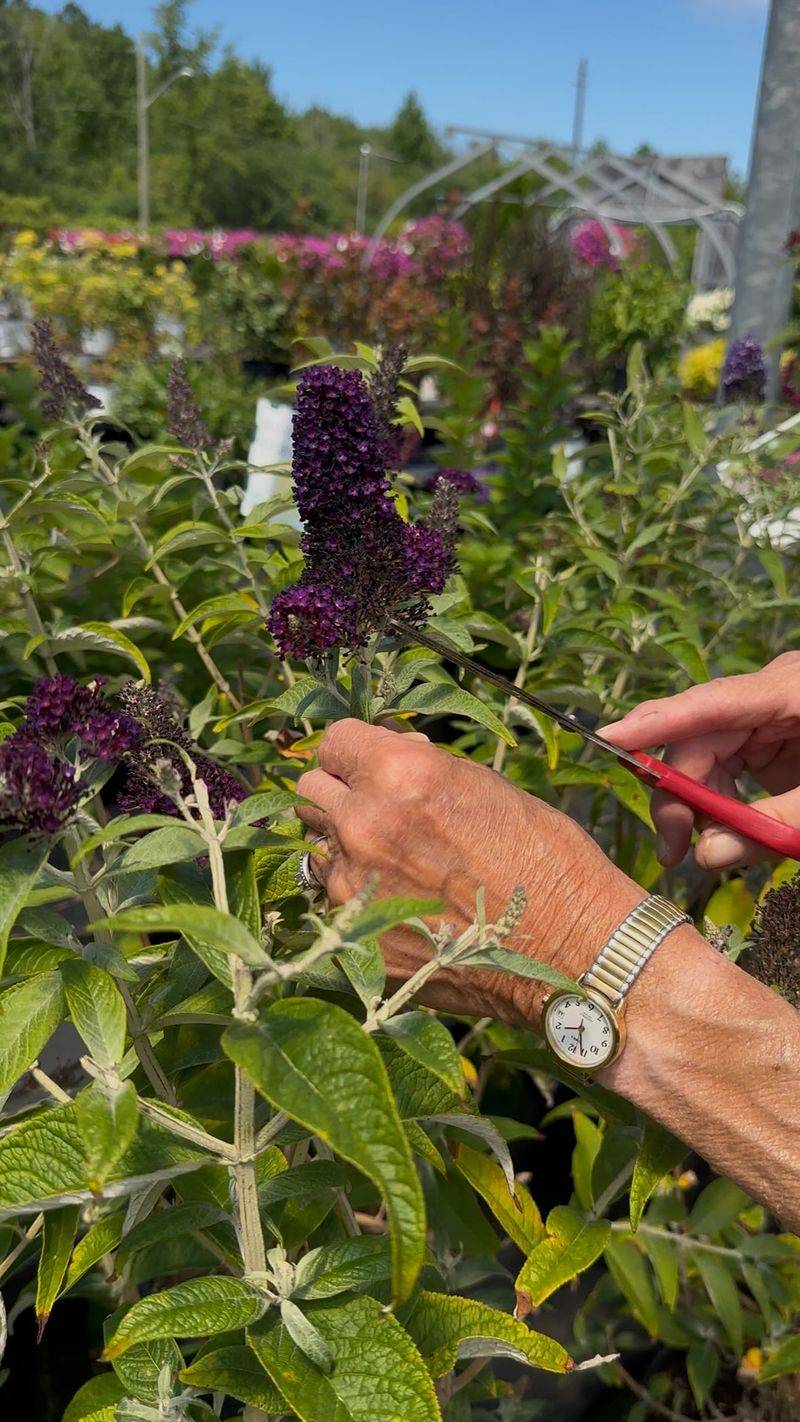
Timing makes a huge difference when you deadhead a butterfly bush. If you wait too long, the faded flowers begin turning into seed heads, and that changes how the plant behaves.
Once seeds start forming, the bush pours its energy into ripening them. That energy could have gone toward brand new flower spikes instead. Cutting early keeps the plant focused on blooming rather than seed making.
You can spot the change easily. A flower cluster ready for removal looks dull and dry, while one turning to seed shows small, hard, brownish bumps along the spike. Catch it before those bumps develop.
Your Michigan Garden Changes Every Week. Your Plan Should Too.
Gardening in Michigan changes quickly throughout the season. Every Friday you’ll receive a simple weekly plan showing exactly what to plant, prune, fertilize, harvest, and protect so you never miss the right timing.
Getting into a rhythm helps a lot here. A quick walk around the shrub every few days lets you catch fading blooms before they mature. The sooner you snip, the sooner fresh buds appear.
This trick works because the plant only has so much energy to share. When you stop it from feeding seeds, all that fuel gets redirected toward the show you actually want to see.
Butterfly bushes are also known for spreading seeds where they are not wanted. Cutting before seeds form keeps volunteer seedlings from popping up around your yard next spring, which is a nice added perk.
Michigan’s warm early autumn days give the plant a real chance to reward your effort. Every early cut buys you more time in the blooming window.
So make it your goal to beat the seeds. Snip while the flowers are just past their peak, and your bush keeps performing longer.
3. Find The Next Healthy Leaves
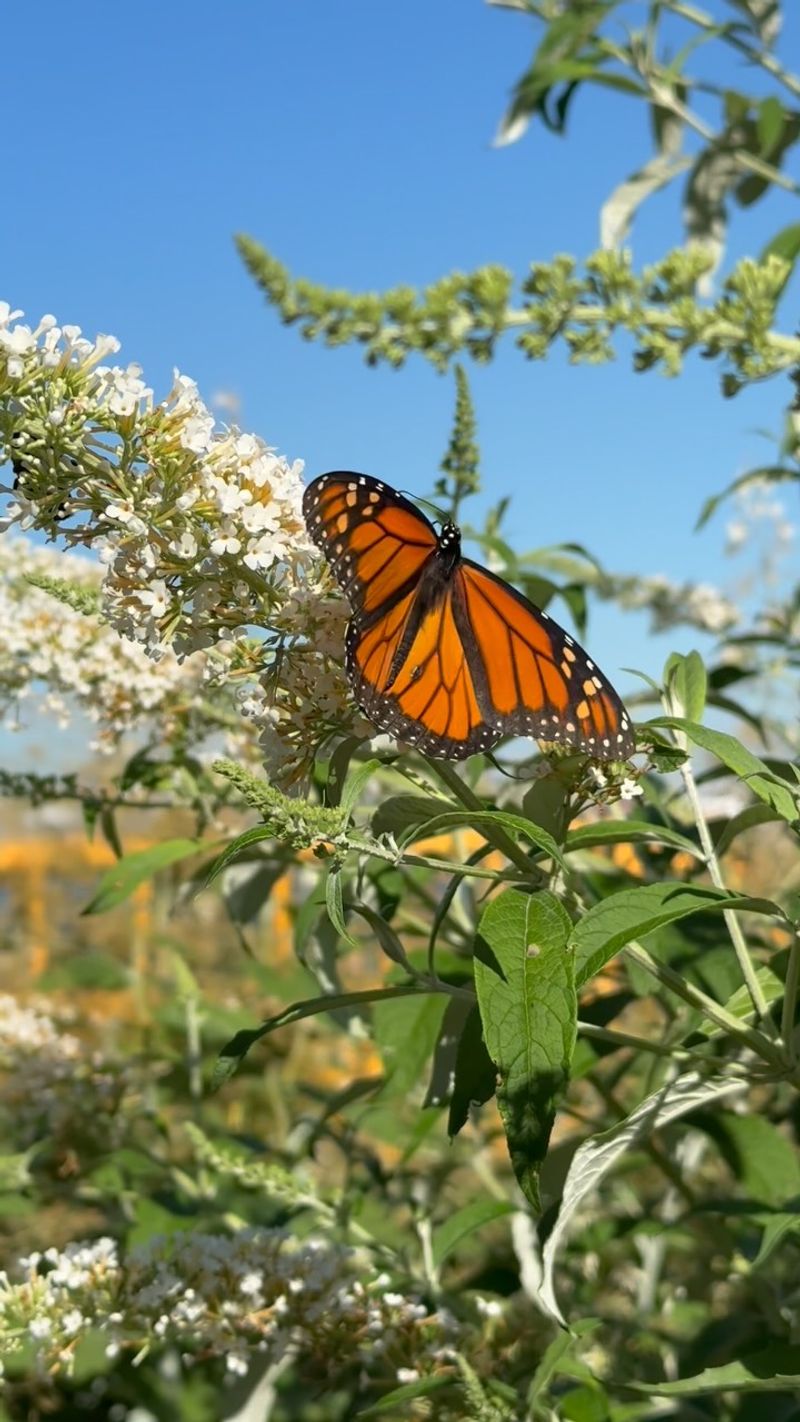
Where you make your cut matters just as much as when you cut. Instead of snipping randomly, follow the spent flower stem down until you find healthy growth below it.
Look for a pair of strong green leaves, a small side shoot, or a tiny bud starting to swell along the stem. That spot is your target. Make a clean cut just above it, leaving the healthy part in place.
Cutting right above healthy growth tells the plant exactly where to send its next flowers. Those side shoots and buds are ready to take over, and they respond quickly once the old bloom is gone.
A clean cut also keeps the plant tidy and reduces the chance of trouble. Ragged or crushed stems heal slowly, so sharp shears really help. Angle the cut slightly if you like, though a straight snip works fine too.
Avoid leaving long, bare stems sticking up with nothing growing on them. Those stubs just sit there looking awkward and do not produce flowers. Trimming down to healthy leaves keeps everything productive.
Think of the stem like a road map. The spent flower sits at the end, and the healthy leaves below mark the next turn toward more blooms. Follow that map and you cannot go wrong.
With a little practice, your eye gets quick at spotting the right spot. Soon you will breeze around the bush, making smart cuts in no time.
This simple targeting turns ordinary deadheading into a real flower booster for your Michigan garden.
4. Leave Fresh Flower Buds Alone
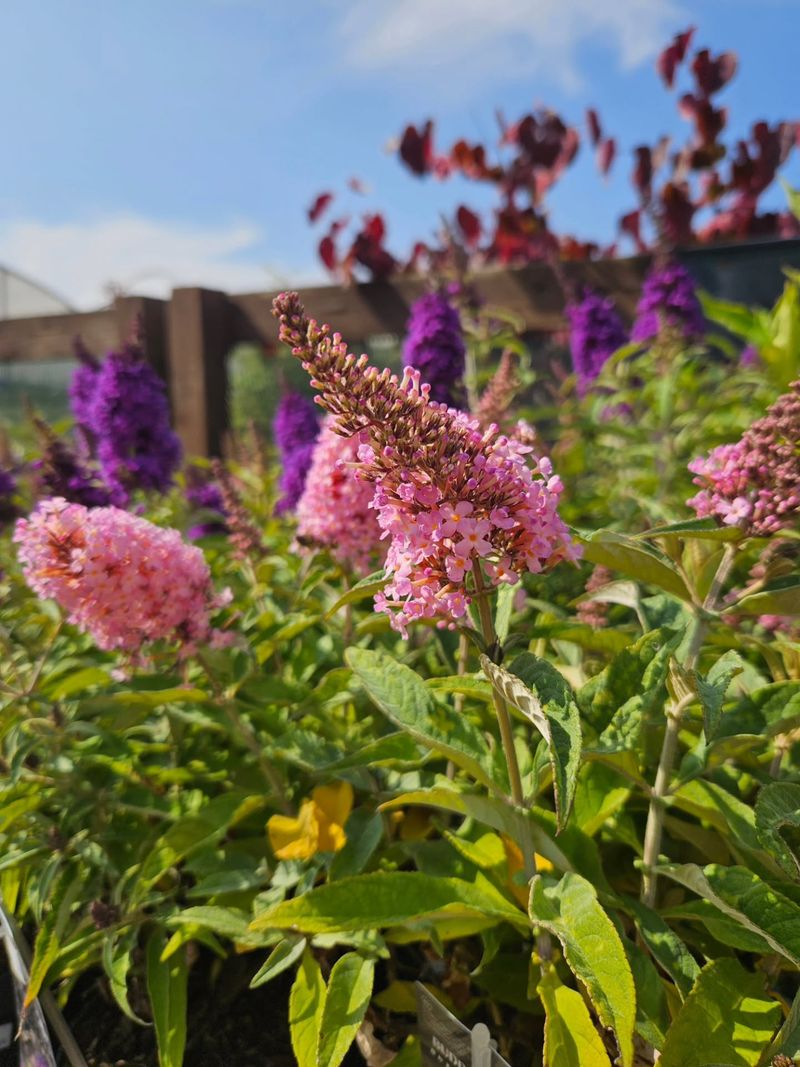
Here is a mistake that catches even careful gardeners off guard. In the rush to clean up faded blooms, it is easy to accidentally snip off fresh buds that have not opened yet.
September butterfly bushes often carry a mix of old and new growth on the same plant. Some spikes are finished, while others are just getting started. Slowing down to look protects the ones you want.
Unopened buds usually look plump, firm, and green or slightly tinted with color. Faded flowers look dry, dull, and papery. Learning to tell them apart saves you from cutting the very flowers you are trying to grow.
Before each snip, take a second to check the whole stem. If you spot healthy buds forming below your intended cut, adjust your shears higher so you keep them safe.
Good lighting helps a lot with this. Deadheading in the morning or on a bright day makes the tiny buds easier to see against the leaves and stems.
Rushing through the job is where most accidents happen. A calm, careful pass around the shrub protects your future blooms far better than a fast, careless one.
Think of yourself as an editor rather than a wrecking crew. You are removing only the worn-out parts while keeping every promising bud in place.
Those saved buds are your reward for patience. Given warm days, they open into the next round of color that keeps butterflies visiting your yard. So slow down, inspect closely, and treat every fresh bud like the treasure it is.
5. Keep Deadheading As Flowers Fade
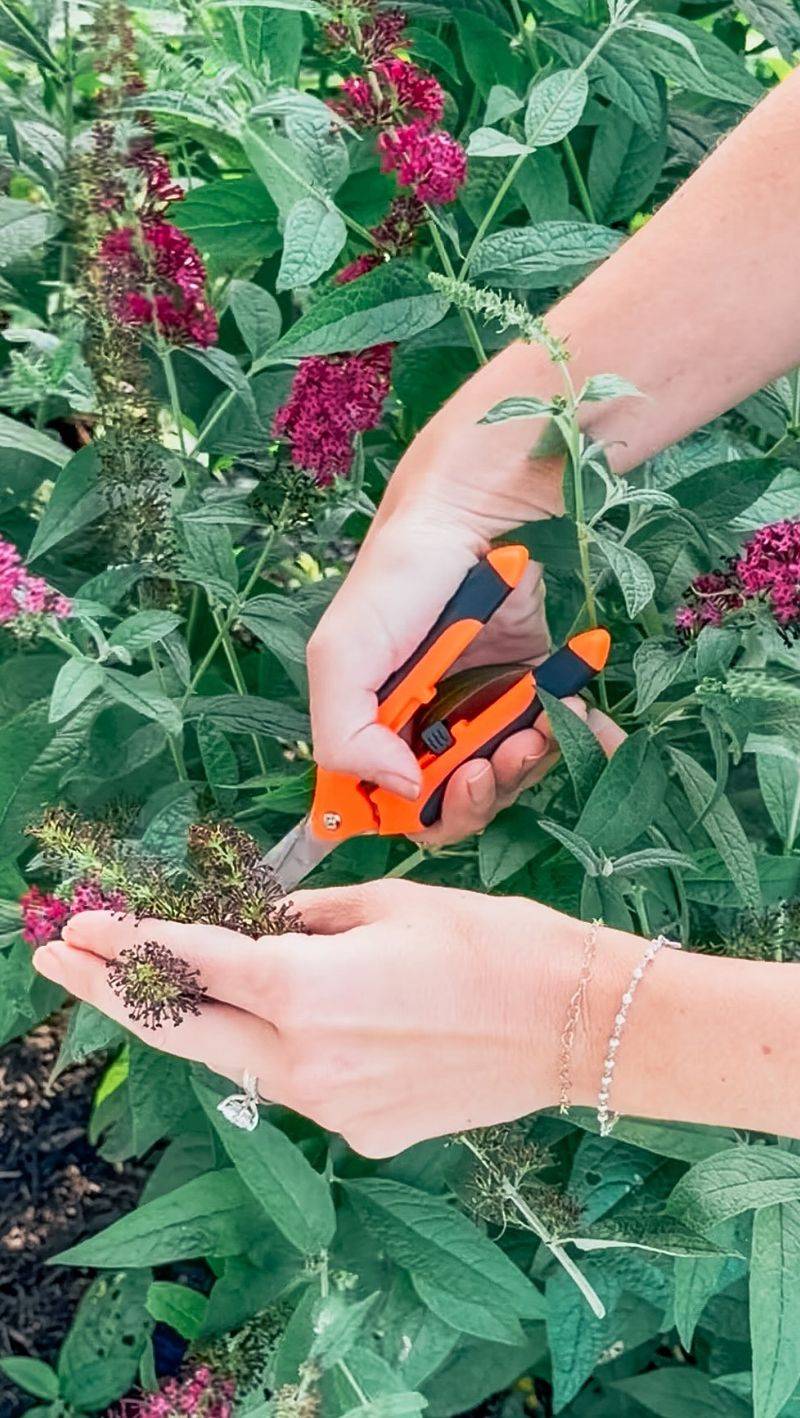
Deadheading once is helpful, but repeating it all through September is where the magic really happens. Flowers keep fading in waves, so your job is never truly finished until the weather turns.
A butterfly bush blooms in cycles. As one set of spikes finishes, another gets ready to open, and steady deadheading keeps that cycle spinning as long as possible.
Make it part of your routine. Every few days, stroll around the shrub with your shears and clip whatever has gone dull. The habit takes just a few minutes but pays off big.
Michigan’s early autumn weather often stays mild and sunny, which is exactly what the plant needs to keep producing. As long as warm days continue, your steady snipping keeps the flowers coming.
Consistency beats one big cleanup session every time. A bush that gets regular attention looks fuller and blooms longer than one left alone for weeks.
You will also notice the plant seems to reward the effort. The more you keep up, the more buds appear, creating a satisfying back-and-forth between you and your shrub.
Butterflies and bees benefit too, since they get a longer stretch of blooms to visit during a season when many other flowers are winding down.
Think of it like tending a small fire. A little regular care keeps the flames going, while neglect lets them fade out early.
So keep those shears handy and check in often. Your ongoing effort stretches the color show right up until cold weather finally calls it a season.
6. Do Not Turn Deadheading Into Hard Pruning
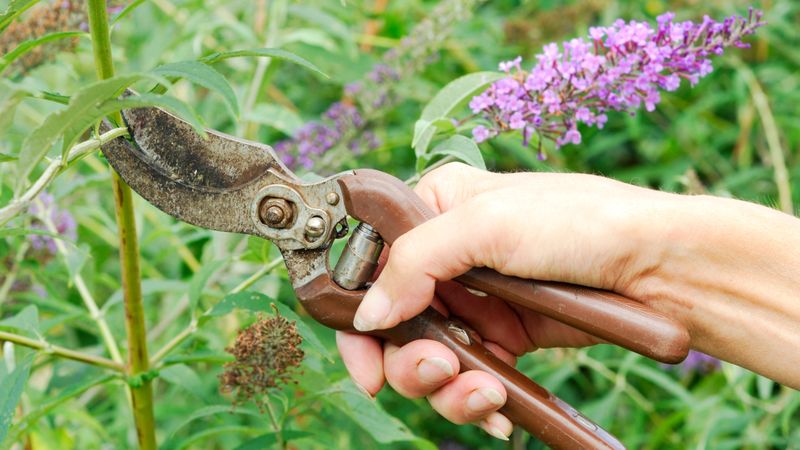
There is a big difference between snipping spent blooms and giving your butterfly bush a heavy haircut. In September, you want the light touch, not the drastic cutback.
Deadheading removes only the faded flowers and a bit of stem above healthy growth. Hard pruning, on the other hand, chops the whole shrub way down and removes large amounts of the plant at once.
Cutting back hard in fall can cause real trouble in Michigan. It encourages tender new growth that has no time to toughen up before cold weather settles in, leaving the plant stressed.
Save the heavy pruning for spring instead. Once winter passes and new growth appears, that is the right moment to shape the bush and cut it back if needed.
For now, keep your goal simple. You are just tidying up individual blooms to encourage more flowers, not reshaping the entire plant’s structure.
A common mistake is getting carried away with the shears. Once you start cutting, it can feel tempting to keep going, but restraint protects your shrub’s health.
Picture the difference like trimming your bangs versus shaving your whole head. One is a small touch-up, the other is a major change with lasting effects.
Keeping fall cuts light also means the plant holds onto energy stored in its stems and roots for winter. That stored energy fuels a strong comeback next year.
So resist the urge to overdo it. Gentle, targeted snips now, big pruning later, and your butterfly bush stays happy through every season.
7. Skip The Late Fertilizer Push
Reaching for fertilizer might feel like the obvious way to boost September flowers, but it is actually the wrong move for a butterfly bush. Deadheading, not feeding, is the real key to more blooms.
These shrubs are tough, low-maintenance plants that thrive without much pampering. Piling on extra nutrients late in the season does more harm than good.
Fertilizer pushes the plant to grow soft, leafy new shoots. That tender growth arrives too late in Michigan to harden off before cold weather, so it becomes a weak spot rather than a benefit.
Instead of chasing growth with plant food, put your energy into your shears. Removing faded flowers redirects the plant’s own resources toward blooming, and it works far better than any bag of fertilizer.
A butterfly bush already has what it needs to keep flowering in early autumn. Warm days, decent sun, and regular deadheading are the winning combination.
Late feeding can also throw off the plant’s natural rhythm. As fall approaches, the shrub should be slowing down and preparing for winter, not racing to grow new leaves.
Think of it this way. You would not eat a giant meal right before bedtime, and your butterfly bush does not want a nutrient rush right before its rest either.
Save any feeding for spring, when fresh growth actually helps the plant get going for the year ahead. That timing lines up with what the shrub truly wants.
So set the fertilizer aside for now. Trust the simple power of deadheading to carry your blooms through the season.
8. Let Frost Bring The Show To An End
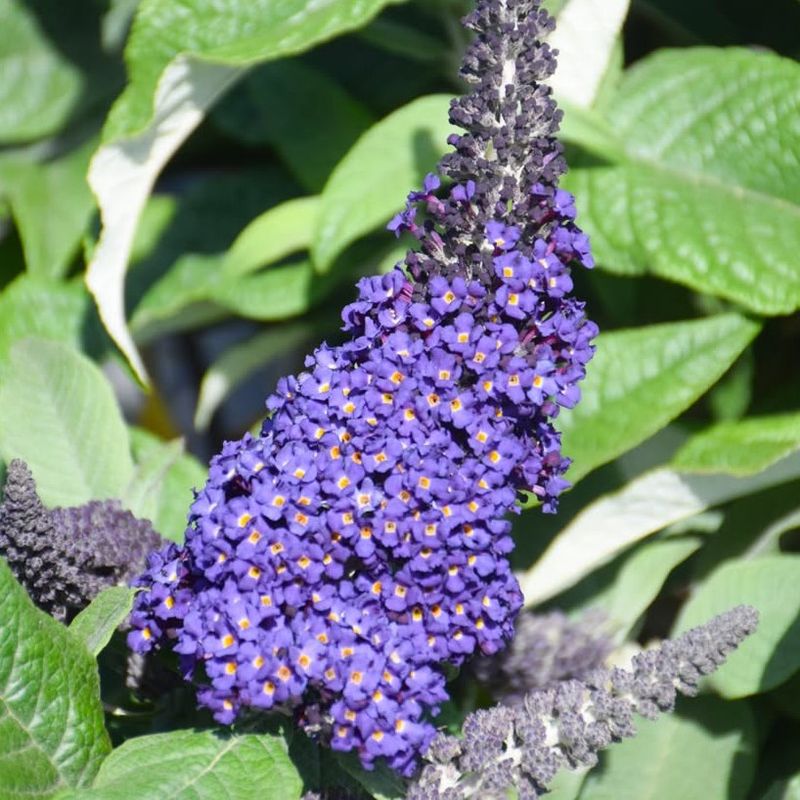
As much as we love those blooms, every flower show eventually reaches its final act. Deadheading works wonders while the weather stays mild, but it cannot hold back the changing season.
Once frost arrives in Michigan, cold temperatures signal the butterfly bush to stop producing new flowers. No amount of snipping will change that natural timing, and that is perfectly okay.
Rather than feeling disappointed, think of the whole season as a gift you helped stretch. Your steady care added weeks of color that the plant might not have produced on its own.
Michigan’s first frost usually shows up sometime in the fall, though the exact date shifts each year. Keeping an eye on the forecast helps you know when the blooming window is closing.
When cold nights settle in, you can relax your deadheading routine. The plant is shifting into rest mode, and that transition is a healthy, normal part of its yearly cycle.
Leaving the spent stems on the shrub over winter is fine, and some gardeners find they offer a bit of structure and interest in a snowy landscape.
Come spring, you will handle the real cleanup and pruning, setting the stage for another round of summer flowers. The rest gives the plant strength for that comeback.
So enjoy those last blooms while they linger, and let frost close the curtain naturally. You did your part beautifully by keeping the flowers going through September.
Next year, the same simple trick will help you do it all over again.