What To Do If You’re Bitten By A Black Widow In Your Florida Garden
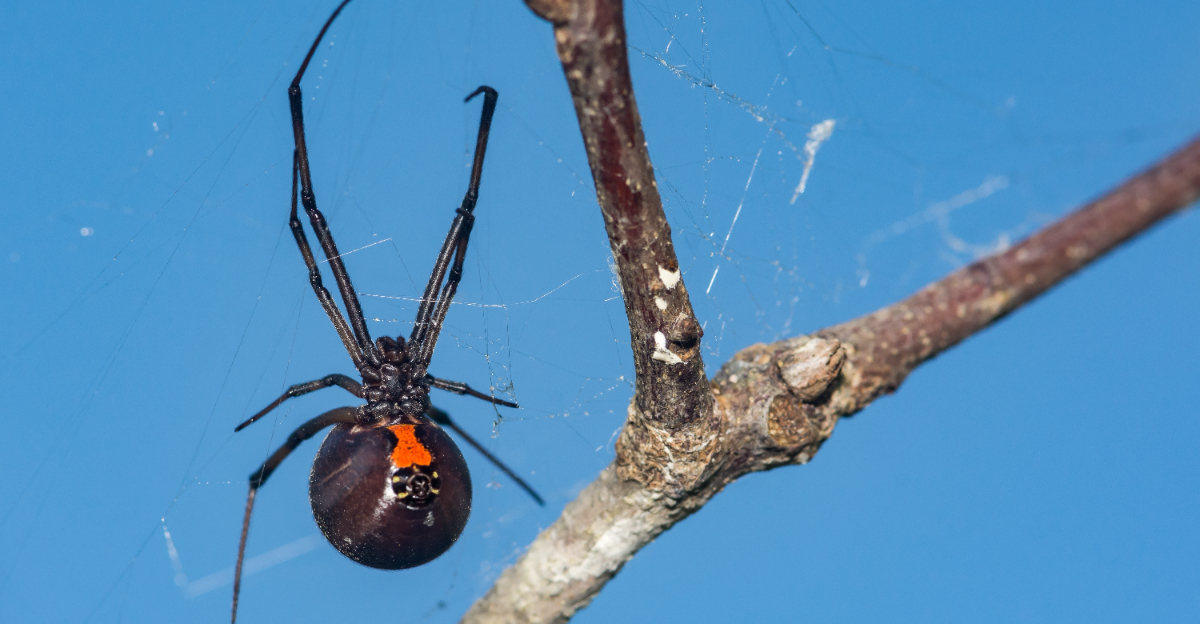
A sudden pinch beneath a pot, garden glove, or stack of wood can turn an ordinary Florida yard chore into a medical concern fast. Black widows often stay tucked inside dark, sheltered spaces, so the bite may happen before you even spot the spider.
At first, the mark itself may look minor, which can make it easy to underestimate what comes next. Pain, muscle cramps, nausea, or other symptoms can develop after the initial bite, and that is where your next decisions matter.
Panic will not help, but neither will brushing it off and hoping the discomfort fades. You need to know which steps make sense right away, what not to do, and which symptoms mean it is time for medical care.
A black widow bite deserves respect, especially when your body starts to tell you that this was more than an ordinary garden encounter.
1. Step Away From The Spider Before You Check The Bite
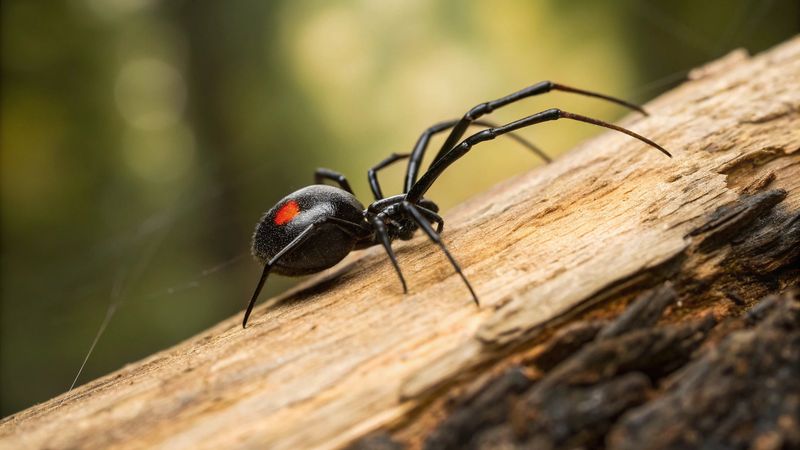
Reaching under a planter and feeling a sudden sharp sting is unsettling, but your first move should be simple: put distance between yourself and that spot. Black widows prefer sheltered, undisturbed places.
Beneath pots, stacked boards, debris piles, and outdoor furniture are all realistic hiding spots in a Florida yard.
Moving away calmly reduces the chance of a second bite. The spider likely bit because it felt trapped or pressed, not because it was hunting you.
Disturbing the area further can provoke another defensive bite.
A photo taken from a safe distance can sometimes help Poison Control or a medical professional with context. However, getting a picture is never a requirement before you call for guidance.
Do not try to catch, corner, or crush the spider.
Approaching a live spider to study its markings is unnecessary and adds real risk. Your safety comes first, and Poison Control at 1-800-222-1222 does not need a confirmed spider in hand to help you.
Focus entirely on getting yourself to a safe spot and then taking the next step.
2. Wash The Bite With Soap And Water Right Away
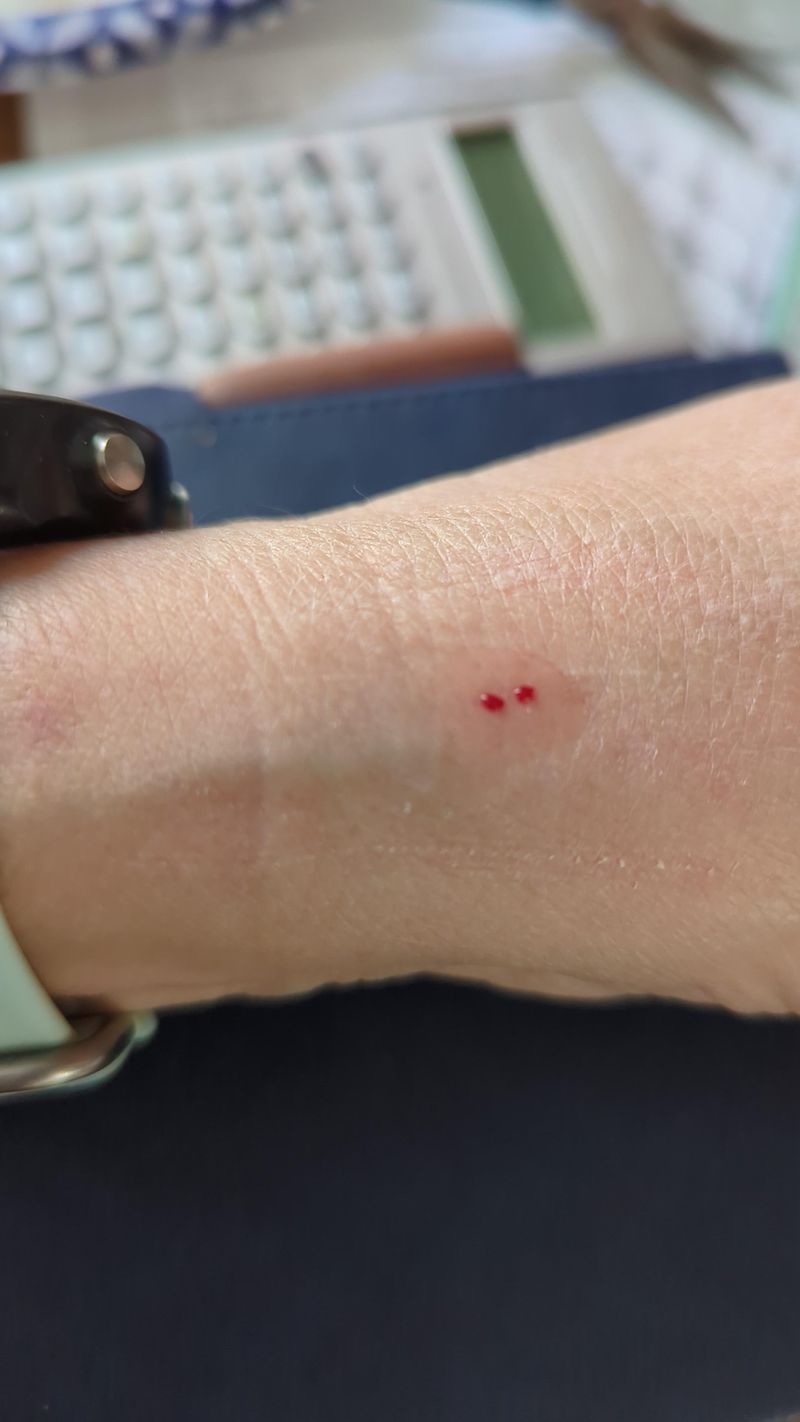
Once you are safely away from the area, head straight to a sink. Gently washing the bite with mild soap and warm water is sound, basic wound care for any skin break.
Use gentle pressure and clean the surrounding skin carefully.
Washing the skin surface is routine first aid. Soap and water do not reach venom already delivered beneath the skin, so do not expect washing to neutralize what happened.
The goal is simply to keep the wound clean and reduce the chance of surface contamination.
Several approaches might seem logical but are not supported by medical guidance. Do not cut the bite, squeeze it, or try to suck out venom.
Suction devices, bleach, chemical solutions, herbal pastes, and garden remedies are not recommended. Burning or applying heat to the wound is also off the table.
A tourniquet should never be used for a spider bite. These steps can cause additional harm without providing any real benefit.
Your Florida Garden Changes Every Week. Your Plan Should Too.
Gardening in Florida changes quickly throughout the season. Every Friday you’ll receive a simple weekly plan showing exactly what to plant, prune, fertilize, harvest, and protect so you never miss the right timing.
After gently washing the area and patting it dry, move on to the next steps. Simple, clean wound care is all that is needed at the sink before you seek expert guidance.
3. Use A Wrapped Cold Pack For Pain And Swelling
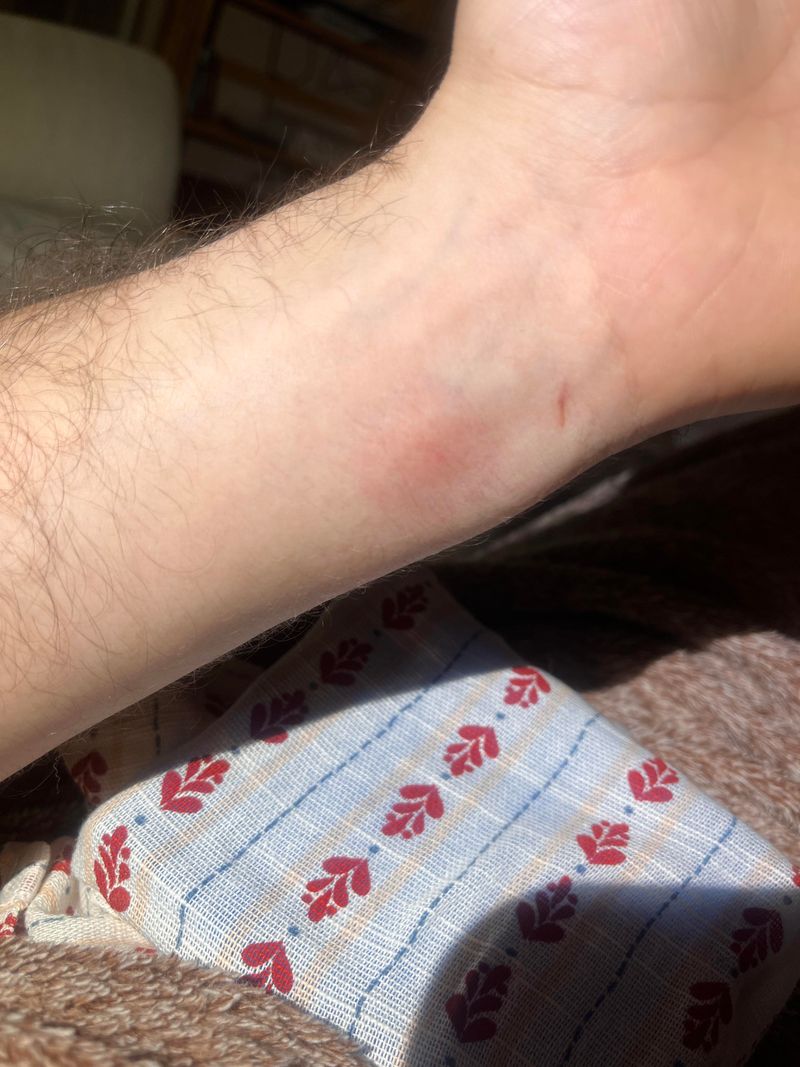
After cleaning the bite, some local pain or swelling is common. A cool compress or cold pack wrapped in a thin cloth can offer comfort at the bite site.
Press it gently against the skin for short intervals.
Never place ice directly against bare skin. Direct ice contact can cause frostbite or skin damage, especially if you hold it in place for too long.
A folded towel or cloth between the pack and your skin is the right approach every time.
A cold pack is purely a comfort measure. It does not neutralize venom, slow venom movement, or replace medical evaluation.
Think of it as something that eases local discomfort while you take the more important steps of calling Poison Control and monitoring your symptoms.
First aid measures like this one should run alongside expert guidance, not replace it. Avoid complicated schedules or strict timing rules around cold pack use unless a medical professional specifically advises you.
Keep things simple, stay calm, and let the cold pack do its modest but helpful job while you focus on getting proper guidance for a suspected black widow bite.
4. Call Poison Control Instead Of Guessing What Comes Next
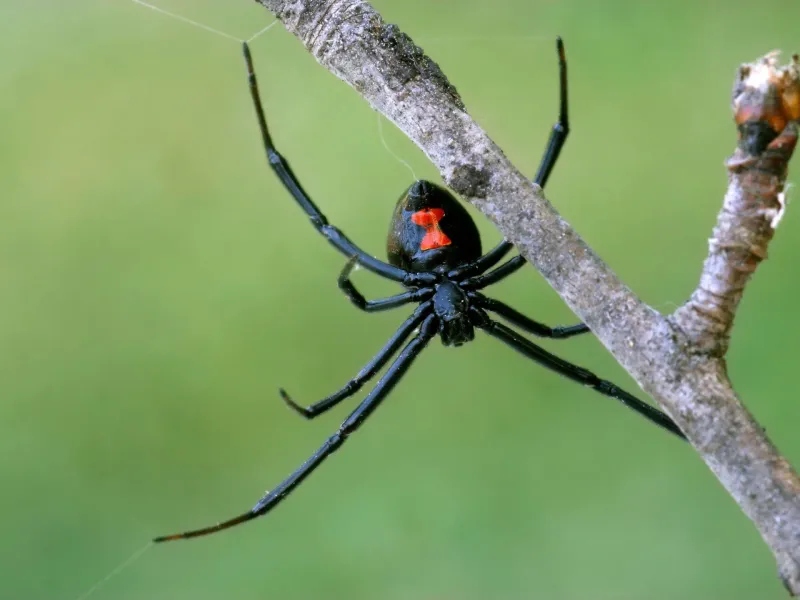
Guessing your next step after a suspected black widow bite is not the right approach. Poison Control specialists are trained to evaluate bites based on your specific situation.
Call 1-800-222-1222 promptly after the bite occurs.
The specialists there consider your symptoms, age, medical history, timing, and what you actually observed. They can help you decide whether you need emergency care, a visit to an urgent care clinic, or careful monitoring at home with follow-up guidance.
No two situations are exactly alike.
Call promptly rather than waiting for dramatic symptoms to appear. Symptoms from black widow venom can develop gradually, and early guidance helps ensure you respond appropriately as things unfold.
Poison Control is available around the clock, every day of the year.
Not every suspected bite automatically requires hospitalization, but staying home simply because symptoms seem mild at first is also not automatically safe. Poison Control helps you find the right middle ground based on your actual circumstances.
This article is first-aid guidance only and cannot replace an individualized conversation with a trained specialist. Make that call your priority right after basic wound care is done.
5. Muscle Cramps Can Be A Bigger Clue Than The Bite Mark
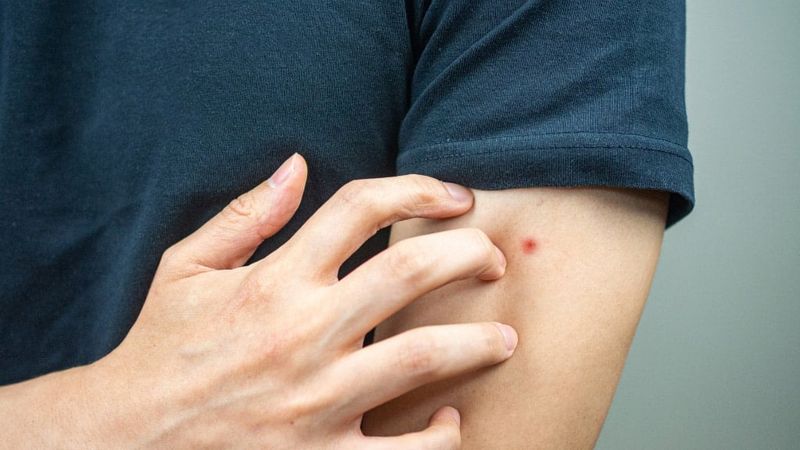
A surprising number of people expect a serious spider bite to look dramatic. In reality, the initial bite may feel minor and the skin reaction can appear unimpressive.
What happens in the body over the following minutes and hours matters more.
Medically documented symptoms of significant black widow envenomation include increasing or spreading pain, muscle cramping, and muscle spasms. Abdominal discomfort or rigidity, chest discomfort, and sweating are also reported.
Nausea, vomiting, headache, and restlessness round out a range of possible systemic effects.
Symptoms can develop after the initial bite rather than all appearing at once. Not every person experiences the same set of symptoms or the same severity.
Individual factors such as age, body size, and overall health can all influence how the body responds.
Two puncture marks on the skin alone cannot reliably confirm that a black widow caused the bite. Many other things leave similar marks.
Your job is not to diagnose yourself but to report what you observe to Poison Control or a medical professional. Track what symptoms appear, when they started, and whether they seem to be getting worse so you can share that information clearly.
6. Trouble Breathing Or Severe Pain Means Emergency Care
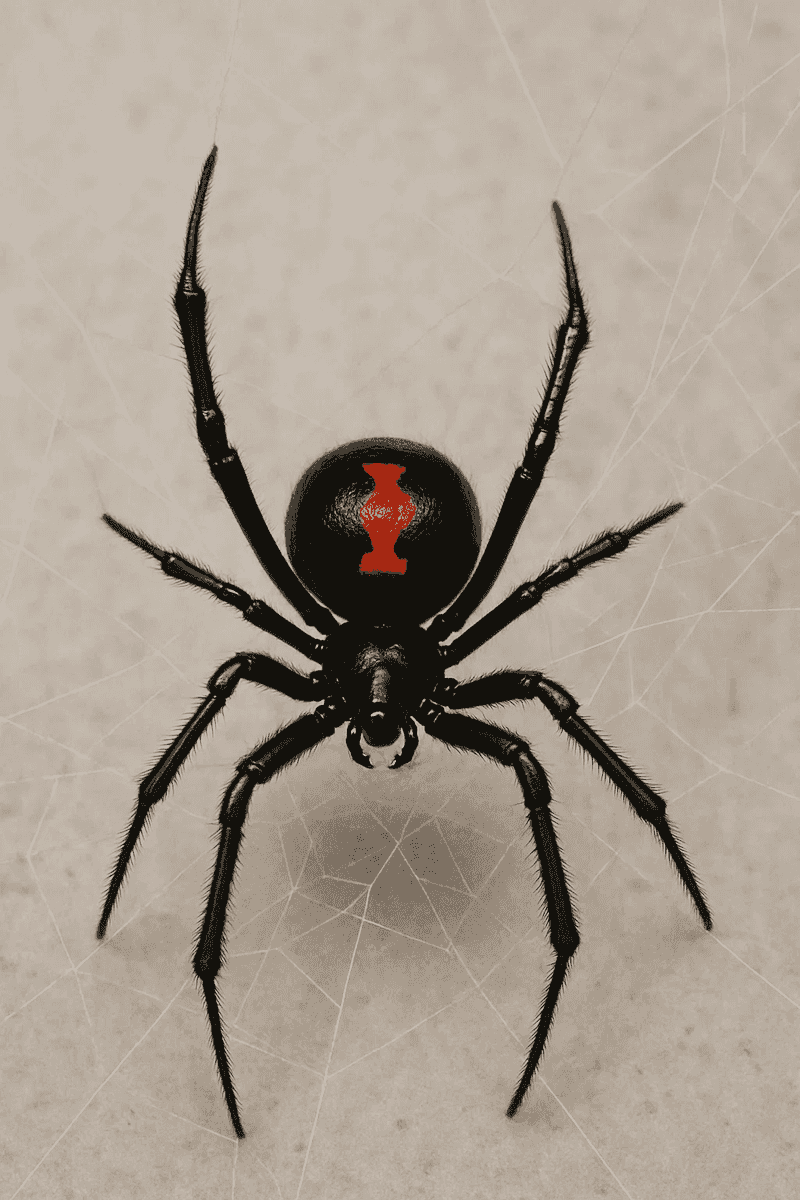
Some situations call for a 911 call rather than a trip to the car. Severe or rapidly worsening pain that spreads through the body is a signal to escalate immediately.
Significant body-wide muscle cramping that is intense or spreading belongs in that same category.
Breathing difficulty, trouble swallowing, collapse, or unresponsiveness are all clear signals to call 911 without delay. Emergency responders are equipped to handle serious reactions in ways that no home first-aid kit can match.
Do not attempt to drive yourself if you feel faint, confused, or seriously unwell.
Symptoms that move well beyond the bite area can justify emergency evaluation even when the wound itself looks small. A tiny skin mark does not set a ceiling on how the body can respond to venom.
Poison Control guidance supports escalating care when body-wide or severe symptoms appear.
Staying calm helps you make clear decisions. Take a breath, assess what you are experiencing, and act without delay if serious symptoms are present.
Getting emergency help quickly when it is needed is the right call. No one should minimize a serious reaction simply because the original bite site looks minor or unremarkable.
7. A Garden Bite Mark Cannot Confirm A Black Widow
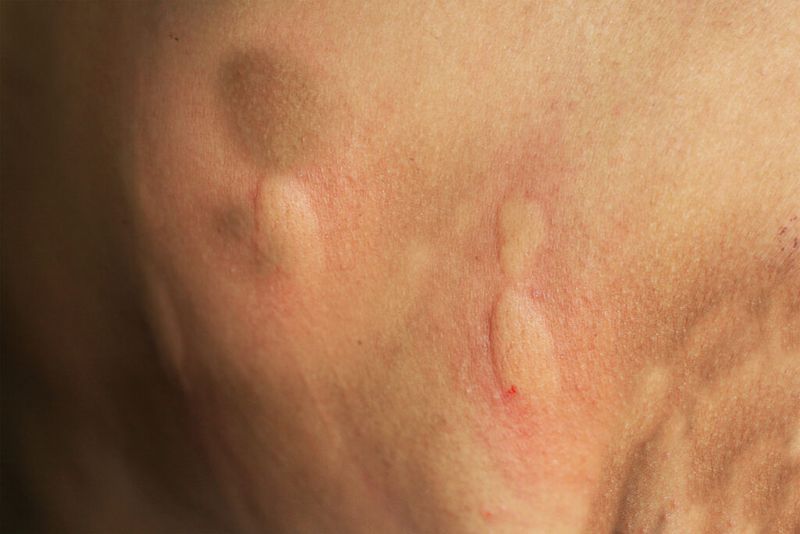
Plenty of things in a Florida garden can leave a mark that looks like a spider bite. Insect stings, other arthropod bites, skin infections, and various skin conditions can all produce redness, swelling, or small sores.
Confidently naming the spider from the wound alone is usually not reliable.
Medical professionals and Poison Control specialists rely on what was actually observed rather than on wound appearance alone.
When you call for guidance, be ready to share whether you saw a spider, where on your body the bite happened, and when symptoms began.
Note what symptoms have developed and whether they seem to be worsening.
Reporting accurately gives specialists the best information to work with. Stick to what you genuinely observed rather than what you think might have happened.
Guessing at the species based on the wound or on general assumptions is not helpful and can lead guidance in the wrong direction.
Approaching a live spider to inspect its markings is not recommended. Folk identification methods, such as counting eyes or judging color from memory, are also unreliable under stress.
Give Poison Control and any treating clinicians accurate, honest information. That helps them provide the most appropriate guidance for your specific situation.
8. Antivenom And Stronger Treatment Belong In Medical Hands
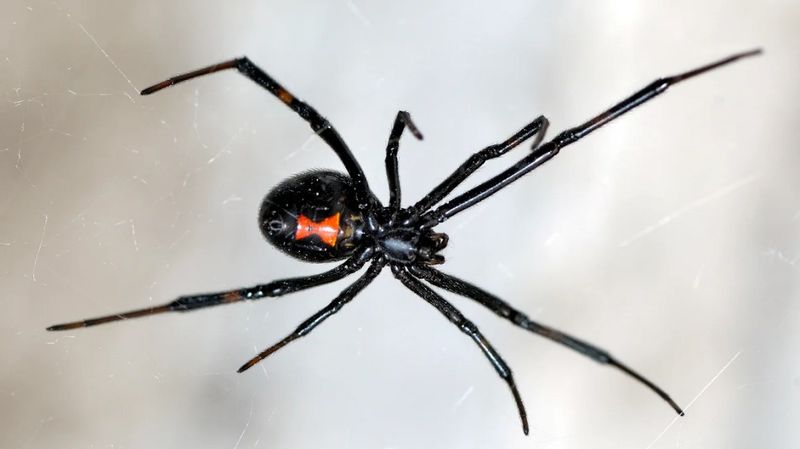
Medical treatment for significant black widow envenomation can include pain control, management of muscle spasms, and careful monitoring. Supportive care is tailored to each patient based on symptoms, severity, and individual health factors.
Clinicians have several tools available to them.
A black widow antivenom does exist. However, it is not something every suspected bite automatically requires.
The decision to use antivenom belongs to qualified clinicians who weigh the potential benefits against possible risks for each specific patient. That is a medical judgment call, not a patient demand.
Antivenom is also not the only effective treatment option available. Pain relief, muscle relaxants, and other supportive measures can play meaningful roles in managing symptoms.
A healthcare team will determine the right combination based on what each patient actually needs.
No medication names, doses, or clinical protocols belong in a gardening first-aid article. Those decisions require medical training, patient evaluation, and professional judgment.
The practical message is straightforward: clean the bite gently with soap and water and use a wrapped cold pack for comfort. Call Poison Control at 1-800-222-1222 promptly, and call 911 if severe or body-wide symptoms develop.
Florida gardeners who follow those steps put themselves in the best position for a safe outcome.