What Virginia Gardeners Should Prune After Japanese Beetle Damage
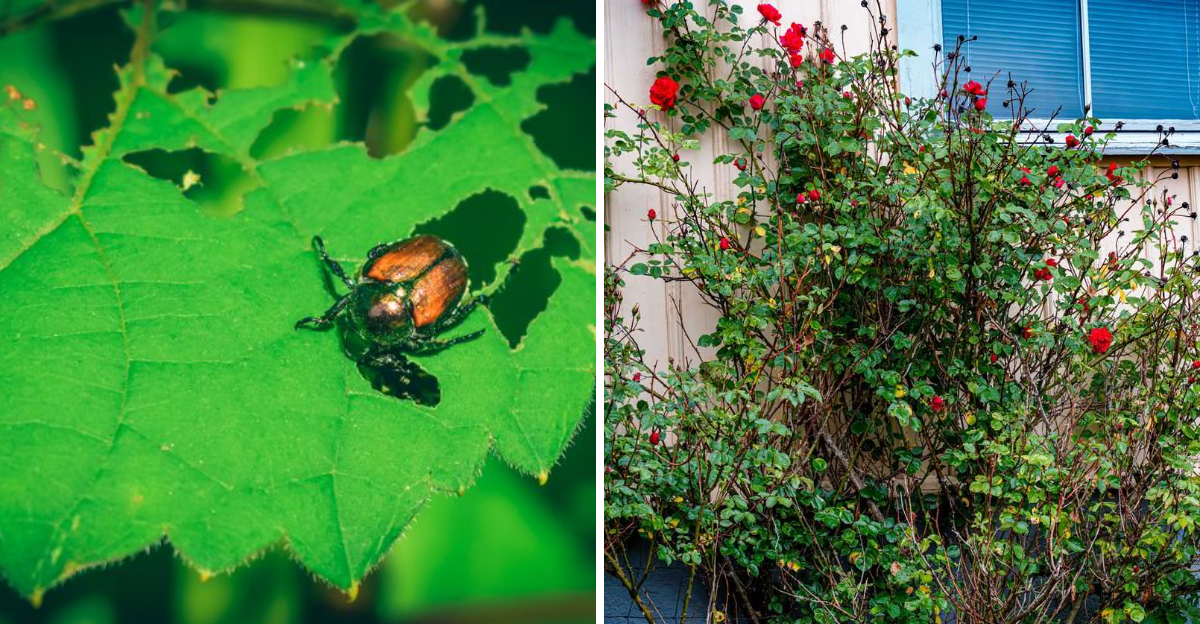
Copper wings glint, but real trouble hides beneath that shine. Chewed leaves signal stress you cannot ignore for long. Your own Virginia garden faces this threat every single summer.
Stems weaken while roots also quietly absorb the ongoing strain. Nothing about beetle stress stays contained to a single leaf. You need more than patience to help your plants recover.
Pruning becomes your sharpest tool for guiding fresh growth. Wrong cuts invite disease, pests, and lasting setbacks you can’t undo. Timing matters more than most gardeners ever truly realize before it’s late.
Virginia’s humid climate adds pressure most guides never mention. Every affected branch tells you something specific about what comes next. Ignoring those warning signals now costs you blooms you’ll want later.
Shears alone will never fix your struggling plant. Knowledge, not luck, determines exactly what your plant recovers. That next cut decides whether this garden thrives or quietly fades.
1. Heavily Chewed Leaves Showing Feeding Damage
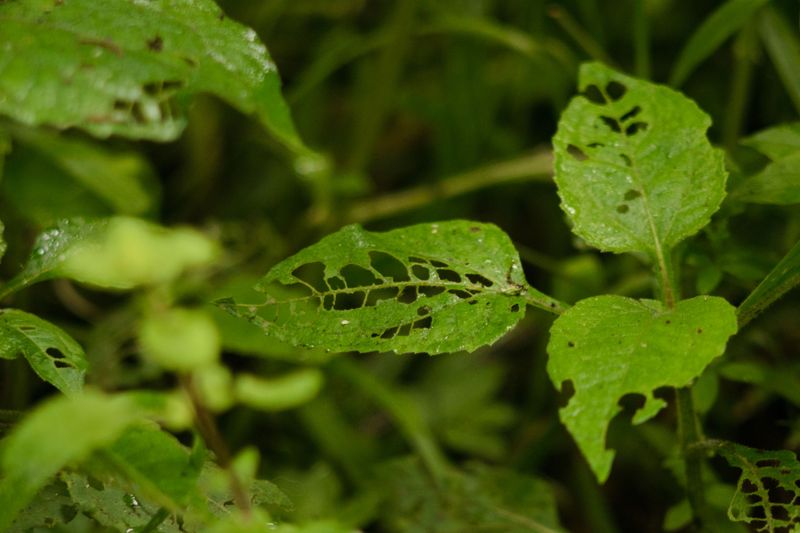
Your leaves show a lace-like pattern where tissue has been eaten away. Japanese beetle feeding leaves behind skeletonized foliage that can no longer do its job.
Damaged leaves photosynthesize less efficiently, which puts additional strain on the plant’s energy reserves.
Removing these chewed leaves is one of the first steps in recovering from Japanese beetle damage. Clip them cleanly at the stem with sharp pruning shears.
Do not leave damaged foliage on the ground nearby. Decaying leaf matter can invite fungal disease and other pests to move in fast.
Healthy new growth often follows once the damaged material is gone. Your plant can redirect its energy toward fresh, productive leaves instead.
Check the plant every few days after pruning. New feeding damage from lingering beetles should be addressed immediately to prevent another setback.
Focus on leaves that show heavy feeding damage, where a large portion of the leaf surface has been affected. Partially damaged leaves with some green tissue left may still contribute to recovery.
Pruning after Japanese beetle damage is not about cutting everything back hard. It is about removing what is truly beyond saving so the plant can move forward.
Think of it like clearing clutter from a workspace. Once the damaged material is gone, the plant has room to breathe and grow again.
Your Virginia garden will thank you for being decisive and thorough during this recovery phase.
2. Damaged Rose Canes With Thin, Papery Foliage
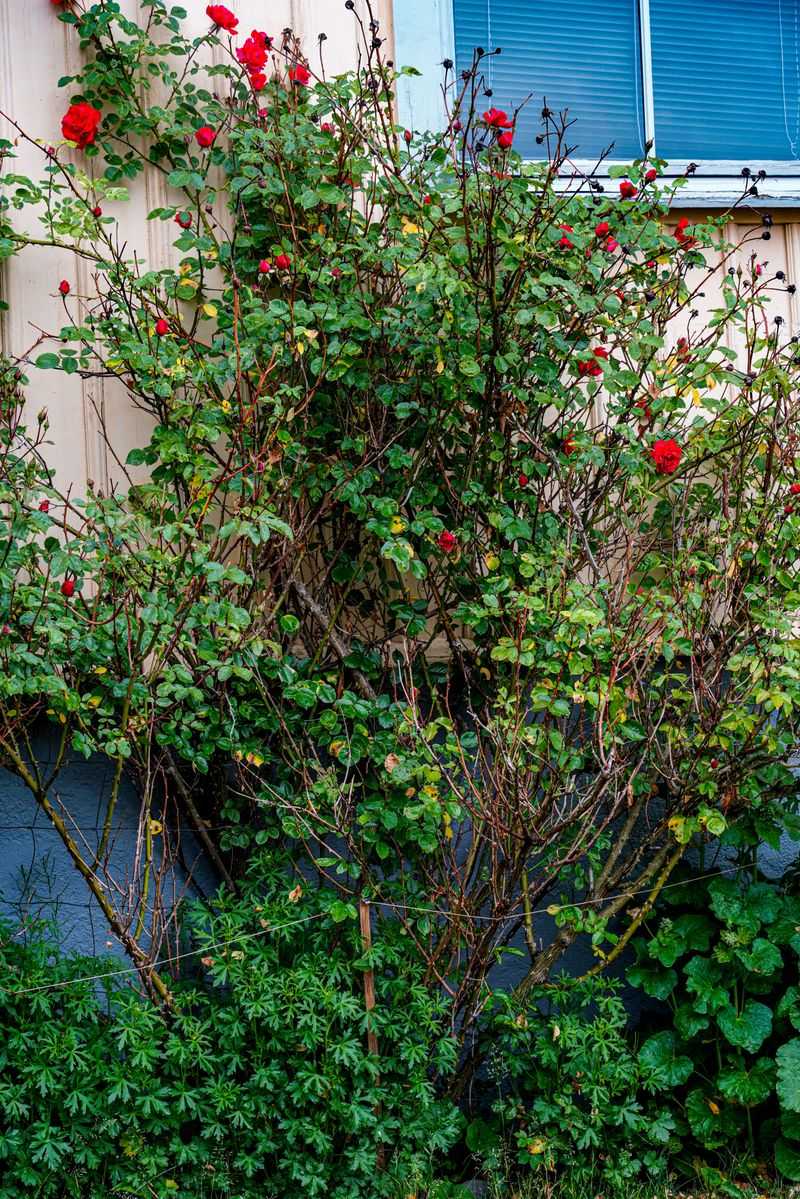
Roses are a top target for Japanese beetles, and the damage can look quite severe. Those beautiful blooms surrounded by skeletal brown leaves are a common source of frustration for gardeners.
After an infestation, inspect every rose cane closely. Look for canes where the foliage is completely stripped or turned papery and brown.
Cut damaged canes back to just above a healthy bud or leaf node. This encourages the rose to push out fresh growth from a stronger point.
Avoid cutting too deep into old wood unless the cane shows no sign of life. Roses are resilient, but they need a living framework to recover well.
Your Virginia Garden Changes Every Week. Your Plan Should Too.
Gardening in Virginia changes quickly throughout the season. Every Friday you’ll receive a simple weekly plan showing exactly what to plant, prune, fertilize, harvest, and protect so you never miss the right timing.
Discard all removed cane material away from the garden bed. Leaving it nearby risks spreading disease spores that thrive on stressed plant tissue.
After pruning, give your roses a light dose of balanced fertilizer. This fuels the new growth surge that follows a good cleanup cut.
Water deeply at the base of each plant after pruning. Hydrated roots power the recovery process and help new shoots emerge faster.
Watch for signs of black spot or powdery mildew on the remaining canes. Stressed roses are more vulnerable to fungal problems after beetle feeding.
Pruning damaged rose canes after Japanese beetle damage is one of the most rewarding garden tasks. Within weeks, fresh green growth often appears right where you made your cuts. A little patience and a sharp pair of shears go a long way for roses.
3. Weakened Branches Stressed By Defoliation
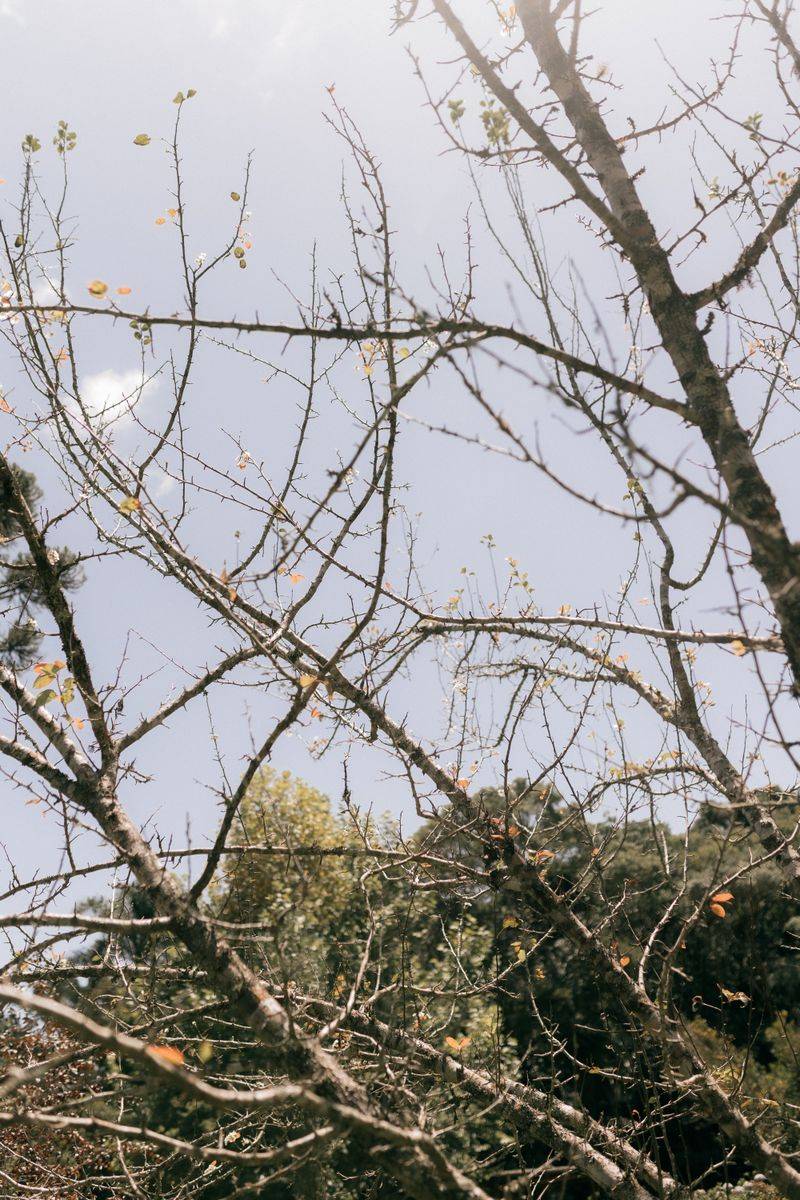
Defoliation places significant stress on branches. When beetles strip a branch of its leaves, that branch loses access to the food it needs to stay strong.
Weakened branches often show subtle signs of stress. Look for drooping, discolored bark, or wood that feels soft when you press it gently.
Not every stressed branch needs to come off right away. Give the plant a week or two after beetle season ends before making major cuts.
This waiting period lets you see which branches push out new growth. Branches that stay bare and limp are the ones worth removing.
Use clean, sharp loppers for thicker branches. A clean cut heals faster and reduces the risk of disease entering the wound site.
Cut back to a healthy lateral branch or a main stem junction. Never leave a stub, because stubs invite rot and insect problems.
After Japanese beetle damage, stressed branches are entry points for secondary pests. Borers and other insects love to target wood that is already struggling.
Removing the weakest branches actually strengthens the overall plant. Better airflow and light penetration support the branches that remain.
Mulch around the base of the plant after pruning to retain soil moisture. Consistent hydration supports the root system as it works to feed recovering growth.
Think of this pruning step as triage for your Virginia garden. You are cutting away what cannot recover so the rest of the plant can thrive.
4. Struggling Twigs On Affected Shrubs
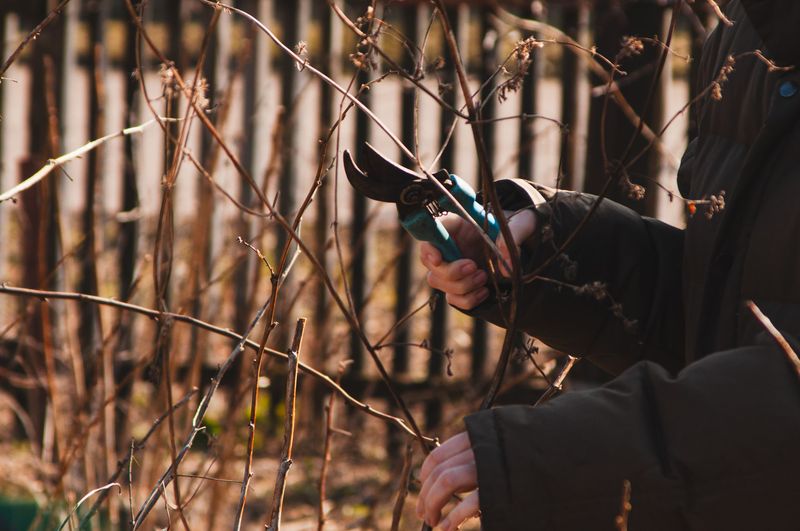
Twigs are the smallest branches on a shrub, but they carry a big workload. After beetle damage, many of these slender shoots end up bare and brittle.
Run your fingers along the twig and feel for flexibility. A healthy twig bends slightly, while a struggling one snaps with very little pressure.
Scratch the bark of a suspect twig with your thumbnail. If you see green underneath, there is still life in it and it may recover.
Brown or tan under the bark means the twig is gone. Clip those back cleanly to encourage the shrub to redirect energy to healthier growth.
Focus on twigs that are crossing or rubbing against each other. Damaged shrubs benefit from better airflow, and removing crowded twigs helps prevent fungal issues.
After Japanese beetle damage, shrubs like viburnum, rose of Sharon, and linden often have many struggling twigs.
Do not rush this process. A systematic approach ensures you catch every lifeless or struggling twig without accidentally removing healthy ones.
After cleanup, step back and look at the shrub’s overall shape. Light twig pruning is also a good opportunity to improve the plant’s natural form.
Healthy shrubs respond quickly to this kind of careful attention. New buds often appear within a few weeks after a thorough twig cleanup, depending on species and growing conditions.
Your shrubs went through a tough season, but smart pruning sets them up for a strong comeback.
5. Overripe Fruit Attracting More Beetles
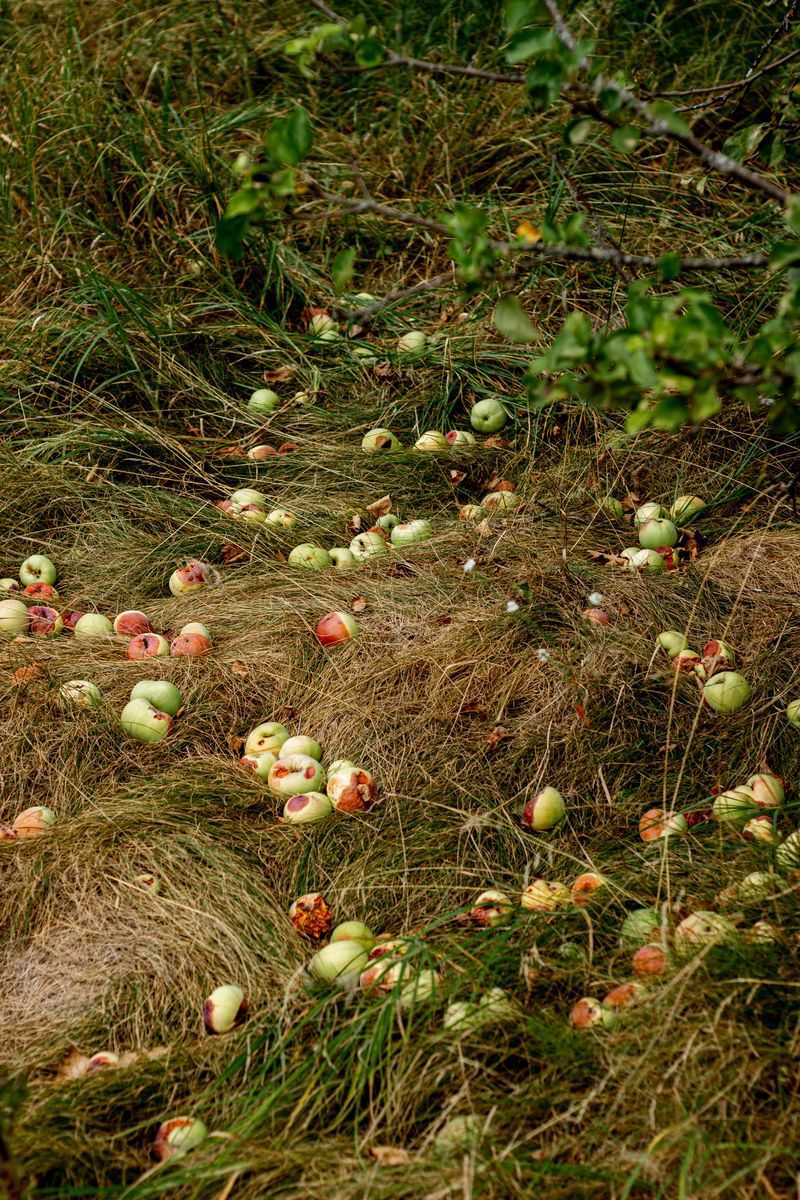
Overripe fruit strongly attracts more beetles to your Virginia garden. Japanese beetles are strongly attracted to the sweet, fermenting smell of rotting fruit.
Leaving overripe apples, peaches, or plums on the tree increases the likelihood of attracting more beetles.
Pruning damaged fruit clusters is just as important as pruning damaged foliage. Cut off entire clusters where fruit is mushy, cracked, or heavily infested.
Drop removed fruit directly into a sealed bag or bucket. Never toss it on the ground nearby, because the smell keeps attracting beetles from a distance.
After Japanese beetle damage, fruit trees often have a mix of healthy and damaged clusters on the same branch. Be selective and leave undamaged fruit in place.
Thinning out damaged fruit also reduces the weight load on stressed branches. Overloaded branches on a weakened tree can snap unexpectedly during summer storms.
Check fruit trees every two to three days during peak beetle season. Early removal breaks the cycle before more beetles are drawn into your yard.
Dispose of all collected fruit away from the garden, in a trash bin with a tight lid. Compost piles can still attract beetles if overripe fruit is added.
Keeping fruit trees cleaned up after Japanese beetle damage protects the harvest you still have left. A proactive approach is an effective, chemical-free way to protect your harvest.
6. Fallen Or Infested Leaves Nearby
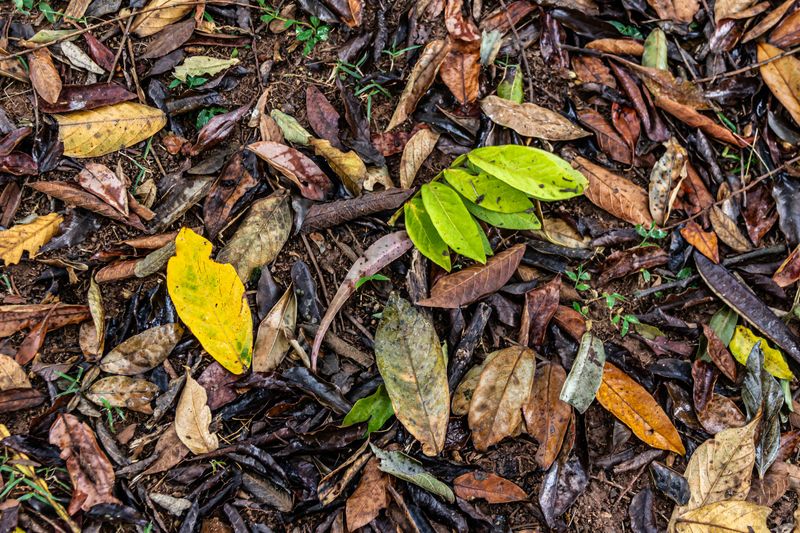
Fallen leaves after a beetle infestation are not just messy. They are a hidden hazard that can slow your garden’s recovery if you ignore them.
Beetle-damaged leaves that drop to the ground often carry fungal spores and bacteria. These can splash back onto healthy plant tissue during rain or watering.
Rake up fallen leaves as soon as you notice them accumulating under affected plants. This simple step removes a major source of reinfection from your garden bed.
Do not add heavily infested leaves to a home compost pile. Bag them and send them out with yard waste to break the disease cycle.
Infested leaves on the ground also create a habitat for other pests. Slugs, earwigs, and fungal gnats love to shelter under damp, decaying foliage.
After Japanese beetle damage, clearing fallen leaves is part of the pruning and cleanup process. Think of it as finishing the job your shears started up above.
Once the ground is clear, apply a fresh layer of mulch around the base of affected plants. Mulch suppresses weeds and keeps soil moisture stable during recovery.
Keep the mulch a few inches away from the main stem or trunk. Mulch piled against bark creates a moist environment that encourages rot and disease.
A clean garden floor plays a bigger role in plant recovery than many gardeners expect. Removing fallen, infested leaves is a small task with a surprisingly big payoff.
Your plants recover faster when the ground beneath them is just as clean as the canopy above.
7. Suckers Competing With Main Plant Growth
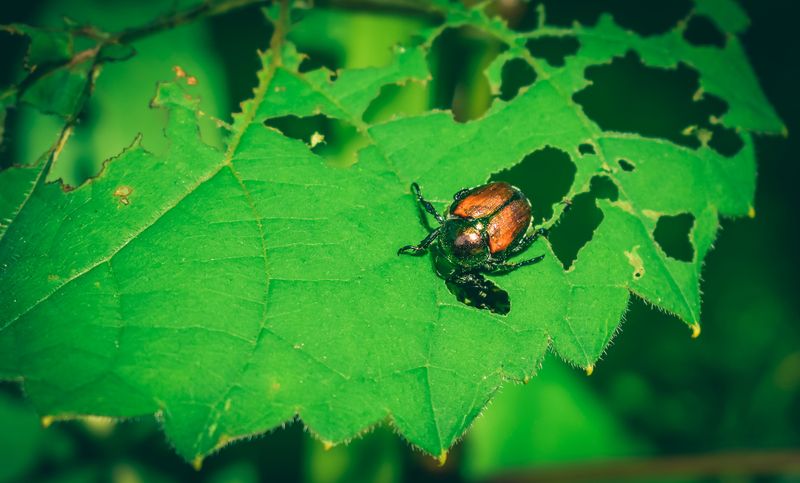
Suckers can be easy to overlook. They pop up at the base of plants and look like new growth, but they actually divert resources from the main plant.
After Japanese beetle damage, stressed plants sometimes push out suckers as a survival response. The plant is trying to regrow, but suckers are not always the right kind of growth.
On grafted roses and fruit trees, suckers often come from the rootstock below the graft union. These shoots will not produce the flowers or fruit you planted the tree for.
Pull suckers off at the base rather than cutting them when possible. Cutting leaves a stub that encourages more suckers to sprout from the same spot.
If a sucker is too thick to pull, cut it as close to the origin point as you can. Seal larger wounds on fruit trees with a pruning compound to reduce disease risk.
Removing suckers after Japanese beetle damage frees up water and nutrients for the main canopy. Every resource the sucker uses is one less resource for real recovery.
Check around the base of shrubs and trees weekly during recovery season. New suckers can appear quickly on plants that are under stress.
On some plants, like lilacs, certain suckers can be used to propagate new plants. But during recovery from beetle damage, removal is almost always the better choice.
Keeping the main plant in charge of its own recovery is the goal. Suckers work against that process, and removing them helps the plant focus its resources.
8. Broken Stems From Beetle Weight Damage
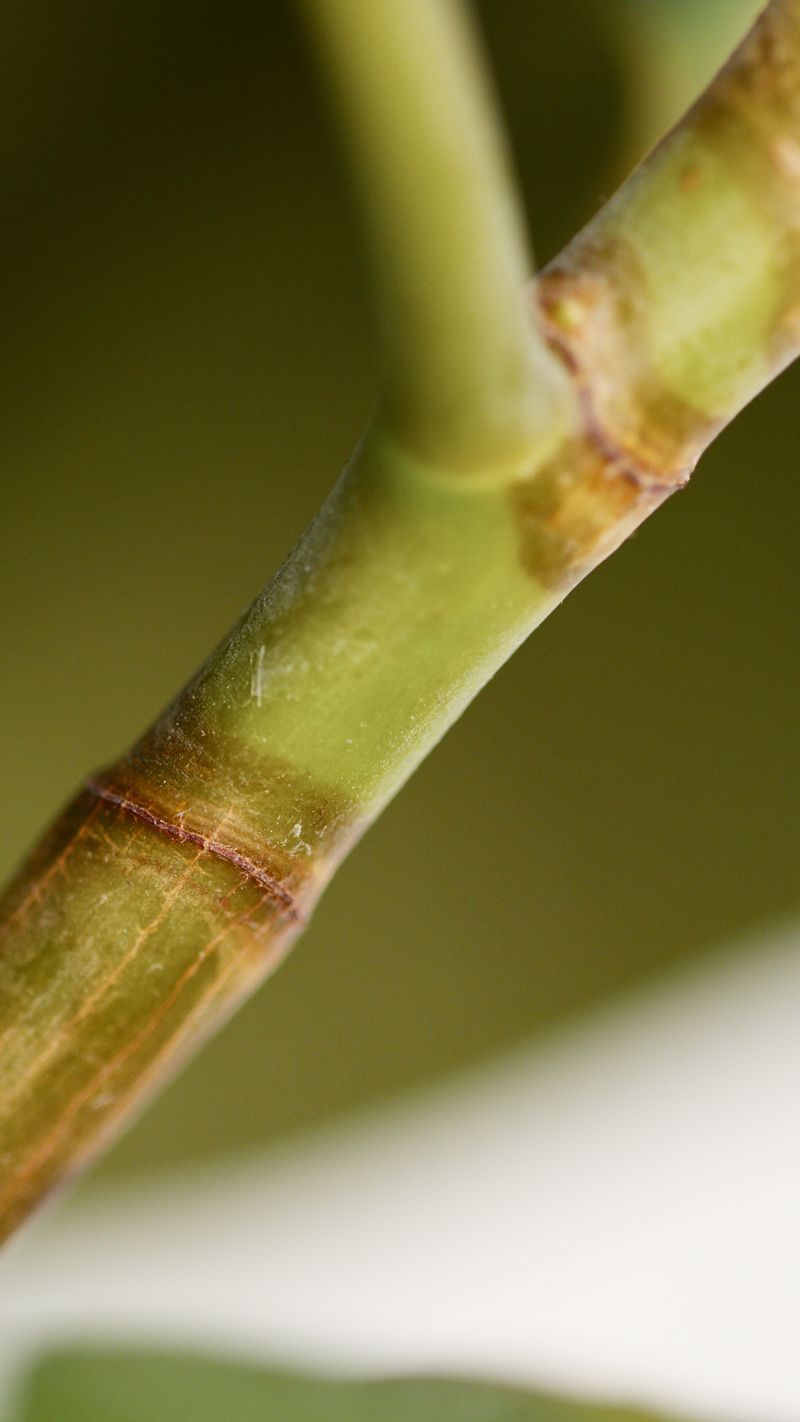
It sounds surprising, but large clusters of Japanese beetles can sometimes weigh down and snap tender stems. A single stem can host a large number of beetles at once.
After the beetles move on, you may find stems that are bent, cracked, or hanging by a thread. These need to come off before they put additional strain on the rest of the plant.
Broken stems are open wounds on a plant. They allow disease organisms and secondary insects to enter the plant’s vascular system quickly.
Cut broken stems back to the nearest healthy node or junction. A clean cut made at an angle sheds water and heals more efficiently than a flat one.
After Japanese beetle damage, check perennials like coneflowers, zinnias, and basil especially carefully. Their hollow or soft stems are particularly prone to beetle-weight breakage.
Stake any stems that are bent but not fully broken if you want to try saving them. Use soft garden ties and a thin bamboo stake to hold them upright while they heal.
Monitor staked stems for two weeks. If they do not show signs of recovery, go ahead and remove them to keep the plant tidy and focused.
Removing broken stems improves the plant’s appearance and its overall structure. A cleaner shape means better airflow and less risk of disease taking hold.
Pruning broken stems after Japanese beetle damage is the final piece of a thorough recovery plan. Handle it well, and your Virginia garden will come back stronger than you expect.