The Meaning Behind Hearing Chuck-Will’s-Widows At Night In Florida
A strange call drifting through your Florida yard after dark can make you stop and listen. It repeats from the trees, fades into the distance, then starts again somewhere nearby.
For many homeowners, hearing a chuck-will’s-widow is their first clue that a secretive nighttime visitor has moved through the area. These birds are rarely seen because they spend much of their time hidden among vegetation and active after sunset.
The sound carries farther than you might expect, which can make one bird feel like it is coming from every direction at once. A visit does not happen by accident.
The landscape around your home can reveal why the bird chose that area, from the cover above to the open spaces where it searches for food. That haunting call is more than a nighttime noise.
It is a small sign that your Florida yard still connects to a much larger natural world.
1. That Repeating Night Song Is A Territorial Message
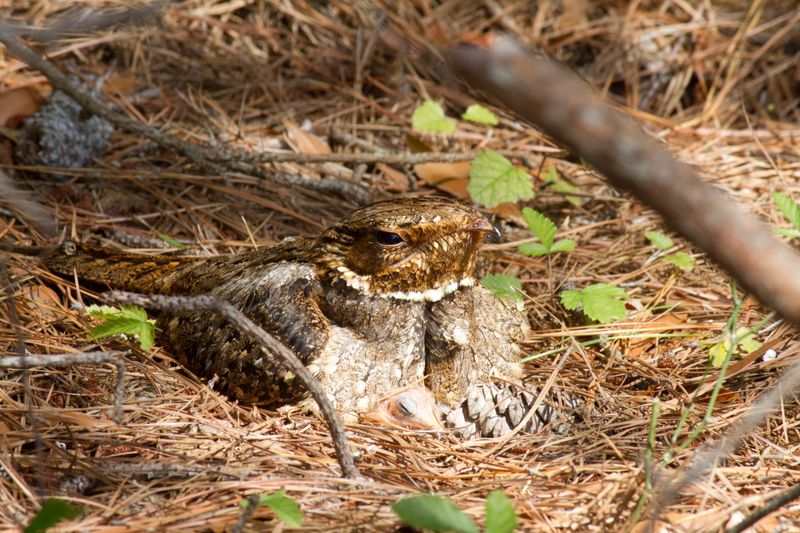
Antrostomus carolinensis, commonly called the Chuck-will’s-widow, is a nocturnal nightjar that spends its active hours after sundown. Repeated song after dark is one of its most reliable behaviors during the warm months.
Far from being a warning aimed at people, the call is directed at other birds.
According to the Cornell Lab of Ornithology, the song functions primarily in territorial advertisement and pair communication.
A male calling repeatedly from a perch is broadcasting his presence to rival males and signaling his location to a potential or established mate.
The repetition reinforces that message across a stretch of woodland.
Nightjars are vocal at night because that is when they are active, not because darkness adds meaning to the sound. The bird forages, moves through its territory, and communicates during the same hours it hunts flying insects.
Calling and hunting often overlap in timing, especially around dusk and again near dawn.
No single call carries one locked-in meaning. Vocal output can shift depending on whether a bird is establishing a new territory, maintaining an existing one, or coordinating with a mate.
The repeating phrase you hear from a Florida yard is a biological signal passing between birds, not a message intended for human listeners.
2. Hearing One Usually Means Woodland Is Close By
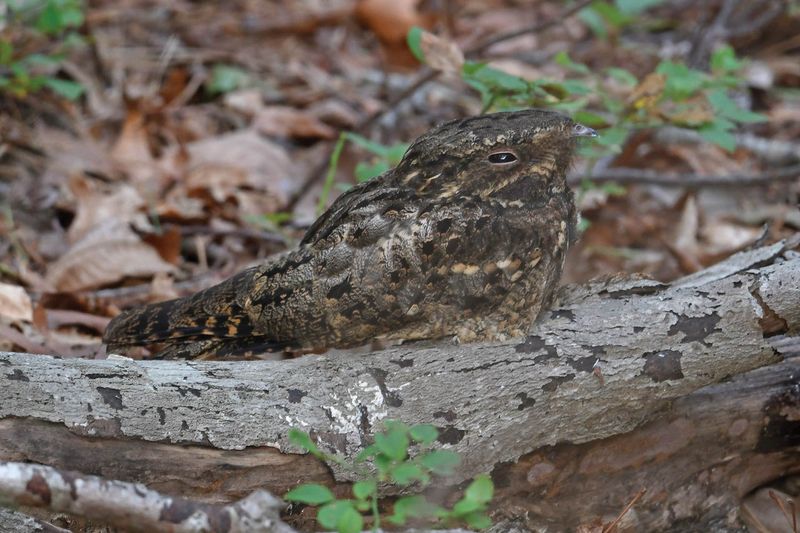
A clear repeated phrase drifting across a suburban yard after dark is often a clue about the landscape beyond the fence line. Chuck-will’s-widows are strongly associated with open pine woods, oak woodland, mixed forest edges, and shrubby thickets.
They need that kind of cover to rest, nest, and move through during their active hours.
Sound carries well on calm nights, especially in flat terrain. A bird perched inside a pine stand a few hundred yards away can be heard easily from an open yard.
That does not mean the bird is in the yard itself. It means suitable habitat exists within the bird’s normal activity range nearby.
Audubon notes that Chuck-will’s-widows favor forest edges and open woodland with sandy soil and leaf litter on the ground. Florida has large stretches of exactly that kind of habitat, including longleaf pine flatwoods and oak scrub edges near residential areas.
Your Florida Garden Changes Every Week. Your Plan Should Too.
Gardening in Florida changes quickly throughout the season. Every Friday you’ll receive a simple weekly plan showing exactly what to plant, prune, fertilize, harvest, and protect so you never miss the right timing.
Birds using those habitats can project their calls well beyond the treeline.
Hearing the song from your yard is useful information about what surrounds you. It suggests that intact or semi-intact woodland is close enough to support a breeding nightjar.
The bird is telling you something real about the local habitat, even if it stays out of sight the entire time.
3. Spring And Summer Are When The Night Chorus Means The Most
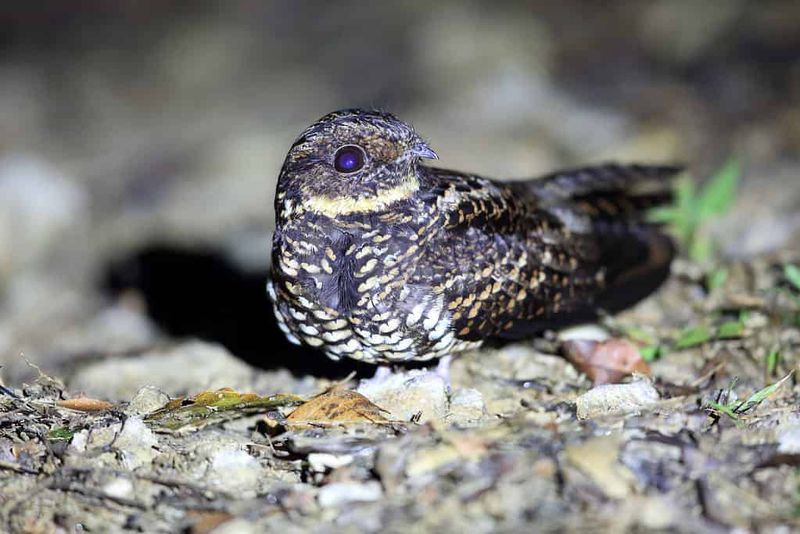
Warm evenings in late spring carry a different energy in southeastern woodlands. Chuck-will’s-widows return to their breeding areas in spring and ramp up vocal activity as the season progresses.
Calling intensity tends to peak during the breeding season, when establishing territory and attracting a mate are the bird’s main priorities.
The Cornell Lab of Ornithology places the species in the southeastern United States during the breeding season, with Florida serving as a significant part of that range. Birds arrive from wintering areas and quickly begin advertising through repeated nighttime song.
The chorus can be striking on calm, warm nights when multiple males are active near each other.
Timing varies by location and by individual bird. Statewide generalizations about exact first-call or last-call dates are not well supported by authoritative data.
What is consistent is the pattern: calling increases as breeding season begins and tends to taper as summer advances toward late-season dispersal.
Hearing a Chuck-will’s-widow in May or June in Florida almost certainly means a breeding-season bird is active nearby. The call at that time of year reflects a bird fully engaged in the most vocal phase of its annual cycle.
A summer night full of repeated phrases is a sign that local habitat is supporting a wild, native bird going about its seasonal business.
4. Moonlight Can Keep The Birds Active Longer
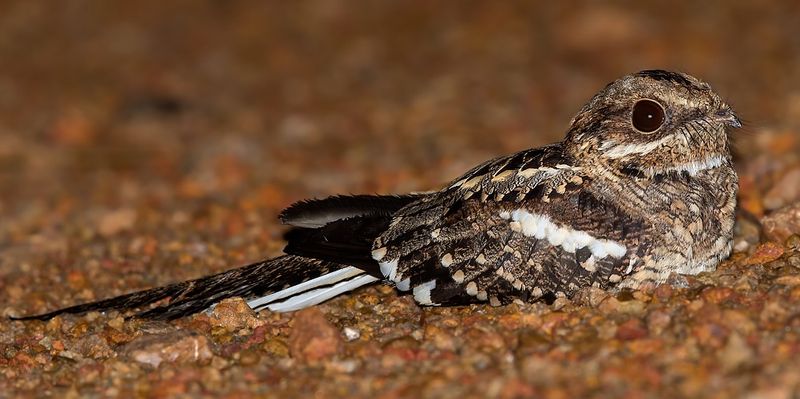
On a bright moonlit night, the backyard can feel almost lit from above. Chuck-will’s-widows are aerial insectivores, catching flying moths, beetles, and other insects on the wing after dark.
Foraging depends on enough ambient light to detect and pursue prey, so lunar cycles can influence how long birds remain active on a given night.
Research on related nightjar species includes work referenced by the Cornell Lab of Ornithology and other ornithological sources. That research suggests that brighter nights can extend foraging opportunities.
A bird that might pull back near full darkness may stay active longer when the moon provides enough light to spot insects in flight. That extended activity window can mean more movement and more calling on some nights.
That connection is not automatic. Moonlight alone does not guarantee increased singing.
Territorial song and foraging behavior are separate activities that sometimes overlap in timing. A bird might forage actively on a bright night without calling much, or call frequently on a dimmer night.
Conditions, competitors, and individual variation all play a role.
Homeowners who notice that the bird seems louder on some nights than others are picking up on real variation in activity levels. Weather, insect abundance, temperature, and lunar phase all interact.
The result is that nightjar activity is not perfectly consistent from one evening to the next, which keeps the experience of hearing one feeling a little unpredictable.
5. The Bird Can Be Nearby And Still Stay Almost Invisible
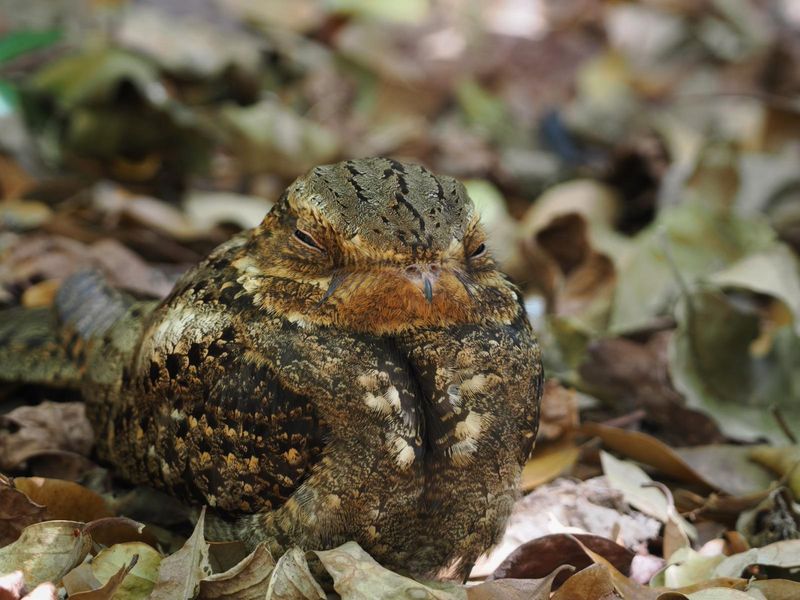
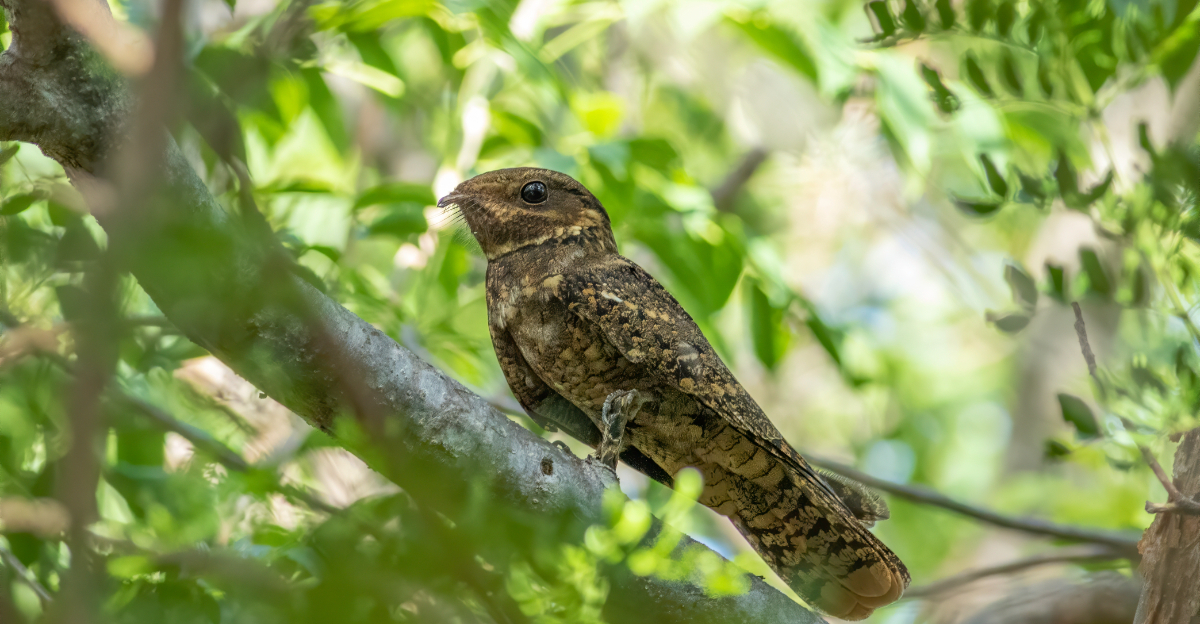
Mottled brown, gray, and buff feathers cover the Chuck-will’s-widow in a pattern that mimics bark, dry leaves, and shadowed forest floor almost exactly.
During daylight hours, the bird typically rests flat against a branch or directly on the ground, staying completely still.
Even an experienced birder standing a few feet away can scan right past a roosting bird without registering it.
The Florida Museum of Natural History notes that this camouflage is one of the species’ primary defenses. Nightjars rely on stillness and pattern rather than speed or hiding in dense cover.
A bird resting on a pine limb blends so well into the bark that it effectively disappears in plain sight.
People commonly hear Chuck-will’s-widows many times across many seasons before ever getting a visual. The call can seem to come from a specific spot, but locating the bird at that spot in daylight rarely produces a sighting.
The bird may have moved, or it may still be right there, invisible against the background.
Searching through leaf litter or approaching a suspected roost is not a good idea. Flushing a resting bird wastes its energy and can expose it to predators.
Enjoying the sound from a comfortable distance gives the bird space to do what it needs to do, which is rest through the day and return to activity after dark.
6. The Season Changes What Hearing One Can Tell You
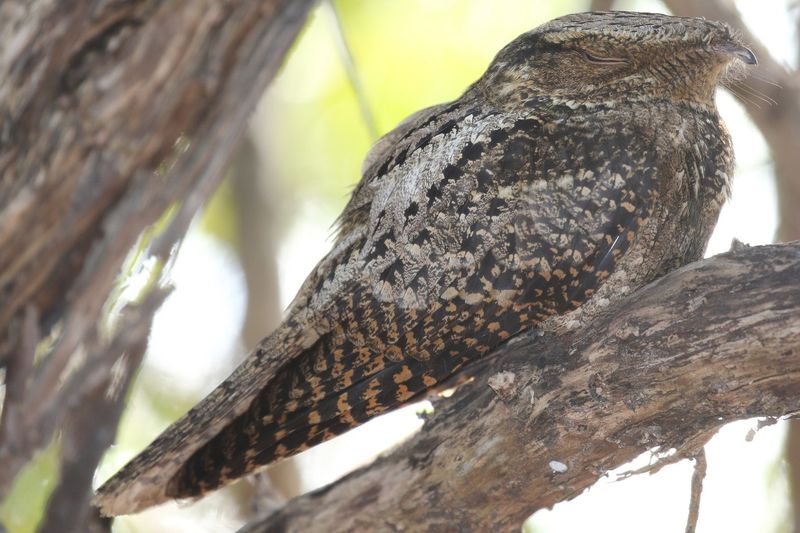
Late summer brings a gradual shift across the southeastern bird calendar. Many Chuck-will’s-widows that spent spring and summer calling from breeding territories begin moving south as the season turns.
Fall migration takes a significant portion of the population out of their breeding range. The night chorus that was full and persistent in June can thin out considerably by September.
Seasonal status varies across the state. Some birds may linger farther south in Florida into the nonbreeding season, and the species is not uniformly present year-round statewide.
Audubon and the Cornell Lab of Ornithology both describe the species as a migratory breeder across much of its southeastern range. Its wintering areas extend into Central America and the Caribbean.
An autumn call does not carry a different fundamental meaning than a spring call. The bird is still communicating in the same basic way.
What changes is the context: a bird heard in October may be a late migrant moving through rather than a resident breeder. The seasonal timing adds useful information about what role the bird is playing at that moment.
Paying attention to when you hear the call across different months builds a clearer picture of how the species uses your local landscape. Spring calls often signal breeding activity.
Fall calls may signal passage. That distinction helps connect a simple repeated phrase to the larger seasonal rhythm of bird movement through the region.
7. That Famous Call Can Still Be Misheard
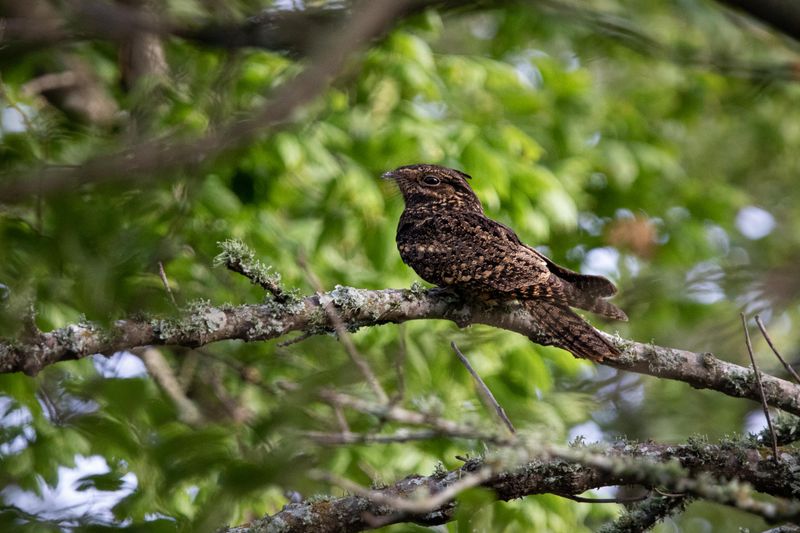
The species gets its common name from the rhythm people hear in its song. Syllables that sound like chuck-will’s-widow repeat steadily from a perch, often dozens of times without a break.
That pattern is distinctive, but distance, wind, and background noise can blur syllables and make the phrase harder to parse clearly.
From farther away, the first syllable often drops out. A bird calling from deep in a pine stand may sound like it is saying whip-poor-will rather than its full name.
The Eastern Whip-poor-will is a related nightjar that occurs in some of the same southeastern habitats. The two species can be genuinely confusing by ear, especially at range.
Cornell Lab of Ornithology’s Macaulay Library and the Merlin Bird ID app both offer verified recordings of both species. Comparing what you hear against those recordings is far more reliable than relying on a folk description of the sound.
A vaguely heard phrase on a noisy night is not enough to confirm which species is calling.
Listening carefully across multiple nights, noting how many syllables you can count, and checking recordings afterward sharpens your ear over time. Sound identification is a skill that improves with practice and honest comparison.
Rushing to a conclusion based on one uncertain phrase can lead to a misidentification that sticks longer than it should.
8. One Nighttime Singer Does Not Mean A Nest Is In Your Yard
Repeated calls drifting across the yard after dark can make it feel like the bird is right outside the window. Hearing a Chuck-will’s-widow means one is active somewhere within earshot.
It does not confirm that a nest is tucked under the shrubs, that a pair has taken up permanent residence on the property, or that anything unusual is about to happen.
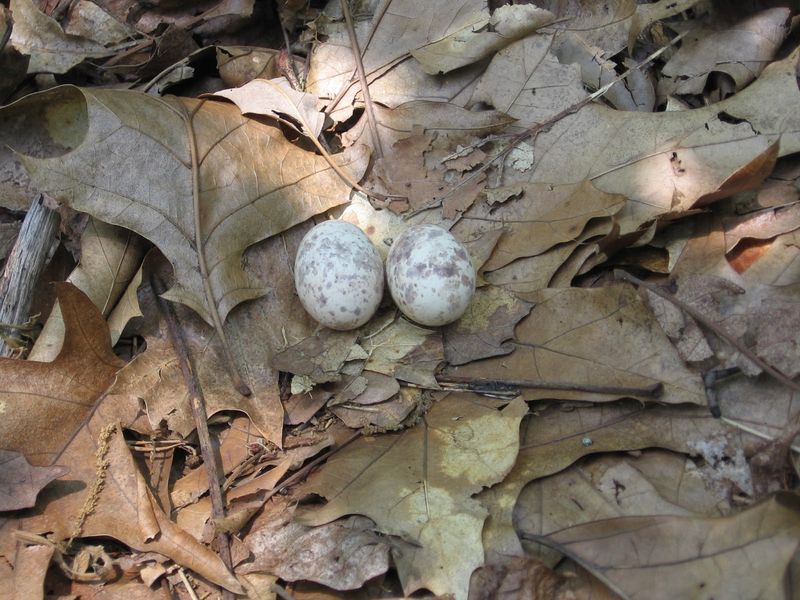
Chuck-will’s-widows nest directly on the ground, typically in leaf litter, pine needles, or similar woodland debris. They do not build a constructed nest.
The eggs are laid on the ground surface in a sheltered woodland spot, relying on camouflage rather than structure for protection. That nesting habit makes ground disturbance in suitable habitat a real concern.
Searching for a ground nest based on hearing a call nearby is not a good idea. Ground-nesting birds are vulnerable to disturbance, and eggs or young left exposed even briefly face serious risk from predators.
Authoritative sources including the U.S. Fish and Wildlife Service consistently recommend minimizing disturbance in areas where ground-nesting birds are known to be active.
Hearing that strange repeated phrase at night usually means a native nightjar is communicating nearby. Darkness and camouflage keep it almost completely out of sight.
The best response is to listen, appreciate the sound, and let the bird carry on with what it was doing long before the yard existed around it.