8 Steps For Repairing Iowa Trees And Shrubs After Bagworm And Japanese Beetle Damage
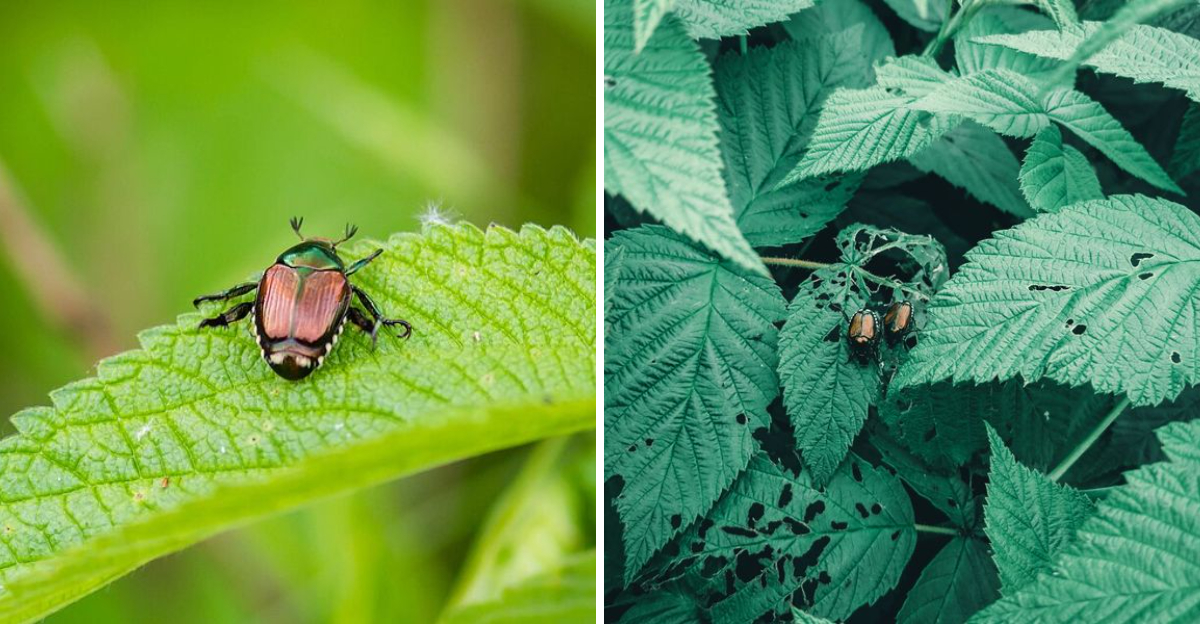
Leaves thin out quickly, and you barely even notice the early warning signs. Damage doesn’t happen by accident. Pests target weak spots long before you ever notice them clearly.
Iowa summers create ideal conditions for bagworms and Japanese beetles to thrive. Evergreens get wrapped tightly in silk while nobody’s watching closely. Thinning foliage appears within days, sometimes hours.
Homeowners across Iowa watch their landscaping change quickly. Confusion sets in fast when trees that looked healthy suddenly look completely different. Worry isn’t useful here at all, but urgency certainly is.
Recovery depends entirely on what you do next. Waiting costs you canopy, curb appeal, and serious money fast. Every hour matters once infestation takes hold.
Treatment windows close faster than most homeowners ever realize or expect. Knowledge alone separates a saved tree from a completely struggling one. Your trees still have a real chance, but only if you act right now.
1. Remove Visible Bagworm Cases By Hand
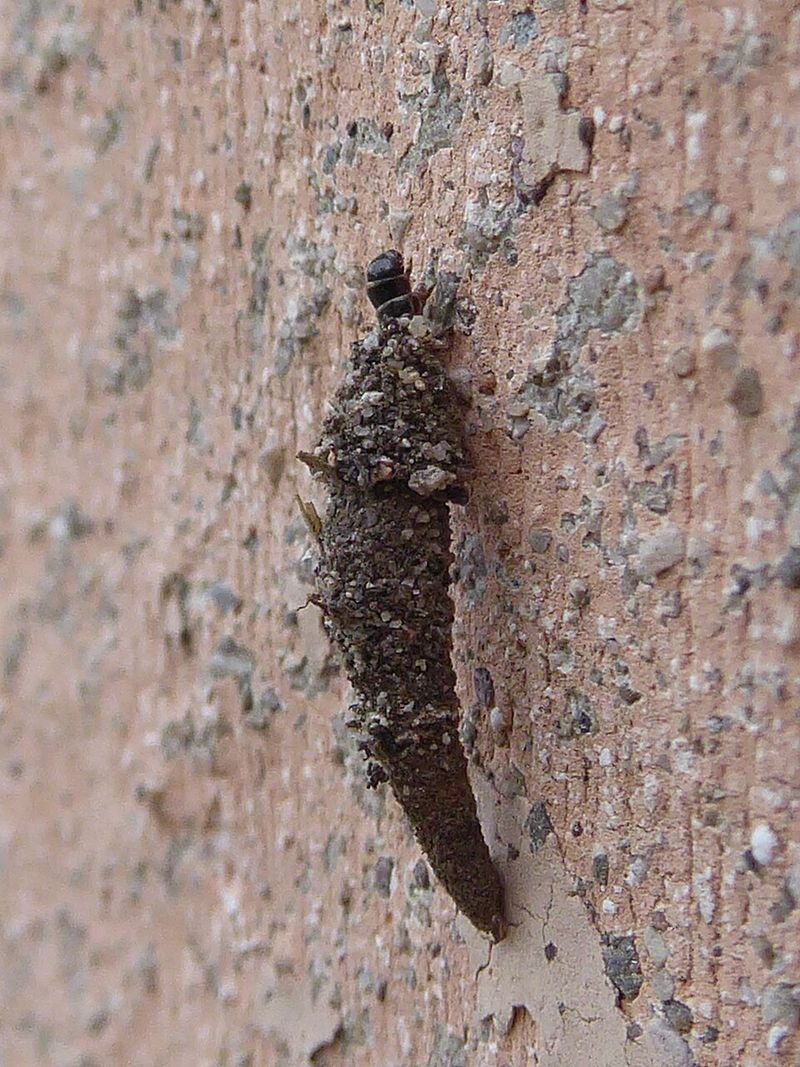
Those little pinecone-shaped bags hanging from your arborvitae are not a normal part of the plant. Each one holds eggs that will hatch into a new generation of feeding pests next season.
Pull every bag off by hand before winter sets in. Wear gloves because the silk threads are surprisingly tough and abrasive against bare skin.
Drop the bags into a sealed plastic bag or bucket of soapy water immediately. Never leave them on the ground nearby, since the eggs inside can still survive and hatch.
Work slowly and check every branch from top to bottom. Bagworms love to hide where branches overlap, so spread the limbs apart as you go.
Taller trees may require a ladder or a long-handled pruning pole to reach the upper canopy. Do not skip the high branches just because they are hard to reach.
Getting all the cases off now prevents far more extensive damage next summer. One missed bag can release hundreds of tiny caterpillars that fan out across your whole yard.
This step is completely free and takes nothing but time and patience. Repairing Iowa trees and shrubs after bagworm damage starts right here, with your own two hands doing the work.
2. Prune Damaged Or Struggling Branches Carefully
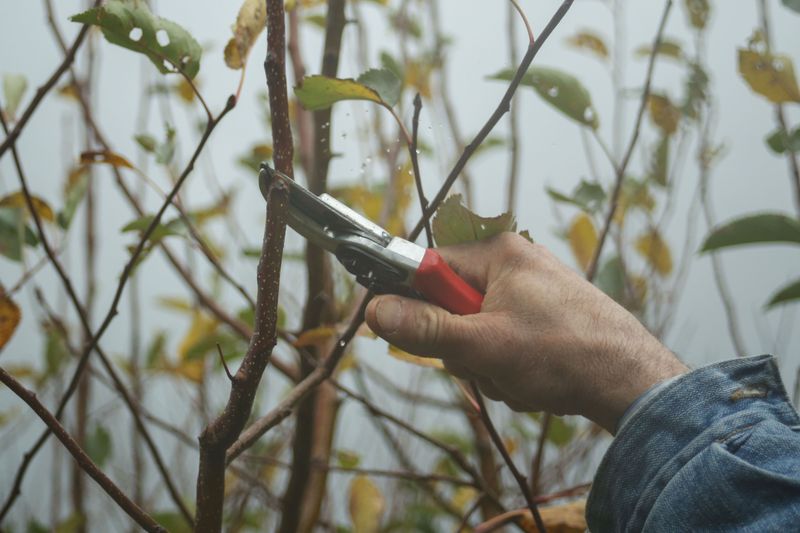
Struggling branches do not magically come back to life once pests strip them bare. Cutting them off quickly redirects the plant’s energy toward healthy, living growth instead.
Use sharp, clean pruning shears or loppers for small branches under an inch thick. Dull blades crush the wood and leave ragged wounds that invite disease and fungal problems.
Wipe your blades with rubbing alcohol between cuts when working on multiple plants. This simple habit stops you from accidentally spreading pathogens from one damaged shrub to the next.
Cut just outside the branch collar, which is the slightly swollen ring where the branch meets the trunk. Cutting too close or leaving a long stub both cause unnecessary stress to the plant.
Brown or brittle branches with no flexibility are the obvious targets. However, also look for branches that have sparse, yellowing leaves clinging on, since those are likely too far gone to recover fully.
Your Nevada Garden Changes Every Week. Your Plan Should Too.
Gardening in Nevada changes quickly throughout the season. Every Friday you’ll receive a simple weekly plan showing exactly what to plant, prune, fertilize, harvest, and protect so you never miss the right timing.
Prune in late summer or early fall for most Iowa shrubs and deciduous trees. Avoid heavy pruning on evergreens like arborvitae after late August, since new growth will not have time to harden before frost.
A clean cut supports the plant’s recovery and reduces stress. Proper pruning sets the stage for a strong comeback when warm weather returns next year.
3. Check Remaining Foliage For Lingering Pests
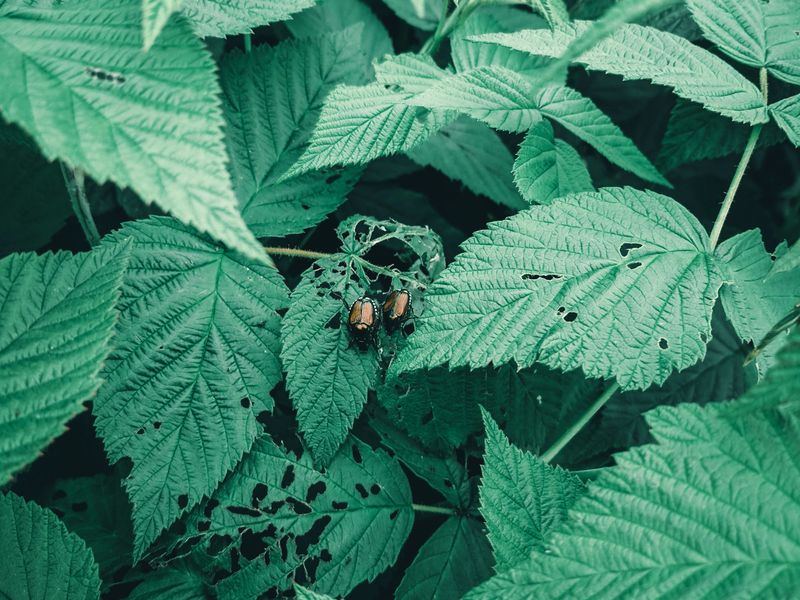
Just because the main wave of beetles passed does not mean your plants are safe. Stragglers and late-season pests can keep feeding quietly while you think the problem is over.
Flip leaves over and check the undersides carefully with your eyes and fingertips. Japanese beetle eggs and young bagworm caterpillars often hide on the shaded underside of foliage where you least expect them.
Look for skeletonized leaves with only the veins remaining, which is the classic calling card of Japanese beetle feeding. Fresh damage like this means adult beetles may still be active in the area.
Also scan for tiny, newly formed bagworm cases that are easy to miss because they blend in with twigs and bark. Young cases are about the size of a grain of rice and look like small bits of plant debris.
Shake branches gently over a white sheet or piece of cardboard. Any insects clinging to the foliage will fall onto the surface where you can see and identify them easily.
Check your plants every three to five days during late summer. Pest populations can rebound quickly, especially if neighboring yards have untreated plants that keep sending new adults your way.
Staying alert after the initial cleanup makes all the difference. Catching a second wave early means much less damage and a much faster recovery for your trees and shrubs.
4. Water Deeply To Help Plants Recover
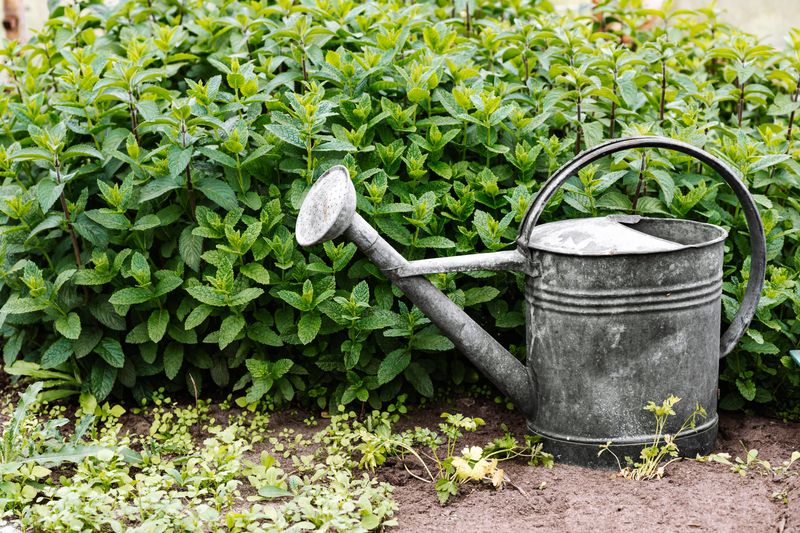
Stressed plants are thirsty plants, and that is doubly true after a pest attack strips away the leaves that help regulate moisture. Deep watering is one of the fastest ways to give your shrubs a fighting chance.
Shallow, frequent watering only wets the top inch of soil and encourages roots to stay near the surface. Instead, water slowly and deeply so moisture reaches twelve to eighteen inches down where the roots actually live.
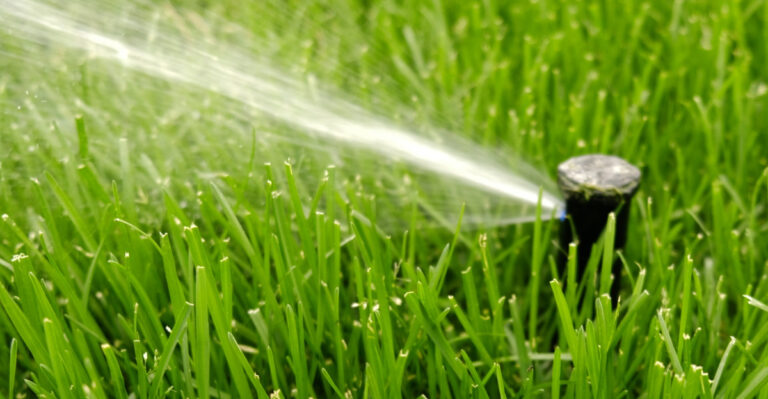
A soaker hose or drip line laid around the base of the plant works far better than a sprinkler. Sprinklers waste water to evaporation and wet the foliage, which can encourage fungal problems on already-stressed plants.
Water in the early morning so the soil can absorb moisture before afternoon heat pulls it away. Evening watering is the second-best option, but avoid wetting the leaves if you go that route.
Most Iowa trees and shrubs need about one inch of water per week during the growing season. After pest damage, bump that up slightly to help the plant push out new growth without running dry.
Stick your finger two inches into the soil near the base of the plant before each watering session. If it feels moist, skip that day and check again tomorrow to avoid overwatering, which causes its own set of problems.
Consistent moisture directly supports the plant’s recovery. Keep the schedule steady and you will start seeing new green growth within a few weeks.
5. Apply Balanced Fertilizer To Support Regrowth
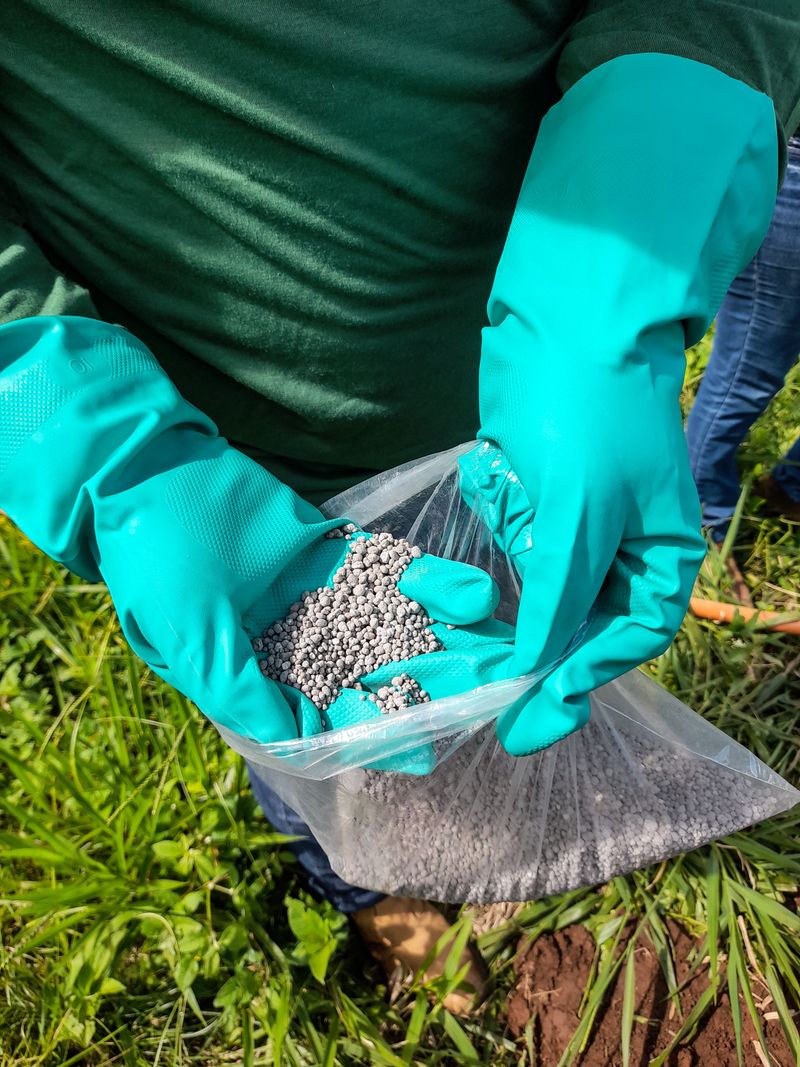
A plant that just survived a pest assault needs fuel to rebuild. Fertilizer gives it the nutrients required to push out fresh leaves and strengthen weakened branches.
Choose a balanced, slow-release granular fertilizer with equal or near-equal parts nitrogen, phosphorus, and potassium. A 10-10-10 formula is a solid starting point for most Iowa trees and ornamental shrubs.
Avoid high-nitrogen fertilizers right after pest damage in late summer. Too much nitrogen pushes fast, tender new growth that will not have time to harden off before the first frost hits.
Scatter the granules evenly across the root zone, which extends out to the drip line of the plant. The drip line is the outer edge of the canopy, and that is where most of the feeder roots are actively absorbing nutrients.
Water the area thoroughly right after applying fertilizer to help the granules dissolve and move into the soil. Dry fertilizer sitting on top of the soil does nothing useful for the roots below.
For most Iowa shrubs, a single fall application of balanced fertilizer is enough to support recovery without overstimulating growth. Trees with severe defoliation may benefit from a light spring application as well, once temperatures warm up.
Think of fertilizer as the nutrients your plant needs to recover after a rough few months. Feed it right, and it will reward you with a strong flush of healthy new growth come spring.
6. Mulch Around Base To Retain Moisture
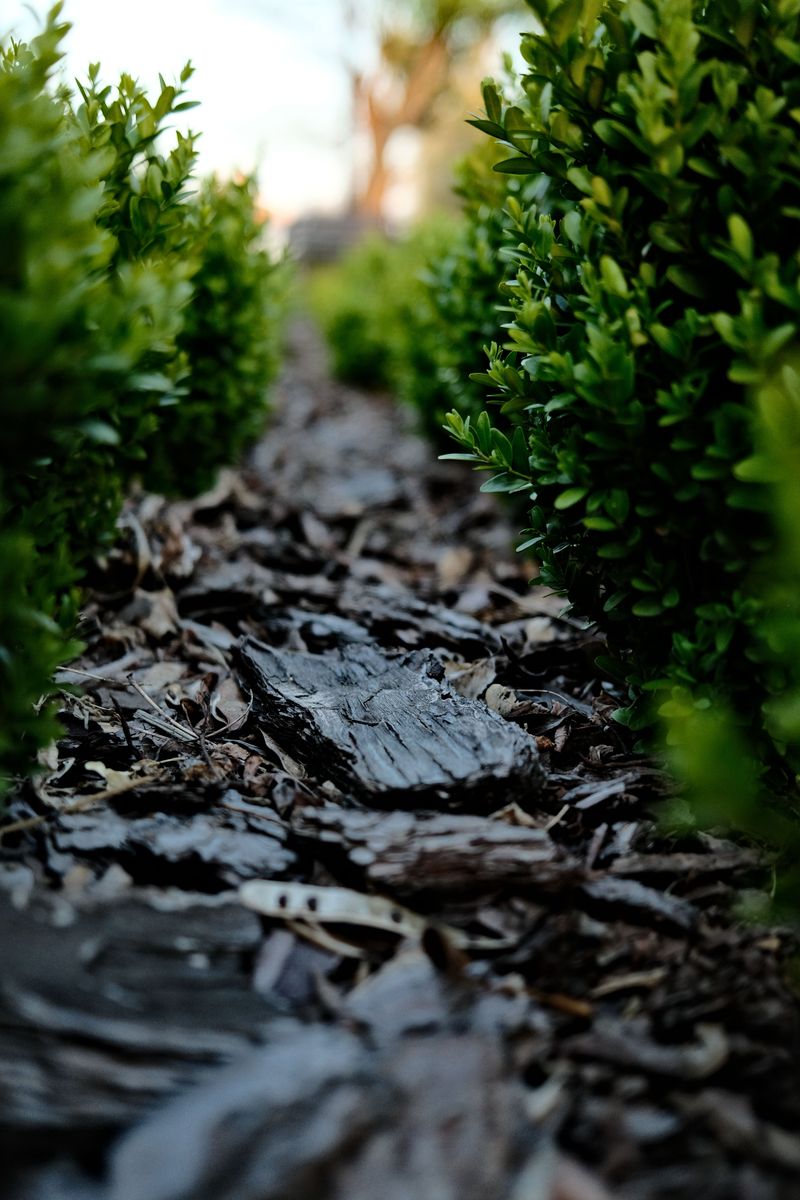
Mulch is one of the most underrated tools in any gardener’s arsenal. A simple layer of the right material around your plants can make a dramatic difference in their ability to recover.
Spread two to three inches of shredded wood chips or bark mulch in a wide ring around the base of each damaged plant. A wider ring is always better because it covers more of the root zone.
Keep the mulch a few inches away from the trunk or main stems of the plant. Mulch piled directly against the bark traps moisture and creates the perfect hiding spot for insects, rodents, and rot-causing fungi.
Fresh mulch holds soil moisture by slowing evaporation on hot, dry Iowa summer days. It also keeps soil temperatures more stable, which helps roots stay active and healthy even when surface conditions get harsh.
Mulch breaks down over time and adds organic matter back into the soil as it decomposes. That slow release of nutrients is a bonus that supports long-term plant health well beyond the immediate recovery period.
Weed seeds have a much harder time germinating through a thick mulch layer. Fewer weeds mean less competition for the water and nutrients your recovering plants need right now.
A good layer of mulch helps insulate the root zone and retain moisture before a tough season. It is a small effort that pays off in a big way over the coming months.
7. Monitor New Growth For Reinfestation Signs
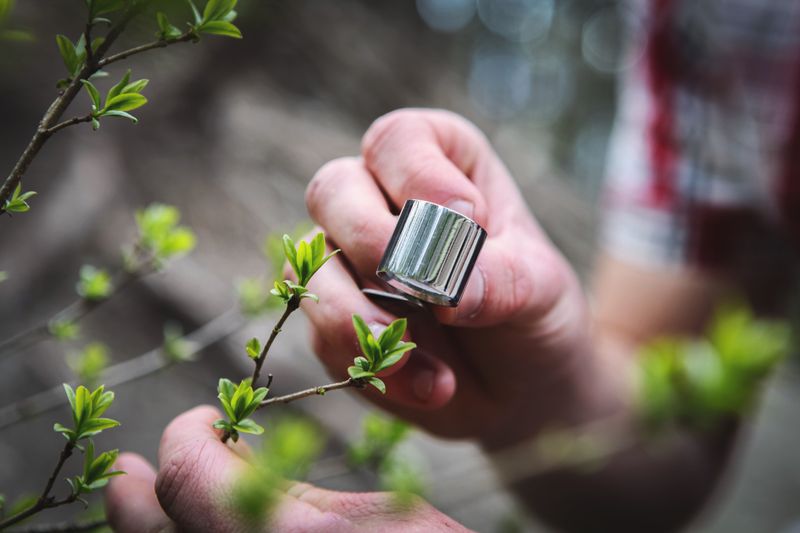
New growth is exciting to see after weeks of brown, stripped branches. However, fresh leaves and tender shoots are also the most attractive targets for returning pests.
Check new growth every few days through late summer and into early fall. Bagworm caterpillars that hatched late in the season can still cause significant damage before temperatures drop.
Look specifically at the tips of branches where new growth emerges first. That is where young bagworm cases will appear and where Japanese beetles tend to feed most aggressively.
Yellow sticky traps can help you confirm that adult Japanese beetles are active nearby. Place them well away from your prized plants, not next to them.
These traps release a strong attractant scent that can pull in more beetles from the surrounding area than it actually catches. Use them as an early-warning tool rather than a control method.
Keep a simple garden journal and note what you see each time you check. Writing down dates, plant names, and what you observed helps you spot patterns and decide when action is actually needed.
If you spot new bagworm cases forming, remove them by hand immediately just like you did in the first step. Catching them early when the cases are tiny takes far less effort than waiting until they are fully grown.
Repairing Iowa trees and shrubs after bagworm and Japanese beetle damage is an ongoing process, not a one-time fix. Staying watchful through the rest of the season is what separates a full recovery from repeat damage.
8. Treat Soil To Prevent Future Beetle Grubs
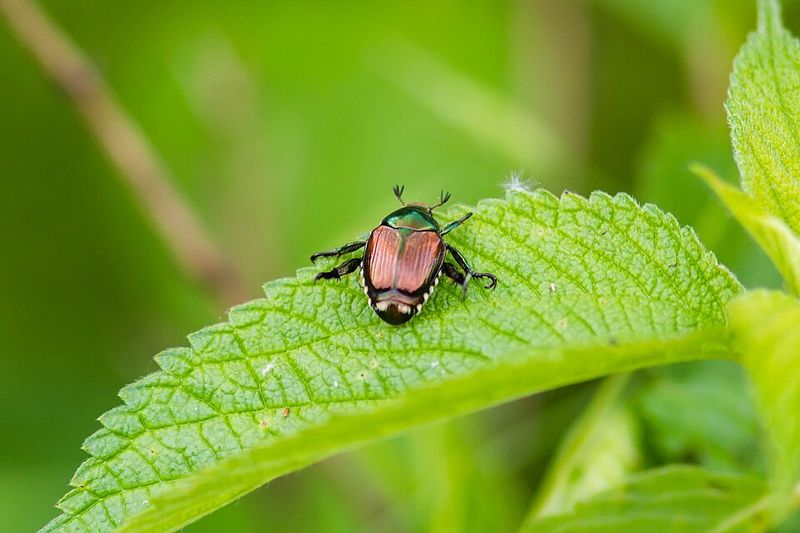
Adult Japanese beetles do not appear from nowhere each summer. They hatch from white grubs living in the soil beneath your lawn and garden beds all winter long.
Treating the soil now cuts off next year’s beetle population before it ever gets started. This is one of the smartest long-term moves you can make after a damaging season.
Beneficial nematodes are microscopic organisms that seek out and destroy grubs living underground. Apply them to moist soil in late summer or early fall when grubs are small and close to the surface.
Milky spore powder is another biological option that targets Japanese beetle grubs specifically without harming earthworms, pets, or beneficial insects.
It performs best in warmer climates, so results in Iowa’s colder winters can be slower and less consistent than in southern states.
Chemical grub controls containing imidacloprid or chlorantraniliprole are also effective when applied at the right time.
Late July through August is typically the best window in Iowa, when newly hatched grubs are actively feeding near the surface. Exact timing can shift slightly depending on that year’s weather and soil temperature.
Always read the product label fully before applying any soil treatment. Labels specify the correct rate, timing, and safety precautions that make the product work as intended without causing unintended harm.
Repairing Iowa trees and shrubs after bagworm and Japanese beetle damage means thinking ahead, not just cleaning up. Treating the soil now is the step that reduces future grub populations and protects your landscape for years to come.