The Palm Problem That Often Shows Up After A September Tropical Storm In Florida
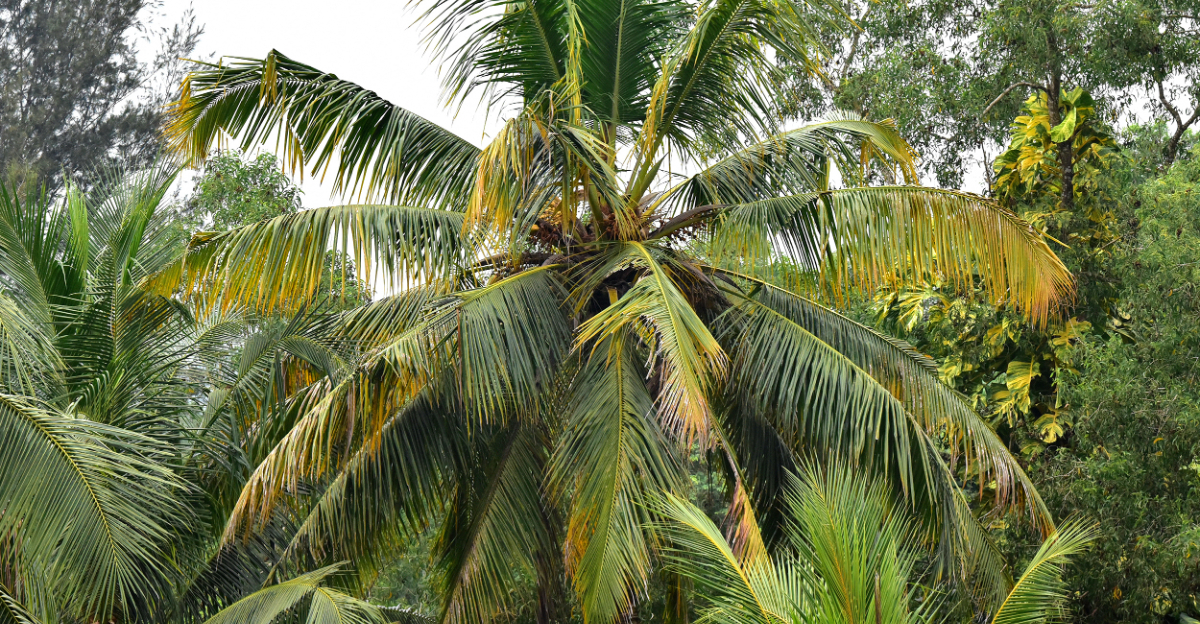
Wind rattles your Florida palms until every frond looks shredded, yet the trunk stands so straight that you assume the worst has passed you by.
Neighbors trade storm stories on the sidewalk while your palm quietly earns a reprieve it has not won, its calm exterior hiding a wound nobody has checked yet.
You inspect the obvious damage, clear away the soggy debris, and rush toward normal before checking the narrow spot that decides if this palm survives at all.
Underneath the crown of your palm sits a soft, hidden point that absorbs saltwater intrusion, torn fronds, and battering wind long after the storm is gone.
Florida storms push wind-driven water straight into that hidden space inside your palm, and the wound stays silent for weeks before it finally shows itself to you.
Every quiet day that follows the storm either rescues that palm or costs you the tree entirely, and you decide what happens next.
The Quiet Damage Left Behind By Wind And Rain
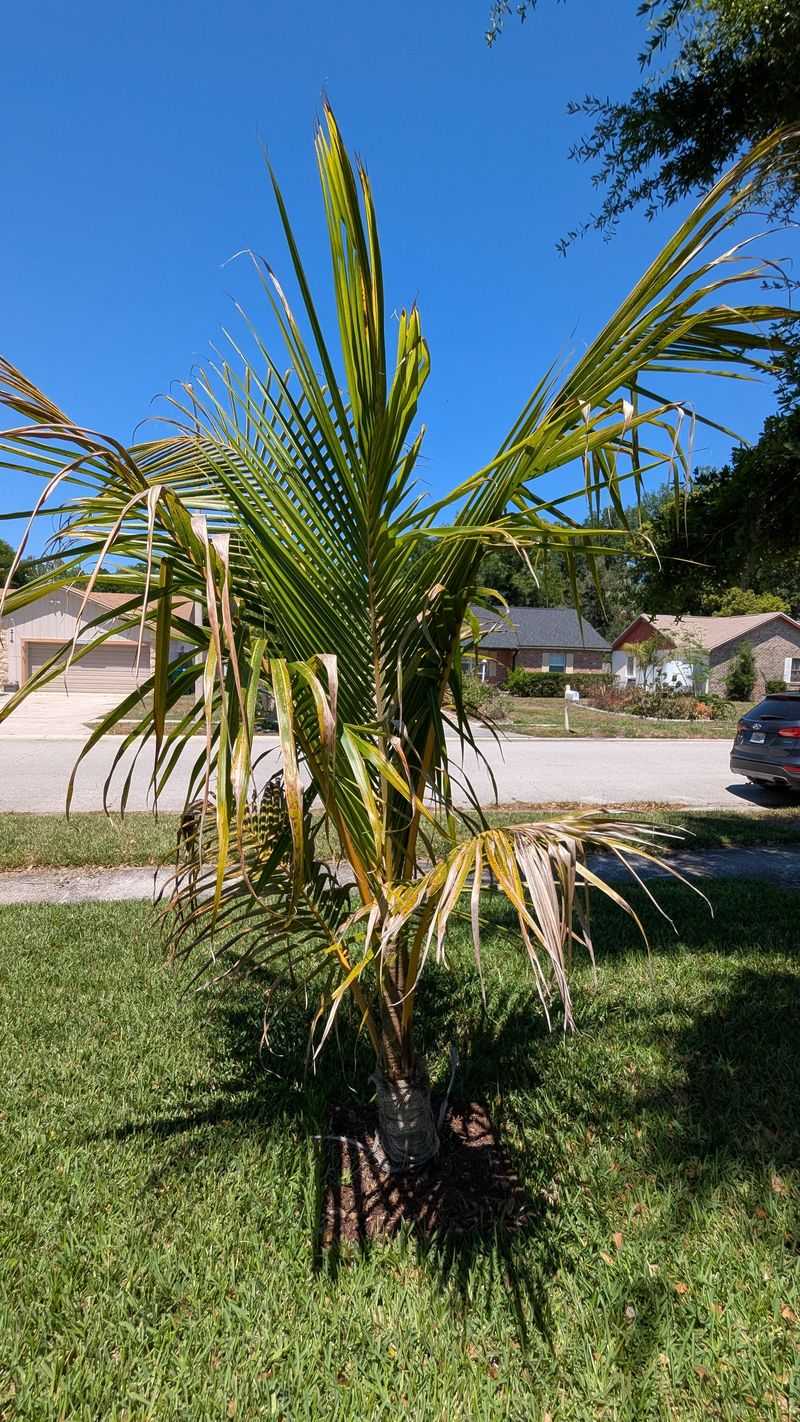
A palm can look perfectly fine the morning after a storm and still be in deep trouble. The damage that matters most happens at the very top, inside the soft growing point called the bud.
Bud rot is caused by water molds and fungi, most often Phytophthora palmivora and sometimes Thielaviopsis. Storm winds tear open the crown, driving rain pushes spore-filled water into the folded new leaves, and the warm center of the palm becomes a perfect incubator.
The sneaky part is the delay. Symptoms usually appear three to six weeks after the storm, long after homeowners have hauled off the fallen limbs and stopped paying attention.
By then the newest spear leaf may be brown, limp, or leaning at an odd angle. A gentle tug can pull it straight out, and the base often smells sour, a little like vegetables left too long in the fridge.
Because a palm grows from one single point, losing that bud is fatal. Unlike an oak, a palm cannot push out a replacement leader from a side branch.
Green fronds below the bud may hang on for many months, which fools people into believing the tree bounced back. Those are simply the last leaves the palm will ever produce.
Spotting the problem early does give you choices. A copper or phosphonate treatment applied while only part of the bud is affected can sometimes halt the spread.
The real post-storm chore is not only cleanup. It is watching that crown carefully for the next two months.
Why Late-Season Storms Hit Palms Harder Than Summer Rain
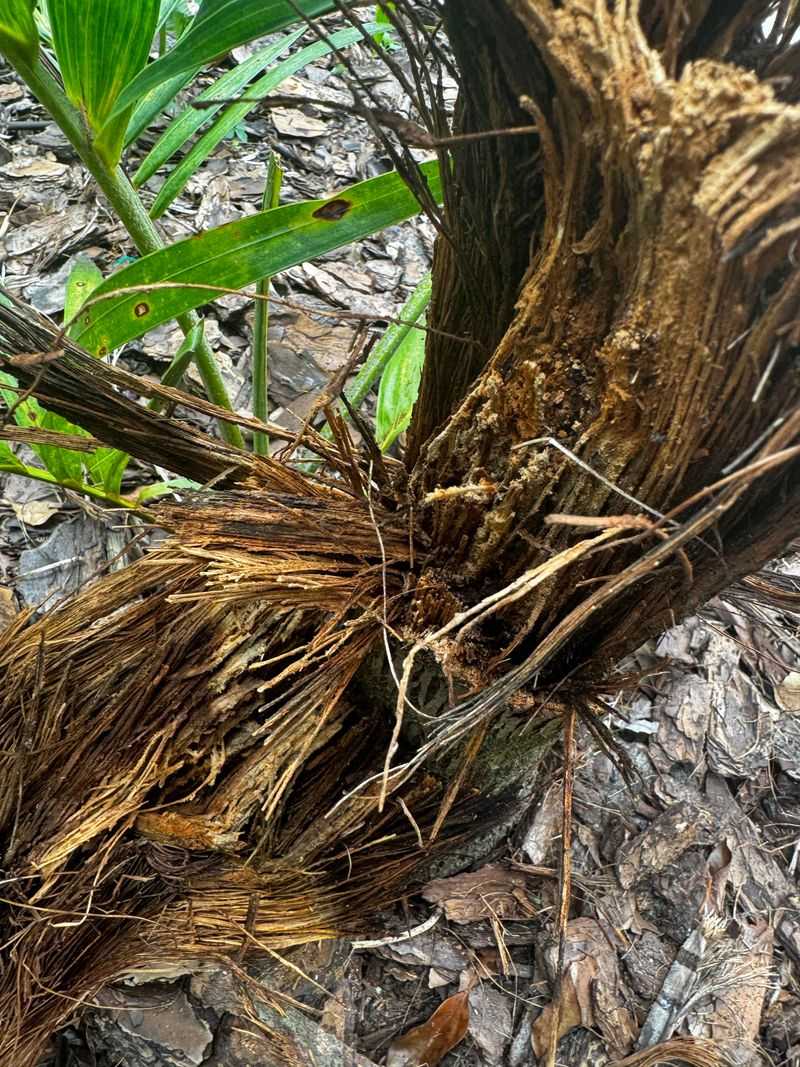
Late-season storms arrive at the worst possible moment for Florida palms. By September the ocean is at its warmest, the air is soupy, and yard soil has already soaked up months of afternoon thunderstorms.
Water molds thrive in exactly those conditions. Phytophthora spores actually swim, and they need a film of water on plant tissue to travel and take hold.
A tropical storm can keep a palm crown soaking wet for twenty-four hours or longer. That is far more leaf wetness than a normal summer downpour, which usually dries within an hour.
Your Florida Garden Changes Every Week. Your Plan Should Too.
Gardening in Florida changes quickly throughout the season. Every Friday you’ll receive a simple weekly plan showing exactly what to plant, prune, fertilize, harvest, and protect so you never miss the right timing.
Wind supplies the other half of the problem. Gusts twist the crown, snap leaf stems, and leave open wounds right where rainwater is pooling.
Flooding stirs infected soil into puddles and splashes it up onto trunks and boots. Palms sitting in low spots or beside clogged drains carry the biggest risk.
September nights rarely dip below the mid-seventies, so the fungus stays active around the clock instead of slowing down. Cool weather would help, but it is still months away.
Coastal salt spray burns leaf tissue and weakens a palm’s natural defenses, giving pathogens an easier doorway. Trees within a mile of the shoreline often show the ugliest mix of burn and rot.
Toss in washed-out roots and palms already low on potassium, and the odds tilt further. Any one of these stresses alone would rarely sink a healthy tree.
Stacked together for a week straight, they regularly do.
Reading The Spear Leaf
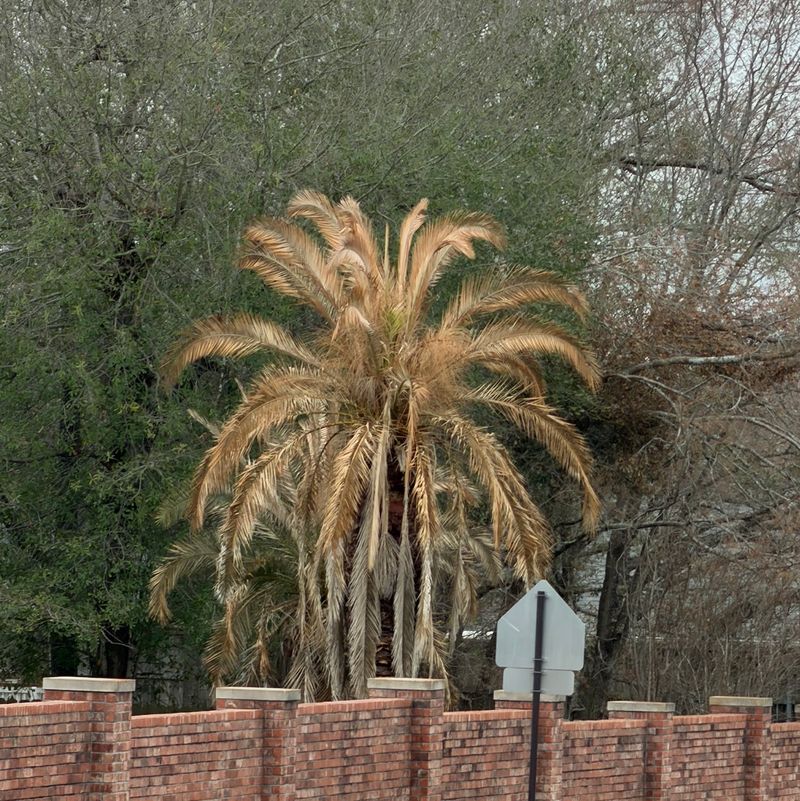
Reach into the center of the crown, take hold of the newest folded leaf, and give it a slow, steady pull. If it slides out in your hand like a sword leaving its sheath, the bud is already failing.
Healthy spear leaves hold firm and feel anchored. A rotted one comes free easily and the bottom end is usually mushy, tan, or streaked with black.
Smell matters too. Sour, sharp odors coming from the base of that leaf point toward decay.
Color changes creep in from the top down. Watch for a spear that turns yellow, then chocolate brown, while the older fronds around it stay green.
Leaning is another giveaway. A spear that flops sideways or hangs at a broken angle has lost the firm tissue that normally holds it upright.
For tall coconuts and royals, binoculars or a phone camera with zoom work better than a ladder. Snap a photo of the crown once a week and compare the images side by side.
Mark your calendar for checks at two, four, and six weeks after the storm passes. Problems that appear on day forty are easy to miss when life gets busy again.
Torn or shredded fronds by themselves are not a crisis, since palms replace leaves all the time. Trouble with the single central spear is the signal worth acting on fast.
Catch it early and treatment has a real chance. Wait until three spears have collapsed and the outcome is usually settled.
Species That Tend To Suffer The Most Damage
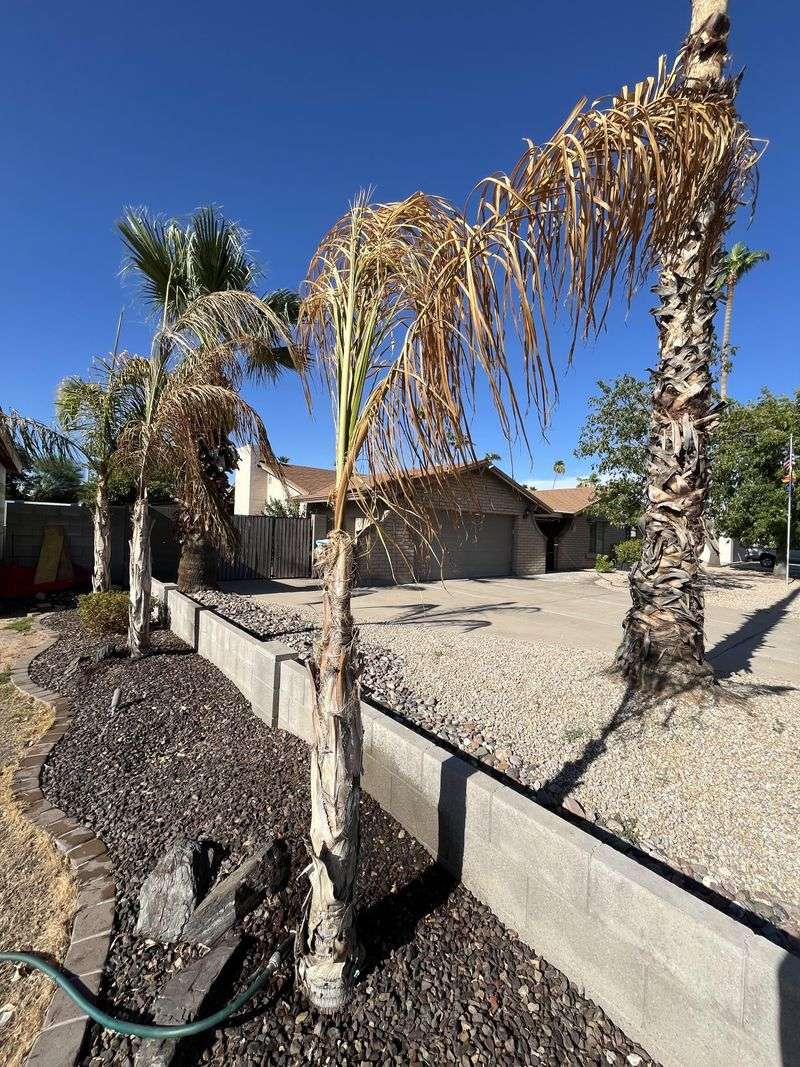
Coconut palms top the list, which is fitting since the disease was first studied in coconut plantations across the tropics. Their broad crowns catch enormous amounts of wind-driven rain, and the bud sits wide open at the top.
Queen palms come in a close second in Florida neighborhoods. Fast growth gives them soft tissue that bruises easily, and they are planted by the thousands in subdivisions.
Christmas palms, sold as Adonidia, are small but surprisingly vulnerable. Their tight clustered crowns hold water like a cup after heavy rain.
Royal palms take a beating too, especially the ones lining streets where wind funnels between buildings. A snapped frond on a royal leaves a wound the size of a dinner plate.
Pygmy date palms planted near sprinkler heads stay damp far longer than they should. Constant moisture plus storm injury is a rough combination.
Even cabbage palms, the tough state tree of Florida, occasionally rot after a direct hit. Foresters have documented losses following major hurricanes, though the species usually shrugs off bad weather.
Recently transplanted palms of any kind deserve extra attention. Trees planted within the past year have small root systems and less energy stored for fighting infection.
Palms trimmed into a skinny hurricane cut also struggle, because fewer fronds means less food and a more exposed bud. That popular trimming style does more harm than good.
Knowing which trees in your yard fall into these groups helps you prioritize inspections.
One Sick Tree Can Pass Trouble Along The Whole Block
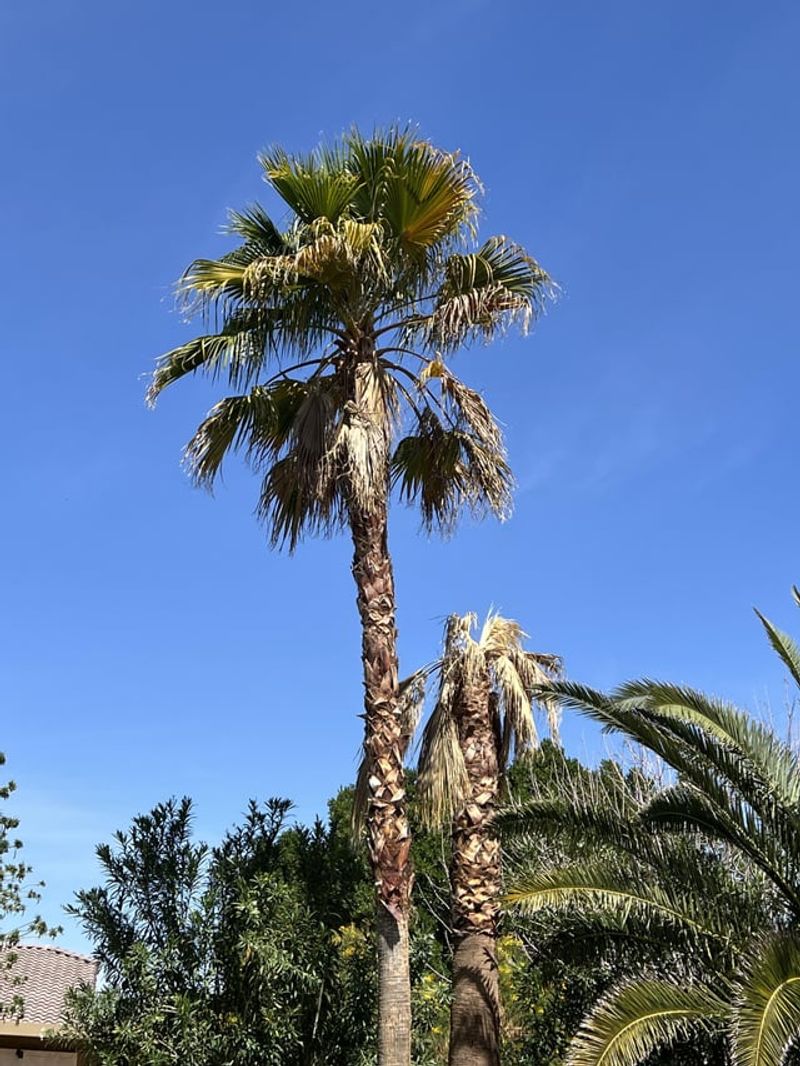
Think of the pathogen less like a cold you catch from a sneeze and more like mud that gets tracked around. Movement happens through water, soil, and tools.
Rain splashing off contaminated ground can launch spores several feet into the air. Those droplets land on trunks, leaf bases, and low fronds of nearby plants.
Floodwater carries the problem farther. A single inch of sheet flow across a yard can spread infected soil from one property line to the other.
Pruning equipment is the human contribution. Cutting storm-damaged fronds off a rotting palm and then trimming the healthy one next door moves the pathogen directly into a fresh wound.
A quick wipe with an isopropyl solution or a bleach solution between trees takes thirty seconds. Skipping that step has ended plenty of otherwise healthy palms.
Chipped mulch made from diseased palm trunks is another quiet culprit. Free mulch after a storm sounds like a bargain until it lands around the base of prized trees.
Boots and wheelbarrows deserve a rinse too, particularly after walking through soggy low ground. Soil clinging to treads travels wherever you do.
Landscape crews working fast through storm cleanup rarely sanitize between yards. Asking politely can save you a four-figure removal bill later.
Good drainage cuts risk more than any spray ever will. Water that drains away in a few hours simply does not give spores enough time to work.
Small habits, repeated after every storm, protect entire streets of palms.
An Action Plan Worth Following In The First Two Weeks
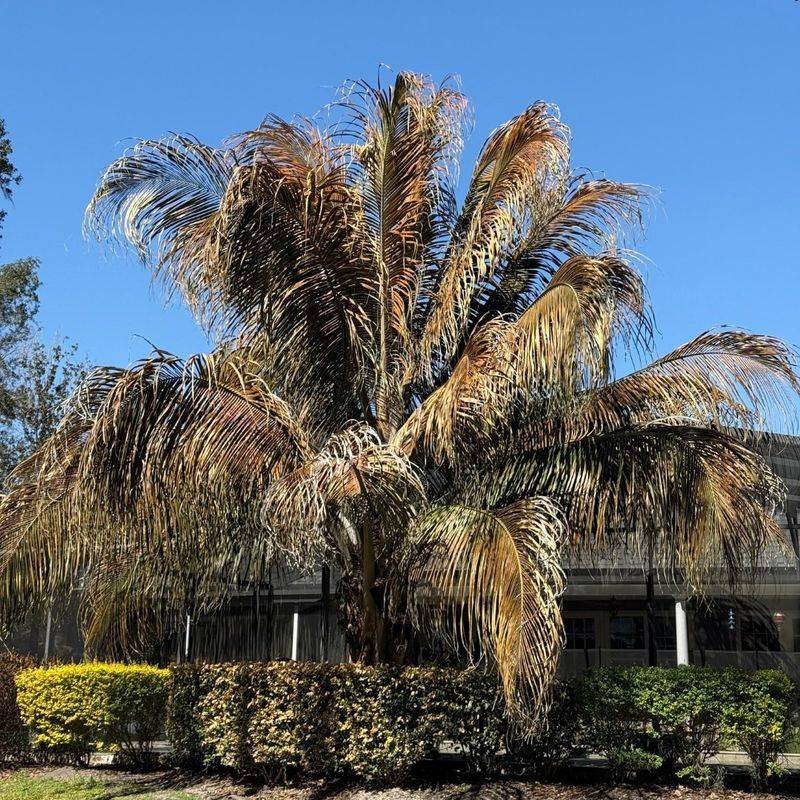
Speed counts more than perfection here. The window right after the wind stops is when preventive treatment does the most good.
Start by clearing standing water from around trunks and opening up any clogged drainage. Palms sitting in a puddle for days are the ones that fail.
Inspect every crown while the memory of the storm is fresh. Note which trees lost fronds, which lean, and which had branches or debris strike the top.
For high-value palms that took a direct hit, a copper fungicide drench aimed into the crown offers real protection. Products containing phosphorous acid or mefenoxam are also labeled for this use, so read the directions closely.
Avoid dumping quick-release fertilizer on a stressed palm. Soft, fast growth is exactly what a fungus wants to chew through.
Hold off on heavy pruning as well. Every cut is a new doorway, and green fronds are the palm’s food supply during recovery.
Remove only fronds that are fully brown, hanging by a thread, or dangerous to people below. Leave the yellowing ones alone for now.
Straighten leaning palms within a few days and brace them properly, since a wobbling trunk keeps tearing new roots. Never nail anything into palm tissue.
Keep a simple log with dates and photographs. Nurseries, arborists, and insurance adjusters all take documented timelines seriously.
Two weeks of attention now often saves a tree that took fifteen years to grow tall.