Why Late Seeding Leaves You With A Bare Tennessee Lawn Come Spring
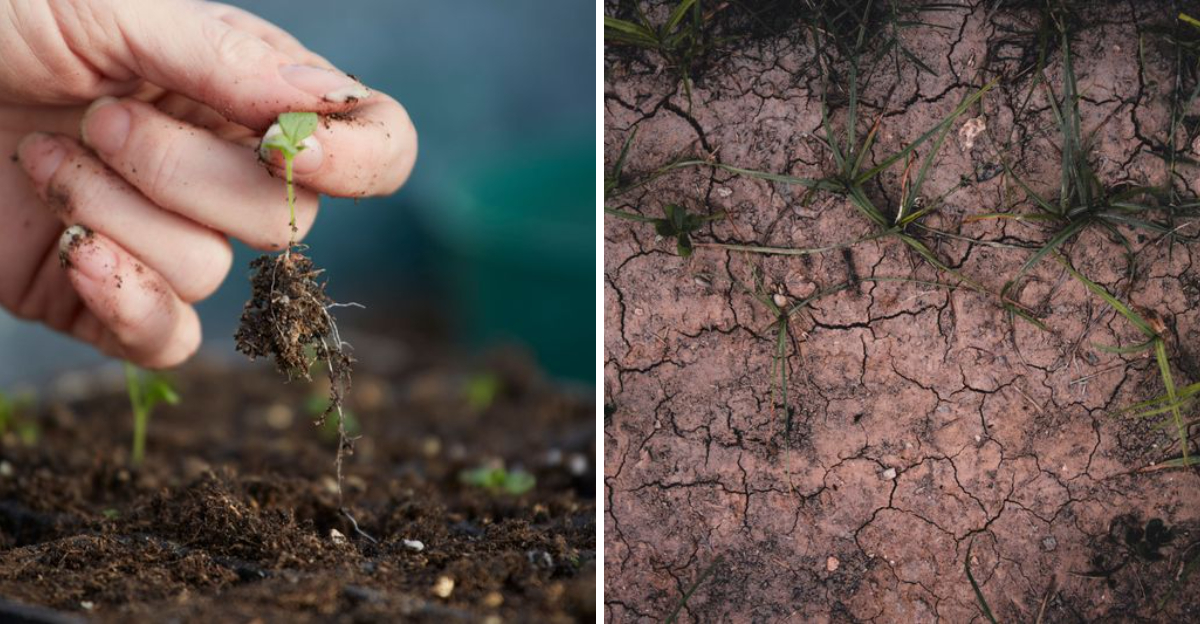
Grass seed forgives almost nothing when timing works against you. Waiting an extra week in Tennessee can significantly set back your results. Soil temperature drops fast, and you lose your germination window.
Roots need weeks to establish before frost locks them in place. Homeowners often assume any cool day works, but that assumption leads to poor results. Missing the window leaves you with thin, weak grass.
Seed sitting on cold ground simply refuses to sprout for you. Tennessee weather shifts unpredictably, can undo poorly timed planting. Patchy lawns rarely recover fully without your intervention.
Bare spots spread quietly until spring exposes your mistakes. Bare patches can be frustrating to deal with once spring arrives. Understanding this timing isn’t optional if you want real results.
Every decision you make now shapes what your lawn becomes. Delay costs you more than you’ll realize until it’s too late. You cannot afford to guess wrong about this timing.
Grass Seeds Need Time To Germinate Before Winter Hits

Most people think tossing seed on the ground is enough to get a lawn going, but germination takes real time. Grass seeds need warm soil temperatures to sprout, and once winter cold sets in, that process basically shuts down.
When you seed too late in Tennessee, the ground cools off before the seeds ever get a chance to wake up.
Cool-season grasses like tall fescue generally germinate best when soil temperatures are around 50 to 65 degrees Fahrenheit, though warmer soil can still support germination.
Late October and beyond often push soil temps below that range, especially in middle and east Tennessee. Seeds that sit in cold, wet soil without germinating become vulnerable to rot and disease.
Even if a few seeds manage to sprout, the tiny seedlings that emerge are incredibly fragile. They have not had enough time to build a strong root system before freezing temperatures arrive.
Without established roots, those seedlings simply cannot survive the harsh conditions of a Tennessee winter.
Local lawn care experts and university extension guidance generally point to mid-September through mid-October as the best seeding window in Tennessee.
That window gives seeds roughly four to six weeks of warm-enough conditions to germinate and start developing roots. Missing that window by even a couple of weeks can meaningfully reduce how well your lawn establishes by spring.
Seedlings Need Root Development To Make It Through Tennessee Winters

Picture a brand-new seedling poking up through the soil for the very first time. It is tiny, delicate, and completely dependent on its roots to keep it alive.
When late seeding happens, those seedlings barely have time to grow any roots before cold weather moves in and starts working against them.
Root development is what keeps grass alive through stress. A well-rooted plant can pull moisture and nutrients from deeper in the soil, even when the surface is frozen or dry.
A seedling with only shallow roots has no backup plan when conditions turn tough, and Tennessee winters can turn tough quickly.
Your Tennessee Garden Changes Every Week. Your Plan Should Too.
Gardening in Tennessee changes quickly throughout the season. Every Friday you’ll receive a simple weekly plan showing exactly what to plant, prune, fertilize, harvest, and protect so you never miss the right timing.
Freezing and thawing cycles, which are common in Tennessee winters, are especially hard on young grass. Each time the ground freezes and then thaws, it shifts and heaves slightly.
This movement can literally push shallow-rooted seedlings right out of the soil, a process called frost heave, leaving them exposed and unable to survive.
Grass that was seeded at the right time in mid-September has had six or more weeks to push roots several inches into the ground. Those extra weeks are not just nice to have – they are essential for survival.
Late-seeded grass skips that critical development period entirely, which is why bare spots are almost guaranteed when spring finally arrives in Tennessee yards.
Soil Temperature Drops Too Low For Proper Seed-To-Soil Contact
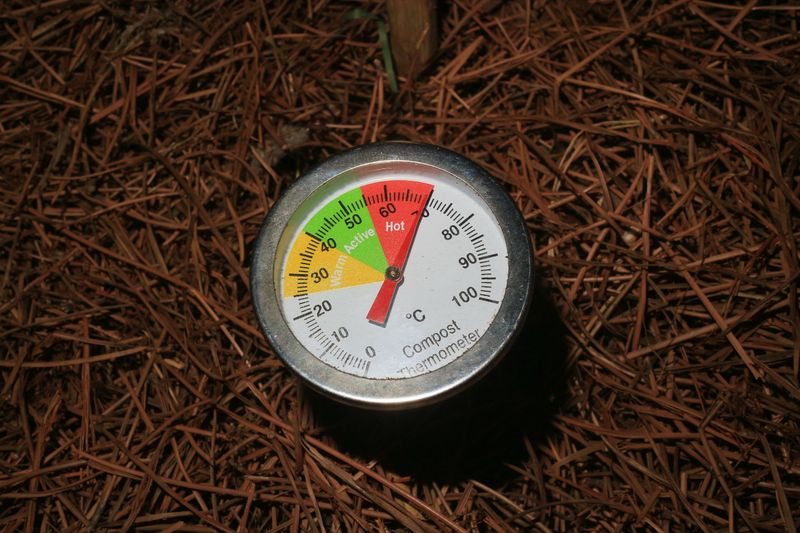
Good seed-to-soil contact is one of the most overlooked parts of successful lawn seeding. Seeds need to be snuggled right up against soil particles so they can absorb moisture and begin the germination process.
When soil gets cold and hard in late fall, achieving that tight contact becomes much more difficult.
In Tennessee, soil temperatures start dropping noticeably by late October, especially after a few cold nights in a row. Cold soil becomes more compact and less workable, making it harder for seeds to settle in properly even when you rake them in carefully.
Seeds that sit on top of hard, cold soil instead of nestling into it have very low survival rates.
There is also the issue of rain and runoff. Cold-season rains in Tennessee can be heavy, and seeds that are not properly embedded in the soil get washed away before they ever have a chance to sprout.
Late seeding increases this risk significantly because the soil is less able to hold seeds in place.
Proper soil preparation, including aerating and loosening the top layer, helps seeds make good contact. However, the best soil prep in the world cannot fully make up for planting when temperatures are already too low.
The combination of poor contact and cold temps creates a combined effect that leaves many late-seeded lawns looking thin and patchy once warmer weather returns in spring.
Weed Seeds Outcompete Late-Planted Grass In Tennessee Lawns
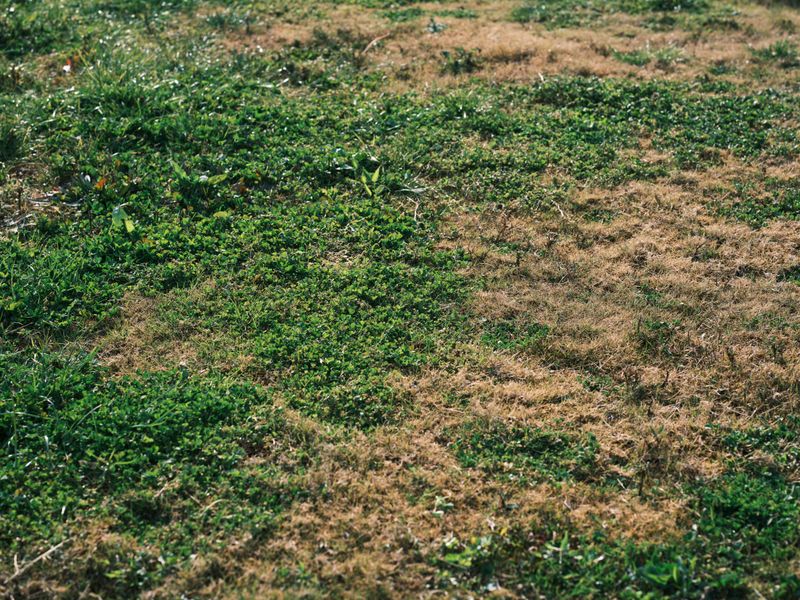
Here is something that surprises a lot of homeowners: weeds are incredibly opportunistic. The moment conditions are right in spring, weed seeds that have been waiting in the soil all winter grow quickly.
If your grass seed was planted too late and never germinated properly, weeds move in fast and claim that bare ground as their own territory.
In Tennessee, common spring weeds like henbit, chickweed, and annual bluegrass are well adapted to cool temperatures. They can sprout and spread before your late-seeded grass even gets started.
Once weeds have a foothold, they compete aggressively for sunlight, water, and nutrients, making it even harder for struggling grass seedlings to catch up.
A thick, established lawn is actually one of the best defenses against weeds. Dense grass shades the soil and leaves little room for weed seeds to sprout.
But when late seeding leaves your lawn thin and patchy, you are essentially creating favorable conditions for weeds.
Fighting weeds in a lawn that also has newly seeded areas is tricky because many weed sprays can damage young grass. You end up stuck between letting weeds take over or risking harm to the grass you are trying to grow.
Seeding at the right time is far simpler and more effective than dealing with that frustrating situation later on.
Moisture Levels In Late Fall Can Cause Seed Rot Before Sprouting
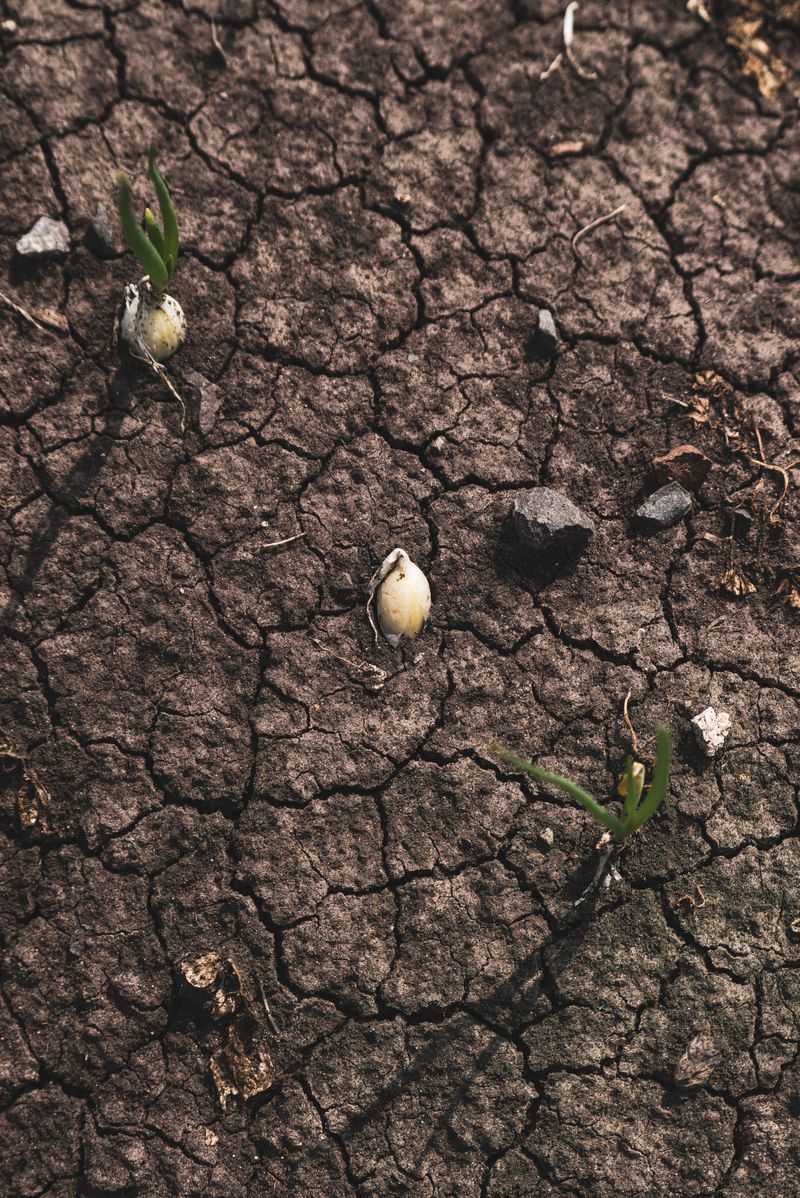
Fall in Tennessee can be a pretty wet season. Rain is common in October and November, and while moisture is necessary for germination, too much of it at the wrong time creates a serious problem.
Seeds sitting in cold, waterlogged soil for extended periods are highly prone to rotting before they ever sprout.
Seed rot happens when fungal organisms in the soil break down seeds that are just sitting there without germinating. Warm, moist conditions help seeds germinate quickly, which limits the window for rot to set in.
Cold, moist conditions are the opposite scenario, giving fungi plenty of time to break down seeds that cannot move through the germination process fast enough.
Tennessee clay soils, which are very common across the state, make this problem worse. Clay holds water longer than sandy or loamy soils, meaning seeds can stay saturated for days after a heavy rain.
That extended wetness combined with cold temperatures creates nearly perfect conditions for seed failure.
Some grass seed products include fungicide coatings to help protect against rot, and those can make a modest difference. However, they are not a substitute for planting at the right time.
The best protection against seed rot is giving seeds a warm, well-drained environment to germinate quickly, and late-fall seeding in Tennessee simply does not provide those conditions reliably enough to count on.
Missing The Ideal Seeding Window Means Waiting A Full Year To Try Again
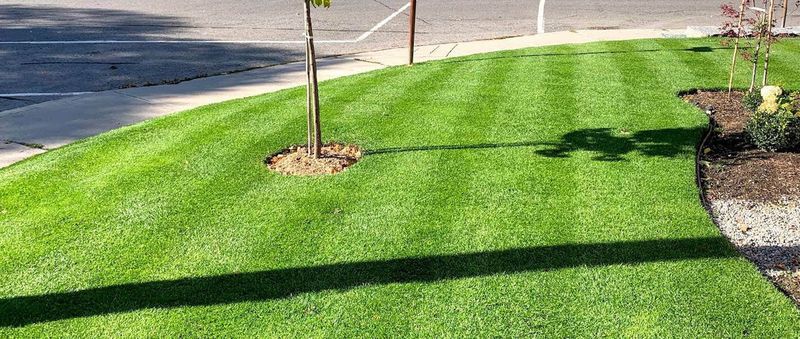
One of the most painful consequences of late seeding is the waiting. If your seed fails to establish in fall, you cannot just turn around and plant again in spring and expect great results.
Cool-season grasses like tall fescue, which dominates Tennessee lawns, do not respond well to spring seeding because summer heat arrives before they can fully establish.
Spring-seeded fescue often struggles through its first summer in Tennessee. The heat and drought stress that typically arrives by June and July hit young, shallow-rooted grass hard.
Many spring-seeded lawns thin out dramatically or fail to survive by midsummer, leaving homeowners right back where they started.
That means a failed fall seeding often pushes the real fix all the way to the following fall, which can feel like a long wait when you’re staring at bare patches all year.
In the meantime, you are stuck managing a patchy, weed-filled yard that is difficult to keep looking decent. Fertilizer, watering, and other lawn care efforts feel like throwing good money after bad when the foundation simply is not there.
For most Tennessee homeowners, the ideal seeding window generally falls sometime between mid-September and mid-October, though the exact timing depends on location and elevation.
Planning ahead and marking that window on your calendar every year is one of the simplest and most powerful things you can do for your lawn. Missing it once is a tough lesson, but learning from it can set you up for a much greener yard the following year.
Thin Turf From Late Seeding Leads To Soil Erosion Over Winter
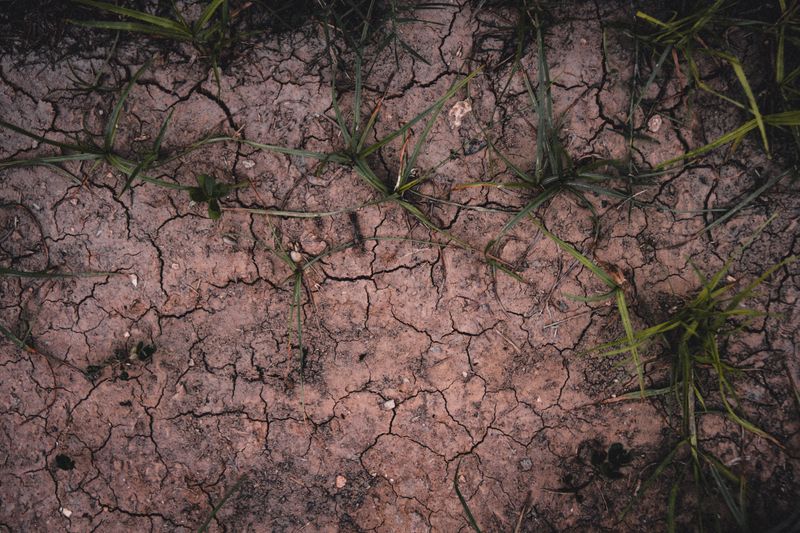
Grass does a lot more than just look nice. Its roots hold soil in place, and its blades slow down rainwater so it soaks into the ground rather than rushing across the surface.
When late seeding leaves you with thin or nonexistent turf going into winter, your soil is left wide open to erosion from rain and runoff.
Tennessee winters bring plenty of rain, and on sloped yards especially, that water can carry away significant amounts of topsoil.
Topsoil is the richest, most nutrient-dense layer of your yard, and once it washes away, the soil that remains is much harder to grow grass in. Erosion can turn a minor seeding problem into a major lawn rehabilitation project.
Even on flat yards, bare soil gets compacted over winter from repeated rainfall. Compacted soil has fewer air pockets, drains more slowly, and is harder for grass roots to penetrate.
Starting spring with compacted, eroded soil adds another obstacle to getting a healthy lawn established when you try again.
Covering bare areas with straw mulch can help slow erosion over winter, and it is a smart move when you know your seeding did not take hold. However, straw is a band-aid solution, not a real fix.
One of the most reliable ways to prevent this is a thick, established stand of grass, which is far more likely when seeding is done at the right time in fall. Protecting your soil through proper timing protects your entire yard long-term.
Late Seeding Limits Your Options For Overseeding Thin Spots
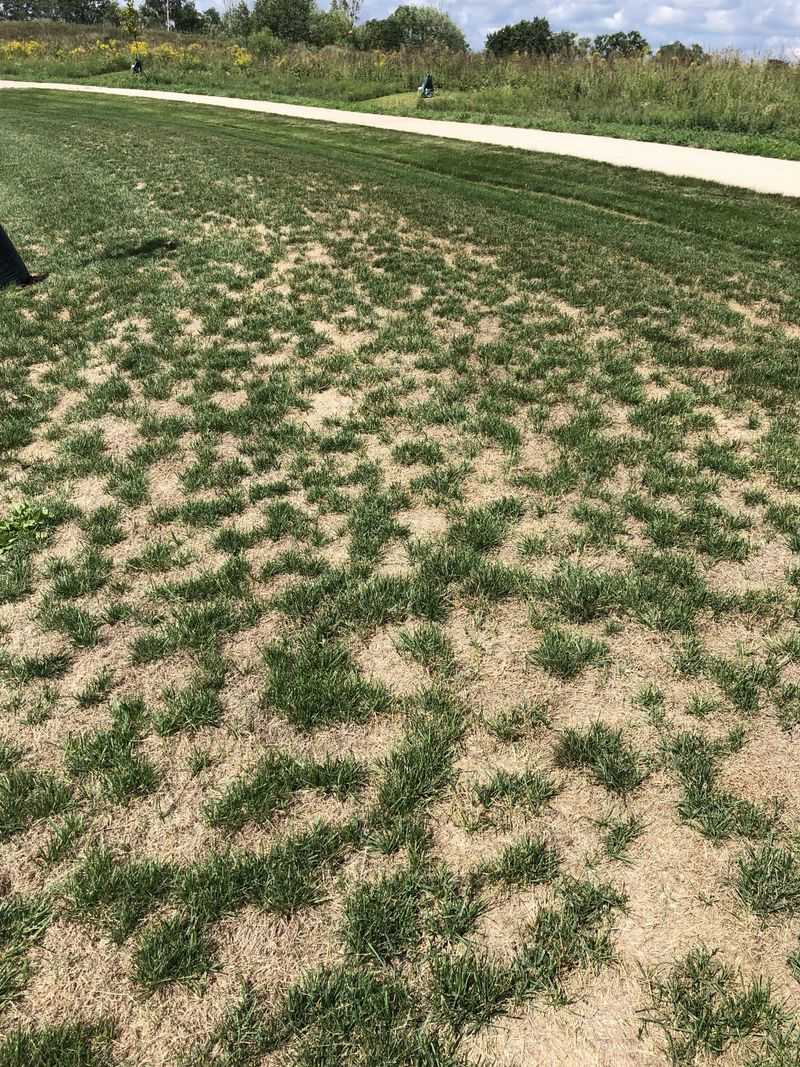
Late seeding does not just affect brand-new lawns. It also closes the door on overseeding, which is one of the easiest ways to thicken an existing yard.
Overseeding works best when new seed has the same weeks-long runway to germinate and root before winter that any other fall seeding needs.
When you wait too long, thin areas that could have filled in stay thin, and Tennessee winters make that gap harder to close.
Homeowners often overseed to fix summer damage from heat, foot traffic, or disease. Waiting until late fall removes that safety net entirely, since new seed cannot establish fast enough to help.
That leaves existing thin spots exposed through winter with no backup plan. Erosion, weed pressure, and compaction all target those weak areas first, compounding problems that timely overseeding could have prevented.
Missing this window means waiting until the following fall to overseed again, which is a long stretch for a lawn already struggling with bare patches.
Planning overseeding around the same mid-September to mid-October window keeps both new and existing turf on the same recovery timeline, rather than leaving one part of your yard permanently behind the other.