The One Thing You Must Do To North Carolina Vitex Before September Is Over
Maybe a garden center sold you a plant that keeps showing up where you never put it? Not this year, maybe. Give it a few seasons.
Chaste tree has a reputation problem that most tags never mention, and North Carolina gardeners are usually the last to hear about it.
The flowers are lovely. Pollinators genuinely work them. Nobody planted this shrub with bad intentions.
Then the seed capsules ripen, and a single mature plant produces a remarkable number of them.
They travel. Ditches, creek edges, roadsides, the untended corner behind the fence. Seedlings turn up in places nobody manages.
Here’s the part that changes how you should think about the plant. One task, done before the end of September, cuts off most of that spread at the source.
It takes minutes. It requires no products, no permits, and no removal of the shrub you paid for. Skip it, and the plant makes decisions on your behalf for the next twenty years.
So what needs to happen this month, and what comes after?
Cut The Seed Heads Before They Cut Loose
Five minutes with hand pruners does more for your North Carolina neighborhood than any product on a shelf.
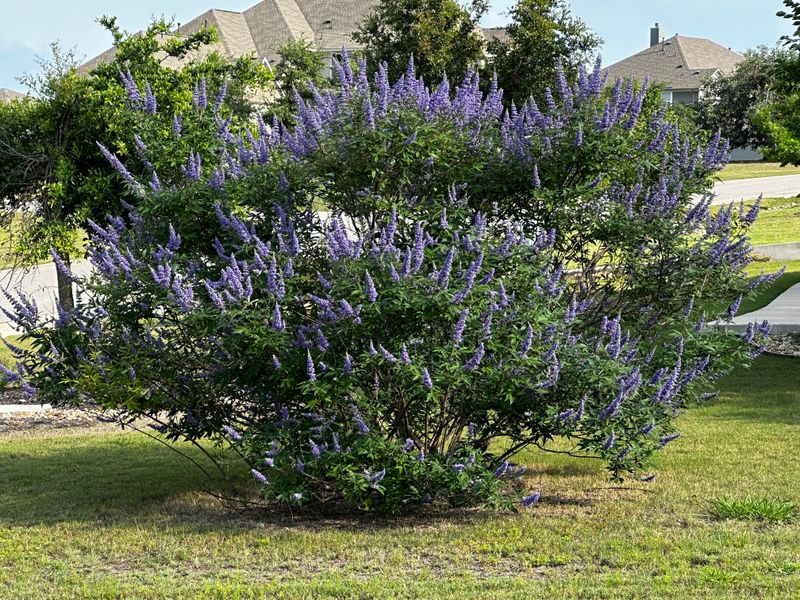
Trimming is the job. Spent flower spikes come off once the main bloom cycle fades, ideally before capsules mature and dry.
Two benefits arrive at once. The shrub looks cleaner immediately, and seed production drops sharply.
Timing carries real weight in September. Capsules left standing into fall and winter release seed on their own schedule, not yours.
Technique stays simple. Clean pruners, each faded stem cut back to a pair of leaves or a side branch.
Scope matters more than most people realize. Tired flower spikes and weak twiggy tips only, not major woody limbs.
Heavy late season pruning can push soft new growth that struggles to harden off before cold weather. Light work now, structural work in late winter.
Fresh flowers stay put. Warm early fall sometimes brings a light second flush from a well trimmed plant.
Disposal deserves a moment of thought. Bag mature seed heads rather than tossing them in a brush pile near a ditch or creek.
Young plants respond especially well to this gentle routine, and it establishes a habit that pays off annually.
The pruners essentially become a spread control tool. Not a bad promotion for something that spends most of the year in a shed.
Learn Where The Escapes Actually Happen
Chaste tree rarely takes over a manicured lawn. That fact fools people into assuming it stays put.
The spread happens somewhere else entirely. Disturbed ground, roadsides, drainage ditches, floodplain edges, and vacant lots do the receiving.
Seeds move with water especially well. A capsule that lands in a ditch can travel considerable distance during a heavy rain.
That explains the pattern documented across parts of the Southeast. Escaped populations often follow creeks and low areas rather than spreading evenly outward.
Birds may move seed as well, though water appears to do most of the work in the regions where it has naturalized.
Your North Carolina Garden Changes Every Week. Your Plan Should Too.
Gardening in North Carolina changes quickly throughout the season. Every Friday you’ll receive a simple weekly plan showing exactly what to plant, prune, fertilize, harvest, and protect so you never miss the right timing.
Knowing this changes where you look. Checking your own beds tells you very little about whether the plant is spreading.
Walk the property edges instead. Fence lines, the strip behind the shed, any low spot that collects runoff, and the ground beneath the parent plant.
Neighbors matter too, since seed pays no attention to lot boundaries.
Native to the Mediterranean and parts of Asia, chaste tree is well suited to hot dry conditions and disturbed soil. That adaptability is exactly what makes it useful in a garden and problematic outside one.
Spend ten minutes learning the local escape routes on your own property. It beats discovering them in five years when they’re waist high.
Pull Volunteers While They Still Come Easy
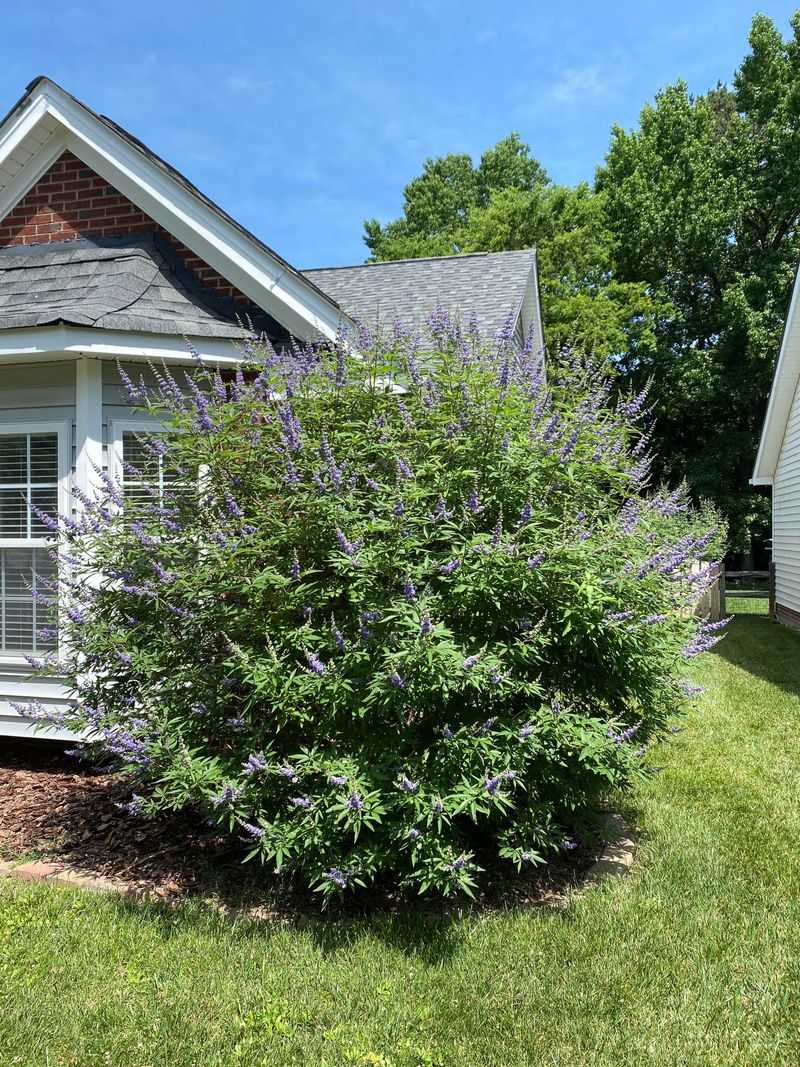
Every seedling has a window where removal takes almost no effort.
That window closes faster than gardeners expect. A first year seedling pulls by hand from damp soil, while a three year old plant fights back with a taproot.
Scout in spring and early summer when new growth is obvious. Look under and around the parent plant first, since seed density is highest there.
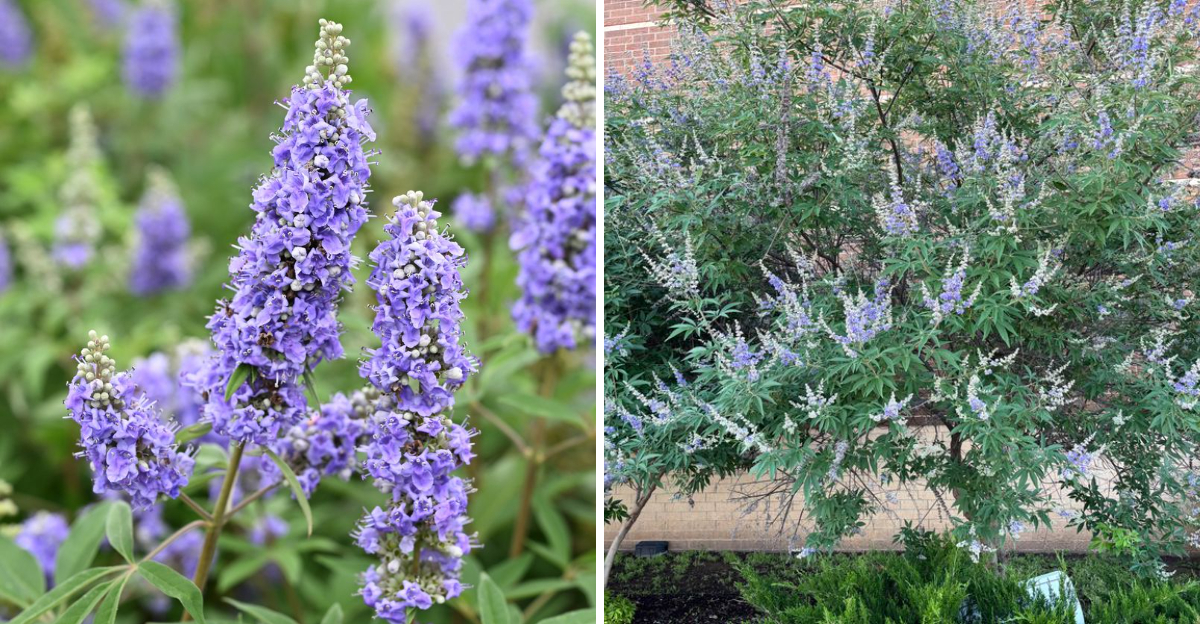
Identification is straightforward once you know the leaves. Palmately compound, five to seven narrow leaflets, gray green above and paler beneath, with an aromatic scent when crushed.
Moist soil after rain makes pulling considerably easier. Dry compacted ground tends to snap stems and leave roots behind.
Roots that snap often resprout. Getting the whole thing out on the first attempt saves repeat visits.
Larger volunteers may need a shovel or a weed wrench. Cutting alone usually produces a multi stemmed resprout rather than a removal.
Bag the pulled material if seed capsules are present. Composting seed heads in a home pile may not reach temperatures high enough to reliably kill them.
Keep a rough count if you’re curious about scale. Gardeners often find the number surprising once they start looking deliberately.
Ten minutes of scouting a couple times a year handles most of it. Considerably cheaper than the alternative, which involves a chainsaw and regret.
Watch The Water And The Wild Edges
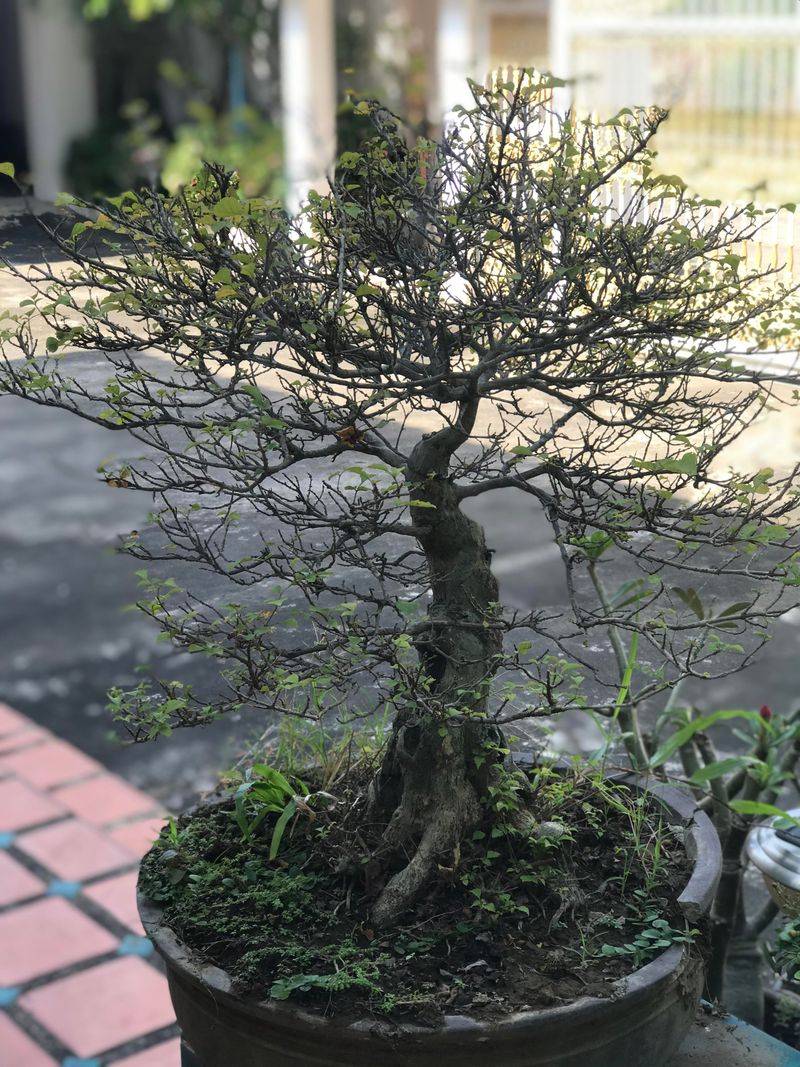
Property lines mean nothing to a floating seed.
Anyone gardening near a creek, pond, drainage swale, or undeveloped land should treat chaste tree differently than someone surrounded by pavement.
Seed reaching moving water can establish well downstream. That single pathway explains much of the concern in southern states where the plant has naturalized.
Runoff patterns are worth mapping once. Watch where water goes during a real storm rather than guessing from a dry yard.
Low spots that stay damp deserve the closest inspection. Seedlings establish readily in that kind of ground.
Riparian areas carry higher stakes because native vegetation there does specific work. Bank stability, shade over water, and habitat for local wildlife all depend on the existing plant community.
Consider distance when siting a new vitex, if you plant one at all. Placement well away from waterways and wild edges reduces the risk meaningfully.
Yard debris is the other common escape route. Brush piles dumped at a property edge or over an embankment have started more populations than most gardeners would guess.
Bagged disposal or municipal yard waste collection handles seed bearing material better.
The shrub in your bed is manageable. The one growing along a creek two miles down is somebody else’s project now, and nobody signed up for it.
Sterile And Low-Seed Options Change The Math
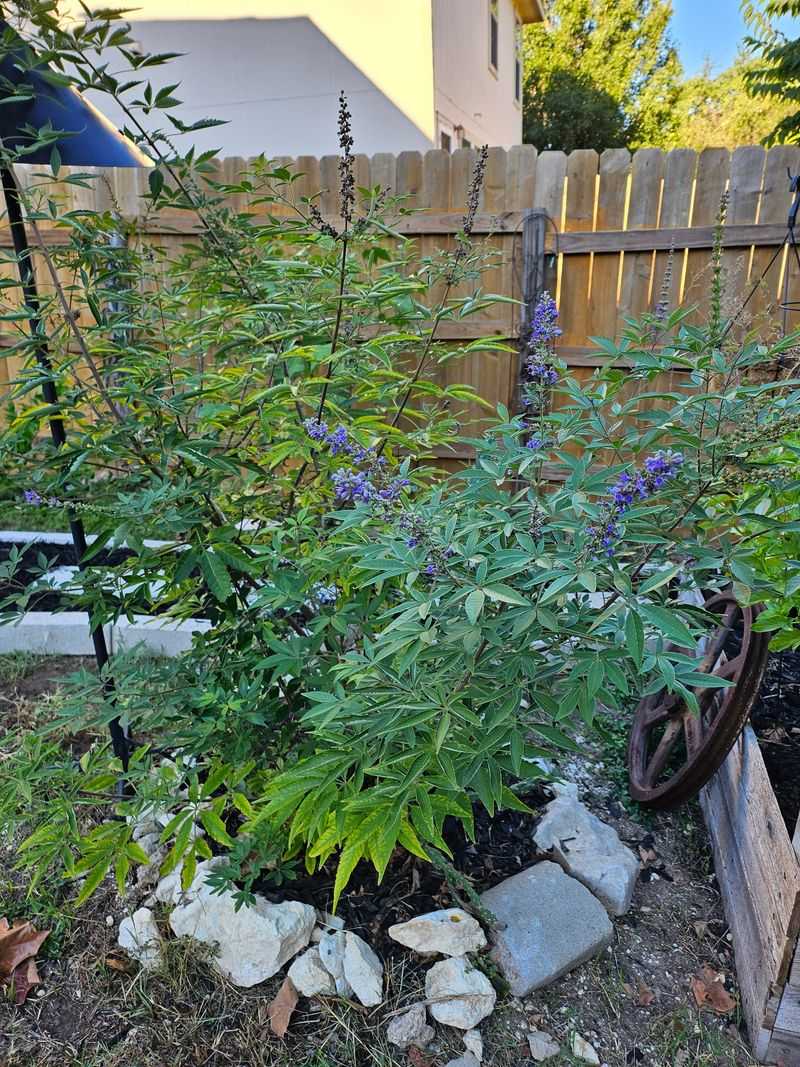
Not every chaste tree produces the same seed load.
Breeding work has produced selections marketed as sterile or low seed, developed partly in response to invasiveness concerns in the Southeast.
Verification is the catch. Claims vary between growers, and testing standards are not uniform across the industry.
Ask specific questions before buying. Which cultivar, who tested it, and what did the testing actually measure.
University breeding programs have released several selections aimed at reducing seed production. Checking current recommendations from your regional extension service gives you the most reliable list.
Sterile does not always mean seedless. Some low fertility plants still produce viable seed at reduced rates, which changes management rather than eliminating it.
Existing fertile plants can stay if you commit to trimming. That routine works reliably when done consistently before capsules mature.
Replacement makes more sense in higher risk locations. Near water or wild land, a lower seed cultivar or a different plant entirely reduces the ongoing obligation.
Container growing is another option in small spaces, though seed still escapes from a pot.
The practical takeaway is simple enough. Fertile plant plus no trimming equals spread, and every other combination gives you room to work.
Read the tag, ask the awkward question, and buy accordingly.
Native Plants That Do The Same Job
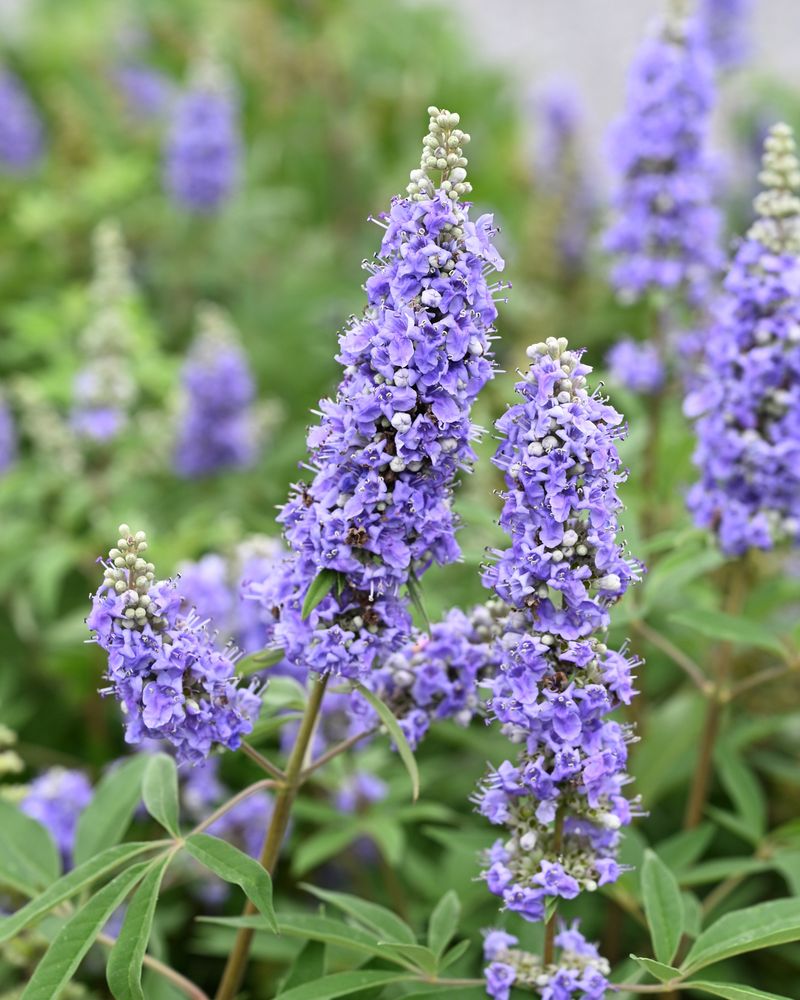
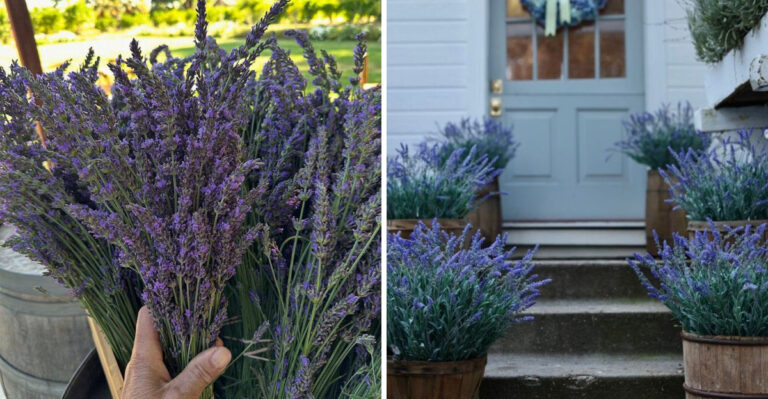
Chaste tree earns its popularity honestly. Purple flower spikes in July, drought tolerance, heavy pollinator traffic, and a manageable size all count.
Several North Carolina natives cover much of that ground without the seed concern.
Buttonbush suits damp spots well. Round white flower heads draw substantial pollinator activity, and it handles wet feet that vitex would not tolerate.
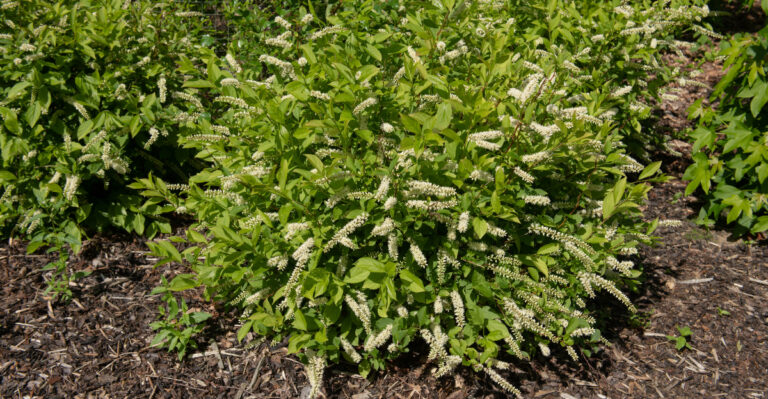
Sweetspire brings fragrant white flower spikes in early summer plus strong fall color. It adapts to a range of moisture levels.
New Jersey tea stays compact for smaller beds. It supports a notable range of native insects for its size.
Summersweet handles part shade and blooms in mid to late summer, filling a similar seasonal gap. The fragrance is a genuine feature.
For a small tree with purple flowers, fringe tree offers a different but comparable presence. Bloom comes earlier in spring.
American beautyberry contributes late season interest through bright purple fruit that birds use through fall.
None of these is a direct visual substitute. The flower spike look of vitex is fairly distinctive.
What they offer instead is regional fit, wildlife value tied to local food webs, and no annual obligation to intercept seed.
Trading one plant for two natives often improves the bed anyway. More bloom times, more texture, and one less thing to stay on top of every September.
Removal Takes A Plan, Not Just A Saw
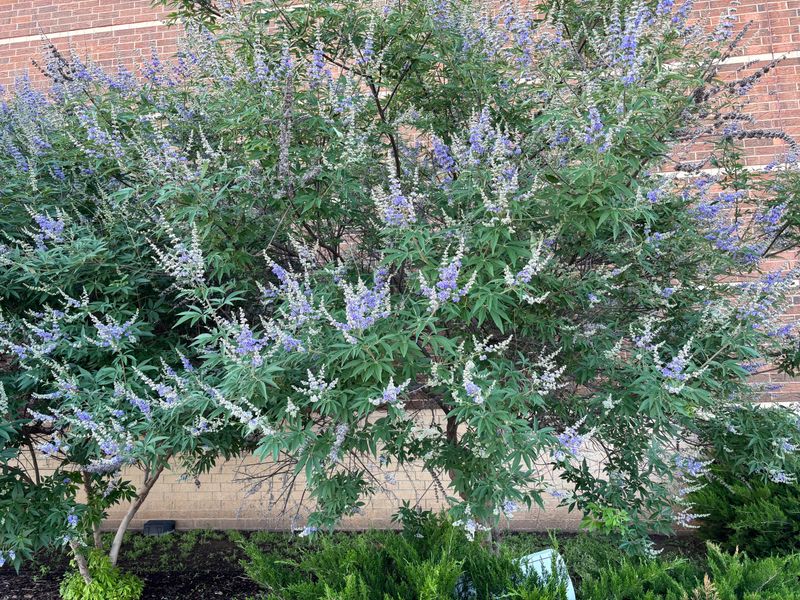
Deciding to take out a mature chaste tree is reasonable. Doing it badly makes the situation worse.
Cutting alone rarely finishes the job. Established plants typically resprout from the stump, often with multiple vigorous stems.
That resprouting is why timing and method matter. A cut without follow up can convert one manageable trunk into a thicket.
Small plants come out whole with digging. Getting the root crown is the goal, since fragments left behind may resprout.
Larger specimens usually need cut stump treatment or repeated cutting over multiple seasons. Extension services publish current guidance for woody plant removal, including which products and timings apply.
Late summer through fall is often recommended for cut stump work on woody plants, since materials move toward roots then. Confirming with local guidance before starting is worth the phone call.
Seed handling comes first regardless of method. Removing and bagging mature capsules before cutting prevents scattering seed during the work.
Expect a seed bank in the soil around the plant. Volunteers will likely appear for several years, so scouting continues after removal.
Replanting the spot with something dense helps suppress those seedlings.
None of this requires urgency. It requires patience, which happens to be the one thing woody plant removal always asks for.
Keep It Or Replace It, Just Decide Deliberately
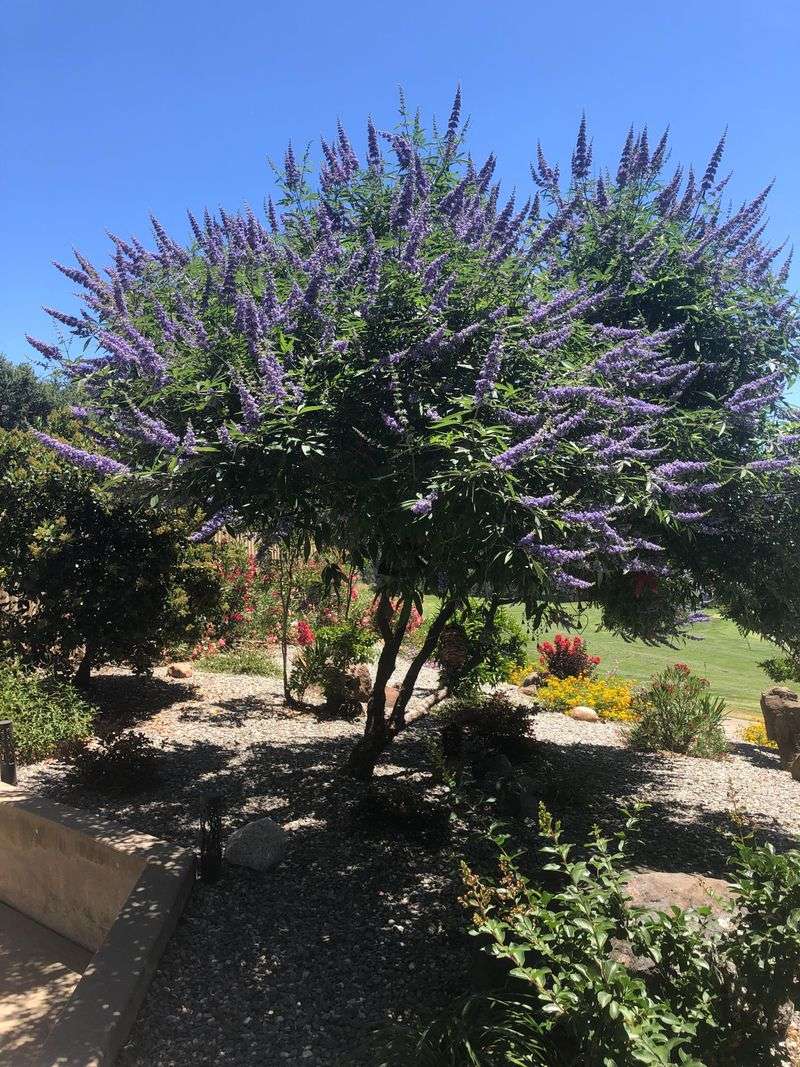
Plenty of chaste trees will stay in North Carolina gardens, and that is a legitimate choice.
The problem is the plant that stays by default while nobody manages it. Twenty years of unchecked seed production adds up.
Two reasonable paths exist. Keep the plant and commit to annual trimming before seed matures, or replace it with something that carries no such obligation.
Location tips the decision considerably. A plant surrounded by mowed lawn and pavement poses less risk than one near a creek or woodland edge.
Regulatory status is worth checking rather than assuming. Chaste tree appears on invasive species watch lists in parts of the Southeast, though listings and rankings differ by state and get revised.
The NC Invasive Plant Council and NC State Extension both publish current information. A quick look tells you where things stand today.
Honest self assessment helps too. Anyone who reliably prunes every year has a workable plan, while anyone who forgets has an answer already.
Sharing plants and seed with friends is worth reconsidering either way.
Gardening well has always involved thinking past the property line. That habit costs almost nothing and saves the people downstream a great deal of work.
Whichever way you go, go there on purpose. The shrub will not make a thoughtful decision if you leave it to chance.