7 Texas Perennials To Divide In September
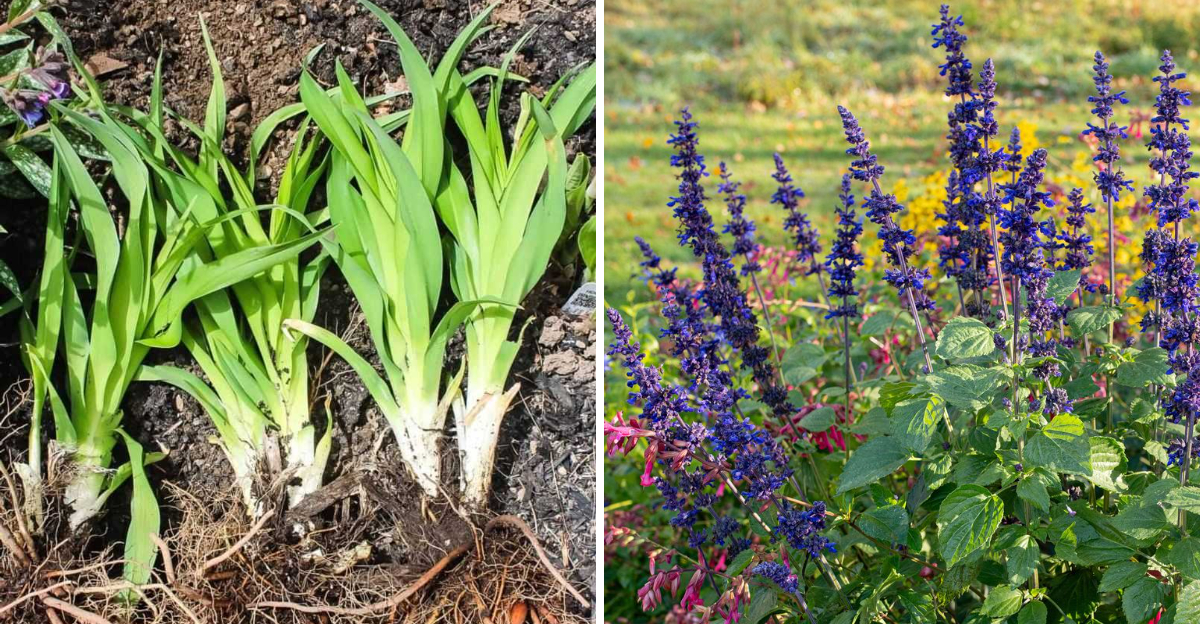
September is one of the best times for Texas gardeners to give their plants a fresh start. The brutal summer heat begins to fade, and the soil stays warm enough to help roots settle in before winter.
Dividing perennials in fall means bigger, healthier blooms next spring and free new plants to fill empty spots in your yard. When plants get crowded, they compete for water and food, which can leave them weak and floppy.
Splitting them apart gives each piece room to grow strong again. The best part is that dividing is easy, cheap, and something any gardener can learn to do in an afternoon.
Grab a shovel, a pair of gloves, and a little patience. Here are the Texas favorites that love being divided in September, along with simple tips to keep them thriving.
1. Bearded Iris
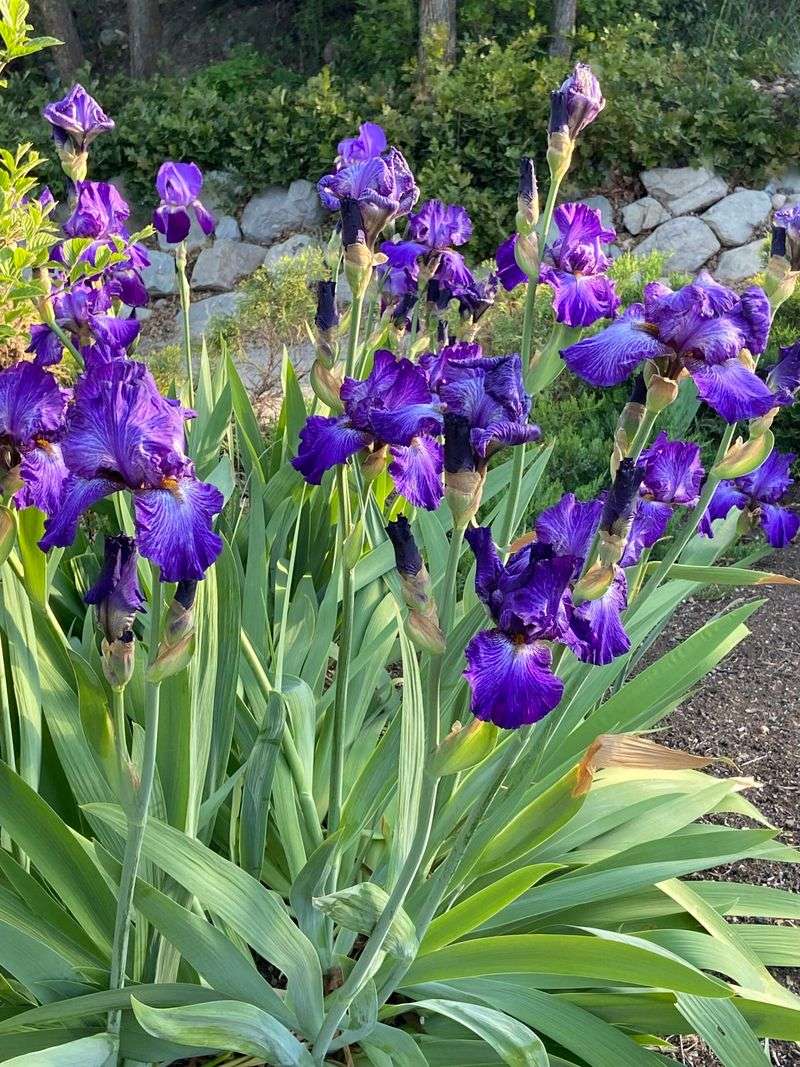
There is something old-fashioned and charming about bearded iris, the kind of flower your grandmother probably grew along her fence. Their ruffled petals and sweet fragrance make them a spring favorite across Texas.
Iris grow from fat root structures called rhizomes that sit right at the soil surface. Over three or four years, these rhizomes multiply and pile on top of each other.
When blooming slows down, it means the plant is too crowded and ready for a split.
September works well because the warm soil encourages fresh roots while the cooler air keeps the plant from feeling stressed. Dig up the whole clump and rinse away the dirt so you can inspect the rhizomes clearly.
Look for firm, healthy sections with a fan of leaves attached. Snap or cut these apart, and toss any soft or hollow pieces.
Trim the leaves into a short fan shape about six inches tall.
Here is the trick many people miss: plant the rhizome so its top peeks slightly above the soil. Burying it too deep leads to poor blooming and rot.
Point the leaf fan in the direction you want the plant to grow.
Give bearded iris full sun and well-drained soil, since they hate sitting in soggy ground. Space each division about a foot apart to allow air to move between the leaves.
Water after planting, then allow the soil to dry slightly between waterings. Avoid keeping rhizomes constantly wet.
By dividing now, you spread these beauties around your yard for free and enjoy a bigger burst of color when spring rolls back around.
2. Daylilies
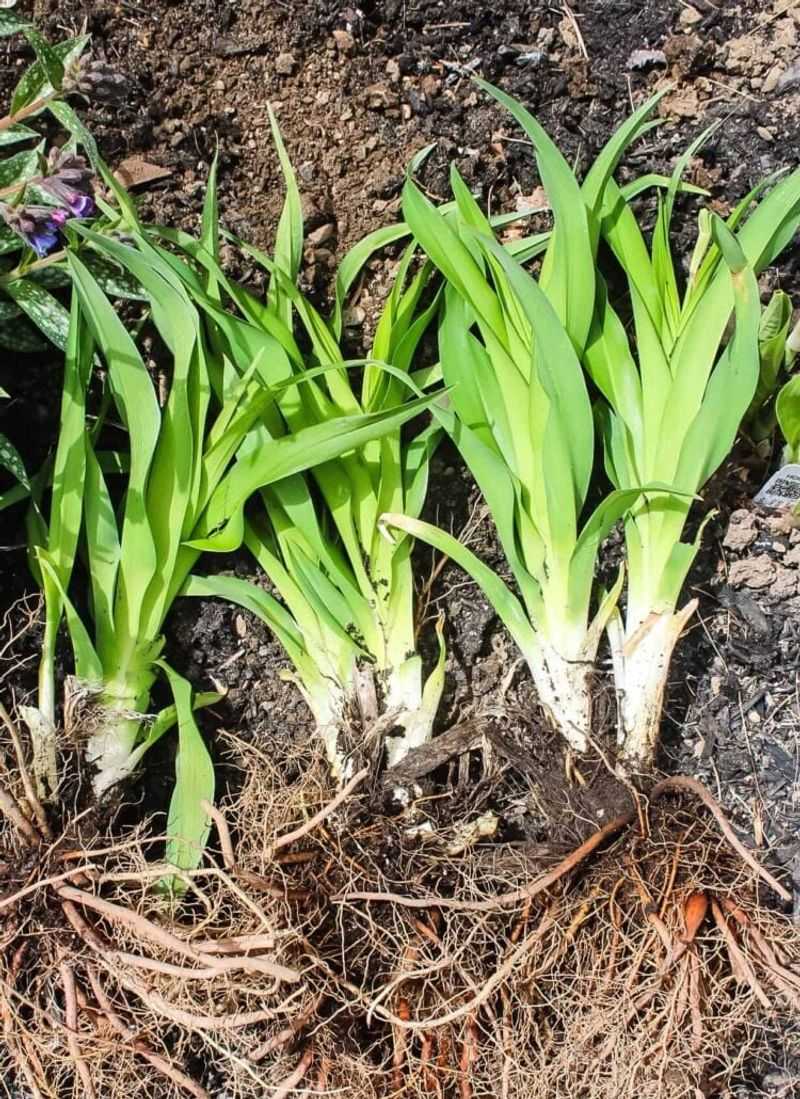
Few plants forgive a beginner like the daylily does. You can chop it, yank it, and drop it back in the dirt, and it will still reward you with cheerful trumpet-shaped flowers next year.
These tough bloomers spread fast in Texas soil, forming thick clumps that eventually crowd themselves out. When the middle of the plant looks bare or the flowers shrink, that is your signal to divide.
September gives the roots time to grab hold before cooler weather arrives.
Start by digging around the whole clump and lifting it from the ground. Shake off loose dirt so you can see where the fans of leaves connect.
Your Texas Garden Changes Every Week. Your Plan Should Too.
Gardening in Texas changes quickly throughout the season. Every Friday you’ll receive a simple weekly plan showing exactly what to plant, prune, fertilize, harvest, and protect so you never miss the right timing.
Use your hands or a sharp knife to pull the clump into smaller sections. Each division should have at least one healthy fan of leaves and a good section of roots. Larger divisions with several fans establish faster.
Trim the leaves down to about six inches so the plant can focus energy on rooting instead of feeding tall foliage. Replant each piece at the same depth it grew before, then water deeply.
Daylilies love full sun but will tolerate a little afternoon shade in the hottest parts of Texas. They are not picky about soil, though good drainage keeps them happiest.
Fun fact: each individual daylily bloom lasts only one day, which is how the plant earned its name. Luckily, a healthy clump produces dozens of buds, so the show goes on for weeks.
Space your new divisions about eighteen inches apart to give them growing room. Add a light layer of mulch to hold moisture, and you will see fresh green growth within a few weeks. Come spring, your single plant becomes a whole row of color.
3. Shasta Daisy
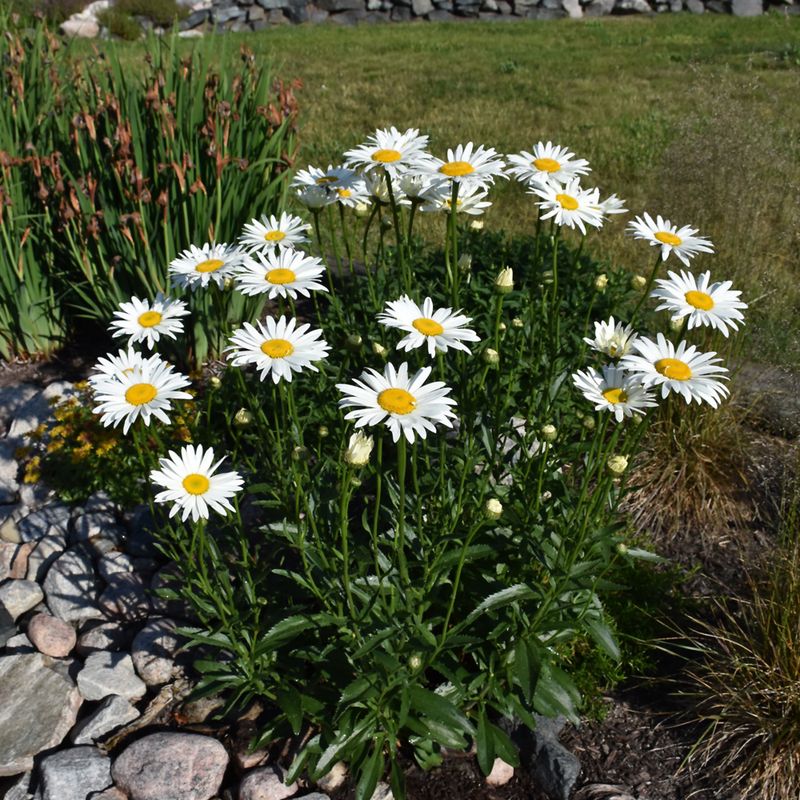
Bright white petals circling a sunny yellow center make the Shasta daisy look like happiness planted in the ground. These classic flowers bloom for weeks and bring a clean, fresh look to any Texas garden.
Over time, Shasta daisies form dense clumps that start to open up in the middle. You might notice the center drying back while the edges keep growing. That hollow look is the plant asking to be divided.
Fall in Texas offers cooler days that make transplanting less shocking for these daisies. Dig up the entire clump using a sturdy spade, going wide to catch as many roots as possible.
Lay the clump on the ground and gently pull it apart into smaller sections. Each piece should have healthy roots and a few leafy shoots. You can use a knife for tough, woody centers.
Toss the tired old middle and keep the vigorous outer chunks. These young sections have the most energy and will settle in quickly.
Replant your divisions in a sunny spot with soil that drains well. Set them at the same depth they were before, and space them about a foot apart so air can flow freely around the leaves.
Water them in right away and keep the soil lightly moist for the first couple of weeks. Once roots take hold, Shasta daisies handle heat and drought like champs.
A quick tip: adding compost to the planting hole gives roots a nutritious boost. Come next summer, your refreshed daisies will produce more blooms than ever, perfect for cutting and bringing indoors.
Dividing every two or three years keeps this cottage-garden favorite looking full and lively season after season.
4. Black-Eyed Susan
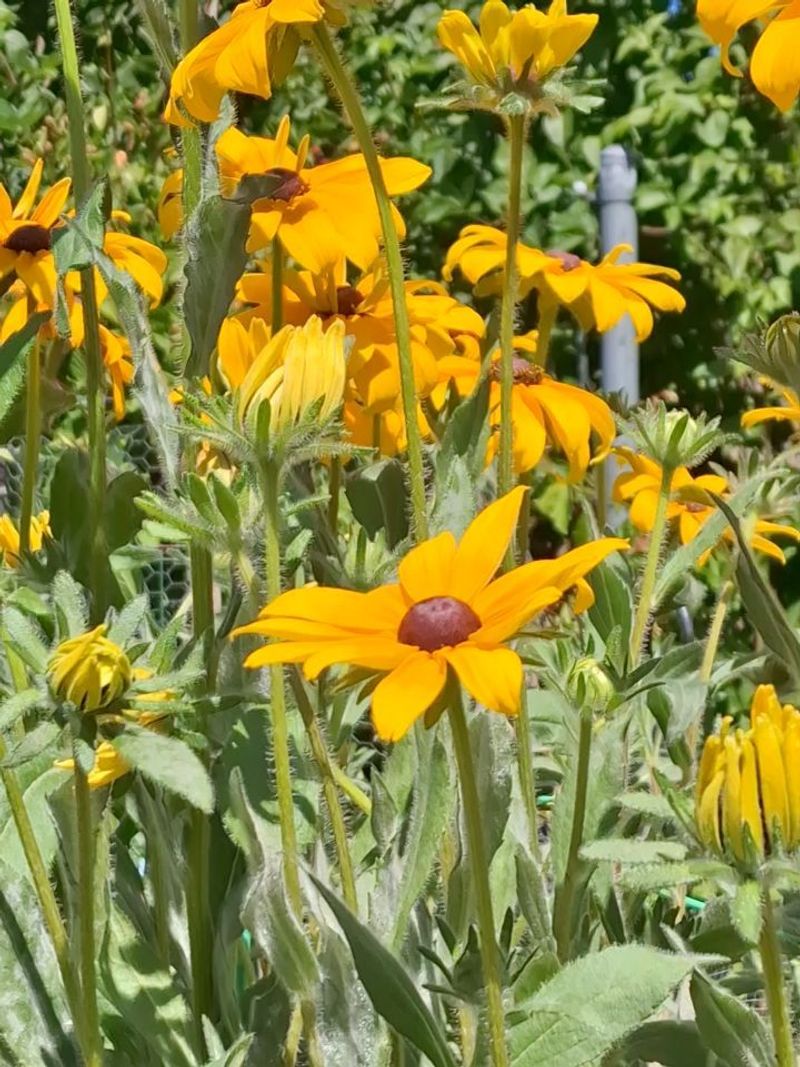
Golden petals and a dark chocolate center give the black-eyed Susan a friendly, sunflower-like face. This native favorite thrives in Texas heat and draws butterflies and bees all season long.
Because it grows so eagerly, this perennial spreads into thick patches that eventually crowd themselves. When you spot smaller flowers or bare gaps in the middle, it is time to break the clump up.
September gives these plants a chance to root deeply before winter, setting the stage for a strong spring comeback. Choose a cloudy day or the cool of morning to reduce stress on the roots.
Dig around the plant and lift the clump out with plenty of soil attached. Use your hands to tease apart natural sections, or slice through the roots with a spade for tougher clumps.
Keep each division about the size of your fist, with several shoots and healthy roots. Replant them quickly so the roots do not dry out in the Texas air.
These flowers love full sun and are not fussy about soil, though they appreciate decent drainage. Space divisions about a foot to eighteen inches apart to give them room to spread.
Water thoroughly after planting, then keep the soil moist while new growth appears. Once established, black-eyed Susans shrug off drought without complaint.
Here is a bonus: leave a few seed heads standing through winter and birds like finches will feast on them. You may even find new seedlings popping up next spring.
Dividing every couple of years keeps this cheerful bloomer healthy and controls how far it wanders. Your reward is a fresh sea of gold that lights up the garden from summer into fall.
5. Salvia
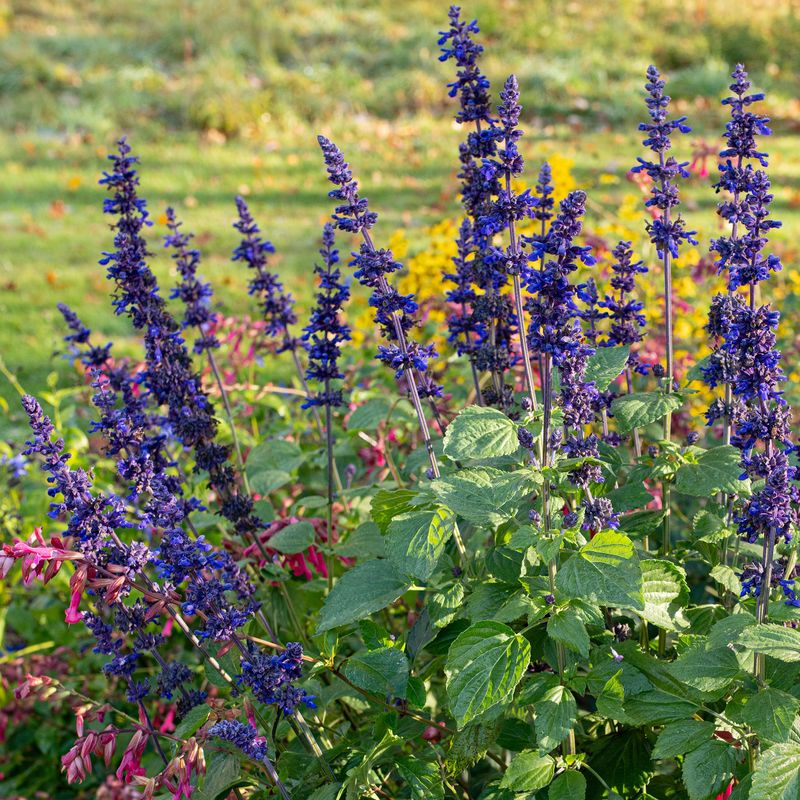
Hummingbirds go wild for salvia, zipping between its tall spikes of purple, red, and blue flowers. This tough perennial handles Texas heat with ease and blooms for months on end.
After a few seasons, salvia clumps grow woody and crowded at the base. The center may thin out while the edges keep pushing new stems. Splitting the plant renews its energy and gives you extra plants to share.
The mild temperatures of September help salvia roots recover fast without the punishing summer sun. Water the plant the day before you dig so the soil holds together nicely.
Lift the whole clump with a spade, digging wide to protect the roots. Shake off some dirt so you can see where to separate the sections.
Pull or cut the clump into pieces, making sure each one has roots and a few healthy stems. Trim the tops back by about half so the plant can focus on rebuilding roots.
Plant your divisions in a sunny, well-drained spot, since salvia dislikes wet feet. Space them roughly eighteen inches apart to allow good air movement.
Water deeply after planting, then let the soil dry slightly between waterings. Salvia prefers a bit of neglect over constant fussing.
A little fact to enjoy: there are hundreds of salvia types, and even culinary sage belongs to the same family. Some varieties smell wonderful when you brush against the leaves.
Mulch lightly around the base to keep roots cool and hold moisture. By next spring, your divided salvia will burst back with tall, colorful spikes that keep the pollinators buzzing and the garden alive with movement.
6. Purple Coneflower
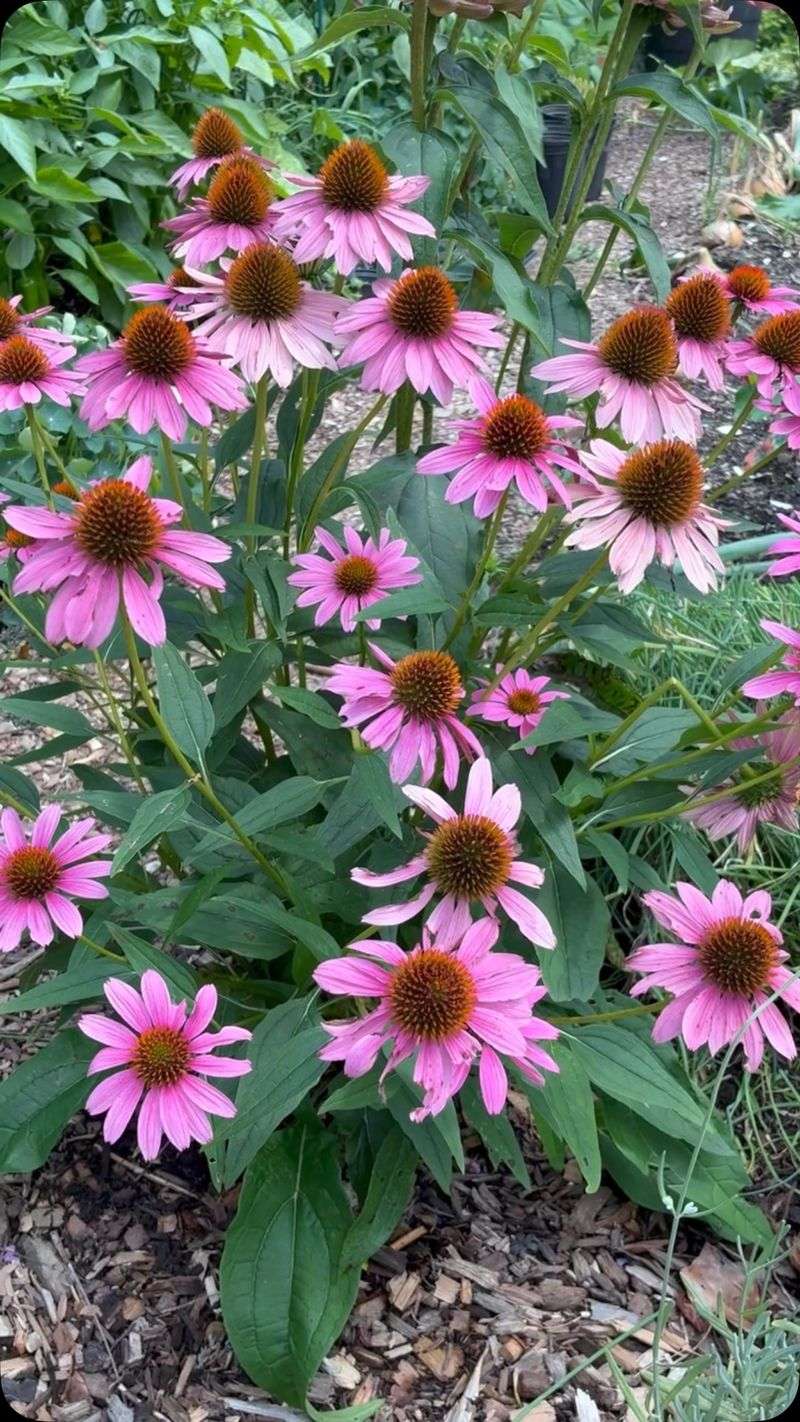
Sturdy stems, daisy-like petals, and a spiky orange center make the purple coneflower a standout in any Texas landscape. Gardeners love it for its toughness, and bees and butterflies love it for its nectar.
This native perennial forms clumps that grow larger each year. When the flowers get smaller or the center looks worn out, dividing brings the plant back to full strength.
Fall gives coneflowers time to establish roots before the cold, and September soil temperatures are just right. Pick a cool morning and water the plant beforehand to make digging easier.
Dig a wide circle around the clump and lift it carefully, since coneflowers have deep taproots. Brush away soil so you can see the crown and root sections clearly.
Use a sharp knife or spade to cut the clump into pieces, each with a portion of root and a few growing points. Handle the roots gently to avoid too much damage.
Replant right away in full sun and well-drained soil. Set each division at the same depth it grew before, spacing them about eighteen inches apart.
Water thoroughly after planting and keep the soil lightly moist until you see new growth. Once settled, coneflowers laugh at drought and heat.
Here is something neat: the roots of purple coneflower, known as echinacea, have been used in herbal remedies for generations. The plant is as useful as it is pretty.
Leave some seed heads standing through fall and winter to feed songbirds and add texture to the garden. Dividing every three or four years keeps your coneflowers vigorous, bushy, and covered in blooms that pollinators simply cannot resist.
7. Ornamental Grasses
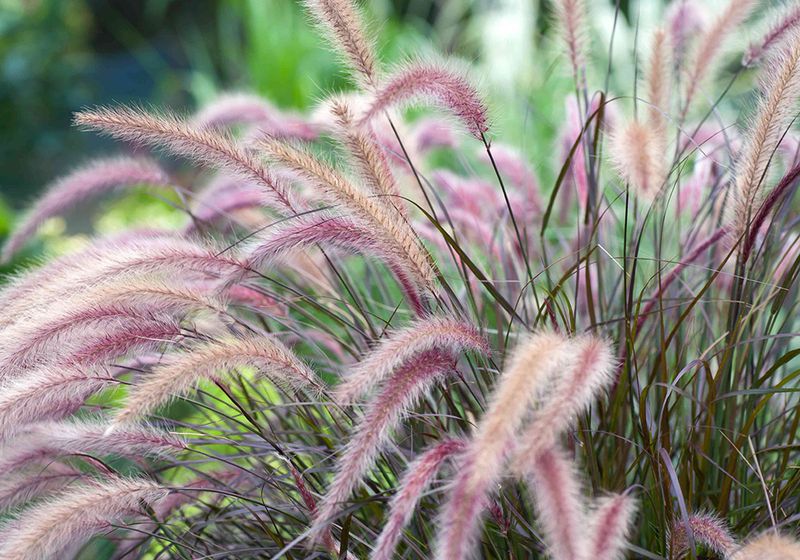
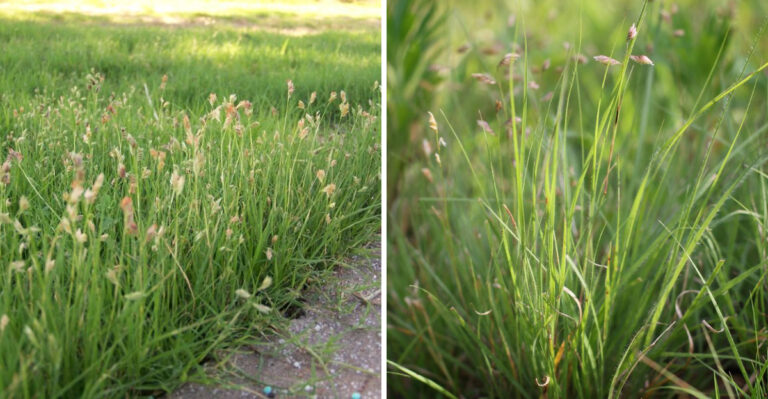
Swaying in the breeze with feathery plumes, ornamental grasses add movement and softness to a Texas garden. Favorites like muhly grass and maiden grass turn stunning shades of pink and gold in fall.
These grasses grow in tight bunches that expand outward year after year. Eventually the middle gives out, leaving a hollow ring of green around a bare center.
That donut shape means it is time to divide.
September offers warm soil and gentler weather, giving grass roots a head start before winter dormancy. Because grass clumps can get heavy and dense, this job may take a bit of muscle.
Cut the grass back to about six inches tall so you can see what you are working with. Dig around the entire clump and pry it out of the ground with a strong spade.
Large clumps might need a sharp knife, an ax, or even a saw to slice into sections. Each piece should have roots and a good handful of shoots.
Toss the dry center and keep the vigorous outer chunks. Replant these divisions at the same depth, spacing them based on how big the variety grows, usually two to three feet apart.
Water deeply after planting to help roots settle into their new home. Keep the soil moist for a few weeks, then let these tough plants fend for themselves.
Most ornamental grasses love full sun and adapt to many soil types, which makes them a low-fuss choice. A quick tip: wear long sleeves and gloves, because some grass blades have sharp edges.
Come next season, your refreshed grasses will stand tall and full, catching the light beautifully.