Attract more pollinators next season by planting these native Wisconsin flowers
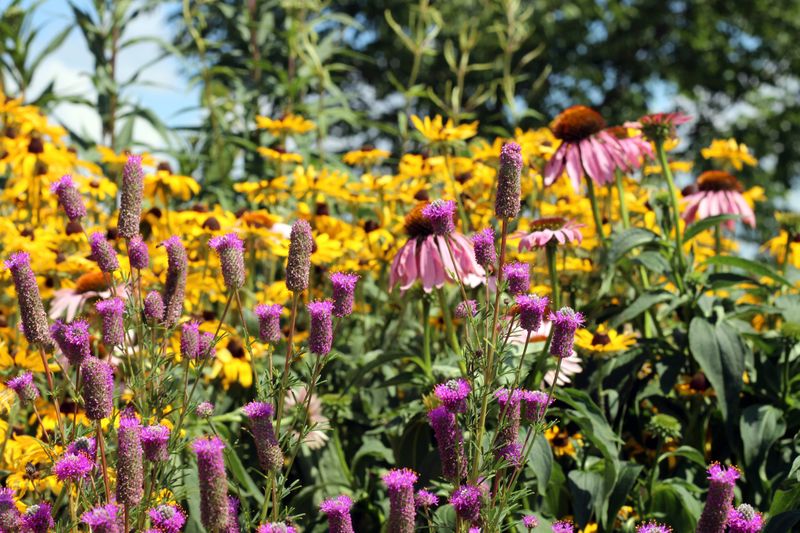
Bees, butterflies, and moths are quietly disappearing, and that matters more than you might think. Roughly 80 percent of flowering plants and most of our food crops depend on pollinators to keep going.
The good news is that a Wisconsin backyard can become a real refuge just by planting a few native flowers that already belong here. Below you will find eight tough, beautiful choices suited to our zones 3 to 5, plus tips for making them thrive.
1. Common Milkweed (Asclepias syriaca)
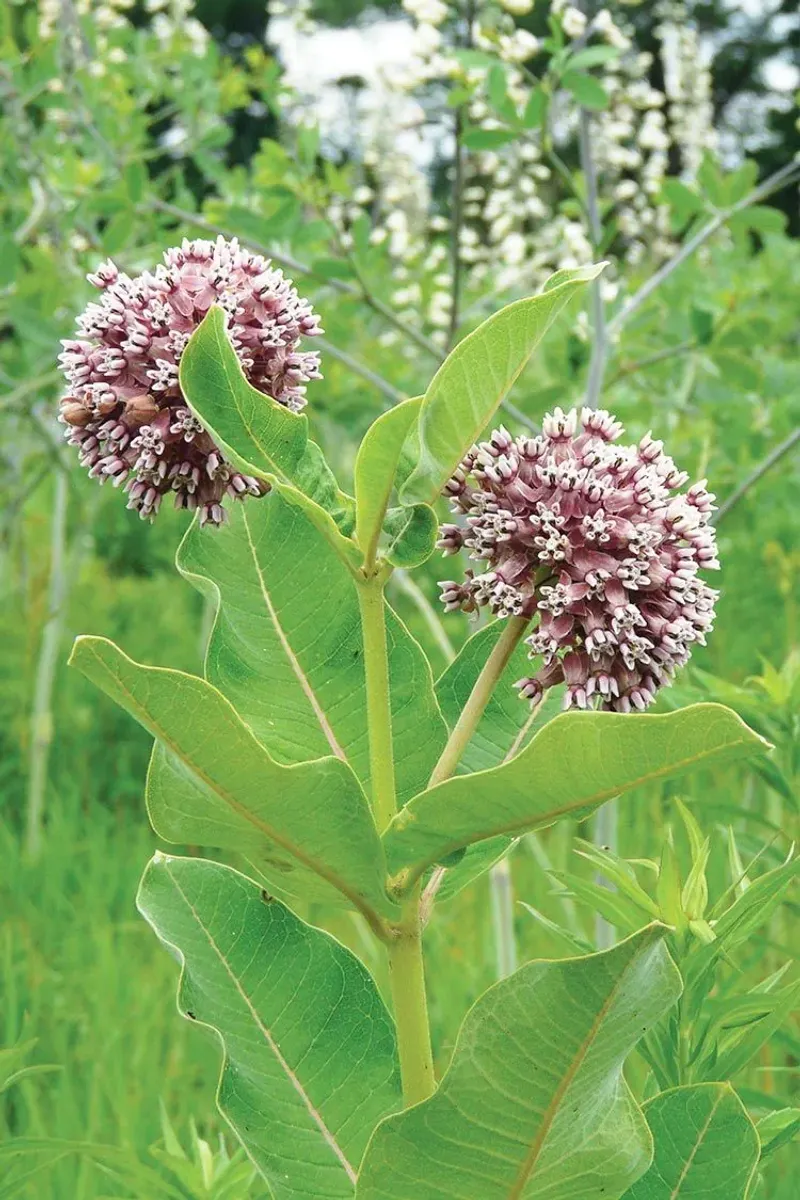
If there is one plant Monarch butterflies cannot live without, it is milkweed. Their caterpillars feed on nothing else, which puts this hardy native at the very top of any pollinator list.
Common milkweed loves full sun but will tolerate a bit of shade and just about any soil you give it. Blooms appear in early to mid-summer, drawing in moths, solitary wasps, and dozens of bee species alongside those famous Monarchs.
Established plants can stretch up to six feet tall, and they do spread through seeds and underground rhizomes. If you want to keep things tidy, snipping off the seedpods in fall helps slow its wandering.
Young shoots are easy to pull where you do not want them.
2. Butterfly Milkweed (Asclepias tuberosa)
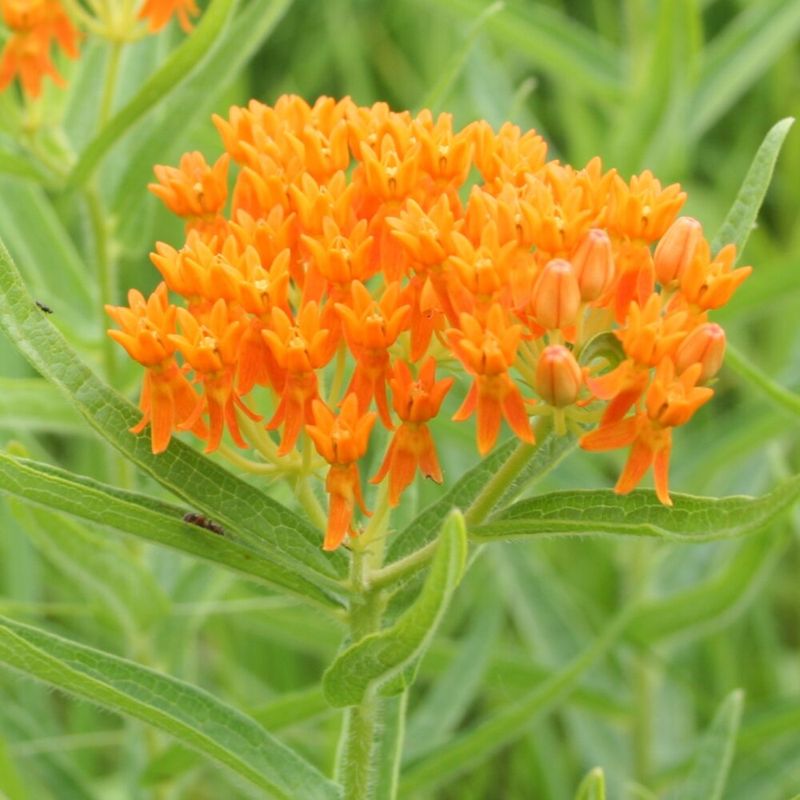
Picture a splash of glowing orange in your garden and you have butterfly milkweed. It brings all the Monarch-friendly benefits of its cousin without the aggressive spreading habit, which makes it a favorite for smaller beds.
Unlike thirstier plants, this one prefers drier spots with very well-drained soil. Once its roots take hold, it shrugs off drought like a champ, so it is a smart pick for that sunny, sandy corner where other flowers struggle.
Blooming in early summer, it serves as a critical host plant for Monarchs and Queen butterflies. The vivid flowers act like a landing beacon, pulling in a steady parade of pollinators looking for nectar.
3. Purple Coneflower (Echinacea purpurea)
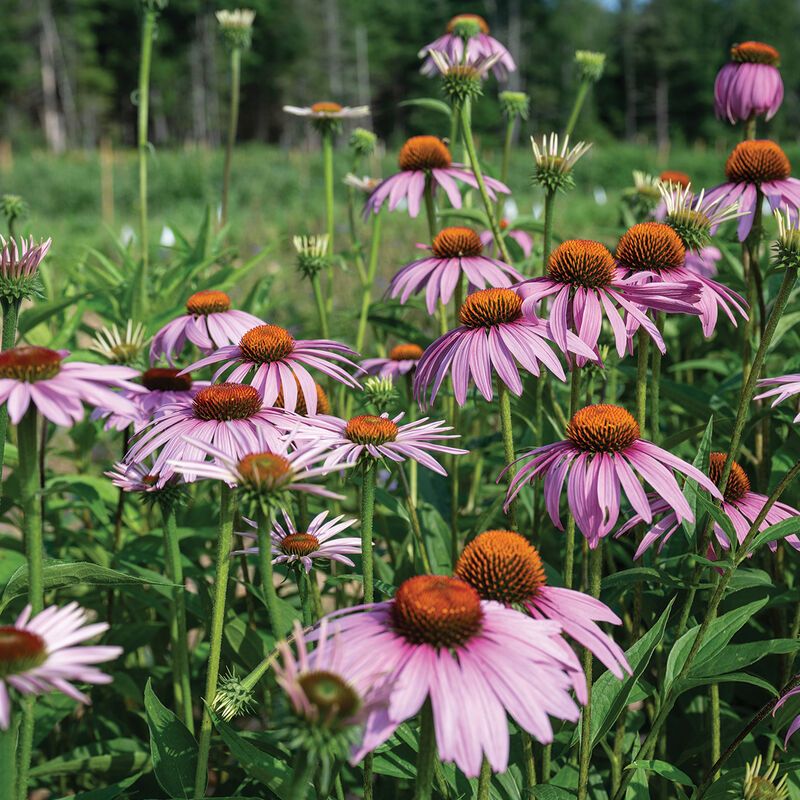
Few native perennials pull their weight quite like the purple coneflower. Hardy through zones 3 to 8, it has become a Wisconsin garden staple for good reason.
Give it full sun to light shade and slightly moist soil, and it will happily settle into clay, loam, or sand. Flowers open mid-summer and keep going into early fall, offering a long window of nectar and pollen for butterflies and hummingbirds.
Here is a bonus worth knowing: when the petals fade, do not rush to cut the plant back. The seed heads feed finches and other songbirds straight through winter, turning a single planting into a year-round buffet.
Expect mature clumps to reach anywhere from two to five feet tall.
4. Wild Bergamot (Monarda fistulosa)
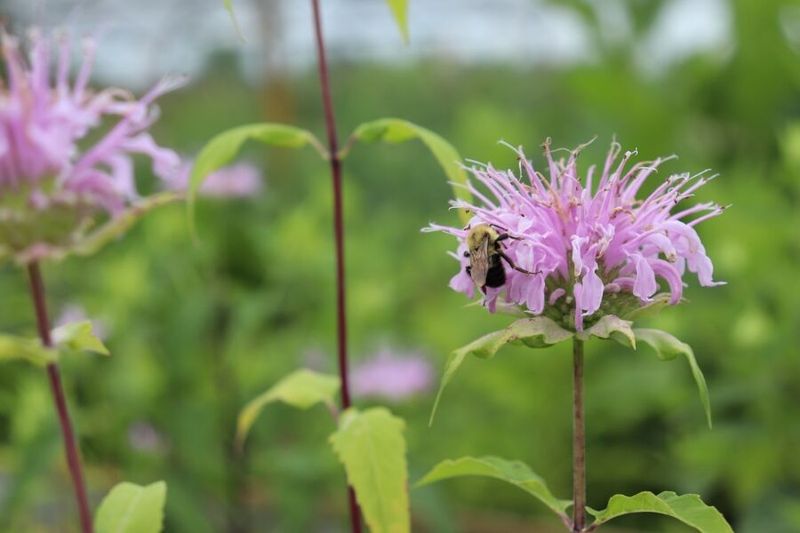
Crush a leaf of wild bergamot between your fingers and you will catch a minty, oregano-like scent that hints at its old-fashioned nickname, Bee Balm. That fragrance is more than pleasant; it signals a plant that pollinators adore.
The shaggy lavender flower heads look almost like tiny fireworks, and they bloom across summer and into fall. Bees swarm them, and hummingbirds regularly stop by for a sip.
Your Wisconsin Garden Changes Every Week. Your Plan Should Too.
Gardening in Wisconsin changes quickly throughout the season. Every Friday you’ll receive a simple weekly plan showing exactly what to plant, prune, fertilize, harvest, and protect so you never miss the right timing.
Growing two to four feet tall, wild bergamot handles low to average water and adapts to chalk, clay, loam, or sand. It performs best in rich, moist, well-drained ground.
Plant a cluster rather than a single stem, and you will notice far more visitors.
5. Black-eyed Susan (Rudbeckia hirta)
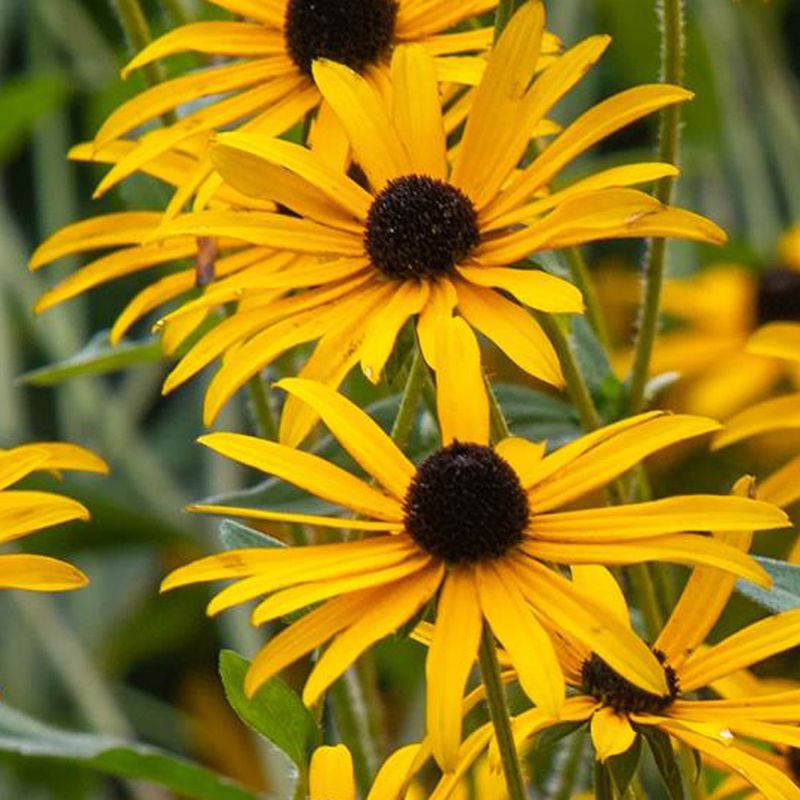
Cheerful is the word that comes to mind with black-eyed Susans. Those sunny yellow petals circling a dark chocolate center feel like sunshine planted in the ground.
What makes this one especially handy is its remarkably long bloom season, stretching across spring, summer, and fall. That means it fills the gaps between other flowers and keeps pollinators fed when little else is open.
Tough and easygoing, it thrives in full sun, asks for little water, and accepts clay or loam as long as drainage is decent. Standing two to three feet tall, it can behave as a perennial or biennial, often reseeding itself into pleasant surprises the following year.
6. Prairie Blazing Star (Liatris pycnostachya)
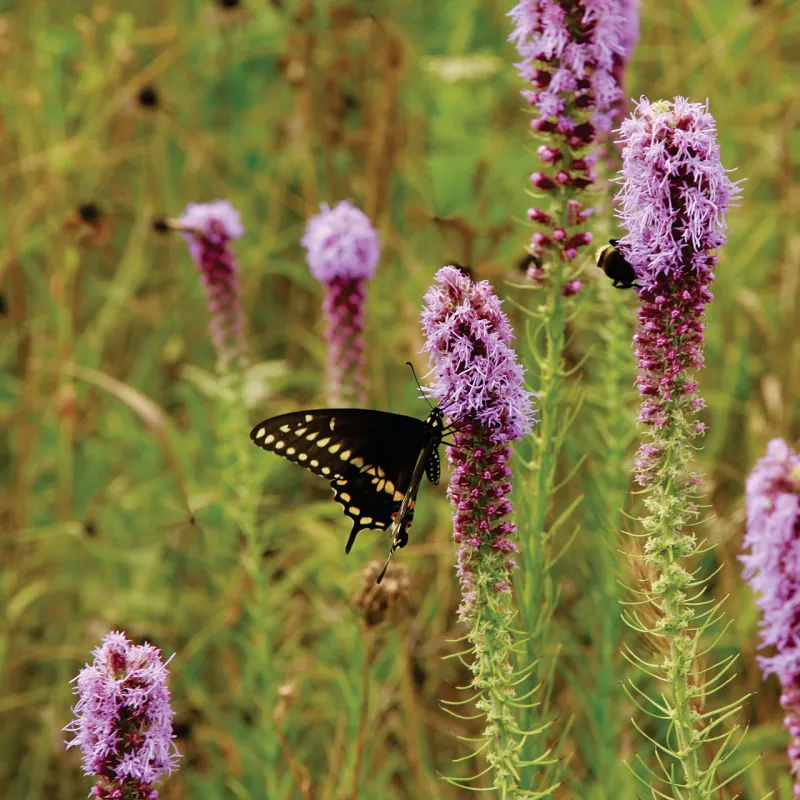
Butterflies seem to have a special weakness for blazing star. When those tall purple spikes light up in late summer, they can look downright crowded with fluttering wings.
The flowers open from the top down, which is a fun detail to watch, and their dense, feathery texture stands out against flatter blooms nearby. Vertical structure like this adds welcome height and drama to a prairie planting or perennial border.
As a prairie native, it typically wants full sun and adapts to a range of well-drained soils. Clump-forming and reliable, it rewards patience with showy spikes that pull in pollinators, especially butterflies, right when the season is winding down and food is getting scarce.
7. Eastern Red Columbine (Aquilegia canadensis)
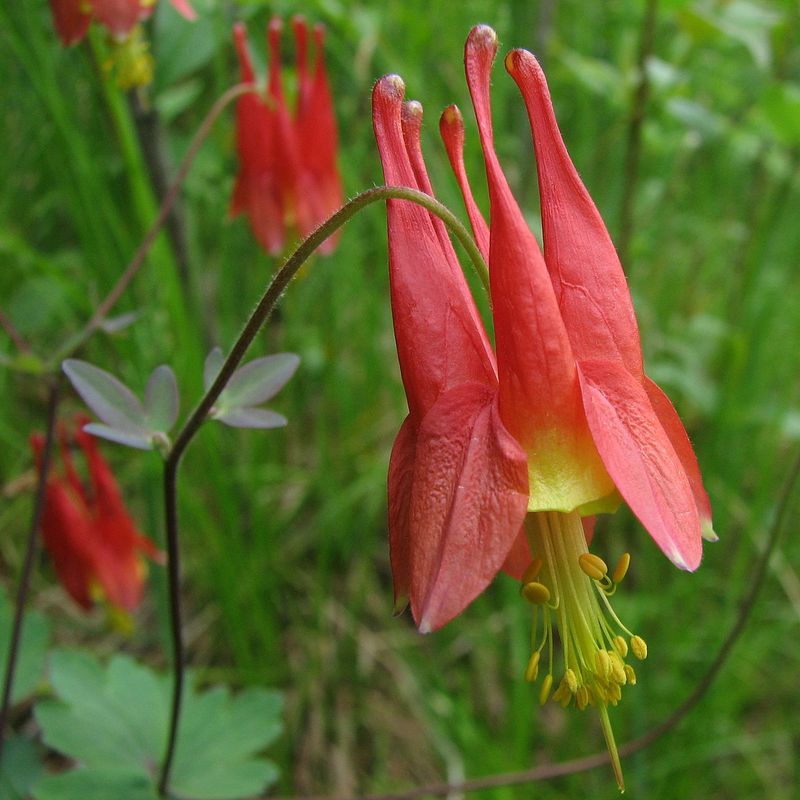
When most gardens are still waking up, Eastern red columbine is already open for business. Blooming from March into May, it hands out some of the earliest nectar of the year, which is a lifeline for pollinators emerging hungry from winter.
Those nodding, bell-shaped flowers in red and yellow are practically designed for hummingbirds, whose long beaks reach right in. Spring solitary bees, especially Andrena species, and various flies also drop by.
One of its best qualities is flexibility. It grows happily in sun or shade and settles into most sites as long as the ground is not soggy.
The delicate, lacy foliage looks lovely long after the flowers fade, tucked along a woodland edge or shady border.
8. Joe-Pye Weed (Eutrochium species)
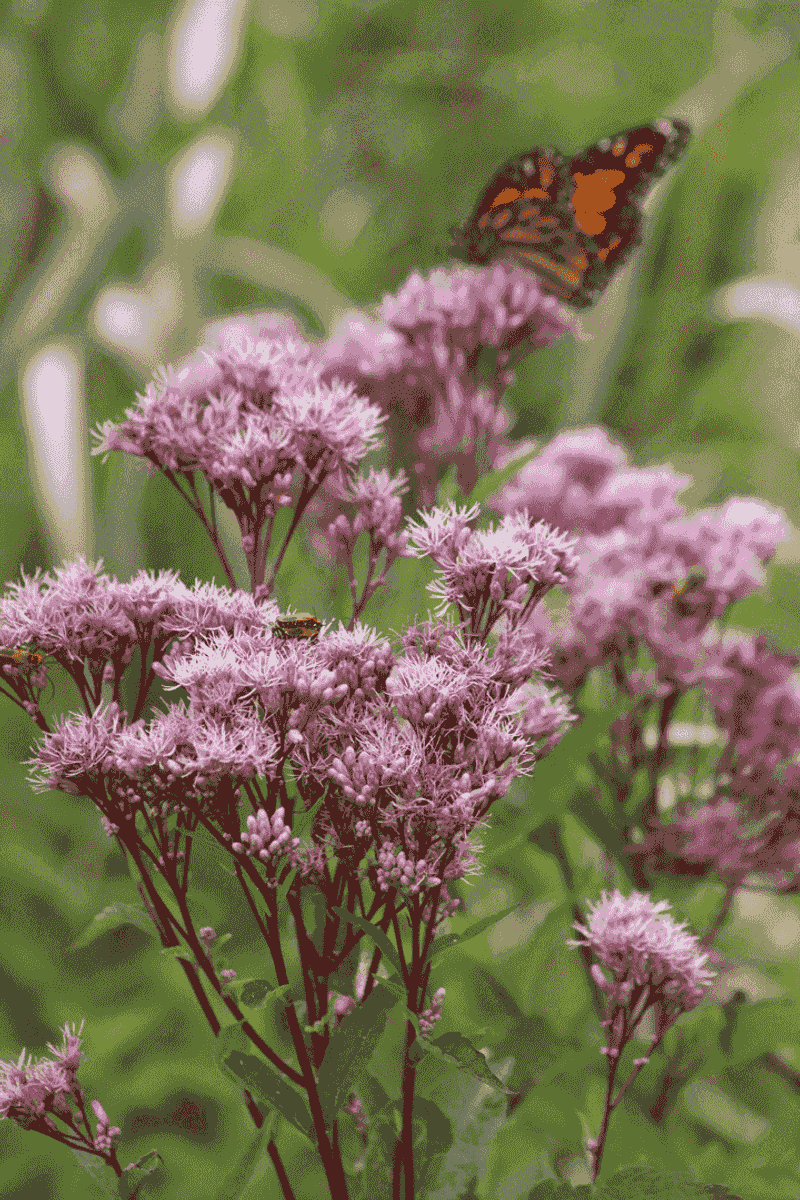
Do not let the word weed fool you. Joe-Pye weed is a well-mannered native that towers gracefully at the back of a border, sometimes topping six feet, and pollinators treat it like a landmark.
Its big, dome-shaped flower clusters range from creamy white to soft pink to light purple depending on the species, opening in mid-to-late summer. Bees and butterflies gather on those blooms in impressive numbers.
It settles happily into moist, damp spots, whether along a wooded edge, in a prairie, or at the low end of a garden where water tends to collect. Thriving from semi-shade to full sun, it is a natural choice for filling out cottage gardens or adding a dramatic backdrop to perennial beds.
Mix a few of these eight natives together, plant them in sunny clumps, skip the insecticides, and next season your yard could hum with the kind of life that keeps Wisconsin blooming.