These Pennsylvania Fruits Are At Absolute Peak Harvest In September
September in Pennsylvania delivers one of the most satisfying moments in the entire growing year.
After months of tending, waiting, and working through summer heat and unpredictable weather, certain fruits arrive at their absolute peak right now, with flavors that no grocery store version comes close to matching.
The window is real and it closes faster than most people expect. What’s perfect this week can be overripe, fallen, or claimed by wildlife before you get another chance.
Knowing which Pennsylvania fruits peak in September and recognizing the signs of exactly the right moment to harvest makes all the difference.
Whether you’re growing them in your own yard or foraging in the landscape, here’s what’s at its absolute best in Pennsylvania right now and why September is the month worth paying close attention to.
1. Apples
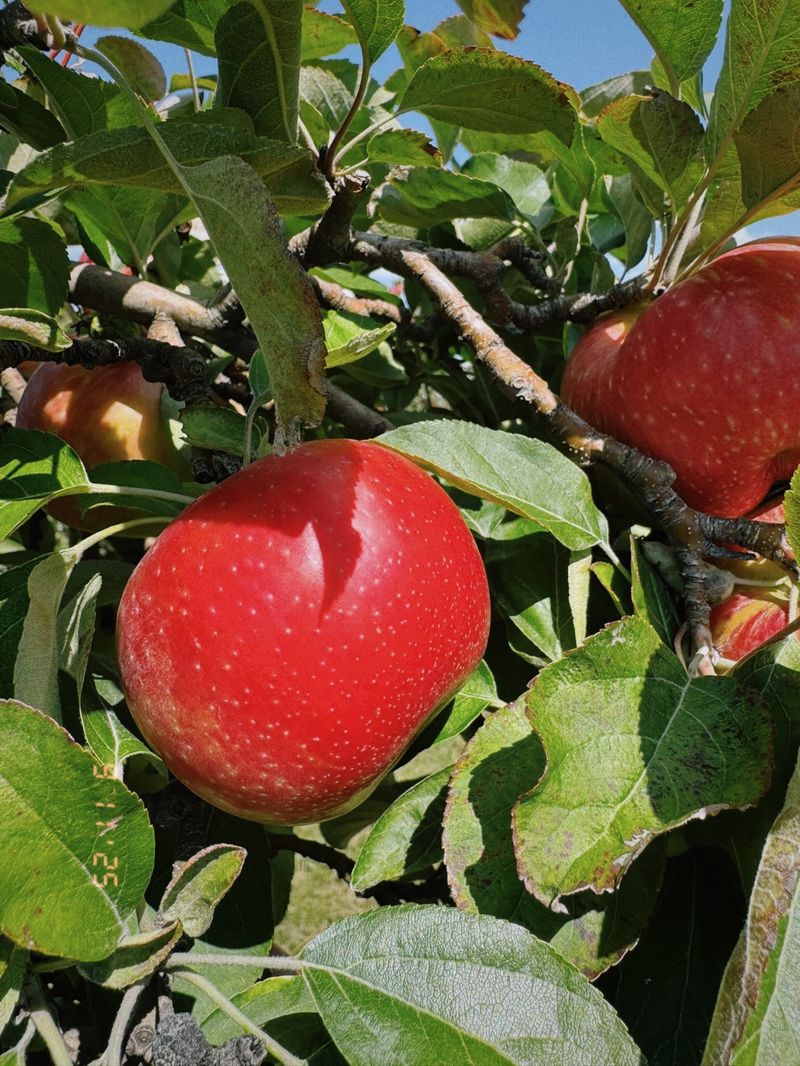
Nothing says a Pennsylvania autumn quite like the crunch of a fresh apple picked straight off the branch. The state ranks among the top apple producers in the country, and September is when the good stuff really rolls in.
You will find familiar names like Gala, Honeycrisp, and Jonathan filling up the bins. Each one has its own personality, from tart and snappy to honey-sweet and soft.
Picking apples is easier than most people think. Cup the fruit in your hand, lift it gently upward, and give a small twist. If it is ready, it will let go without a fight.
Look for firm skin with rich color and no soft spots. A ripe apple feels heavy for its size and smells faintly sweet near the stem.
Store your haul in the fridge, not the counter, if you want them to stay crisp for weeks. Apples give off a gas that ripens other produce fast, so keep them a little separate.
Fun bit of history: many old Pennsylvania farms still grow heirloom varieties your grandparents might remember. These older apples often carry bold, unusual flavors you cannot find in a grocery store.
Use the sweet ones for snacking and lunchboxes. Save the tart, firm types for pies, sauce, and cider, since they hold their shape when baked.
A quick tip for families: pick-your-own orchards make a fun weekend trip. Kids love filling bags, and you leave with enough fruit to bake, share, and freeze for later cravings.
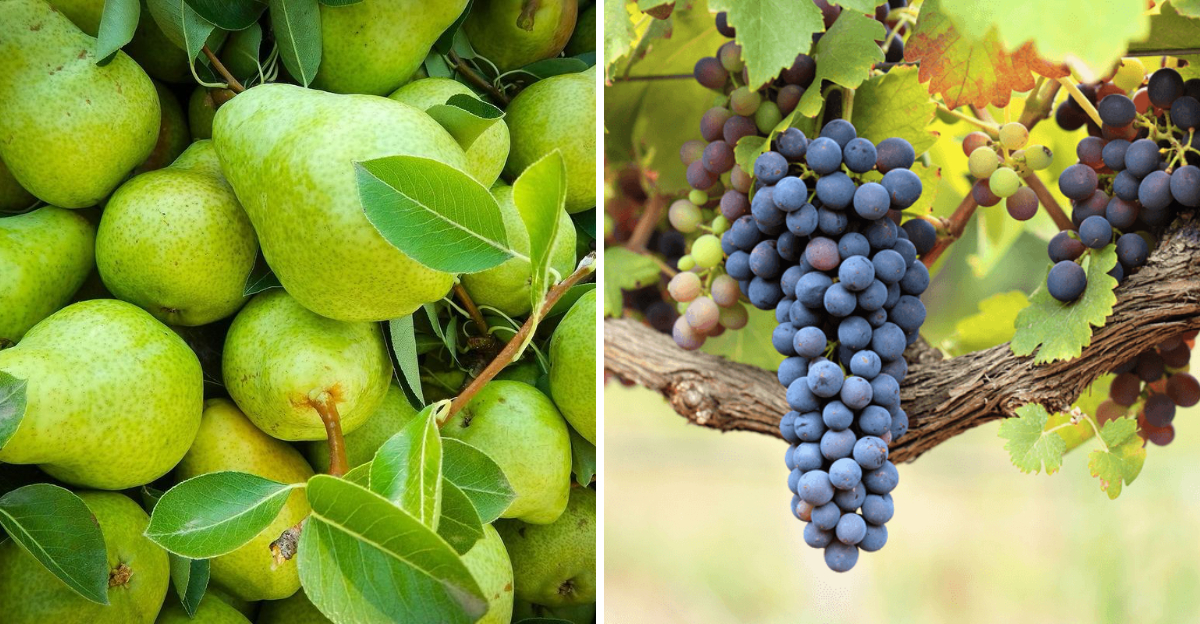
2. Pears
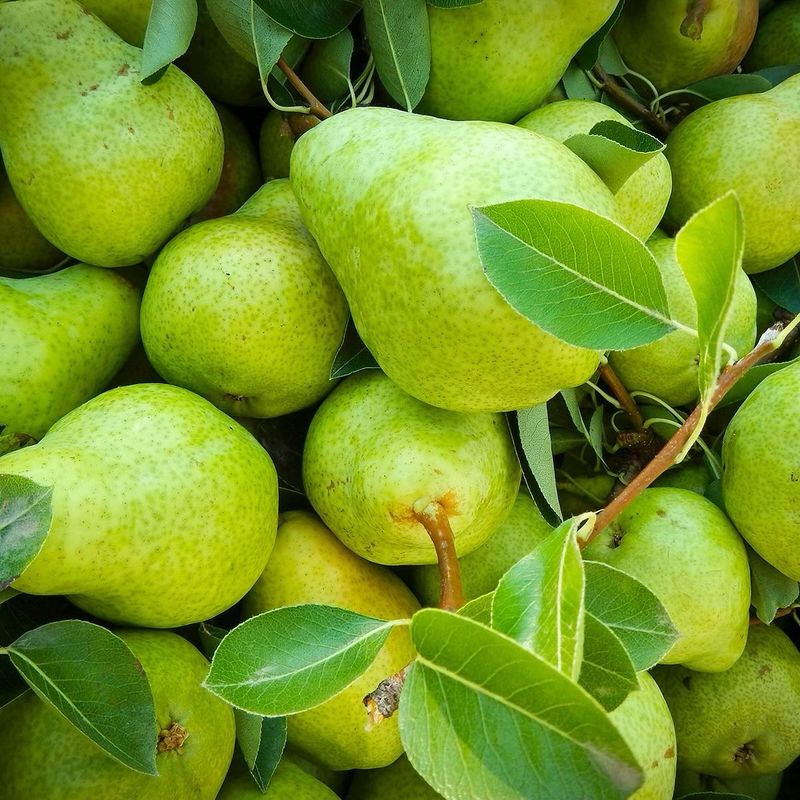
Pears play a sneaky game that trips up a lot of new pickers. Unlike most fruit, they ripen best after you take them off the tree, not while hanging on it.
Pennsylvania growers harvest pears in September while they are still firm and green. Leave them out on the counter for a few days, and they turn buttery and juicy.
Bartlett pears are the classic choice, with that soft, sweet flesh perfect for eating fresh. Bosc pears, with their tan skin and long necks, hold up well in the oven and poach beautifully.
To check ripeness, press gently near the stem with your thumb. A little give there means the inside is ready to enjoy, even if the bottom still feels firm.
Your Pennsylvania Garden Changes Every Week. Your Plan Should Too.
Gardening in Pennsylvania changes quickly throughout the season. Every Friday you’ll receive a simple weekly plan showing exactly what to plant, prune, fertilize, harvest, and protect so you never miss the right timing.
Handle them with care, since ripe pears bruise if you look at them wrong. Store the ones you are not eating yet in a cool spot, and refrigerate them once soft.
Here is a handy trick: place unripe pears in a paper bag with an apple to speed things up. The apple releases a natural gas that nudges the pears along.
They shine in salads with a little cheese and nuts, or sliced onto morning oatmeal. You can also cook them down into a smooth sauce that rivals applesauce.
For families short on time, a bowl of fresh pears makes a no-mess snack. Just wipe the skin, take a bite, and enjoy one of September’s softer treasures straight from local Pennsylvania trees.
3. Grapes
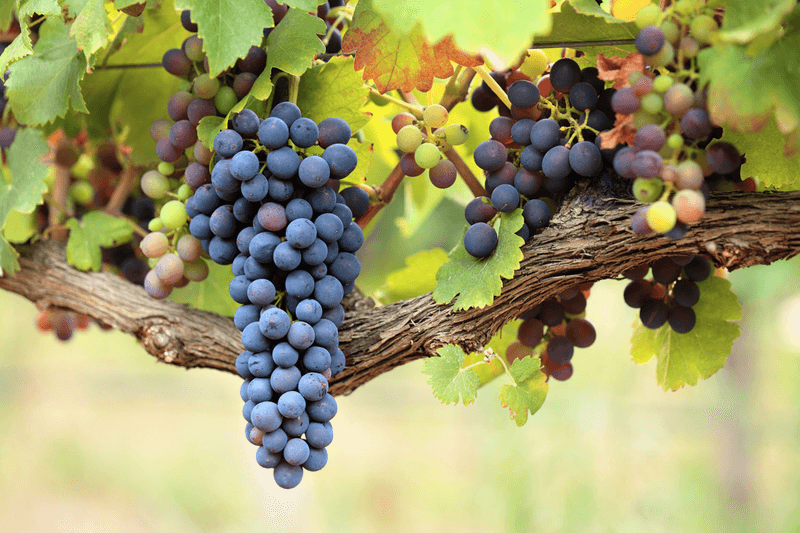
The smell of Concord grapes ripening in the September sun is pure Pennsylvania nostalgia. Erie County alone grows enough of them to make the region a serious grape hub.
Concord grapes are the deep purple ones behind classic jelly and juice. They have a bold, almost jammy flavor and slip right out of their skins when you squeeze them.
You will also spot green and red table grapes at farm stands this time of year. These are sweeter for snacking and less tart than their juice-making cousins.
Ripe grapes should feel plump and firm, with a dusty coating called bloom still on the skin. That powdery layer is natural and actually a sign of freshness.
Taste one before you buy a big batch, since grapes do not get sweeter after picking. Once they leave the vine, the flavor stays right where it is.
Store them unwashed in the fridge, and rinse only what you plan to eat. Washing early traps moisture and makes them spoil faster.
Concord grapes are worth the effort of making homemade juice or jelly. The whole kitchen fills with a sweet, grapey scent that feels like a warm memory.
Kids get a kick out of the pop-and-slide trick with Concord skins. It turns snack time into a tiny science experiment.
Toss table grapes into lunchboxes, freeze them for a summery treat, or drop a few into sparkling water. However you enjoy them, September grapes bring a burst of sweetness that is hard to beat.
4. Peaches
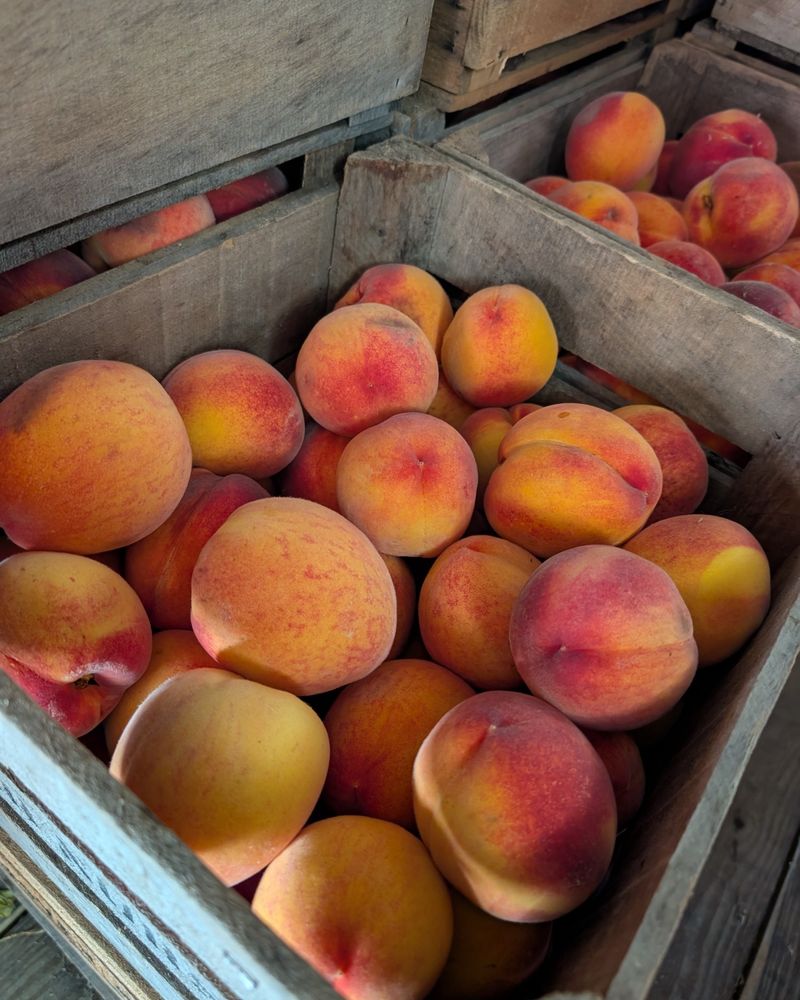
Late-season peaches are a farewell hug from summer as the calendar flips to September. Pennsylvania orchards squeeze out their final juicy rounds right as the mornings turn crisp.
These late peaches often taste extra sweet because the trees have had a long, warm season to build up flavor. Bite into one and you might need a napkin, or two.
Both freestone and clingstone types show up in local orchards. Freestone peaches pull away from the pit easily, which makes them the friendlier choice for slicing and baking.
To judge ripeness, look for a warm golden background color under the red blush. A gentle squeeze should give slightly, and the smell near the stem should be sweet.
Skip the ones that feel rock-hard, since a peach picked too early rarely catches up in flavor. Soft-but-not-mushy is the sweet spot you want.
Keep firm peaches on the counter for a day or two to soften. Once they reach that perfect give, move them to the fridge to slow things down.
They are a dream in cobblers, grilled with a little cinnamon, or sliced over yogurt. You can also freeze wedges to toss into smoothies during the cold months ahead.
Here is a small comfort: a peach eaten over the sink, dripping and sweet, is a September ritual worth keeping. No plate required.
Grab a basket at a roadside stand while the season lasts. Late Pennsylvania peaches do not stick around long, so enjoy them while the trees still have a few to give.
5. Raspberries
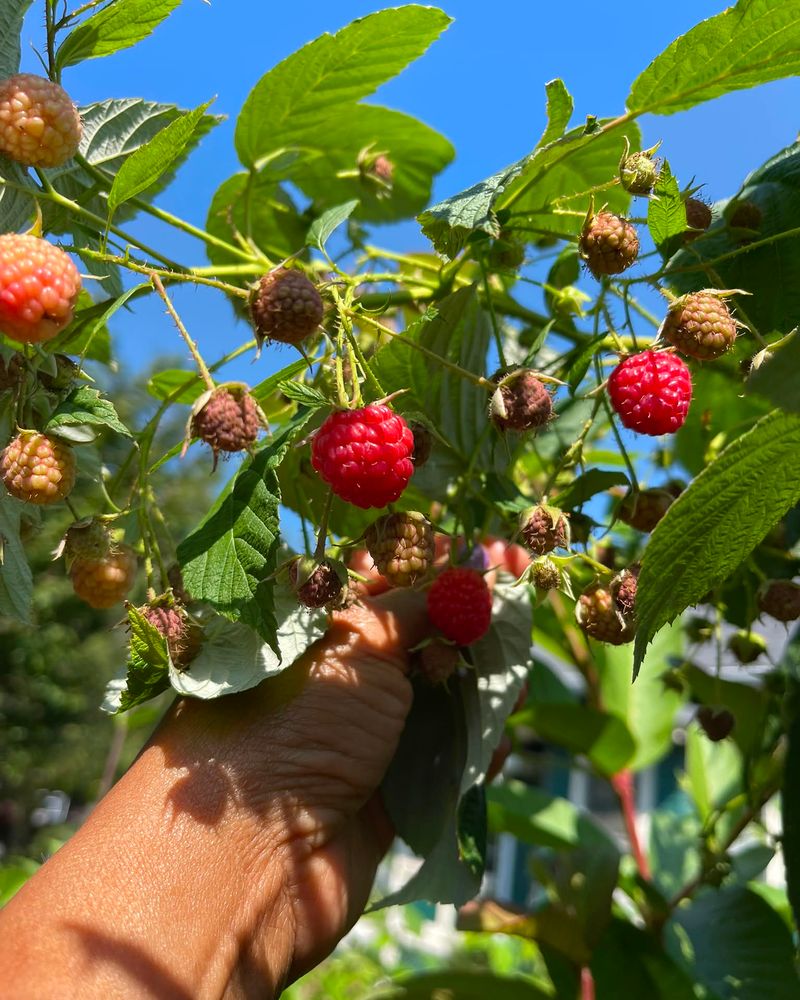
Fall-bearing raspberries pull off a neat trick by fruiting twice, and September is their encore. Just when you think berry season is over, these bushes light up with fresh red jewels.
Pennsylvania patches offer both red and black raspberries this time of year. Reds lean bright and tangy, while blacks bring a deeper, richer taste.
Picking them is a lesson in patience and a light touch. A ripe raspberry slides off its little core with barely any pressure, leaving a hollow center behind.
If you have to tug, the berry is not ready yet. Come back in a day or two and it will practically fall into your hand.
These berries are delicate, so use a shallow container and avoid piling them too deep. The ones on the bottom get squished fast under too much weight.
Eat them within a day or two, since raspberries do not keep long. Store them unwashed in the fridge and rinse gently right before eating.
Freezing is your best friend here. Spread berries on a tray, freeze until solid, then pour them into a bag so they do not clump together.
They are wonderful over cereal, folded into pancakes, or simmered into a quick sauce for waffles. A handful straight from the bush is hard to top, though.
Little ones love hunting for the deep-colored berries hiding under the leaves. It turns a berry patch into a treasure hunt, and everyone goes home with sweet, stained fingers and a full basket.
6. Elderberries
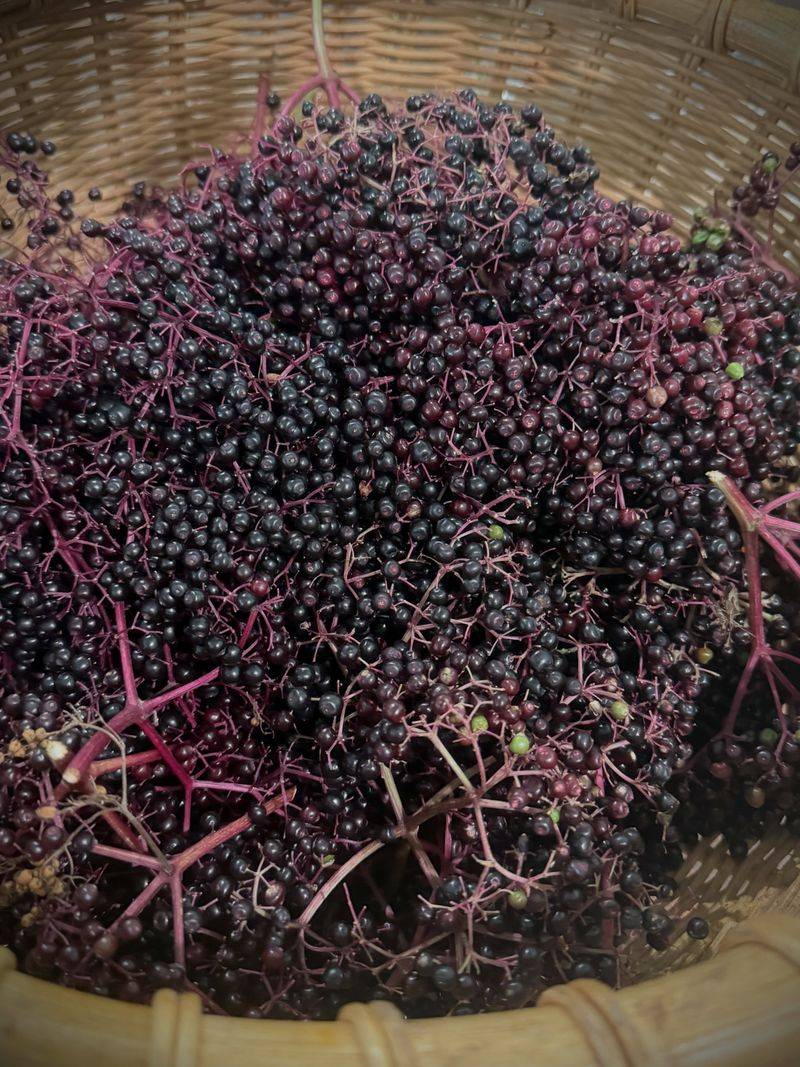
Tucked along country roads and field edges, elderberries are Pennsylvania’s quiet September surprise. Most people walk right past these dark little clusters without a second glance.
Elderberries grow in flat, umbrella-shaped bunches that turn deep purple-black when ripe. They have a long history in folk kitchens, showing up in syrups, jams, and old-time remedies.
One thing to know up front: elderberries should be cooked before eating, never raw. Raw berries and stems can upset your stomach, so this is one fruit that needs the stove.
Once cooked, they mellow into a rich, earthy flavor perfect for syrups and jellies. Many families brew them into a warm drink when the weather cools down.
Harvest whole clusters when the berries are dark and slightly soft. A quick trick for removing them from the stems is to freeze the clusters first, then shake the berries loose.
Be careful to identify them correctly, since some look-alike plants are not friendly. If you are new to foraging, go with someone experienced or stick to a labeled farm patch.
The tiny stems can be bitter, so take time to pick them out before cooking. It is a bit tedious, but the smooth flavor is worth the effort.
Beyond syrup, elderberries make a lovely dark jam with a hint of tartness. Some folks even use the earlier spring flowers for cordials, though September is all about the berries.
They freeze beautifully, so you can stash a batch and cook with them all winter long. Consider elderberries a rustic reward for keeping your eyes open on a September walk.
7. Pawpaws
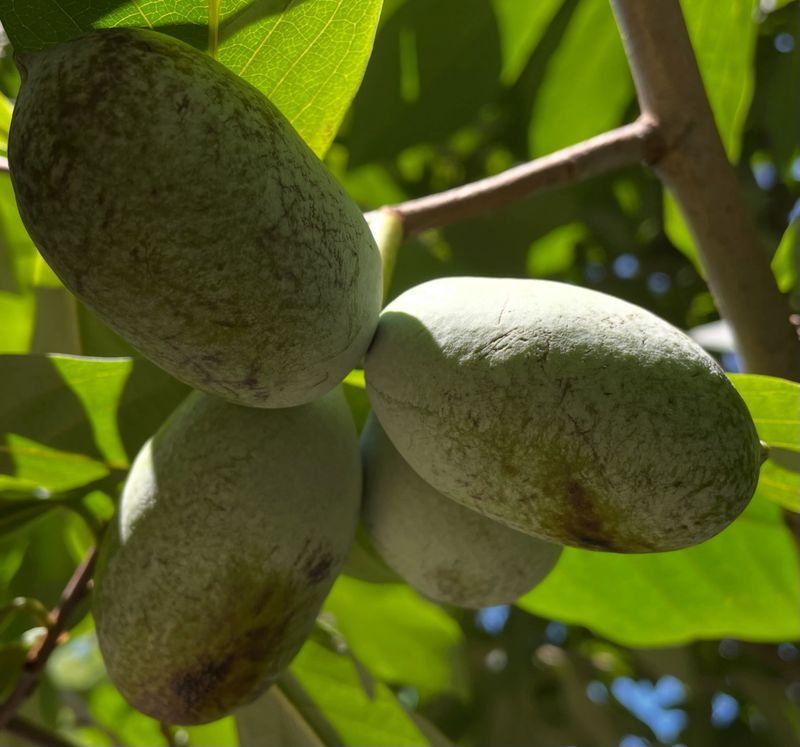
Here is a fruit that sounds like it belongs in the tropics but grows wild in Pennsylvania woods. The pawpaw is the largest edible fruit native to the region, and hardly anyone has tasted it.
Pawpaws look like short green mangoes and hide their sweetness inside soft, custard-like flesh. The flavor lands somewhere between banana, mango, and vanilla pudding.
They ripen in September and drop from the trees when ready. If you find a spot, a gentle shake of the branch often brings the ripe ones down.
A ripe pawpaw gives slightly when squeezed, much like a peach. The skin may show a few brown speckles, which is a good sign rather than a bad one.
Eat them soon after picking, because they turn from perfect to overripe in just a couple of days. Scoop out the creamy inside with a spoon and skip the large seeds.
The skin and seeds are not for eating, so treat this fruit like a spoon-only snack. The flesh is the star, and it needs no cooking at all.
Because they bruise easily and do not ship well, you almost never see pawpaws in stores. That makes finding them a small adventure and a bragging right.
Try blending the pulp into smoothies, ice cream, or quick bread for a tropical twist. It freezes well too, so you can save that unusual flavor for later.
Local festivals sometimes celebrate this odd native gem in early fall. If you spot a pawpaw event nearby, go taste Pennsylvania’s best-kept fruit secret.