The Rare Tennessee Fern Found In Just One Limestone Sinkhole In The Entire State
Rarely does a plant conceal its whereabouts quite this closely. You won’t find it scattered across forests or hidden in gardens. Tennessee holds this secret inside a single limestone sinkhole.
Botanists travel far just to glimpse its glossy, strap-shaped leaves. Nothing about this plant behaves like ordinary Appalachian forest flora at all.
Scarcity like this pushes you to reconsider what rarity truly means. Every leaf tucked into that shaded opening tells a quiet story.
Scientists still debate why this fern chose isolation over expansion. Conservationists watch closely, wanting this treasure protected for future generations. Discovering this fern means standing where few travelers ever stand in Tennessee.
Curiosity pulls you closer, truly inviting deeper questions about origin. Questions multiply faster than answers arrive, deepening the intrigue.
Understanding why this fern exists nowhere else changes how you see nature’s true limits. Walking away now means missing the strangest story hidden in plain sight.
American Hart’s-Tongue Fern, Tennessee’s One-Sinkhole Wonder
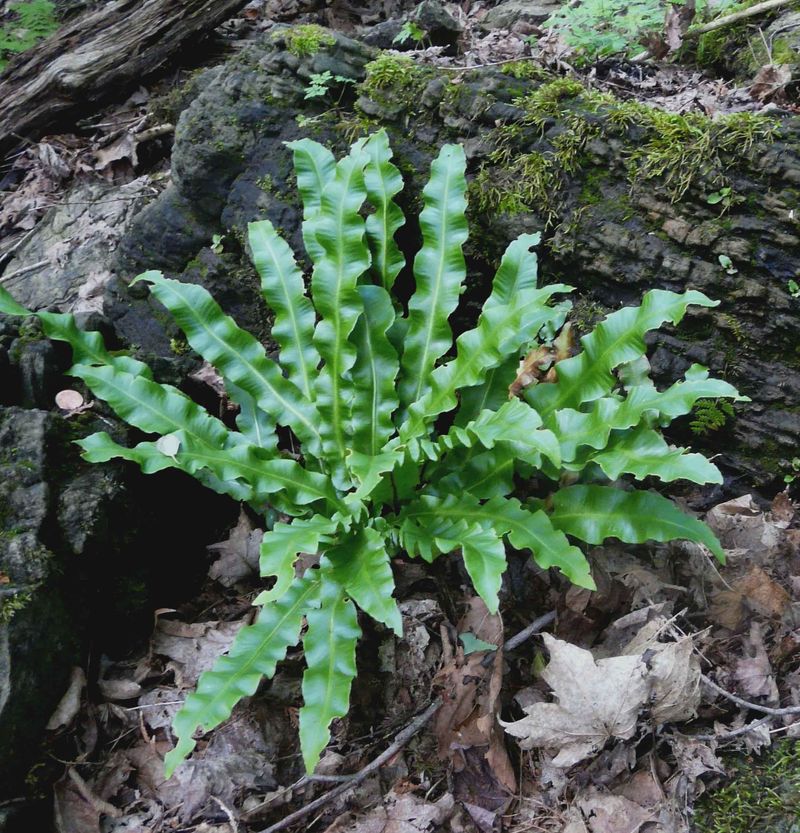
Picture a fern so rare in Tennessee that it survives inside a single limestone sinkhole in the entire state. That is not a dramatic exaggeration.
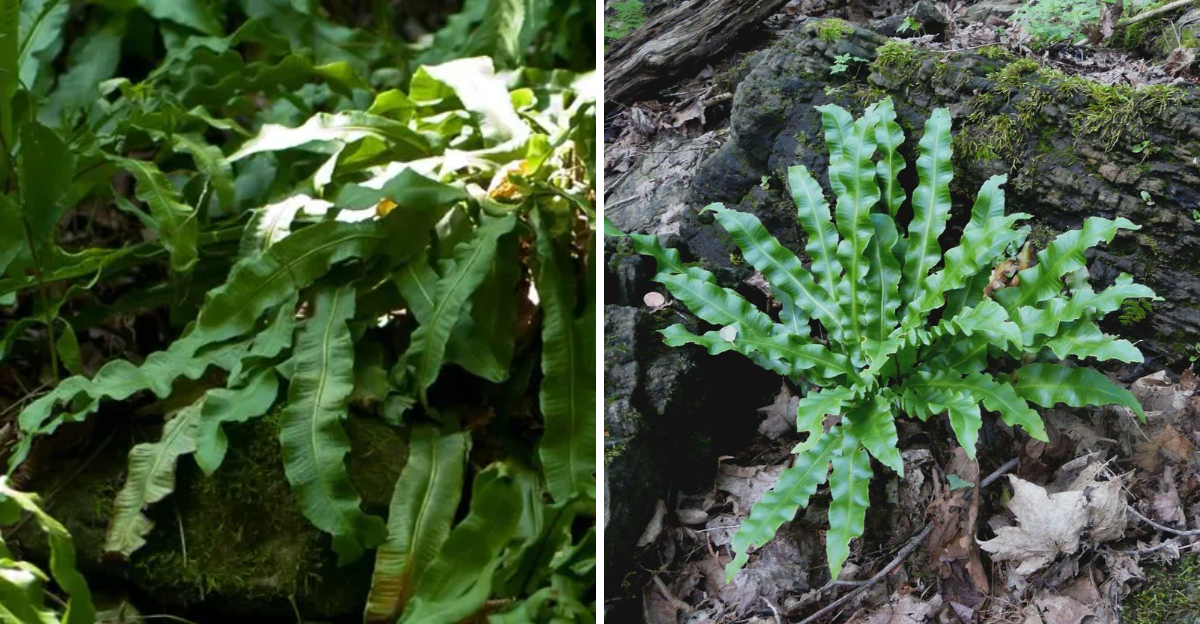
The American Hart’s-Tongue Fern, known scientifically as Asplenium scolopendrium var. americanum, holds that extraordinary distinction with quiet, leafy confidence.
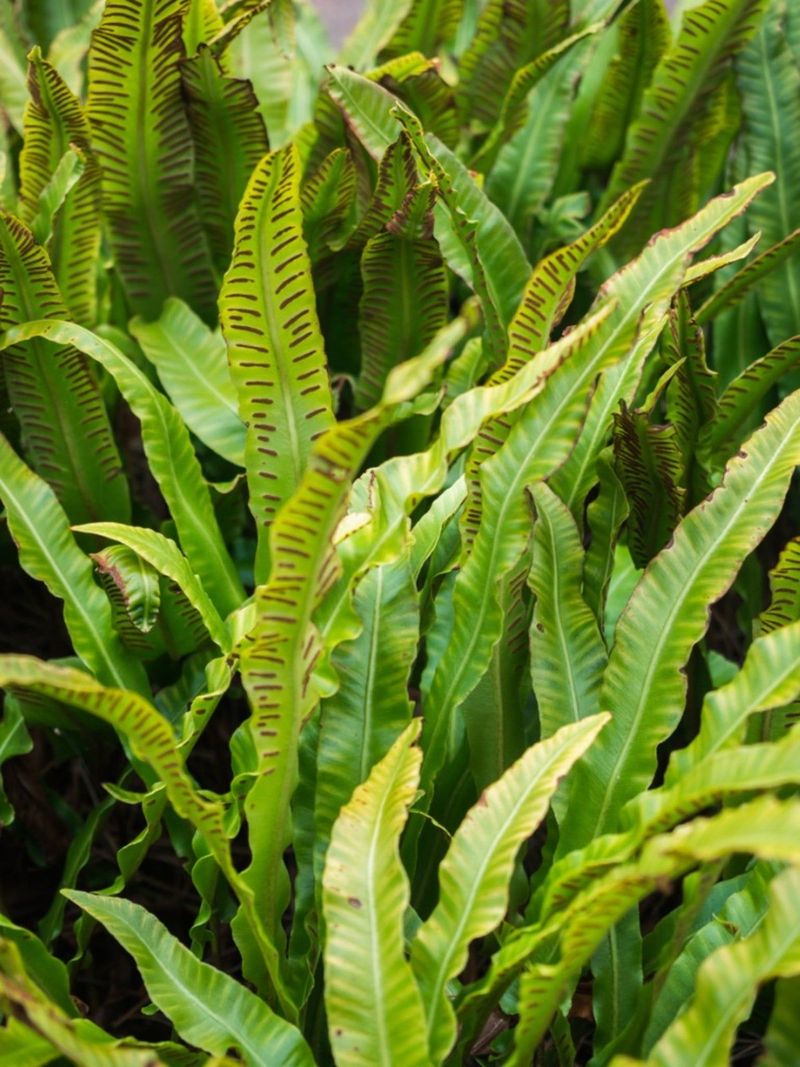
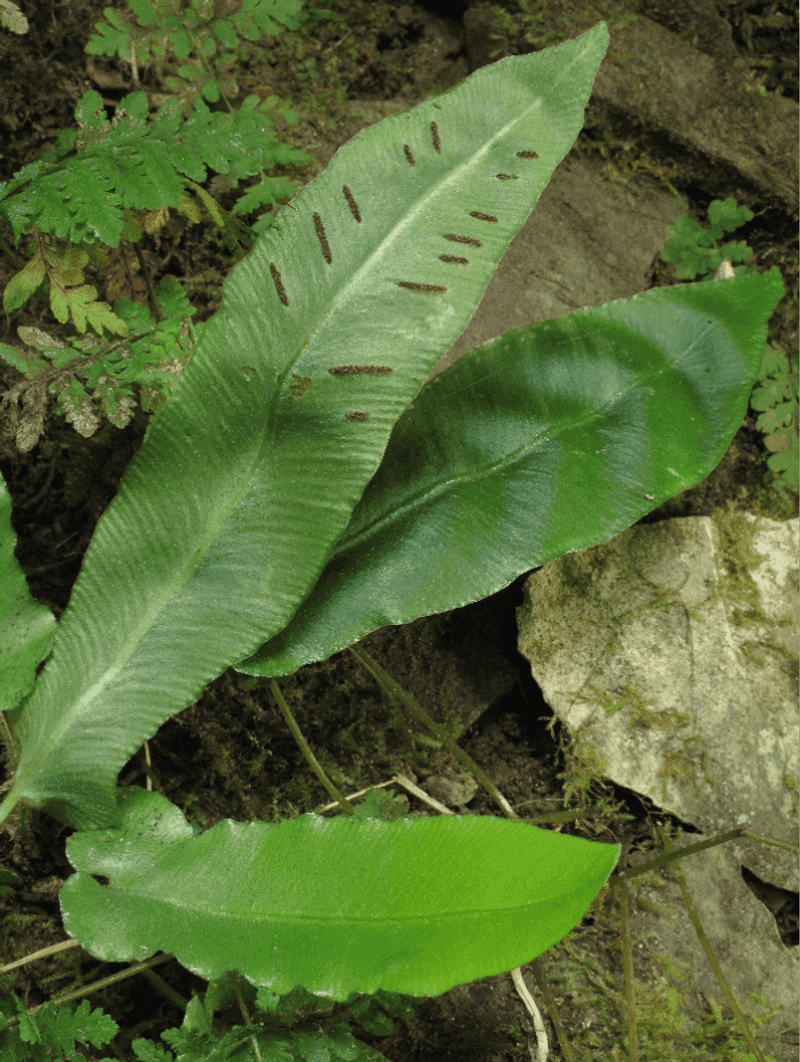
Unlike the feathery, divided fronds most people picture when they think of ferns, this species grows long, undivided, strap-shaped leaves that look almost like a deer’s tongue, which is exactly where the name comes from.
Fronds vary in length depending on site conditions, and this population’s leaves carry a deep, waxy green color that practically glows in dim, shaded light.
Rows of rust-colored spore cases line the underside of each leaf, arranged in neat diagonal stripes that look almost hand-painted.
This fern thrives in cool, moist environments close to dolomitic limestone, and Tennessee’s single known site sits at a shaded sinkhole entrance that offers just the right blend of humidity, coolness, and rock chemistry.
Botanists consider it a relict species, meaning it is a survivor from ancient plant communities that once spread much more widely across North America.
The species is federally listed as threatened, and Tennessee’s population is estimated to include only a small number of plants, making each individual genuinely precious.
Visiting the site requires care and respect. Staying on established paths and avoiding contact with the fronds helps protect the colony’s long-term health.
Sharing photos online without revealing the exact location is a widely encouraged practice among conservation-minded nature lovers. This small act of discretion can make a real difference for a plant with nowhere else to go in Tennessee.
Why This Fern Only Grows In One Spot
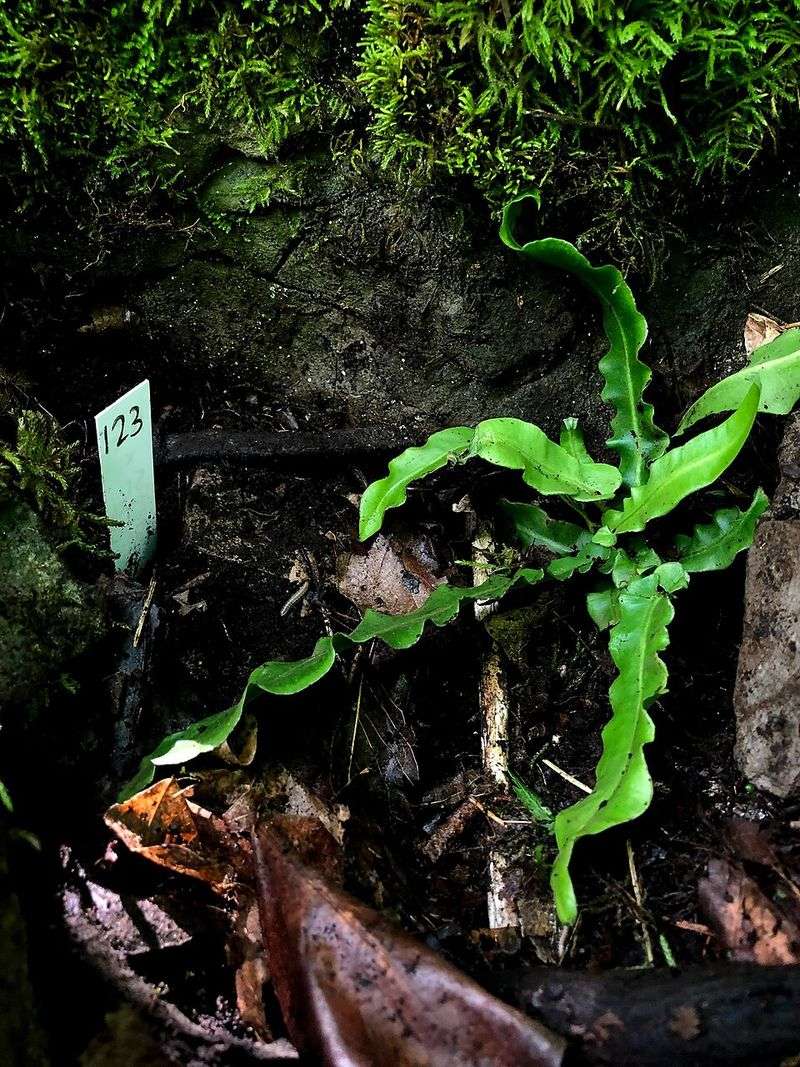
Botanists have long wondered why this fern never spread beyond its single Tennessee sinkhole. Many ferns disperse spores widely, colonizing new areas across many seasons. This particular population seems to have stayed remarkably local instead.
One theory points to the fern’s narrow habitat requirements. It needs a precise blend of shade, humidity, and limestone-rich rock. Very few places in Tennessee happen to offer that exact combination inside a sinkhole.
Your Tennessee Garden Changes Every Week. Your Plan Should Too.
Gardening in Tennessee changes quickly throughout the season. Every Friday you’ll receive a simple weekly plan showing exactly what to plant, prune, fertilize, harvest, and protect so you never miss the right timing.
Climate shifts over thousands of years likely shrank its range considerably. What once may have been a broader population across the region slowly narrowed. Only this one bluff apparently retained the right conditions for survival.
Spore dispersal also depends heavily on wind patterns and moisture levels. If spores land somewhere unsuitable, they simply cannot establish new growth. That fragility may explain why expansion never really happened here.
Some researchers suggest genetic factors play a role as well. Isolated populations often develop unique traits suited to their specific environment. This fern’s genetics may be finely tuned to its one Tennessee location.
Human development and land use changes over centuries added more pressure too. Bluffs across the state were altered, cleared, or built upon repeatedly. Very few sandstone formations remained untouched enough to sustain a fragile fern colony.
Together, these factors created a plant that is both remarkable and vulnerable. Its story reflects how specific and delicate certain ecosystems can be. Tennessee’s landscape, shaped by centuries of change, simply narrowed this fern’s options.
The Discovery And History Of The Tennessee Population
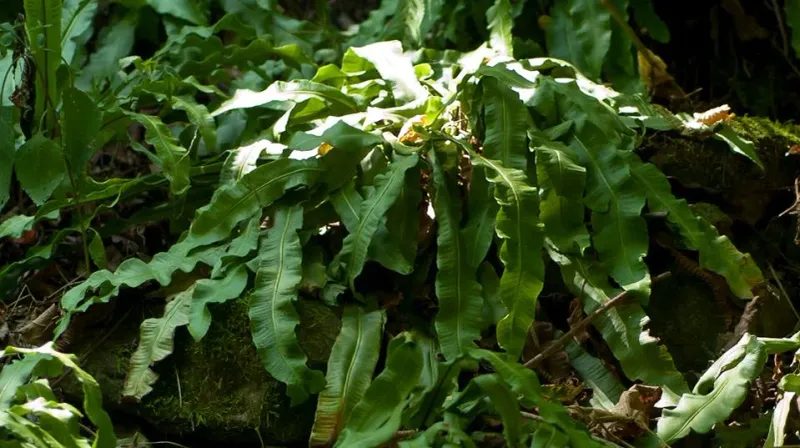
Botanists documented this Tennessee population early, tracing back to the first North American record of the species in 1849.
That original find actually happened in Tennessee, well before populations turned up farther north in New York, Michigan, and Ontario. Most people assume such rarities get discovered late, but this one anchors the entire species’ North American story.
News of the find spread slowly among plant scientists over the following decades. Herbarium records from that era still reference the original Tennessee specimens. That early documentation helped establish long-term monitoring efforts still used today.
Researchers soon realized the Tennessee site represented something scientifically significant. It extended the known range of this fern considerably southward. That geographic gap raised new questions about the species’ history and movement.
Over the following years, scientists studied the bluff extensively to understand its ecology. They measured moisture levels, rock composition, and surrounding plant communities. Their findings helped explain why this particular spot supported such rare vegetation.
Conservation attention grew steadily as awareness of the fern’s rarity increased. State agencies and botanical organizations began collaborating on protection strategies. This partnership approach has continued shaping how the site is managed today.
Interest in the fern has occasionally sparked curiosity among hikers and photographers. Word of its rarity tends to travel through nature enthusiast communities. That attention brings both appreciation and added responsibility for careful stewardship.
Decades later, the Tennessee population remains a subject of ongoing research. Scientists continue tracking its health, size, and surrounding habitat conditions. Its history reflects a small, quiet, and remarkably persistent chapter of botanical discovery.
How Scientists And Volunteers Protect The Colony
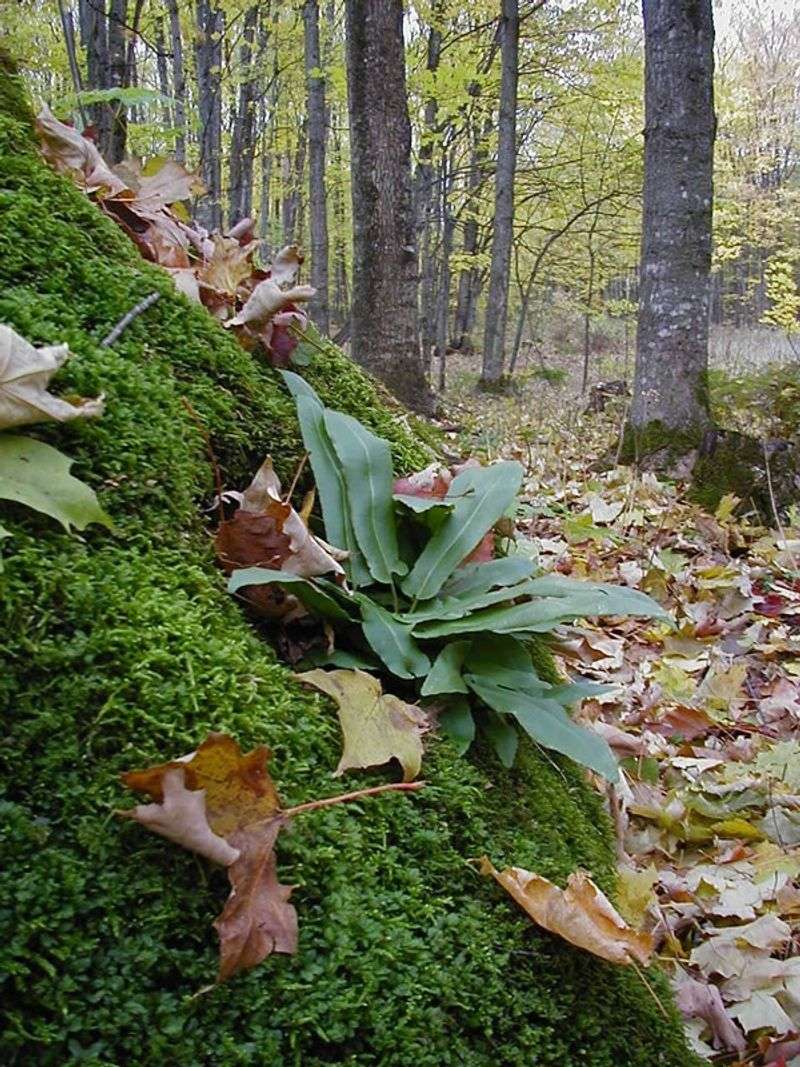
Protecting a single, irreplaceable fern colony requires consistent effort and careful planning.
Tennessee conservation groups work alongside botanists to monitor the site regularly. Their combined efforts help track changes in population size and habitat conditions.
Monitoring typically involves counting individual fronds and assessing overall plant health. Researchers note any signs of stress, disease, or environmental disturbance. This data helps guide decisions about future conservation strategies for the colony.
Volunteers often assist with maintaining trails near the site respectfully. Clear pathways help discourage foot traffic from wandering too close. Simple boundaries like these can meaningfully reduce accidental damage to fragile plants.
Erosion control also plays an important role in protecting the bluff itself. Loose soil or unstable rock can threaten the fern’s root systems. Conservation teams sometimes reinforce vulnerable areas using natural, low-impact materials.
Public education efforts help spread awareness without compromising the site’s safety. Signage, when present, often explains the fern’s rarity without revealing exact coordinates. This balance allows appreciation while still protecting long-term population stability.
Partnerships between universities and state agencies strengthen these protection efforts further. Shared research funding allows more frequent site visits and detailed studies.
Collaboration like this tends to improve outcomes for sensitive Tennessee ecosystems overall. Weather monitoring has become another useful tool for conservationists. Unusual rainfall or prolonged drought can directly affect fern health.
Tracking these patterns helps researchers anticipate challenges before they become serious threats. Together, these efforts represent a thoughtful, ongoing commitment to preservation.
Protecting one fragile colony demands patience, coordination, and continual attention. Tennessee’s conservation community remains dedicated to keeping this rare fern thriving.
What Makes The Habitat So Perfect
Limestone sinkholes create a very specific microclimate that few plants can tolerate. Shade, moisture, and mineral content combine in a delicate balance here. This particular Tennessee sinkhole seems to offer nearly ideal conditions for the fern.
Consistent humidity plays a major role in supporting healthy frond growth. Moist air helps prevent the leaves from drying out too quickly. The sheltered opening likely helps trap and retain that essential moisture.
Shade from the sinkhole’s depth also protects the fern from harsh sunlight. Too much direct light can damage its glossy, sensitive leaves. Filtered, indirect light instead allows steady, gentle growth throughout most of the year.
Mineral composition within the sandstone contributes valuable nutrients over time. Slow weathering releases compounds that enrich the surrounding soil. These subtle nutrients likely support long-term stability within the fern colony.
Temperature consistency matters as well for this sensitive species. Sudden extreme shifts can stress plants unaccustomed to fluctuation. The bluff’s location seems to buffer against some of Tennessee’s more dramatic weather swings.
Nearby vegetation also plays a supporting role in the ecosystem. Surrounding plants help regulate moisture levels and reduce erosion. This interconnected environment allows the fern to persist without excessive competition.
Water drainage patterns along the bluff further shape suitable growing conditions. Excess water can wash away soil or damage delicate roots. Proper drainage instead helps maintain a stable, livable environment for the fern.
Altogether, these environmental factors form a surprisingly precise natural formula. Very few locations in Tennessee replicate this exact combination successfully. That rarity helps explain why the fern remains confined to just one place.
Why This Fern Matters For Tennessee’s Ecological Story
Rare species often reveal larger truths about an ecosystem’s overall health. This fern, though small, offers valuable insight into Tennessee’s changing landscape. Its survival reflects broader patterns tied to climate and habitat stability.
Scientists frequently study rare plants to understand long-term environmental shifts. This fern’s presence suggests certain conditions have remained relatively stable nearby. Tracking its health may help researchers anticipate future ecological changes statewide.
Biodiversity itself benefits from protecting even a single rare species. Every plant contributes something unique to its surrounding ecosystem. Losing this fern could subtly affect nearby organisms that depend on similar conditions.
Education also plays a meaningful role in this fern’s broader significance. Learning about such rarity encourages people to value lesser known species. Awareness like this often strengthens support for conservation efforts across Tennessee.
This fern also symbolizes resilience in an ever changing natural world. Surviving in one narrow location for so long is genuinely remarkable. Its persistence offers a quiet reminder of nature’s adaptability under pressure.
Researchers hope continued study will reveal more about the species’ genetics. Understanding its DNA could help explain its unusual isolation more clearly.
That knowledge may eventually support conservation strategies for other rare Tennessee plants.
Public interest in unique species like this can inspire broader environmental awareness. People often care more deeply once they understand a plant’s rarity.
That emotional connection can translate into meaningful conservation support statewide.
Ultimately, this fern represents far more than an isolated botanical curiosity. It stands as a symbol of Tennessee’s rich, complex natural heritage.
Protecting it means preserving a small but significant piece of ecological history.