6 Spring-Blooming Perennials You Should Divide Right Now In Wisconsin For Twice The Plants
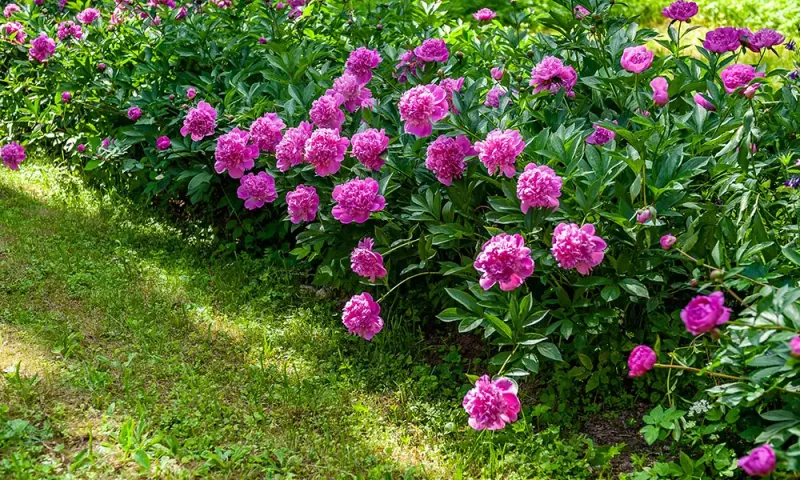
Fall in Wisconsin is the perfect time to grab a shovel and multiply your favorite flowers for free. When you divide certain perennials in late summer or early fall, the roots settle in before winter and reward you with double the plants next spring.
Best of all, you do not need to spend a dime at the garden center. Here are six spring-blooming perennials worth splitting up right now.
1. Hostas in Wisconsin
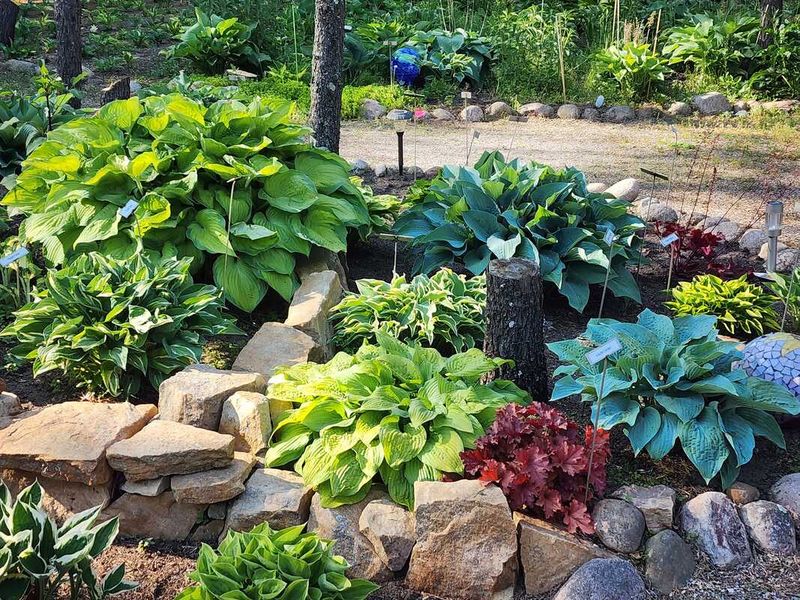
Few plants are as forgiving as the hosta, which makes it a great starting point for anyone nervous about slicing up their garden. Prized for bold, layered foliage rather than flashy flowers, hostas thrive in the shady corners of many Wisconsin yards where little else wants to grow.
Late summer or early fall gives divided hostas plenty of runway to settle their roots before the Wisconsin ground freezes solid. Simply dig up the clump, slice it into sections with a sharp spade, and make sure each piece has a few healthy shoots and roots attached.
You can also split them in early spring just as the pointed shoots poke through the soil, before the leaves unfurl and get in your way. Either way, a single mature hosta in your Wisconsin bed can quickly become three or four, filling out those tricky low-light spots without another trip to the nursery.
2. Daylilies in Wisconsin

Tough as nails and bursting with color, daylilies just keep giving year after year. Every three to five years, though, they start to lose steam, producing fewer of those cheerful blooms that light up Wisconsin gardens through spring and summer.
August and September are prime months to divide daylilies across Wisconsin, ideally once the plant has finished flowering and slipped toward dormancy. Lift the whole clump, shake off the soil, and pull or cut the tangled crowns into smaller fans, each with its own set of roots.
Cooler autumn weather and steady fall rains help these divisions root quickly in the Wisconsin landscape. Replant them at the same depth they were growing before, water them in well, and you will have a whole row of vigorous, bloom-ready daylilies where one crowded clump used to sit.
3. Peonies in Wisconsin
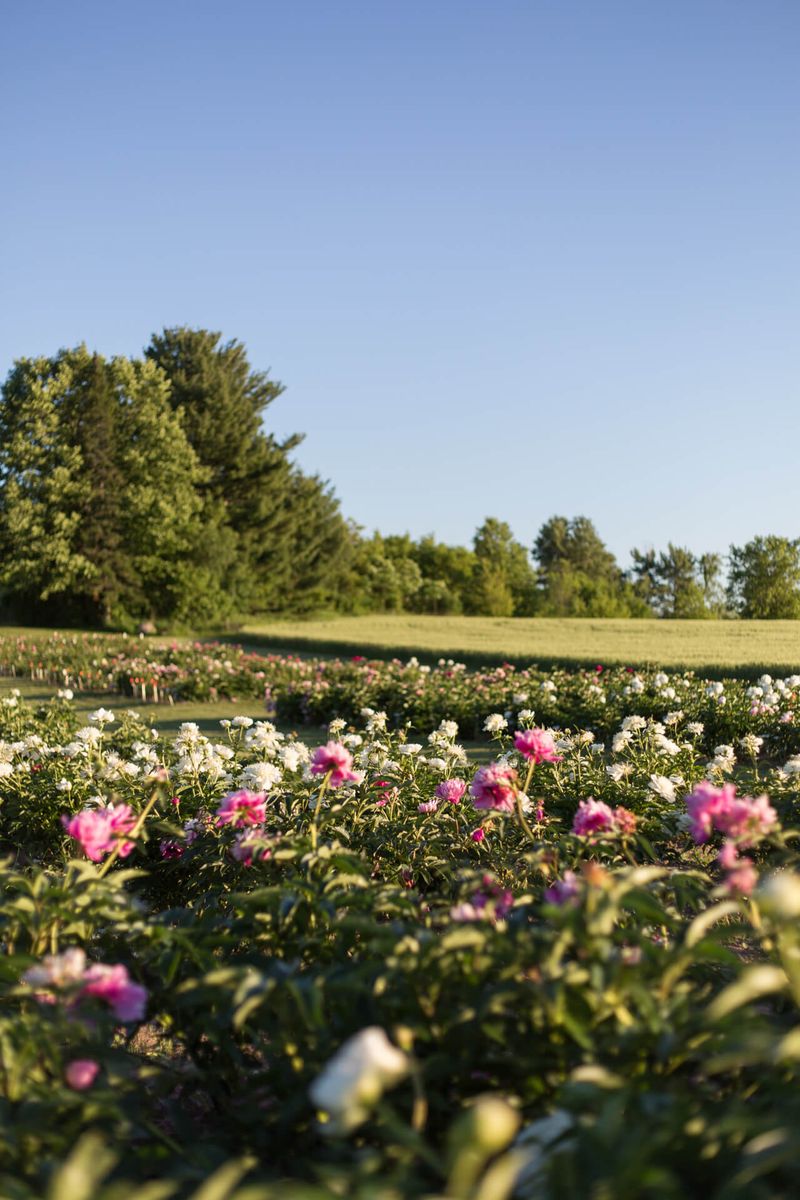
Grandma’s peonies have a way of outliving everyone, sometimes blooming in the same spot for fifty years or more. That longevity is exactly why peonies march to their own drummer when it comes to dividing.
Skip the spring shovel with these beauties, because peonies do best when split in the fall in Wisconsin, roughly September through October. By then the plant has packed its roots full of stored food, and the cool autumn air keeps stress low while the new divisions settle in.
Cut back the foliage before you dig, then lift the fleshy root and separate it into chunks that each carry three to five pink buds, or eyes. Plant those eyes no deeper than one to two inches below the soil surface, since burying them too deep is the number one reason Wisconsin peonies sulk and refuse to bloom.
Your Wisconsin Garden Changes Every Week. Your Plan Should Too.
Gardening in Wisconsin changes quickly throughout the season. Every Friday you’ll receive a simple weekly plan showing exactly what to plant, prune, fertilize, harvest, and protect so you never miss the right timing.
4. Bearded and Siberian Irises in Wisconsin
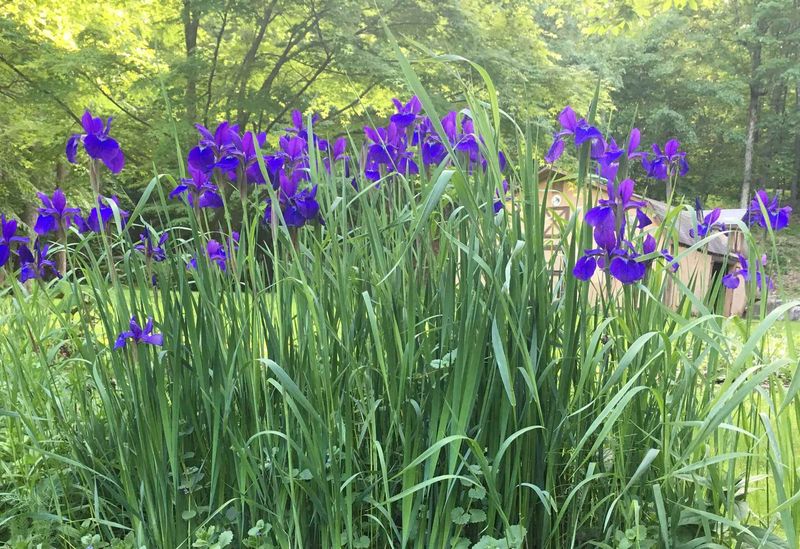
Irises reward a little tough love, and dividing them is more of a rescue mission than a chore. Rhizomatous types, including the ruffled bearded varieties and the graceful Siberian kinds, crowd themselves out fast and start blooming less when they get packed too tight.
Late July through September is the window for splitting irises in Wisconsin, once the flowers have faded for the season. Dig up the fleshy rhizomes, snap or cut them into firm pieces with healthy fans of leaves, and toss any mushy or hollowed-out sections.
That last step matters, because dividing gives you a chance to spot and stop trouble like iris borers and bacterial soft rot before they spread. Replant the healthy rhizomes shallowly in your Wisconsin garden, and the refreshed plants will root before frost and bloom more generously come spring.
5. Astilbe in Wisconsin
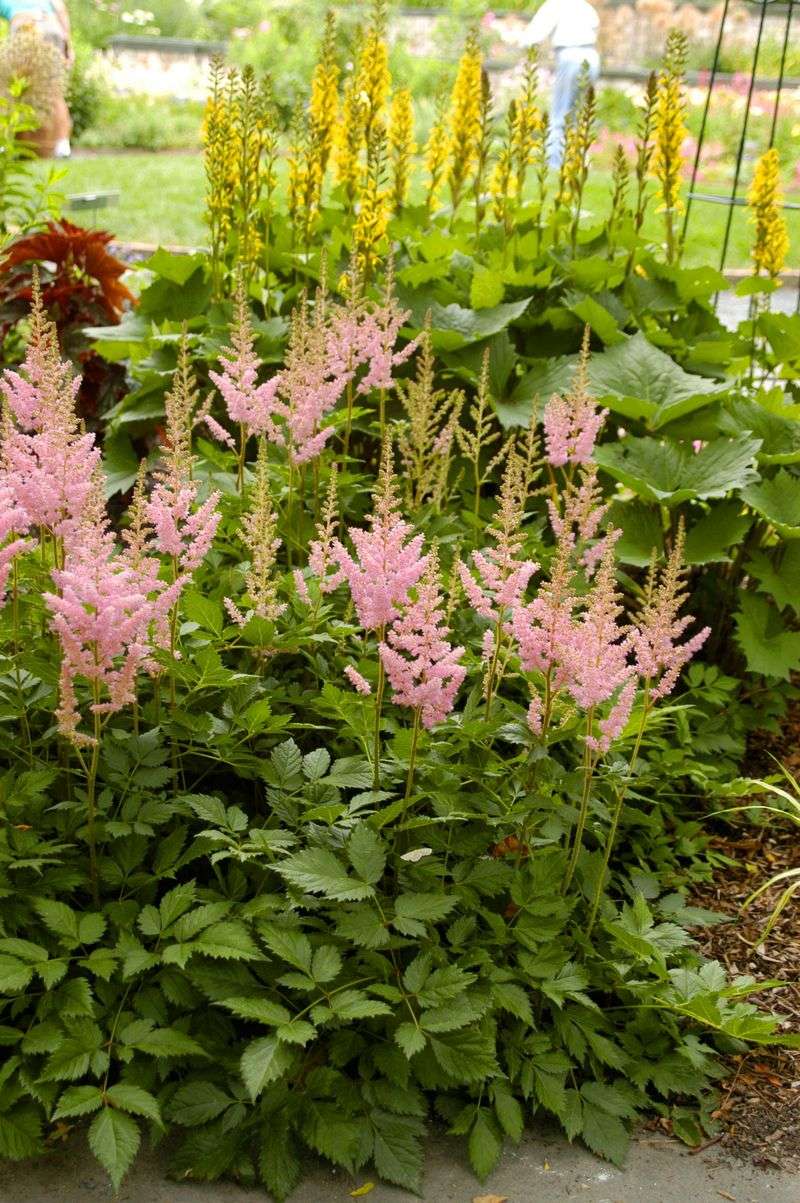
Soft, feathery plumes floating above fern-like leaves make astilbe a favorite for the damp, shady spots where Wisconsin gardeners often struggle. Over time, though, a happy astilbe grows into a dense clump that starts to crowd itself and bloom half-heartedly.
Autumn is a fine time to divide astilbe in Wisconsin, especially after the summer plumes have faded and the temperatures begin to cool. Early spring works too, but a fall split gives these plants a calm stretch to recover and get comfortable in their new homes.
Aim to divide astilbe every three or four years to keep it from getting overcrowded and tired. Slice the clump into sections with plenty of roots, replant in rich, moisture-holding soil, and your Wisconsin shade garden will fill back in with lush foliage and fresh plumes.
6. Bleeding Hearts in Wisconsin
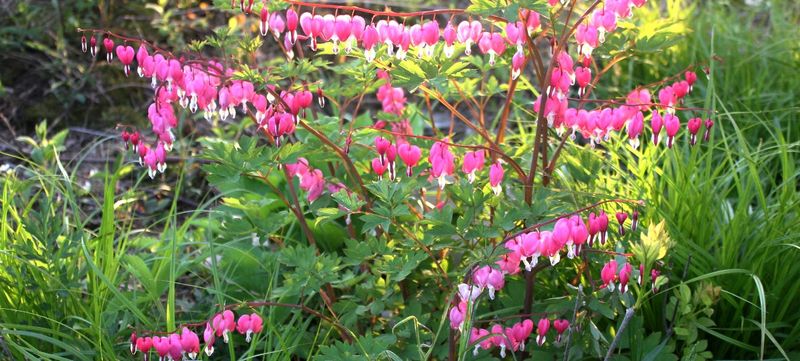
Those dangling, heart-shaped blooms look almost too delicate to be real, and bleeding hearts do carry a bit of a diva reputation. Their roots are brittle, and they do not love being disturbed, so timing your division just right pays off in Wisconsin.
Many bleeding hearts go dormant and die back by August in Wisconsin, which actually makes fall a natural moment to split them once the foliage has withered. If you miss that window, mark the spot and divide in very early spring before new growth pushes up.
Handle the roots gently, keep each division generous with attached growth points, and replant right away so they do not dry out. You will not need to do this often, but dividing every few years lets you spread these romantic bloomers to new corners of your Wisconsin garden while keeping the parent plant healthy.
7. Tips for Successful Division in Wisconsin
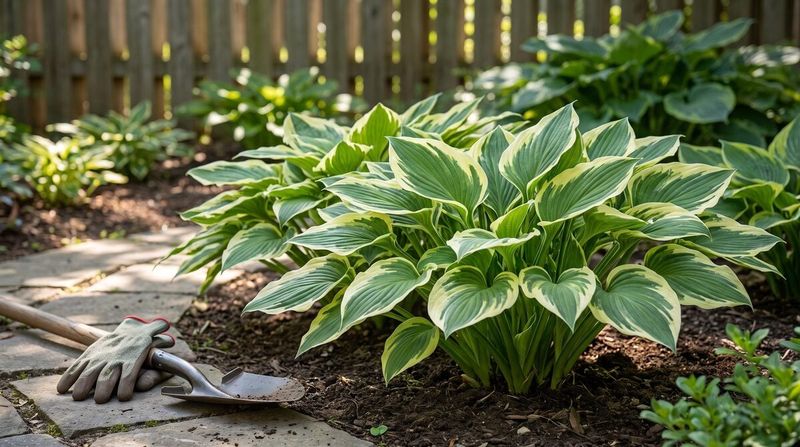
Getting free plants is only half the fun; the other half is making sure your divisions actually survive the Wisconsin winter. A few simple habits go a long way toward turning one plant into two thriving clumps.
Water your perennials the day before you dig so the soil loosens and the roots slide out cleanly, and always use a sharp, clean spade or knife to reduce damage. After replanting in your Wisconsin beds, soak the divisions well and add a layer of mulch to hold moisture and buffer the roots against early cold snaps.
Give everything a few weeks to root before the ground freezes, which is why early September through early October is such a sweet spot in Wisconsin. Stick to that timing, keep the new plants watered through fall, and next spring you will be greeted by twice the blooms with none of the extra cost.