Why September Rain Brings More Fire Ant Mounds To Alabama Yards (And How To Handle It)
Rain hit your lawn hard, and now the ground looks strange. Overnight, soft mounds appeared across your lawn out of nowhere. Alabama storms in September push hidden tunnels toward your lawn’s surface.
Something down there has been working while you slept. Moisture softens the soil beneath your feet fast. Your bare feet will find these mounds before your eyes do. These bumps do not scatter across your yard by accident.
Each dome in your yard hides a tunnel, a chamber, a plan. Ignoring them now costs you comfort later this season. Late summer moisture across Alabama makes your yard act fast. Reading the signs early saves you real trouble down the road.
Waiting only lets the activity spread further beneath your feet. Texture changes fast under your feet, soil turning soft and spongy. Grass edges curl where tunnels run just beneath your feet. You need to know what happens next.
1. Saturated Soil Pushes Colonies Upward
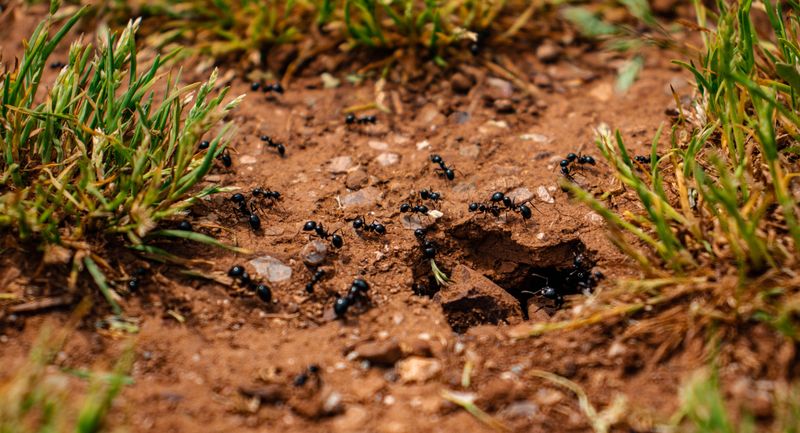
Picture a basement during a heavy storm. When water fills the lower levels, everyone heads upstairs.
Fire ant colonies work the same way. Their tunnels can reach several feet down, and September rain floods those lower chambers fast.
Alabama clay soil holds water instead of draining it quickly, so the flooding lasts longer than it would in sandy ground. Workers respond by hauling soil upward and rebuilding the mound taller and wider.
That is why a yard can look smooth on Friday and lumpy by Monday. The colony did not arrive overnight, it simply relocated to higher floors.
Warm, damp soil also keeps the mound at a comfortable temperature for the brood, which is a big deal when the queen is producing eggs at full speed.
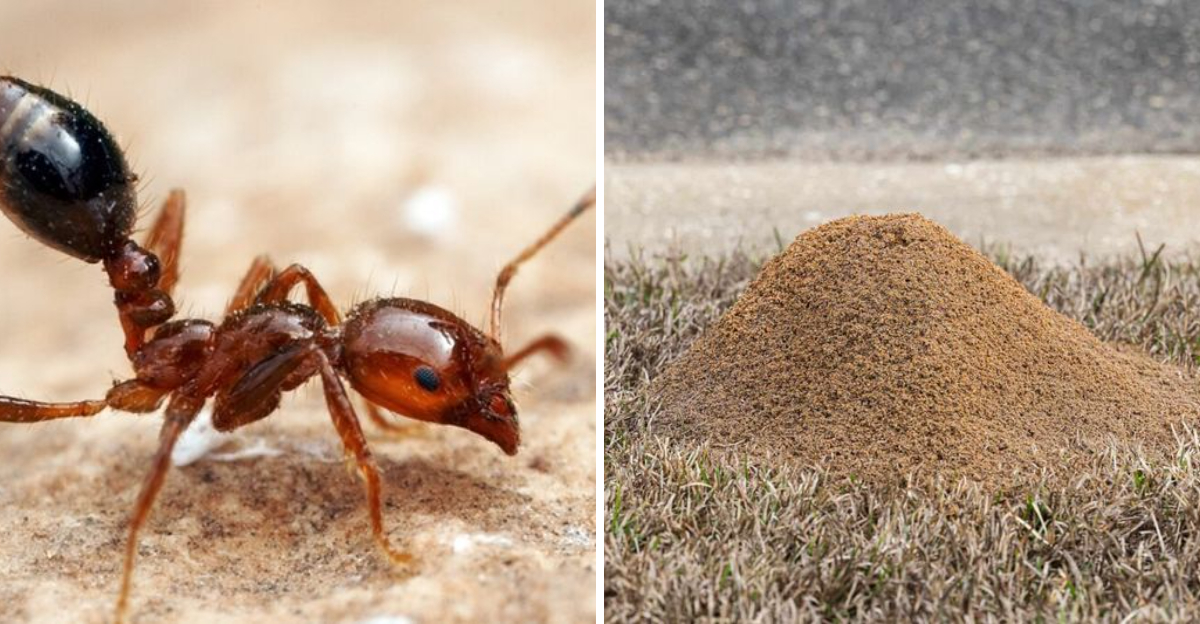
You may notice the fresh mounds have a fluffy, crumbly texture. Loose granules mean the ants moved that dirt within the last day or two, and that is your best window for treatment.
Older mounds pack down and grow a crust, which makes bait and liquid products harder to place effectively.
Walk your property the morning after a storm rather than a week later. You will spot the soft new domes easily against wet turf.
Mark them with landscape flags if you plan to treat later that day. Trying to find a small mound again after the grass dries is surprisingly frustrating, and skipped mounds turn into next month’s problem.
2. Late Summer Is Peak Colony Growth Season
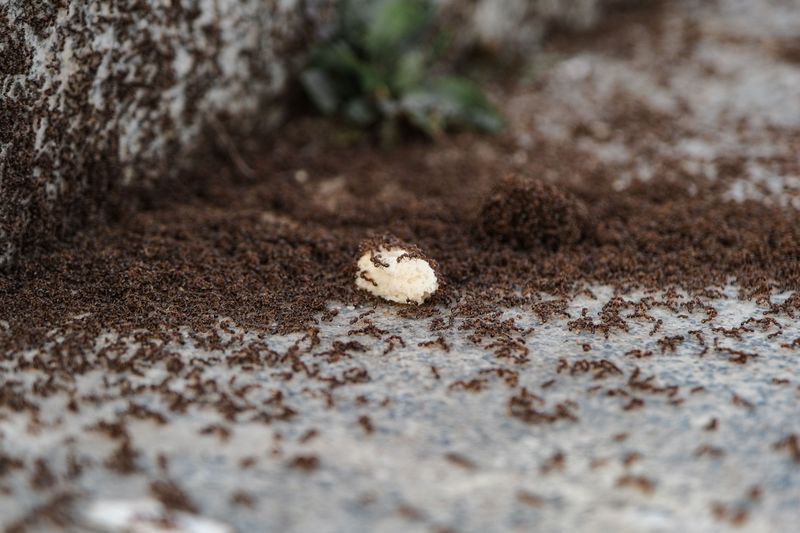
Fire ant colonies do not grow at a steady pace all year. They surge, and September sits right in the sweet spot.
Spring rains get things started, summer heat slows surface activity, and then early fall brings the combination they love most: mild soil temperatures plus moisture.
A mature colony can hold well over 100,000 workers, and the queen may lay several hundred to over a thousand eggs a day when conditions cooperate. That kind of production needs space, which means bigger mounds and more of them.
Alabama yards can appear to see mound counts rise sharply between August and October. Homeowners assume new colonies invaded, but usually the existing ones simply became visible.
Your Alabama Garden Changes Every Week. Your Plan Should Too.
Gardening in Alabama changes quickly throughout the season. Every Friday you’ll receive a simple weekly plan showing exactly what to plant, prune, fertilize, harvest, and protect so you never miss the right timing.
Something else happens this time of year. Colonies that grew too crowded will split, sending groups of workers and a queen a short distance away to start fresh.
Those satellite mounds explain why treating one spot sometimes seems to make three more appear nearby.
Treat the whole yard rather than playing whack-a-mole with individual mounds. Broadcast bait handles the colonies you cannot see yet, including the young ones hiding under mulch or pine straw.
Keep in mind that a single visible mound rarely tells the full story. For every dome you count, there may be one or two smaller colonies still building underground.
Planning around the season instead of reacting to each new bump saves both money and weekend hours.
3. Floating Ant Rafts After Heavy Downpours
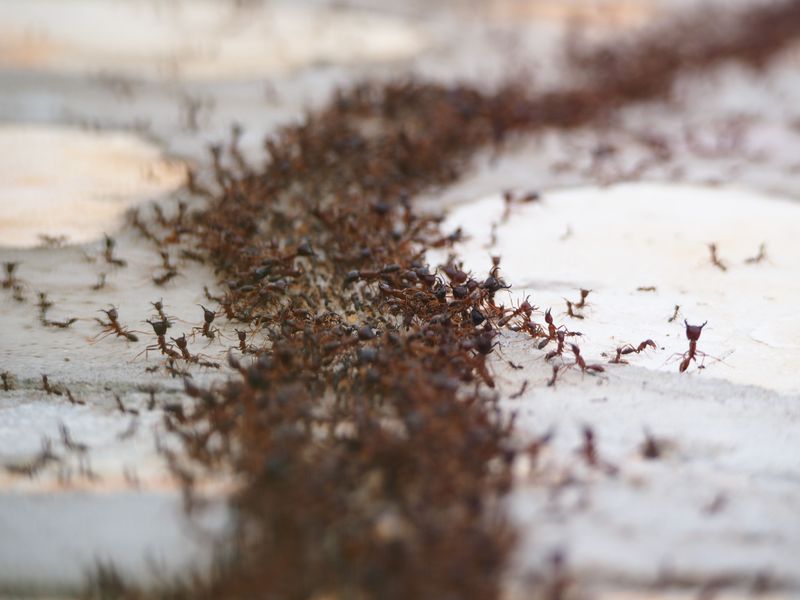
Here is a strange bit of insect engineering. When water rises fast, fire ants link legs and mouthparts to form a living raft that floats on the surface.
The raft can drift for days, carrying the queen and brood safely in the center. Once it touches dry land, the whole group unloads and starts a mound in the new spot.
Alabama neighborhoods near creeks, drainage ditches, and low retention areas tend to see this more often after tropical moisture rolls through. That is exactly how a yard that had no mounds in July suddenly hosts a dozen in September.
Rafts look like clumps of floating mulch or dirt. Poking one is a mistake, since the ants scatter instantly and climb anything they touch, including a boot or a stick.
Should you find one against a curb or in a flooded low spot, keep pets and kids away and let the water recede. Treating floating ants directly rarely works well.
Once the ground dries, check the edges of where the water sat. Fresh mounds tend to line up along that high-water mark like beads on a string.
Homeowners downstream from farmland or pasture may see more mounds after storms. Little can be done about a neighbor’s runoff, but knowing where floodwater collects tells you where to inspect first after the next storm.
4. Learn To Spot A Mound Before You Step In One
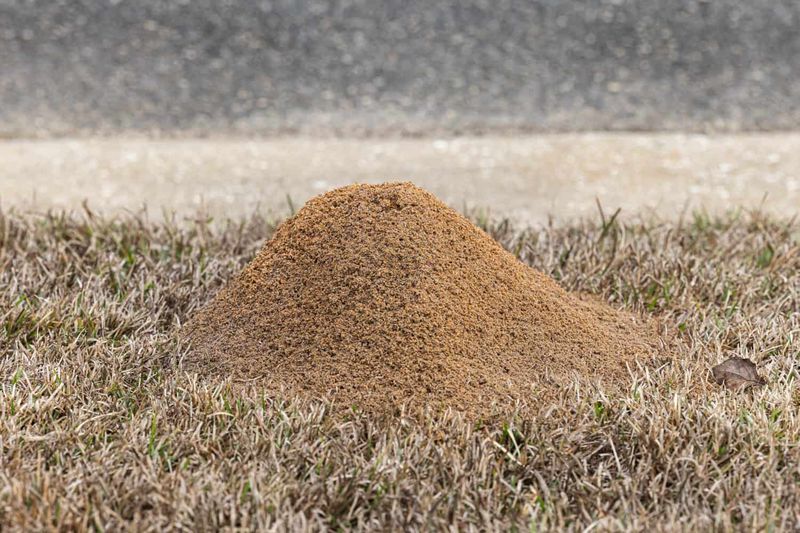
Fire ant mounds have a signature look once you know it. No hole on top, a dome of loose soil, and a texture like coffee grounds after rain.
Size varies from a coffee cup to a basketball. Height matters more than width, because taller mounds usually mean older, larger colonies underneath.
Other ants leave a visible crater or a neat entry hole in the center. Fire ants enter through side tunnels that branch out several feet, which is why disturbing a mound brings workers emerging quickly from multiple directions at once.
Test a suspicious dome with a long stick from a safe distance. If dozens of reddish-brown ants swarm the surface within seconds and appear ready for a fight, you have your answer.
Common hiding spots include the base of fence posts, under downspout splash blocks, beside sidewalk edges, and inside flower beds where mulch keeps soil damp.
Sunny open turf is their favorite, though shaded areas get colonized too when the yard stays wet. Teach kids the shape early. A quick lesson in the backyard beats a painful lesson at recess.
Also check the mailbox post, the swing set legs, and around AC units. Warm equipment plus moist soil creates a spot colonies find hard to resist, and nobody wants a surprise while pulling weeds barefoot.
5. The Two-Step Method Extension Experts Recommend

Extension agents across the Southeast have pushed one approach for decades because it holds up: bait first, then treat individual mounds.
Step one involves broadcasting a granular bait across the entire lawn using a handheld spreader. Foraging workers carry the bait back and share it with the colony, including the queen tucked deep below.
Rates run low, often just one to one and a half pounds per acre, so resist the urge to dump extra. More bait does not speed things up, it just wastes product.
Step two comes about a week later. Any mound still active gets a direct treatment, either a drench, a granule watered in, or a dust applied to the surface.
Timing makes or breaks the whole plan. Apply bait when the soil surface is dry and temperatures sit between roughly 70 and 90 degrees, usually late afternoon in September.
Test readiness by dropping a few potato chip crumbs on the lawn. If ants find them within twenty minutes, they are foraging and the bait will get picked up.
Skip application if rain is expected within several hours, since wet bait loses its appeal quickly.
Results take patience. Baits often need two to four weeks to knock a colony down, which feels slow but reaches colonies you never spotted. Repeat the whole cycle in spring and again in early fall for the steadiest control.
6. Mound Drenches And Why Technique Beats Volume
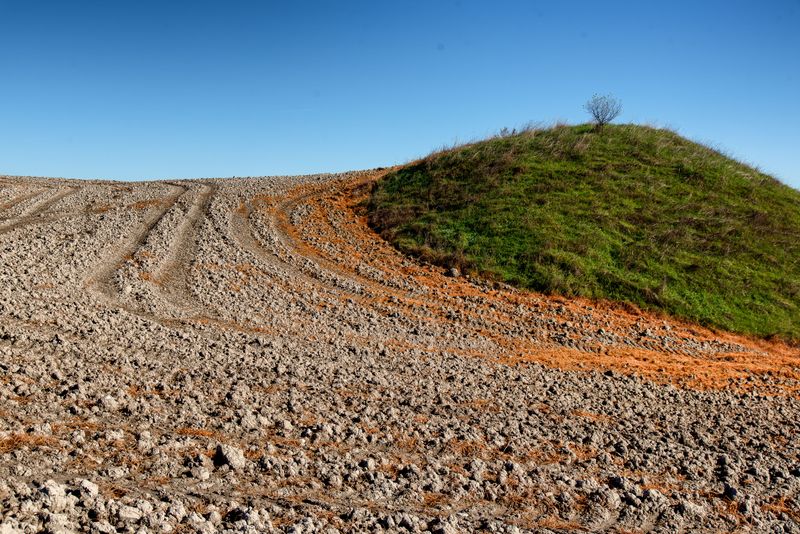
Plenty of folks grab a jug, splash some liquid on a mound, and wonder why the colony pops up three feet away a week later.
Drenches work, but only when enough liquid reaches the bottom chambers. A large mound may need one to two gallons of mixed solution to soak all the way through.
Pour slowly in a ring around the outside edge first, then finish over the center. Starting in the middle drives ants outward through side tunnels before the liquid reaches them.
Cool mornings give the best results because more of the colony sits near the top of the mound. Midday heat pushes them deeper where the liquid may not reach.
Avoid stomping, raking, or poking the mound beforehand. Disturbance triggers an evacuation, and a disturbed colony can relocate the queen several feet in under an hour.
Granular products work too. Sprinkle the labeled amount over and around the mound, then water it in gently with a couple of gallons from a watering can.
Read the label for the waiting period before pets or children return to the area. Following that waiting period helps keep pets and children safe.
Skip the folk remedies. Boiling water scalds your grass and rarely penetrates far enough, gasoline damages soil badly, and shoveling one mound onto another mostly creates an ineffective, messier outcome in two spots instead of one
7. Drainage Fixes That Make Your Yard Less Inviting
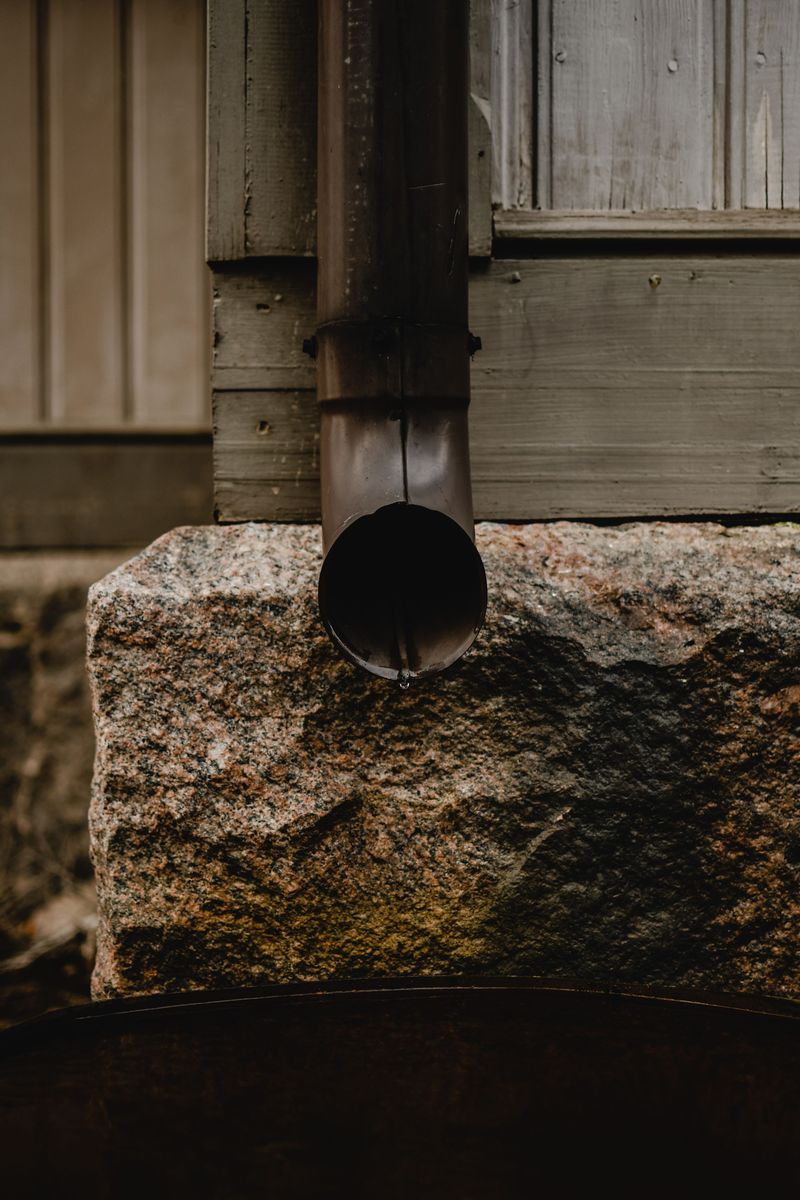
Ants pick real estate the same way people do. They want warmth, food access, and ground that is damp but not swampy.
Soggy low spots that hold water for days after a storm become prime territory once they finally drain. Fixing those areas cuts down on repeat visits more than any spray ever will.
Start by watching where water pools during the next rain. Take a photo, because those puddles disappear and your memory will not be reliable a week later.
Extend downspouts at least several feet from the foundation. Water dumping right beside the house creates a permanently moist strip that colonies find very appealing.
Fill shallow depressions with a sand and topsoil blend, then reseed or patch with sod. Even a one-inch grade change moves standing water along.
Aerating compacted clay in early fall helps rain soak in rather than sit on the surface. Alabama lawns compact easily, especially in play areas and along walking paths.
Trim back thick mulch layers to two or three inches. Deep mulch stays wet underneath and gives colonies a cozy roof.
Keep pet food bowls indoors and rinse outdoor trash cans. Protein and grease scraps are exactly what foraging workers hunt for in early fall.
None of this replaces treatment, but a drier, tidier yard means the bait you apply has fewer colonies to chase.
8. Handling Stings And Protecting The Family
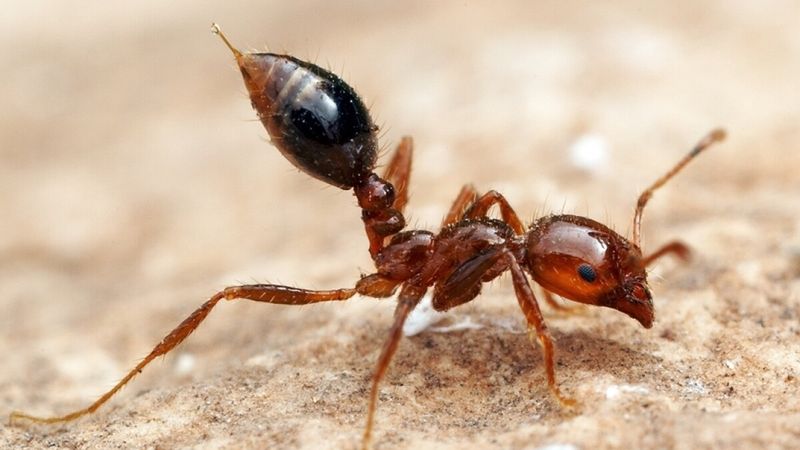
Fire ants do not simply bite. They grip skin with their jaws, then pivot and sting repeatedly in a circle, which is why the marks often form a ring.
Within a day, small white pustules show up. Leaving them alone matters, since scratching one open invites infection.
Cold compresses help with the burn. An over-the-counter antihistamine and a bit of hydrocortisone cream ease the itch for most people.
Watch for warning signs that go beyond normal irritation: swelling of the face or throat, trouble breathing, dizziness, or hives spreading across the body. Those situations call for emergency help right away.
A small percentage of people react severely, so anyone with a known sensitivity should keep prescribed medication nearby during yard work.
Prevention beats treatment every time. Wear closed shoes and tuck pant legs into socks when mowing after a rainy stretch.
Give kids and pets a heads-up before they run into a freshly treated area, and keep a bucket over any active mound near a play zone until you can deal with it.
Dogs get curious and often take stings on the nose and paws. Rinse the area with water and call your vet if swelling spreads or your dog seems unwell.
A quick walk-through before mowing takes two minutes. Those two minutes have saved plenty of Alabama homeowners a painful afternoon.