Connecticut Gardeners Have Started Keeping Something Alive In Their Backyards
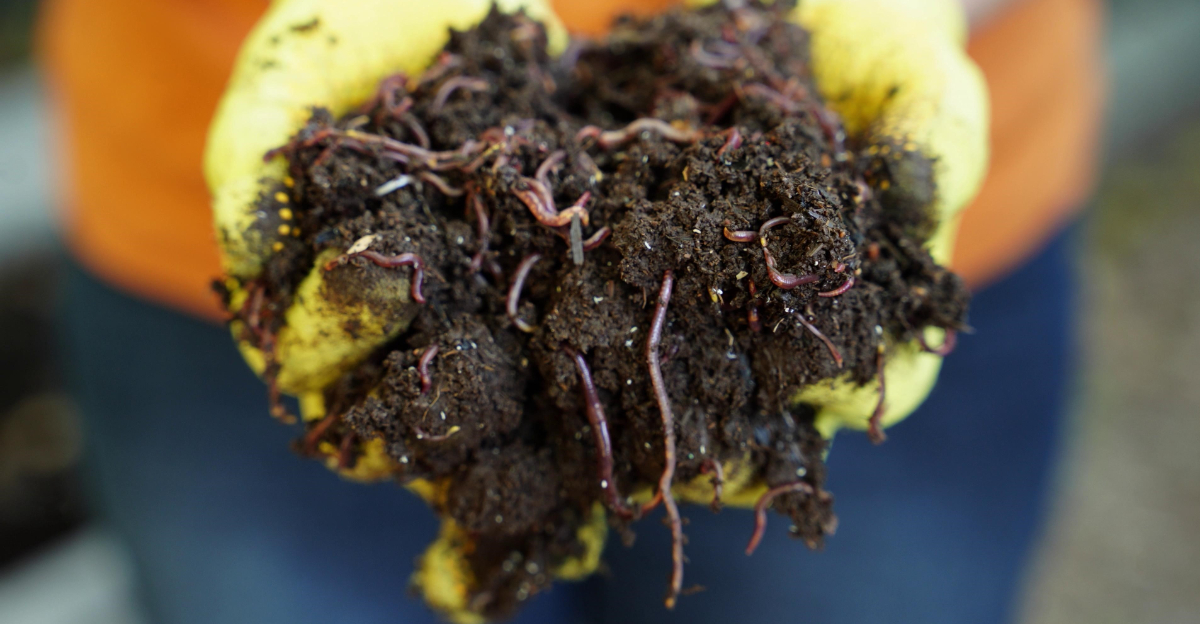
A small container has started showing up near garden beds and back porches across the state. Neighbors ask what is inside, and the answer rarely comes right away.
Some guess it holds seedlings or spare tools. Others assume it is tied to composting and leave it at that.
The truth is a little more alive than either guess, and it explains why so many gardeners keep one going year-round. Once you see what is happening inside, the appeal makes a lot more sense.
A handful of backyard residents are doing more for the soil than any bag of fertilizer could. Here is what these gardeners are actually keeping alive, and why it matters for what grows next.
The Basic Nature Of Worm Castings
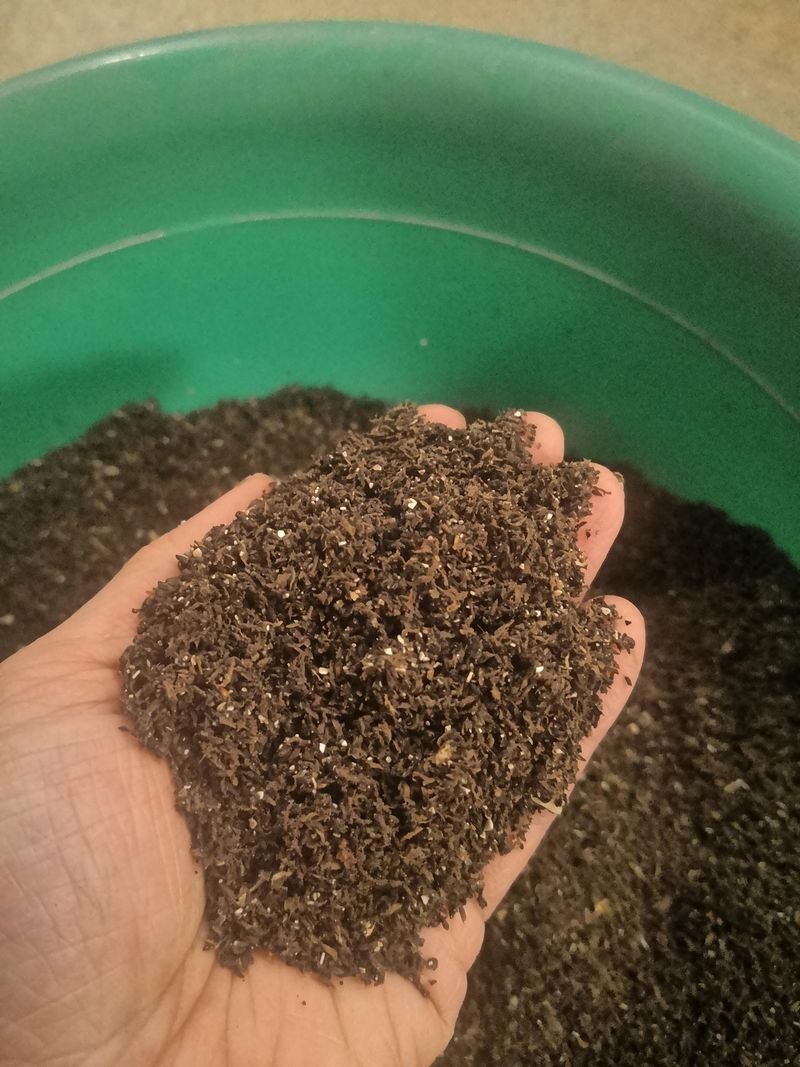
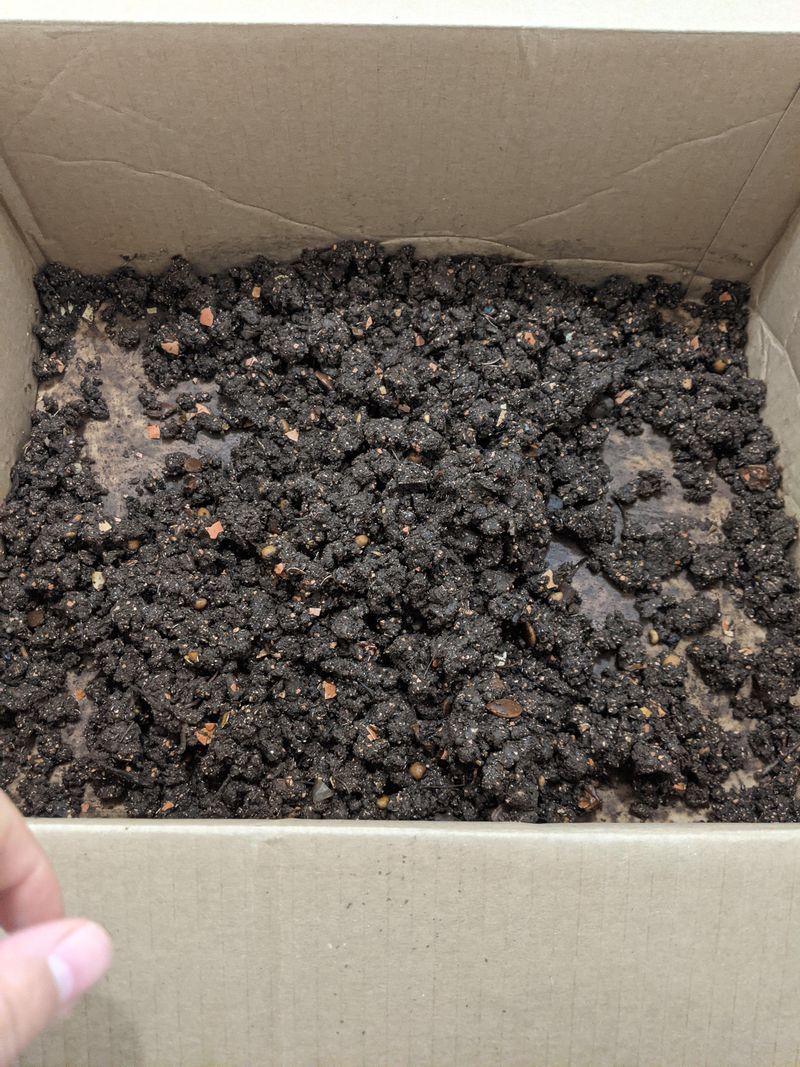
Worm castings are simply what remains after a worm digests its way through soil and organic matter. The material comes out dark, rounded, and clumped into small pellets.
Rub a handful between your fingers and it feels gritty, loose, and slightly crumbly. That texture is exactly why so many gardeners mistake it for spilled espresso grounds.
Unlike raw soil, castings hold their shape briefly before falling apart under light pressure. The rounded form comes from passing through a worm’s digestive tract rather than any external process.
Piles typically appear on bare patches of lawn or garden beds where worms are active near the surface. Size varies from a few pellets to noticeable mounds depending on population density.
Color tends toward a deep brown or near-black shade, richer than the surrounding topsoil. This darker tone comes from concentrated organic material that has already broken down.
The pellets themselves are odorless and dry to the touch once exposed to air. Fresh piles may feel slightly damp if uncovered shortly after formation.
Recognizing this texture helps separate castings from other soil oddities like sawdust or peat breakdown. Each has a distinct feel once you know what to look for.
Once identified, castings tell a useful story about what is happening underground. They mark spots where biological activity is already working in your favor.
Seasonal Timing Behind Connecticut Casting Piles
Connecticut’s cool, damp spring and fall conditions create ideal circumstances for surface worm activity. Worms move closer to the top layer when moisture and temperature both sit in a comfortable range.
That shift in behavior is exactly when casting piles become noticeable across lawns and garden beds. Summer heat and winter cold push worms deeper, reducing visible surface activity.
Homeowners often report spotting these piles most heavily after a rain event followed by mild temperatures. Moist soil makes it easier for worms to move and feed near the surface.
Shaded areas under trees or along fence lines tend to show piles earlier in the season than sunny open lawn. Cooler, retained moisture in those spots keeps worms active longer.
Garden beds with regular mulch cover often show casting activity throughout both seasons rather than in a short burst. Mulch buffers temperature swings and keeps the top few inches workable.
Your Connecticut Garden Changes Every Week. Your Plan Should Too.
Gardening in Connecticut changes quickly throughout the season. Every Friday you’ll receive a simple weekly plan showing exactly what to plant, prune, fertilize, harvest, and protect so you never miss the right timing.
Newly seeded lawns sometimes show fewer piles simply because soil structure has not yet developed enough organic layering. Established turf with years of buildup tends to host larger populations.
Watching for these seasonal patterns can help with timing other lawn tasks like aeration or overseeding. Working with worm activity rather than against it tends to produce better results.
Paying attention to when piles show up gives a rough read on soil health without any testing involved.
Nutrient Content Inside Every Casting Pile
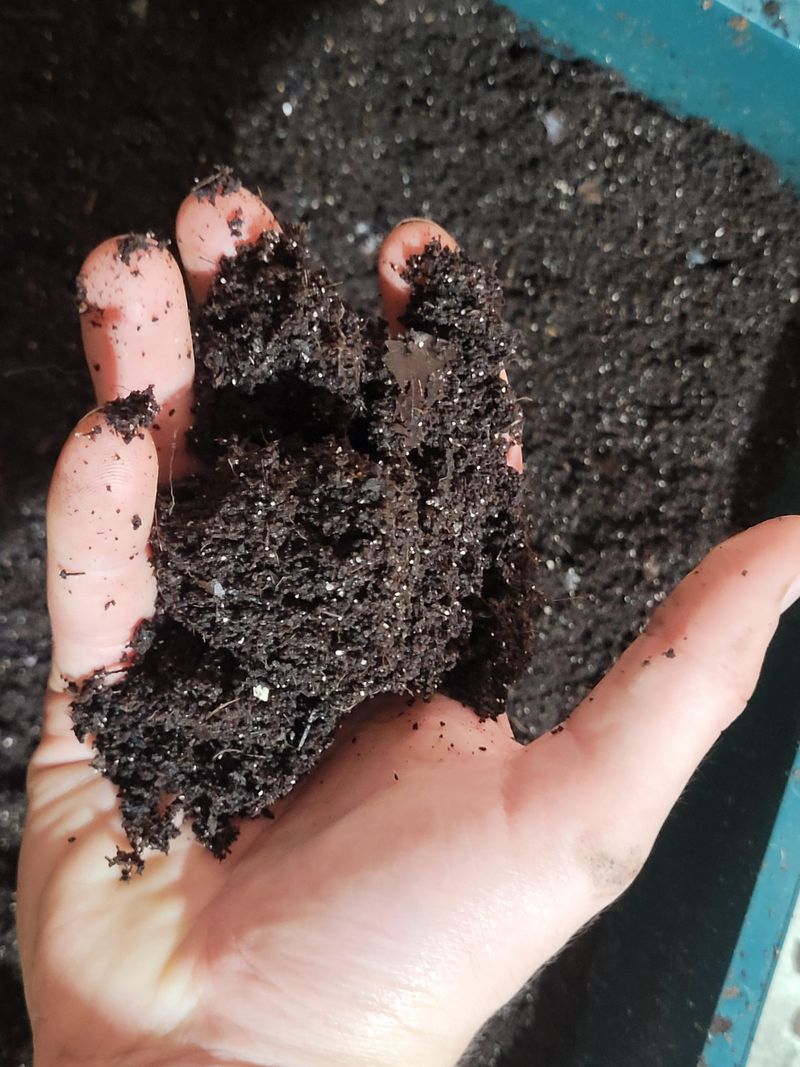
Worm castings carry a nutrient profile that outperforms plain garden soil by a wide margin. They contain plant-available nitrogen, phosphorus, and potassium in forms roots can use right away.
Beyond the basic nutrients, castings also introduce beneficial microbes into the surrounding soil. These microorganisms help roots absorb nutrients more efficiently than they could on their own.
Unlike synthetic fertilizer, castings release their nutrients gradually rather than all at once. That slow release lowers the risk of burning tender roots or seedlings.
Gardeners who use bagged casting products often pay a premium for something worm populations produce naturally at no cost. A thriving lawn or bed essentially fertilizes itself over time.
The organic matter in castings also improves soil structure alongside its nutrient value. Better structure means improved drainage and water retention working together rather than against each other.
Vegetable beds tend to show the clearest benefit from casting activity compared to ornamental plantings. Heavy feeders like tomatoes and squash respond well to the steady nutrient supply.
Testing soil near a casting-heavy area often reveals higher organic matter content than soil just a few feet away. That difference builds gradually across multiple seasons of activity.
Established perennial beds tend to hold onto that extra organic matter longer than annual plantings that get reworked each year. Less soil disturbance gives the benefit more time to accumulate.
For anyone hoping to reduce store-bought fertilizer use, encouraging worm activity offers a practical, low-effort starting point.
European Origins Of Connecticut’s Worm Population
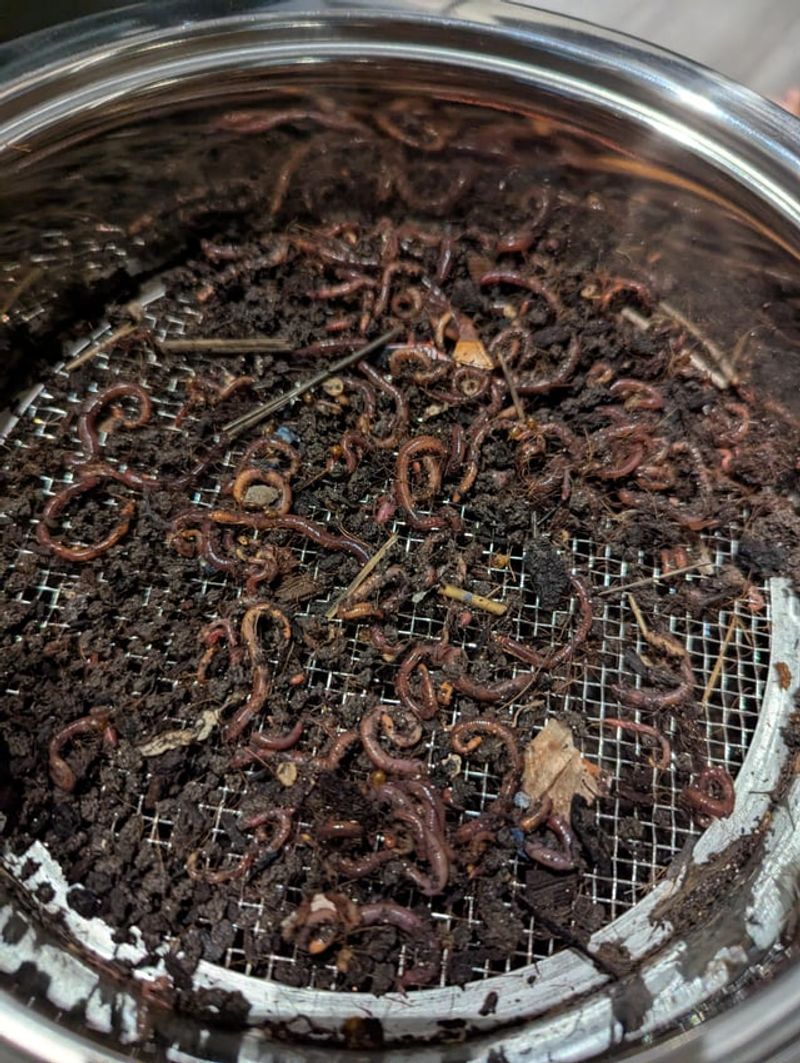
Most earthworms found across Connecticut today are not native to the region. European species arrived centuries ago through colonial ship ballast and imported potted plants.
Native earthworm species in New England were largely wiped out during past glacial periods and never fully returned on their own. The gap left room for these newcomers to establish themselves.
In garden and lawn settings, the European species now do the bulk of the beneficial work gardeners rely on. Their casting production and tunneling both support healthier soil structure.
The story shifts somewhat in older forest ecosystems, where heavy worm activity can create complications. Native wildflowers in those settings depend on a leaf litter layer that worms tend to consume quickly.
For a typical backyard vegetable bed or lawn, this ecological nuance matters far less than the practical benefit worms provide. Cultivated soil rarely resembles untouched forest floor conditions.
Understanding this background helps explain why casting activity feels so widespread across the state. Centuries of established population growth means very few yards are without some worm presence.
It also explains why casting piles show up with such consistency from one property to the next. The species responsible are broadly distributed rather than isolated to certain regions.
For garden purposes, the origin story matters less than the ongoing soil benefit these worms continue to provide.
Lawn Care Tips For Casting Piles
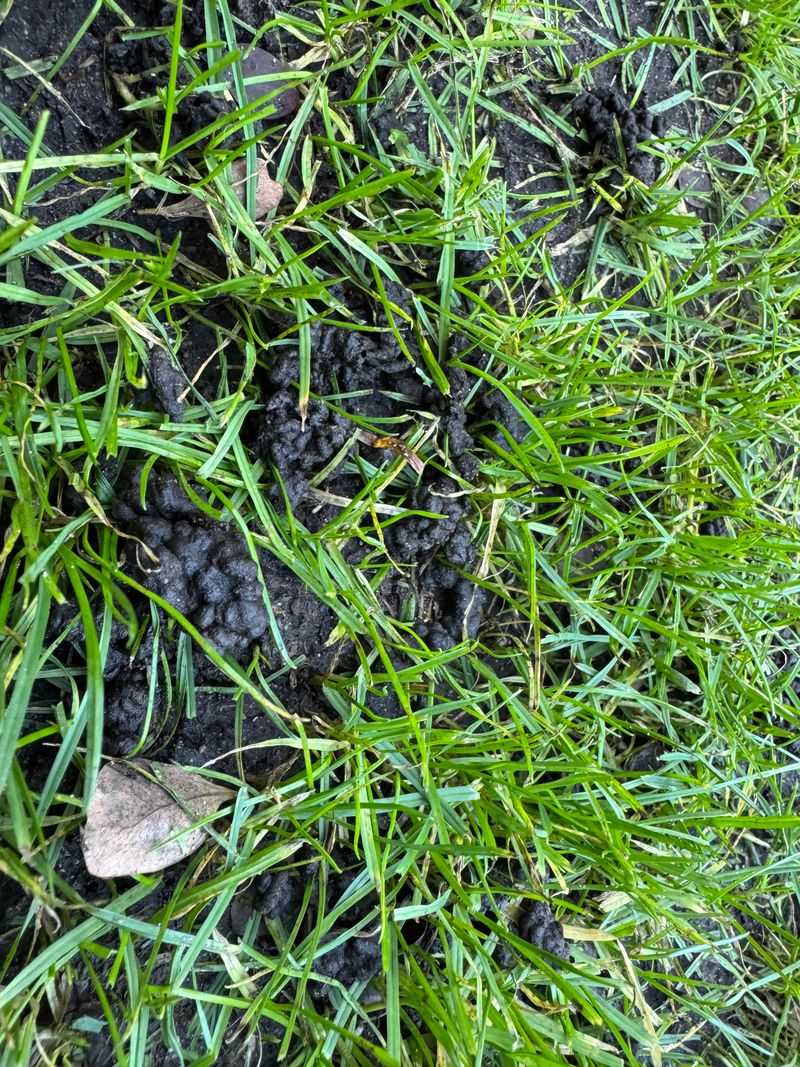
A manicured lawn and scattered casting piles do not always sit well together visually. Some homeowners find the bumpy texture distracting on an otherwise smooth stretch of grass.
A light raking on a dry morning is usually enough to scatter piles evenly across the turf. This spreads the nutrient value as a natural top-dressing rather than removing it.
Raking works best once the piles have dried slightly, since damp castings tend to smear rather than break apart. Waiting a few hours after a wet morning improves results.
Mowing over dried piles can also help break them down without extra effort. The mower blade disperses material during a routine pass rather than requiring a separate task.
Avoid raking too aggressively or too often, since this can disturb the shallow tunnels worms rely on for movement. Occasional, gentle raking preserves the underlying benefit.
Heavily compacted lawns tend to show fewer casting piles simply because worms struggle to move through dense soil. Aerating occasionally can restore enough looseness for activity to resume.
Homeowners chasing a golf-course look sometimes overcorrect by using harsh treatments that reduce worm populations entirely. That approach usually costs more in soil health than it gains in appearance.
A balanced approach treats casting piles as a minor cosmetic issue rather than a problem requiring removal.
Simple Ways To Encourage More Worm Activity
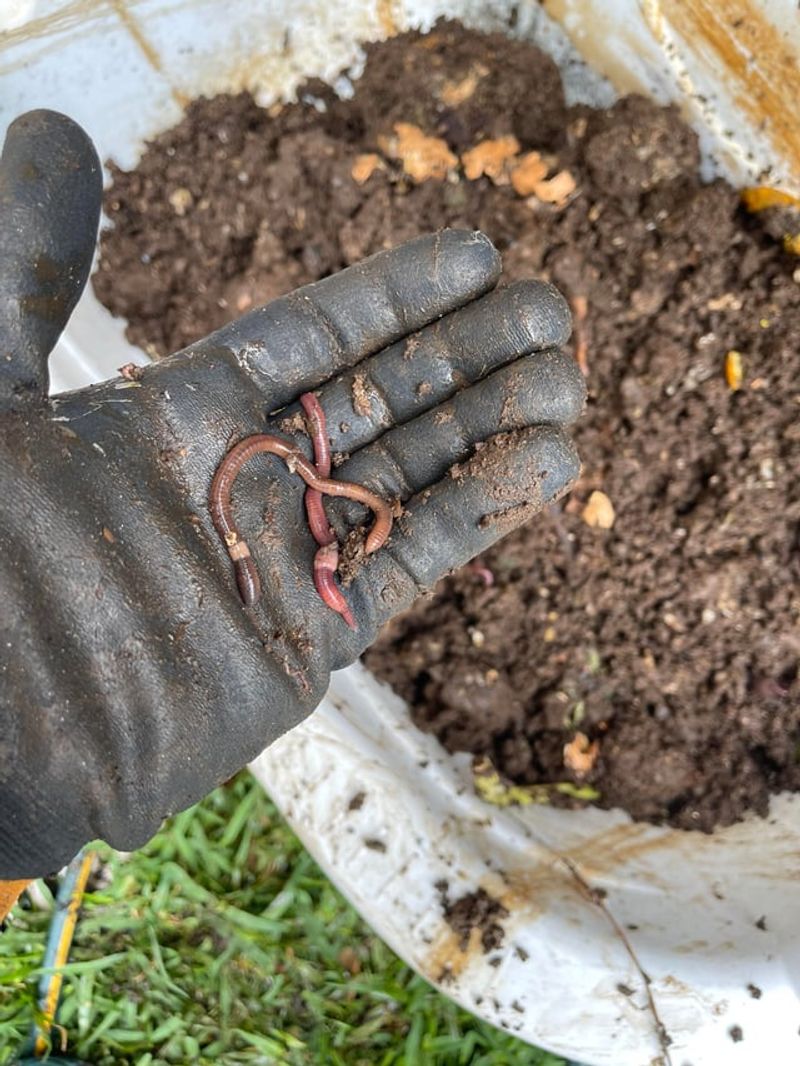
Building a larger worm population starts with reducing how often the soil gets disturbed. Skipping the rototiller preserves the tunnels and structure worms depend on to move freely.
Keeping soil covered with organic mulch year-round gives worms a steady food source close to the surface. Bare soil dries out quickly and offers far less to sustain them.
Synthetic fertilizers can make conditions less hospitable for worm populations over time. Reducing reliance on these products allows natural soil biology to take a larger role.
Adding compost regularly introduces fresh organic material that worms actively seek out. A thin layer applied each season keeps their food supply consistent throughout the year.
Watering consistently rather than in occasional heavy bursts helps maintain the moisture worms need to stay active near the surface. Dry stretches push them deeper and reduce visible activity.
Avoiding harsh pesticide use on lawns and beds protects worm populations along with other beneficial soil organisms. Many broad-spectrum products affect far more than their intended target.
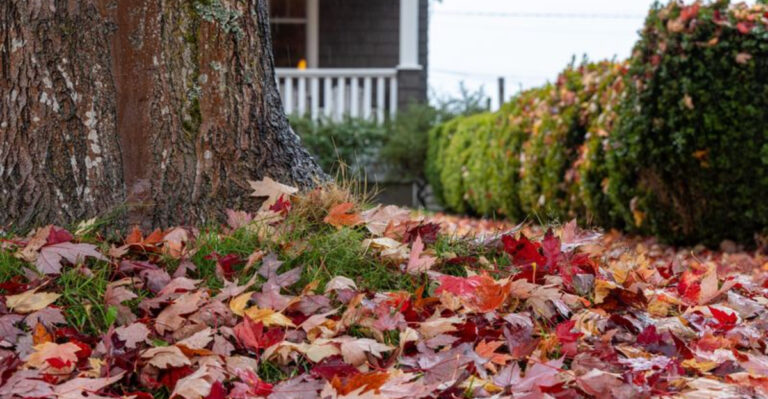
Leaving fallen leaves in place, or shredding them lightly before mulching, provides an easy food source through fall and winter. This small habit change can noticeably increase spring activity.
Raised beds and garden borders benefit from a loose layer of straw or shredded bark rather than bare edges. That extra cover gives worms a corridor to travel between beds without drying out.
Over a few seasons, these simple adjustments tend to produce a visibly more active and productive population.