8 Things Florida Bermudagrass Needs In September To Stay Dense Going Into Fall
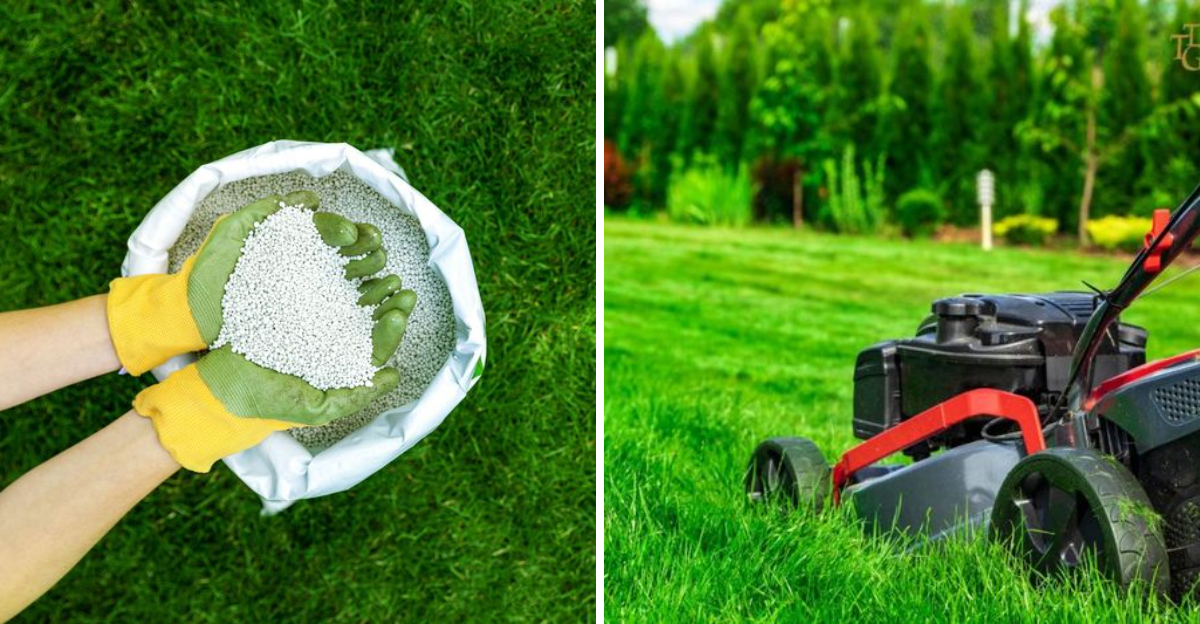
September has a way of exposing everything a Florida bermudagrass lawn quietly went through all summer.
The grass may still be growing through warm afternoons, but months of heat, heavy rain, foot traffic, and shifting weather have a habit of leaving marks that become more obvious as the season starts to wind down.
The good news is that September is actually a genuinely useful window for making small adjustments that can have a noticeable impact before cooler temperatures slow things down later in the year.
Mowing habits, irrigation timing, soil conditions, nutrition, and a quick pest check are all worth looking at right now.
A little focused attention this month can help bermudagrass recover from summer stress and head into fall with better density and a stronger foundation overall. Timing really does matter here.
1. Mow At The Right Height

September is when sloppy mowing starts to show.
Bermudagrass is still often actively growing during early fall, especially in Central and South Florida, so mowing habits during this transition period can influence how dense and healthy the turf looks going into cooler weather.
Keep bermudagrass at an appropriate height for the specific cultivar and lawn style, which may range from about 0.5 to 1.5 inches for many residential bermudagrass lawns.
Avoid removing more than one-third of the leaf blade during a single mowing because removing too much leaf tissue can stress the grass and reduce its ability to recover.
Sharp mower blades also make a difference. A dull blade tears grass leaves instead of making a clean cut, which can leave the lawn looking faded or uneven after mowing.
Keeping blades maintained helps the turf recover more efficiently and can improve overall appearance.
A steady mowing routine supports density because bermudagrass spreads through above-ground stolons and below-ground rhizomes. Regular mowing encourages a tighter growth habit when combined with proper irrigation, sunlight, and nutrition.
However, mowing lower is not automatically better. Extremely short mowing can reduce leaf area, increase stress, and make the lawn more vulnerable during periods of heat, drought, insects, or disease pressure.
If September growth begins slowing because of cooler nights or reduced rainfall, adjust mowing frequency rather than forcing the same schedule used during peak summer growth.
The goal is to maintain healthy leaf tissue while keeping the lawn dense and uniform as Florida transitions toward fall.
2. Water Deep, Not Daily
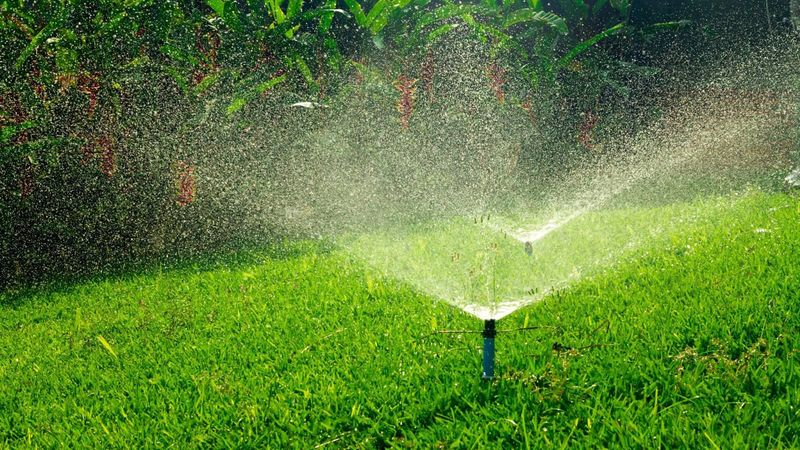
Hot summer conditions may begin easing in September, but Florida bermudagrass can still require careful irrigation management while temperatures remain warm.
The goal is not to water on a fixed daily schedule, but to provide enough moisture to support healthy roots while allowing the soil surface to dry between irrigation events.
UF/IFAS recommends watering based on turf needs, rainfall, and local conditions rather than applying unnecessary irrigation.
Deep and less frequent watering encourages roots to explore the soil profile instead of relying only on frequent surface moisture.
For many bermudagrass lawns, applying around 0.5 to 0.75 inches of water per irrigation event is a common recommendation when irrigation is needed, although sandy soils, weather patterns, and irrigation system performance can change the exact requirement.
Your Florida Garden Changes Every Week. Your Plan Should Too.
Gardening in Florida changes quickly throughout the season. Every Friday you’ll receive a simple weekly plan showing exactly what to plant, prune, fertilize, harvest, and protect so you never miss the right timing.
Overwatering can create its own problems. Excess irrigation may contribute to nutrient leaching, poor root conditions, and increased disease pressure by keeping the turf environment wetter than necessary.
It does not make grass “lazy,” but it can encourage shallow rooting patterns when watering habits do not match the lawn’s needs.
Early morning remains one of the best times to irrigate because it allows water to soak into the soil while giving leaf surfaces time to dry during the day.
September afternoons can still bring frequent rain and humidity in many parts of Florida, so check recent rainfall before turning on sprinklers.
A simple rain gauge or tuna-can test can help homeowners understand how much water their system applies. This small step can prevent both underwatering and unnecessary irrigation while helping bermudagrass maintain a stronger root system heading into fall.
3. Feed Lightly For Late-Season Growth
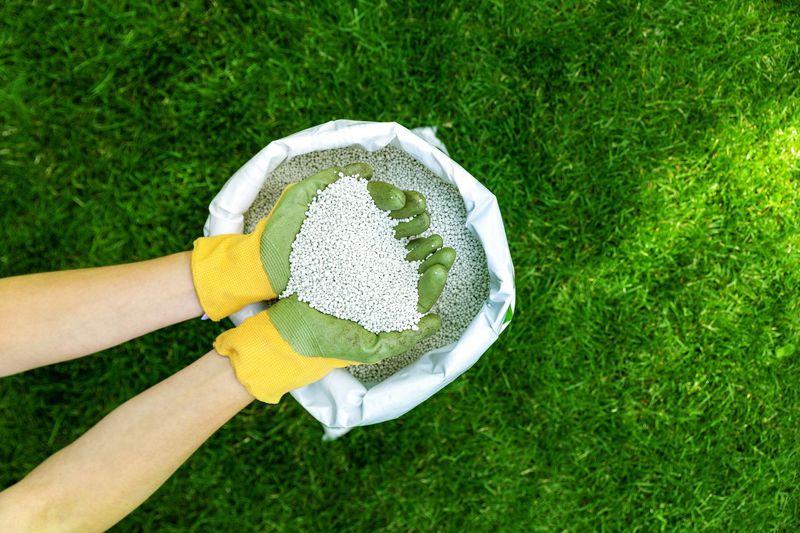
Think of September feeding as a decision based on your lawn’s condition, location, and current growth rather than an automatic fall routine.
Bermudagrass is a warm-season turf that can remain actively growing into early fall in much of Florida, especially in Central and South region.
When fertilization is needed, applying nutrients at the right time and rate can help maintain color and support healthy growth.
UF/IFAS recommends fertilizing according to grass type, location, growth stage, and local fertilizer regulations rather than following a one-size-fits-all schedule.
A soil test can be useful when deciding what your lawn actually needs. Florida soils often contain adequate amounts of some nutrients, and adding fertilizer without knowing what is missing can waste money or contribute to unnecessary runoff.
Nitrogen is especially important for bermudagrass because it strongly influences growth and color, but too much nitrogen can create excessive growth that requires more mowing and may increase vulnerability to certain problems.
September timing also depends on where you live. In North and Central Florida, bermudagrass growth usually begins slowing as temperatures decline, while South Florida lawns may continue active growth for much longer.
Some areas may have restrictions on fertilizer use during parts of the year, so checking local rules before applying anything is important.
The goal is not to force the lawn into one last burst of growth before fall. A balanced approach helps bermudagrass maintain steady health while preparing for changing seasonal conditions.
4. Give Roots The Potassium They Need
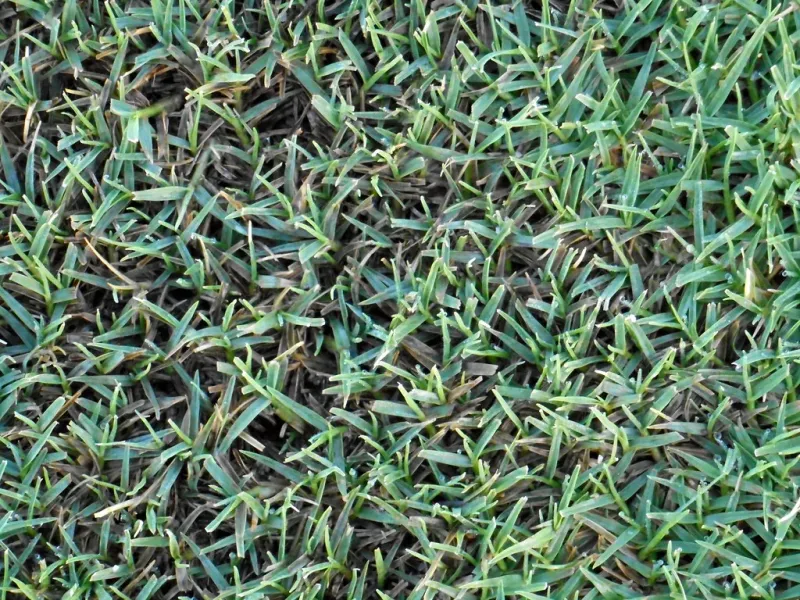
Potassium often gets attention in lawn care discussions because it plays an important role in overall plant function, but adding extra potassium is not automatically necessary for every bermudagrass lawn.
The best approach is to apply potassium when soil testing or fertilizer recommendations indicate that the lawn would benefit from it.
Adding nutrients that are already sufficient may not improve turf quality and can create unnecessary expenses.
For lawns heading toward cooler weather, maintaining good overall nutrition can support the plant’s ability to handle environmental stress.
UF/IFAS notes that some late-season fertilizer programs may include products with potassium, particularly because potassium is associated with stress tolerance.
However, this does not mean every lawn needs a potassium application in September. The right amount depends on soil conditions, grass type, location, and the rest of the fertility program.
Florida’s sandy soils can influence how nutrients move through the landscape because they generally have lower nutrient-holding capacity than heavier soils. This makes responsible fertilization especially important.
Instead of reaching for a potassium product automatically, homeowners can get better results by understanding what their lawn is actually lacking.
Healthy roots come from several factors working together, including proper mowing, appropriate irrigation, good soil conditions, and balanced nutrition.
Potassium can be part of that picture when needed, but it works best as one piece of a complete bermudagrass care plan rather than a seasonal shortcut.
5. Stop Weeds Before They Spread

Nothing steals fall thickness faster than weeds filling thin spots. September can be a useful time to check bermudagrass areas that became weak during summer because gaps in the turf often give weeds an opportunity to establish.
A dense, healthy bermudagrass lawn naturally competes better with many weeds, while thin areas caused by stress, poor sunlight, improper mowing, or irrigation issues may leave more room for unwanted plants to appear.
The first step is identifying what type of weed you are dealing with. Florida lawns can have warm-season weeds that remain active during early fall, as well as cool-season weeds that begin emerging as temperatures change.
The right control method depends on the weed species, the condition of the turf, and local timing recommendations.
Pulling small weeds by hand can work well in limited areas, while larger problems may require targeted treatments labeled for use on bermudagrass.
Avoid spraying stressed grass during periods of heat or drought, since some herbicides can increase turf stress when conditions are unfavorable.
Weed prevention also comes back to basic lawn care. Proper mowing, appropriate irrigation, and balanced fertilization help bermudagrass maintain a thick canopy that leaves fewer open spaces for weeds to occupy.
September is a good reminder to look beyond the weeds themselves and improve the growing conditions that allowed them to appear in the first place.
6. Loosen Compacted Soil
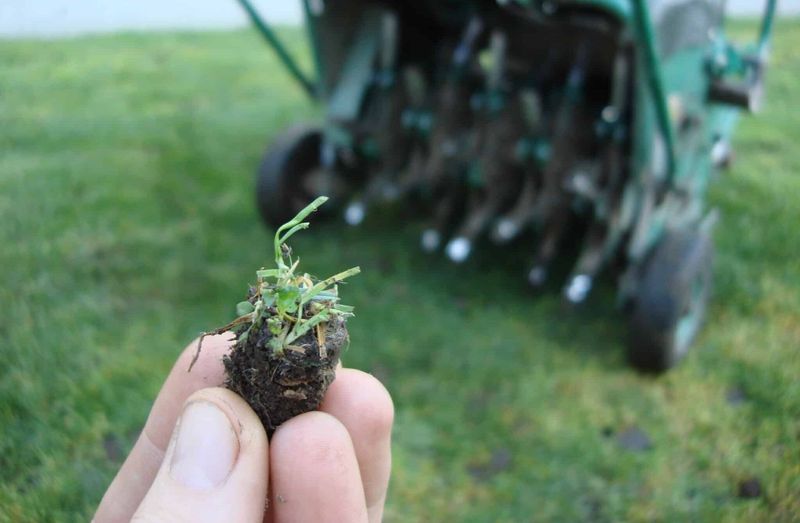
Hard, compacted soil can quietly limit how well bermudagrass grows, especially in areas that receive frequent foot traffic. When soil particles become tightly packed together, air spaces decrease and water movement through the root zone can become more difficult.
Over time, this can contribute to weaker roots and thinner turf.
Core aeration can help relieve compaction by removing small plugs of soil from the lawn. These openings allow improved movement of air, water, and nutrients into the root zone.
This practice can be especially helpful in areas near sidewalks, play spaces, driveways, or places where people regularly walk across the grass.
Timing matters, though. Bermudagrass responds best to practices that support active growth, so aeration is generally more useful when the grass can recover quickly.
September may still be suitable in warmer parts of Florida where bermudagrass remains actively growing, but cooler regions may see slower recovery as temperatures decline.
After aeration, continue normal lawn care rather than making dramatic changes. Proper irrigation helps the grass use the improved soil conditions, while appropriate mowing encourages new growth to fill in around the aeration holes.
Compaction is not always obvious from the surface. A lawn may look acceptable while roots struggle below ground.
Checking areas that feel unusually hard or where grass repeatedly grows poorly can help identify places where soil improvement may be needed.
7. Clear Debris And Thin Heavy Thatch
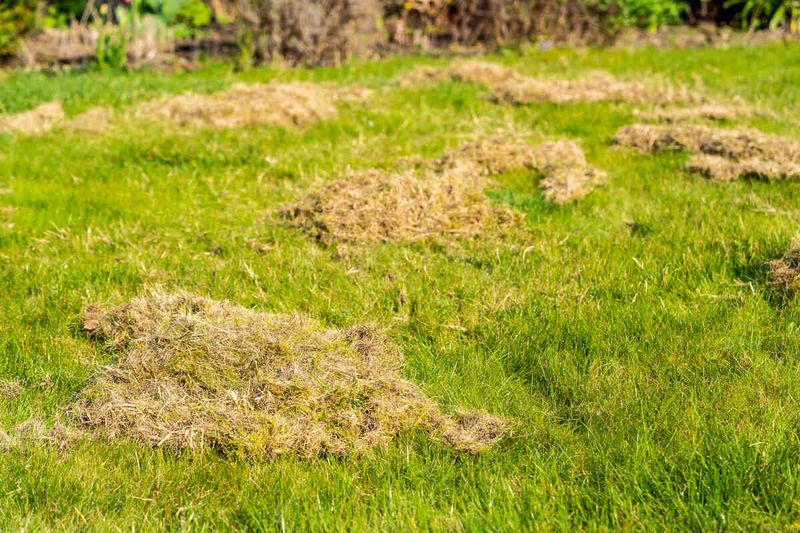
September storms can leave behind a messy layer of leaves, branches, and other organic material across Florida lawns.
Removing heavy debris allows more sunlight and air movement to reach bermudagrass while preventing areas of the lawn from staying damp for long periods.
A small amount of thatch is normal and can benefit turf, but excessive thatch can create problems by reducing water movement, encouraging pests, and making disease issues more likely.
Bermudagrass is naturally a vigorous, spreading turf, which means it can produce organic material quickly. Over time, damaged stems, roots, and other plant parts can accumulate between the soil surface and the green grass blades.
When this layer becomes too thick, water and nutrients may have more difficulty reaching the root zone.
Before considering dethatching, inspect the lawn rather than assuming it is needed every year. A thin layer of thatch is usually not a concern, and removing it unnecessarily can stress the turf.
If thatch becomes excessive, practices such as proper mowing, balanced fertilization, aeration, and improved soil conditions can help prevent future buildup.
Regularly clearing fallen leaves and storm debris also makes it easier to spot early signs of thinning areas, pests, or disease. September is a useful time to look closely at the lawn because bermudagrass may still be actively growing in many parts of the state.
Keeping the turf surface clean helps maintain the conditions bermudagrass needs to stay dense as temperatures gradually begin to change.
8. Check Early For Pests And Disease
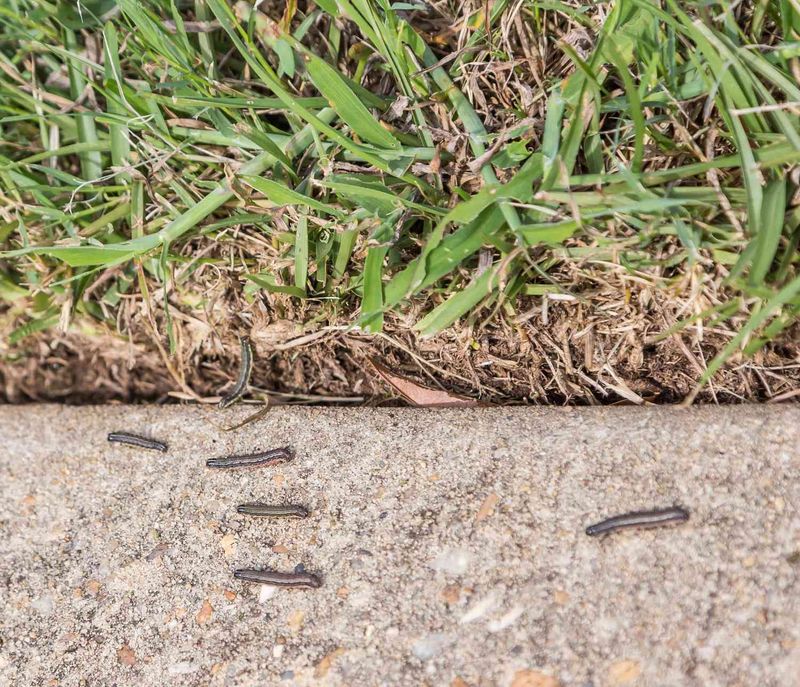
One morning, a bermudagrass lawn can look healthy, and a few days later certain areas may show signs of stress. September weather in Florida can still bring warm temperatures, humidity, and rainfall patterns that allow some turf pests and diseases to remain active.
Regular inspection helps homeowners notice problems before larger sections of grass become affected.
Common issues that can affect bermudagrass include fall armyworms, mole crickets, bermudagrass mites, nematodes, and fungal diseases. Not every brown or thinning patch means the same thing, so identifying the cause before choosing a treatment is important.
For example, drought stress, irrigation problems, soil issues, and disease can create symptoms that look similar from a distance.
Walk the lawn regularly and look for changes such as unusual discoloration, thinning areas, damaged leaf blades, or sections that do not recover after watering.
Early detection often makes management easier because small problems are generally simpler to address than widespread turf decline.
Good cultural practices remain one of the best defenses. Proper mowing, appropriate irrigation, balanced fertilization, and avoiding excessive thatch can help bermudagrass tolerate stress more effectively.
September is not about forcing the lawn to stay in peak summer condition forever. It is about supporting the grass while it is still growing and helping it enter the cooler months with the strongest foundation possible.
A little attention now can make fall lawn care much easier.