8 Reasons Why You Don’t Buy $500 Worth Of Fall Landscaping Until Your Florida HOA Approves The Plan
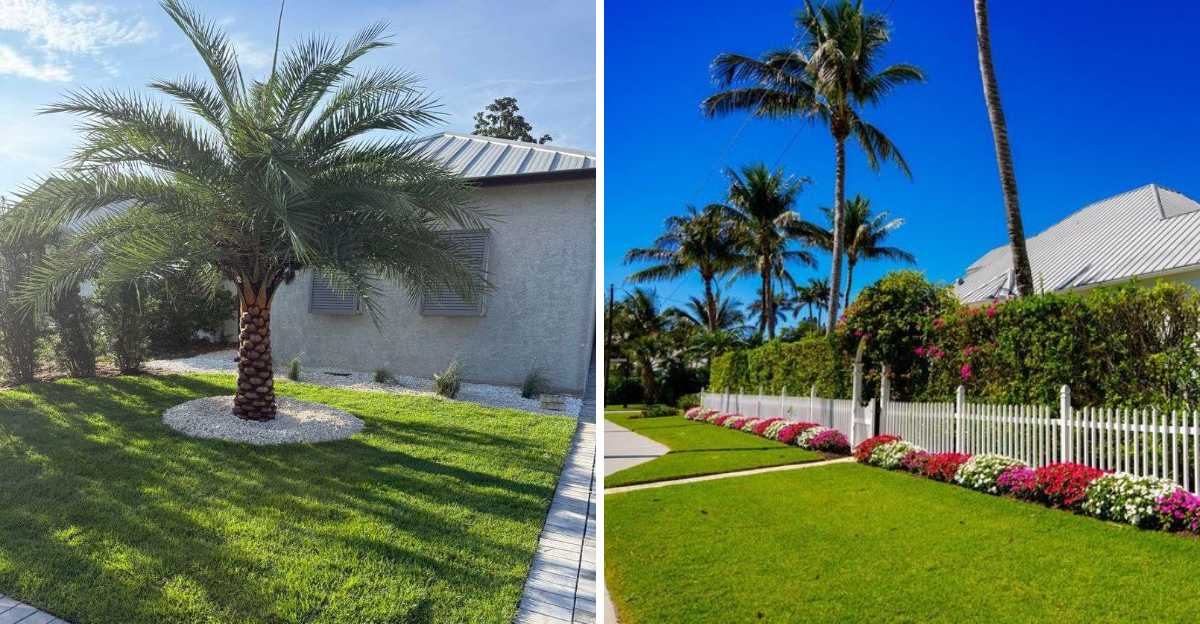
A fresh fall landscape can make a Florida home feel more inviting, but a shopping trip that starts with excitement can quickly become frustrating if HOA rules are overlooked.
Many communities have guidelines that affect visible outdoor changes, from plant choices and bed designs to decorative features and materials.
That does not mean every landscaping idea needs to be complicated, but it does mean checking the requirements before spending hundreds of dollars can save time, money, and unnecessary changes later.
Taking a little time to review your HOA rules, plan your design, and choose Florida-friendly options can help create a seasonal update that looks great and fits your neighborhood.
1. Rules Can Be Stricter Than You Think
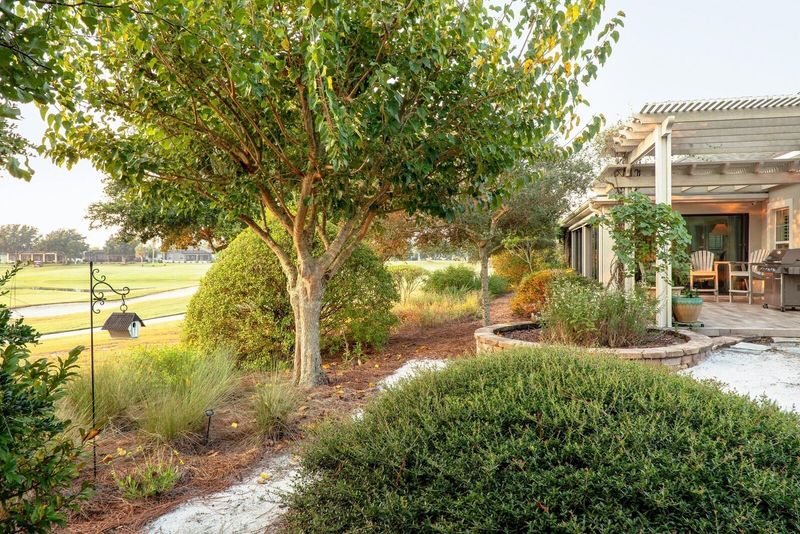
One quick shopping trip can turn frustrating when your HOA’s landscaping rules are more detailed than you expected.
In Florida communities, associations often have governing documents that outline what types of exterior changes require approval, especially when those changes affect the visible appearance of a home or common neighborhood views.
Depending on the community, rules may address things such as landscape beds, edging materials, decorative features, plant placement, or other changes that can be seen from the street. However, not every HOA has the same requirements.
Some may have detailed architectural review processes, while others may allow more flexibility for routine landscaping updates.
Checking your community’s rules before buying plants, mulch, containers, or seasonal decorations gives you a clearer idea of what will fit the neighborhood standards.
This is especially important in Florida because fall landscaping ideas often involve colorful annuals, tropical plants, fresh mulch, or decorative items that can quickly add up in cost.
A few minutes reviewing HOA guidelines can help you avoid buying materials that do not match approved styles or placement requirements. It also gives you time to adjust your design before spending money.
A good landscaping plan is not just about choosing attractive plants. It also involves understanding the rules that apply to your specific property.
Taking that step early can make your project smoother and help your finished yard look intentional rather than rushed.
2. Denied Plans Can Waste Your Money
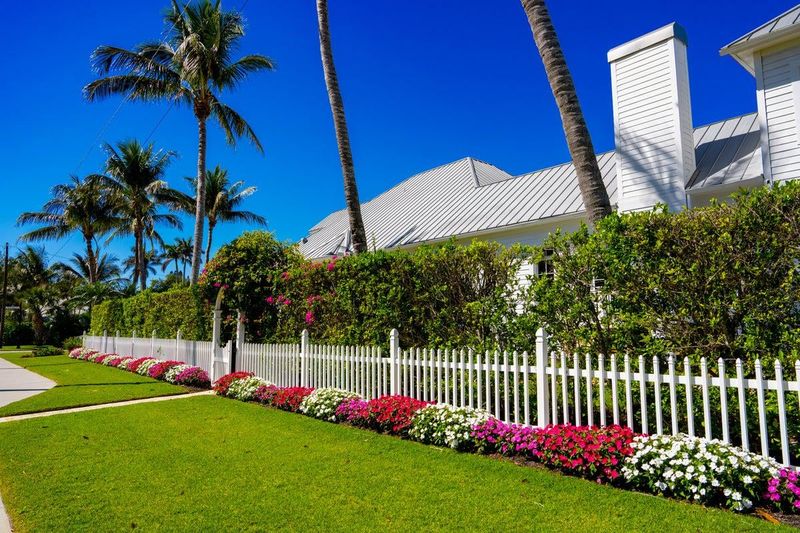
Spending hundreds of dollars on plants, mulch, edging, or outdoor decorations before receiving approval can create an expensive problem if your plan does not meet HOA requirements.
Once landscaping materials have been purchased or installed, returning them may not be simple, and some plants may not be easy to move without damage.
This is especially important with larger landscaping projects. A homeowner may buy several shrubs, install new garden borders, or create a seasonal display only to discover that certain elements do not fit the community’s approved standards.
The cost of replacing those items can quickly turn a small improvement into a much larger expense.
Waiting for approval gives you a chance to make changes before money is spent. You may discover that a different plant variety, mulch color, container style, or layout works better for both your budget and your HOA’s requirements.
Your Florida Garden Changes Every Week. Your Plan Should Too.
Gardening in Florida changes quickly throughout the season. Every Friday you’ll receive a simple weekly plan showing exactly what to plant, prune, fertilize, harvest, and protect so you never miss the right timing.
It also gives you time to research plants that are suited to Florida conditions. A plant that looks attractive at the garden center may have different needs once planted in your yard, especially regarding sunlight, mature size, irrigation, and soil conditions.
Approval does not guarantee that every idea will be accepted, but it can reduce the chance of making a costly purchase that needs to be changed later.
A little planning before shopping can help you create a landscape update that works financially, visually, and practically.
3. Some Plants Are Not Allowed
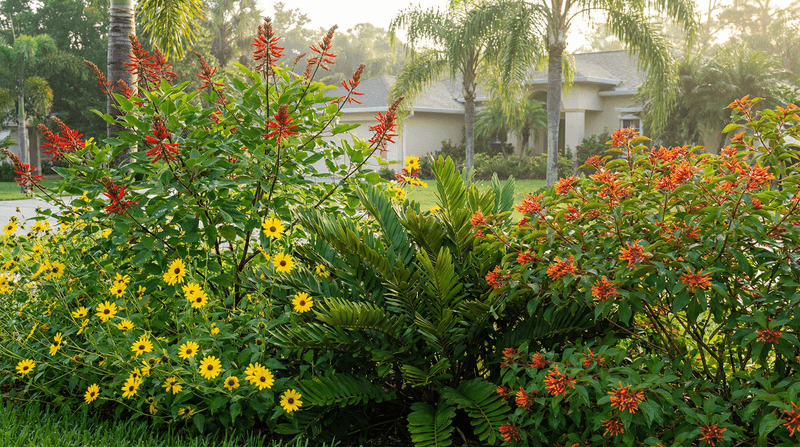
Not every attractive plant choice will fit every neighborhood. While many homeowners choose plants based on color, size, and appearance, some HOA communities may have guidelines about what can be planted in visible areas.
These rules can vary widely depending on the association and may address concerns such as maintenance, mature plant size, visibility, invasive potential, or consistency with neighborhood standards.
Gardeners also have unique considerations because the state supports a wide range of tropical, native, and ornamental plants.
A plant that performs beautifully in one location may create challenges in another if it grows too large, spreads aggressively, requires more maintenance than expected, or does not suit the conditions of the property.
Checking before purchasing helps you choose plants that are both attractive and appropriate for your community. It also gives you an opportunity to look for Florida-friendly options that match your yard’s sunlight, soil, and water conditions.
This step can be especially useful when shopping for fall landscape updates. Many garden centers feature colorful seasonal plants, shrubs, and tropical additions, but appearance at the store does not always tell the full story.
Mature size and long-term care requirements matter just as much as the initial look.
Before filling your cart, review your HOA guidelines and consider how each plant will perform months or years after installation.
A thoughtful plant choice can help create a landscape that looks good while fitting community expectations and growing conditions.
4. Color Choices Might Need Approval
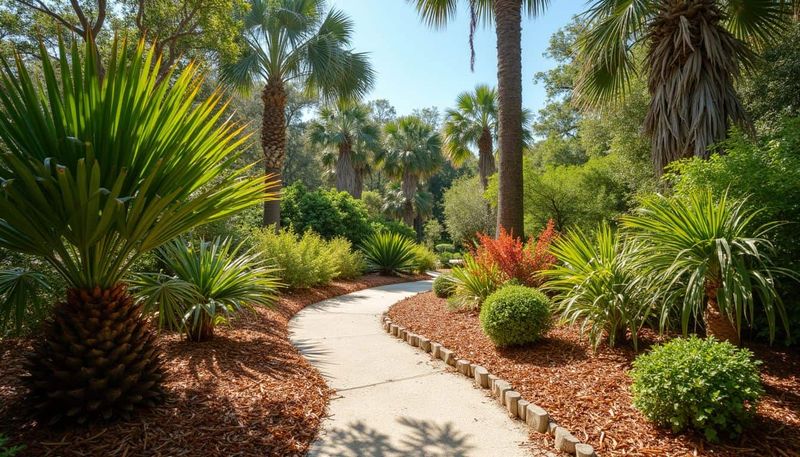
That bright red mulch, decorative stone, or bold landscape border may catch your eye at the garden center, but some Florida HOA communities have standards for how visible landscape elements should look.
These guidelines are often intended to maintain a consistent appearance throughout the neighborhood, although the specific rules differ from one association to another.
Some communities may have preferences or restrictions related to mulch colors, rock materials, edging styles, decorative features, or seasonal displays.
Others may allow more freedom as long as the landscaping remains maintained and does not create issues for neighboring properties.
Checking these details before purchasing materials can prevent a frustrating situation where a newly installed feature does not match approved guidelines.
This is particularly helpful for fall projects because seasonal updates often involve noticeable changes, such as new planters, colorful displays, or fresh landscape materials.
It is also worth considering how colors work with your existing landscape. A mulch or stone choice that looks appealing in a store may appear very different next to your home, existing plants, and surrounding yards.
Looking at the entire design before buying can help create a more balanced result.
Approval requirements are not meant to limit every landscaping idea, but they can influence which choices are suitable for a particular neighborhood.
Taking time to understand those expectations can help you create a seasonal update that feels personal while still fitting the overall community style.
5. You Could Face Fines Fast
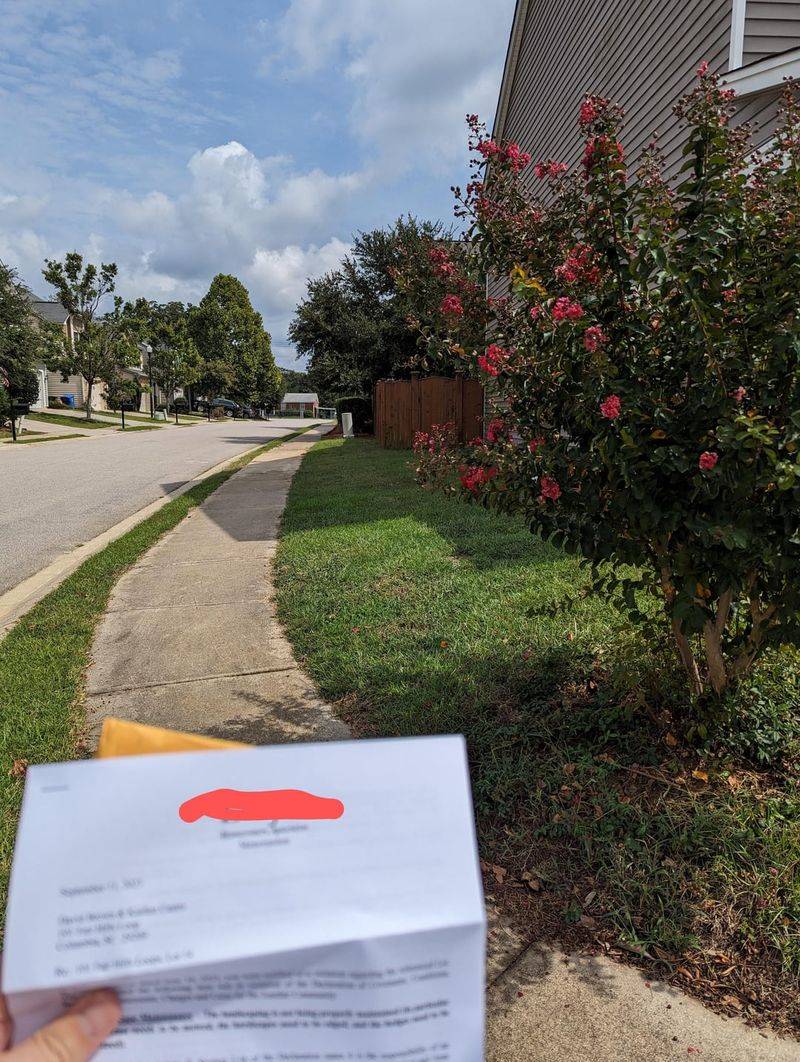
Nobody wants a seasonal landscaping project to turn into an unexpected HOA issue.
When homeowners make exterior changes without following their community’s approval process, the result may include a violation notice, a request to make corrections, or other enforcement actions depending on the association’s governing documents and procedures.
Florida HOA rules vary from one community to another, so the exact process and possible consequences depend on the specific association.
Some communities may require homeowners to submit plans before making visible changes, while others may only regulate certain types of projects.
Reviewing the rules ahead of time helps you understand what applies before you spend money.
This matters because landscaping changes can be difficult to undo quickly. A homeowner may install new beds, plant several shrubs, add decorative features, or create a seasonal display that requires removal if it does not meet community requirements.
Moving plants after they become established can also add extra work and expense.
The easiest way to avoid this situation is to treat HOA approval as part of the planning process rather than a final step after installation. Gather measurements, choose possible plants, and review materials before purchasing.
A little patience can save more than money. It can also save time, effort, and frustration by helping you create a landscaping project that fits both your personal style and the expectations of your community.
6. Drainage Problems Can Become Your Problem
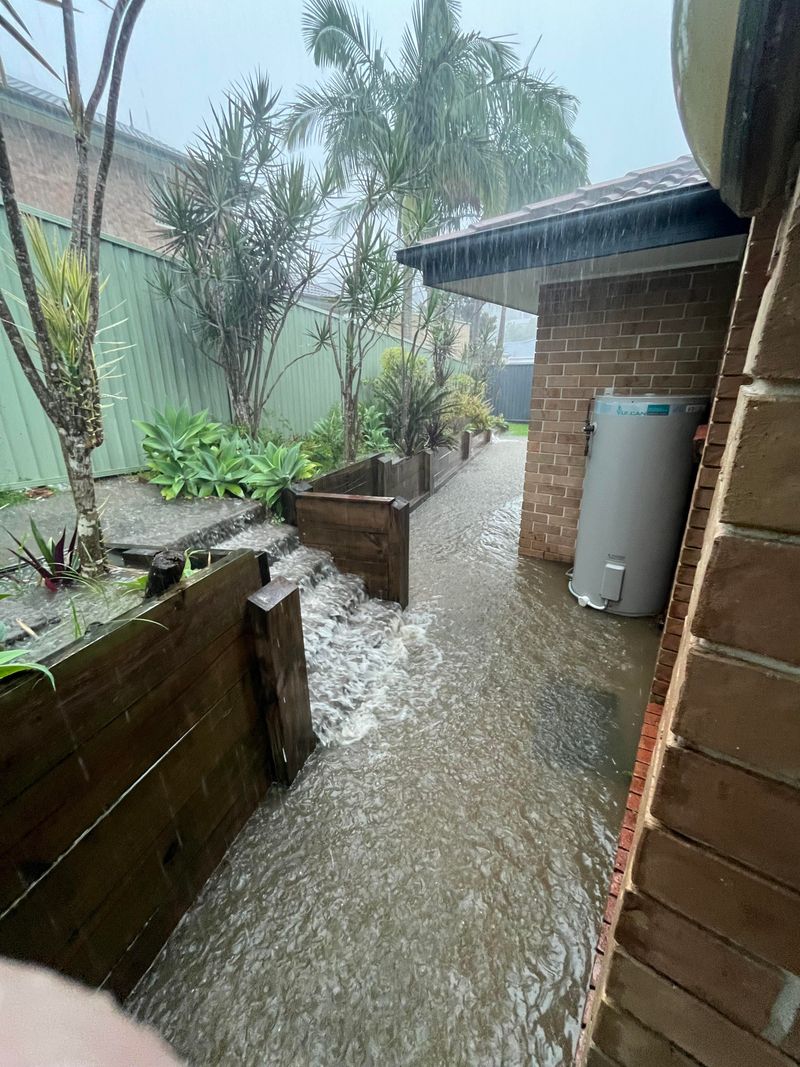
A landscaping project can look beautiful on a sunny afternoon but reveal problems once heavy rains arrive. Changes such as new planting beds, raised areas, borders, or hardscape features can sometimes affect how water moves through a yard.
Poor drainage may contribute to standing water, erosion, muddy areas, or water moving toward places where it causes problems.
This is one reason reviewing landscaping plans before installation can be helpful. Some HOA communities may look at whether proposed changes could affect shared areas, neighboring properties, or drainage patterns.
However, homeowners should also consider their own property conditions before making changes.
Florida receives significant rainfall, especially during the warmer months, and many yards are designed with drainage patterns that help move excess water away from structures and frequently used areas.
Adding soil, changing grades, or installing features without considering water flow can create unintended issues.
Plant selection matters here as well. Choosing plants suited to the available moisture, sunlight, and soil conditions can help create a landscape that works better over time.
Florida-friendly landscaping principles encourage homeowners to match plants with site conditions rather than forcing a design that requires constant correction.
A beautiful landscape is not only about appearance. It also needs to function well during Florida weather.
Planning ahead can help prevent drainage problems while creating a yard that remains attractive through changing seasons.
7. Community Style Matters More Than You Realize
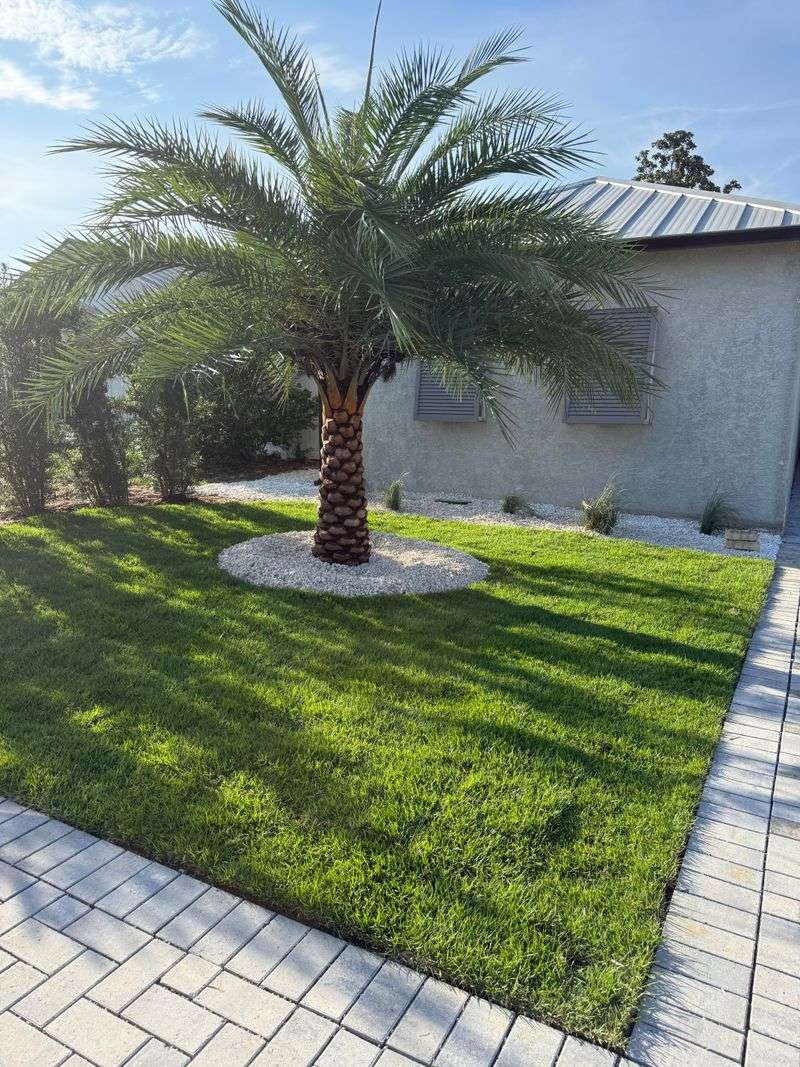
Every neighborhood has its own visual character, and HOA standards are often designed to maintain a consistent appearance throughout the community.
A landscaping idea that looks great in a standalone garden magazine or at a local nursery may not fit every neighborhood style.
For example, some homeowners may love a cottage-style garden filled with mixed flowers, large containers, or decorative accents. Another community may have guidelines that favor simpler plantings, consistent bed layouts, or a cleaner appearance across front yards.
Neither approach is necessarily better, but the expectations can be different depending on where you live.
Reviewing your HOA guidelines before shopping gives you a chance to adjust your ideas while keeping the parts you like most. You may be able to choose similar plants, colors, or materials that create the same seasonal feeling while fitting within community standards.
This can also help protect curb appeal over time. Landscaping decisions affect not only your own property but also how the neighborhood looks as a whole.
A thoughtful design that considers mature plant size, maintenance needs, and surrounding homes often creates a more polished result.
Florida landscapes also change quickly because many plants grow differently depending on the region, sunlight, rainfall, and soil conditions. Choosing plants that fit both the community style and the growing environment can make future maintenance easier.
Approval does not mean every yard must look identical. It simply helps ensure that individual landscaping choices work within the shared appearance and expectations of the neighborhood.
8. Waiting Can Actually Improve Your Plan
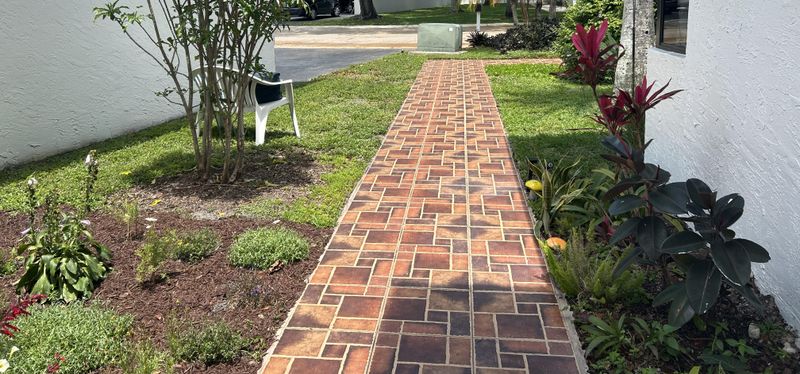
Waiting for HOA approval may feel like a delay, but it can give you valuable time to create a better landscaping plan.
Instead of making quick purchases based only on what looks attractive at the garden center, you can step back and evaluate what your yard actually needs.
During the waiting period, you can measure planting areas, check sunlight levels, consider mature plant sizes, and compare different options.
A small shrub at the nursery may eventually become much larger, while a colorful seasonal plant may only provide interest for a short period.
Thinking ahead helps you choose plants and materials that fit the space.
This extra time can also help you build a more Florida-friendly landscape. Selecting plants suited to your conditions can reduce future maintenance and improve long-term performance.
Factors such as soil type, irrigation needs, and exposure to heat or wind all influence how well a landscape performs.
A $500 budget can go quickly when purchases are made without a clear plan. Waiting allows you to compare prices, prioritize important improvements, and avoid buying items that may need to be replaced later.
A successful fall landscaping update is not only about creating immediate visual appeal. It is about designing a space that follows community guidelines, works with Florida conditions, and continues looking good after the season changes.
A little extra planning before spending money can turn a rushed project into a more thoughtful and successful improvement for your home.