The Native Georgia Tree With Some Of The Earliest Fall Color
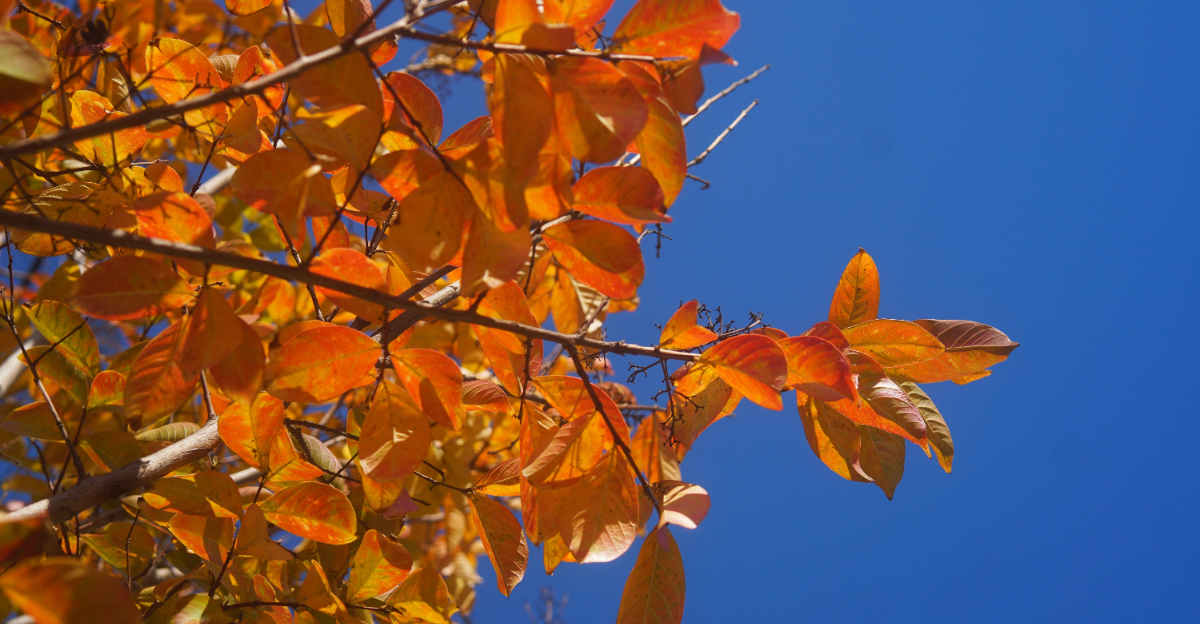
Fall color does not always wait for chilly weather, and one native tree can start changing while much of the landscape still looks green. Spotting those first warm shades makes the seasonal shift hard to miss.
That early transformation gives this tree an advantage beyond its appearance.
While familiar landscape trees are still holding their summer color, its foliage can already be moving toward richer fall tones. Georgia gardeners looking for earlier seasonal interest should give it a closer look.
Its appeal does not disappear once that first color change begins.
The tree brings qualities to a yard that make it worth considering beyond a few colorful weeks. Choose the right location, and those seasonal changes become part of a much bigger display.
This native favorite proves fall can arrive earlier than expected.
1. The First Color Can Show Up Surprisingly Early
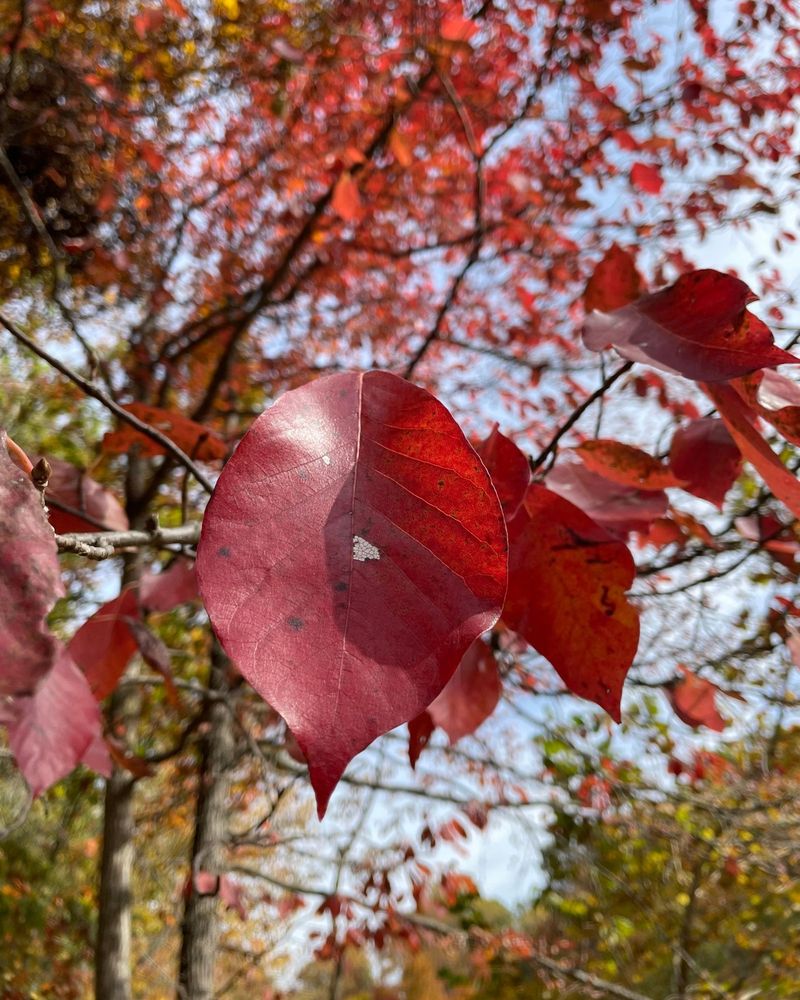
Late August, and something red is already showing in the treeline. Nine times out of ten, that early flash belongs to black gum, also called black tupelo, Nyssa sylvatica.
It rarely turns all at once. Instead, a handful of leaves go scarlet while the rest of the canopy stays glossy and green.
Gardeners in Georgia often mistake that for a problem. Drought stress can cause early leaf drop, sure, but black gum turning red in August is usually normal behavior.
Look closely and you will see healthy leaf tissue behind the color. No spotting, no curling, no dry edges.
Why so soon? Black gum tends to shut down individual leaves earlier than surrounding hardwoods, which spreads its color change over weeks instead of days.
That long window is part of the appeal. You get something to look at from late summer straight through mid October, depending on the season.
Younger trees often color up ahead of mature ones. Trees in full sun also tend to redden sooner than those tucked under a canopy.
Soil matters too. A tree sitting in dry, compacted ground may push color earlier than one with steady moisture.
If you want to catch the first hints, start scanning roadside woods around the last week of August. Some years it holds off until mid September.
Either way, black gum usually beats the maples by a solid month.
2. Green Leaves Give Way To Brilliant Red
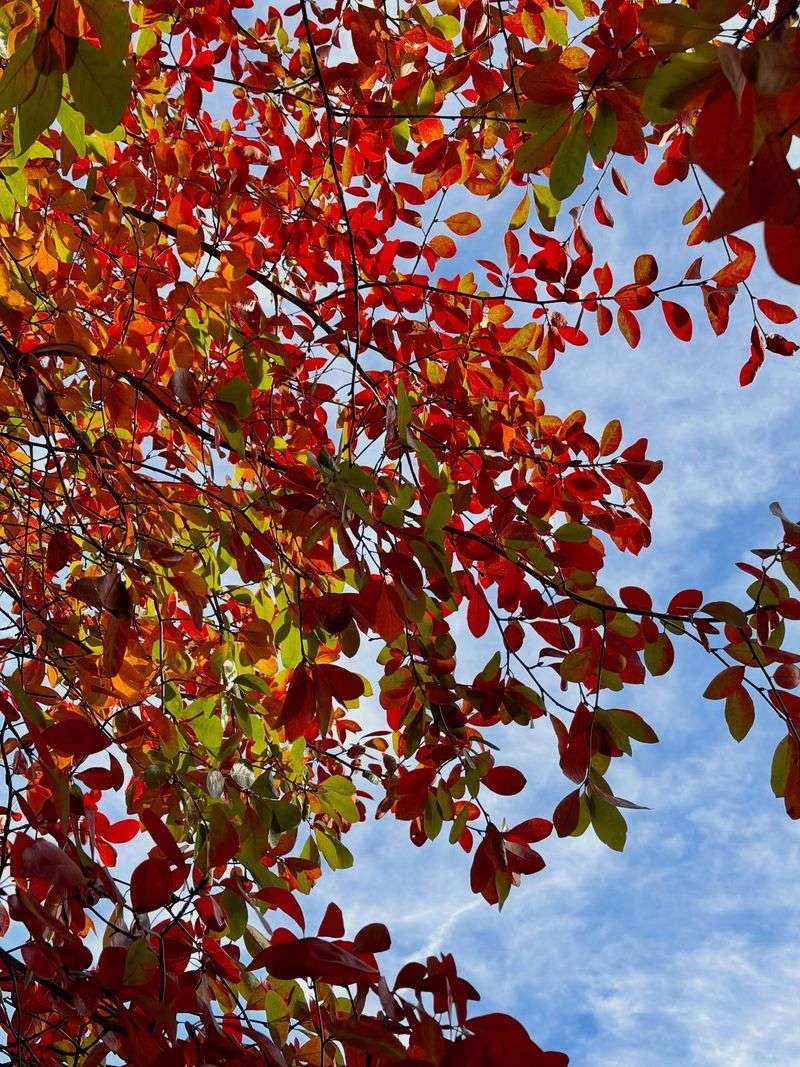
Red is the headline color, and black gum does it well. Not a washed out rusty red, but a deep, saturated scarlet that holds up even on overcast days.
The transition happens leaf by leaf rather than all at once.
Early on, you get a speckled look. Green base, red highlights, almost like someone dabbed paint across the canopy.
By early to mid October in much of Georgia, the whole crown can go red. Timing shifts with elevation and how the summer treated the tree.
Leaf shape helps the effect. Black gum leaves are thick, smooth, and slightly glossy, so they catch light and look almost polished.
Hold one up and you will notice the shine right away.
Color intensity is not identical from tree to tree. Seed grown black gum varies quite a bit, which is why one tree along a fence row glows while its neighbor stays duller.
Your Georgia Garden Changes Every Week. Your Plan Should Too.
Gardening in Georgia changes quickly throughout the season. Every Friday you’ll receive a simple weekly plan showing exactly what to plant, prune, fertilize, harvest, and protect so you never miss the right timing.
Nurseries sell selected cultivars partly to reduce that guesswork.
If you are planting for color, full sun gives the strongest results in most yards. Shaded trees still turn, just softer and later.
Leaf drop follows fairly quickly once the crown peaks.
Plan on a week or two of peak red, then a steady thinning. The bare branches that follow have a nice horizontal structure worth appreciating too.
3. Scarlet Orange And Burgundy Can Share The Same Tree
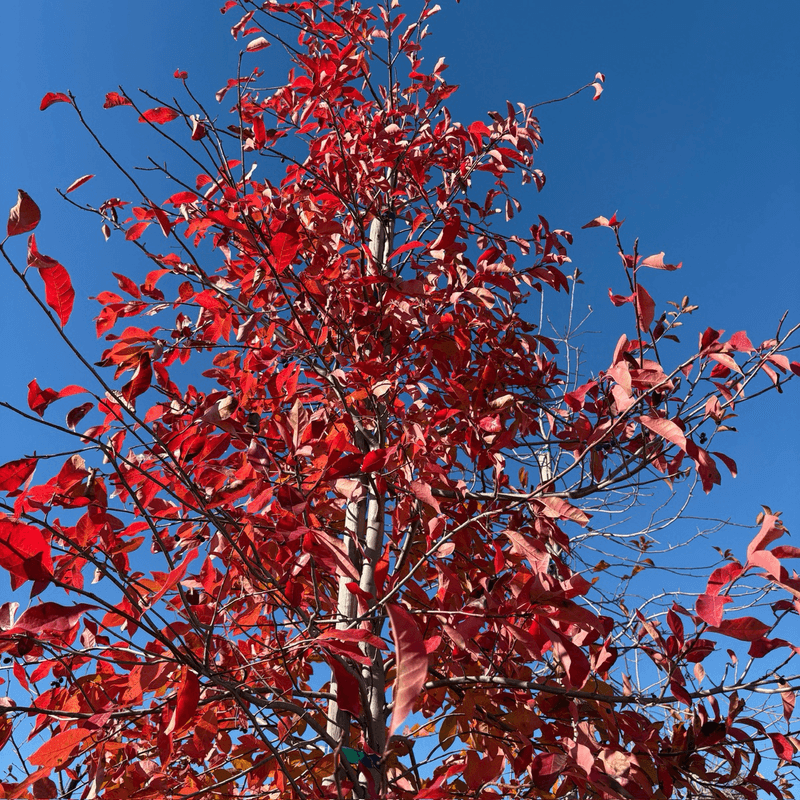
One tree, four colors, same afternoon. That combination is what makes black gum stand out from cleaner, single-color trees like sweetgum or hickory.
Scarlet usually dominates, but orange, purple, and a wine-dark burgundy show up alongside it.
Sunlight exposure explains most of the mix. Leaves on the south and west sides get more direct light and tend toward bright red or orange.
Interior and lower leaves lean purple or burgundy, sometimes staying yellow-green longest.
Photographers love this tree for that reason. A single branch can give you a full autumn palette without needing a wide shot.
Backlight it around sunset and the leaves nearly glow.
Color blending also changes week to week. Early in the turn you see red against green, then orange fills in, and burgundy shows up near the end.
Nothing about the sequence is locked in, though.
Across north Georgia, cooler nights at elevation often push the purples harder. Warmer coastal plain sites lean more orange and red.
Soil pH and moisture likely play a role as well, though results vary site to site.
If you want the mixed look in your own yard, avoid heavy fertilizing in late summer. Pushing new growth can delay color and dull it.
Let the tree slow down naturally and it usually rewards you.
4. Weather Can Change The Timing And Intensity
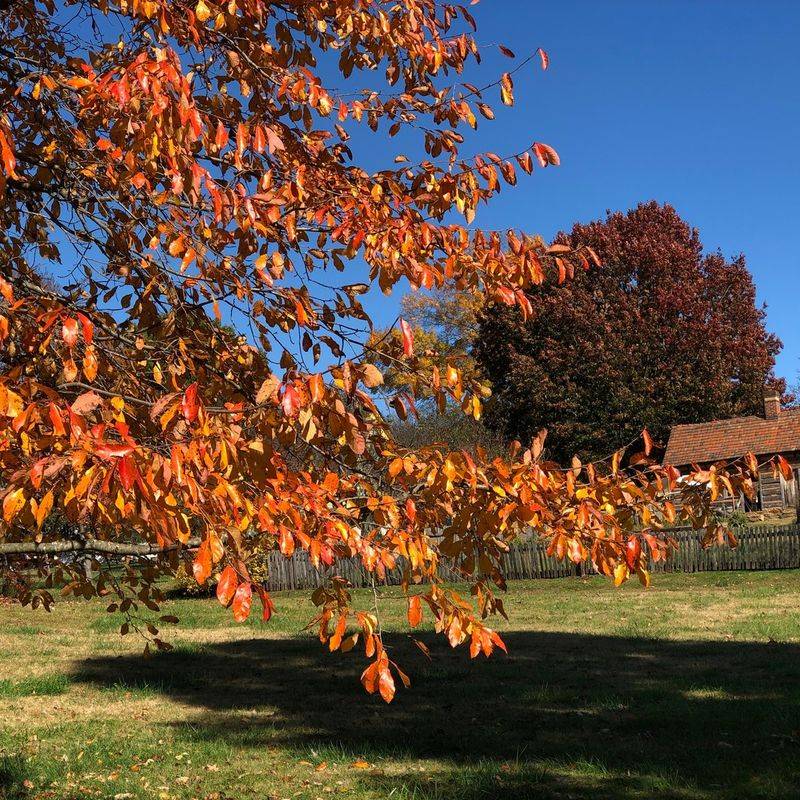
Two identical trees, two very different autumns. Weather is usually the reason.
Warm nights that stretch into October tend to delay and mute the red. Cool nights paired with bright, dry days bring out the strongest color.
Summer rainfall matters too. A tree that went through a rough dry stretch may color early, then drop leaves fast without much of a show.
Steady moisture through August generally produces better results.
Storms complicate things. A heavy wind or rain event at peak can strip a canopy in an afternoon.
Nothing you can do about that, unfortunately.
Because of all this, peak timing shifts by a week or two most years. Mountain counties in Georgia usually run earlier than the piedmont, and the coastal plain later still.
Treat any published peak date as an estimate, not a promise.
Watering helps in some situations. During a dry September, a slow soak every week or two can keep leaves on the tree longer.
Mulch out to the drip line also steadies soil moisture.
Do not expect miracles from irrigation, though. Temperature does the heavy lifting on color, and that part is out of your hands.
Keep notes if you are curious. After three or four seasons, you will have a decent sense of how your particular tree behaves.
5. Black Gum Grows Across Much Of Georgia
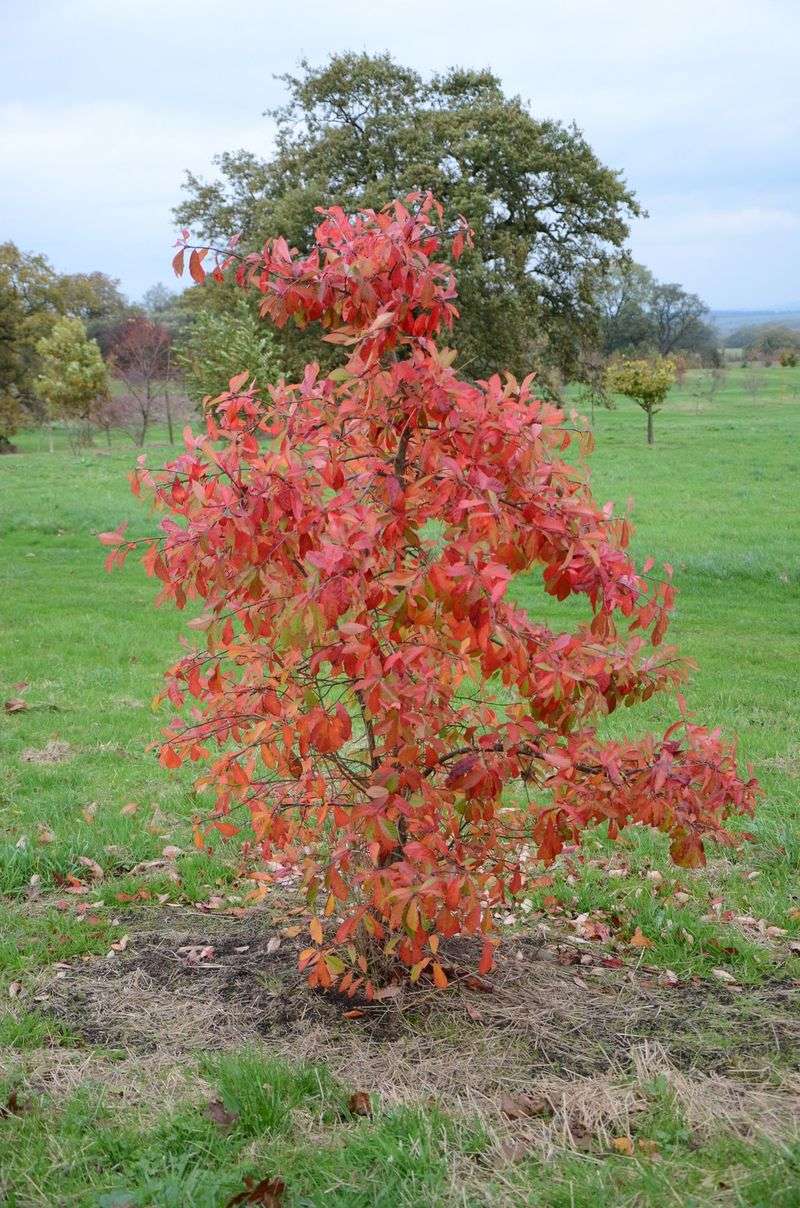
Range-wise, black gum covers a lot of ground. You will find it from the mountains down through the piedmont and into the coastal plain.
Wet ground does not bother it much, which sets it apart from most upland hardwoods.
Creek bottoms, pond edges, and low spots in the woods suit it fine. It also grows on dry ridges, just slower and smaller.
That flexibility makes it a solid pick for tricky yard spots.
Clay soil is not a dealbreaker. Plenty of these trees do well in the red clay that covers much of the state, as long as water is not standing for weeks.
Slightly acidic soil is preferred.
One catch worth knowing about, and it is a real one. Black gum forms a deep taproot early, so transplanting a large specimen is difficult.
Buy smaller container-grown stock when you can.
Black gum can become a large tree at maturity, so give it plenty of room to develop. Growth is moderate, not fast.
Give it room and plan for the long haul.
Bark is another identifier. Older trunks develop a blocky, alligator-hide pattern that is easy to recognize once you have seen it.
Check that texture in winter when leaves are not around to help you.
6. Its Fruit Gives Wildlife Another Reason To Visit
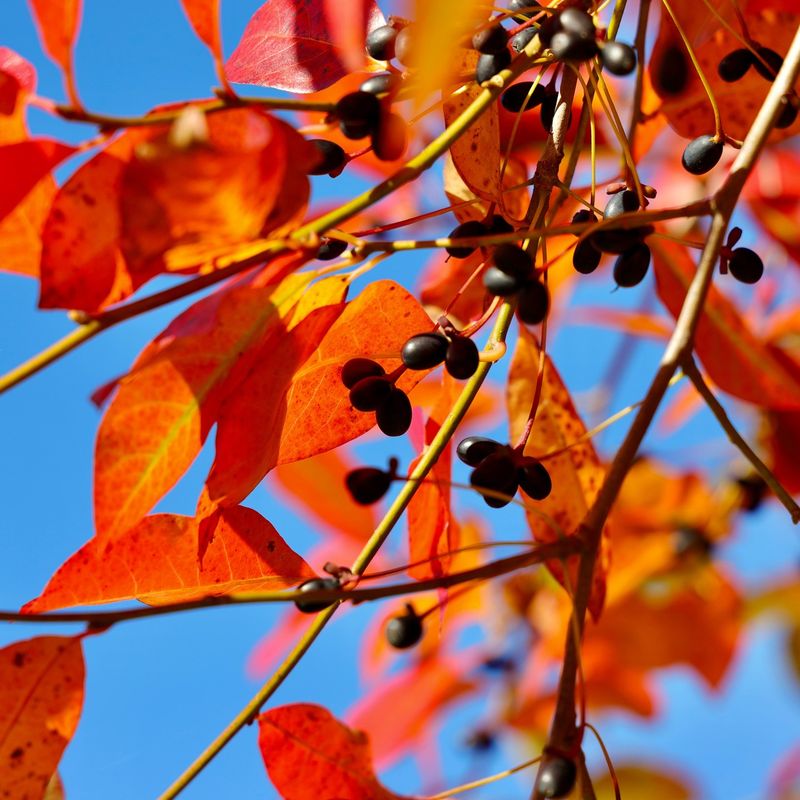
Birds find this tree before you do. Small blue-black fruits ripen in late summer and early fall, right around the time the first red leaves appear.
Robins, thrushes, woodpeckers, and mockingbirds all take them.
Fruit hangs in loose clusters on short stalks. Each one is about the size of a small olive, with a single hard seed inside.
Not something people eat, though the pulp is technically edible and quite sour.
Wild turkey, deer, foxes, and raccoons work the ground beneath the tree. Fallen fruit rarely lasts long.
That clean-up is convenient if you dislike messy plantings.
Only female trees set fruit, since black gum is largely dioecious. Some trees carry both flower types, so results are not perfectly predictable.
If fruit is the goal, buy from a nursery that knows the parent tree.
Spring flowers deserve a mention too. Small greenish blooms are easy to miss, but bees work them heavily.
Beekeepers across parts of Georgia value tupelo species for honey production, though the famous white tupelo honey comes from a different Nyssa.
Planting one near a patio has a tradeoff. Dropped fruit can stain concrete and stick to shoes.
Set it back in the lawn or near a natural area and everyone stays happy.
7. Fall Is When This Native Really Stands Out
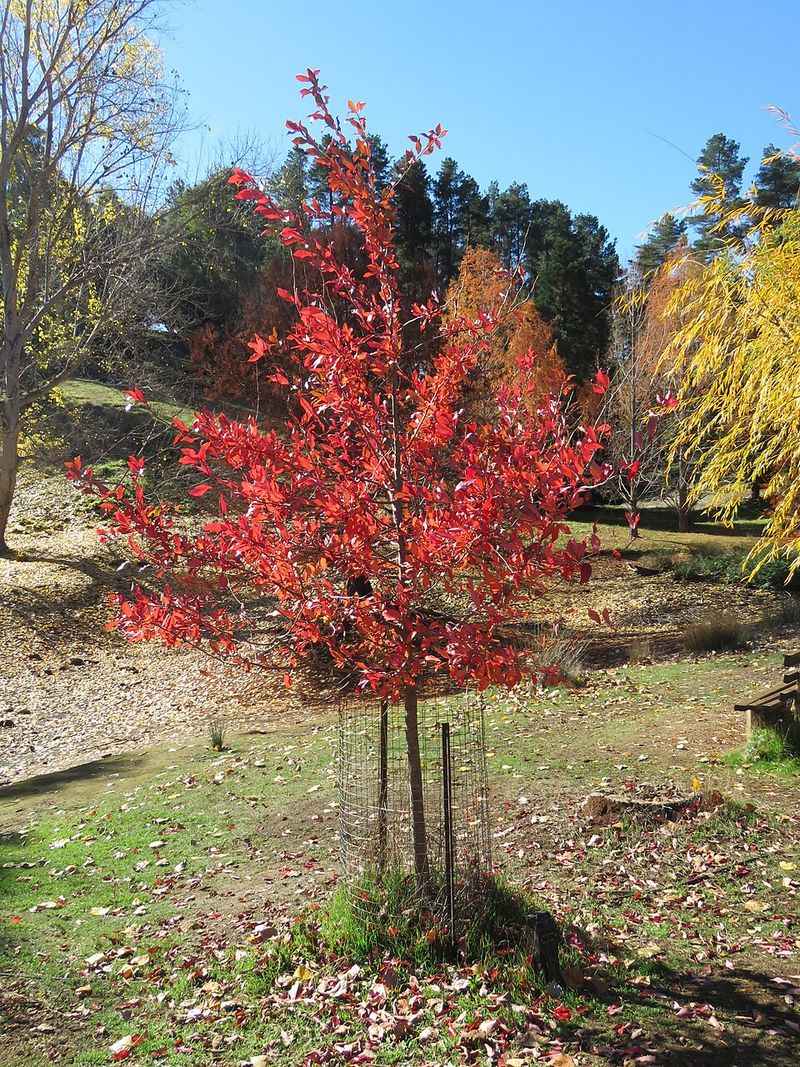
Most of the year, black gum blends in. Then autumn arrives and it becomes the loudest thing in the yard.
Neighbors ask about it. That happens almost every October.
Part of the appeal is the head start. While other trees sit green, this one is already working, which stretches your color season by weeks.
Homeowners planting for fall interest get real value from that.
Maintenance stays light once the roots settle in. Water through the first two summers, mulch the base, and prune only to remove damaged limbs.
Pest problems are uncommon in most yards.
Leaf litter is manageable too. Leaves are thick and break down slowly, so they work well shredded into beds.
Skip bagging them if you can.
Placement is worth thinking through carefully. A spot with morning and afternoon sun, decent drainage, and space overhead gives the best color and shape.
Avoid tight corners near foundations.
Anyone building a native planting in Georgia should have this tree on the short list. It supports birds, handles clay, tolerates wet feet, and delivers color earlier than nearly anything else nearby.
Results still depend on your site and the season.
Give it a decade and you will have something worth showing off. Trees like this get better the longer you leave them alone.