The Pennsylvania Shrubs To Prune In September And The Ones To Leave Alone
September in Pennsylvania smells like damp leaves and the first hint of woodsmoke. The garden slows down, and suddenly those shears in the shed start looking awfully tempting.
Some shrubs shrug off a late-season trim without a fuss. Others quietly hold next spring’s flowers in their branches, waiting.
Prune the wrong stem now and you may spend May wondering where all the blooms went. Get the timing right, though, and you get tidier growth, better airflow, and a plant that sails through a Keystone State winter.
So before you go clipping through the backyard on a crisp Saturday morning, it helps to know which shrubs welcome the blades in September and which ones would rather you set them down.
Boxwood Welcomes A Light September Shape-Up
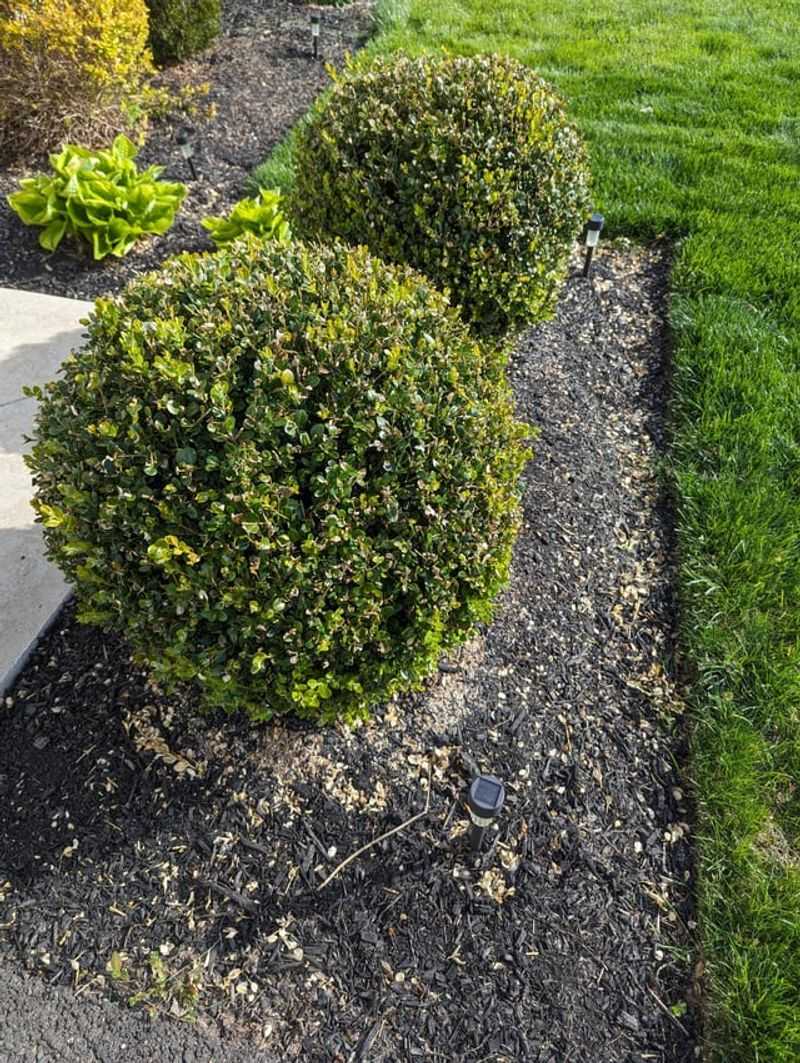
Few shrubs take a haircut as gracefully as boxwood. It has been clipped into hedges, balls, and hilariously lopsided animals for centuries, and it keeps coming back for more.
September is a fine window for a light shaping in Pennsylvania. The intense summer heat has passed, growth has slowed, and the plant is not pushing out tender new shoots that could get nipped by an early frost.
Keep it modest. Trim back the stray, whippy growth that ruins the outline, and resist the urge to cut deep into old wood, since boxwood can be stubborn about regrowing from bare stems.
While you are in there, do the plant a favor and thin a few interior branches. Boxwoods grow dense outer shells that trap moisture, and Pennsylvania humidity plus poor airflow is a recipe for leaf spot and blight troubles.
Reach in with hand pruners, remove a handful of small branches here and there, and let a little light and breeze reach the center. Gardeners call this plucking, and it makes a noticeable difference.
Clean your blades between plants with an isopropyl solution. Boxwood blight spreads easily on tools, and a thirty-second wipe is cheaper than replacing a hedge.
Water well through early fall if rain is scarce, especially in the drier southeastern counties. A hydrated boxwood handles winter wind far better than a thirsty one.
Rake up every clipping too, because fallen boxwood debris can harbor problems until spring.
Yew Earns Its Trim For A Tidy Winter Silhouette
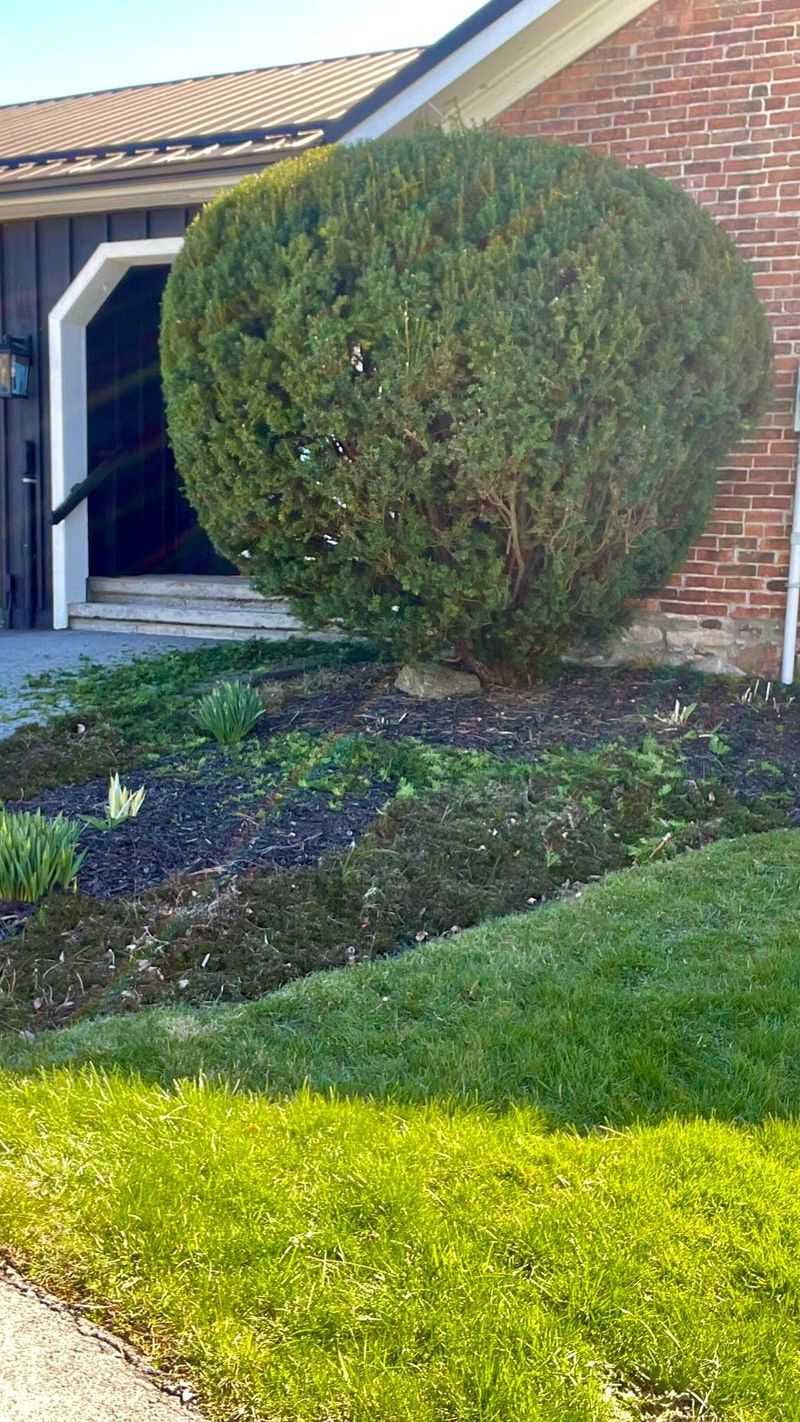
Walk down almost any older street in Pennsylvania and you will spot yews hugging the foundations of brick and stone houses. They are the workhorses of the mid-Atlantic landscape, and they are remarkably forgiving.
Unlike most needled evergreens, yews sprout willingly from old wood. That means you can cut one back harder than you would dare with a juniper or spruce and still get fresh green growth.
September works well for a cleanup pass. The plant is settling toward dormancy, so a trim now will not trigger a flush of soft shoots that struggle through December cold.
Focus on the shrubs that have crept over walkways or started blocking basement windows. Shorten those long, reaching branches back to a side shoot inside the plant, which hides the cut and keeps the shape natural.
Your Pennsylvania Garden Changes Every Week. Your Plan Should Too.
Gardening in Pennsylvania changes quickly throughout the season. Every Friday you’ll receive a simple weekly plan showing exactly what to plant, prune, fertilize, harvest, and protect so you never miss the right timing.
Yews also collect dry, brown interior needles over the years. Shake or brush that debris out while you work so moisture does not sit against the stems all winter.
One caution worth remembering: yew foliage and seeds are toxic to people, pets, and livestock. Bag the clippings rather than tossing them into a pasture or compost pile where curious animals might nibble.
Save the truly severe renovation cuts, the kind that leave stubby brown skeletons, for early spring instead. Yews recover from those beautifully, but they want a full growing season ahead of them.
A light September touch-up keeps everything looking sharp until then.
Smooth Hydrangea Cleanup Sets Up Big Blooms
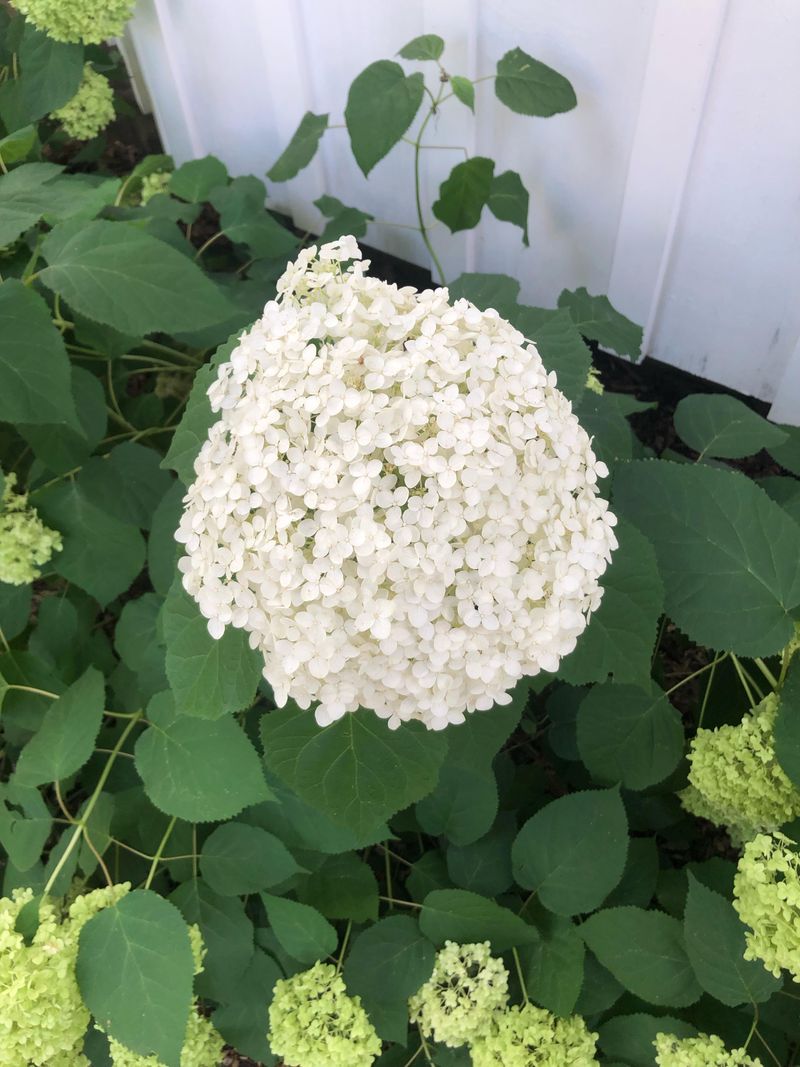
Annabelle and her cousins are the hydrangeas that flop over after every summer thunderstorm. If you have ever propped one up with tomato cages, you know exactly the plant I mean.
Smooth hydrangea, native to the eastern United States, blooms on brand new wood each year. That single fact is your permission slip for autumn pruning.
In September you can safely remove the spent flower heads and cut back stems that have collapsed onto the lawn. Nothing you snip now affects next summer’s show, because those blooms have not been formed yet.
Some gardeners leave the dried mophead flowers standing through winter for texture and a little snow-catching charm. That is entirely a style choice, and both approaches work.
If tidiness wins, shorten the stems by about a third now and save the harder cut for late winter. Leaving some stem length gives the crown a bit of insulation during Pennsylvania’s freeze and thaw cycles.
Here is a trick many people miss: cutting the whole plant to the ground produces huge flowers on weak stems that bend. Leaving a framework of eighteen to twenty-four inch canes gives the new growth something to lean on.
Spread a couple inches of shredded leaf mulch around the base after you finish. Smooth hydrangea has shallow roots and appreciates the moisture and buffered soil temperature.
Come July, you will have sturdy white globes instead of a puddle of petals on the grass.
Panicle Hydrangea Gets A Fall Trim To Stay Upright
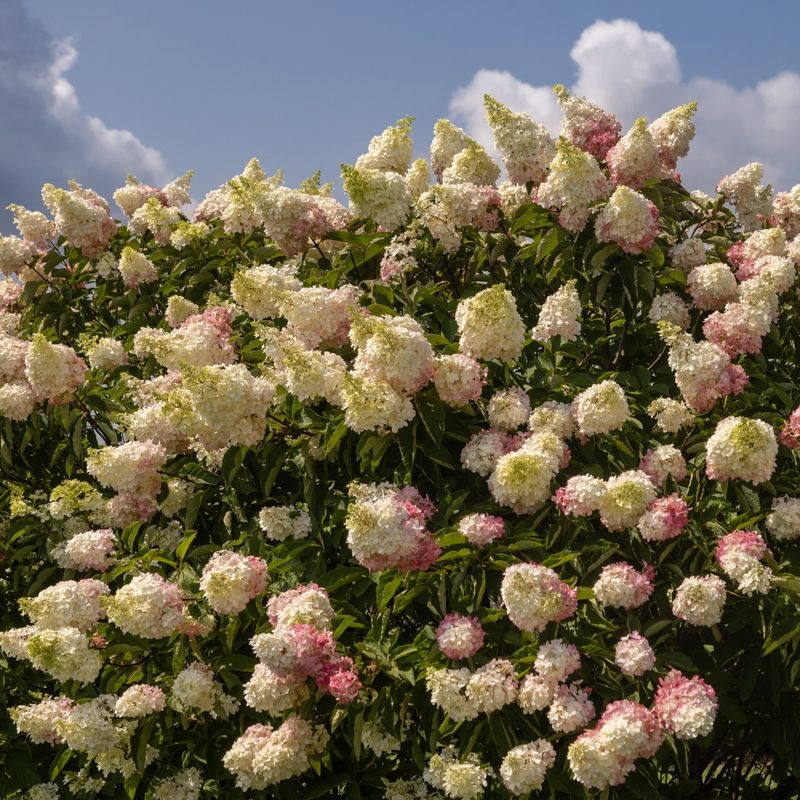
Limelight, Quick Fire, Bobo, Little Lime: the panicle hydrangeas have taken over Pennsylvania garden centers, and honestly, they earned it. These are the toughest hydrangeas you can plant in our climate.
Cone-shaped flowers appear on new growth every season, which puts this shrub firmly in the safe-to-prune-in-September camp. The buds for next year simply are not on the plant yet.
By early fall the blossoms have faded from white to dusty rose to papery tan. Snipping those heavy heads off relieves weight on the branches so ice and wet snow do less bending later.
Cut each spent flower back to the first pair of healthy buds below it. That is usually just a few inches, and it is quick work on a cool afternoon.
Take out anything crossing, rubbing, or growing straight through the middle of the shrub while you are there. Panicle hydrangeas get congested fast, and open centers mean stronger stems.
Hold off on drastic size reduction until late winter or very early spring. A hard cut in September can encourage soft growth that November weather will not treat kindly.
Fun bit of history: panicle hydrangea arrived from Japan and China in the 1860s, and the old grandiflora form was a staple in Victorian gardens and farmhouse yards across the state.
Water deeply once or twice before the ground freezes. Established plants are drought tolerant, but a fall drink helps them settle in strong.
Lilac Wants The Shears Put Away Until Spring
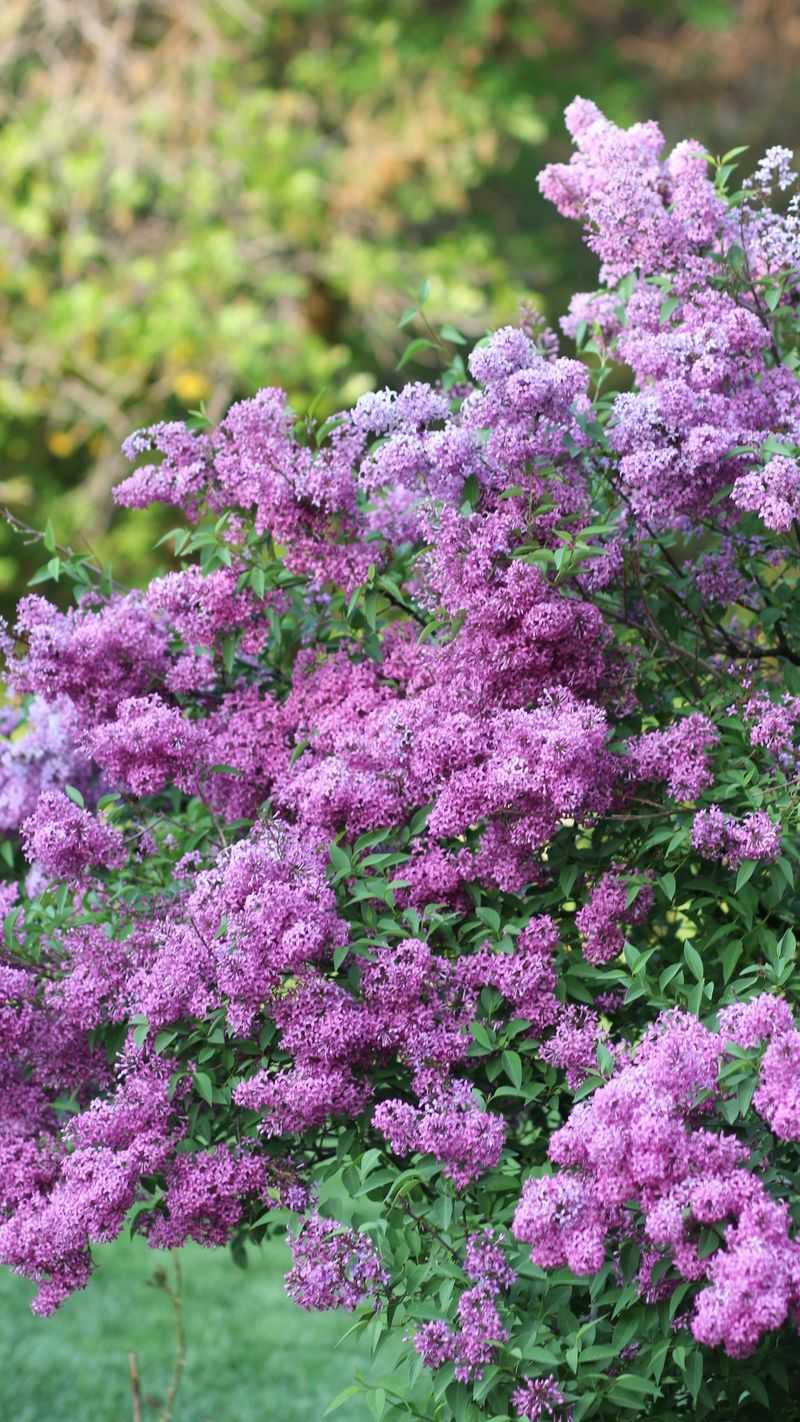
Nothing says a Pennsylvania spring quite like a lilac hedge going off like fireworks in early May. That perfume drifts across whole neighborhoods, and it is worth protecting.
Right now, in September, those flower buds are already formed and sitting on the branch tips. Trim the shrub today and you are essentially tossing next spring’s bouquet into the yard waste bin.
Lilacs set their buds during the summer after blooming, which makes autumn the wrong moment for shaping. The correct window is short: within a few weeks of the flowers fading in late spring.
If your lilac is overgrown and leggy with blooms only visible from a second-story window, mark your calendar for next June. That is when renewal pruning pays off.
The one exception is basic housekeeping. You can remove obviously broken branches or thin, weak suckers crowding the base without harming the flower display.
Many longtime Pennsylvania gardeners still practice a three-year renewal, taking out a third of the oldest stems each June until the whole shrub is rejuvenated. It still works beautifully.
Common lilac came to America with European settlers in the 1700s, and some Pennsylvania farmsteads still have shrubs older than the people living there.
Instead of pruning this month, check for powdery mildew on the leaves and improve airflow around the plant. Rake fallen foliage and let the shrub rest.
Patience here is rewarded with an armload of purple in May.
Forsythia Loses Its Gold To A September Snip
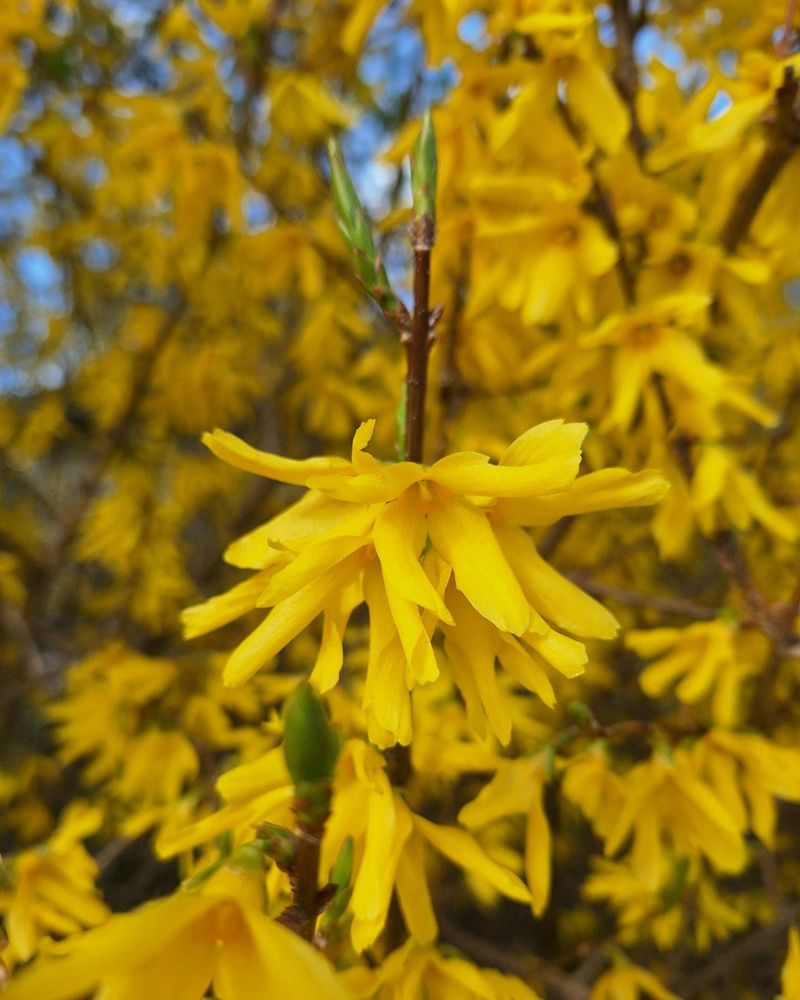
Forsythia is the plant that announces winter is over, sometimes as early as late March in the southern part of the state. Those blazing yellow branches show up before almost anything else leafs out.
Cutting one back in September risks a disappointing spring. The buds are already tucked along the stems, formed back in early summer, and they are just waiting for warm days.
Plenty of well-meaning homeowners shear their forsythia into a green meatball each fall, then wonder why the display keeps shrinking. The shrub is not sulking, it is simply missing the wood that carries the flowers.
Forsythia genuinely wants to be a fountain, arching outward with long, graceful canes. Fighting that habit with hedge trimmers rarely ends well.
Wait until the last blossom drops in April, then cut the oldest canes right down to ground level. Remove about a quarter to a third of them and let fresh shoots take over.
That approach keeps the shrub youthful and full of flowers instead of woody and hollow in the middle.
Here is a bonus you get by waiting: in February you can clip a few branches, bring them inside, and force them into bloom in a vase of water. Free flowers in the middle of a gray Pennsylvania winter.
For September, limit yourself to pulling weeds around the base and cutting any branch that has rooted where it touched soil.
Then walk away and let it be.
Bigleaf Hydrangea Already Has Its Blue Blooms Set
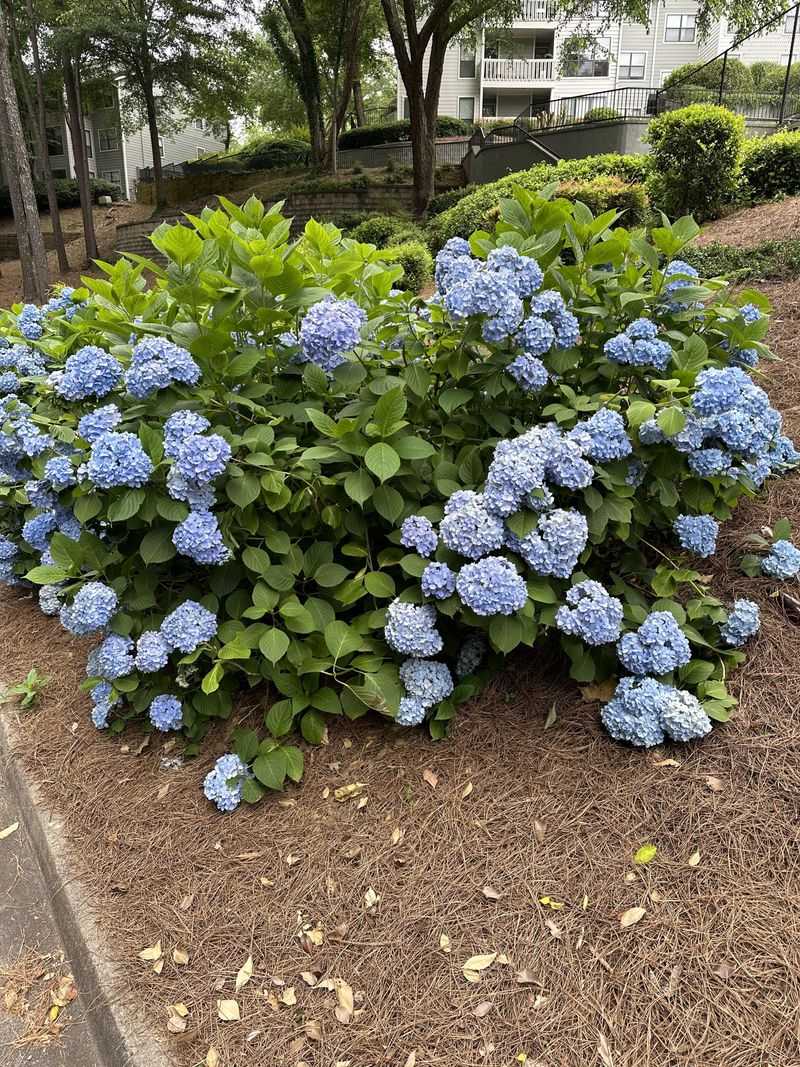
Blue mopheads are the hydrangeas people fall in love with, and also the ones that break the most hearts in Pennsylvania. Half the disappointment traces back to badly timed pruning.
Bigleaf hydrangea, along with its lacecap and oakleaf relatives, forms next summer’s flower buds during late summer. By September those buds are riding along on the stems you might be tempted to shorten.
Cut them now and you get a lush green shrub with hardly a bloom in sight. It is the classic mystery complaint at every garden center in June.
Our winters add a second challenge, since severe cold can damage exposed buds even without any help from pruners. Leaving the old stems standing gives the buds a bit of protection.
You can safely remove browned flower heads if they bother you, but snip only the thin stalk just below the bloom. Stay above the fat buds on the woody stem.
Reblooming varieties like Endless Summer flower on both old and new wood, which offers some insurance. Even so, September cutting reduces that first big flush.
Better fall tasks include mulching the root zone with several inches of shredded leaves and watering during dry spells. In the colder northern counties, some gardeners wrap the shrub loosely with burlap.
Real pruning belongs in late spring, once you can see which stems pushed out green leaves and which did not.
Then you cut with confidence instead of guessing.
Azaleas And Rhododendrons Need Rest This Month
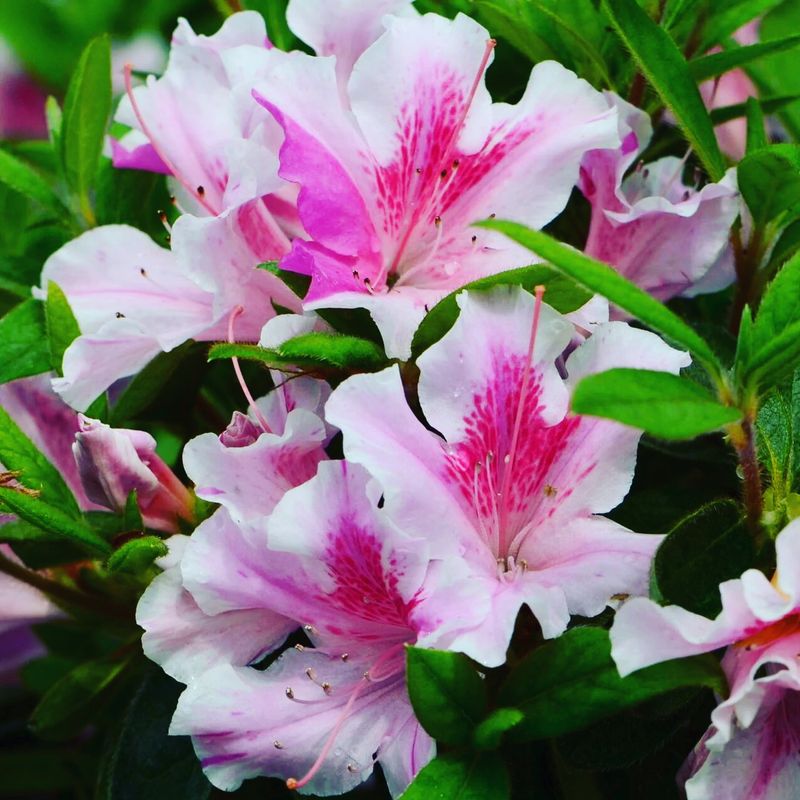
Look closely at a rhododendron right now and you will see them: fat, plump buds sitting at the tip of nearly every branch. Those are the flowers, packed and ready for next May.
One careless pass with the shears removes hundreds of them at once. It is the fastest way to turn a spectacular shrub into a leafy green blob.
Azaleas work the same way, setting buds shortly after they finish flowering in spring. September pruning simply cannot happen without sacrificing the display.
There is another reason to wait. Both plants have shallow, fine root systems, and cutting stimulates growth that would rather be hardening off for cold weather right now.
Pennsylvania is prime rhododendron country. The mountain laurel is our state flower, and its wild rhododendron cousins carpet stream banks in the Poconos and the Laurel Highlands.
If you must touch the plant this month, limit it to snapping off broken branches or removing a stem that is clearly failing. Those cuts do no harm.
Save the real work for right after the blooms fade in late spring, when you can shorten branches back to a whorl of leaves and the shrub has months to respond.
Meanwhile, give the roots what they want: an acidic soil, a two-inch blanket of pine needles or shredded oak leaves, and steady moisture until the ground freezes.
Come spring, you will be glad you left the pruners hanging on the hook.