Why Spinach Becomes Much Easier To Grow Once Ohio Nights Cool Down
Your spring spinach betrayed you. Again.
Two weeks of promise, full green leaves, real momentum. Then a stalk shot up from the center and the whole planting turned bitter and tough within days.
Many Ohio gardeners take that personally. Wrong soil, old seed, something they did.
None of that is usually the culprit.
Here’s the part that reframes everything. Spinach was responding correctly to the signals it received, and spring in Ohio sends exactly the wrong ones.
Two signals specifically, working together, and one of them has nothing to do with temperature. Fall reverses both at the same time.
Same seed packet, same bed, same gardener, and the crop suddenly behaves like a completely different plant. Germination improves. Leaves stay tender for weeks. Flavor actually gets better.
None of it is luck.
Curious why the season matters this much?
1. Cooler Nights Stop Premature Bolting
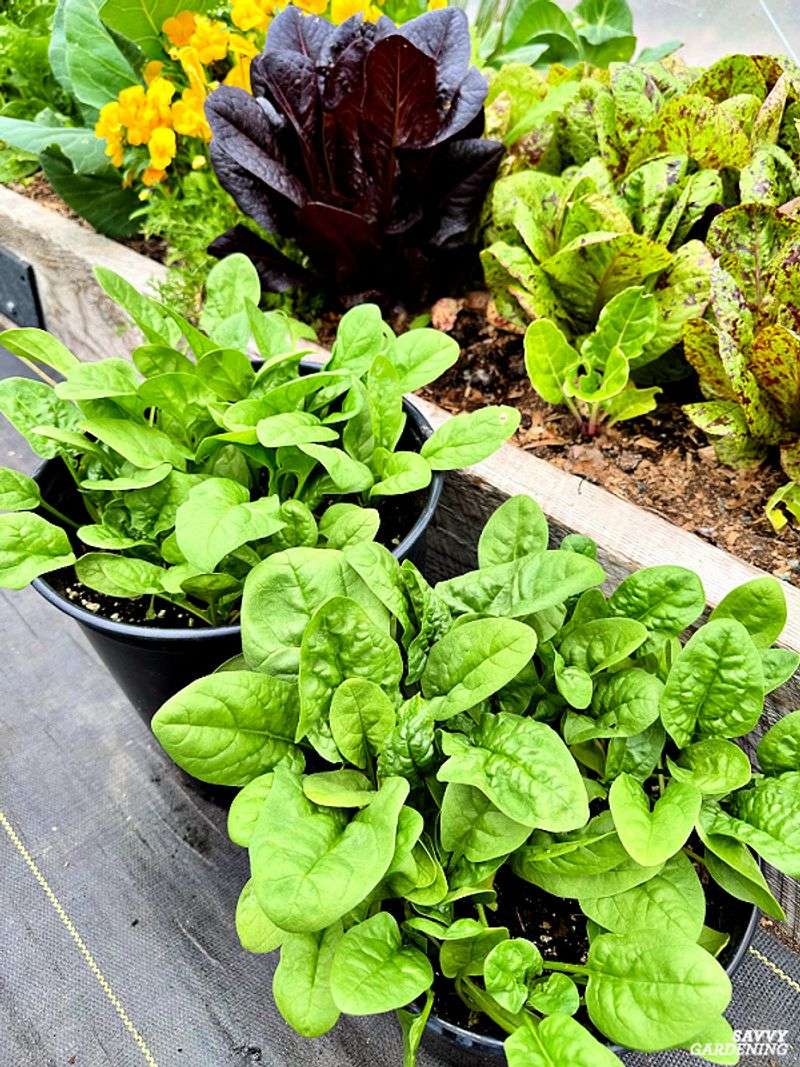
Anyone who has grown spring spinach in Ohio knows the pattern.
Plants look full and promising, then a tall center stalk appears and leaves quickly turn smaller, tougher, and less appealing.
Spinach is a cool-season crop, and that label carries real weight.
Bolting is not caused by heat alone. Long day length combined with warm temperatures pushes spinach to switch from leaf growth toward flowering and seed production.
Fall changes both parts of that equation simultaneously.
Nights cool, daytime highs moderate, and daylight hours gradually shorten. That combination tells spinach it can keep producing leaves rather than racing toward reproduction.
Cooler nights help specifically because plants recover from daytime stress after sunset.
When evenings stay hot, spinach continues respiring heavily through darkness, burning energy it would otherwise put into growth.
As overnight temperatures drop, more of that energy goes toward tender new foliage.
Variety selection helps too. Some cultivars are bred for bolt resistance, which matters more in spring than fall.
Timing the sowing so seedlings emerge as nights begin cooling gives the best result.
Across most of Ohio, late August through September lines up reasonably well depending on local frost dates.
2. Seeds Germinate Faster In Cool Soil
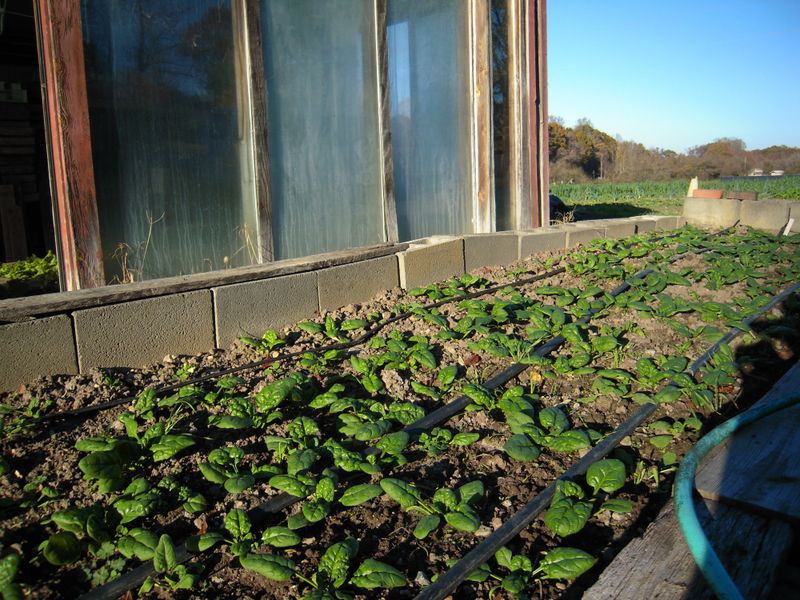
Spinach can be surprisingly difficult at the very beginning.
Gardeners often blame old seed when nothing emerges, and the actual problem is frequently soil that stayed too warm after a hot late summer day.
Spinach germinates best in cool soil rather than baking ground.
Warm conditions slow emergence and reduce stands noticeably. Seeds may sit longer, sprout unevenly, or fail outright.
Soil above roughly 75 degrees starts working against you, and above 85 germination drops off substantially.
Once nights cool, the top layer of soil loses heat more readily.
That matters because spinach gets planted shallowly, so seed-zone temperature follows overnight air more closely than deeper soil does.
Use that seasonal shift deliberately. Water the bed before sowing, plant into crumbly soil with good texture, and keep the surface lightly moist until sprouts appear.
Light mulch or shade cloth bridges the hottest late summer days.
Sowing in the evening or ahead of a milder stretch improves results considerably in Ohio.
Your Ohio Garden Changes Every Week. Your Plan Should Too.
Gardening in Ohio changes quickly throughout the season. Every Friday you’ll receive a simple weekly plan showing exactly what to plant, prune, fertilize, harvest, and protect so you never miss the right timing.
Seed viability is worth checking too, since spinach seed loses germination faster than many vegetables and two-year-old seed often performs poorly.
Seedlings then emerge more evenly and start with less stress, which makes everything afterward simpler.
3. Pests Slow Down As Temperatures Drop
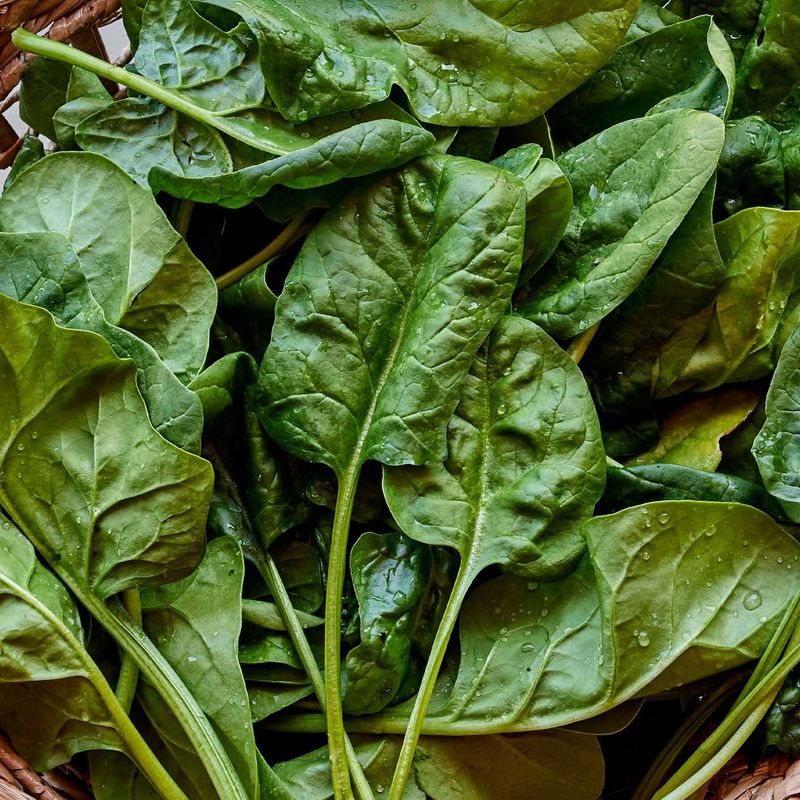
Late summer gardens function as an all-you-can-eat operation for insects.
Tender spinach seedlings face chewing, sucking, and general harassment right when they’re establishing roots and opening first true leaves.
As Ohio temperatures fall, many common pests become less active or less numerous.
Not every insect disappears, though the steady pressure that builds through peak summer usually eases enough to give spinach a better start.
Flea beetles, aphids, and leaf miners all thrive fastest during long warm stretches.
Cooler nights slow their reproductive cycles and reduce feeding intensity, so young spinach spends more energy growing and less repairing damage.
Leaf miners deserve specific mention, since they tunnel between leaf surfaces and their damage cannot be washed off or trimmed around easily.
Row cover installed at sowing prevents them entirely, which is far simpler than treating after the fact.
That seasonal slowdown also makes organic control more manageable, since hand-checking leaves every day or two catches problems early.
Keep beds clean and remove weeds that shelter insects, particularly lamb’s quarters, which hosts several of the same pests as spinach.
Morning watering supports sturdy plants, and healthy plants tolerate minor nibbling considerably better than stressed ones.
4. Disease Pressure Fades With The Heat
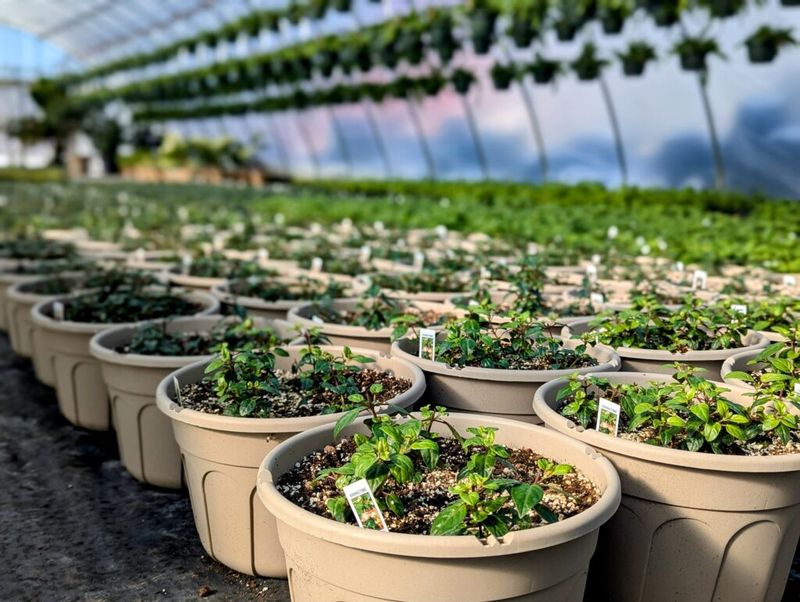
Summer heat and humidity weigh on a garden, and plants register it.
Spinach growing in those conditions struggles with bolting and with leaf problems that spread faster when air stays warm and damp.
Cooler fall weather shifts that pattern.
While diseases never vanish entirely, many fungal and moisture-related issues turn less aggressive once extreme heat breaks.
Leaves dry more predictably and the plant handles fewer simultaneous stresses.
Downy mildew is the exception worth watching, since it actually favors cool damp conditions and shows as yellow patches with purplish growth on leaf undersides.
Resistant varieties exist and are worth seeking out for fall planting specifically.
Spacing matters more than most people realize. Crowded spinach holds moisture between leaves and reduces air movement.
Sensible spacing plus lower temperatures creates a cleaner environment for foliage.
Morning watering helps too, giving plants the day to dry rather than sitting wet through a long cool night.
Healthy soil supports steadier growth, and a bed with compost, good drainage, and no standing water holds far less of the moisture that invites problems.
Raised beds help considerably in heavier Ohio clay.
5. Leaves Turn Sweeter After A Light Frost
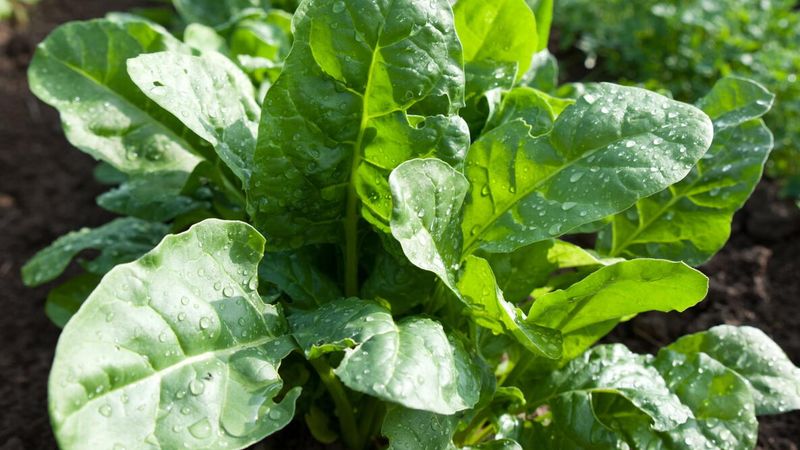
A cold morning does something genuinely useful to fall spinach.
After a light frost, leaves often taste smoother and sweeter, as though the plant improved itself overnight.
That change is real rather than garden folklore.
In many leafy greens, cold exposure encourages a shift in stored carbohydrates. Starches convert toward sugars, which helps protect cells from freezing and improves flavor as a side effect.
The result is a leaf that tastes less harsh than one grown through heat.
Instead of the bitterness that stress and bolting produce, you get a milder flavor that works well raw or cooked.
Light frost is the key distinction rather than a hard freeze that damages tissue badly.
Spinach handles cold reasonably well, tolerating temperatures into the low twenties with some protection, which extends the Ohio harvest considerably.
Row cover stretches the season further while still allowing plants to sweeten.
Harvest later in the morning after frost melts, since frozen leaves bruise easily and turn translucent when handled.
Take outer leaves first and let the center keep producing while weather stays favorable.
For anyone convinced they dislike spinach, fall genuinely changes the eating experience.
6. Plants Focus Energy On Leaves Not Seed
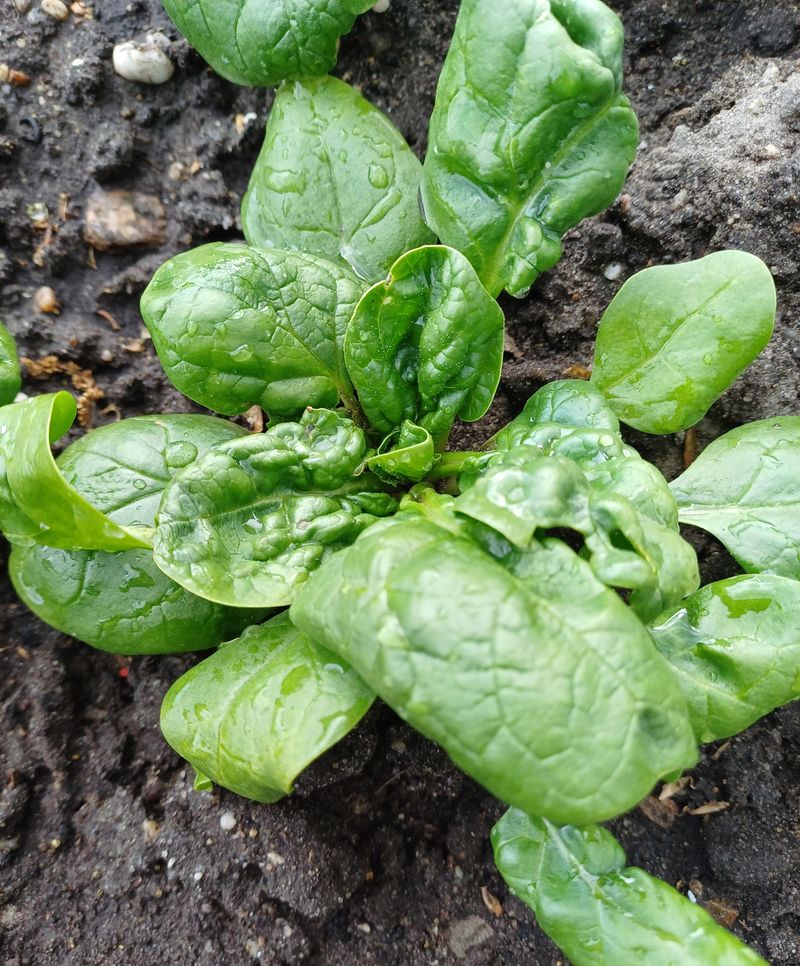
Gardeners want spinach for one reason, and it isn’t seed.
Nobody plants a row hoping it will hurry into flowering, stretch upward, and stop producing the tender harvests that justify the bed space.
When spinach avoids the bolting trigger, it keeps investing in leafy growth.
More usable harvest, better texture, and a longer picking window all follow from that.
Shorter fall days and cooler temperatures make it possible in Ohio.
Without strong pressure toward reproduction, growth stays more compact and productive. You get a low dense patch instead of a lanky stressed plant.
This is exactly why cut-and-come-again harvesting works so well in autumn.
Snipping outer leaves encourages continued production from the center, and the plant responds calmly rather than bolting in protest.
The same harvest style in spring heat feels like a race you’re losing.
Gentle fertility supports leaf production. Quick nitrogen isn’t necessary, though steady nutrition from compost helps plants replace what you harvest.
Even moisture pairs with that to keep growth consistent.
Fall spinach feels easier because the plant is finally doing what you wanted from the start.
That simple shift turns a frustrating crop into a dependable one.
7. Fall Light Levels Suit Spinach Growth
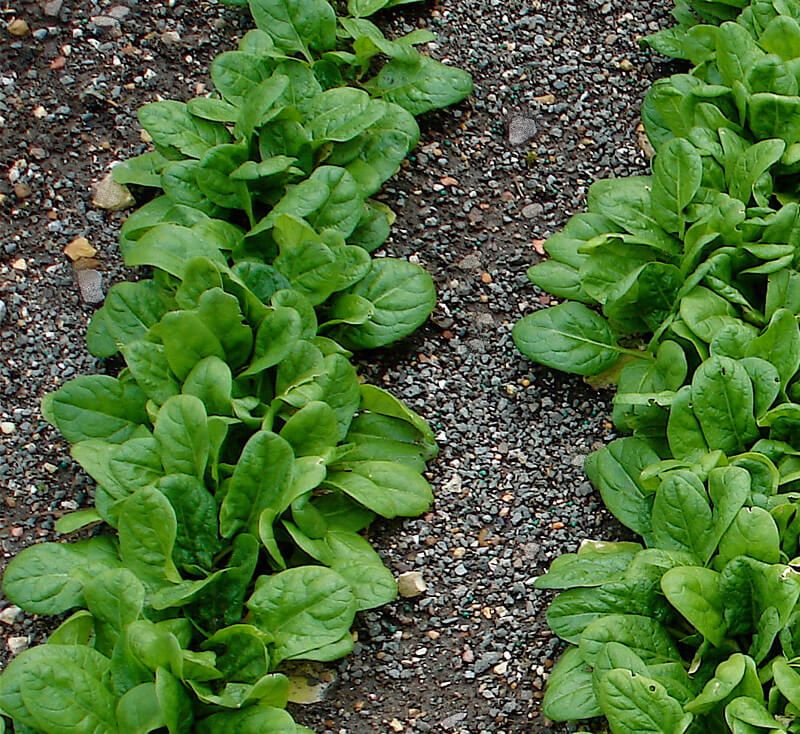
Spring and summer sunlight runs intense, and spinach doesn’t particularly appreciate it.
In Ohio, long bright days combine with warm weather to send the exact seasonal signal that pushes spinach toward flowering.
Fall brings a gentler rhythm.
Daylight hours gradually shorten, and that matters as much as temperature when discussing bolting.
Spinach is classified as a long-day plant, meaning increasing day length triggers flowering. That mechanism explains why spring plantings bolt even during cool weather.
Around fourteen hours of daylight is generally where the switch flips, which Ohio crosses in late spring.
With less pressure from day length, spinach settles into steadier leaf production.
Growth won’t be explosive the way summer beans climb, and it stays dependable, producing cleaner thicker leaves rather than sudden seed stalks.
Ohio’s fall pattern helps because cooling nights and shrinking daylight arrive together, creating a stronger combined signal than temperature alone.
Practical timing still applies. Sow early enough to build size while light remains adequate, then let plants hold and produce through cool weather.
Late August into September lines up well across much of the state.
Understanding day length makes spinach far less mysterious. The plant isn’t being difficult, just responding as built.
8. How To Time The Fall Sowing
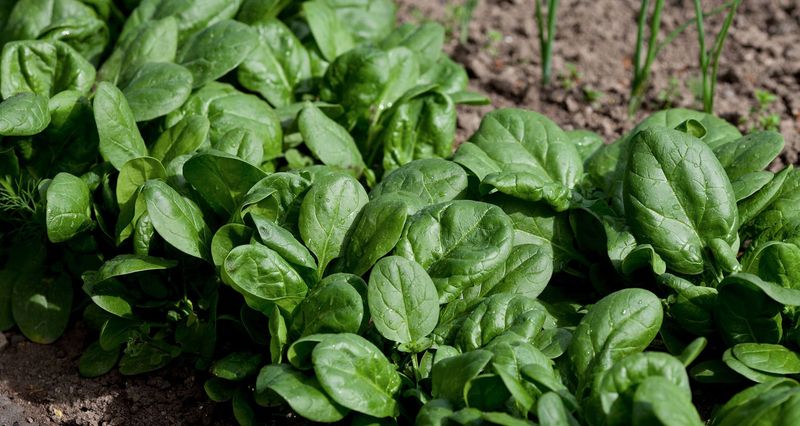
Getting the calendar right does most of the work here.
Spinach needs roughly 40 to 50 days from sowing to full-size leaves, though baby leaves are pickable considerably sooner.
Count backward from your average first frost date and add a week of buffer, since fall growth runs slower than seed packets assume.
Northern Ohio near Lake Erie typically frosts in early to mid October, while southern counties often run two or three weeks later.
That regional spread means a single statewide date misses badly in one direction.
Light frost is not the deadline anyway, since spinach handles it well and often improves.
Hard freeze matters more, and even then row cover or a cold frame extends harvest substantially.
Succession sowing spreads your risk. Planting a short row every ten days gives you overlapping harvests and hedges against one sowing hitting bad conditions.
A late September or early October sowing may overwinter in much of Ohio, staying small through winter and producing early spring leaves.
That overwintering approach is genuinely worth trying, since those plants often produce before any spring-sown crop germinates.
Mark sowing dates on something you’ll actually find later.
9. Prepare The Bed And Sow Correctly
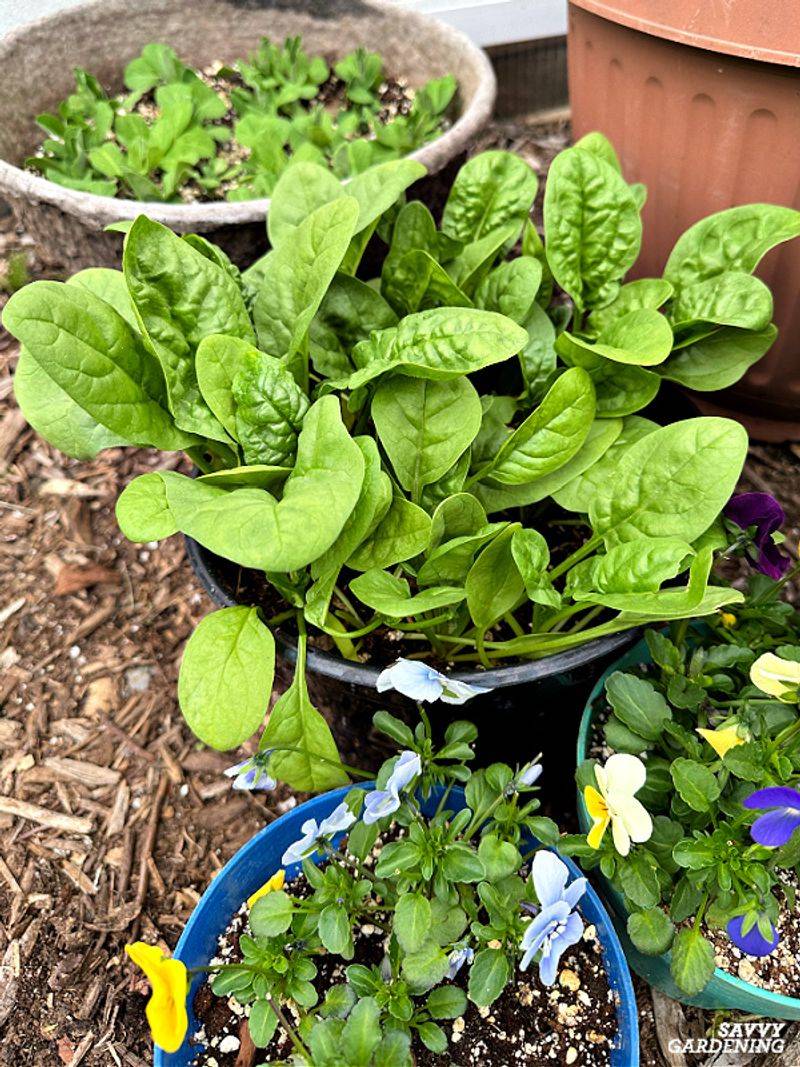
Soil preparation is straightforward and worth doing properly.
Spinach wants loose well-drained soil with decent organic matter, and it prefers a pH closer to neutral than most garden vegetables.
Ohio soils running acidic may limit growth, which is one reason a soil test occasionally explains a disappointing crop.
Work compost into the top several inches. Spinach responds well to fertile soil, unlike root crops that prefer lean conditions.
Nitrogen matters here since leaves are the product, though excessive amounts produce soft growth that attracts aphids.
Sow seeds about half an inch deep, spacing them an inch or two apart in rows twelve to eighteen inches apart.
Firm the soil gently and water with a fine spray so seeds settle without washing out.
Keep the surface consistently moist until emergence, which usually takes five to ten days in cool soil.
Thin seedlings to three or four inches apart for full-size plants, closer for baby leaf harvests.
Thinnings are edible, which makes the job less wasteful.
A bed that grew a heavy feeder this summer may still hold enough fertility to skip amendments entirely, so consider what came before.