Native Arizona Ground Covers That Stay Green And Soft Under Bare Feet All Summer
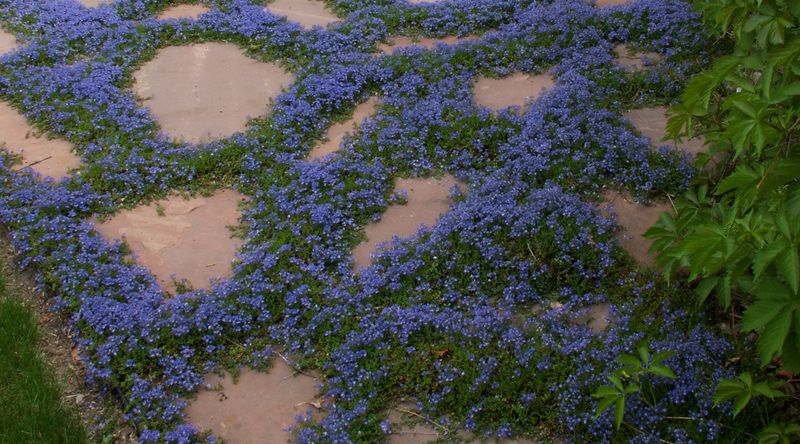
Walking barefoot across a hot Arizona yard can feel like stepping on a stovetop, but the right ground cover changes everything. Some native plants stay soft, green, and cool even when the thermometer climbs past 100 degrees.
They save water, cut down on mowing, and can make your yard less inviting to scorpions than a thirsty grass lawn. Here are seven Arizona natives that keep your feet happy all summer long.
1. Frogfruit in Arizona Yards
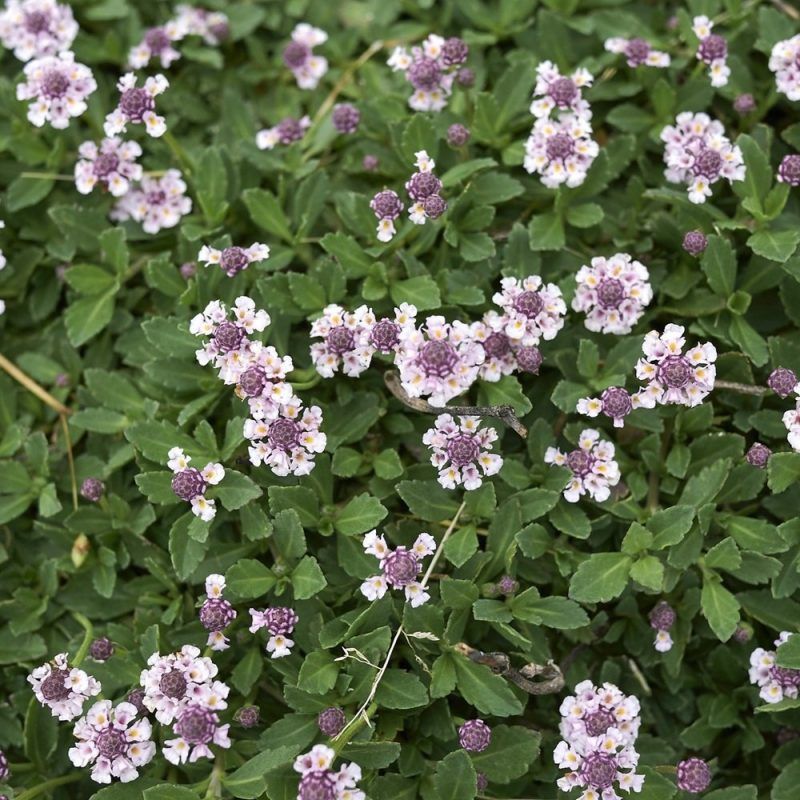
Picture a living green carpet that shrugs off blazing sun and still feels gentle beneath your toes. Frogfruit does exactly that, spreading into a low, walkable mat that handles light foot traffic without complaint.
Gardeners across Arizona often call it a true ground cover because it fills space quickly while sipping far less water than a traditional lawn. It thrives in full sun and intense heat, which makes it a natural fit for Phoenix and Tucson yards where grass tends to struggle.
From spring through fall, small white and lavender flowers pop up across the foliage, drawing in butterflies and other pollinators. That turns your barefoot lawn into a working piece of habitat rather than just decoration.
Because it stays low and uses little water, frogfruit tends to be less inviting to scorpions than a dense, moisture-heavy lawn. Keeping it trimmed near the foundation helps even more.
Fun fact: frogfruit earned its odd name because frogs and small creatures once sheltered in its dense cover near water. In your yard, it simply delivers soft, green, low-fuss beauty all summer.
2. Lemon Dalea for Arizona Landscapes
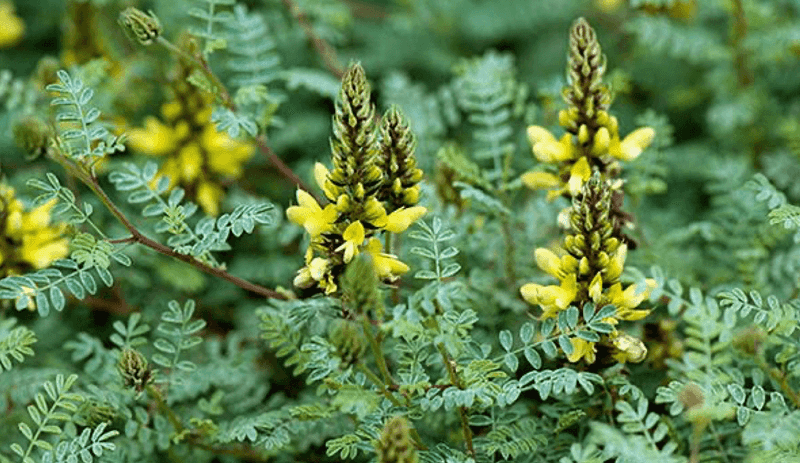
Run your hand across lemon dalea and you will understand why it made this list. The fine, feathery foliage feels almost like a soft brush, and it carries a light citrus scent when brushed or stepped on.
This Arizona native forms a dense, sprawling mat of lush, light green leaves that stays vibrant right through the hottest stretch of summer. Southern Arizona and Tucson gardeners especially love how fast it fills in bare spots.
Toughness is where lemon dalea really shines. It tolerates extreme heat, drought, and even winter cold, so it holds its color across Arizona’s wild seasonal swings without needing constant babying.
The fine texture means it feels pleasant underfoot, while its low water needs keep your bill down and your yard easier to manage. Less watering also means fewer damp hiding places that attract scorpions.
Tiny yellow flowers appear seasonally, adding a soft glow and inviting bees and other pollinators to visit. Plant it in fall for the strongest start, and by summer you will have a fragrant, green cushion that works hard while asking for almost nothing in return.
3. Golden Fleece Across Arizona Gardens
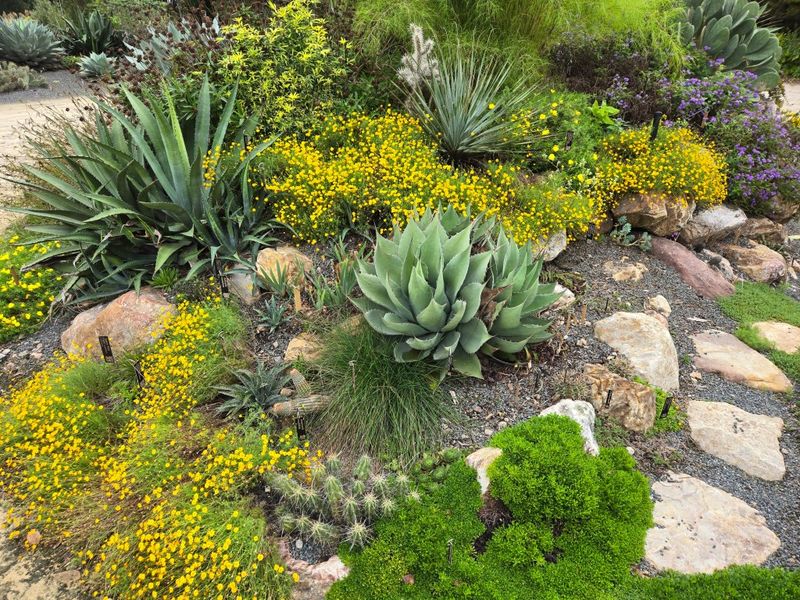
Few plants look as delicate yet prove as tough as golden fleece. Its long, threadlike, lacy foliage glows bright green and gives off a fine, soft texture that feels surprisingly gentle on bare feet.
Native to Arizona, this herbaceous perennial has a clever survival trick. It reseeds itself each year during the summer monsoon, then springs back with warm weather, keeping your yard green through the toughest desert months.
Your Arizona Garden Changes Every Week. Your Plan Should Too.
Gardening in Arizona changes quickly throughout the season. Every Friday you’ll receive a simple weekly plan showing exactly what to plant, prune, fertilize, harvest, and protect so you never miss the right timing.
Cheerful little yellow flowers bloom almost nonstop through spring and summer, turning a simple ground cover into a buzzing hotspot. Bees, butterflies, and birds all show up, so your yard starts pulling double duty as pollinator habitat.
Because it grows airy rather than thick and thirsty, golden fleece does not create the dense, damp shelter that scorpions favor. Pair that with its low water needs and you get a yard that works with the desert instead of against it.
For Arizona homeowners who want color, softness, and wildlife all in one low-maintenance plant, golden fleece is a quiet overachiever. Scatter it in fall or let the monsoon do the planting for you.
4. Mexican Evening Primrose in Arizona
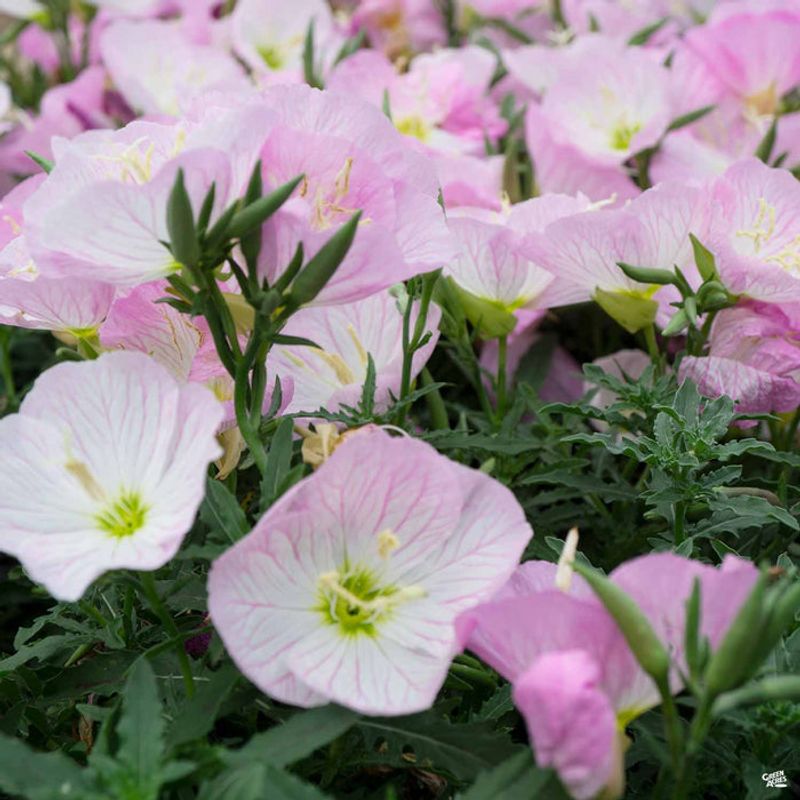
As the desert cools each evening, Mexican evening primrose puts on a quiet show, opening cup-shaped pink and white blooms just as the day winds down. Beneath those flowers sits a spreading green base that handles light foot traffic in hot climates.
This Arizona native works as a true ground cover, softening the soil surface and giving bare feet a friendlier place to land than baking gravel or crispy grass. It also helps cool the ground and cut water use across the yard.
Compared to a traditional lawn, it asks for far less maintenance, which is a relief during long Arizona summers. Full sun brings the most blooms, though it happily grows in part shade too.
The flowers draw pollinators, especially in the evening hours, adding gentle movement and life to your outdoor space. That makes it feel more like habitat than mere decoration.
One caution worth knowing: this plant spreads eagerly, so give it room or plan to trim it back. Keeping it managed and less dense also helps make the area less appealing to moisture-loving scorpions near your home.
5. Trailing Indigo Bush for Arizona Slopes
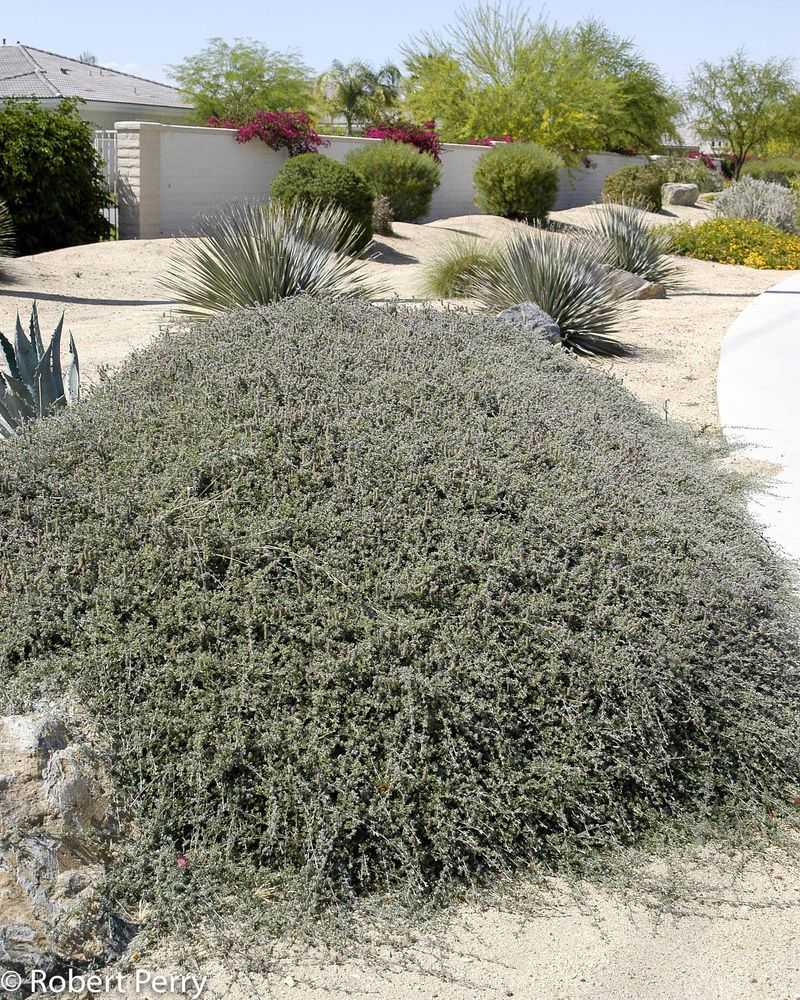
On tricky slopes where nothing seems to want to grow, trailing indigo bush steps up like a reliable workhorse. Its soft, silvery-green leaves form a low, spreading blanket that cools the ground and stays pleasant to walk across.
A close cousin to lemon dalea, this Arizona-adapted native handles brutal heat and poor, rocky soil with ease. It spreads wide, holding soil in place and controlling erosion on banks and berms where lawns would fail.
Small purple flowers appear in spring, adding a subtle pop of color and drawing bees to the garden. The fine foliage keeps a gentle texture that feels soft rather than scratchy beneath bare feet.
Water needs stay low once it settles in, so it fits right into a water-wise Arizona yard. Because it grows relatively open and dry rather than lush and soggy, it tends to be less inviting to scorpions than a heavily irrigated planting.
Plant it in fall to let roots establish before summer arrives. By the hot months, you will have a tough, silvery carpet doing the hard work of erosion control while still feeling kind to your feet.
6. Damianita for Arizona Sunny Spots
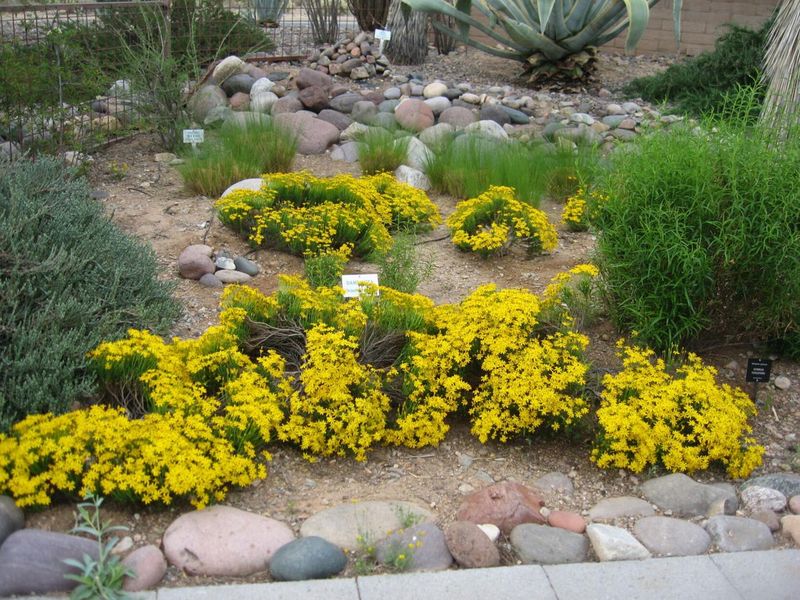
Damianita brings a cheerful splash of gold to the toughest, sun-baked corners of an Arizona yard. Its fine, needle-like dark green foliage forms tidy low mounds that stay soft and neat with almost no attention.
Heat and drought barely faze this desert-adapted native, which is exactly why it thrives where thirstier plants give up. The compact growth keeps a pleasant texture underfoot in lighter-traffic areas and along pathways.
Bright yellow daisy-like flowers cover the plant in spring and again after summer rains, creating a striking carpet of color. Those blooms invite butterflies and bees, turning a simple filler plant into a little pollinator magnet.
The aromatic foliage releases a resinous scent when brushed, a small bonus that adds character to your outdoor space. Because it stays low, dry, and airy, it does not build the damp, dense cover that scorpions look for.
Its water-wise nature keeps maintenance minimal and your water bill friendly. Set it out in fall alongside other natives, and you will earn a hardy, golden-topped ground cover that greens up sunny spots while asking for very little in return each season.
7. Blackfoot Daisy for Arizona Borders
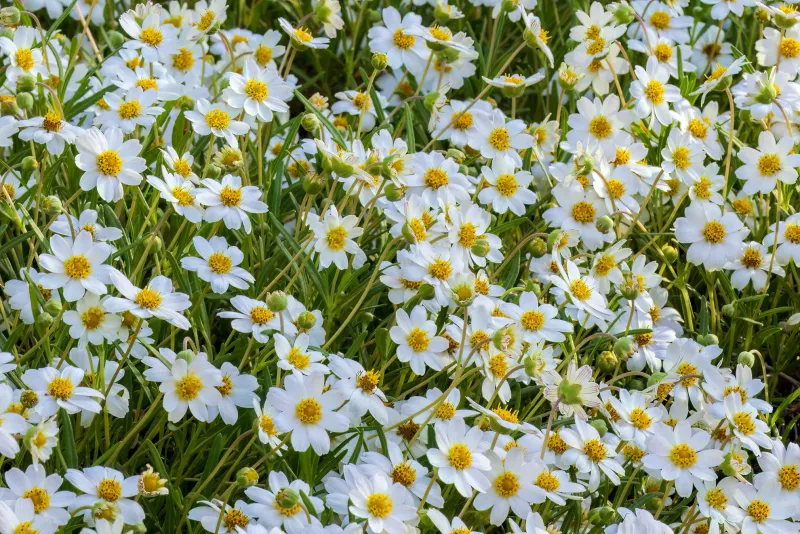
With cheerful white daisies scattered across soft green mounds, blackfoot daisy looks almost too delicate for the desert. Do not be fooled, because this Arizona native is a heat-loving survivor that keeps blooming when other plants fade.
It grows into low, rounded cushions of fine foliage that feel gentle and inviting along borders, walkways, and open patches. The tidy shape means it fills gaps without sprawling out of control.
Bright white flowers with sunny yellow centers appear from spring straight through fall, often carrying a faint honey scent. Butterflies and bees drop by regularly, giving your yard steady pollinator traffic all season.
Blackfoot daisy asks for very little water once established, thriving in the alkaline, rocky soils common across Phoenix and Tucson. That toughness makes it a smart, low-fuss choice for busy homeowners.
Since it grows open and dry rather than thick and moist, it stays less inviting to scorpions than a soggy lawn. Combine it with clearing debris near your foundation for the best results.
Tuck it in during fall, and by summer you will enjoy a soft, flower-dotted border that shrugs off the desert heat with a smile.