The Small Things You Leave In Your Arizona Yard That Quietly Turn It Into Wildlife Habitat
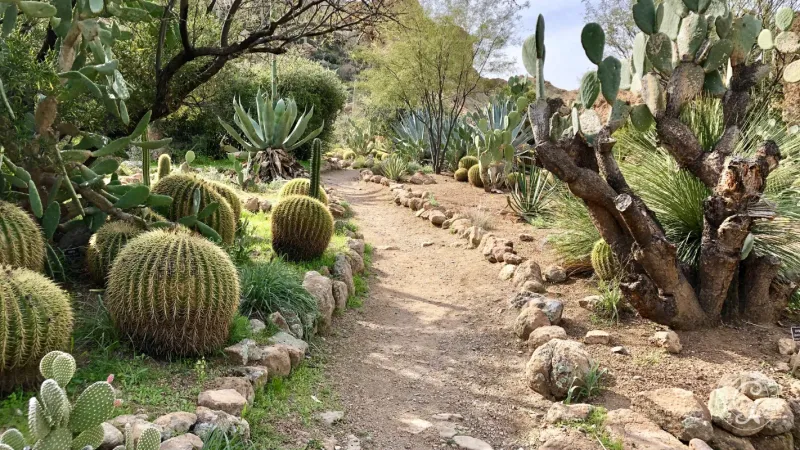
You might think your Arizona yard is just a place to walk out and grab the mail, but small choices can turn it into a busy home for birds, bats, and helpful bugs. The things you leave alone, like a rock pile or a shallow dish of water, quietly invite creatures that hunt scorpions and mosquitoes for you.
Best of all, these tricks work with our brutal heat, tough soil, and tight water budget. Let’s look at nine simple things that make your yard work harder for wildlife and for you.
1. A Ground-Level Water Dish in Your Arizona Yard
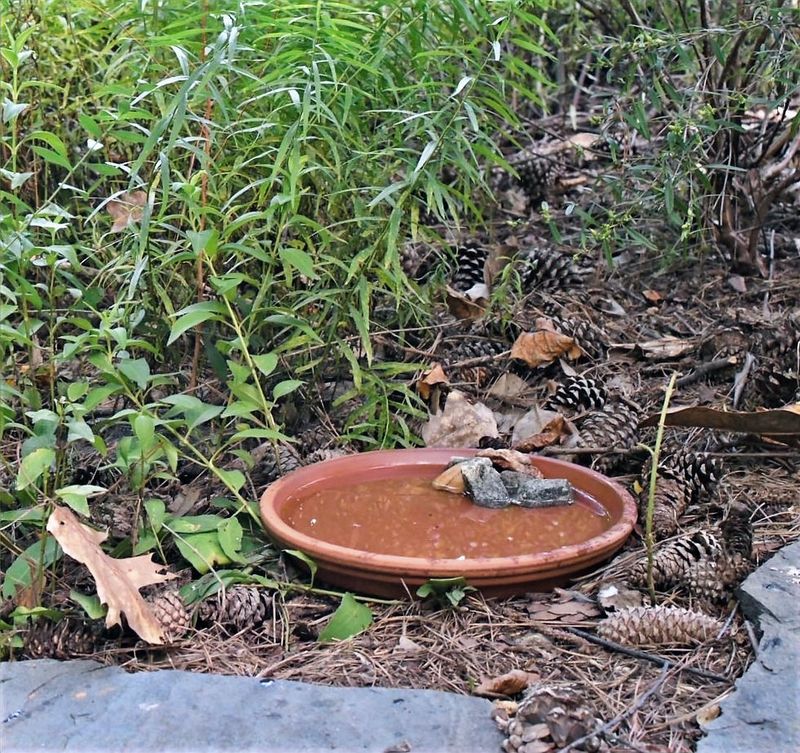
Nothing pulls in desert wildlife faster than a drink of water when it’s 110 degrees outside. A simple shallow dish set right on the ground gives lizards, quail, and small mammals a spot to sip that a tall birdbath never reaches.
Reptiles and amphibians can’t fly up to a pedestal, so a low source is what makes your yard truly welcoming to the widest crowd. Toss in a few flat stones as landing pads, and you’ll see butterflies and bees stop by too.
Keep it shallow, no more than an inch or two, so nothing gets stuck. The catch is cleanliness: standing water can spread disease and breed mosquitoes, so dump it, scrub it, and refill every couple of days.
Place your dish near cover like a shrub or rock so creatures feel safe darting in and out. During monsoon season you may even catch toads gathering nearby.
It costs almost nothing, uses very little water, and it may become the single busiest spot in your whole yard once the animals learn it’s there.
2. A Brush Pile Tucked in Your Arizona Yard
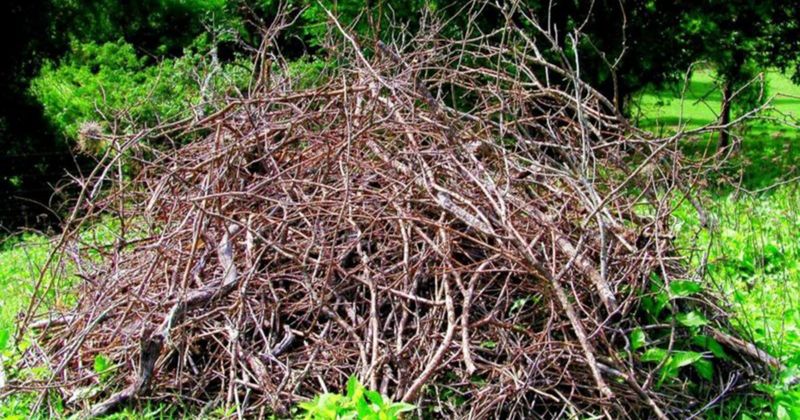
That heap of trimmed branches you were about to haul to the dump? Leave it in a quiet corner and you’ve built a wildlife apartment complex for free.
A loose pile of dry branches gives lizards, small birds, and beneficial insects a place to hide from hawks, cats, and the blazing sun. The gaps between sticks trap cooler air, which matters a lot when the ground is hot enough to fry an egg.
Cactus wrens and other little birds duck inside to escape predators, while spiders and beetles that eat pests set up shop in the shadows. Even the occasional lizard patrolling for bugs will thank you.
Stack it up against a wall or under a mesquite where it stays out of sight and out of foot traffic. Add to it whenever you prune, and let the bottom slowly break down into the soil.
It’s the definition of low effort, since doing less work actually helps more. A brush pile turns yard waste into shelter, and shelter is exactly what keeps helpful critters hanging around your property.
3. Fallen Leaf Litter Under Arizona Trees
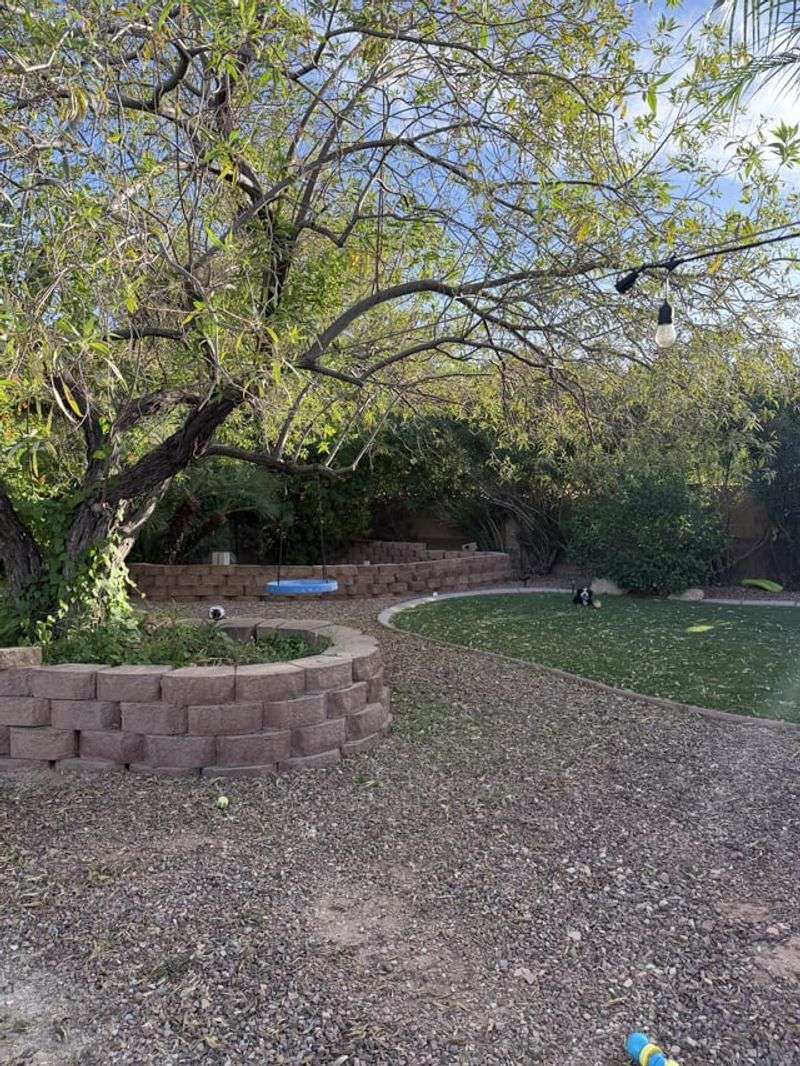
Raking every last leaf feels tidy, but bare dirt is a desert for the tiny creatures that keep your yard alive. A thin blanket of fallen leaves under your mesquite or palo verde does more work than a bag of fertilizer.
Your Arizona Garden Changes Every Week. Your Plan Should Too.
Gardening in Arizona changes quickly throughout the season. Every Friday you’ll receive a simple weekly plan showing exactly what to plant, prune, fertilize, harvest, and protect so you never miss the right timing.
Leaf litter holds moisture in the soil, cools the roots, and slowly breaks down into free compost that native plants love. It also shelters ground beetles, pill bugs, and other decomposers that recycle nutrients right where they’re needed.
Those insects become food for lizards and birds, so leaving the leaves feeds the whole chain without you lifting a finger. Toads and small reptiles burrow into the damp layer during dry spells too.
You don’t need a thick carpet, just enough to shade the ground and keep it from baking. Rake it into planting beds rather than the trash if a spot looks too messy for you.
Skip the leaf blower and let nature’s mulch do its thing. Your soil holds water better, your plants grow tougher, and quiet little helpers move in for good.
4. A Rock Pile Warming in the Arizona Sun
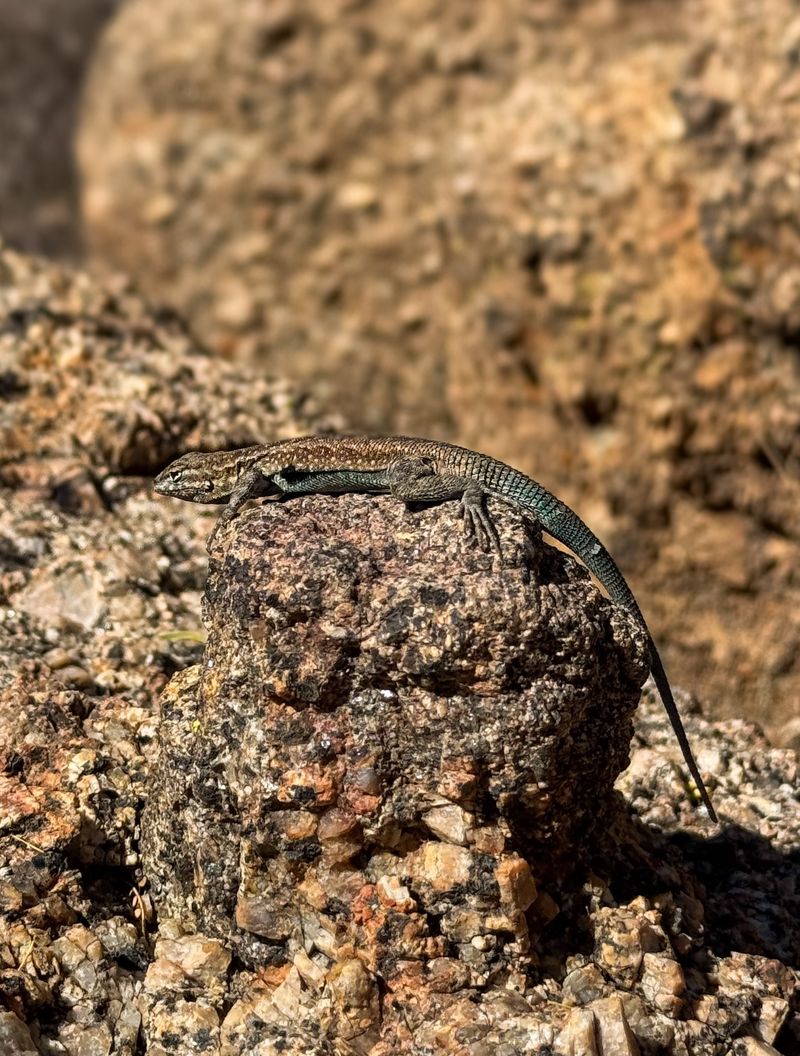
Lizards are your free scorpion and cricket patrol, and a simple pile of rocks is the five-star hotel that keeps them close. Reptiles are cold-blooded, so they need warm stones to soak up heat in the morning and cool crevices to hide in when the sun turns cruel.
Stack a few flat rocks with gaps between them near a shrub or wall. Whiptail lizards, spiny lizards, and geckos will move in and spend their days hunting the very bugs you don’t want around.
The shady cracks also give shelter to spiders and beetles that eat pests, plus the occasional toad during monsoon season. A rock pile absorbs heat during the day and releases it at night, creating a cozy microclimate.
Position it where you can watch the action from a window, since lizard-watching beats television on a slow evening. Just check for scorpions before reaching in with bare hands.
Unlike a plant, rocks need zero water and never die in a heat wave. Leave them be, and a little stone stack quietly becomes one of the busiest hunting grounds in your yard.
5. Seed Heads Left on Arizona Native Plants
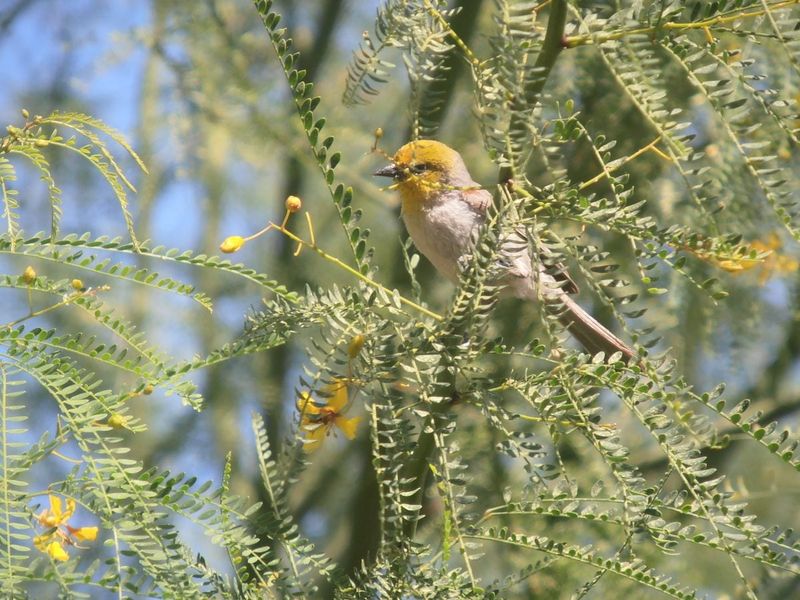
When your brittlebush, penstemon, or globe mallow finishes blooming, resist the urge to deadhead every stalk. Those dried seed heads are a buffet for finches, sparrows, and quail heading into the lean parts of the year.
Birds that pick seeds all day are also grabbing insects for their chicks, so feeding them draws in natural pest control at the same time. Lesser goldfinches especially love clinging to spent flower stalks and working them over.
Leaving seed heads standing costs nothing and saves you the chore of constant trimming. The dry stems also give insects a place to overwinter, which means more pollinators come spring.
Native plants like desert marigold and blackfoot daisy will reseed themselves too, filling in gaps with free new plants. You get a fuller yard without buying anything.
Wait until late winter to cut things back, once the birds have stripped what they need and the beneficial bugs have moved on. A little untidiness now pays off with more birdsong and fewer garden pests later, all because you left the flowers to finish their natural cycle.
6. A Dark Corner With Less Light in Your Arizona Yard
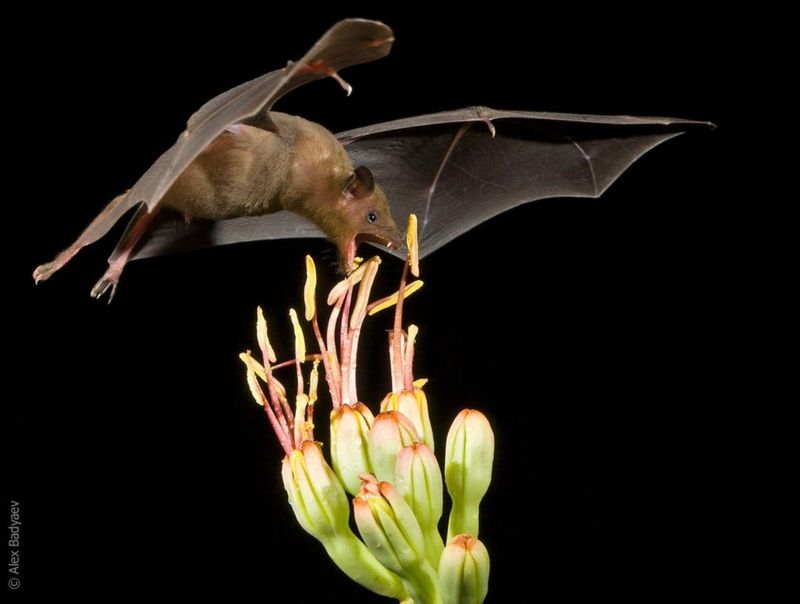
Flip off a few outdoor lights and you invite one of Arizona’s best pest hunters to your yard: bats. A single bat can eat over a thousand mosquito-sized insects in an hour, and pallid bats even snatch up scorpions.
Bright floodlights confuse night creatures and scare off the moths and beetles that bats and toads depend on. Dimming or shading your lights lets the whole nighttime crew do their jobs.
Leaving darker zones near native flowering plants gives nocturnal pollinators room to work too. Four o’clocks and saguaro blossoms open after sunset specifically for moths and bats.
You don’t have to sit in total blackness. Use warm-colored bulbs, aim lights downward, and turn off anything you don’t truly need after dark.
Less light pollution also means you’ll actually see the stars, a nice bonus in our clear desert skies. Add a bat box on a tall pole or wall to sweeten the deal.
By simply doing less lighting, you cut your mosquito problem and give the night shift of your yard a chance to thrive.
7. Bare Patches of Soil in Your Arizona Yard
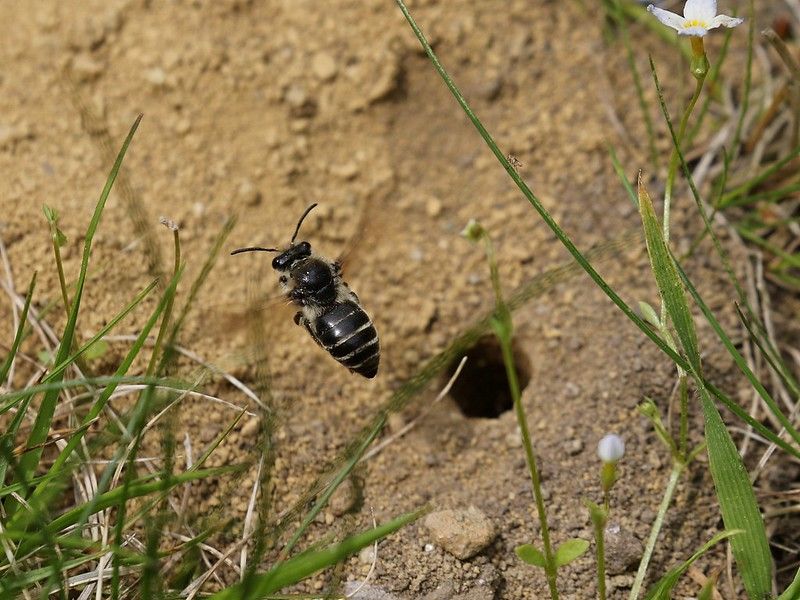
Not every inch of ground needs gravel or grass. A few patches of open, undisturbed dirt turn out to be prime real estate for some of your yard’s hardest workers.
Most native bees in Arizona nest in the ground, not in hives, and they need bare soil to dig their tunnels. These solitary bees are gentle, rarely sting, and pollinate your plants far better than honeybees do.
Quail and other birds also use loose dirt for dust baths that keep their feathers healthy and free of parasites. Watching a covey take a dust bath is one of the desert’s quiet joys.
Leave a sunny, well-drained spot free of mulch and heavy foot traffic. Skip the plastic weed barrier there, since it seals the ground and blocks the nesters.
You don’t need much, just a corner or the edge of a planting bed. It’s the rare case where doing nothing is the whole plan.
By keeping a little bare ground open, you support the pollinators that make the rest of your habitat bloom and produce food for everyone else.
8. Standing Dead Branches on Arizona Trees
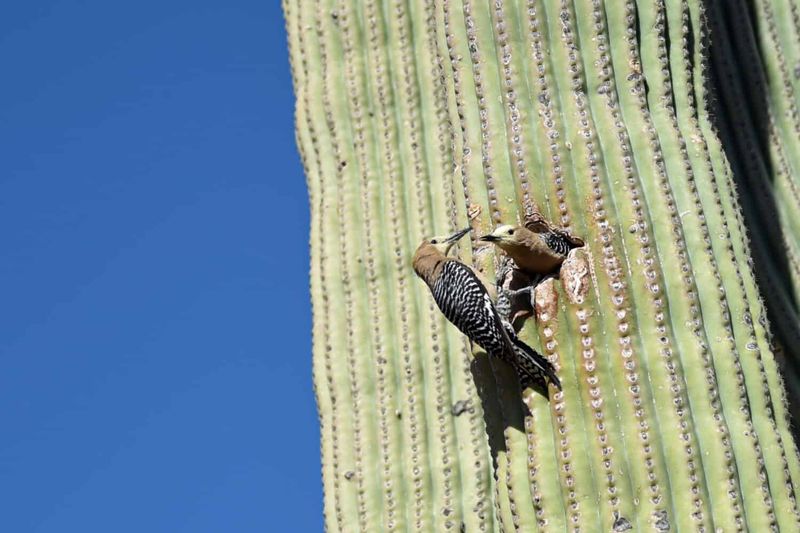
A dead limb on your mesquite or an old saguaro standing tall might look like something to remove, but wildlife sees a high-rise full of vacancies. Cavity-nesting birds depend on these snags to raise their young.
Gila woodpeckers and flickers drill holes in dead wood, and once they move out, elf owls, ash-throated flycatchers, and other birds move right in. A single old saguaro can host generations of tenants.
Bare branches also make perfect lookout perches for hawks, flycatchers, and roadrunners scanning for scorpions and lizards below. Birds hunting from a snag are birds hunting your pests.
The soft, decaying wood feeds beetles and ants, which in turn feed woodpeckers, so the whole system keeps humming. Insects tucked in the crevices support the food chain year round.
Leave dead wood standing wherever it won’t fall on your house, fence, or a walkway. Safety comes first, but a snag well away from structures is pure habitat gold.
Instead of hauling it off, let that lifeless branch keep giving life to the birds and bugs that call your Arizona yard home.
9. An Unraked Layer of Mulch Around Arizona Plants
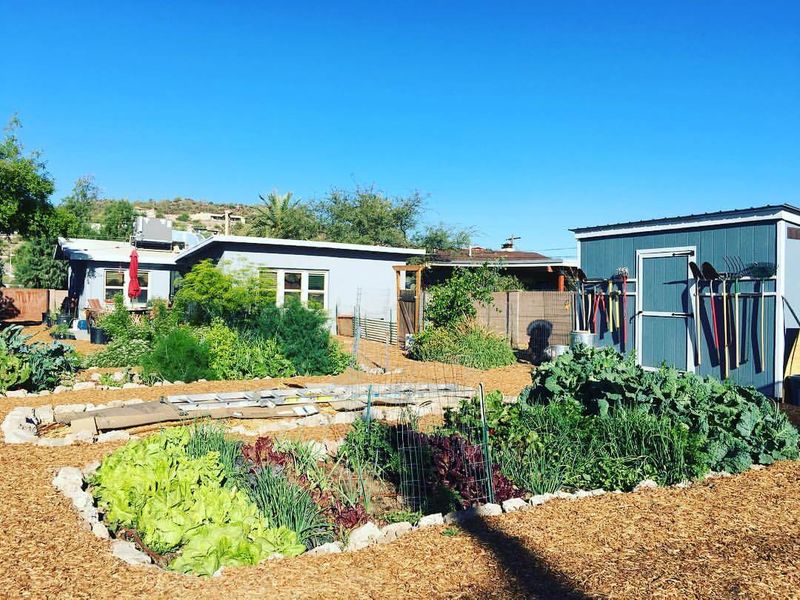
Spreading a rough layer of mulch and then leaving it alone is one of the laziest, smartest things you can do for Arizona wildlife. It shields the soil from our punishing sun and locks in the little water we have.
Under that cool, damp blanket, spiders, ground beetles, and centipedes hunt the pests that bother your plants. Toads burrow in during dry stretches and wait out the heat until monsoon rains return.
Organic mulch like shredded bark or fallen palo verde debris slowly breaks down and feeds your native plants without any fertilizer. Over-fertilizing actually makes desert plants weak and thirsty, so the slow route wins.
Keep the layer a few inches thick and pull it back slightly from plant stems to prevent rot. Refresh it once a year or just let your trees drop new material on top.
Avoid rock-only landscaping if you want living soil, since bare gravel bakes and supports very little. A generous, undisturbed mulch layer holds moisture, cools roots, and quietly shelters the tiny predators that keep your whole yard in balance.