The September Task Georgia Zoysia Grass Owners Often Miss
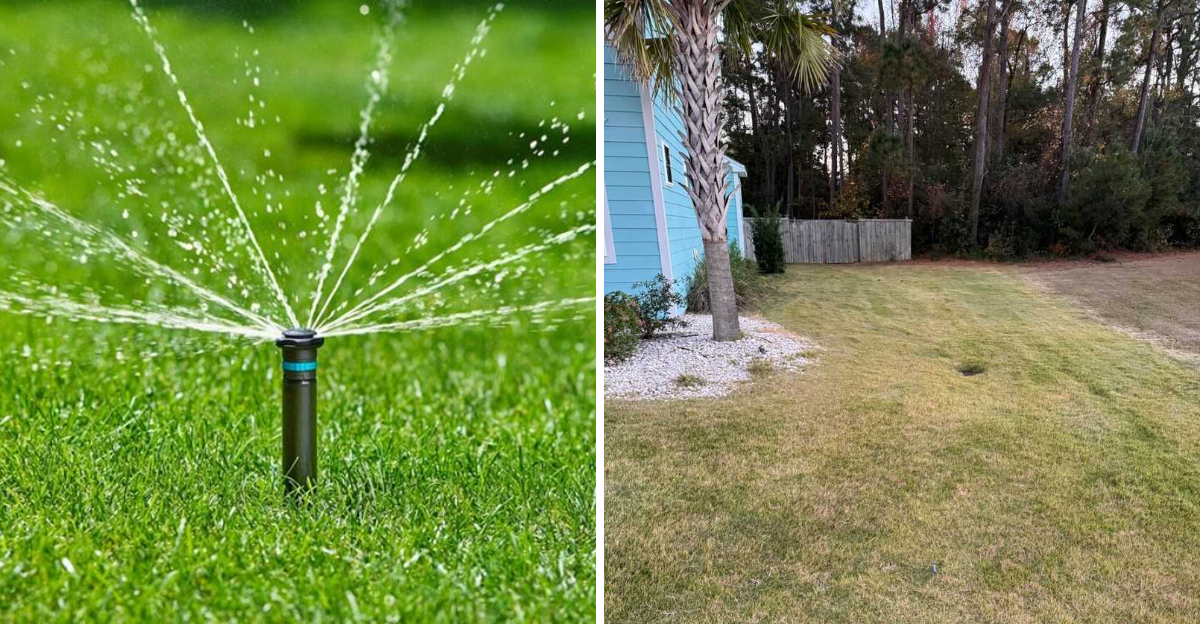
Your zoysia may still look thick and green in September, but that does not mean its summer routine should continue unchanged. This month marks an important turning point for the lawn.
As growth begins responding to shorter days, the decisions you make now start carrying more weight.
That is where one commonly overlooked task becomes important for Georgia lawns. Miss the timing, and you may head into cooler weather with grass that is less prepared than expected.
Fortunately, getting this part right does not require a complicated weekend project.
You simply need to recognize what your zoysia needs as its growing period begins winding down. Handle that shift correctly, and you can avoid creating extra problems before dormancy.
September still matters, so give your lawn attention before the season changes.
1. September Is When Zoysia Care Needs To Start Changing
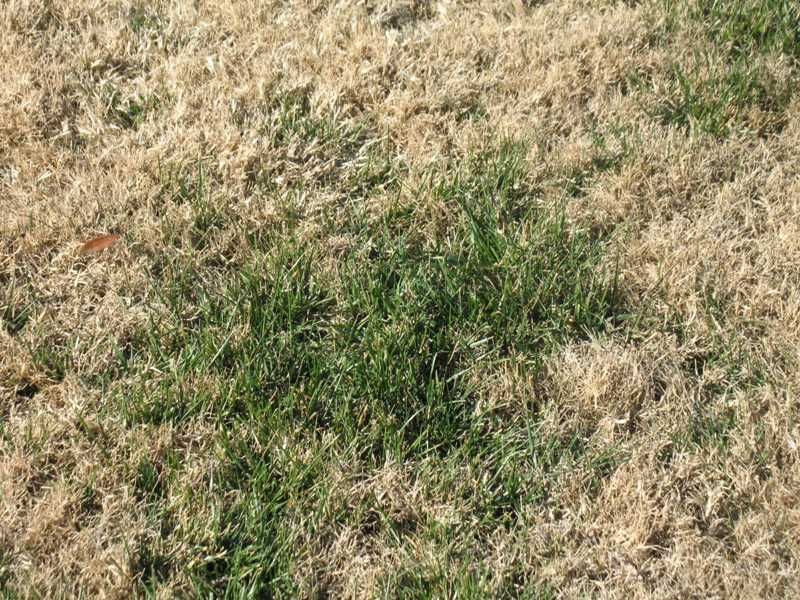
Something shifts in a Georgia lawn the moment September arrives, even when the afternoons still feel like the middle of July.
Nights cool down first, and zoysia notices that change long before people do. Growth slows gradually as the grass moves energy toward its roots and runners instead of new blades.
Summer routines that worked beautifully in June can quietly start working against you now.
Heavy feeding, aggressive dethatching, and hard scalping all belong to the warm months, and pushing them into fall leaves the lawn with far less time to recover. Zoysia repairs itself slowly compared with bermuda, so timing usually matters more than effort.
Think of September as a transition month rather than a growing month. Your goal changes from chasing green growth to helping the lawn store energy for winter, and that single shift in thinking guides nearly every decision over the next few weeks.
Watch the grass instead of the calendar.
When clippings shrink and the color deepens slightly, the lawn is telling you that growth is winding down. Weather varies year to year, so a warm fall may stretch active growth well into October in southern areas.
Keep a few notes if you can.
Writing down mowing dates, rainfall totals, and fertilizer applications gives you a real record instead of guesswork next season, and zoysia tends to reward owners who notice patterns early.
2. Summer Feeding Should Be Coming To An End

Put the fertilizer spreader away before you feel ready to. Zoysia does most of its feeding work between late spring and midsummer, and by September the payoff from another round is fairly small.
Nutrients applied late often fuel top growth the lawn simply cannot use.
Most extension guidance for warm-season lawns points to ending nitrogen roughly six to eight weeks ahead of the first expected frost.
In north Georgia, that usually places the cutoff somewhere in late August, while milder coastal areas may allow a slightly later date. Frost dates shift from year to year, so check yours instead of copying a neighbor’s schedule.
Skipping the September feeding feels wrong to anyone who likes a tidy routine.
Zoysia holds its color well into fall on its own, and a lawn that looked healthy through August rarely needs rescuing a few weeks later. Patience here generally beats one more application.
Your Georgia Garden Changes Every Week. Your Plan Should Too.
Gardening in Georgia changes quickly throughout the season. Every Friday you’ll receive a simple weekly plan showing exactly what to plant, prune, fertilize, harvest, and protect so you never miss the right timing.
Potassium is the exception worth discussing.
Some turf specialists suggest a light potassium application in early fall to support root strength and stress tolerance, though the benefit depends heavily on your existing soil levels. A soil test answers that question quickly.
Fertilizer left in the garage keeps just fine.
Store it sealed and dry, and it should be ready when growth restarts next spring, which saves money and stops you from spreading product purely out of habit.
3. Extra Nitrogen Can Keep Grass Growing Too Long
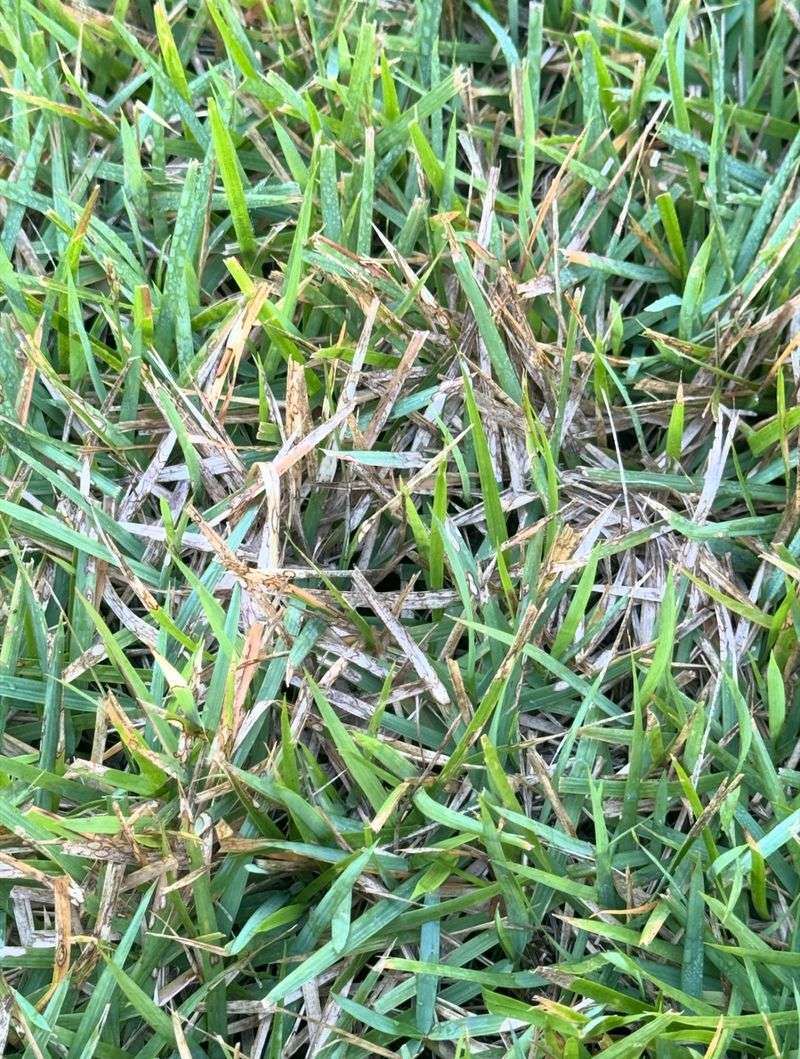
Late nitrogen creates a problem you usually cannot see until winter shows up.
Grass pushed into soft new growth during September stays tender when temperatures drop, and tender tissue handles cold poorly. Blades may brown unevenly, and thin spots sometimes linger well into spring.
Fungus is the second concern.
Large patch, a common zoysia disease across the Southeast, tends to appear in fall when soil temperatures slide into the seventies and moisture hangs around. Excess nitrogen is widely considered a contributing factor.
Homeowners in Georgia often spot circular tan rings in October and blame the weather alone.
Feeding history usually plays a role too, and pulling back on late-season nitrogen is one of the simplest ways to lower that risk. Watch for hidden nitrogen sources hiding in plain sight.
Weed-and-feed products, certain organic amendments, and clippings hauled from an over-fertilized area all add more than people expect, so read labels carefully before applying anything this month.
Slow-release products deserve extra caution. A midsummer application can still be releasing nutrients weeks later, which means your lawn may already be fed even though you have not touched the spreader since July.
None of this means one mistake ruins everything.
A single late feeding rarely causes lasting harm, but repeating it season after season tends to show up as slower spring green-up and heavier disease pressure.
4. Mowing Still Matters As Growth Begins To Slow

Slower growth is no reason to park the mower for the season.
Zoysia keeps growing through September across most of the Southeast, just at a reduced pace, and letting it get shaggy invites matting and disease. Cutting every seven to ten days usually keeps things looking right.
Height is where opinions tend to split.
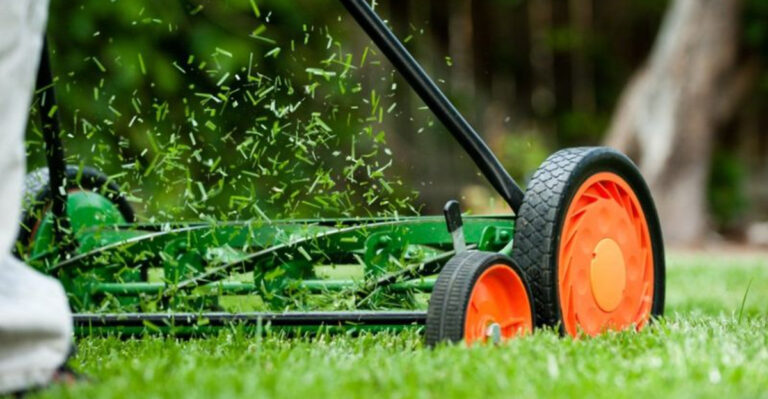
Common zoysia varieties do well between one and two inches, while finer types can be cut lower with a reel mower. Staying inside your usual range through fall is safer than making sudden changes.
Scalping now is a mistake worth avoiding entirely.
Cutting too short strips away the leaf area the plant uses to build reserves, and recovery slows as temperatures fall. Save any low renovation cut for late spring.
Sharp blades matter more than most people realize.
Torn leaf tips heal slowly in cool weather and give fungus an easier entry point, so a quick sharpening in early fall is time genuinely well spent.
Leaves complicate everything by late October, but September gives you a head start in Georgia yards shaded by oaks and maples.
Mulching light leaf drop with the mower returns organic matter to the soil, though thick piles should be raked off instead.
Leave short clippings where they fall. They break down quickly and return a modest amount of nutrients, which is one reason zoysia lawns often need less fertilizer than owners assume.
5. Keep Watering When Rainfall Falls Short
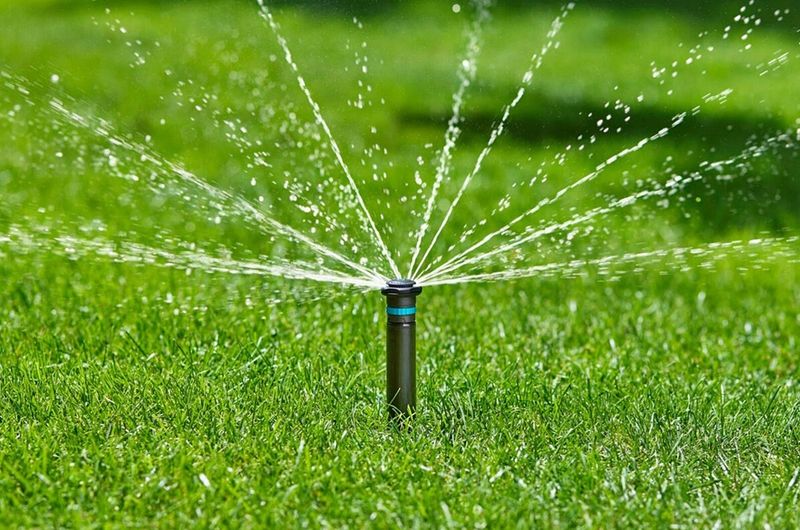
Dry Septembers are common, and zoysia still needs steady moisture even while growth slows.
Roots stay active long after the blades stop stretching, and a lawn that heads into fall drought-stressed often greens up unevenly the following spring.
Aim for roughly an inch of water per week, counting whatever rain falls.
A rain gauge or a straight-sided can set under the sprinkler tells you far more than guessing, since irrigation output varies a lot between systems.
Water early in the morning whenever your schedule allows.
Blades dry quickly after sunrise, which shortens the long wet stretches that fungal problems favor during Georgia’s humid early autumn. Deep and infrequent beats light and daily.
One or two thorough soakings each week push moisture several inches down and encourage deeper rooting, while brief daily sprinkles keep roots shallow and lazy. Footprints give you an honest reading.
Grass that stays flattened after you walk across it has lost turgor, and a dull bluish-gray cast in patches usually points to the same thing.
Sandy coastal soils drain far faster than the red clay found further inland.
Clay holds water longer but accepts it slowly, so splitting one long cycle into shorter runs helps cut down on runoff across slopes.
Taper things back as October approaches.
Cooler air and slower evaporation mean the lawn simply needs less, and overwatering a lawn heading toward rest creates more trouble than it solves.
6. Fall Is A Good Time To Check The Soil
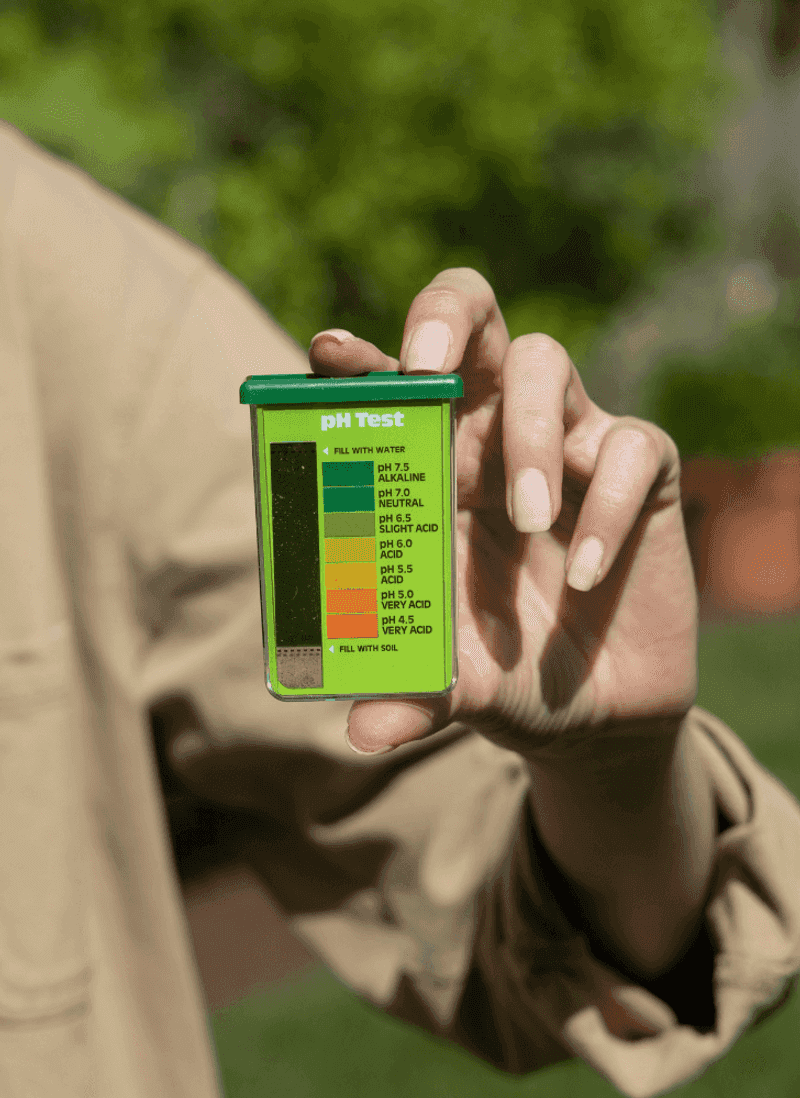
A soil test costs less than a bag of fertilizer and answers questions guessing never will.
County extension offices across Georgia process samples for a modest fee, and fall works well because results usually arrive long before spring planning begins.
pH quietly drives everything else.
Zoysia generally prefers a slightly acidic range near 6.0 to 6.5, and southeastern soils often drift lower over time. Lime corrects acidity, but only apply it when a test actually calls for it.
Lime works slowly, which is exactly why fall timing makes sense.
Months of rain and gradual soil movement help it work downward, so a September or October application often shows results by the following summer.
Collect samples properly if you want useful numbers. Pull small plugs about four inches deep from eight or ten spots around the yard, mix them in a clean bucket, then send a portion of that blend.
Compaction deserves a look too.
A screwdriver that stops short of four inches in moist soil suggests packed ground, though core aeration on zoysia is usually better handled in late spring than in fall. Hang onto your results.
Comparing tests every two or three years reveals trends in pH and potassium that a single report cannot show, and those trends explain a surprising amount about how a lawn performs.
7. The Right September Care Helps Zoysia Prepare For Dormancy
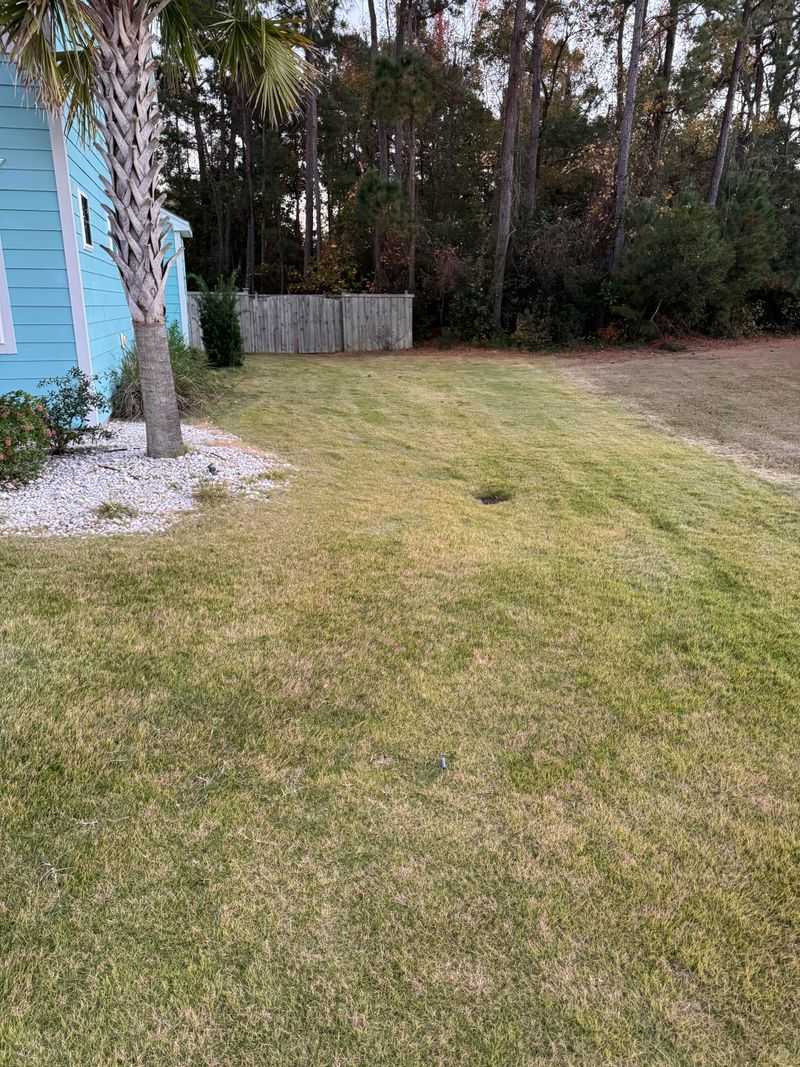
Everything you do this month is really about winter.
Zoysia stores carbohydrates in its rhizomes and stolons before going dormant, and a lawn that enters dormancy with full reserves tends to green up earlier and thicker.
Dormancy is normal, not a failure. Blades turn tan after the first hard frosts, and across most of Georgia that color holds until soil warms again in spring.
Painting or overseeding is a personal preference, not a requirement.
Ryegrass overseeding comes with real tradeoffs.
It delivers winter color, but the competition can slow zoysia’s spring recovery, which is why many turf specialists suggest skipping it on established lawns.
Weed control fits this season nicely.
A pre-emergent applied when soil temperatures settle near fifty-five degrees helps limit winter annuals like poa annua, though ideal timing shifts with location and weather each year.
Traffic control is the quiet part nobody mentions.
Dormant zoysia repairs slowly, so worn foot paths, parked trailers, and winter dog runs often stay visible well into the following spring.
Resist the urge to fix everything right now.
Seeding, sodding, and heavy renovation belong to late spring, when the grass is spreading actively and has months of warm weather ahead of it.
Steady, modest care wins here.
Mow on schedule, water when rain runs short, skip the late nitrogen, and let the lawn ease into rest on its own timing.