How To Help Salt-Damaged Shrubs Before Fall Storms Hit Coastal Virginia
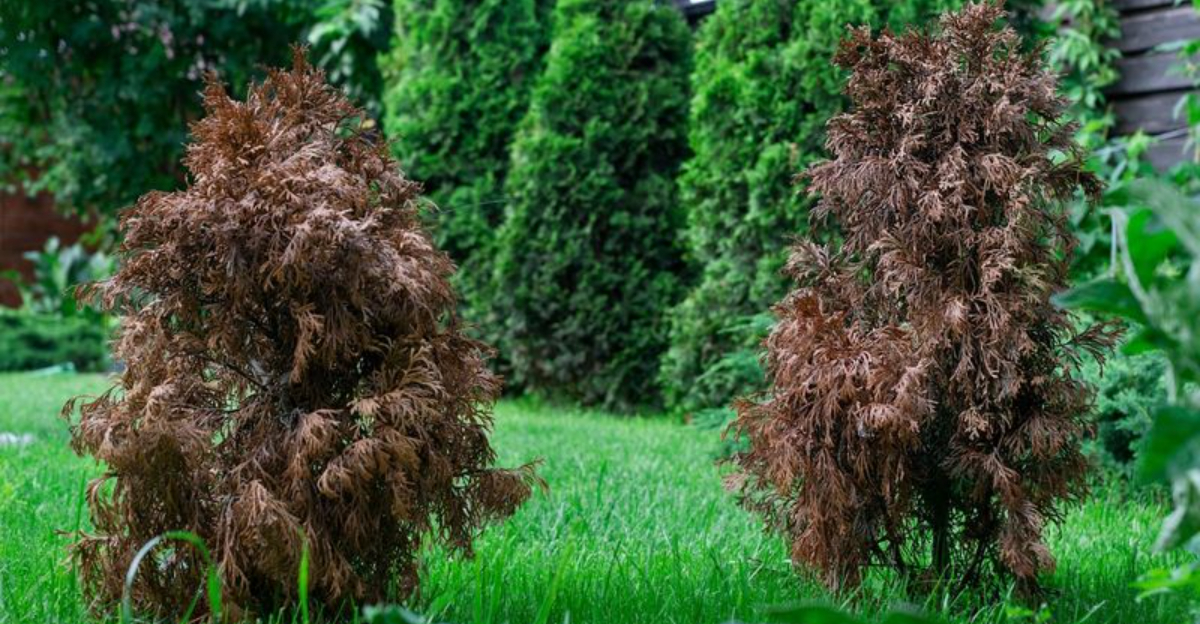
A stormy season can reveal problems in your yard that have been building quietly for months.
If your coastal shrubs are looking stressed or their leaves are turning brown, salty wind and ocean spray may be to blame. Fall is the perfect time to give them some extra care before rougher weather comes.
Many homeowners focus on protecting their homes from storms but overlook the plants that help define their landscape. In Virginia, coastal conditions can create unique challenges as salt exposure affects soil, leaves, and root systems over time.
Your shrubs may look rough now, but the right fall care can help them bounce back and stay stronger through changing weather.
Start Your Coastal Shrub Rescue Before Fall Storms Hit
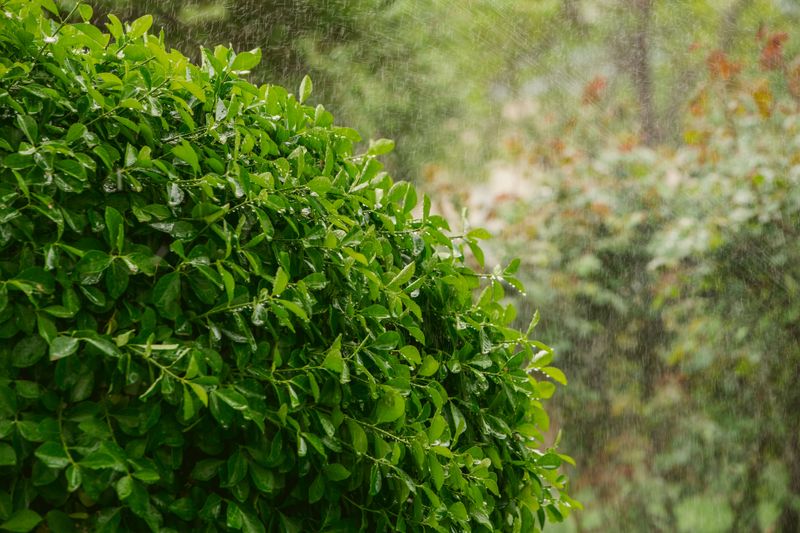
Getting ready before the weather turns nasty saves you money and heartache down the road.
A solid rescue plan for coastal yards works because stopping salt damage is far easier than repairing it afterward.
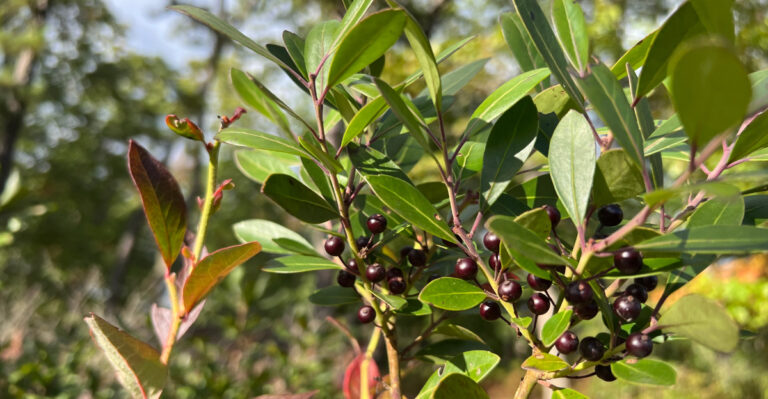
Start by picking shrubs that naturally handle salty air well.
Adding compost improves soil structure, moisture retention, and root health. Spreading mulch and watering the right way rounds out your basic defense.
Windbreaks, whether a fence or a row of hardy plants, shield delicate shrubs from salty gusts that sweep during fall.
Keep an eye on your landscape often so you catch trouble early. Small problems fixed quickly rarely turn into big ones later.
Think of this plan as building armor around your garden before the battle begins. Every step you take now makes your shrubs tougher and more likely to bounce back after rough weather.
Homeowners who prepare ahead usually see far less damage than those who wait.
The season for hurricanes and nor’easters comes fast, so starting today puts you ahead of the game and keeps your yard looking great.
Spot These Salt Damage Signs Before They Get Worse
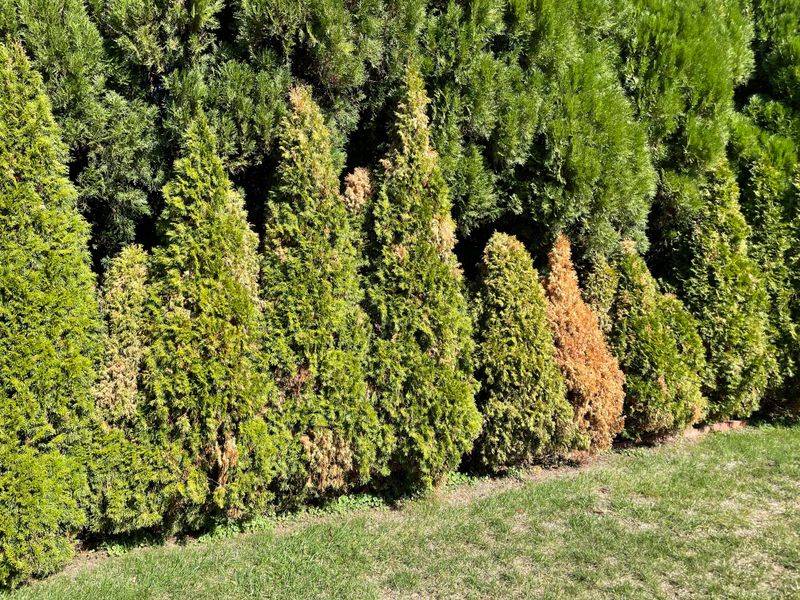
Spotting trouble early can mean the difference between a full recovery and a struggling shrub.
One of the clearest clues is a white, crusty film on leaves and stems where salt has settled.
Plants that seem stuck and stop growing may already feel the pinch of salt stress. Watch for leaf edges or tips turning brown or yellow, a classic sign called leaf burn.
Evergreens are especially touchy, often showing browning right at their needle tips. Other warning signals include buds that never open, leaves changing color too soon, or leaves dropping before their time.
A shrub that just looks tired and lacks its usual bounce might be silently battling salt buildup. These symptoms often show up on the side facing the ocean or a busy road, since that side catches the most spray.
Along the Virginia coast, damage often becomes obvious in late winter or early spring. By then, the roots have already been under pressure for a while.
Checking your shrubs regularly helps you act before things get worse and gives your plants the best shot at recovery.
Give Salt-Stressed Shrubs A Little Help Before Winter

When salt hits your shrubs, quick action matters more than anything else.
Your Virginia Garden Changes Every Week. Your Plan Should Too.
Gardening in Virginia changes quickly throughout the season. Every Friday you’ll receive a simple weekly plan showing exactly what to plant, prune, fertilize, harvest, and protect so you never miss the right timing.
The most powerful first move is flushing salt off both the plant and the soil as soon as you can. Even though visible damage shows up later, stress starts building right away.
If a fall storm surge or heavy spray just soaked your yard, and the temperature stays above freezing, grab your hose. Washing salt from the leaves and stems with plain fresh water cuts down on injury fast.
At the same time, give the soil a deep soak. Deep watering can help move excess salts deeper into the soil and reduce stress around roots.
Salt in the soil basically steals water from your plant, so diluting it helps the shrub drink normally again. This early rinse gives your shrubs a real chance to heal before winter arrives.
Once the cold sets in, conditions get harder and recovery slows way down. Acting promptly after each salty event keeps your plants from slipping into serious decline.
Think of it as a fresh-water reset after significant salt exposure or coastal storms.
Rinse Away Salt Before It Has More Time To Build Up
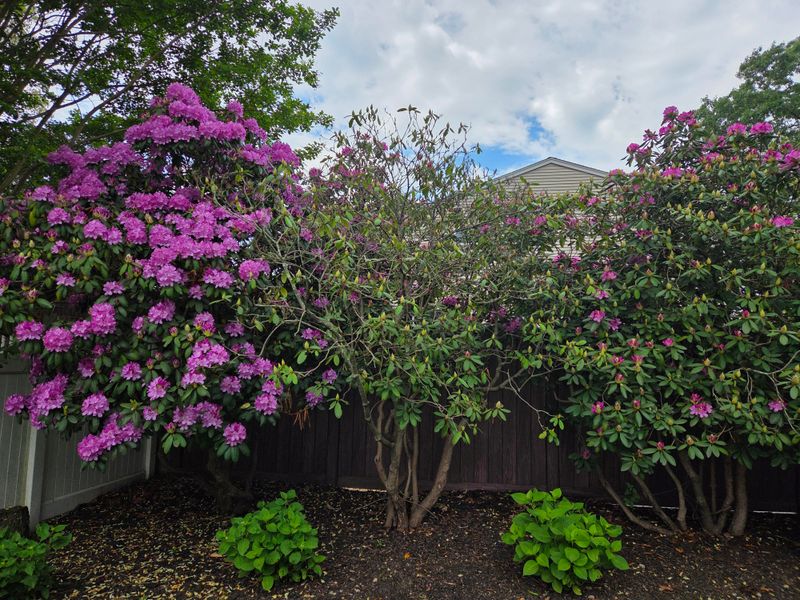
Making rinsing a regular habit is one of the smartest things coastal gardeners can do.
Gently spraying fresh water over the leaves and stems washes away visible salt deposits. That simple act helps remove salt deposits and reduce stress on plant tissues.
This routine matters most right after coastal storms or stretches of heavy salt spray. Aim to do it when temperatures sit above freezing so you never risk icy damage.
Cleaning the foliage is only half the job, though.
Deep watering flushes extra salt out of the soil around the roots too. The idea is to add enough water that salt moves deeper into the ground, far from the busy feeder roots.
Turning this into part of your normal yard care, especially after storms, keeps salt levels manageable.
Plants stay noticeably healthier when their owners rinse consistently. It takes just a few minutes but pays off with greener leaves and stronger growth.
Keep your hose handy through storm season, and give your shrubs that refreshing fresh-water shower whenever salty weather passes through your neighborhood.
Give Your Shrub’s Soil A Fall Fix
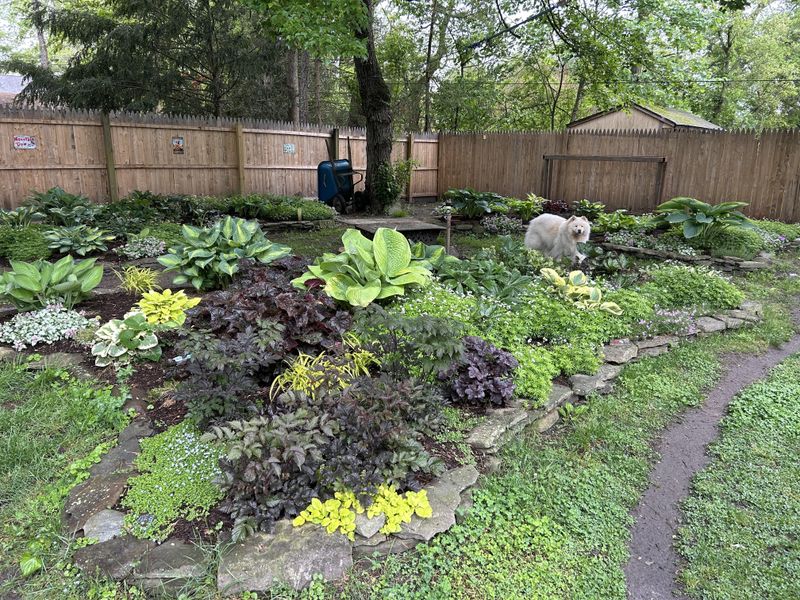
Great shrubs start with great soil, and coastal ground often needs some serious help.
Sandy soils drain quickly and have lower nutrient-holding capacity, but good drainage can also help salts move through the soil.
Adding organic matter like compost can improve soil structure and create better growing conditions.
Organic material improves the soil’s structure, helps it hold moisture, and feeds hungry plants. It also supports helpful tiny soil organisms and makes the ground more resistant to dry spells and salt.
When planting a new shrub, dig a hole about twice as wide as the root ball and no deeper than its height. Backfill with the native soil you removed, mixing in a modest amount of compost if the soil needs improvement.
If soil tests show sodium issues, specific amendments may help, but treatment depends on your soil conditions.
Raised garden beds offer another clever option along the coast. They give you full control over what your plants grow in and how well water drains.
Better soil means deeper, stronger roots that handle coastal Virginia’s challenges with ease.
Feeding your soil now builds a foundation that keeps your shrubs thriving through many stormy seasons ahead, so grab that compost and get to work.
Prune Damaged Branches Without Going Overboard
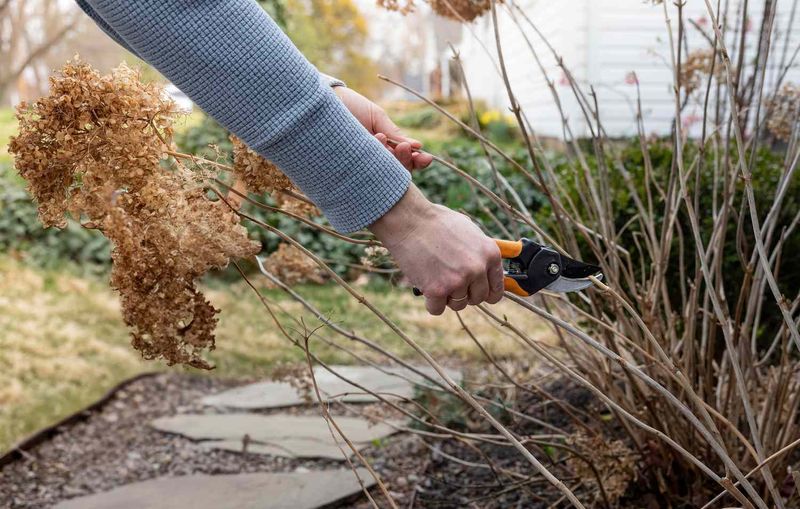
Don’t reach for the pruning shears too quickly, as heavy trimming can put extra stress on already struggling shrubs.
Even if storm-damaged branches look messy, save major pruning for the right time unless a branch is broken, hanging, or creating a safety risk. Cutting away lots of growth removes energy the plant has stored for tough times.
For salt-stressed shrubs especially, the best time to prune damaged branches is late winter or early spring. By then, you can clearly see which wood truly needs to go before new growth appears.
General fall pruning should wait until leaves have dropped and plants are heading into dormancy. Pruning while shrubs still grow actively wakes up tender new shoots.
Those soft shoots won’t toughen up before early frosts arrive, leaving them wide open to cold damage.
Focus only on removing branches that are broken, diseased, or clearly damaged by storms. Taking those out blocks pests and disease while improving airflow through the plant.
Always make clean cuts just outside the branch collar, that slightly swollen area where the branch meets the trunk. Clean cuts heal faster and seal better.
A patient, careful approach keeps your shrubs stronger through fall and ready to flourish once spring returns.
Add Mulch To Give Your Shrubs Some Extra Backup
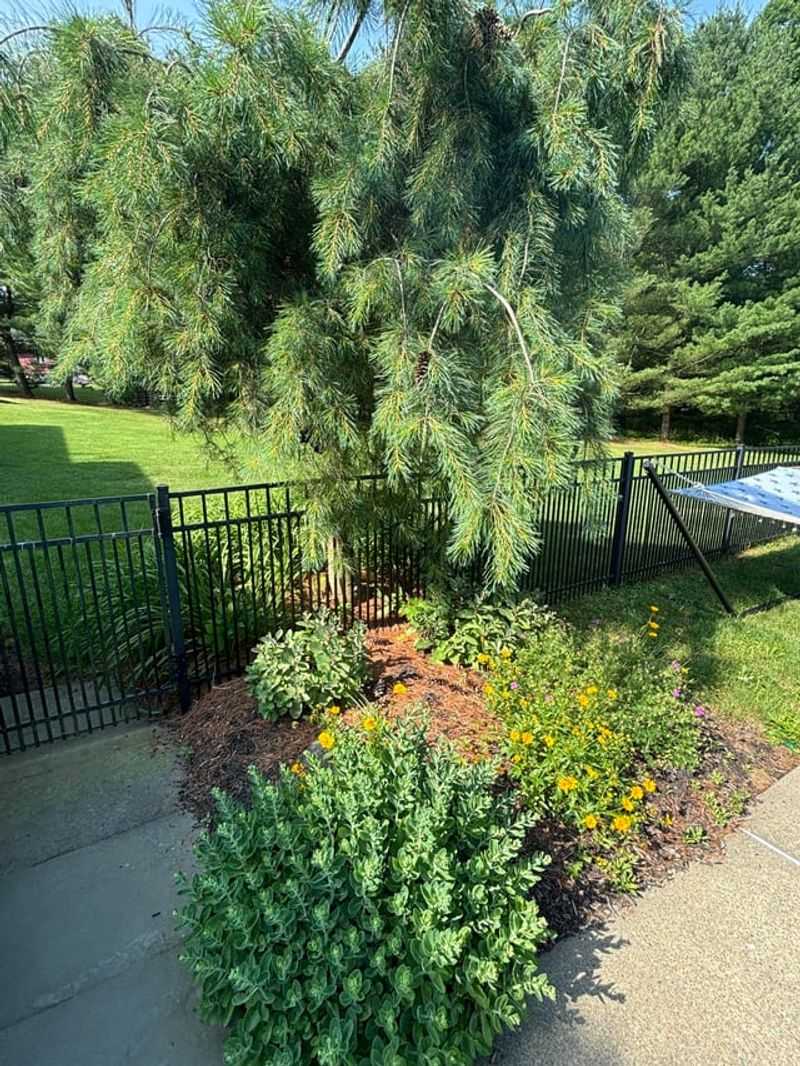
Think of mulch as a cozy blanket that shields your shrubs from harsh coastal conditions.
A good layer around the base cuts down on moisture loss and protects soil from washing away during heavy rain and wind.
Along the Virginia coast, organic mulch does something extra special. It helps dilute salt in the soil and creates a barrier that catches salty mist and gritty debris before they scratch tender stems.
As the mulch slowly breaks down, it enriches sandy coastal soil. That improves the soil’s structure and helps it hold onto water and nutrients much better.
Healthier soil grows stronger roots, and stronger roots make plants far more resilient.
Mulch also keeps soil temperatures steady, protecting delicate roots from sudden heat or cold snaps. After a big storm rolls through, check your mulch and refresh it as needed.
Storms can scatter or thin out your protective layer quickly. Keeping a two- to three-inch layer in place helps conserve moisture and support healthier roots.
Mulching is one of the easiest, cheapest ways to give shrubs a real fighting chance against fall’s rough weather.
Water Salt-Affected Shrubs The Right Way
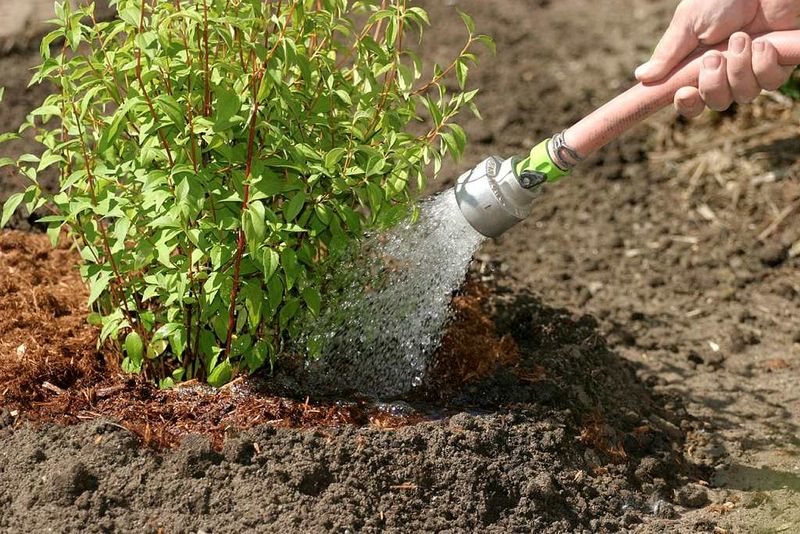
How you water can make or break a salt-stressed shrub’s recovery. The golden rule is to water deeply but not too often.
Deep, infrequent soaking pushes roots to grow downward, reaching moisture below where salt tends to gather. That same deep watering flushes extra salt through the soil and away from the roots.
Established shrubs generally benefit from deep watering during dry periods, with frequency depending on rainfall, soil, and plant needs.
After a storm or heavy salt spray, give the soil a really thorough soak. Try applying roughly two inches of water over two or three hours, stopping before water starts running off.
That slow soak helps carry salt down and out of the root zone.
Timing counts too. Watering at night or early morning cuts down on evaporation and keeps plants from soaking up salt through wet leaves in the hot sun.
Aim for steady, even soil moisture without letting water pool and sit. Standing water can actually trap sodium around the roots and cause more harm.
Smart watering habits give your plants a much better shot at pushing through salt stress and thriving into the next season.
Skip This Fall Fertilizing Mistake
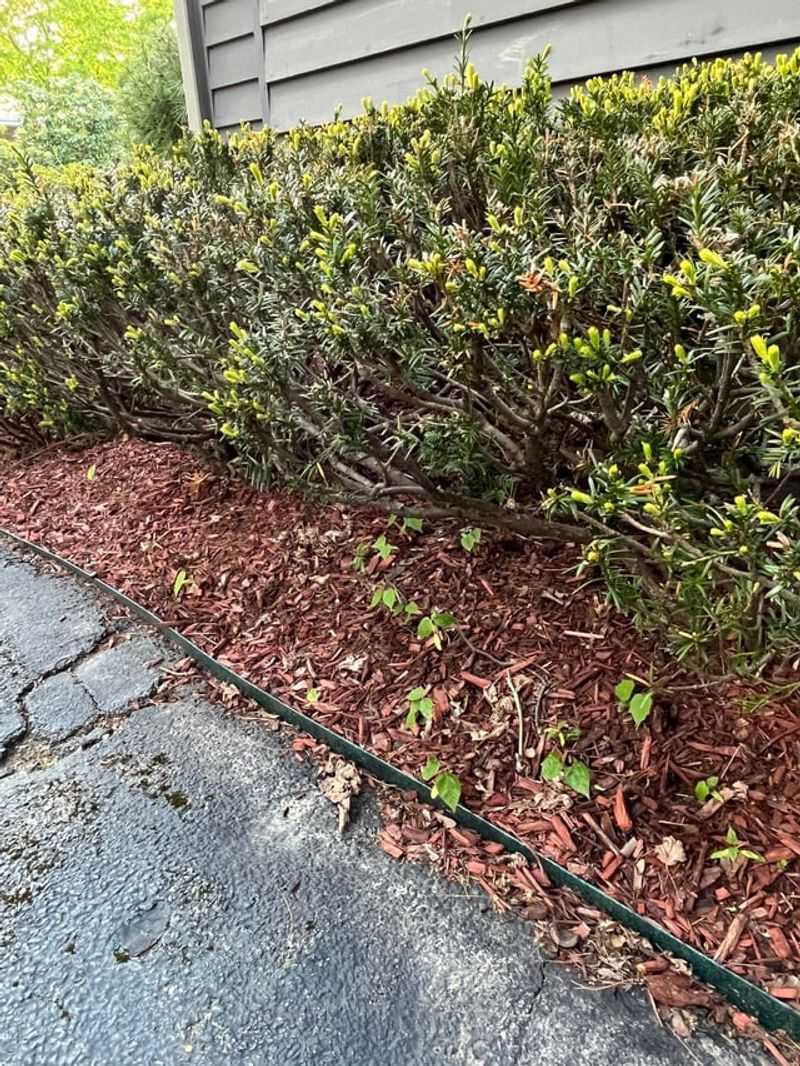
Feeding your shrubs at the wrong moment in fall can backfire in a big way. The most common slip-up is fertilizing too early, especially with high-nitrogen products.
When the weather is still warm and shrubs are actively growing, fertilizer sparks a burst of tender new shoots. That soft growth has no time to toughen up before early frosts arrive.
The result is fresh growth that gets zapped by the cold almost immediately.
For plants already fighting salt stress, heavy fertilizer only makes matters worse. They are struggling to absorb water and can react badly to extra chemicals.
Instead, if a soil test shows your plants truly need nutrients, wait until late fall. Once deciduous shrubs drop their leaves and go dormant, their roots stay active a while longer.
Nutrient needs vary by shrub and soil conditions, so fertilizer choices should be based on testing when possible. Always choose low-salt, slow-release fertilizers for coastal gardens.
Spread them around the drip line rather than dumping them right against the base. Feeder roots near the drip line absorb nutrients best, keeping your shrubs well fed and safely prepared for winter.
Protect Your Shrubs Before The Next Big Coastal Storm
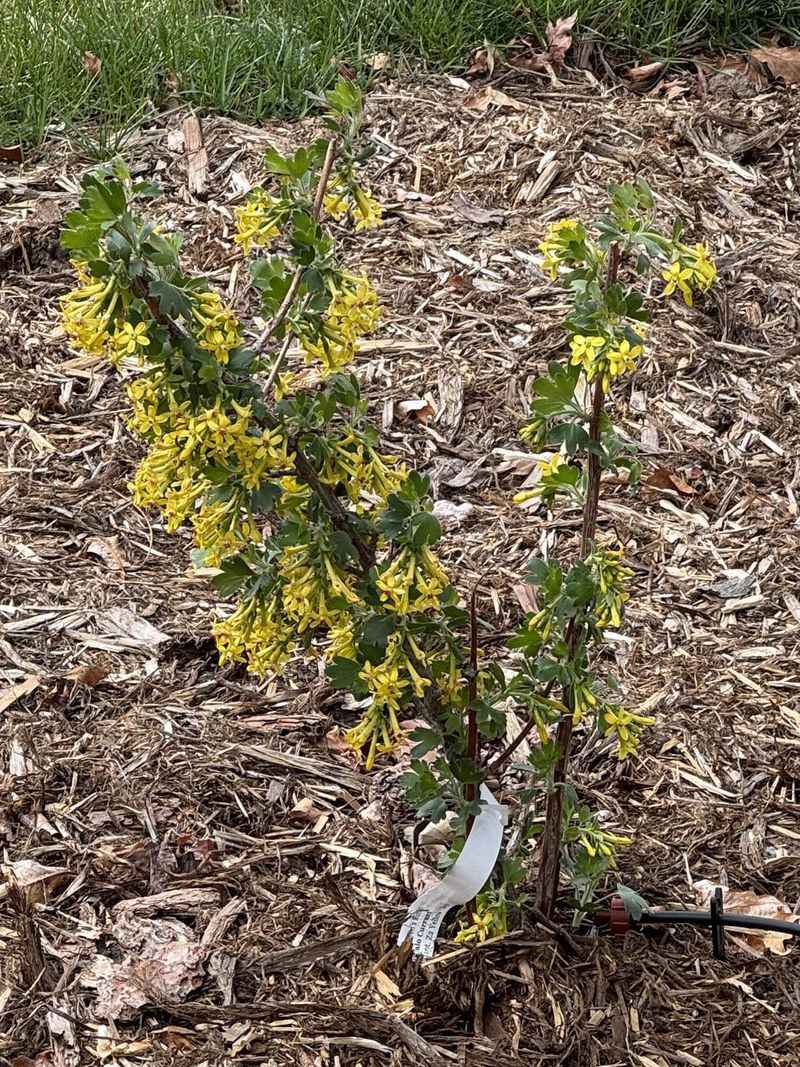
When a strong storm heads toward the coast, a few quick moves can shield your shrubs.
First, secure anything that could turn into a flying object in high winds. Lawn furniture, garden tools, and potted plants should go indoors or into a sheltered spot.
For small, delicate shrubs, use breathable covers like burlap to reduce wind and salt exposure. Bigger or more sensitive shrubs benefit from a burlap wrap.
Pound a few garden stakes around the plant first to build a frame, then wrap the burlap around it. That frame adds real support against wind and blocks salty spray.
Setting up burlap fencing or screens between your plants and the direction the storm winds blow catches harmful salt drift before it reaches tender leaves.
Newly planted trees and large shrubs need extra help staying upright. Newly planted shrubs may need temporary support, but staking should be done carefully and removed once roots become established.
All these steps together form a protective shield. Taking action before the storm rolls in dramatically boosts your shrubs’ odds of coming through the wild weather in good shape.
Build Coastal Yard Habits That Help Prevent Salt Damage

Building good habits is the surest way to keep salt damage from returning year after year. At the top of the list is choosing salt-tolerant shrubs that naturally handle coastal wind and spray.
Many native plants are well adapted to regional conditions and work well in coastal landscapes.
Regularly working compost into your soil keeps it draining well and holding moisture. That healthy soil dilutes salt and supports vigorous roots that resist stress.
Adding windbreaks, whether fences, buildings, or tough salt-tolerant plants, cuts down the spray reaching your more sensitive shrubs.
Sticking to deep, infrequent watering steadily flushes salt from the soil before it climbs to harmful levels.
After winter storms, sweep up any leftover de-icing salt from your walkways and driveway. Otherwise, it washes straight into your garden beds.
Designing your yard so saltwater runoff flows away from planting areas offers lasting protection too.
Checking your soil now and then and topping up organic matter keeps all these efforts working. Together, these simple routines create a tough, resilient landscape.
Homeowners who make these habits part of everyday care enjoy healthier, greener shrubs and far fewer storm-season headaches down the line.
Set Up A Windbreak To Block Salty Gusts
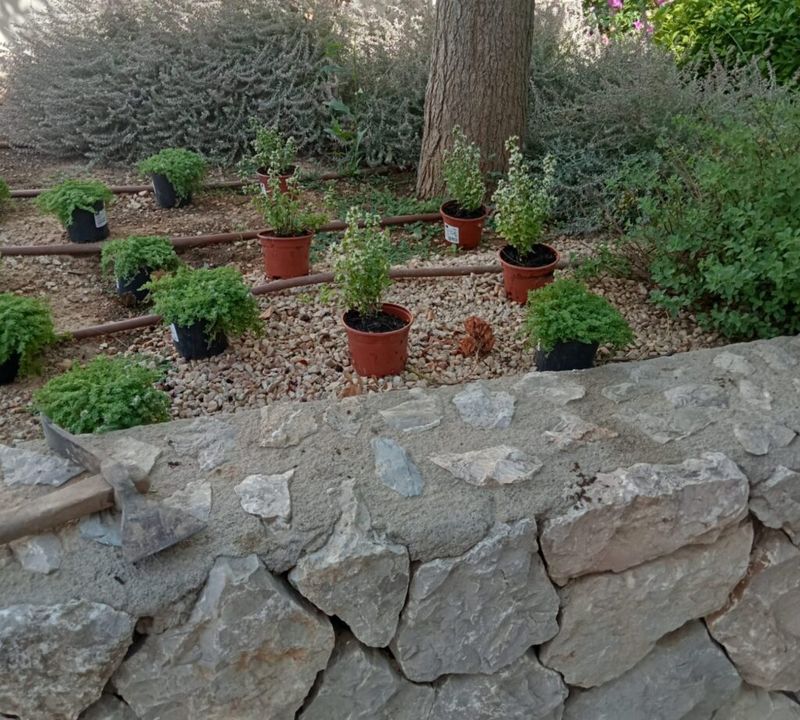
Wind carries salt straight onto your plants, so blocking it makes a huge difference.
A good windbreak stands between your shrubs and the direction storms usually blow. You can build one from a sturdy fence, a wall, or even a line of tall, hardy plants.
Along the Virginia coast, tough salt-tolerant shrubs work wonderfully as living windbreaks. They help slow wind and reduce the amount of salty spray reaching more sensitive plants.
Placing the windbreak on the ocean-facing side gives the most protection. That side always catches the heaviest salt drift during fall storms.
Burlap screens attached to stakes offer a quick, temporary option when a storm is forecast. They intercept flying salt and grit before it scours tender leaves and stems.
Solid barriers slow the wind and reduce erosion in sandy coastal soil too. Less wind means less moisture stripped from your plants and less damage overall.
Think about your yard’s layout and where the strongest gusts come from. Positioning windbreaks thoughtfully protects your most delicate shrubs while letting the tougher ones take the front line.
A smart windbreak turns your garden into a sheltered haven that weathers storms far better.