How To Garden Near A North Carolina Box Turtle’s Territory Without Disturbing It
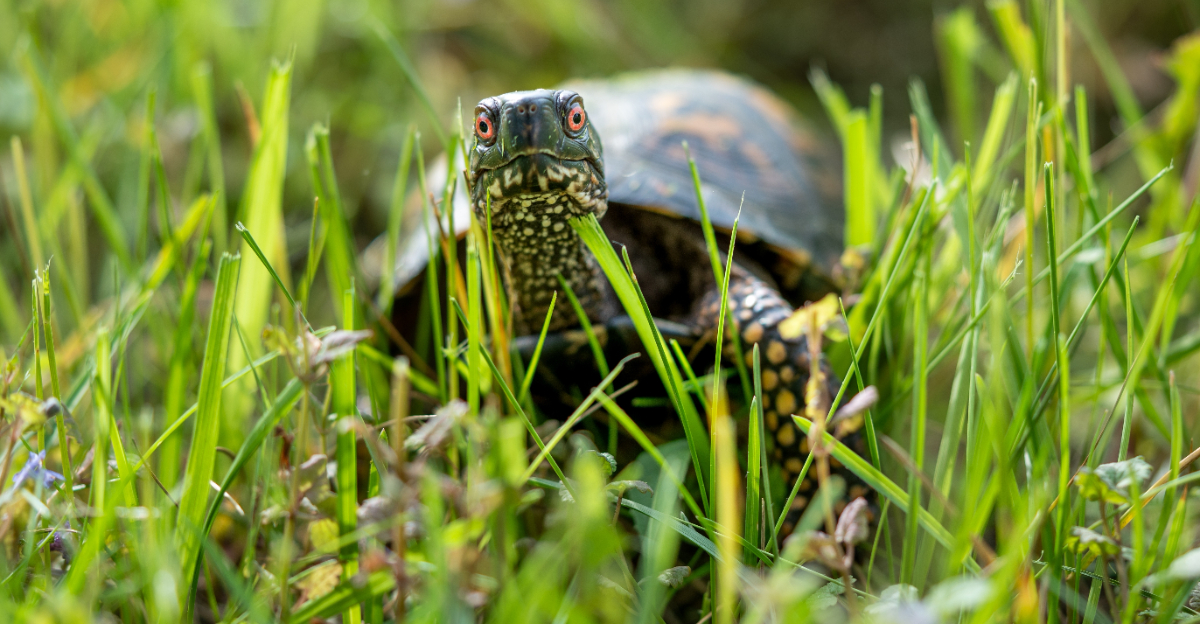
Box turtles are a familiar sight in many North Carolina yards, often settling into the same small home range for years or even decades.
Because they move slowly and stick close to familiar cover, a turtle spotted in the garden today may return to that same spot again and again, making it worth gardening with a little extra awareness.
Disturbing a box turtle’s territory isn’t usually intentional, but common gardening habits like tilling, moving brush piles, or clearing debris can disrupt the shelter and food sources these turtles depend on.
Since box turtles are slow to relocate and sensitive to habitat changes, even small disruptions can have a lasting effect on whether one continues to use the same space.
For North Carolina gardeners who want to share their yard responsibly, a few simple adjustments can make a real difference.
1. Leave The Turtle Where You Find It
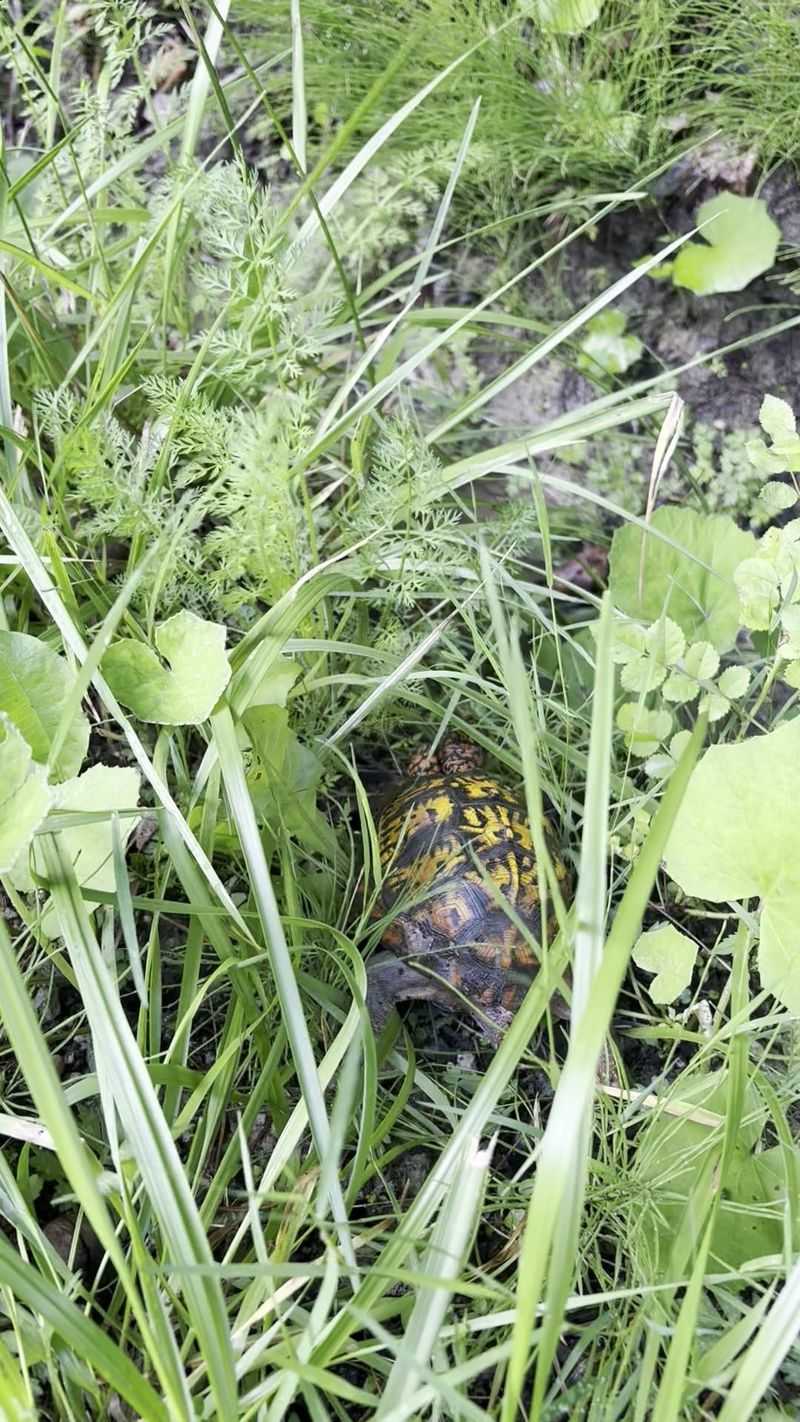
Finding a box turtle in your flowerbed feels like a small surprise, but the best thing you can do is simply admire it and walk away. That turtle already knows exactly where it lives.
Box turtles have a powerful sense of home called a homing instinct. They spend their whole lives, often more than fifty years, wandering the same small patch of land. Every log, shady spot, and berry bush is part of a map they carry in their memory.
When people pick up a turtle and move it somewhere new, that map suddenly means nothing. A relocated turtle will often walk for miles trying to find its old home again.
During that long search, it faces roads, hungry predators, and unfamiliar ground with no safe hiding places it knows.
A turtle in your garden is not lost. It belongs there just as much as your tomatoes do, and it is probably eating slugs and insects that bother your plants anyway.
If you feel worried about it, take a quick photo from a distance and let it go about its day. There is no need to feed it, hold it, or set it up in a box. Respecting its space means the turtle stays healthy and keeps returning year after year.
Over time, you may even recognize the same turtle by its shell patterns, which stay unique for its entire life. Watching a familiar face come back each spring is a quiet joy worth protecting.
2. Check The Ground Before Mowing
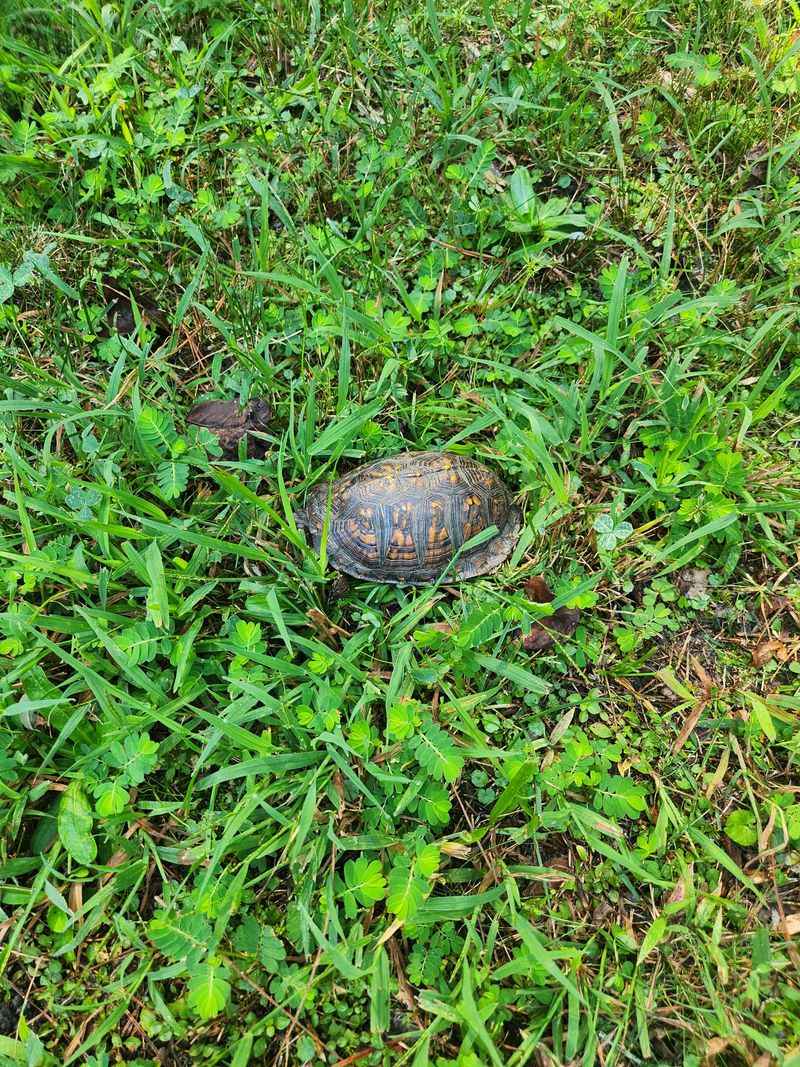
Before you fire up the mower, take a slow walk across your yard. It only takes a couple of minutes, and it can spare a turtle a very rough day.
Box turtles blend in with amazing skill. Their brown and orange shells look almost exactly like fallen leaves, dry grass, and patches of soil. A turtle sitting still in tall vegetation can be nearly invisible until it is too late.
Mowers, string trimmers, and other sharp equipment move fast and low to the ground. A turtle that freezes in place instead of running, which is exactly what box turtles do when scared, can be badly hurt by spinning blades.
Your North Carolina Garden Changes Every Week. Your Plan Should Too.
Gardening in North Carolina changes quickly throughout the season. Every Friday you’ll receive a simple weekly plan showing exactly what to plant, prune, fertilize, harvest, and protect so you never miss the right timing.
Pay extra attention to the edges of your lawn, thick clumps of weeds, and the shady borders near fences or gardens. These are favorite resting spots because they offer cover and cooler temperatures on hot afternoons.
Mornings after rain are especially busy times for turtles, since damp weather brings them out to hunt worms and slugs. If you plan to mow, walk that route first with your eyes on the ground.
Mow around it or postpone mowing that area until the turtle has moved away. Never rush a turtle by nudging it with equipment.
Setting your mower blade a little higher also helps low-sitting animals stay out of harm’s way. A few small habits like these keep your yard tidy while making sure your slow-moving neighbors stay safe and sound.
3. Keep Leaf Litter And Natural Cover
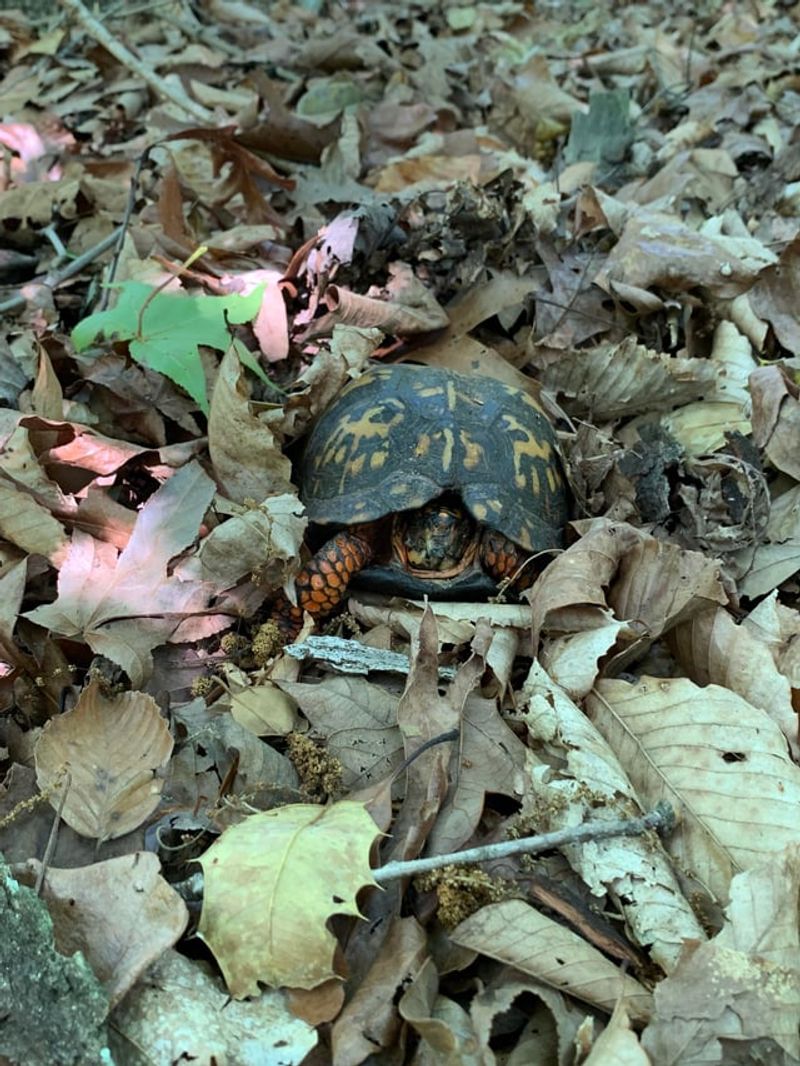
That pile of leaves in the corner of your yard might look messy, but to a box turtle it is a five-star hotel. Natural cover is one of the most important things these turtles need.
Box turtles spend a lot of time hiding under leaf litter, fallen branches, and old logs. These spots keep them cool during hot summer days and warm during chilly nights.
They also offer protection from hawks, raccoons, and other animals that might bother them.
Leaf piles and rotting wood are also full of food. Turtles love the beetles, worms, snails, and mushrooms that thrive in damp, decaying material. A garden with a few wild corners feeds turtles without any extra effort from you.
Instead of raking and bagging every single leaf, try leaving some in quiet areas along fences or under trees. You can even build a small brush pile with fallen sticks and branches you would otherwise throw away.
These natural spaces do double duty by helping your garden too. Decaying leaves break down into rich soil, and the insects they attract support birds and helpful bugs.
If you like a neat look, keep your tidy zones near the house and let the far edges grow a little wild. That balance gives you a clean yard and gives turtles a safe place to shelter.
Think of leaf litter as free habitat that costs you nothing but a bit of raking you no longer have to do. Both you and the turtles come out ahead.
4. Avoid Unnecessary Digging
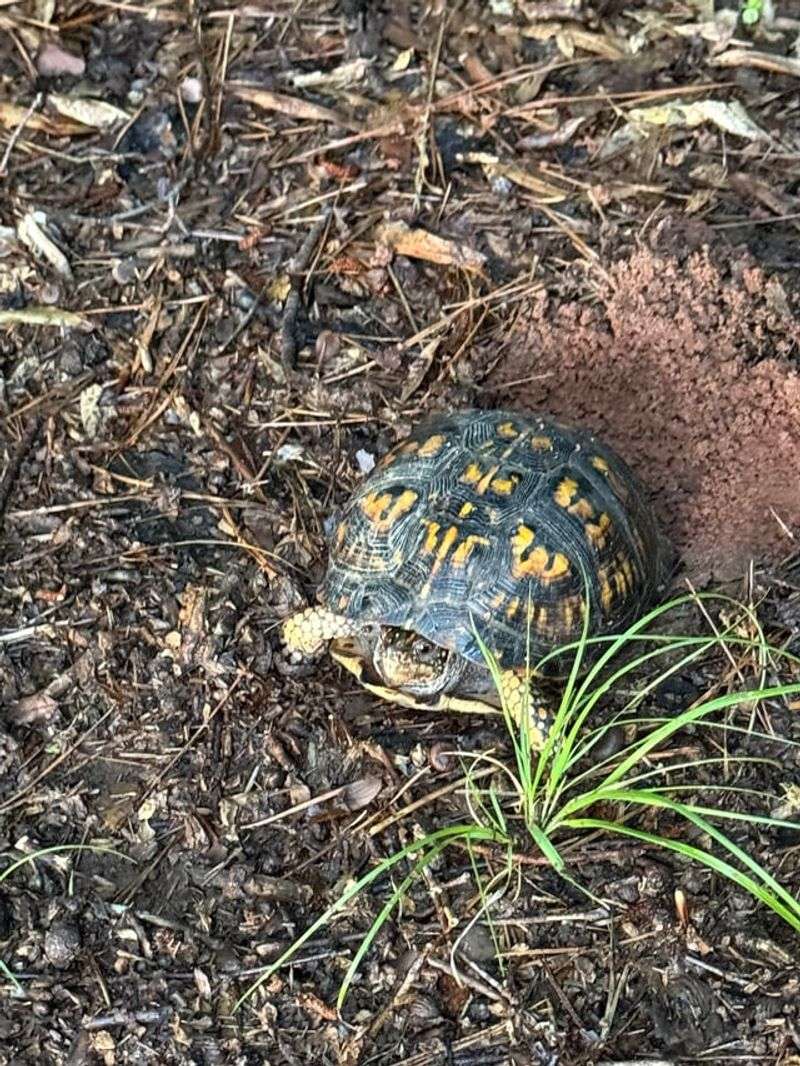
Every gardener loves turning over fresh soil, but a little caution with your shovel goes a long way when turtles share your yard. Some of them may be resting right below the surface.
Box turtles dig shallow burrows to hide from heat, cold, and predators. During the hottest part of summer, they sometimes tuck themselves under loose dirt and leaves and stay very still for days. In winter, they burrow deeper to wait out the cold months.
Because they hide so well, you might never know a turtle is there until your shovel finds it. Digging quickly and deeply in shady, soft ground can accidentally injure a turtle that was simply trying to rest.
Before starting a big project, watch an area for a few days to see if turtles pass through often. If you know a certain spot is popular with them, plan your planting somewhere else or dig gently by hand.
Using a hand trowel instead of a large shovel gives you more control and lets you feel resistance before you push too hard. Go slow near shrubs, log piles, and shady borders where turtles like to settle.
Known nesting areas deserve the most care of all. If you have seen turtles digging there before, leave that ground completely alone during the warmer months.
A thoughtful pace keeps your garden growing beautifully while making sure no hidden neighbor gets a rude wake-up call. Slowing down just a little turns your gardening into something safe for everyone.
5. Be Especially Careful With Turtle Nests
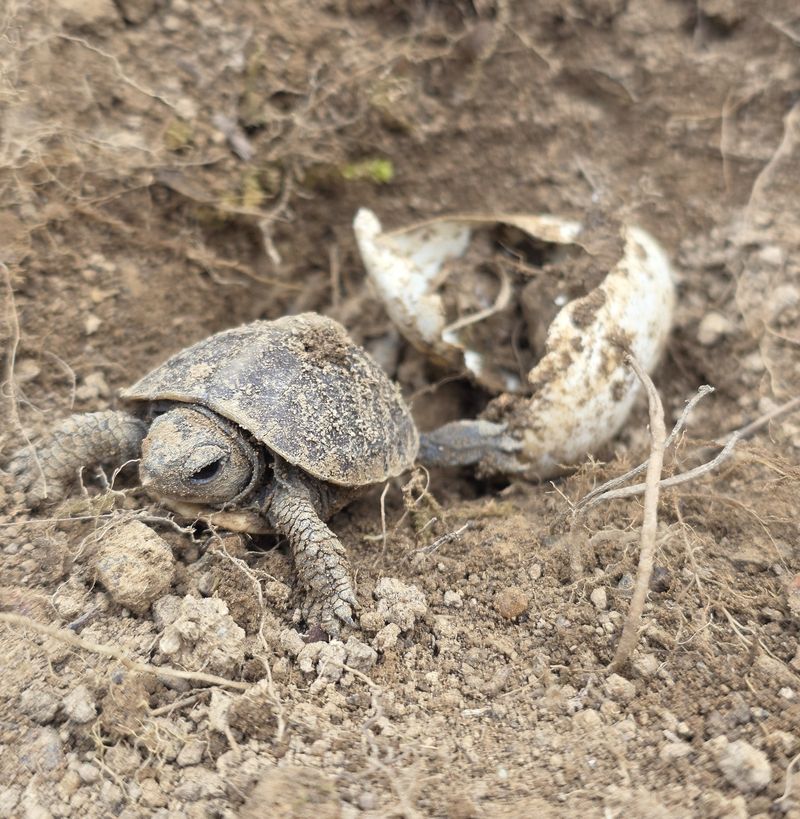
Springtime brings one of the most special turtle events of the year, and your garden might be the chosen spot. Female box turtles are looking for the perfect place to lay their eggs.
From about May through July, mother turtles dig shallow holes in sunny, sandy, or soft soil. They lay a small clutch of eggs, cover the hole carefully, and then leave.
The eggs stay buried and hidden for two to three months before tiny hatchlings emerge.
The tricky part is that these nests are almost impossible to spot. Once a mother smooths the dirt back over, the ground looks completely undisturbed. You could walk right past a nest and never know.
If you happen to watch a turtle digging or notice loose, patted-down soil in an open spot, mark the area in your mind and stay away from it. Avoid digging, tilling, or planting there until fall has passed.
Try to hold off on heavy garden work in sunny open patches during early summer, since these are the exact places turtles prefer for nesting. A little patience protects a whole new generation.
Watering gently and skipping deep cultivation in those spots also helps the eggs stay safe underground. Leaving the nest undisturbed helps give the eggs the conditions they need to develop.
Come late summer or early fall, you may spot baby turtles no bigger than a quarter making their way out. Knowing you helped them get their start is a reward few gardeners ever get to feel.
6. Keep Dogs And Cats From Harassing Turtles
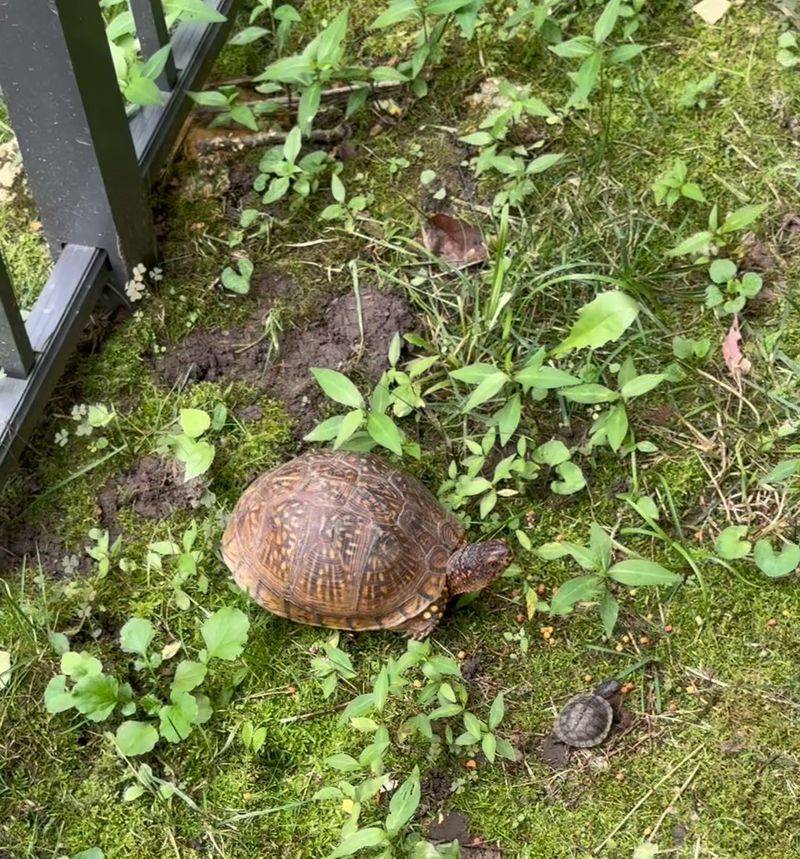
Your friendly family pet does not mean any harm, but to a box turtle a curious dog or cat can be a serious worry. Watching how your pets behave outdoors makes a big difference.
Dogs often see turtles as strange toys. They may paw, bite, or chew on a shell, which can crack it or leave painful wounds. Even a playful nudge can flip a turtle over and leave it stressed and frightened.
Cats tend to bother smaller turtles and hatchlings, batting at them or chasing them until they hide away and refuse to eat. Repeated scares can make a turtle abandon a good feeding area entirely.
The easy fix is supervision. When your dog is outside in an area where turtles roam, keep an eye on it or use a leash during walks through wilder parts of the yard.
If you have a fenced play area for pets, check it now and then for turtles that may have wandered in. If a turtle is in a pet area, keep the pets away and give the turtle space to leave on its own.
Training your dog to leave wildlife alone also pays off over time. A simple command to back away can spare many animals, not just turtles.
Giving pets their space and turtles theirs lets everyone enjoy the yard peacefully. With a little watchfulness, your garden stays a calm home for slow-moving visitors and playful pets alike.
7. Garden For The Habitat, Not The Turtle
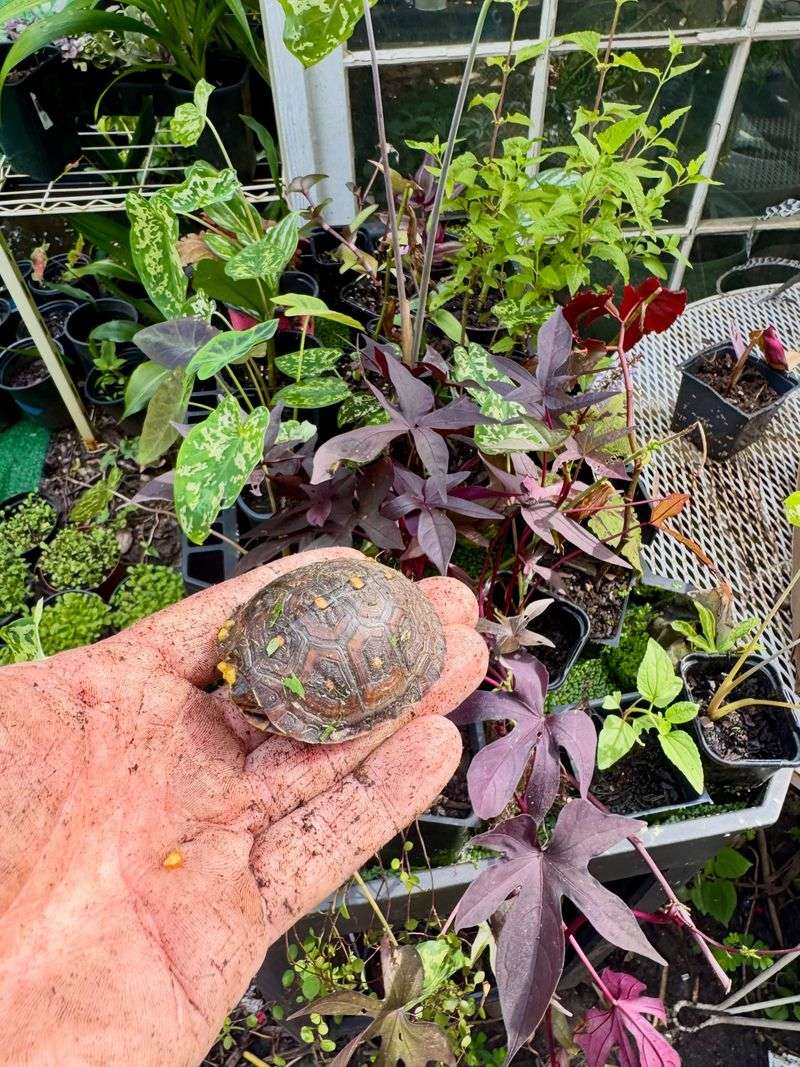
The kindest thing you can do for a box turtle is not to build it a special pen but to grow a garden it naturally loves. A healthy habitat welcomes turtles all on its own.
Native plants are the heart of a turtle-friendly yard. Local wildflowers, shrubs, and grasses attract the insects, worms, and snails that turtles feast on, and they thrive in North Carolina soil without much fuss.
Fruiting plants are a big hit too. Box turtles enjoy strawberries, blackberries, mushrooms, and fallen fruit. Adding berry bushes or letting a few fruits drop to the ground gives them a natural buffet.
Ground cover matters just as much as food. Low plants, tall grasses, and shady corners give turtles places to hide, cool off, and travel safely across your yard without feeling exposed.
Skip the idea of fencing a turtle in or creating an artificial enclosure. Wild turtles need to roam freely across large areas, and trapping one, even with good intentions, does more harm than good.
Instead, focus on variety. A mix of sunny spots for basking, damp shady zones for hiding, and different plant heights creates a rich space that supports many kinds of wildlife.
Cutting back on chemicals is another gift. Pesticides and heavy fertilizers can harm the bugs turtles eat and hurt the turtles themselves.
Build the right home, and the turtles will decide for themselves whether to stay. That freedom is exactly what keeps them healthy, and your garden becomes a living, buzzing, thriving place in the bargain.
8. Move One Only If It Is In Immediate Danger
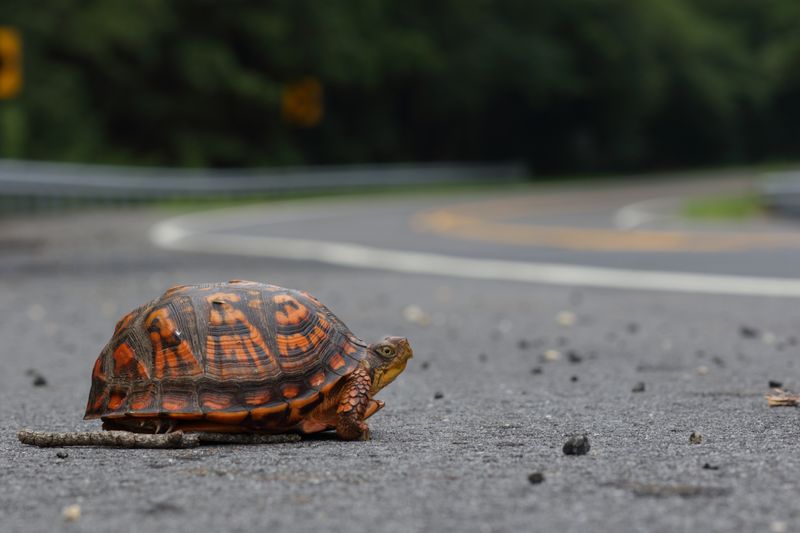
There is really only one good reason to ever pick up a wild box turtle, and that is when it faces an immediate hazard like a busy road. Even then, how you help matters a lot.
Turtles often cross roads slowly, and drivers may not see them in time. If you find one in the middle of a street and it is safe for you to stop, you can gently help it reach the other side.
The golden rule is to move it in the exact direction it was already heading. Turtles have a destination in mind, and if you turn one around, it will simply try to cross again.
Carry it low to the ground and hold it firmly but gently by the sides of its shell. Move quickly across the shortest safe path, and set it down softly in the grass just off the roadway.
Never take a turtle home, drop it at a park, or release it in a different neighborhood. Moving it far from its territory strips away everything it knows and leaves it lost and struggling to survive.
Wash your hands afterward, since turtles can carry germs like salmonella. A quick rinse keeps you healthy too.
Outside of true emergencies, the best help is no help at all. Let turtles go where they please and trust that they know their own land.
One small rescue done the right way can give a turtle many more years of wandering the home it already loves.